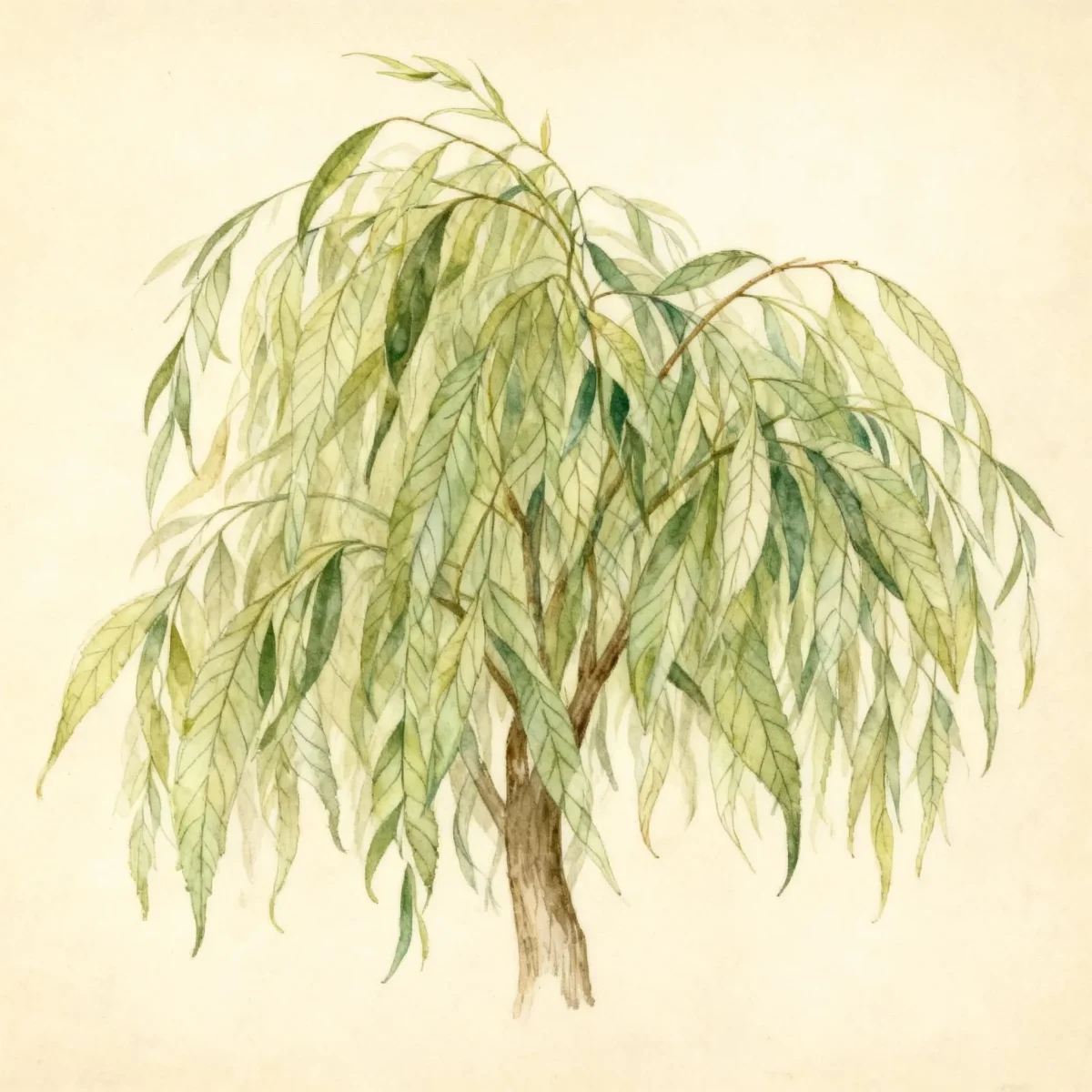
Weeping willow (Salix babylonica var. Pekinensis 'Pendula')
The majestic Salix babylonica var. pekinensis 'Pendula' offers spectacular weeping character, thriving in wet soils from zones 6-8.

Bloom Boldly, No Matter the Season - Sweatshirt
Cozy organic cotton sweatshirt featuring our exclusive Purple Coneflower design. Perfect for gardeners who bloom year-round.
Inspired by the beautiful Weeping willow
Limited first batch (50) — join the waitlist for early access
Waitlist closes Feb 15, 2026.
Complete Plant Information
Field Guide Continues
Ready for care notes, companion picks, and planting tips?
The map is just the start. The full guide below covers growth habits, seasonal performance, and landscape uses.
Overview
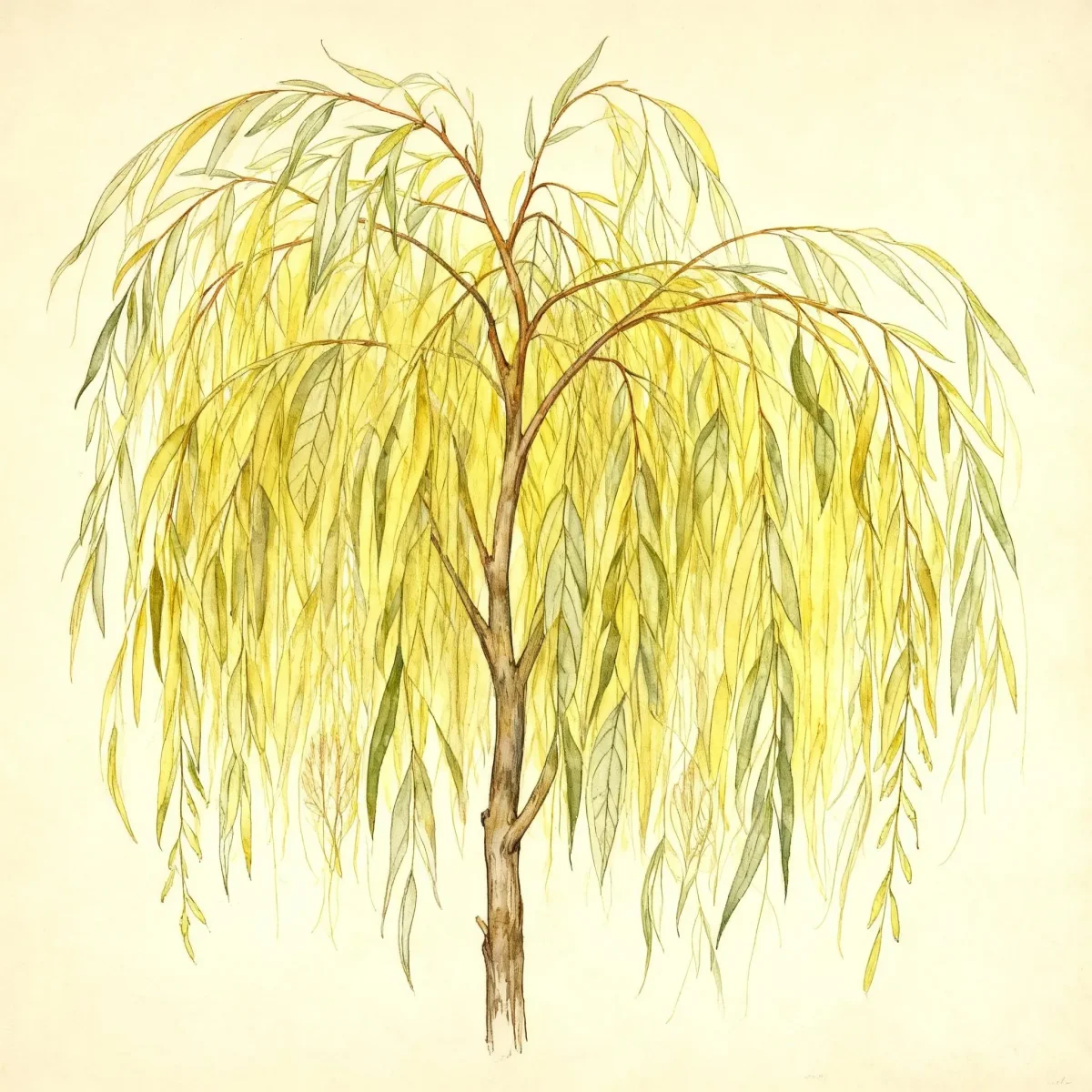
The Weeping willow (Salix babylonica var. pekinensis ‘Pendula’) is instantly recognizable by its dramatically pendulous branches that cascade toward the ground, creating a graceful, sweeping silhouette unmatched by many other deciduous trees. This cultivar, Salix babylonica var. Pekinensis ‘Pendula’, is often cited as having superior form among the weeping options available commercially. It is a large, fast-growing tree well-suited for dramatic specimen planting where ample space is available.
This tree demands moisture, naturally thriving near water features, making it an excellent choice for difficult, wet spots in the landscape. While visually stunning, gardeners must site the Weeping willow carefully due to its substantial mature size and root system characteristics. Successful cultivation focuses on providing consistent moisture and avoiding dry soil conditions entirely.
Offering significant visual impact, the weeping habit of Salix babylonica var. pekinensis ‘Pendula’ creates stunning effects near ponds or large open lawns. Although it requires medium maintenance to manage potential breakage and debris, the architectural beauty solidifies its place as a spectacular, though specialized, landscape feature.
Fast Facts
- Plant Family: Salicaceae
- Plant Type: Tree
- Hardiness Zones: USDA Zones 6-8
- Size at Maturity:
- Height: 30-50 ft
- Spread: 30-50 ft
- Bloom Time: April to May
- Bloom Description: Silver green
- Sun Exposure: Full sun to part shade
- Water Needs: Medium to wet
- Maintenance Level: Medium
How to Grow
Planting your Weeping willow should ideally occur in spring or fall when temperatures are milder, ensuring the tree establishes its root system before facing summer heat or deep winter cold. Locate specimens in average soils that are medium to wet—this tree thrives when its base is consistently moist. Full sun is preferred, though partial shade is tolerated.
Care revolves heavily around providing adequate water; avoid dry soils completely, as this species prefers moisture-rich environments. Pruning is often necessary and should be scheduled for late winter or early spring before new growth begins. Be aware that this Weeping willow is best suited for the southern parts of the U.S., as reliability in colder regions like St. Louis is questioned.
Due to its potentially weak wood, inspect branches regularly for ice or snow damage, especially after major storms, and remove damaged limbs promptly during the late winter pruning session. Its shallow, vigorous roots necessitate careful placement away from septic systems, buried pipes, or paved areas.
Landscape Uses
The primary strength of Salix babylonica var. pekinensis ‘Pendula’ lies in its dramatic water-loving nature. It is highly effective when situated along the banks of streams or ponds, allowing its branches to drape gracefully toward the water surface, enhancing reflections and creating a naturalized edge. This cultural requirement leans perfectly into its suggested use in Rain Gardens, effectively absorbing excess moisture.
Conversely, integrating the Weeping willow into standard residential landscapes often presents challenges. Due to potential litter, root invasiveness, and susceptibility to breakage, it is generally not recommended as a close-to-home specimen. When siting, ensure plenty of overhead and lateral space is available for its substantial 30 to 50-foot spread.
When planted appropriately in large parks or estates near water bodies, consider pairing the Salix babylonica var. Pekinensis ‘Pendula’ with evergreen shrubs that provide year-round structure contrast against the fine texture of the weeping foliage during winter.
Standout Features
Flower Qualities
- Insignificant
Noteworthy Characteristics
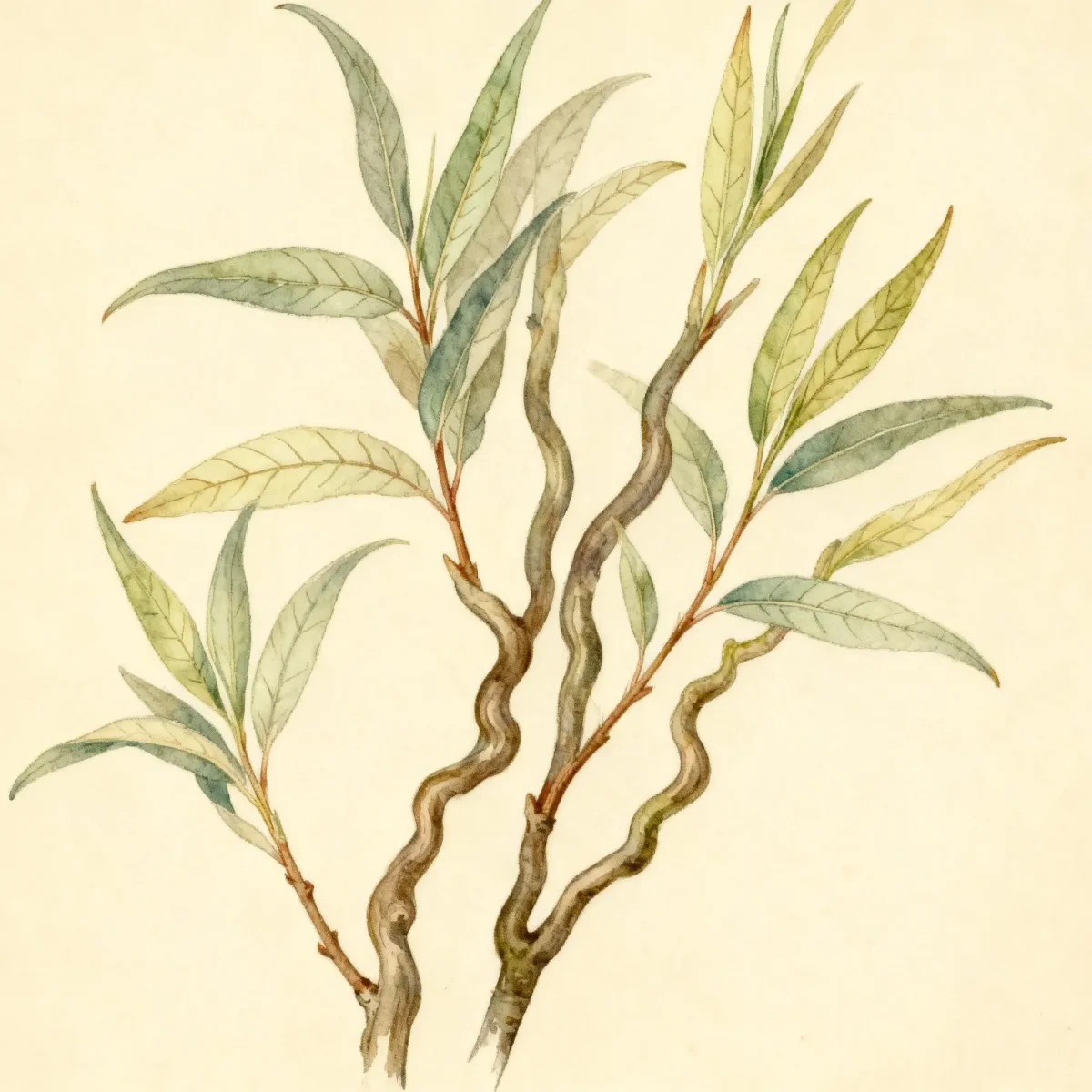
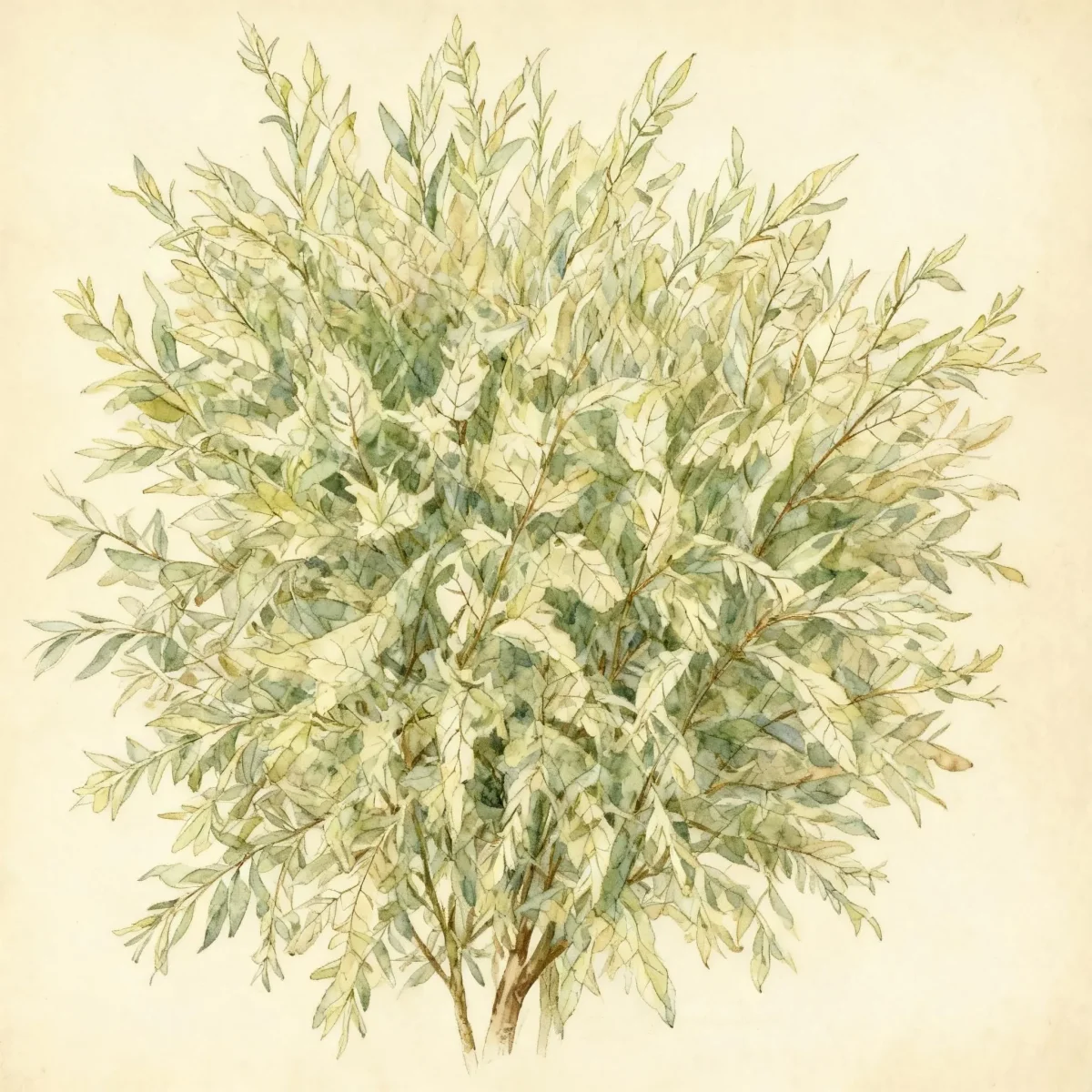
Salix babylonica, commonly called weeping willow or Babylon weeping willow, is a medium to large deciduous tree with a stout trunk topped by a graceful broad-rounded crown of branches that sweep downward to the ground. Many consider this tree (Salix babylonica var. pekinensis ‘Pendula’) to have the best form of the weeping willows available in commerce, with dark greenish-brown branchlets and narrow, finely-toothed leaves. The specific epithet means of Babylon, despite the tree actually being native to China, often confused throughout botanical history.
Tolerances
- Deer
- Erosion
- Wet Soil
- Black Walnut
Potential Problems
The Weeping willow is susceptible to numerous disease issues, including powdery mildew, blights, cankers, and various leaf spots, necessitating good air circulation if possible. It also attracts common insect pests such as aphids, scale insects, borers, and caterpillars, requiring vigilance during the growing season.
A significant structural concern is the wood, which is notoriously weak and prone to cracking, especially when stressed by ice or heavy snow loads. Furthermore, planning is critical due to its invasive, shallow root system, which aggressively seeks out water and can easily infiltrate and damage sewers or drains if planted too closely to infrastructure. Be prepared for regular litter from leaves and twigs dropping throughout the summer and fall.
Frequently Asked Questions
What hardiness zones is Weeping willow suitable for?
The Weeping willow (Salix babylonica var. pekinensis ‘Pendula’) is suitable for USDA Hardiness Zones 6 through 8.
How large does Weeping willow grow?
This magnificent tree typically reaches a height between 30 to 50 feet, with a similar spread ranging from 30 to 50 feet at maturity.
What sun exposure does Weeping willow need?
Salix babylonica var. pekinensis ‘Pendula’ prefers full sun but can adapt to spots receiving part shade, provided its water needs are met.
When does Weeping willow bloom?
The bloom time for this species is from April to May, producing inconspicuous flowers described as silver green.
Conclusion
The unparalleled, dramatic form of Salix babylonica var. pekinensis ‘Pendula’ makes it a striking and instantly recognizable tree best utilized near water features where its moisture needs can be reliably met. Gardeners must weigh the architectural splendor of the Weeping willow against its maintenance requirements, weak wood, and extensive root system. Before planting, ensure your location falls within USDA Zones 6-8 and you have planned its placement away from structures vulnerable to its invasive roots.
Companion Planting
Because the Weeping willow demands consistent moisture, companion plants should share a similar affinity for wet or periodically saturated soils. Excellent choices include moisture-loving shrubs like Buttonbush (Cephalanthus occidentalis) or various species of Dogwood (Cornus) known for thriving near water edges. For ground cover underneath the periphery of the canopy, consider moisture-tolerant perennials like Marsh Marigold (Caltha palustris) or various ferns that appreciate dappled light under the lofty branches.
Seasonal Care Calendar
Spring is crucial for assessing winter damage; prune any cracked or broken limbs of your Salix babylonica var. Pekinensis ‘Pendula’ in late winter or early spring before bud break to encourage healthy new growth. Summer care focuses entirely on water; supplement rainfall immediately during dry spells to keep the soil consistently moist through the growing season. In fall, embrace the debris; the greenish-yellow leaf drop is expected and requires collection, especially from paved areas near the tree. Winter preparation is minimal, focusing only on carefully removing heavy, clinging snow or ice loads from branches to prevent breakage on the weak wood.