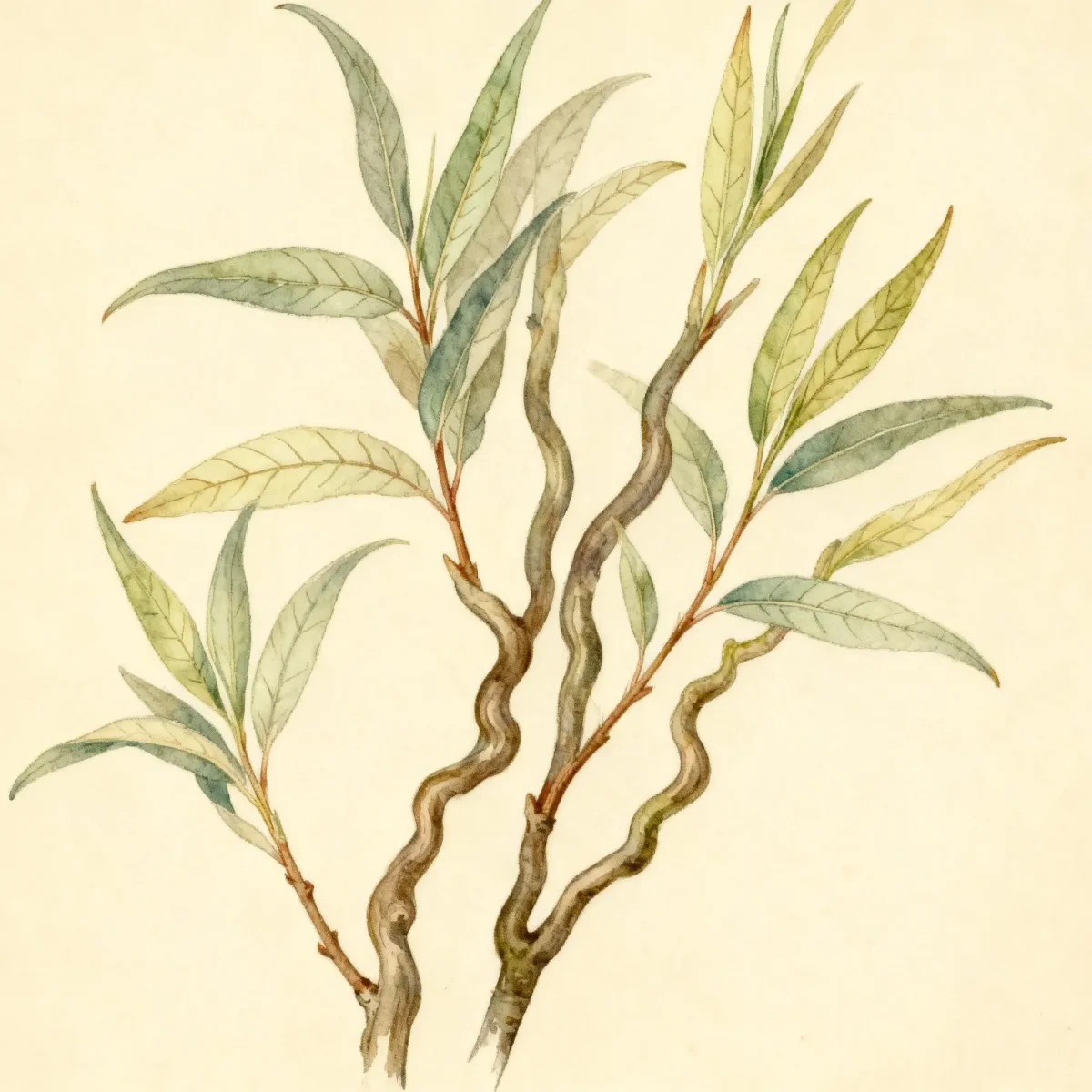
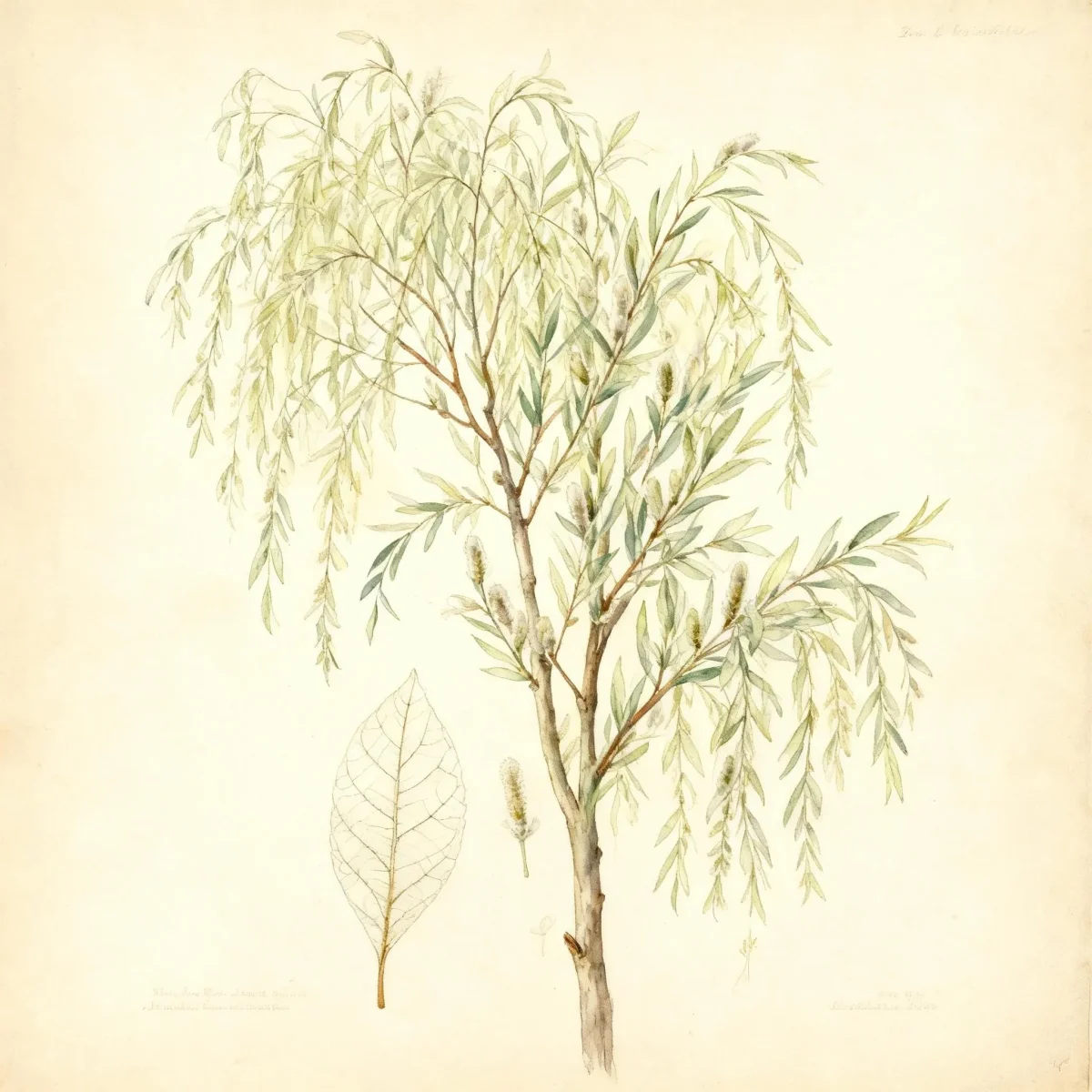
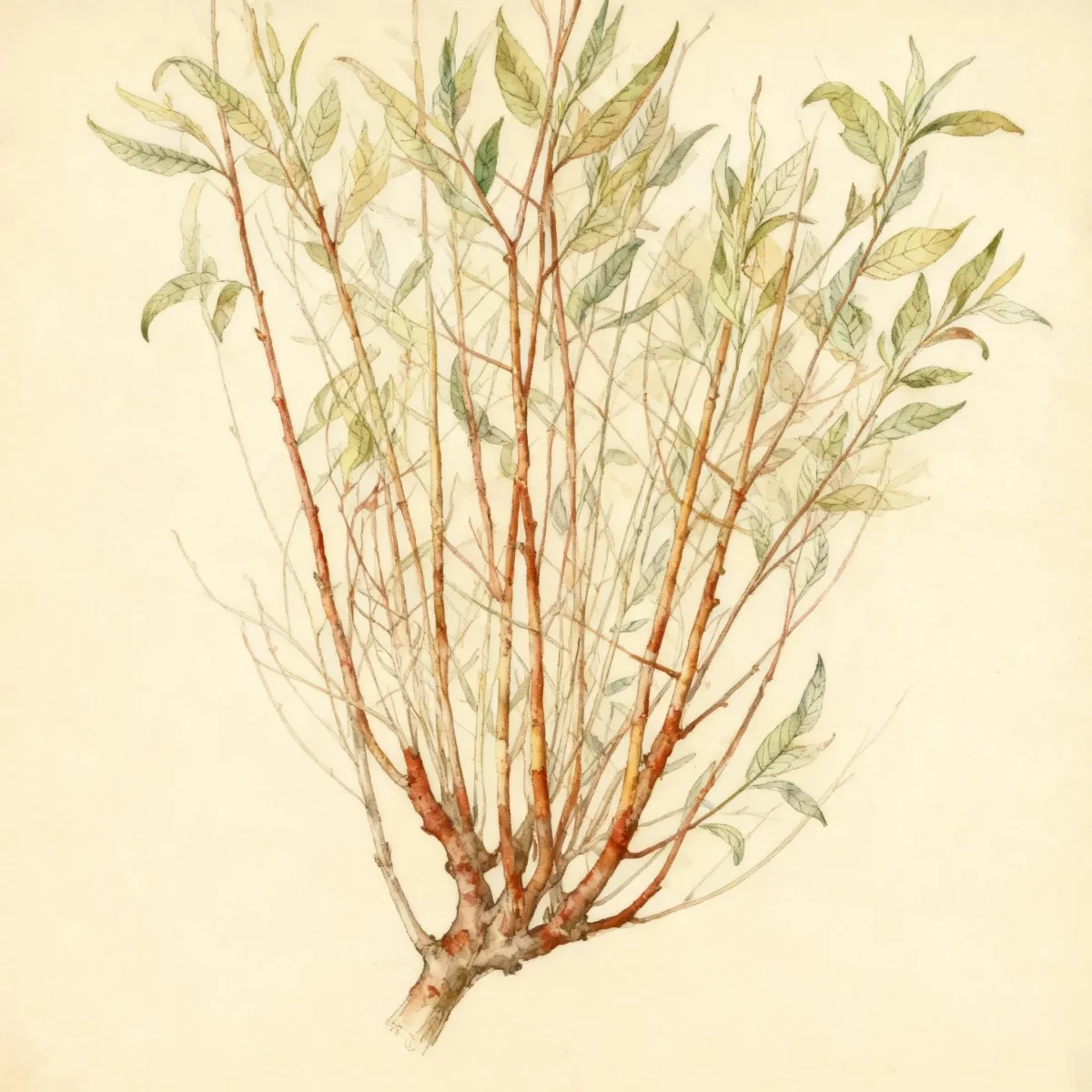
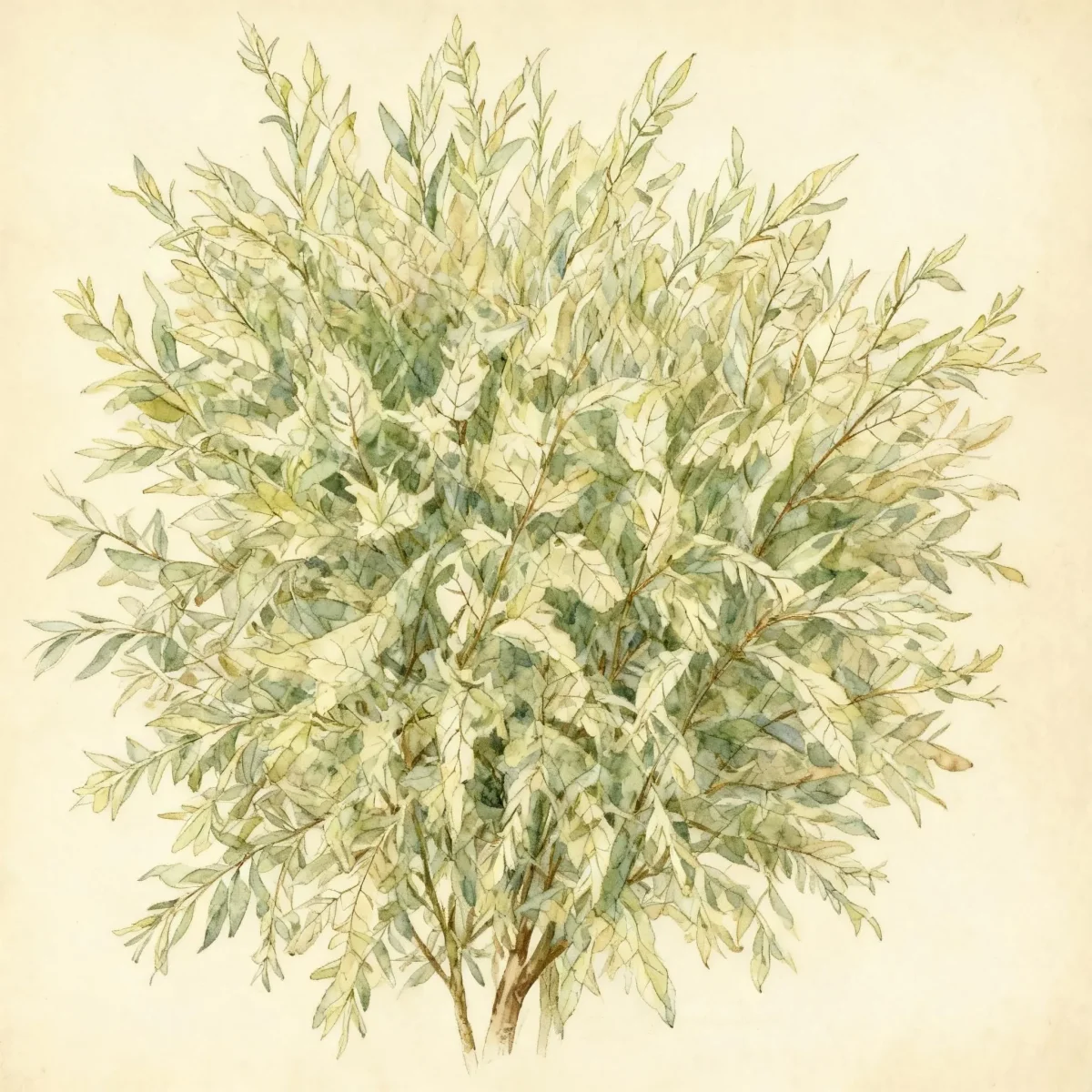
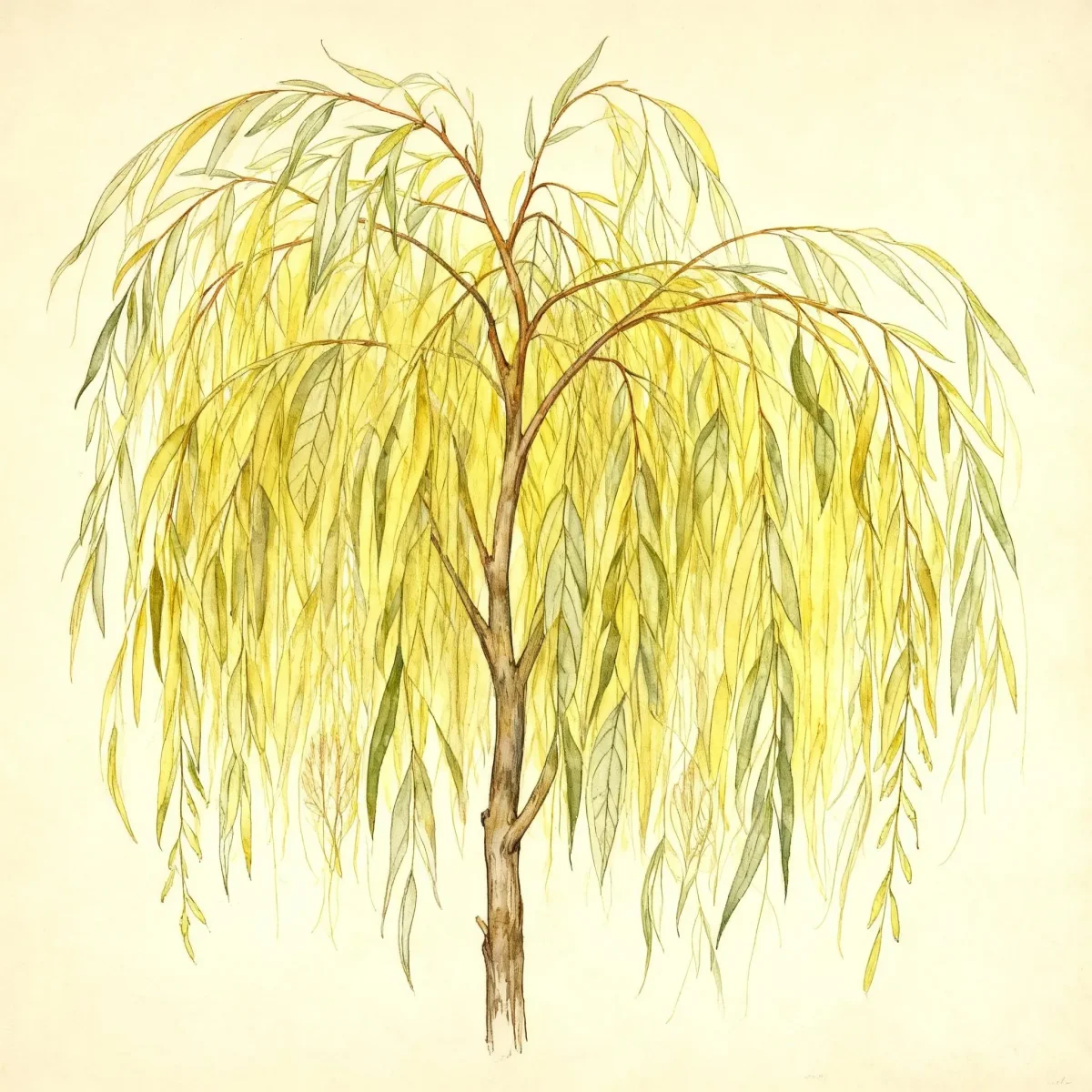
Golden weeping willow (Salix × pendulina)
Salix × pendulina, the Golden weeping willow, offers spectacular weeping form for moist areas. Hardy in Zones 4, featuring medium maintenance.

Bloom Boldly, No Matter the Season - Sweatshirt
Cozy organic cotton sweatshirt featuring our exclusive Purple Coneflower design. Perfect for gardeners who bloom year-round.
Inspired by the beautiful Golden weeping willow
Limited first batch (50) — join the waitlist for early access
Waitlist closes Feb 15, 2026.
Complete Plant Information
Field Guide Continues
Ready for care notes, companion picks, and planting tips?
The map is just the start. The full guide below covers growth habits, seasonal performance, and landscape uses.
Overview
The Golden weeping willow, scientifically known as Salix × pendulina, is a visually dramatic hybrid tree renowned for its classically weeping habit, where branches cascade gracefully toward the ground. This striking silhouette makes it a focal point, especially when situated near water features where its branches can touch the surface. While it requires attention regarding site selection due to its size and water needs, the aesthetic payoff of the Salix × pendulina is substantial.
This hybrid willow grows into a substantial medium-sized presence, often reaching 30 to 50 feet in height and spread. It prefers consistently moist or wet soils, thriving in full sun to partial shade conditions. As a Salix × pendulina, it demands careful consideration in residential settings because of its vigorous root system and potential litter production.
For gardeners wrestling with wet areas or needing erosion control along a bank, the Golden weeping willow offers a rapid-growing, beautiful solution. Its dramatic stature provides exceptional textural contrast in the landscape, even though its flowers are not considered showy.
Fast Facts
- Plant Family: Salicaceae
- Plant Type: Tree
- Native Range: Garden origin
- Hardiness Zones: USDA Zones 4-4
- Size at Maturity:
- Height: 30-50 ft
- Spread: 30-50 ft
- Bloom Time: April to June
- Sun Exposure: Full sun to part shade
- Water Needs: Medium to wet
- Maintenance Level: Medium
How to Grow
Planting the Golden weeping willow is best accomplished in the dormant season, late fall or early spring, ensuring the site provides the required abundant moisture. Salix × pendulina thrives in average, medium to wet, well-drained soils, making it ideal for rain gardens or the edges of ponds and streams. It must receive full sun for optimal vigor, though it tolerates part shade.
Watering for established trees should be consistent, aiming to keep the soil moist to wet, as this species actively avoids dry conditions. Fertilization is generally not necessary unless soil fertility is extremely poor. Pruning should be performed in late winter or very early spring to maintain shape and remove any winter-damaged wood before new growth begins.
Be aware that this hybrid may not demonstrate full winter hardiness throughout the entire range; it is best suited for the southern parts of its known zones. Due to its wood being somewhat weak, inspect the tree after heavy storms involving ice or snow, and prune any damaged or cracked branches promptly.
Landscape Uses
The weeping form of the Salix × pendulina is its primary ornamental asset, making it a spectacular specimen when strategically placed. It is highly effective when planted near streams, ponds, or other water bodies where its weeping branches can sweep the water surface, creating a tranquil scene. This use aligns perfectly with its need for medium to wet soil.
While beautiful, this tree is generally not recommended for tight residential landscapes due to its substantial mature size (up to 50 feet wide) and potential for nuisance issues like litter and invasive roots. However, it excels in naturalized settings or large parks where moisture management is a key design element, such as specifically designated rain gardens or large swales designed for erosion control.
When integrating Salix × pendulina into a landscape design, consider pairing it with groundcovers or marginal aquatic plants that also tolerate wet feet. Its vibrant green foliage in the growing season offers a soft texture to contrast against bolder evergreen structures placed further away from its drip line.
Standout Features
Flower Qualities
- Insignificant
Noteworthy Characteristics
The Salix × pendulina, widely known as the pendulous or Golden weeping willow, is a hybrid derived from crossing S. Babylonica with either S. Fragilis or S. Euxina. This dioecious tree develops a wide crown with pendulous branches that can reach the ground, growing up to 50 feet tall and wide. Its long, narrow green leaves create a striking texture, and the yellowish-brown branchlets add winter interest.
Tolerances
- Deer
- Erosion
- Wet Soil
- Black Walnut
Potential Problems
The primary drawbacks of growing the Salix × pendulina relate to its wood quality and susceptibility to pests and diseases. It is prone to numerous issues, including various blights, cankers, powdery mildew, and leaf spots, requiring vigilance from the gardener. Insect pests such as borers, aphids, lacebugs, and caterpillars frequently visit this species.
Furthermore, the wood structure itself is often weak, leading to breakage from high winds, ice, or heavy snow loads. Gardeners must also manage the constant litter produced by fallen leaves, twigs, and branches.
A critical consideration is the shallow, aggressive root system of the Salix × pendulina, which actively seeks out moisture sources, potentially infiltrating and clogging subsurface drainage pipes, sewer lines, or foundation cracks if planted too close to structures.
Frequently Asked Questions
What hardiness zones is Golden weeping willow suitable for?
The Golden weeping willow (Salix × pendulina) is suitable for USDA Hardiness Zones 4 through 4.
How large does Golden weeping willow grow?
This striking tree typically matures to a height between 30 and 50 feet, with a corresponding spread of 30 to 50 feet.
What sun exposure does Salix × pendulina need?
Salix × pendulina prefers full sun to part shade, though it thrives best when situated in a location receiving maximum daylight.
When does Salix × pendulina bloom?
The flowering catkins of the Salix × pendulina appear relatively early, blooming from April to June.
Conclusion
The Golden weeping willow (Salix × pendulina) offers unparalleled weeping splendor, making it a show-stopping feature for large-scale landscapes, particularly those adjacent to water features where its drainage needs can be met. While gardeners must manage its potential for breakage and aggressive roots, its beauty in moist settings is undeniable. Before planting this tree, carefully check your local hardiness zone compatibility and ensure ample space is available for its mature size.
Design Ideas
When using the Salix × pendulina as a specimen tree, think about contrast in texture and form. Its fine, cascading foliage looks excellent set against sturdy evergreens or formal evergreen hedges, which anchor the landscape. Avoid placing it near patios or sidewalks where its litter (twigs and leaves) will become a constant cleanup chore throughout the growing season.
Consider planting the Golden weeping willow along a sightline or as a backdrop to a water garden. Its mature form naturally screens less attractive functional structures, creating a beautiful, soft transition between lawn areas and aquatic zones. Because of its size, use this tree sparingly, letting its scale dominate the area where it is placed.
Companion Planting
Due to the high moisture requirements of Salix × pendulina, companion plants should share similar needs for medium to wet soil conditions. Excellent pairing options include moisture-loving shrubs like Swamp Rose (Rosa palustris) or various moisture-tolerant ornamental grasses.
Smaller perennials that can handle seasonally saturated soils, such as Blue Flag Iris (Iris versicolor) or various ferns, work well near the dripline, provided they are not overshadowed as the willow matures. The goal is to integrate plants that thrive in the damp environment that the Salix × pendulina requires to flourish.