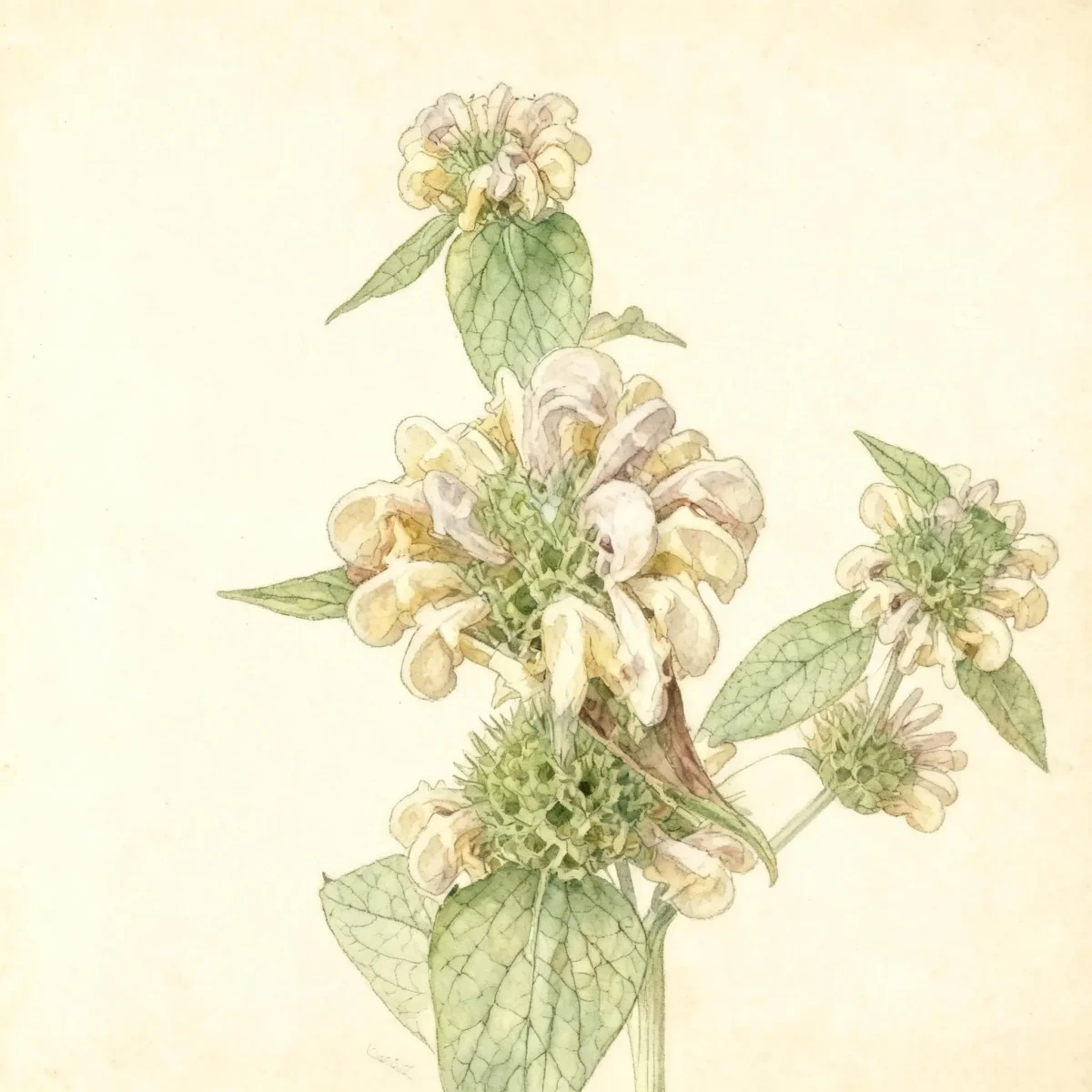
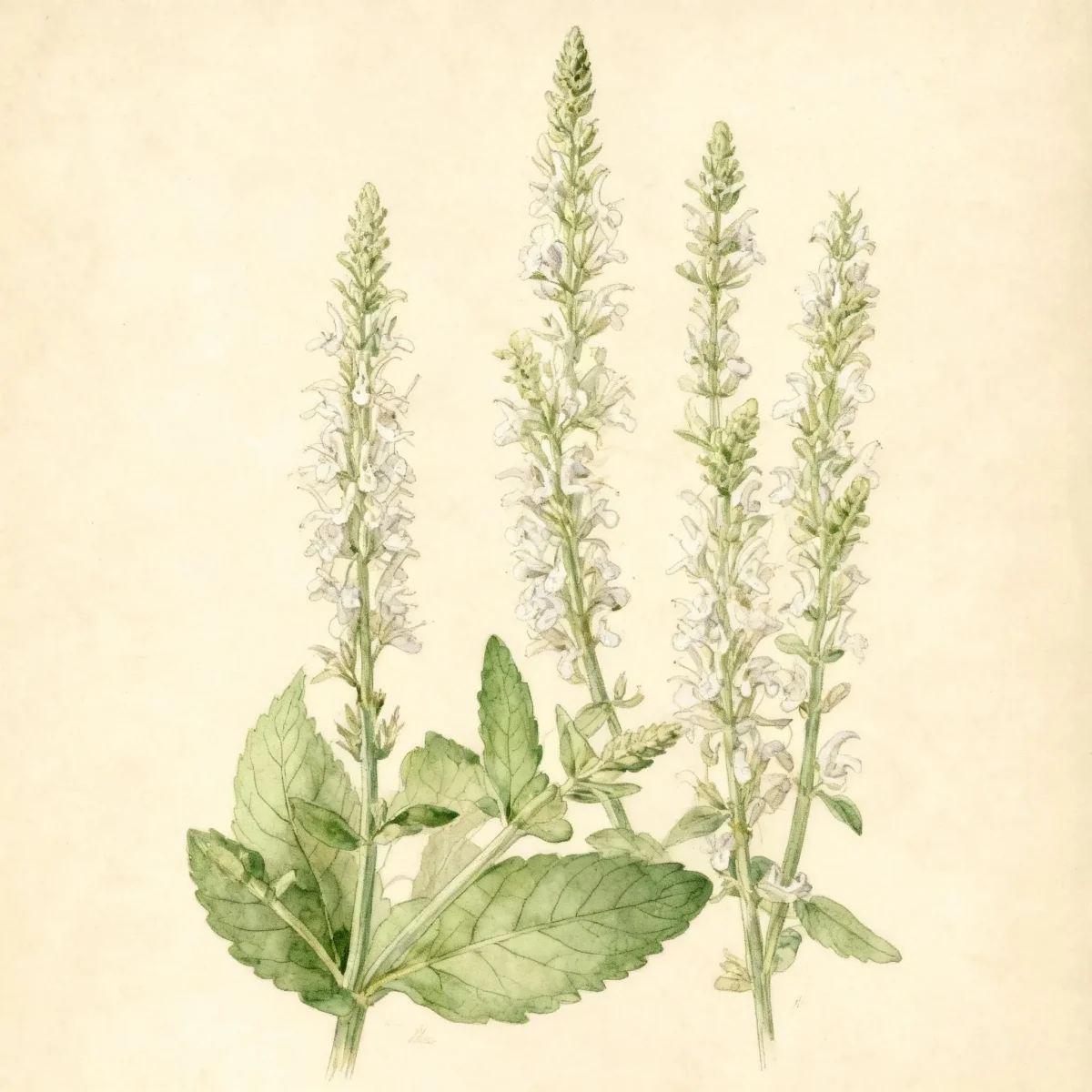
Meadow sage (Salvia nemorosa 'Ostfriesland' EAST FRIESLAND)
Salvia nemorosa 'Ostfriesland' EAST FRIESLAND, or Meadow sage, offers long-lasting violet blooms and low maintenance in sunny, dry gardens.
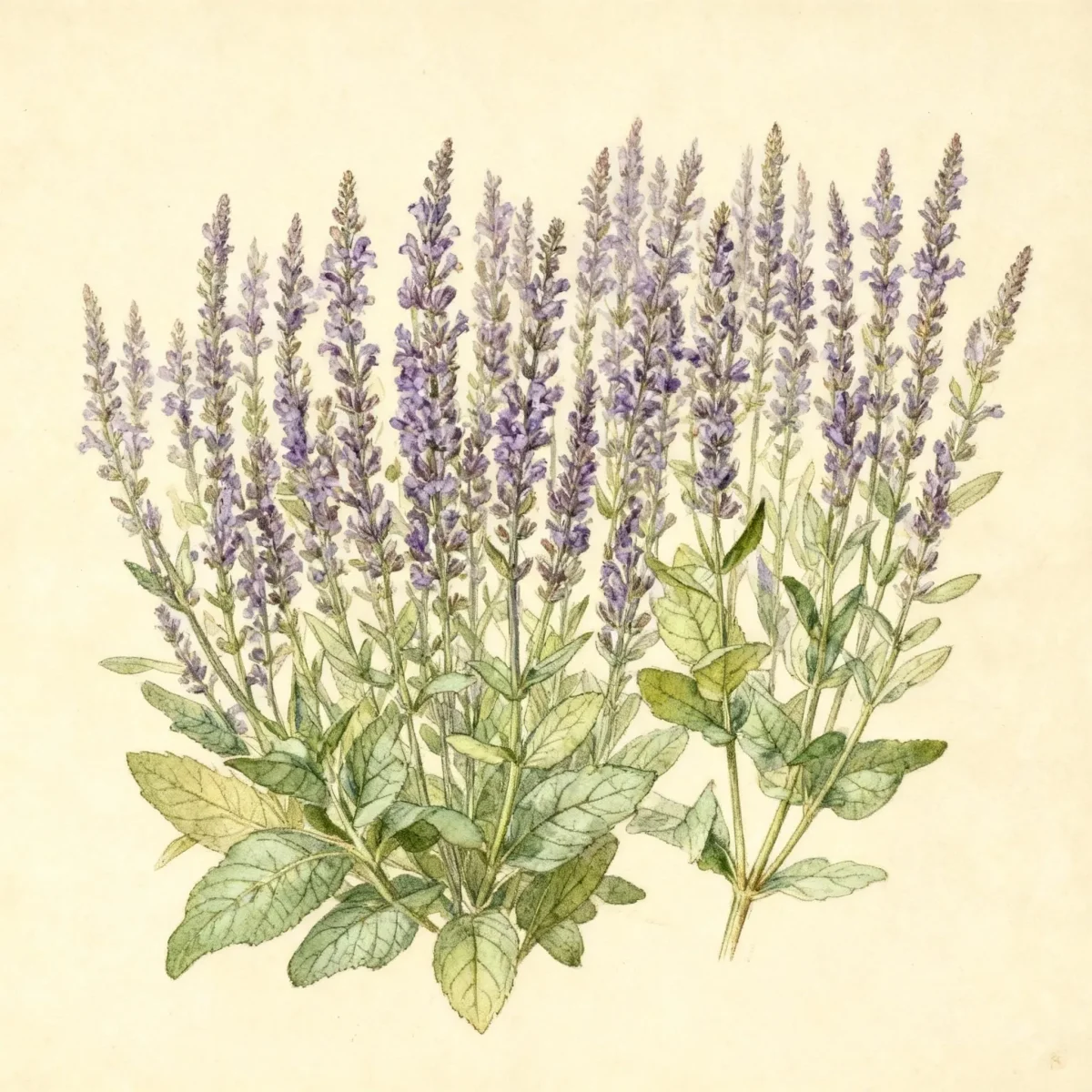

Bloom Boldly, No Matter the Season - Sweatshirt
Cozy organic cotton sweatshirt featuring our exclusive Purple Coneflower design. Perfect for gardeners who bloom year-round.
Inspired by the beautiful Meadow sage
Limited first batch (50) — join the waitlist for early access
Waitlist closes Feb 15, 2026.
Complete Plant Information
Field Guide Continues
Ready for care notes, companion picks, and planting tips?
The map is just the start. The full guide below covers growth habits, seasonal performance, and landscape uses.
Overview
Salvia nemorosa ‘Ostfriesland’ EAST FRIESLAND, commonly known as Meadow sage, is a highly valued addition to the perennial garden, prized for its dense spikes of vibrant violet-purple flowers that provide long-lasting summer color. This Balkan clary cultivar stands out due to its compact form and relatively low maintenance requirements, making it ideal for busy gardeners seeking reliable performance. It typically forms a neat foliage mound, with flower spikes rising attractively above the leaves from late spring well into mid-summer.
This herbaceous perennial is exceptionally resilient once established, thriving in full sun conditions where many other flowering plants may struggle or fade quickly. Meadow sage attracts beneficial pollinators, including bees and butterflies, adding movement and ecological value to borders and cottage gardens. The cultivar ‘Ostfriesland’ is particularly noted for its sterile nature, meaning it won’t readily self-seed, leading to cleaner garden beds.
For optimal display, group several Salvia nemorosa ‘Ostfriesland’ EAST FRIESLAND plants together to create waves of richly colored blooms against its aromatic, wrinkled foliage. Its upright habit makes it an excellent structural element, providing vertical interest without demanding significant space or constant attention.
Fast Facts
- Plant Family: Lamiaceae
- Plant Type: Herbaceous perennial
- Hardiness Zones: USDA Zones 4-8
- Size at Maturity:
- Height: 1-1.5 ft
- Spread: 0.75-1 ft
- Bloom Time: May to August
- Bloom Description: Violet purple
- Sun Exposure: Full sun
- Water Needs: Dry to medium
- Maintenance Level: Low
How to Grow
Salvia nemorosa ‘Ostfriesland’ EAST FRIESLAND should be planted in spring or fall in a location receiving full sun exposure for the best flowering performance. This Meadow sage cultivar adapts well to average soils, but it performs best in well-drained conditions. While it tolerates drought once established, it prefers consistently moist, gravelly, or sandy soils during establishment. Avoid heavy clay soils that do not drain adequately, as this can lead to root issues.
Maintenance for Salvia nemorosa ‘Ostfriesland’ is minimal. Water regularly during dry spells, especially if you wish to encourage repeat blooming throughout the summer and into the fall months. Fertilizing is rarely necessary; over-fertilizing can lead to excessive floppy foliage rather than flowers. If the initial flush of bloom fades, an impactful deadheading—cutting the plant back significantly—will often prompt a second, though sometimes less intense, round of flowering.
Be aware that in very humid climates, plants might become somewhat floppy or open up toward the center as summer progresses. If this occurs, or if the plant simply looks past its prime mid-season, shear the entire plant back to the basal foliage; this drastically rejuvenates the clump. Remember that ‘Ostfriesland’ is sterile and does not set seed, simplifying cleanup at the end of the season, though you should still cut stems back after the main flowering period concludes.
Landscape Uses
Meadow sage is a cornerstone plant for sunny borders and cottage garden designs where reliability and vibrant color are paramount. Its sturdy, upright spikes make Salvia nemorosa ‘Ostfriesland’ EAST FRIESLAND perfect for the middle to front of a perennial border, providing strong vertical punctuation alongside lower-growing border companions. Plant it in groups or drifts rather than as isolated specimens to maximize the visual impact of its violet-purple blooms.
Consider pairing this tough perennial with plants that offer contrasting textures or colors, such as silver-leaved Artemisia, softer ornamental grasses, or plants with yellow or white flowers. It integrates beautifully into butterfly gardens needing nectar sources throughout the summer, or along paths where its structure can guide the eye. Because Salvia nemorosa ‘Ostfriesland’ handles dry soil well, seek out companions with similar drought tolerance for low-water landscape designs.
Standout Features
Flower Qualities
- Showy
Noteworthy Characteristics
Salvia nemerosa, commonly known as woodland sage, is an erect, woody-based perennial noted for its compact form, long bloom period, and violet-purple flowers. Dense terminal spikes rise above the foliage, which consists of wrinkled, lance-shaped leaves that are aromatic when bruised. This specific cultivar, ‘Ostfriesland’, features intense color saturation and will repeat bloom with timely deadheading.
Tolerances
- Deer
- Drought
- Dry Soil
- Air Pollution
Potential Problems
Meadow sage generally enjoys low maintenance, but vigilance is necessary against a few potential issues. Some plants may show susceptibility to fungal diseases like powdery mildew, leaf spot, or rust, especially in areas with poor air circulation or high humidity. Planting Salvia nemorosa ‘Ostfriesland’ in its preferred full sun and ensuring adequate spacing will mitigate most moisture-related fungal risks. Occasional insect pests such as aphids, whiteflies, or scale can be observed, but typically do not cause severe damage.
Frequently Asked Questions
What hardiness zones is Meadow sage suitable for?
Salvia nemorosa ‘Ostfriesland’ EAST FRIESLAND is reliably hardy in USDA Zones 4 through 8.
How large does Meadow sage grow?
This herbaceous perennial typically reaches a height between 1 and 1.5 feet, spreading about 0.75 to 1 foot wide, forming a compact clump.
What sun exposure does Salvia nemorosa ‘Ostfriesland’ EAST FRIESLAND need?
For the most robust growth and continuous bloom cycle, this plant must be situated in full sun.
When does Meadow sage bloom?
You can expect the primary bloom period for Salvia nemorosa ‘Ostfriesland’ EAST FRIESLAND to extend from May through August, displaying beautiful violet purple flowers.
Conclusion
The introduction of Salvia nemorosa ‘Ostfriesland’ EAST FRIESLAND into any garden plan guarantees a reliable source of intense, violet-purple color with minimal fuss. This tough, sterile Meadow sage variety excels in supporting pollinators while tolerating dry, sunny conditions common in hotter climates. Before planting, confirm your site offers full sun and excellent drainage to ensure this low-maintenance perennial flourishes for seasons to come.
Companion Planting
Selecting appropriate neighbors enhances the visual appeal and long-term health of your perennial beds featuring Salvia nemorosa ‘Ostfriesland’ EAST FRIESLAND. Because this Meadow sage thrives in dry to medium conditions and requires low fertility, pair it with other sun-lovers that share similar cultural needs. Good companions include many other drought-tolerant perennials such as Lavender (Lavandula), Yarrow (Achillea), and sturdy Coneflowers (Echinacea).
Avoid planting Salvia nemorosa ‘Ostfriesland’ directly next to moisture-loving species, as these contrasting water needs can compromise the drainage preferred by the salvia. Grouping it with plants that have contrasting leaf textures, such as feathery Russian Sage (Perovskia atriplicifolia) or broad-leaved Sedum, creates dynamic visual interest across the season, long after the violet blooms peak.
Wildlife Benefits
The nectar-rich flowers of Salvia nemorosa ‘Ostfriesland’ make Meadow sage an invaluable resource for beneficial insects buzzing through the garden from late spring onward. Bees, in particular, are strongly attracted to the flower spikes of this blooming perennial. Planting this species helps support local pollinator populations, contributing to garden biodiversity.
While the flowers are a feast for beneficial insects, the plant’s natural defenses make it largely unappetizing to browsing mammals. A deer-resistant plant like Salvia nemorosa ‘Ostfriesland’, often listed among the first choices for woodland sage, ensures that your investment in color remains intact through the grazing seasons.