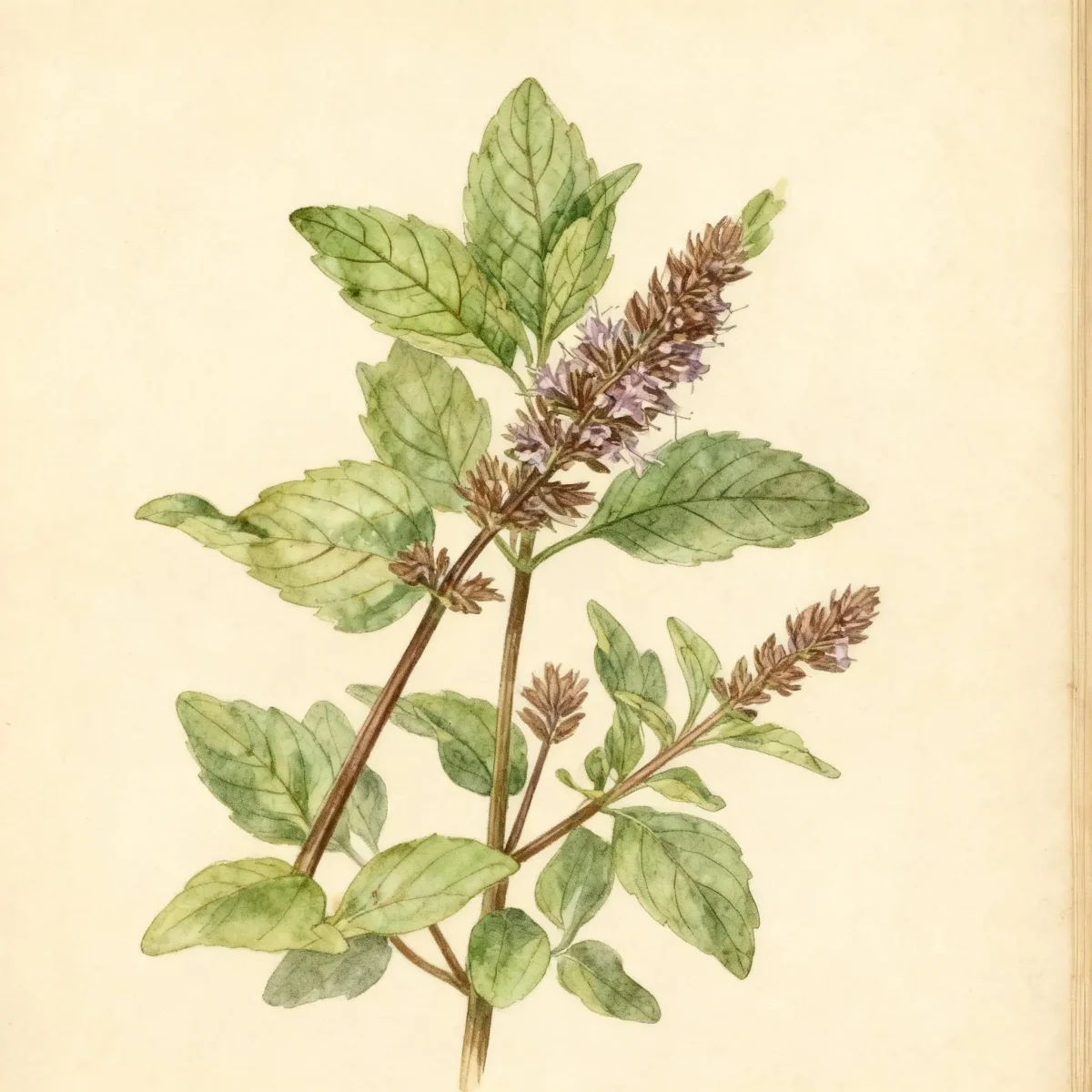
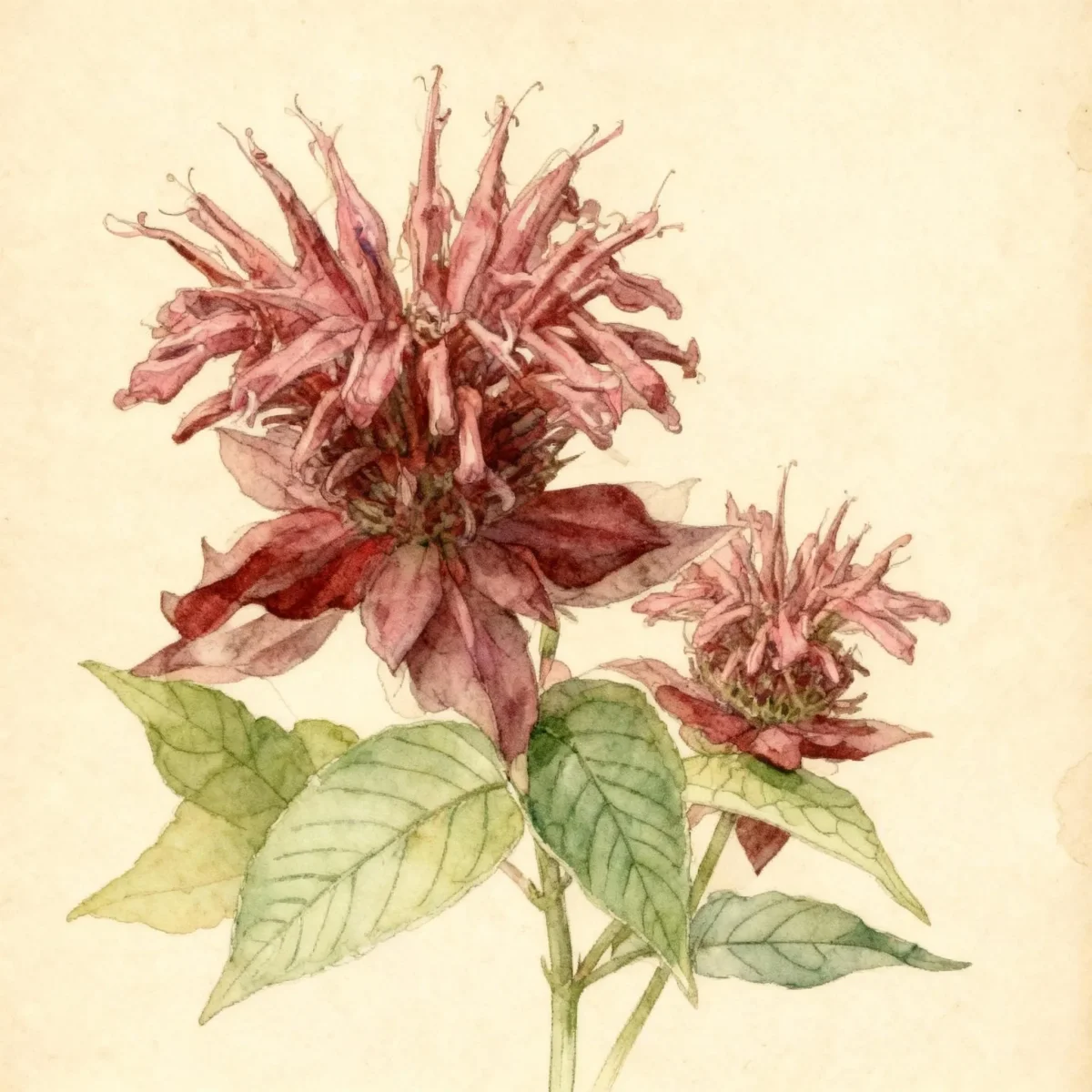
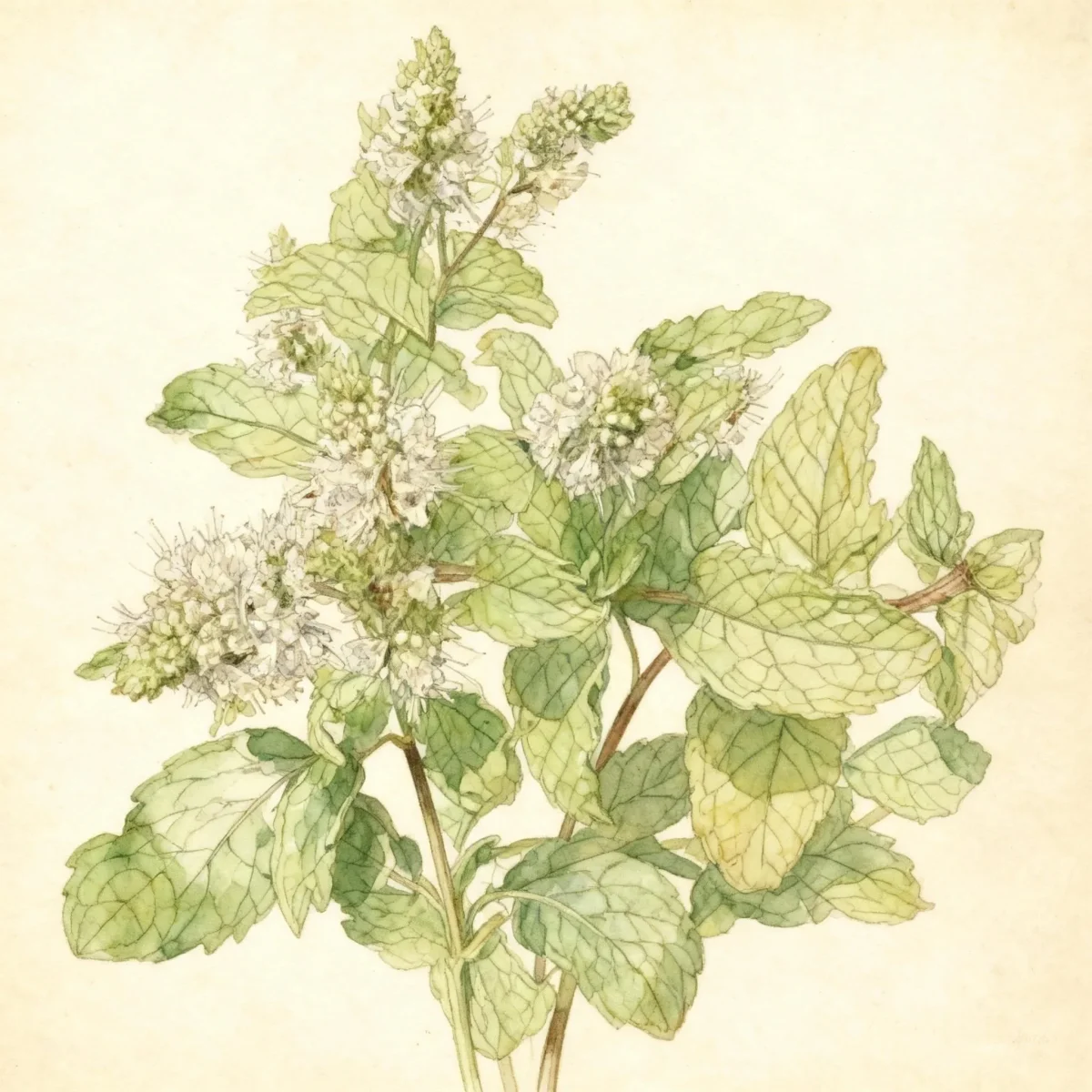
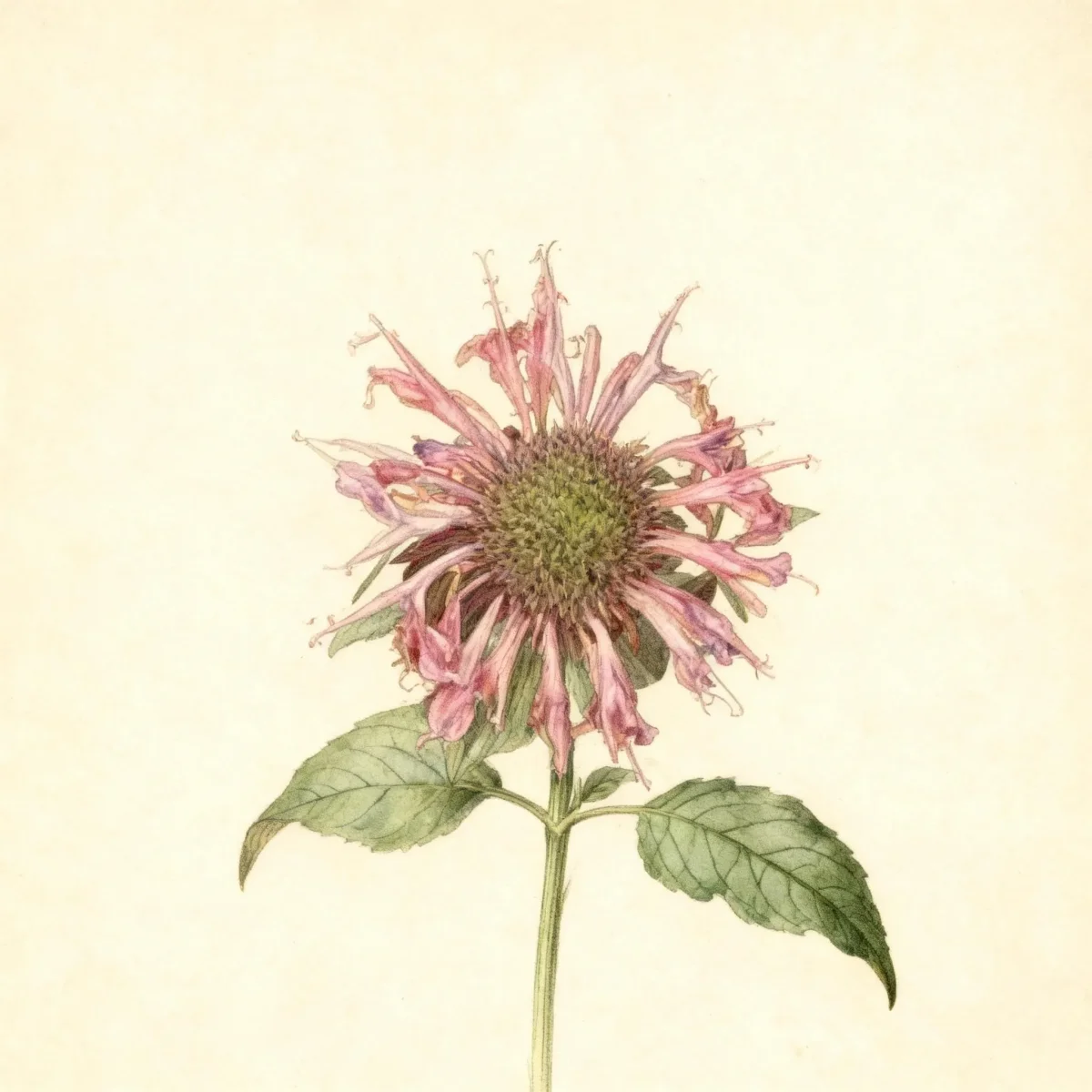
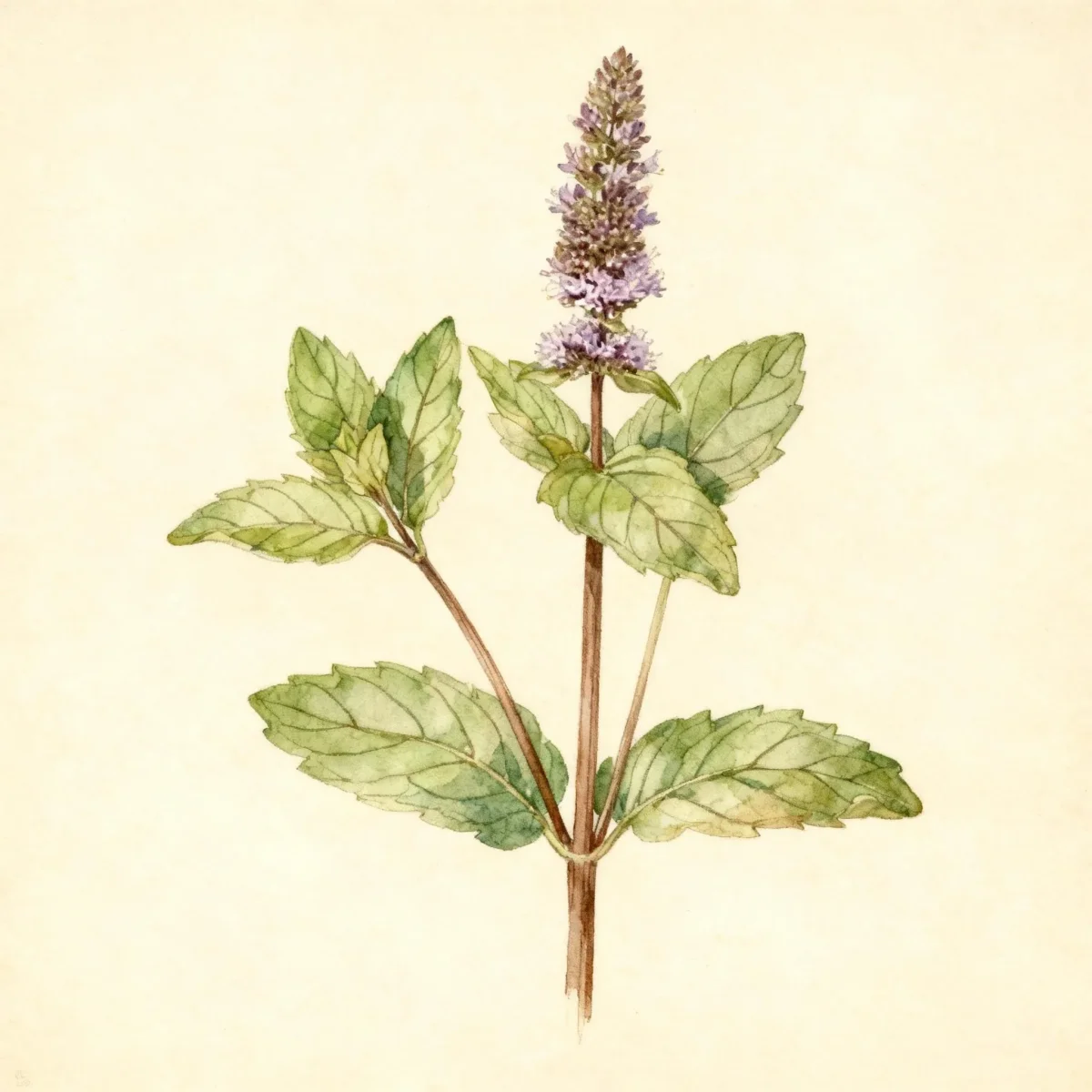
Lemon mint (Mentha × piperita f. Citrata)
Lemon mint (Mentha × piperita f. citrata) is a fragrant herbaceous perennial perfect for moist areas, offering citrus notes.

Bloom Boldly, No Matter the Season - Sweatshirt
Cozy organic cotton sweatshirt featuring our exclusive Purple Coneflower design. Perfect for gardeners who bloom year-round.
Inspired by the beautiful Lemon mint
Limited first batch (50) — join the waitlist for early access
Waitlist closes Feb 15, 2026.
Complete Plant Information
Field Guide Continues
Ready for care notes, companion picks, and planting tips?
The map is just the start. The full guide below covers growth habits, seasonal performance, and landscape uses.
Overview
Lemon mint, scientifically known as Mentha × piperita f. citrata, is a highly valued member of the mint family celebrated for its distinctive fragrance. Unlike common peppermint, this cultivar provides a bright, uplifting scent reminiscent of citrus, often earning it the name Orange mint. Grown as a rhizomatous, upright perennial, it offers both aromatic appeal in the herb garden and excellent ground cover capabilities.
This vigorous herb thrives in moist conditions, making it a reliable choice for rain gardens or pond margins where other plants might struggle. Gardeners appreciate its deep green foliage and terminal spikes of small lavender flowers that appear mid-summer. Due to its spreading nature, thoughtful placement is crucial for successful integration into the landscape.
The distinctive flavor profile of Mentha × piperita f. Citrata makes the leaves excellent for flavoring teas, garnishes, or including in fragrant potpourris. As a hybrid between Watermint and Spearmint, it carries robust hybrid vigor, though gardeners must manage its aggressive growth to maintain desired boundaries.
Fast Facts
- Plant Family: Lamiaceae
- Plant Type: Herbaceous perennial
- Hardiness Zones: USDA Zones 5-9
- Size at Maturity:
- Height: 1-2 ft
- Spread: 1-2 ft
- Bloom Time: July to August
- Bloom Description: Lavender
- Sun Exposure: Full sun to part shade
- Water Needs: Medium to wet
- Maintenance Level: Medium
How to Grow
For optimal performance, plant Lemon mint in rich, moist soils. While it prefers full sun, Mentha × piperita f. citrata tolerates partial shade, especially in warmer climates. The best planting time is typically spring after the danger of hard frost has passed, allowing the vigorous roots to establish quickly.
Water needs for this mint are medium to wet; never allow the soil to become severely dry, as it is well-adapted to damp environments. Little supplemental feeding is usually required if the soil is rich, but a balanced, slow-release fertilizer in spring can promote robust foliage growth. Regular monitoring is necessary, particularly concerning its spread.
Maintenance is rated as medium primarily because of its rhizomatous habit. Large plantings should be sheared back after flowering ceases to remove spent flower spikes and encourage fresh, vibrant vegetative growth. If Mentha × piperita f. Citrata is situated near ornamental borders, gardeners must use soil barriers to effectively restrain its underground runners.
Landscape Uses
Lemon mint excels where moisture is abundant, making it an ideal candidate for naturalizing in informal garden areas. Its suitability for rain gardens or along pond margins means it helps manage water runoff while providing attractive, fragrant foliage. Use it as a cascading element near water features or let it weave through low woodland areas where sunlight filters through.
As an excellent herb, include Mentha × piperita f. citrata near kitchen doors or activity areas where its citrus-mint scent can be easily enjoyed. While it functions wonderfully as a tough ground cover, avoid planting it near delicate, slow-spreading perennials, as the mint will quickly dominate the space. Pairing it with plants that appreciate similar damp conditions, such as astilbes or marsh marigolds, can create harmonious, wet-loving displays.
Standout Features
Flower Qualities
- Showy
- Fragrant
Noteworthy Characteristics
Mentha × piperita f. citrata is a rhizomatous, upright perennial most commonly grown as a culinary herb and ground cover, typically reaching 2 feet tall via spreading rhizomes. Its leaves emit a distinct minty orange fragrance and flavor, perfect for teas or garnishes, contrasted against small lavender flower spikes in summer. Derived from a hybrid cross involving Mentha aquatica and Mentha spicata, forma citrata is specifically known for its characteristic citrus aroma often leading to its common name, orange mint.
Tolerances
- Rabbit
- Deer
- Wet Soil
Potential Problems
Generally, Mentha × piperita f. citrata exhibits few serious insect or disease concerns, which adds to its appeal for low-input gardening. The primary challenge faced by gardeners is its aggressive spreading mechanism via underground rhizomes. To prevent this vigorous growth from overwhelming adjacent plantings, implement physical root barriers during initial planting or commit to regular, seasonal division to keep the patch contained.
Frequently Asked Questions
What hardiness zones is Lemon mint suitable for?
Mentha × piperita f. citrata is reliably hardy in USDA Zones 5 through 9.
How large does Lemon mint grow?
This plant typically reaches a height between 1 and 2 feet, with a similar spread of 1 to 2 feet at maturity.
When does Lemon mint bloom?
You can expect the lovely lavender blooms of the Lemon mint to appear throughout the peak summer season, usually from July to August.
What sun exposure does Mentha × piperita f. citrata need?
It performs best in full sun but is adaptable enough to handle partial shade conditions as well.
Conclusion
Mentha × piperita f. citrata provides exceptional aromatic value and resilience, especially in moist garden locations, making Lemon mint a versatile choice for herb enthusiasts and landscape designers alike. Its citrus scent and preference for wet soil set it apart from many other mint varieties. Before planting, ensure you have either designated a contained space or are prepared to actively manage its rhizomatous spread to fully enjoy this fragrant perennial.
Propagation Tips
Propagation of Mentha × piperita f. citrata is easiest and most reliable through division of the roots and rhizomes. In early spring, before new top growth aggressively emerges, carefully dig up clumps of the plant. Use a clean shovel or knife to divide the root ball into sections, ensuring each new piece has ample roots attached. Immediately replant these divisions to their desired location or into pots for later transplanting.
Because this plant spreads so readily by runners, taking stem cuttings is also an extremely effective method of increasing your stock or starting new, isolated patches. Snip four-to-six-inch sections of healthy, non-flowering stems just below a leaf node. Remove the lower leaves and place the cuttings directly into moist potting mix or water. Rooting is often very fast, allowing you to create many small plants from one original specimen of Lemon mint.
Companion Planting
When planning gardens around Mentha × piperita f. citrata, focus on partners that share its love for moist, rich soil and can tolerate its vigorous vigor. Plants that thrive in rain garden settings, such as water-loving sedges or irises, make excellent neighbors. Because mints attract beneficial hoverflies, pairing them with vegetables that benefit from these predators, like kale or broccoli, can enhance garden health.
Contrast the upright, slightly sprawling habit of the Lemon mint with clumping or mounding perennials that do not compete aggressively underground. Dry-loving or very shallow-rooted plants should be avoided as companions, as the high water requirements and aggressive root system of Mentha × piperita f. citrata will often outcompete them. Focus on water-loving perennials that can handle the maintenance requirement of trimming back the mint after flowering.