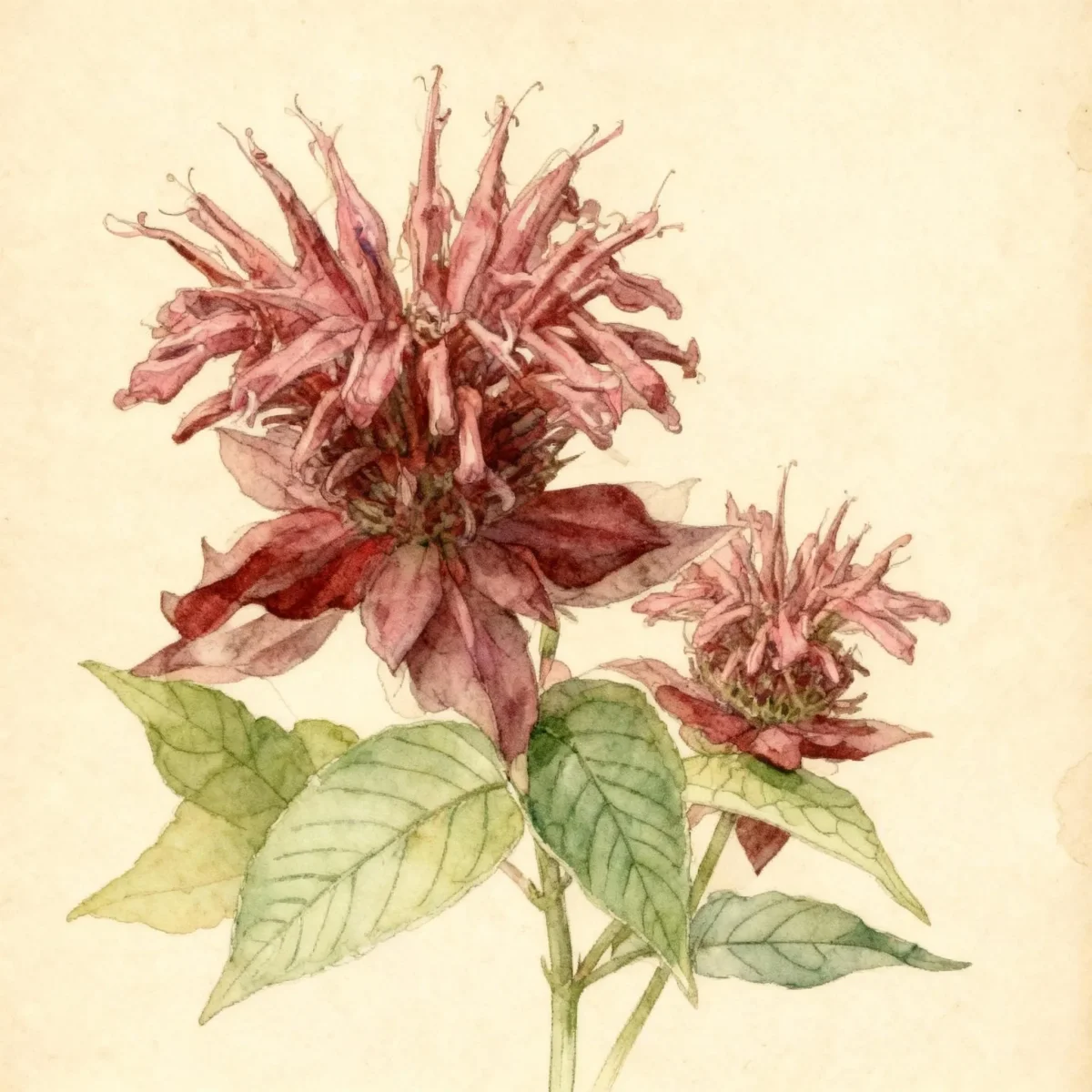
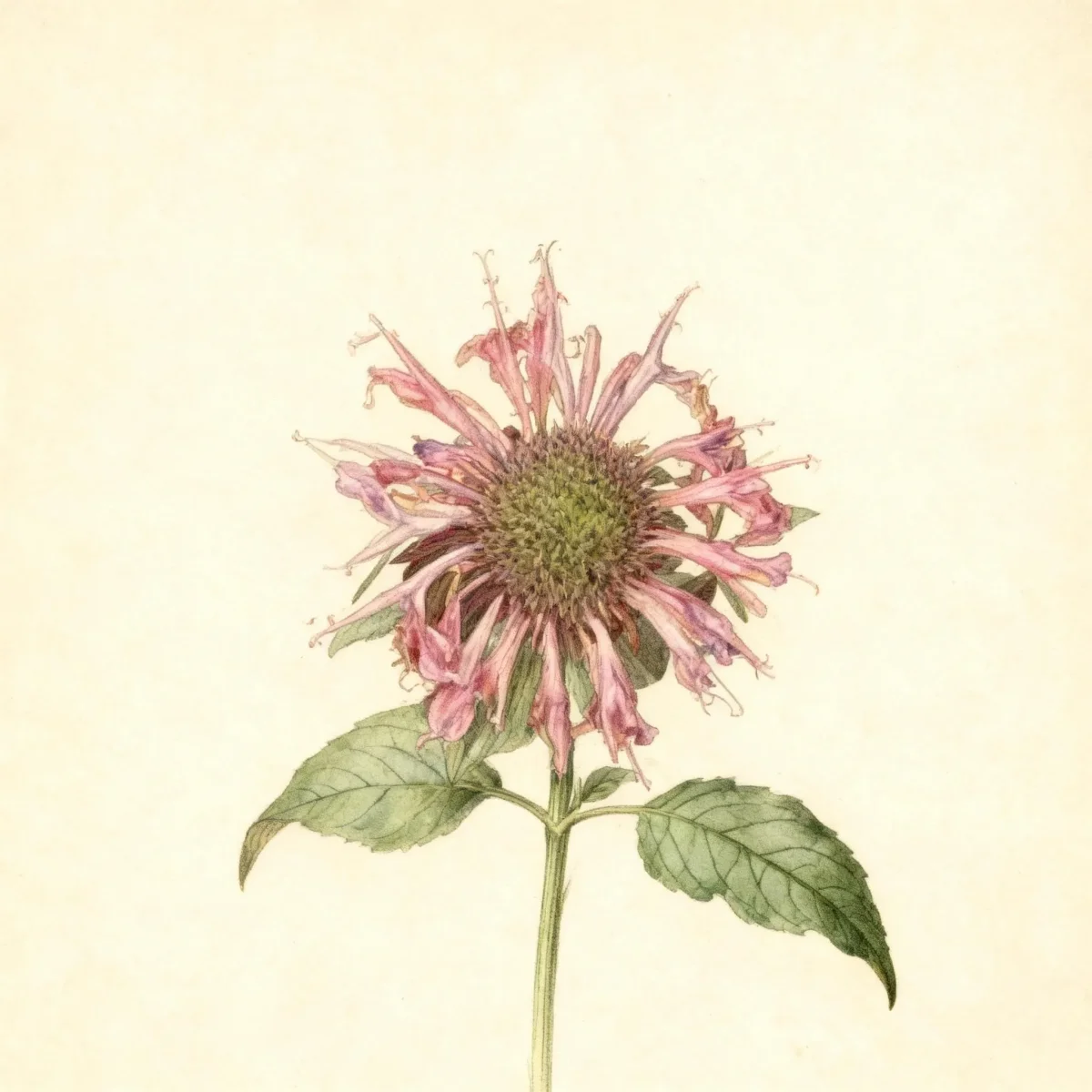
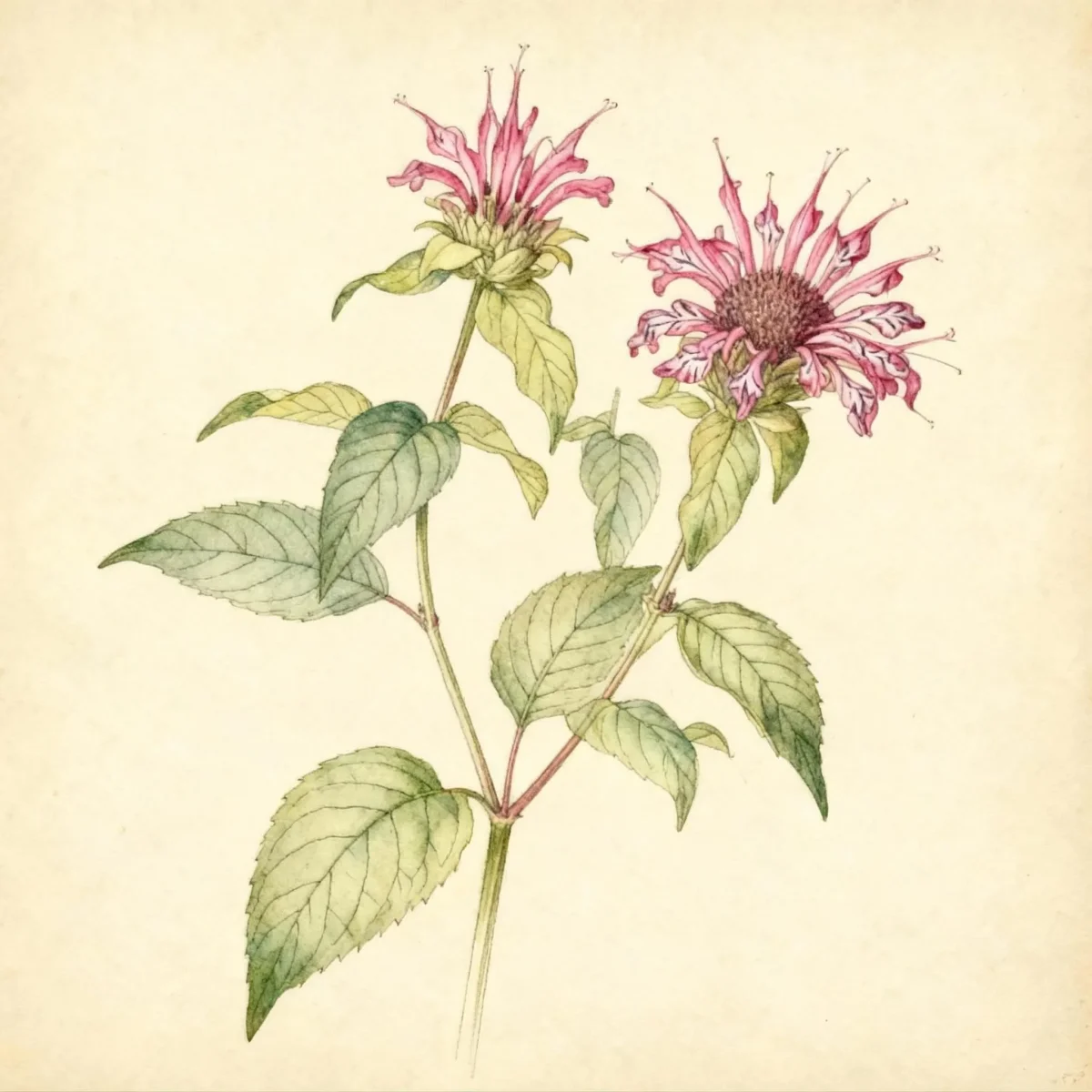
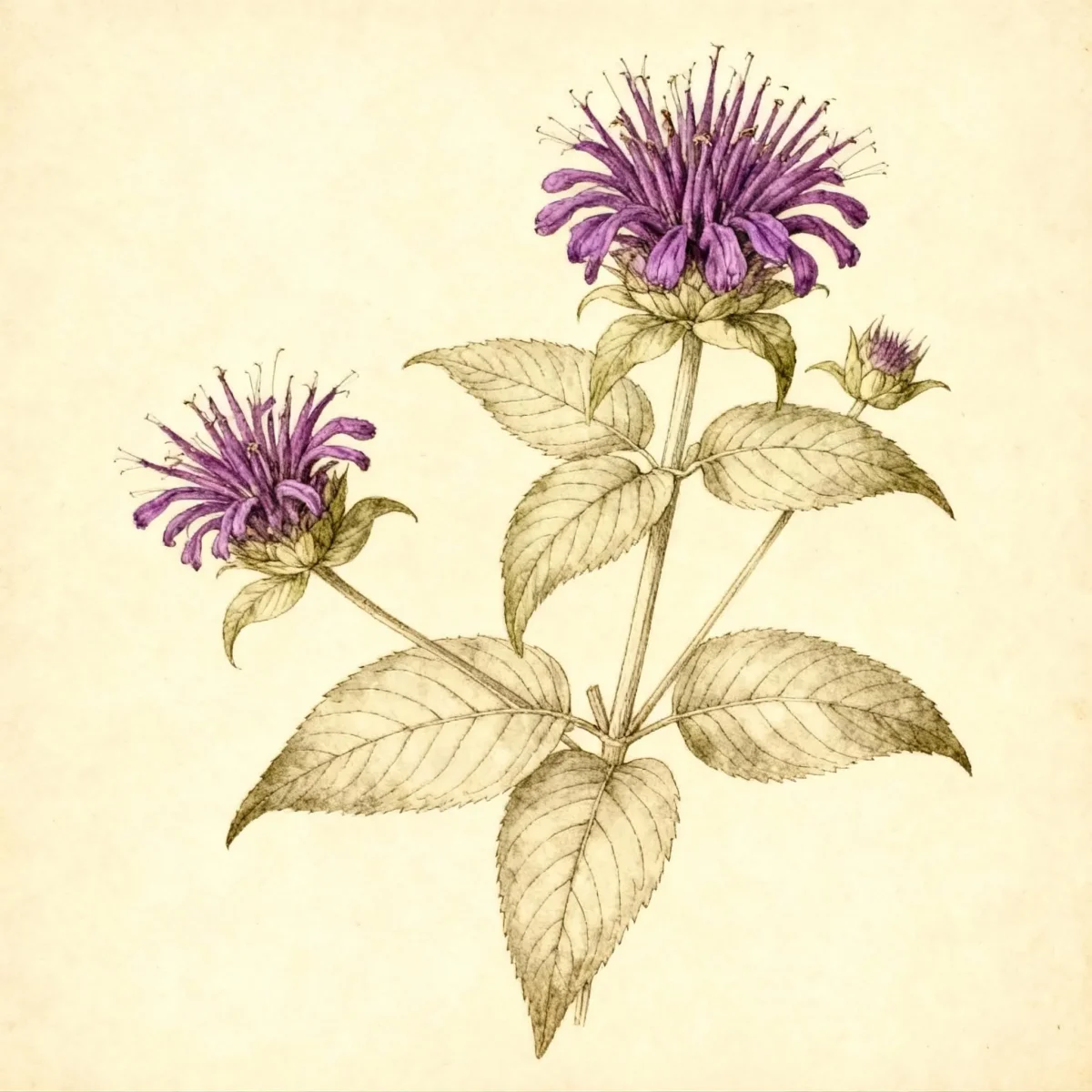
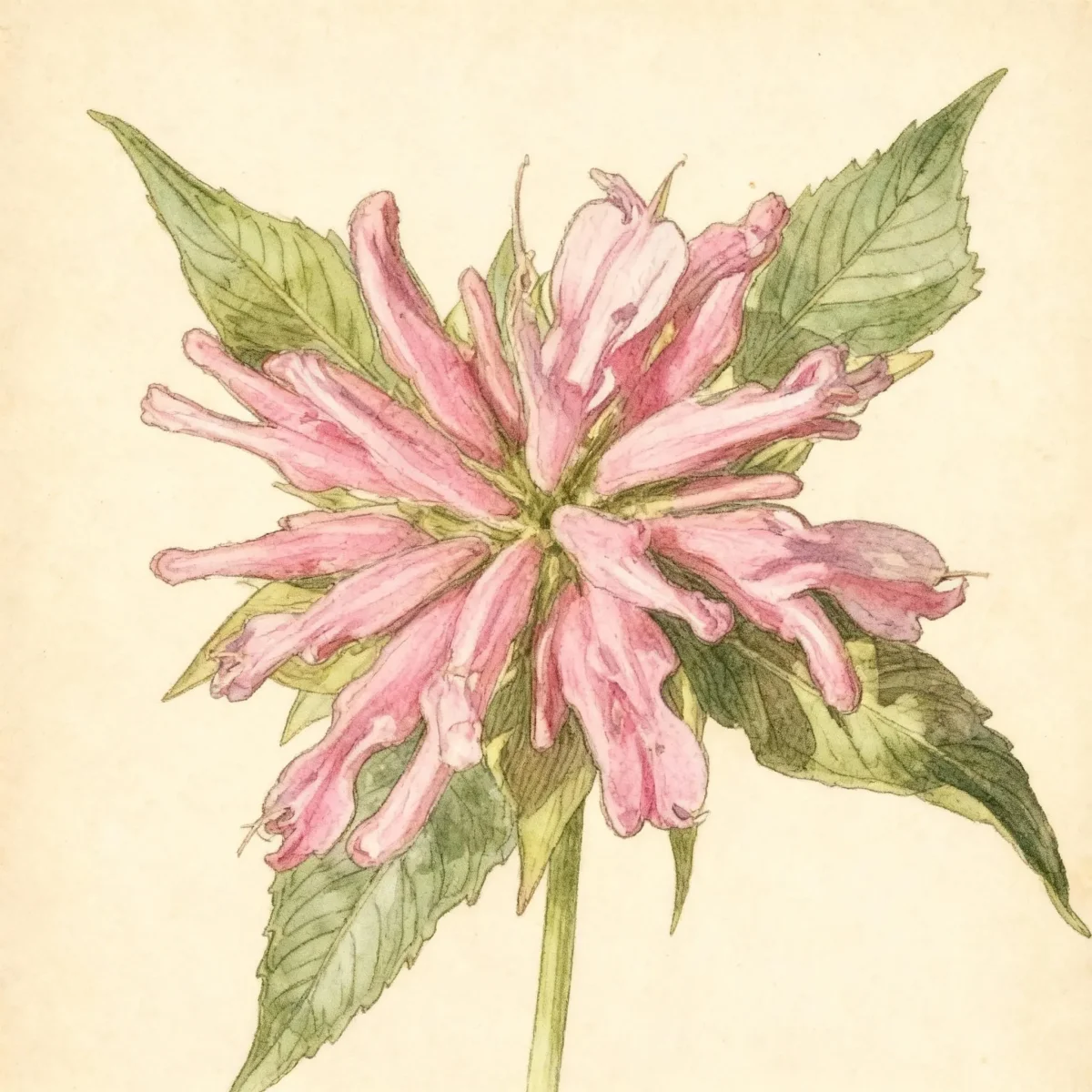
Bee balm (Monarda 'Gardenview Scarlet')
Monarda 'Gardenview Scarlet' offers showy red summer blooms, perfect for attracting pollinators in moist garden settings.


Bloom Boldly, No Matter the Season - Sweatshirt
Cozy organic cotton sweatshirt featuring our exclusive Purple Coneflower design. Perfect for gardeners who bloom year-round.
Inspired by the beautiful Bee balm
Limited first batch (50) — join the waitlist for early access
Waitlist closes Feb 15, 2026.
Complete Plant Information
Field Guide Continues
Ready for care notes, companion picks, and planting tips?
The map is just the start. The full guide below covers growth habits, seasonal performance, and landscape uses.
Overview
Monarda ‘Gardenview Scarlet’, commonly known as Bee balm, is a vigorous herbaceous perennial highly valued for its striking, dense heads of tubular, rose-red flowers that bloom throughout the summer months. This cultivar is a magnet for essential garden visitors, particularly hummingbirds, butterflies, and bees, solidifying its role as a premier choice for wildlife gardens. While most hybrids derive from Monarda didyma, they require consistent moisture to thrive, though they tolerate a range of soils provided they do not dry out completely.
The rich, aromatic foliage and showy terminal flower heads of Monarda ‘Gardenview Scarlet’ add vertical interest to garden beds from June to August. Planted in masses, this Bee balm variety creates a powerful visual impact, often featuring subtended whorls of showy, red-tinged bracts beneath the main flower globes. Gardeners seeking reliable summer color and strong pollinator support should consider incorporating this robust variety.
This perennial slowly spreads by underground rhizomes and can also self-seed, allowing it to naturalize gracefully in suitable moist environments. Proper spacing and division every few years are necessary to maintain vigor and maximize bloom production while keeping the plant healthy, especially concerning air circulation.
Fast Facts
- Plant Family: Lamiaceae
- Plant Type: Herbaceous perennial
- Hardiness Zones: USDA Zones 4-9
- Size at Maturity:
- Height: 2-3 ft
- Spread: 1-2 ft
- Bloom Time: June to August
- Bloom Description: Red
- Sun Exposure: Full sun to part shade
- Water Needs: Medium to wet
- Maintenance Level: Medium
How to Grow
Planting Monarda ‘Gardenview Scarlet’ is best achieved in spring or early fall in prepared garden beds. This Bee balm thrives in average, moisture-retentive soils, preferring rich, humusy conditions. While full sun promotes the best flowering, locations offering some afternoon shade are appreciated in the hottest summer climates. Ensure the planting site maintains consistent moisture; soils must not be allowed to dry out, benefiting their rating of medium to wet water needs.
Ongoing care focuses heavily on moisture management and air flow. Water deeply and regularly, particularly during dry spells, as drought increases susceptibility to foliar diseases. Maintenance is rated as medium, largely due to the need for occasional deadheading to improve plant appearance, though this may also slightly extend the blooming period.
To maintain the health and vigor of your Monarda ‘Gardenview Scarlet’ clumps, plan to divide them every three to four years. This division prevents overcrowding, which significantly reduces air circulation—a critical factor in managing potential fungal issues. Although this specific cultivar exhibits reported resistance to powdery mildew, good air movement remains an essential cultural practice for all Monarda.
Landscape Uses
Monarda ‘Gardenview Scarlet’ excels in areas where moisture is reliably present, making it an ideal candidate for rain gardens or edging along streams, pond peripheries, or moist sunny areas. Its vibrant red flowers make it a standout component in perennial borders and cottage gardens, drawing the eye upward with its 2-3 foot stature. The aromatic leaves also lend themselves well to herb gardens, where sprigs can be harvested for tea or culinary use, adding a functional dimension to its aesthetic appeal.
Beyond these traditional uses, this Bee balm is highly effective when planted in containers, bringing its intense summer color and beneficial wildlife attraction closer to patios or doorways. When massed, the plant creates an excellent visual drift, and its strong vertical habit pairs well with lower-growing edging plants that tolerate moist feet. The guaranteed visitation by hummingbirds and butterflies makes any location featuring this Monarda a vibrant wildlife success story.
Standout Features
Flower Qualities
- Showy
- Good Cut
Noteworthy Characteristics
Monarda is a genus of about 15 species of annuals and herbaceous perennials from prairies and woodlands in North America. ‘Gardenview Scarlet’ features tubular, two-lipped, rose red flowers borne in dense, globular, terminal heads atop square stems rising to 3’ tall. The toothed, aromatic leaves are attractive and can be utilized for tea or in salads, while the overall plant is highly attractive to hummingbirds, butterflies, and bees when planted in drifts.
Tolerances
- Deer
- Wet Soil
Potential Problems
Powdery mildew is a common concern for many Monarda varieties, although this specific cultivar, Monarda ‘Gardenview Scarlet’, is reported to possess enhanced resistance. Rust is another occasional fungal issue that can appear on the foliage. The primary instigator for foliar disease susceptibility is inadequate air circulation or allowing plants to suffer from dry soils. To mitigate these risks, ensure excellent air circulation around the plants and maintain consistent soil moisture, avoiding periods of drought.
Frequently Asked Questions
What hardiness zones is Bee balm suitable for?
Monarda ‘Gardenview Scarlet’ is highly adaptable, thriving in USDA Zones 4 through 9.
How large does Monarda ‘Gardenview Scarlet’ grow?
This herbaceous perennial typically reaches a height between 2 and 3 feet, spreading to 1 to 2 feet wide.
When does Bee balm bloom?
Bee balm provides a long bloom period, showing off its red flowers consistently from June into August.
What sun exposure does Monarda ‘Gardenview Scarlet’ need?
It performs best with full sun exposure but will tolerate light partial shade, especially during the hottest parts of the afternoon.
Conclusion
Monarda ‘Gardenview Scarlet’ offers exceptional value to the garden through its vibrant, long-lasting red blooms that actively support local pollinator populations, including essential hummingbirds. This easy-to-grow Bee balm variety is best suited for gardeners with consistently moist soil who can appreciate its medium maintenance requirements. Before planting, confirm that your garden location falls within USDA Zones 4 to 9 and provides the necessary sun to support healthy, disease-resistant growth of Monarda ‘Gardenview Scarlet’.
Companion Planting
Selecting appropriate neighbors for your Bee balm is key to managing moisture and maximizing air circulation. Pair Monarda ‘Gardenview Scarlet’ with other moisture-loving perennials such as swamp milkweed (Asclepias incarnata) or blue flag iris (Iris versicolor), as these share similar needs for medium to wet soil. When using them in borders, plant slightly sun-loving companions that have an upright habit, like tall speedwell (Veronica) or certain ornamental grasses, ensuring sufficient space is left between plants to promote the airflow critical for foliage health.
Wildlife Benefits
The flowers of Monarda ‘Gardenview Scarlet’ are biologically specialized for specific pollinators due to their tubular shape. The bright red color is particularly appealing to hummingbirds, making this a must-have for any dedicated bird garden. Bees and butterflies are also frequent visitors drawn to the dense, nectar-rich flower heads atop the square stems. Planting this Bee balm in significant clusters, rather than solitary specimens, maximizes its visibility and effectiveness as a continuous mid-summer foraging station.