Myrtle(Myrtus communis 'Compacta')
Grow dwarf myrtle (Myrtus communis 'Compacta'): aromatic evergreen foliage, starry white summer blossoms, drought tolerance, and USDA zones 8–10 care.
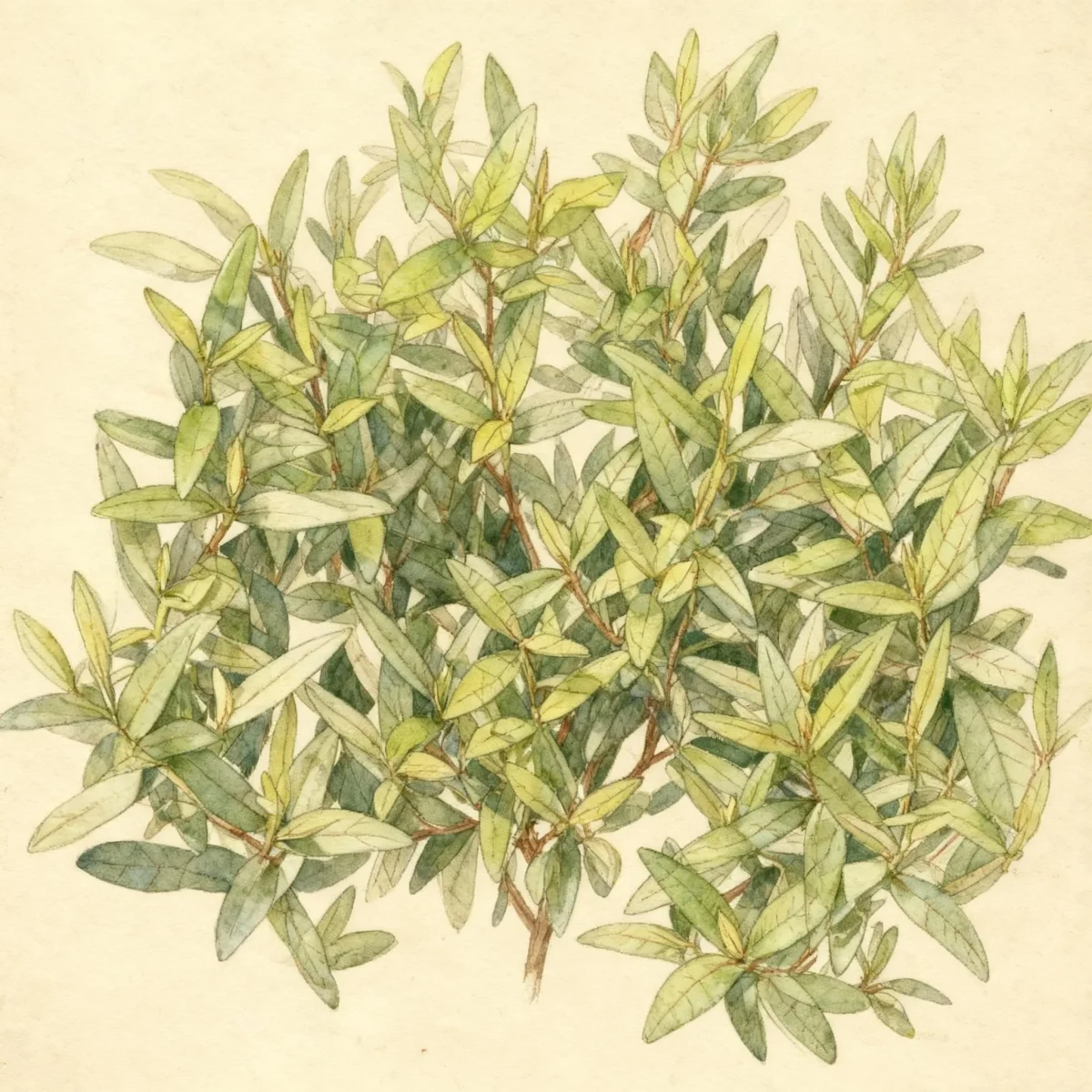
Complete Plant Information
- Hardiness zones
- USDA 8–10
- Plant type
- Broadleaf evergreen
- Plant family
- Myrtaceae
- Sun exposure
- Full sun to part shade
- Water needs
- Low to medium
- Maintenance
- Low
- Height
- 2–3 ft (61–91 cm)
- Spread
- 2–3 ft (61–91 cm)
- Bloom time
- May to July
- Flower color
- Solitary sweet-scented white flowers with prominent tufted stamens
- Flower qualities
- Showy, Fragrant, Pollinator friendly
- Fruit qualities
- Not recorded
- Tolerances
- Drought, Deer
- Garden uses
- Formal low hedge, knot garden, fragrant border, container topiary
- Native range
- Mediterranean basin (cultivar selection)
Field Guide Continues
Ready for care notes, companion picks, and planting tips?
The map is just the start. The full guide below covers growth habits, seasonal performance, and landscape uses.
Overview
Dwarf myrtle (Myrtus communis ‘Compacta’) is a slow-growing, delightfully fragrant broadleaf evergreen shrub hardy across USDA Zones 8 through 10. Originating from the sun-drenched, stony slopes of the Mediterranean basin, this dwarf selection matures into a dense, rounded mound 2 to 3 feet tall and wide. Packed with small, lustrous, dark green leaves that release an aromatic, spicy-sweet herbal scent when crushed, it covers itself in late spring and summer with starry, sweet-scented white flowers featuring tufts of prominent stamens, followed by edible blue-black berries in autumn.
Naturally compact and slow-growing, it has been cultivated since antiquity in formal European gardens for low knot hedges, aromatic borders, and container topiary.
How to Grow
- Hardiness & Siting: USDA Zones 8 through 10. Fully hardy in California, the Pacific Northwest coastal valleys, and the maritime South. In Zone 8, site against a warm south- or west-facing masonry wall to protect against winter cold snaps below 15°F (-9°C). In Zones 7 and colder, grow in containers that overwinter in a bright, unheated sunroom or cool greenhouse.
- Sunlight: Full sun to light afternoon shade. Full sun maximizes summer blossom density and ensures the tightest, most symmetrical foliage growth.
- Soil & Sharp Drainage: Requires porous, well-drained soils ranging from neutral to alkaline. Wet, heavy clay soils during cool winters quickly trigger fatal root rot.
- Watering & Drought Tolerance: Water regularly during the first growing season. Once established in native soil, dwarf myrtle demonstrates exceptional drought tolerance, requiring minimal summer irrigation in Mediterranean-type climates.
Landscape Uses
- Formal Low Hedges & Parterres: Its tiny leaves and dense branching respond beautifully to shearing, making it a classic substitute for boxwood in low formal knot gardens and border edgings.
- Fragrant Walkway Edging: Planted along sunny pathways, brushing against the foliage releases refreshing balsamic herbal oils.
- Patio Container Topiary: Thrives in terra-cotta planters sheared into formal spheres or neat cubes on sunny terraces.
Potential Problems
- Root Rot in Poor Drainage: Saturated, heavy winter soils promote Phytophthora root rot. Always prioritize gritty, fast-draining planting sites.
- Cold Freeze Injury: Unprotected foliage browns and stems die back if temperatures drop below 15°F (-9°C).
- Pests: Generally pest-free outdoors, though indoor potted specimens may occasionally attract spider mites, thrips, or scale in dry winter air.
Frequently Asked Questions
Can dwarf myrtle be sheared like boxwood?
Yes. Its small, closely spaced evergreen leaves and tight internodes make ‘Compacta’ one of the finest Mediterranean alternatives to boxwood for low formal hedges.
Are the berries of Myrtus communis edible?
Yes. The small blue-black autumn berries have a spicy, aromatic flavor historically used in Mediterranean cuisine and to flavor traditional Sardinian liqueurs (Mirto).
Is dwarf myrtle drought-tolerant?
Yes. Once established after its first year, it thrives on minimal summer water in Mediterranean and arid western climates.
Companion Plants
Pair dwarf myrtle with Mediterranean herbs and drought-tolerant sun-lovers that share its need for sharp drainage:
- Aromatic Herbs: Plant alongside English lavender (Lavandula angustifolia), rosemary (Salvia rosmarinus), and Greek oregano.
- Sun-Loving Perennials: Combine with rockrose (Cistus), Russian sage (Salvia yangii), and ornamental salvias.
- Contrasting Textures: Contrast its neat, tiny leaves with the broad, silver-gray foliage of lamb’s ear (Stachys byzantina) or blue fescue grass (Festuca glauca).
Sources & Lineage
- Missouri Botanical Garden PlantFinder: Record taxon 251004 (Myrtus communis ‘Compacta’) — dimensions, evergreen habit, and cultural baseline.
- Kew Plants of the World Online (POWO): Myrtus communis L. (POWO: 598466-1) — Mediterranean native distribution and accepted taxonomy.
- University of California Agriculture and Natural Resources (UC ANR): Drought-Tolerant Plants for California Landscapes — landscape performance, water-use categorization, and drought adaptability.
Recommended Companion Plants

Myrtle
Myrtus communis
- USDA zones
- 8–10
- Light
- Full sun to part shade
- Water
- Medium
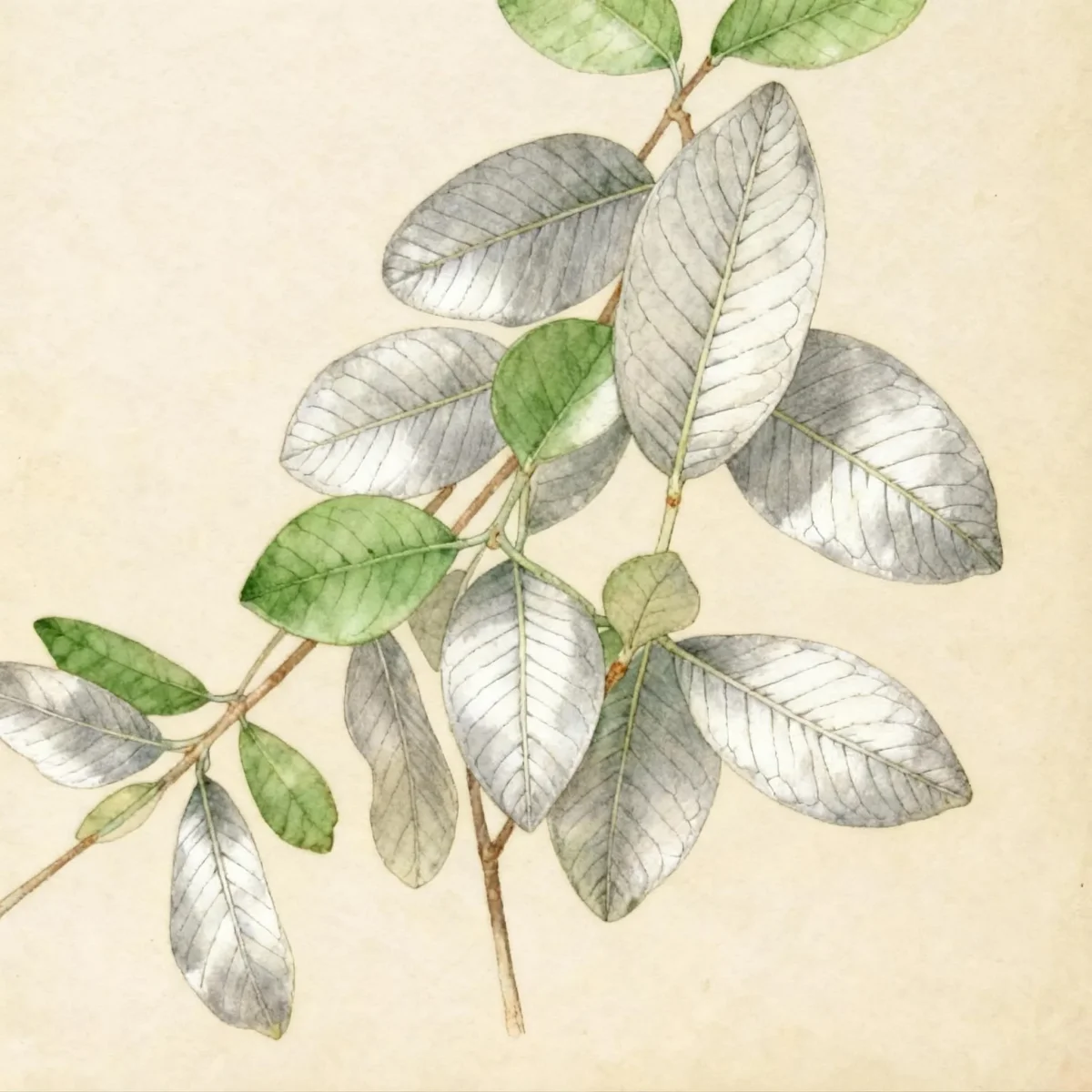
Pineapple guava
Acca sellowiana
- USDA zones
- 8–10
- Light
- Full sun to part shade
- Water
- Dry to medium
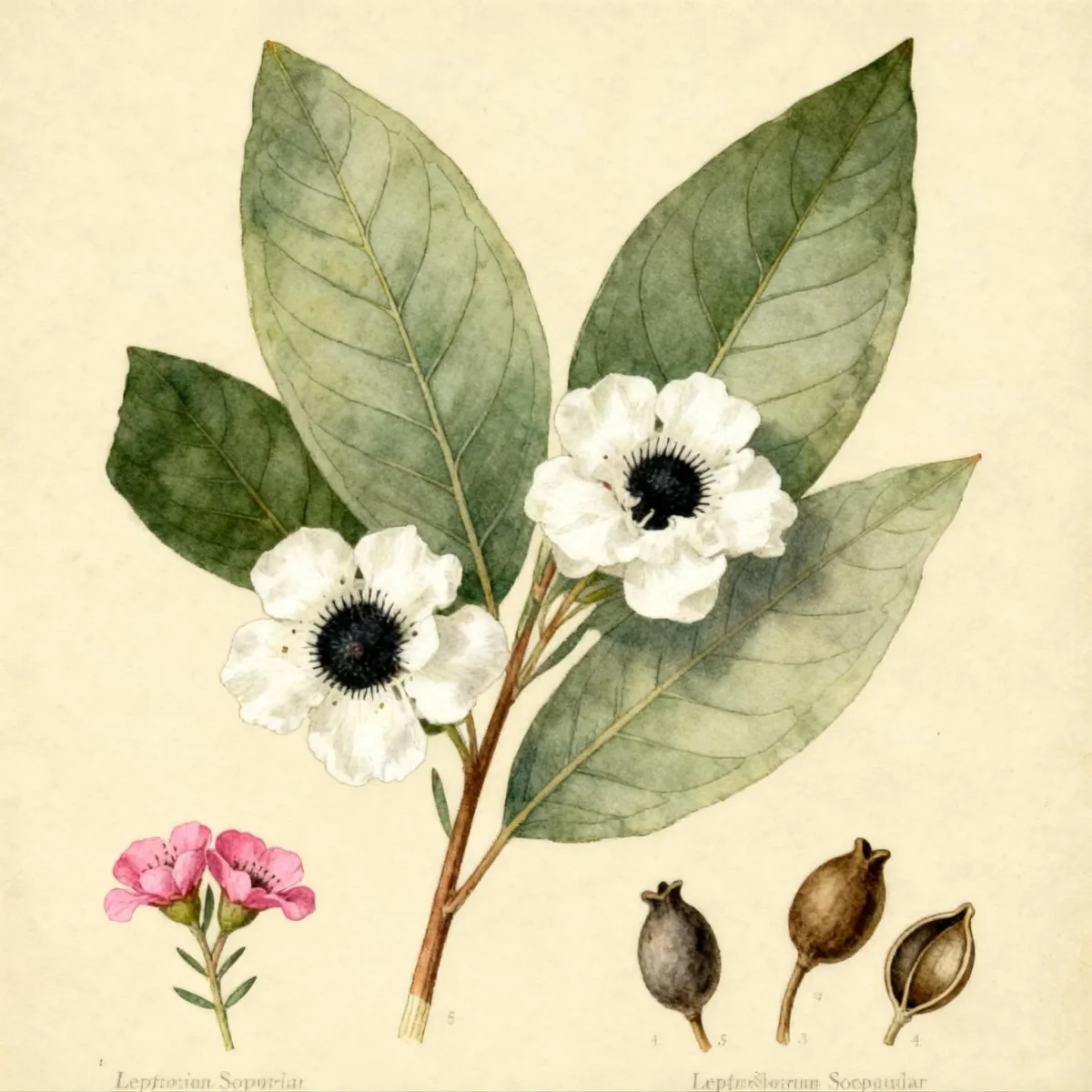
Broom tea tree
Leptospermum scoparium
- USDA zones
- 9–10
- Light
- Full sun
- Water
- Medium
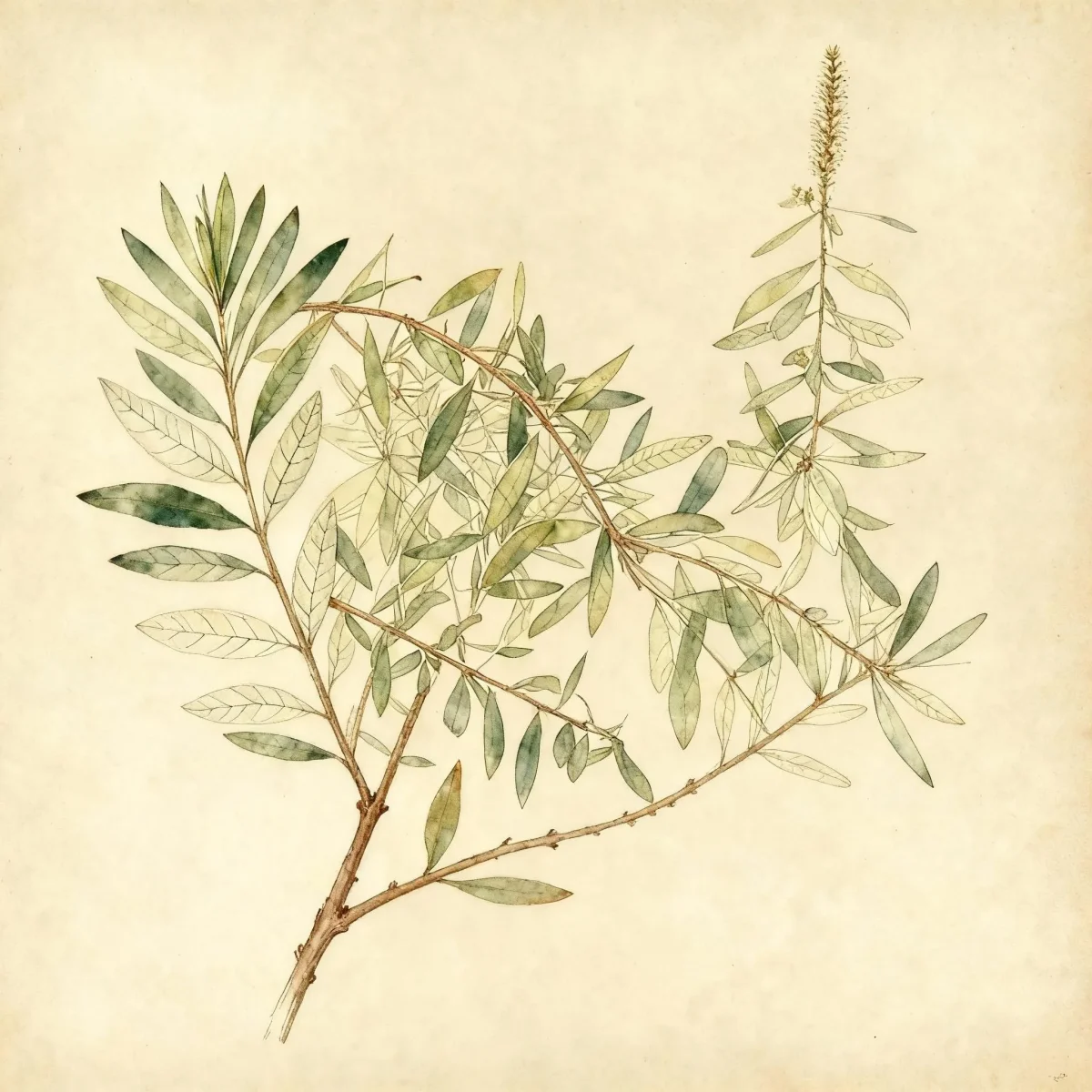
Bottlebrush bush
Callistemon acuminatus
- USDA zones
- 9–11
- Light
- Full sun
- Water
- Dry to medium
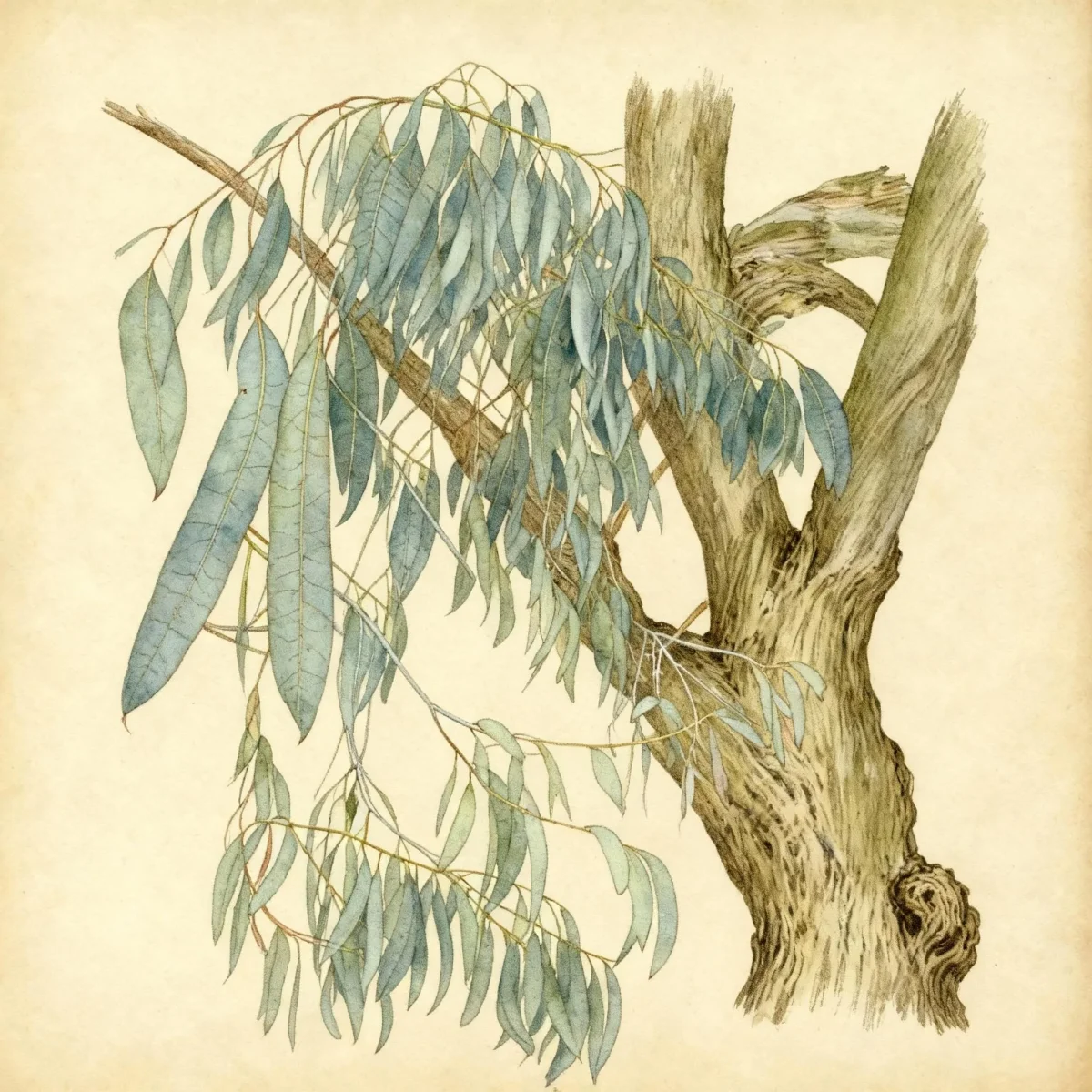
Silver-dollar gum
Eucalyptus perriniana
- USDA zones
- 8–10
- Light
- Full sun
- Water
- Dry to medium
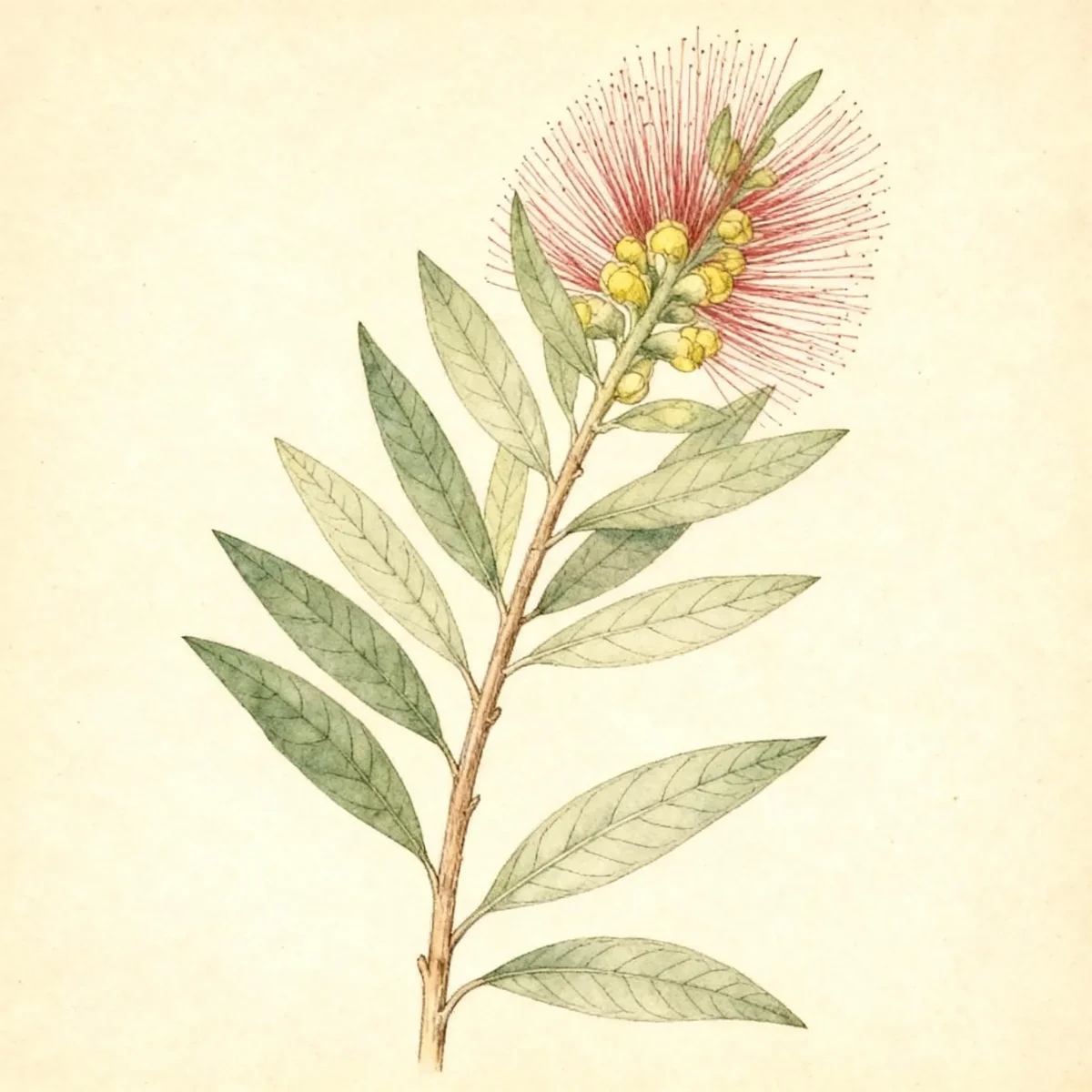
Crimson bottlebrush
Callistemon citrinus
- USDA zones
- 9–10
- Light
- Full sun
- Water
- Medium
Keep Learning
Test what you know with a garden quiz
You have the plant facts and care notes. Continue with a related challenge, or browse the complete quiz library.

Can You Identify These Common Garden Plants? Test Your Plant Knowledge
Think you know your roses from your peonies? Test your plant identification skills with our comprehensive garden plant quiz featuring 10 challenging questions.
Start quiz
The Brilliant Hibiscus Quiz
Think you know hibiscus? Take this quiz to find out if you're a true hibiscus expert or just getting started.
Start quizBrowse the full quizzes section
Explore plant identification, zone strategy, and seasonal gardening challenges.
View all quizzes