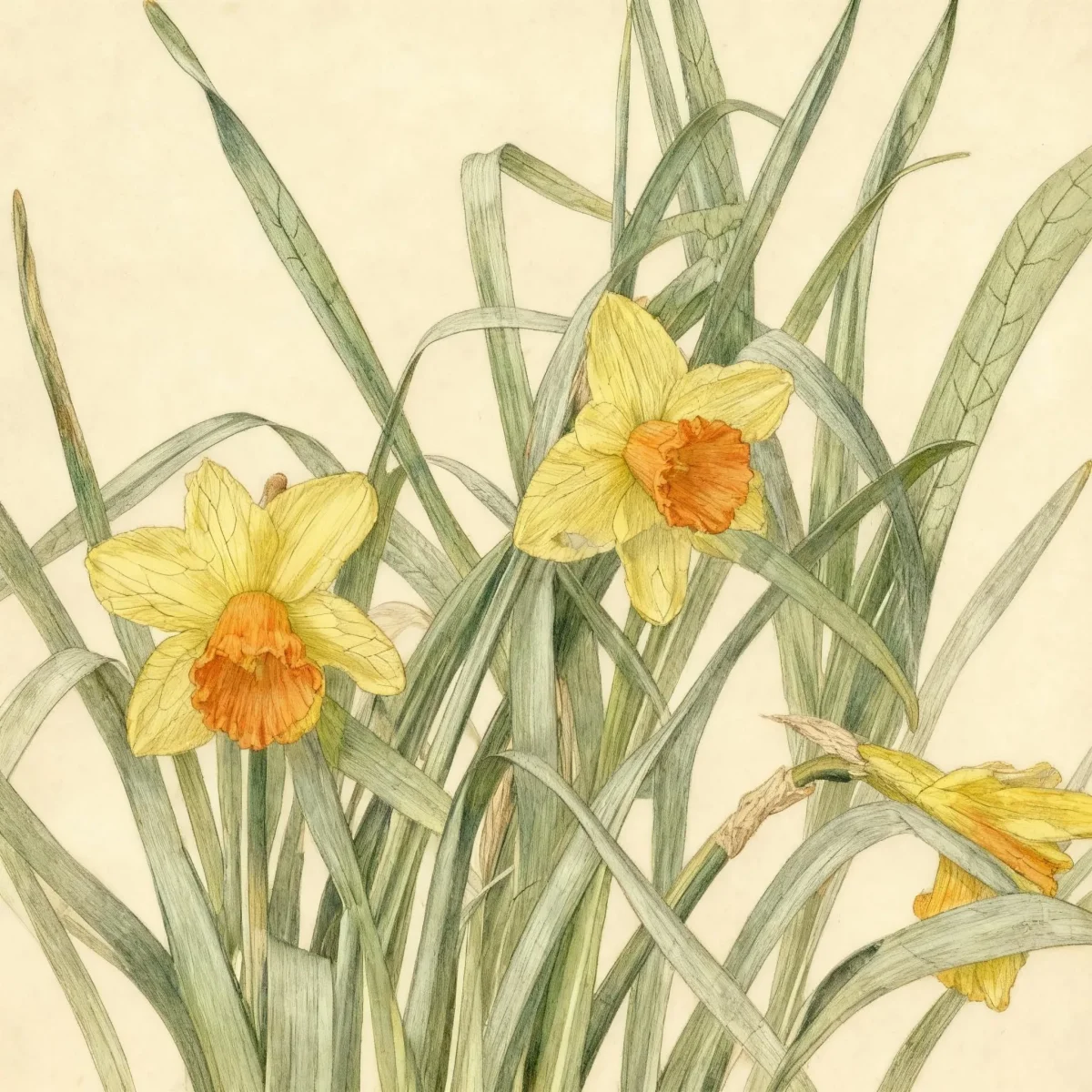
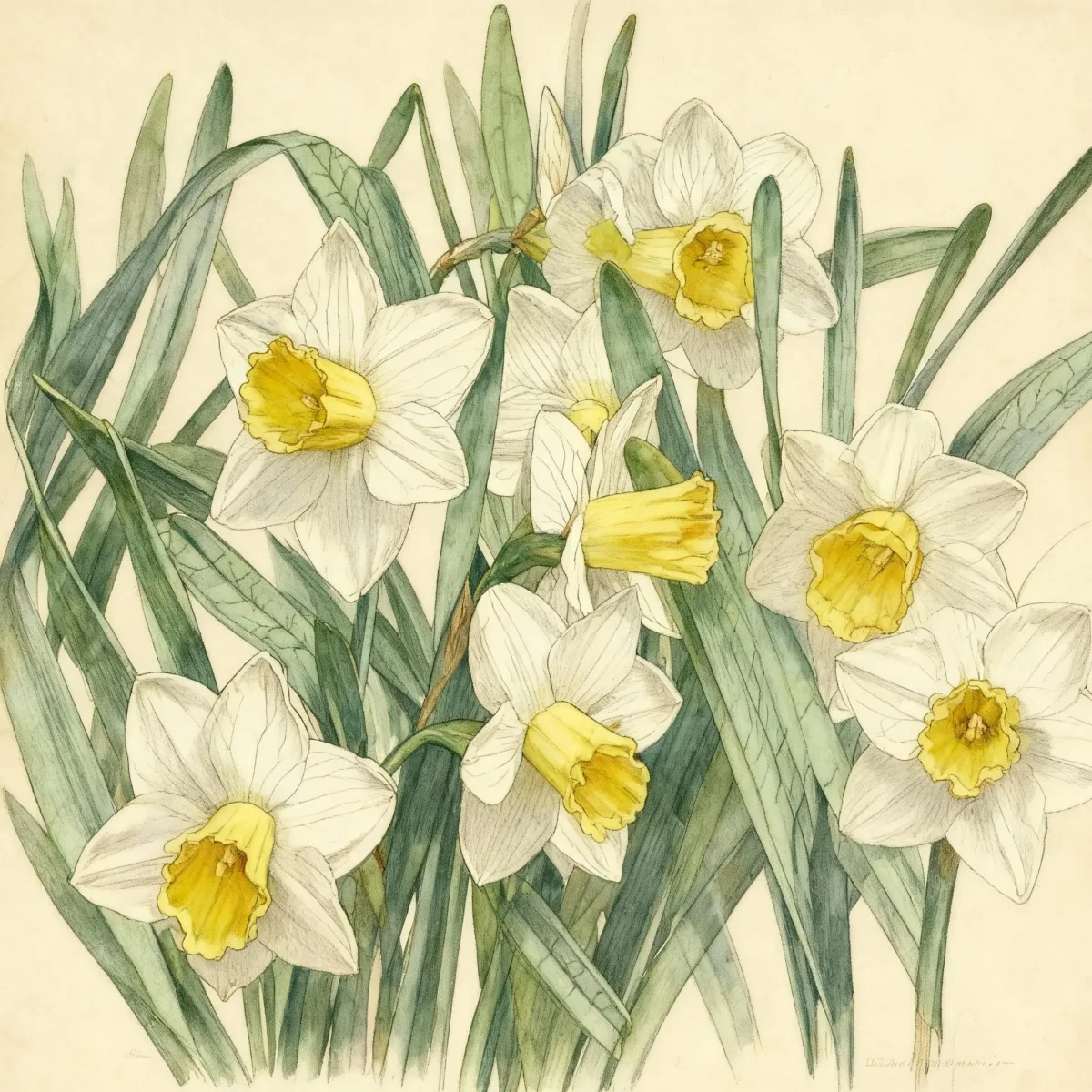
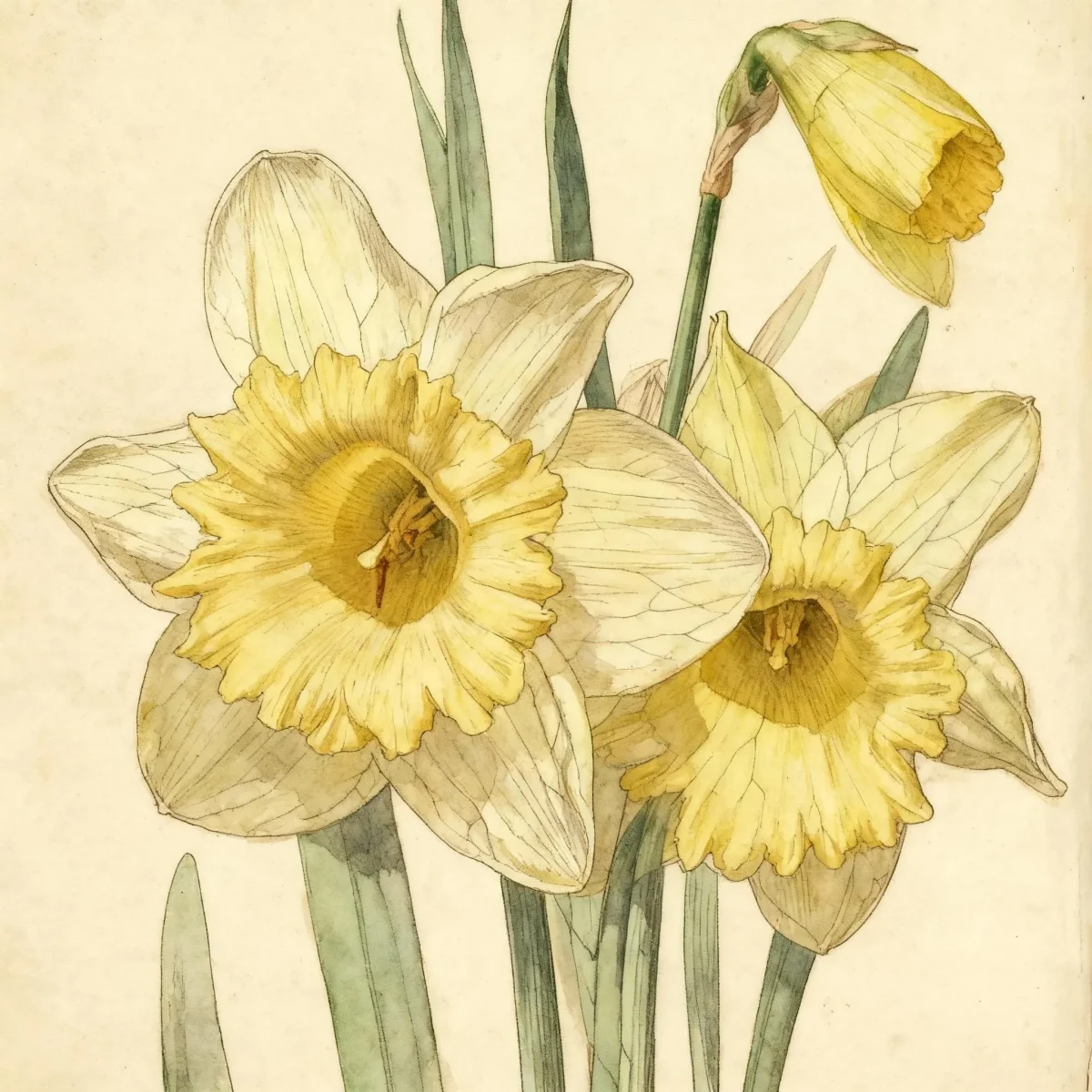
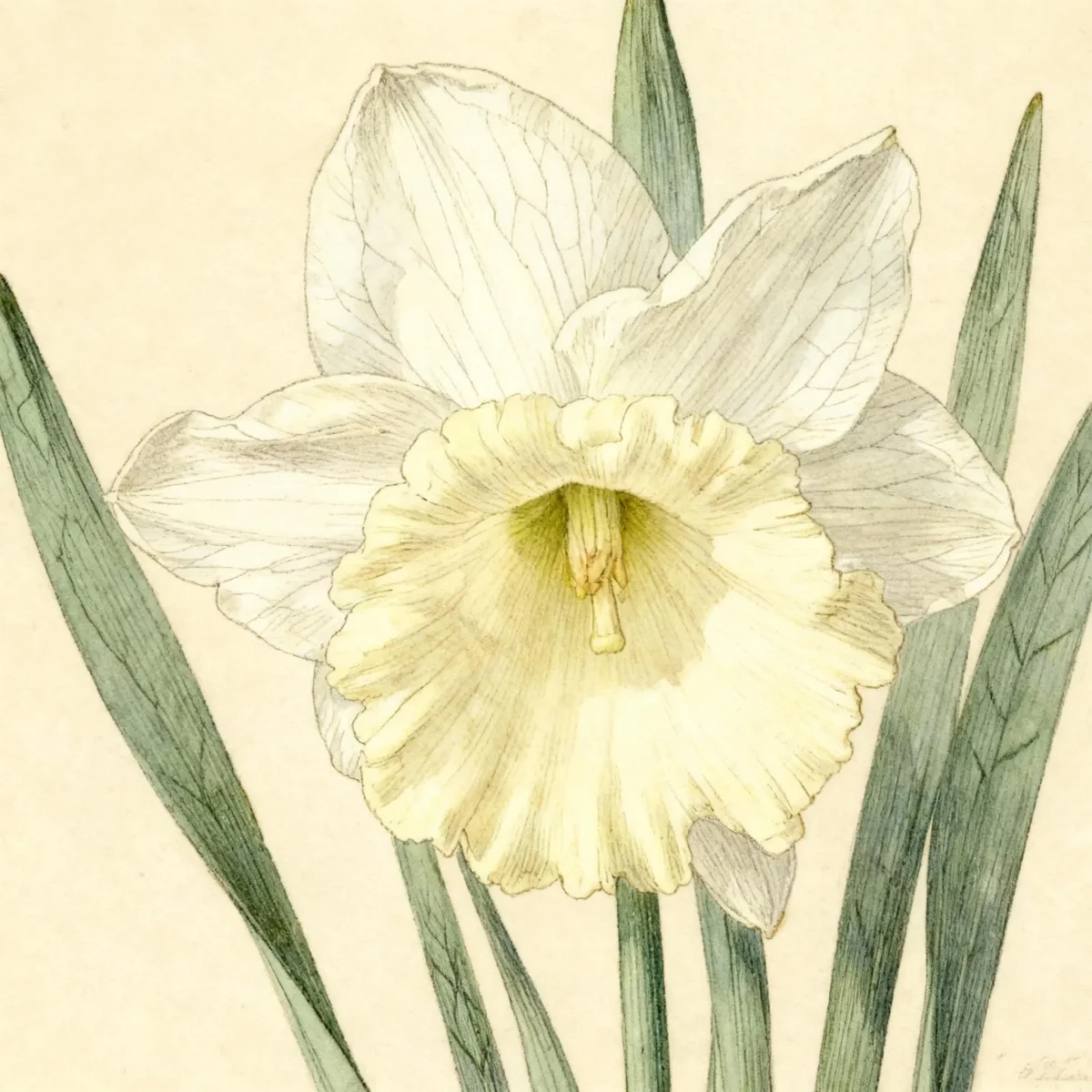
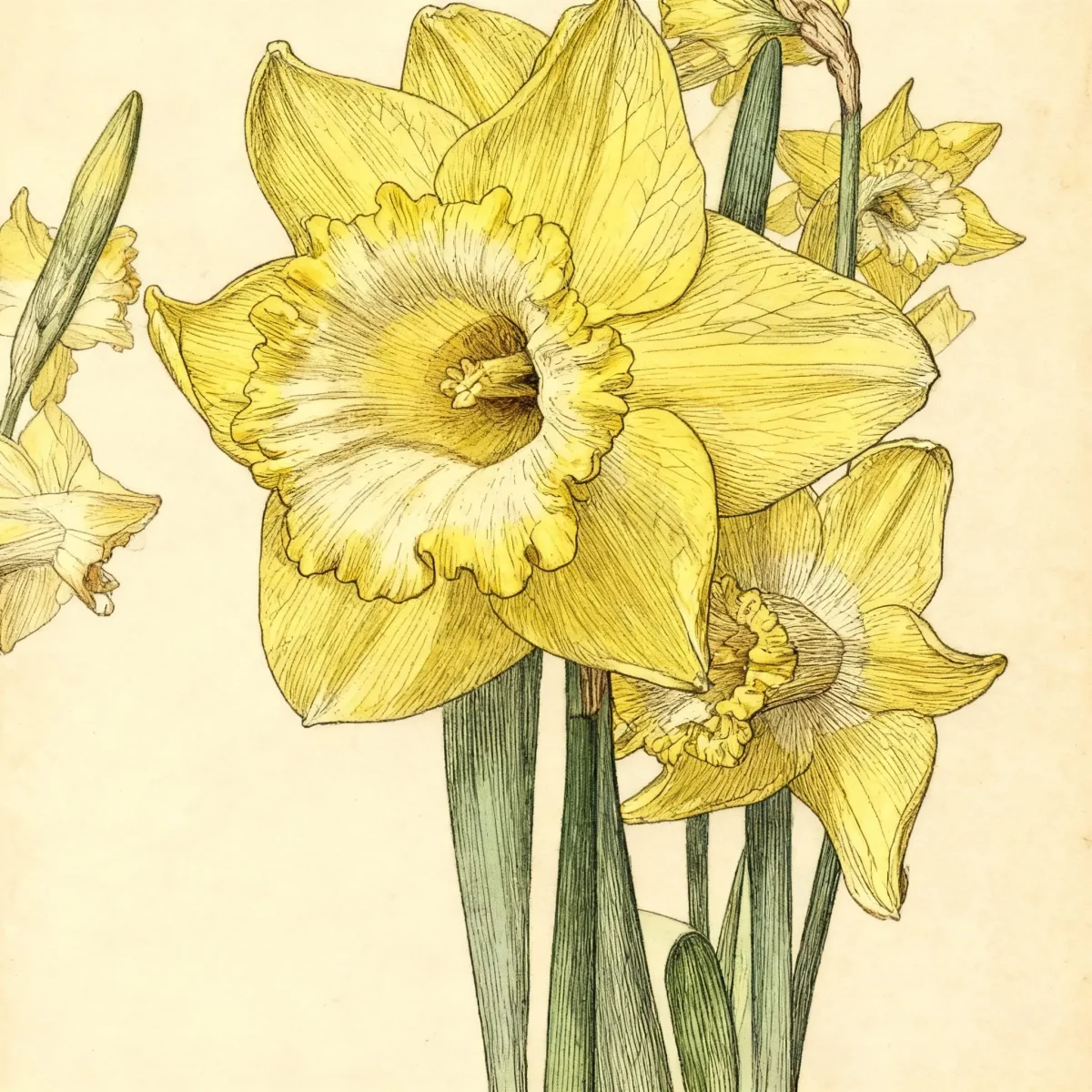
Trumpet daffodil (Narcissus 'Gin and Lime')
Narcissus 'Gin and Lime' offers striking early spring color. This low-maintenance Trumpet daffodil features yellow petals and a distinct whitish trumpet.
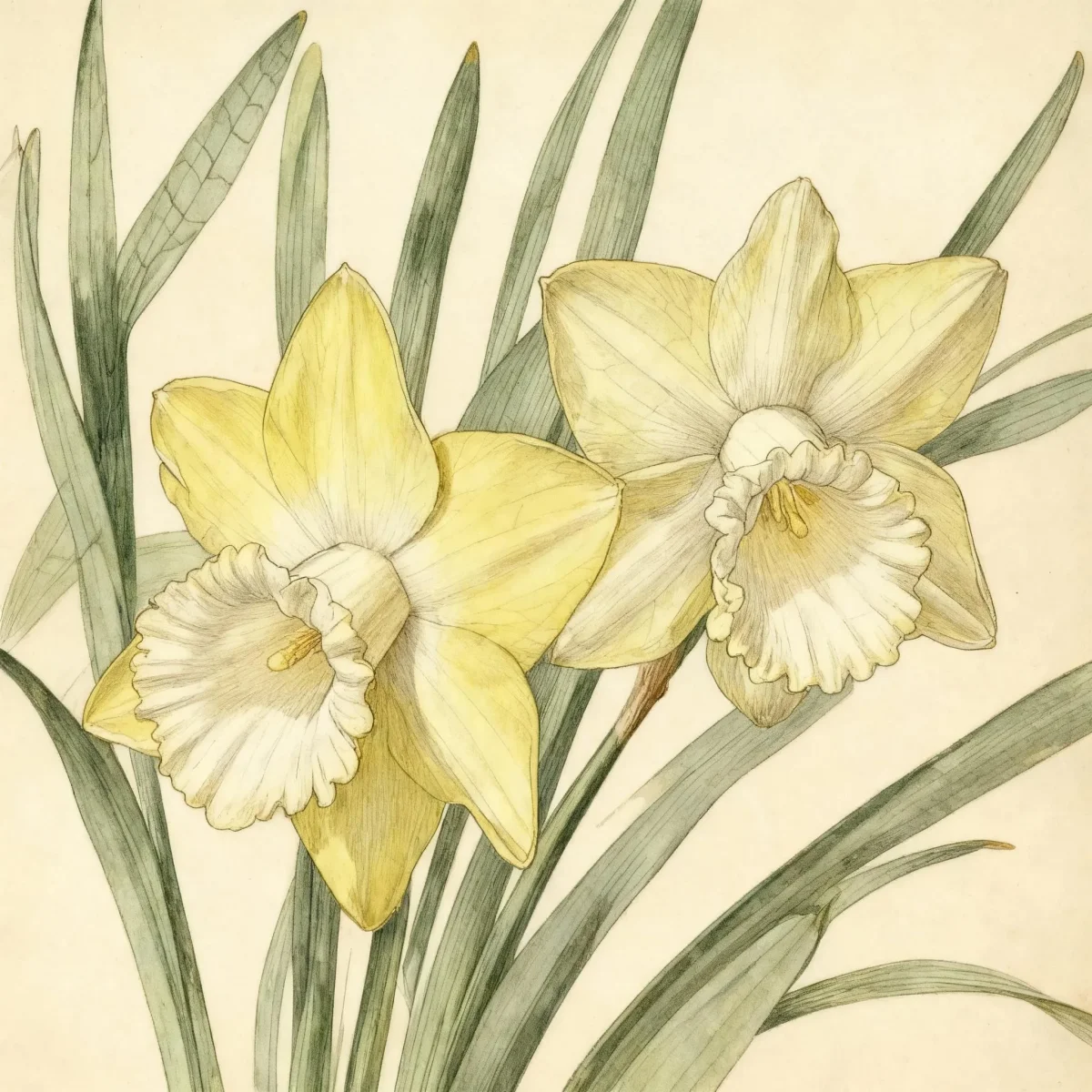

Bloom Boldly, No Matter the Season - Sweatshirt
Cozy organic cotton sweatshirt featuring our exclusive Purple Coneflower design. Perfect for gardeners who bloom year-round.
Inspired by the beautiful Trumpet daffodil
Limited first batch (50) — join the waitlist for early access
Waitlist closes Feb 15, 2026.
Complete Plant Information
Field Guide Continues
Ready for care notes, companion picks, and planting tips?
The map is just the start. The full guide below covers growth habits, seasonal performance, and landscape uses.
Overview
Narcissus ‘Gin and Lime’ is a prized addition to the early spring garden, belonging to the esteemed Trumpet daffodil group. This cultivar is valued for its unique bicolor charm, displaying bright yellow petals contrasted elegantly against a creamy, whitish trumpet that often retains a yellow rim. As a perennial bulb, it offers reliable, low-maintenance color year after year.
Specifically classified as a trumpet daffodil (Division I), Narcissus ‘Gin and Lime’ easily naturalizes, making it perfect for mass plantings where drifts of early spring brilliance are desired. It thrives with minimal intervention once established, requiring only adequate drainage and appropriate seasonal attention.
Gardeners appreciate this variety for quickly signaling the end of winter, arising from sturdy foliage that provides structural interest until dormancy. Planting Narcissus ‘Gin and Lime’ ensures dependable performance, resisting common garden nuisances like deer and rabbits.
Fast Facts
- Plant Family: Amaryllidaceae
- Plant Type: Bulb
- Hardiness Zones: USDA Zones 3-8
- Size at Maturity:
- Height: 1-1.5 ft
- Spread: 0.5-1 ft
- Bloom Time: March to April
- Bloom Description: Yellow petals with whitish trumpet
- Sun Exposure: Full sun to part shade
- Water Needs: Medium
- Maintenance Level: Low
How to Grow
Planting Narcissus ‘Gin and Lime’ is best accomplished in early to mid-fall before the ground freezes solid. Select a location providing full sun to light afternoon shade, ensuring the soil is richly organic and exceptionally well-drained; poor drainage is the primary enemy of most daffodil bulbs. Determine planting depth based on bulb size, generally burying the bulb two to three times as deep as its height, aiming for about 3 inches of soil coverage overhead. Spacing should generally range from 4 to 10 inches apart.
Ongoing care for this Trumpet daffodil is minimal during the growing season. Maintain medium moisture levels while the foliage is actively growing, although the bulbs tolerate drought once they enter dormancy. Never cut back the foliage after flowering; allow the leaves to yellow completely—usually 6 to 8 weeks post-bloom—so the plant can gather energy for next year’s display, including for your Narcissus ‘Gin and Lime’.
If clumps of bulbs become overcrowded after several years, division is necessary to maintain bloom vigor. Dig the clumps immediately after the foliage dies back. To ensure flowers face the best light source, position the planting area so any potential shade falls to the rear of the display.
Landscape Uses
Daffodils, including the attractive Narcissus ‘Gin and Lime’, are foundational elements for creating layered spring interest in the landscape because they reliably return and naturalize well. They perform excellently when planted in large drifts rather than small, isolated groupings, creating a more impactful display of color. They are perfectly suited for beds and borders, softening the edges of shrub plantings or emerging beneath sparse woodland canopies.
Because they are rodent-resistant, Trumpet daffodils are safer to naturalize beneath deciduous trees where tulips might be ravaged by squirrels. They mix beautifully with other spring bloomers, such as late-blooming tulips or early grape hyacinths (Muscari), providing sequential blooms. Allow your Narcissus ‘Gin and Lime’ clumps to spread naturally across lawns or open woodland areas for a sweeping, informal effect.
Standout Features
Flower Qualities
- Showy
Noteworthy Characteristics
Narcissus is a genus of about 50 species of bulbous perennials from Europe and North Africa. They are a mainstay of the spring garden. Depending upon species or hybrid type, flowers appear singly or in clusters atop stems rising from 6-30” tall. Flowers generally feature a trumpet or cup (the corona) surrounded by six petals (perianth segments), in colors ranging from white to yellow to orange to pink to bicolors. Flowers are sometimes fragrant. Flowers bloom in early spring. Narrow, linear to strap-shaped, green leaves appear in erect to sprawling clumps. Cultivated daffodils have been organized into 13 divisions based on the characteristics of the blooms.Genus name honors a beautiful youth who became so entranced with his own reflection that he pined away and the gods turned him into this flower.‘Gin and Lime’ is a trumpet daffodil (Division I). By definition, a trumpet daffodil features a trumpet (corona) that is equal to or greater than the length of the petals (perianth segments). One flower per stem. ‘Gin and Lime’ rises 14-16” tall in spring. Each flower features broadly ovate, overlapping, greenish lemon yellow petals and a yellow-changing-to-white trumpet. Trumpet is notched and crenate with a band of yellow at the rim. Blooms early to mid-season (March - April in St. Louis). Narrow, strap-shaped, green leaves in clumps. Carncairn Daffodils, 1973
Tolerances
- Rabbit
- Deer
- Drought
Potential Problems
Daffodils, including Narcissus ‘Gin and Lime’, are generally sturdy plants enjoying low maintenance and few recurring pest issues when cultural needs are met. The primary risk comes from water management; bulb rot is a significant threat if the soil fails to drain adequately. Ensure your planting site avoids standing water or heavy clay that retains moisture excessively.
Infrequent insect pests occasionally target narcissus bulbs, such as the narcissus bulb fly, bulb scale mite, or nematodes. While less common, keeping the area clean and ensuring healthy bulb stock upon planting minimizes exposure. Slugs and snails can chew young foliage, though the mature plant’s taste is generally off-putting.
Viral issues like Narcissus yellow stripe virus can occur, often transmitted by sap-sucking insects; infected plants should be removed immediately to prevent spread. Good horticultural practice, such as avoiding overhead watering and ensuring robust soil health, keeps the Trumpet daffodil population healthy.
Frequently Asked Questions
What hardiness zones is Trumpet daffodil suitable for?
Narcissus ‘Gin and Lime’ performs best when grown in USDA Hardiness Zones 3 through 8.
How large does Narcissus ‘Gin and Lime’ grow?
This Trumpet daffodil typically reaches a height between 1 and 1.5 feet tall with a spread of 0.5 to 1 foot wide.
What sun exposure does Narcissus ‘Gin and Lime’ need?
This plant thrives in conditions ranging from full sun exposure up to light or partial shade.
When does Trumpet daffodil bloom?
You can expect Narcissus ‘Gin and Lime’ to bloom during the early spring season, specifically from March to April, featuring yellow petals with a whitish trumpet.
Conclusion
Narcissus ‘Gin and Lime’ provides reliable, pest-resistant structure to the awakening garden, securing its reputation as a spring favorite. This unique Trumpet daffodil brings bright, contrasting color early in the season with very little long-term effort required from the gardener. Before planting, confirm that your site offers the excellent drainage essential for bulb health to enjoy years of beautiful blooms from your Narcissus ‘Gin and Lime’.
Companion Planting
Choosing companions with similar soil and light preferences enhances the visual impact of your spring bulbs. Since Narcissus ‘Gin and Lime’ prefers full sun to light shade and medium moisture when growing, pair it with perennials that emerge later in the season, allowing the daffodil foliage to brown gracefully without obstruction. Good companions include early blooming Hostas, although ensure the soil drains well enough for both.
Consider pairing this early bloomer with later-flowering spring species that don’t compete aggressively for moisture resources during the dry summer months. Late tulips, Siberian Iris, or even early Alliums work well beneath or alongside drifts of Narcissus ‘Gin and Lime’. Planting them near evergreen shrubs provides a dark green backdrop that makes the yellow and white flowers truly pop.
Design Ideas for Naturalizing
For the most effective display of Narcissus ‘Gin and Lime’, embrace the concept of naturalizing, planting bulbs in quantities of at least six or more per cluster. Avoid rigid, formal lines; instead, toss the bulbs onto the desired planting area and plant them where they fall to achieve an organic, sweeping drift effect that mimics nature. This technique works wonderfully along winding walkways or at the transition point between a manicured lawn and a wooded edge.
Because this Trumpet daffodil fades before summer saturation, it is ideal for planting near deciduous shrubs or under trees that provide shade only once the daffodils’ lifecycle is complete. When planting, remember that the flowers tend to face the primary light source, so position shaded areas behind the planting if viewing from a specific patio or window.