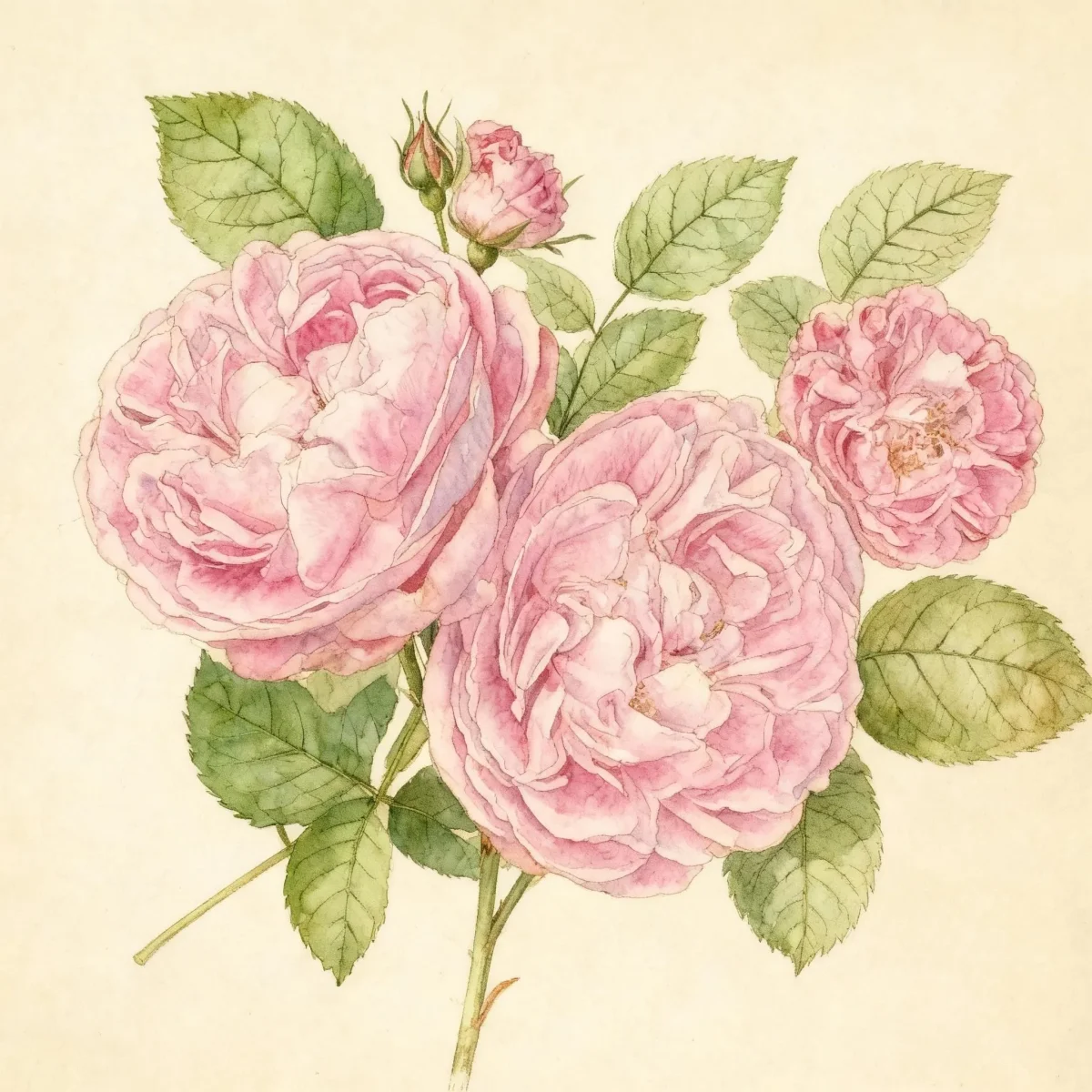
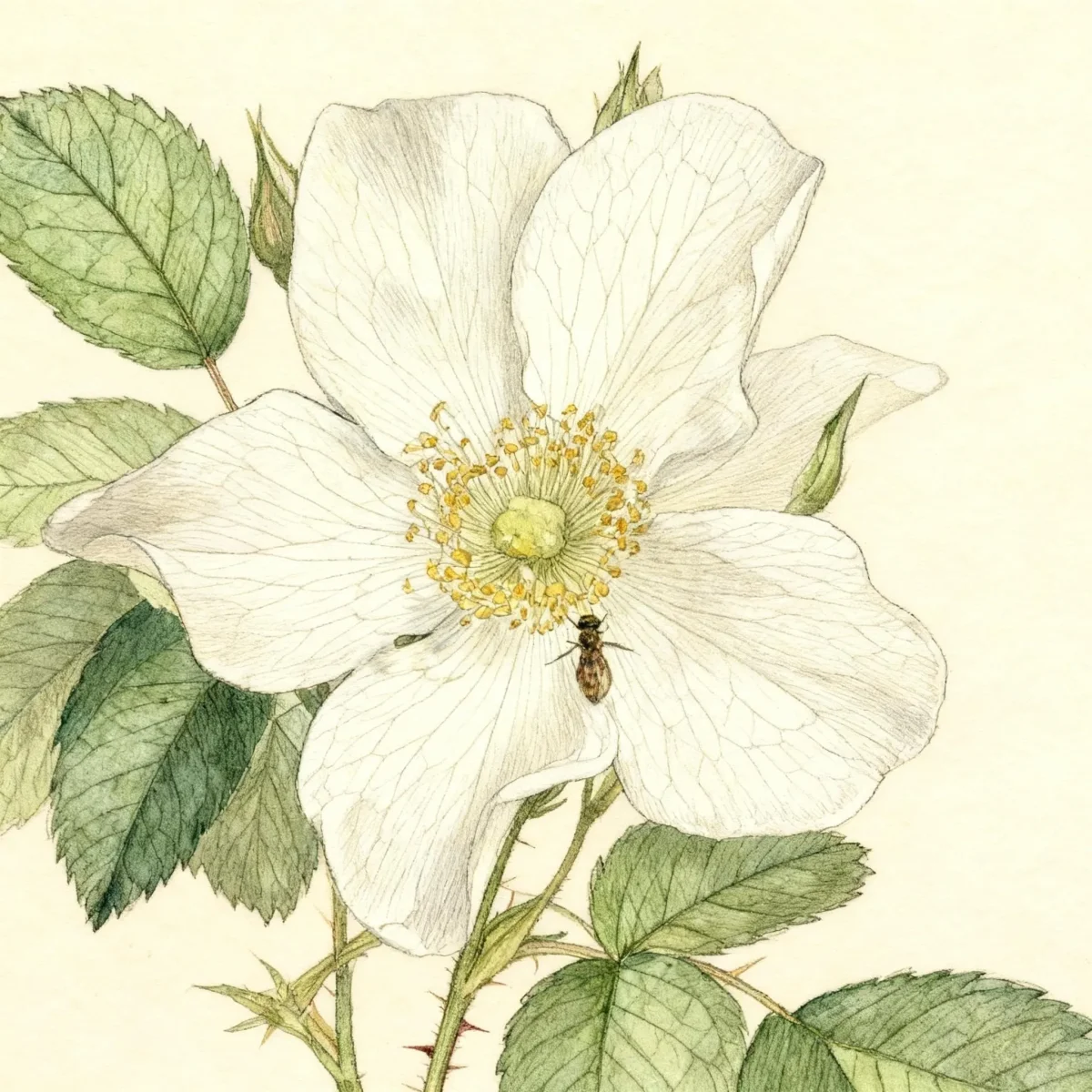
Shrub rose (Rosa 'Country Dancer')
Rosa 'Country Dancer' is a showy, fragrant Shrub rose blooming pink from May to frost, ideal for borders and hedges in Zones 5-9.

Bloom Boldly, No Matter the Season - Sweatshirt
Cozy organic cotton sweatshirt featuring our exclusive Purple Coneflower design. Perfect for gardeners who bloom year-round.
Inspired by the beautiful Shrub rose
Limited first batch (50) — join the waitlist for early access
Waitlist closes Feb 15, 2026.
Complete Plant Information
Field Guide Continues
Ready for care notes, companion picks, and planting tips?
The map is just the start. The full guide below covers growth habits, seasonal performance, and landscape uses.
Overview
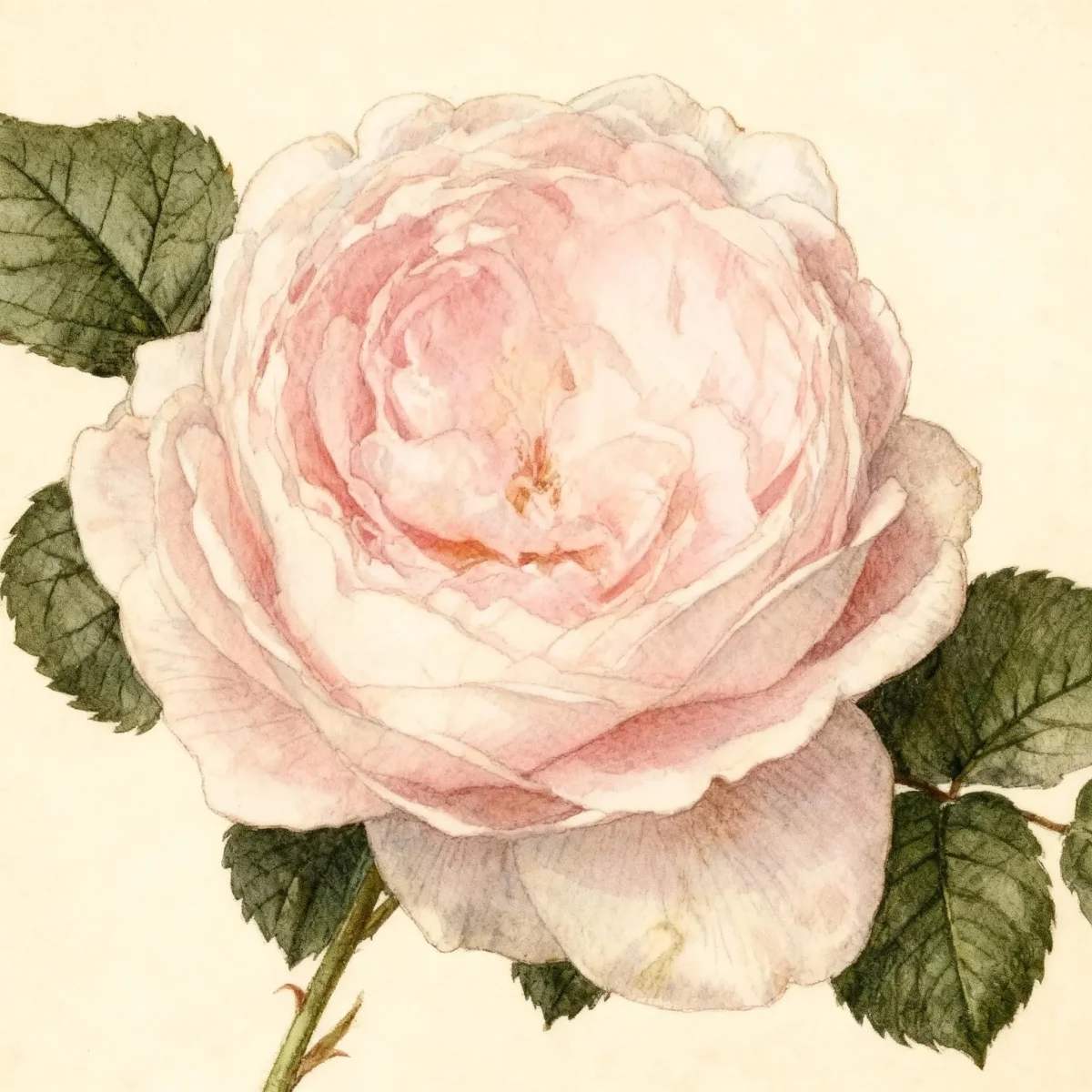
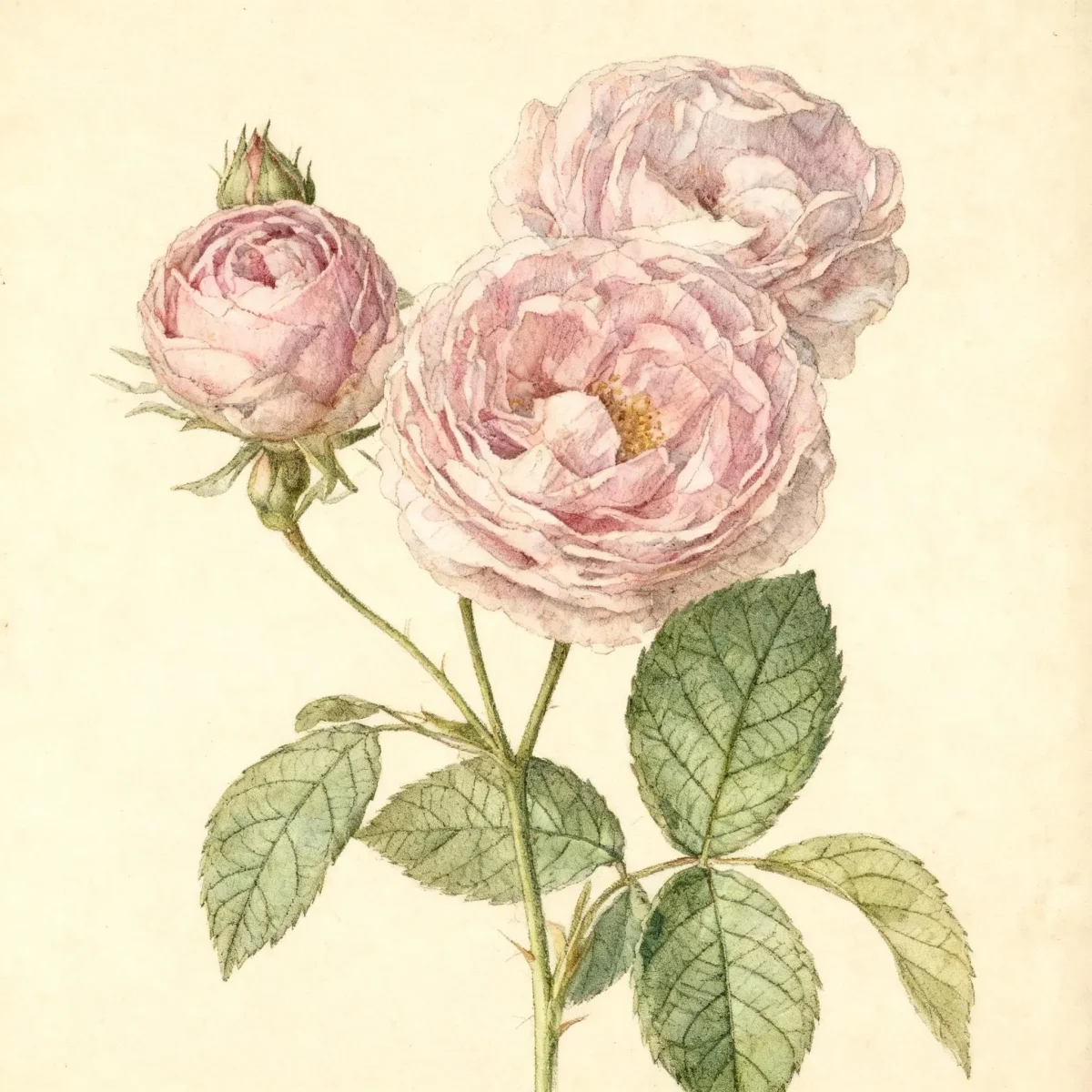
Rosa ‘Country Dancer’ is a robust shrub rose recognized for its continuous bloom cycle, offering gardeners beautiful color from late spring right up to the first frost. Developed by Griffith Buck, this cultivar provides a practical blend of visual appeal and relative ease of care, making it a favorite among those seeking reliable performance. As an upright, bushy shrub, the impact of its fragrant, semi-double pink flowers creates a lovely focal point in the landscape.
This particular shrub rose typically matures between 3 to 5 feet tall and 3 to 4 feet wide, forming a compact structure suited for various garden settings. It possesses leathery, glossy dark green foliage that provides excellent contrast to the blooms, and notably, it bears very few thorns, enhancing its accessibility and safety in high-traffic areas.
Gardeners value Rosa ‘Country Dancer’ for its aesthetic contribution and its suitability for use in hedges or as an attractive specimen plant. By meeting its basic needs for sun and consistent moisture, this durable shrub rose rewards the grower with season-long beauty and fragrance.
Fast Facts
- Plant Family: Rosaceae
- Plant Type: Deciduous shrub
- Hardiness Zones: USDA Zones 5-9
- Size at Maturity:
- Height: 3-5 ft
- Spread: 3-4 ft
- Bloom Time: May to frost
- Bloom Description: Pink
- Sun Exposure: Full sun
- Water Needs: Medium
- Maintenance Level: Medium
How to Grow
Plant Rosa ‘Country Dancer’ during the dormant season, typically late winter or early spring, in a location receiving full sun for the best flowering and disease resistance. This shrub thrives best in well-drained garden loams that are slightly acidic and maintain medium moisture levels. Ensure the planting location allows for good air circulation to promote vigorous health and naturally discourage common foliar diseases.
Watering should be deep and consistent, ideally performed in the mornings to allow foliage to dry before evening. Avoid overhead watering whenever possible to minimize fungal issues. Applying a layer of summer mulch will significantly help the Rosa ‘Country Dancer’ by retaining soil moisture, cooling the root zone, and suppressing weed growth around the base of the plant.
Deadheading, or removing spent flowers regularly, is crucial for encouraging the shrub rose to continue setting new blooms until frost arrives. In colder regions within its range, such as the northern edges of Zone 5, providing winter protection for the crowns is a necessary component of annual care. Prepare for the growing season by pruning as needed in late winter or early spring.
A critical aspect of maintaining healthy roses like this Shrub rose is sanitation. Promptly remove and destroy any diseased leaves during the growing season and perform a thorough cleanup of all fallen debris in the winter dormant period to mitigate overwintering pathogens.
Landscape Uses
Rosa ‘Country Dancer’ excels when utilized as an informal or formal hedge, providing a resilient, flowering barrier throughout the season. Its manageable size, reaching 3 to 5 feet, also makes it wonderful for mass plantings or integrated into mixed shrub borders where continuous color is desired, or near walkways where its fragrance can be enjoyed.
Beyond hedging, this shrub rose works well as an attractive specimen plant, demanding attention due to its abundant pink flowers. It is an excellent choice for cottage gardens, lending that classic, romantic feel, and can also provide softening structure when placed near building foundations.
Consider pairing Rosa ‘Country Dancer’ with complementary perennials that share similar sunlight and water needs, such as catmint or salvia, which offer textural contrast without competing heavily for resources. The consistent performance of this Shrub rose ensures that structure and color are maintained even as other spring bloomers fade.
Standout Features
Flower Qualities
- Showy
- Fragrant
Noteworthy Characteristics
The genus Rosa encompasses about 150 species of deciduous shrubs prized for their often fragrant flowers borne singly or in clusters. Rosa ‘Country Dancer’ is an upright, bushy, compact shrub rose developed by Griffith Buck, typically reaching 3-5 feet tall. It features fragrant, semi-double pink flowers up to 4 inches across blooming from late spring until frost, set against leathery, glossy dark green foliage, and interestingly, it possesses very few thorns.
Potential Problems
Roses are famously susceptible to several diseases, including black spot, powdery mildew, rust, and rose rosette. Good cultural practices, such as ensuring excellent air circulation and deep watering in the mornings, are the primary defense. In humid climates, be prepared for the necessity of regular preventative fungicide applications throughout the growing season. Insect pests like aphids, borers, and spider mites may also appear, necessitating monitoring and targeted treatments based on local advisories.
Frequently Asked Questions
What hardiness zones is Shrub rose suitable for?
Rosa ‘Country Dancer’ is suitable for USDA Hardiness Zones 5 through 9.
How large does Rosa ‘Country Dancer’ grow?
This plant typically reaches a mature height between 3 and 5 feet and spreads 3 to 4 feet wide.
What sun exposure does Rosa ‘Country Dancer’ need?
For optimal growth, flowering, and disease resistance, Rosa ‘Country Dancer’ requires full sun exposure.
When does Shrub rose bloom?
This Shrub rose produces pink blooms reliably from May until the first frost of the season.
Conclusion
Rosa ‘Country Dancer’ provides tremendous value to the home gardener through its long bloom period, attractive pink flowers, and moderately compact structure, making maintenance highly rewarding. This reliable Shrub rose is a cornerstone for anyone seeking structure and fragrance without excessive pruning demands. Ensure you check your local average last frost date to properly time your planting to maximize the enjoyment of Rosa ‘Country Dancer’ this season.
Companion Planting
Selecting appropriate neighbors is crucial for the health of Rosa ‘Country Dancer’ and the overall aesthetic of your garden space. Because the plant prefers medium moisture and full sun, look for perennials that share these needs to prevent issues where one plant becomes overwatered while the other struggles. Excellent companions include herbaceous plants like Lamb’s Ears (Stachys byzantina), whose silvery foliage contrasts beautifully with the dark green leaves, or ornamental grasses that offer movement without crowding the rose’s base.
Avoid planting shrub roses directly under large tree canopies or too close to thirsty foundational shrubs, as heavy root competition can deplete moisture and nutrients needed by the rose. Good companion choices also contribute to air circulation; low-growing groundcovers or edging perennials should be kept manageable so they do not impede airflow around the lower stems of the Rosa ‘Country Dancer’.
Seasonal Care Calendar
For gardeners cultivating Rosa ‘Country Dancer’, a structured seasonal approach ensures year-round health. In late winter or very early spring, prune the shrub to remove dead or crossing canes and shape the overall form just as new growth begins to swell. As spring progresses and temperatures warm, apply mulch and begin your regular watering and feeding program.
Summer is dedicated to maintenance: deadhead flowers consistently to promote continuous rebloom and monitor closely for signs of common rose pests or diseases, intervening immediately if problems are spotted. In late summer, cease heavy fertilization to allow the plant to begin hardening off wood growth in preparation for colder weather.
As autumn transitions into winter dormancy, focus heavily on sanitation; this is the most crucial step for disease prevention next year. Thoroughly clean the ground beneath the Shrub rose, removing all spent leaves to eliminate overwintering fungal spores, and ensure that crowns in the coldest zones receive necessary winter protection before the ground freezes solid.