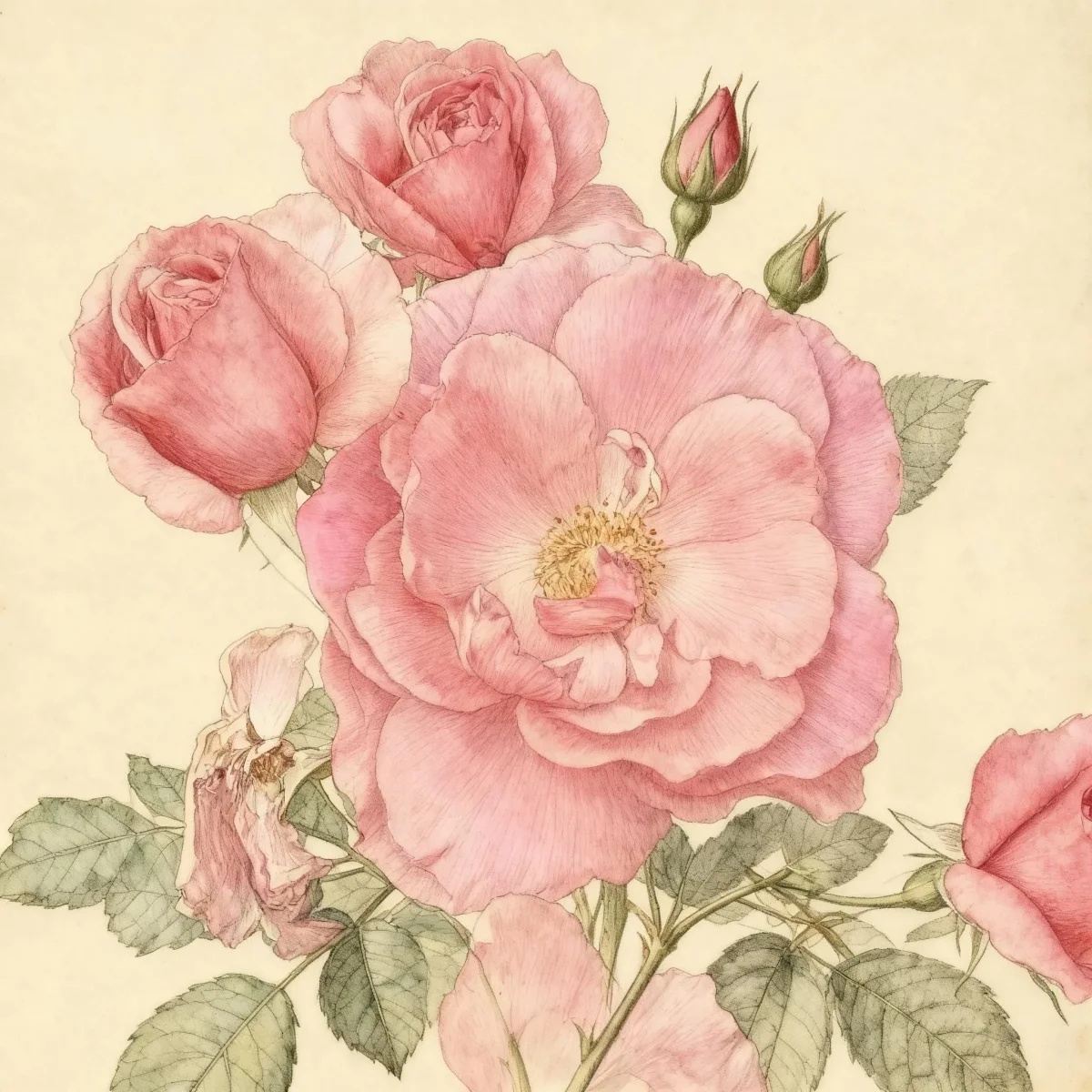
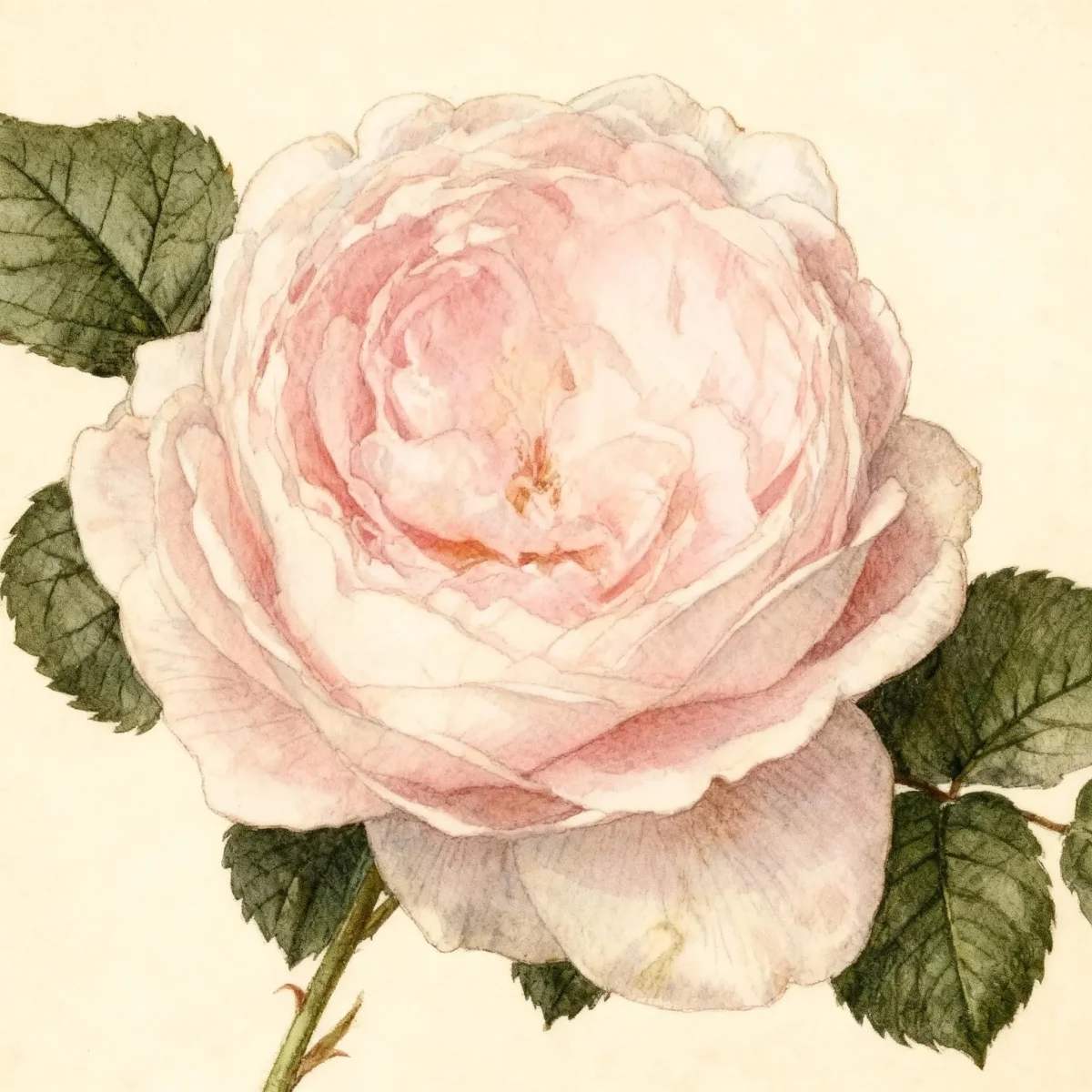
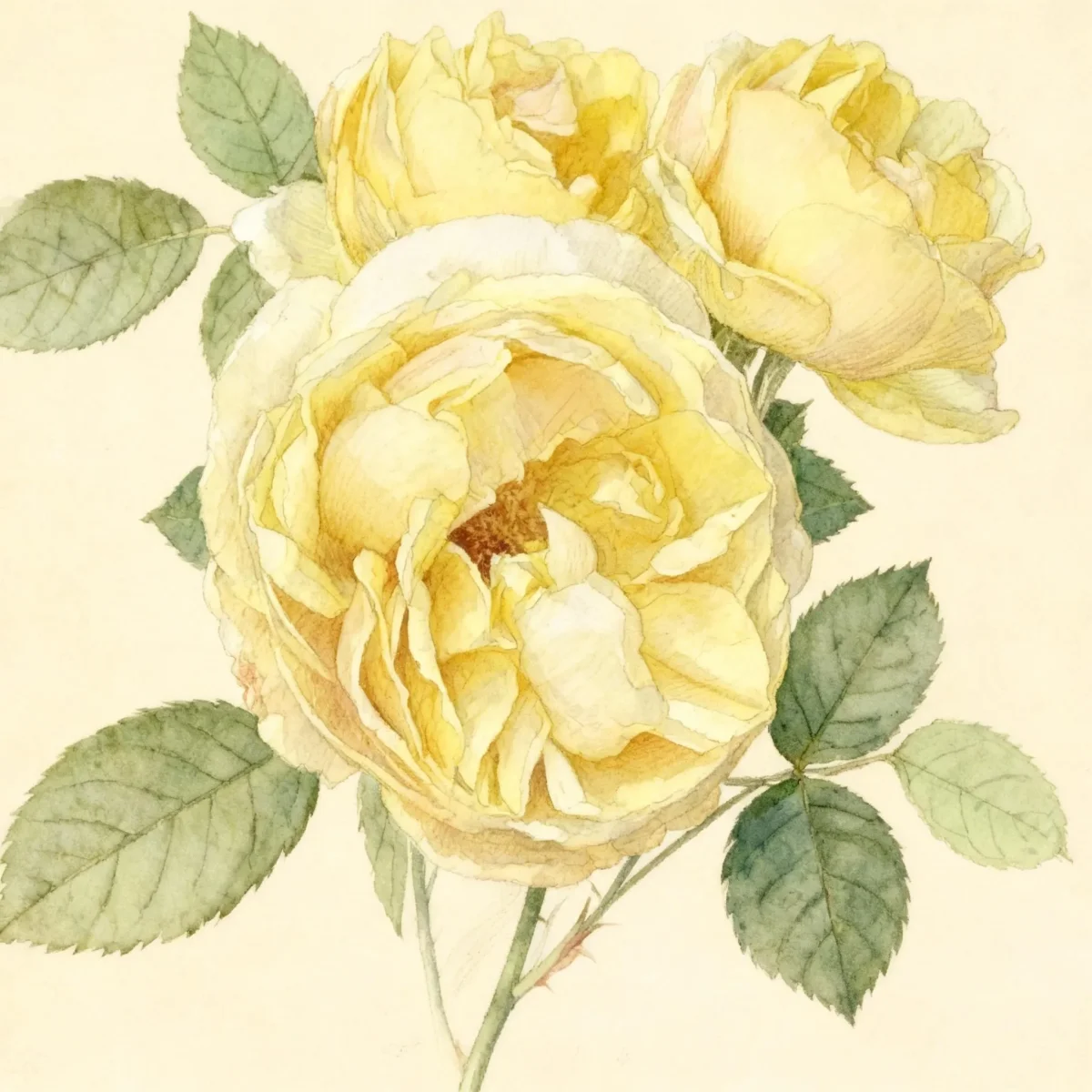
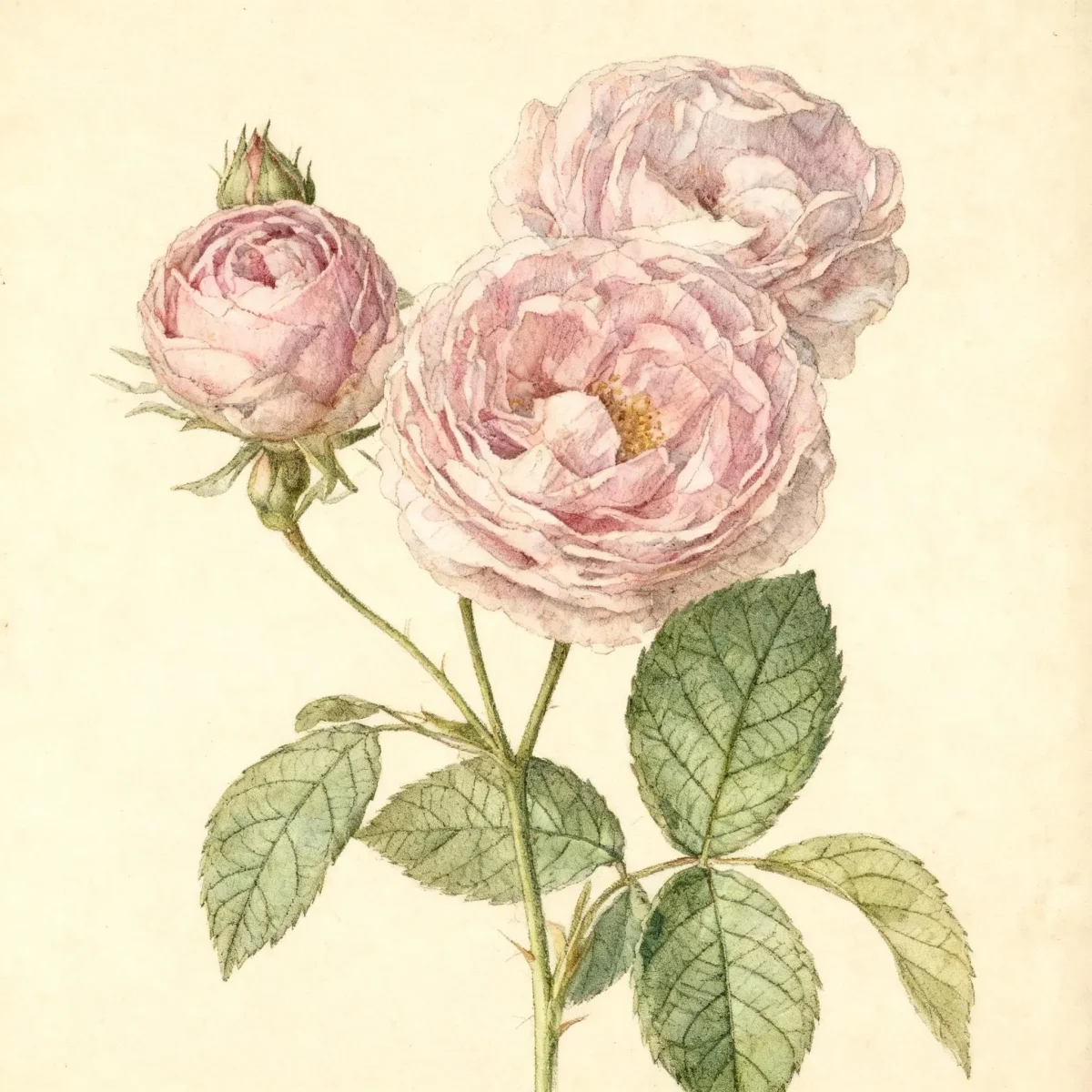
Shrub rose (Rosa 'Golden Wings')
Rosa 'Golden Wings' is a tough, medium-sized Shrub rose, blooming with fragrant pale yellow flowers from May to frost.

Bloom Boldly, No Matter the Season - Sweatshirt
Cozy organic cotton sweatshirt featuring our exclusive Purple Coneflower design. Perfect for gardeners who bloom year-round.
Inspired by the beautiful Shrub rose
Limited first batch (50) — join the waitlist for early access
Waitlist closes Feb 15, 2026.
Complete Plant Information
Field Guide Continues
Ready for care notes, companion picks, and planting tips?
The map is just the start. The full guide below covers growth habits, seasonal performance, and landscape uses.
Overview
Rosa ‘Golden Wings’ is a highly valued hybrid pimpinellifolia shrub rose, known for its robust nature and reliable seasonal color display. This deciduous shrub offers striking, single, pale yellow flowers, achieving significant ornamental appeal across a broad hardiness range. Gardeners appreciate the combination of its sturdy growth habit and the fragrance emanating from its blooms.
As a versatile shrub rose, Rosa ‘Golden Wings’ typically forms a rounded shape, reaching heights and spreads between 4 to 6 feet, making it suitable for various landscape roles. Its blooms are not only aesthetically pleasing but are followed by attractive orange hips, providing visual interest long after the flowering season subsides.
The overall structure and relatively straightforward care requirements contribute to its popularity. This enduring specimen brings reliable texture and color when planted in full sun, supporting gardeners looking for low-to-medium maintenance alternatives within the rose category.
Fast Facts
- Plant Family: Rosaceae
- Plant Type: Deciduous shrub
- Hardiness Zones: USDA Zones 4-9
- Size at Maturity:
- Height: 4-6 ft
- Spread: 4-6 ft
- Bloom Time: May to frost
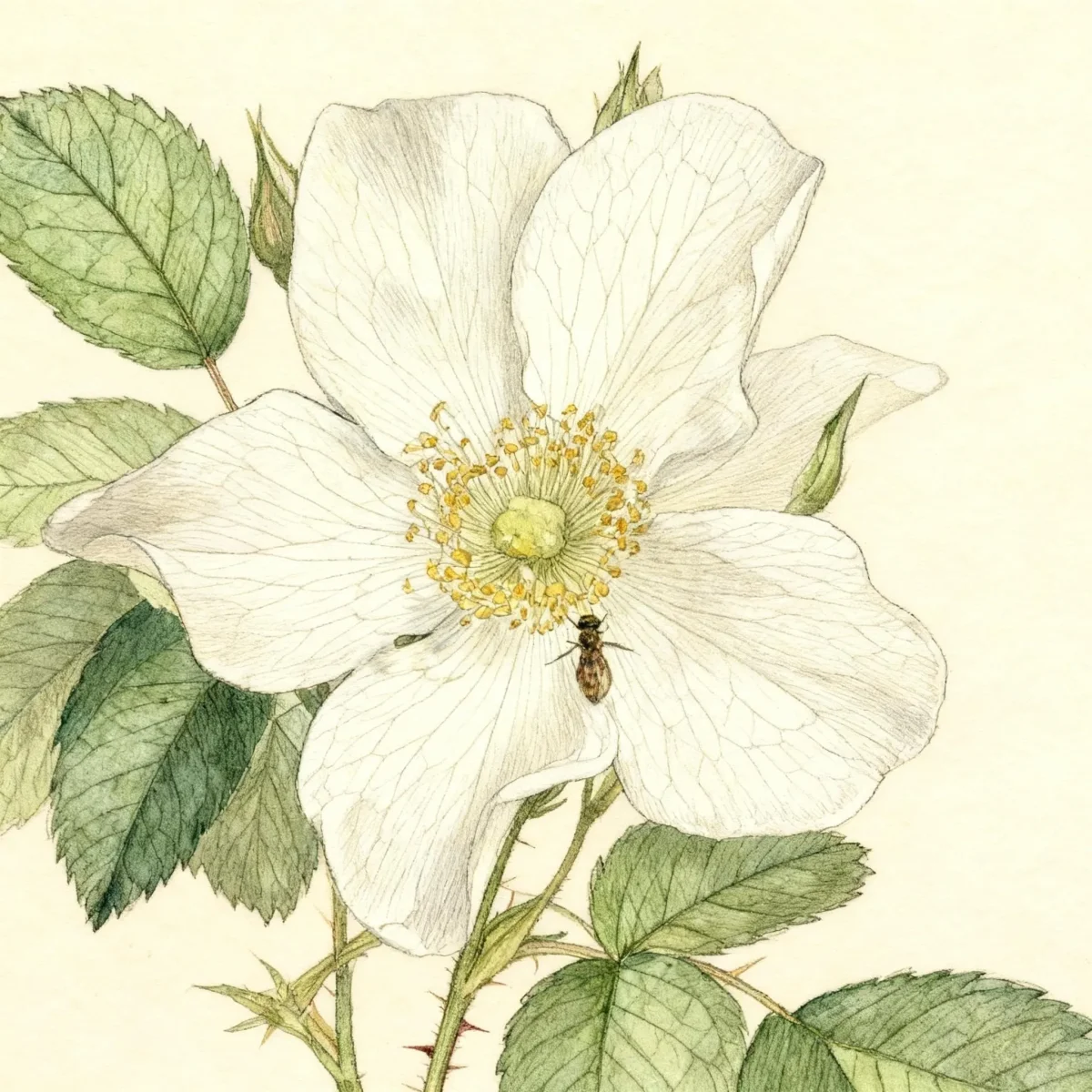
- Bloom Description: Pale yellow with golden brown stamens
- Sun Exposure: Full sun
- Water Needs: Medium
- Maintenance Level: Medium
How to Grow
The optimal establishment period for Rosa ‘Golden Wings’ is when the plant is dormant, usually late winter or early spring, allowing it to settle roots before summer heat. Plant this shrub rose in medium moisture, slightly acidic, well-drained garden loams. While it can tolerate part shade, best flowering and superior disease resistance are achieved when sited in full sun.
Consistent, deep watering is crucial, particularly during establishment and dry spells; always water deeply in the mornings, avoiding overhead sprinkling to minimize foliar disease development. Good air circulation is paramount for healthy growth; site Rosa ‘Golden Wings’ where air moves freely around the canopy. Apply a summer mulch layer to conserve soil moisture, cool the roots, and suppress competing weeds.
Deadheading (removing spent flowers) encourages repeat blooming throughout the season. In exceptionally cold zones (like St. Louis cited in culture notes), supplemental winter protection for the crowns is recommended. Pruning this robust shrub rose is generally only needed lightly in late winter or early spring to shape the plant or remove dead wood, as it does not require the heavy pruning associated with hybrid teas.
Landscape Uses
This shrub rose excels in mixed borders, offering structure and continuous color throughout the growing season. Its upright, rounded form makes Rosa ‘Golden Wings’ an excellent choice for defining edges or planting in small, intentional groupings where its light green foliage and yellow flowers can anchor the design.
Beyond traditional rose gardens and foundation plantings, one of the most effective uses for this variety is as a background component or a functional hedge. Its medium height (4–6 feet) allows it to act as a soft, flowering screen, lending a cottage garden aesthetic that complements both formal and informal settings.
Standout Features
Flower Qualities
- Showy
- Fragrant
Fruit Qualities
- Showy
Noteworthy Characteristics
Rosa is a broad genus renowned for its often fragrant, single to double flowers borne on prickly stems. Shrub roses like Rosa ‘Golden Wings’ are diverse hybrids, usually blooming multiple times per year. This specific cultivar, a hybrid pimpinellifolia, features single, fragrant, pale yellow flowers up to 5 inches wide, highlighted by striking golden brown stamens, emerging from May through early fall.
Tolerances
- No specific tolerances listed in provided data.
Potential Problems
Roses are susceptible to several common fungal diseases, including black spot, powdery mildew, and rust. Insects such as aphids, spider mites, and scale can also pose issues. The first line of defense against these problems involves implementing good cultural practices, such as ensuring proper spacing for air circulation and avoiding overhead watering when possible.
Given the susceptibility, especially in humid climates, gardeners should plan on preventative fungicide applications throughout the growing season to maintain optimal foliage health on your Shrub rose. Vigilant cleanup is also essential; remove and destroy diseased fallen leaves promptly during the growing season and again during the winter cleanup to reduce overwintering fungal spores.
Frequently Asked Questions
What hardiness zones is Rosa ‘Golden Wings’ suitable for?
Rosa ‘Golden Wings’ is reliably hardy in USDA Zones 4 through 9, offering flexibility for many gardeners.
How large does Shrub rose grow?
This plant typically matures to a height between 4 and 6 feet, with a similar spread of 4 to 6 feet, forming a rounded shape.
What sun exposure does Rosa ‘Golden Wings’ need?
For the best flowering performance and disease resistance, Rosa ‘Golden Wings’ requires full sun exposure.
When does Shrub rose bloom?
This variety begins blooming in May and continues to flower intermittently through the first heavy frost, displaying pale yellow flowers.
Conclusion
The Rosa ‘Golden Wings’ Shrub rose offers gardeners a blend of hardiness, manageable size, and recurring beauty, highlighted by its fragrant pale yellow flowers and attractive winter hips. Its suitability as a hedge or specimen makes it a versatile garden anchor. Before planting, confirm your local conditions fall within USDA Zones 4-9 and ensure it receives full sun for the best display from this excellent Shrub rose.
Companion Planting
Selecting appropriate companions for Rosa ‘Golden Wings’ can enhance garden aesthetics while supporting plant health. Look for perennials that thrive in similar soil conditions—medium moisture, well-drained loam—and that can tolerate full sun. Good partners include lavender, catmint (Nepeta), or hardy salvias, as their silvery or blue foliage provides a beautiful contrast to the pale yellow blooms of the Shrub rose.
When designing borders that include this large-growing shrub rose, consider planting lower-growing herbs or groundcovers beneath the canopy edge. This practice not only suppresses weeds but also helps moderate soil temperature and moisture retention, mimicking the benefits of dedicated mulch. Ensure the companions do not crowd the base of the Rosa ‘Golden Wings’ to preserve the critical air circulation needed to ward off potential leaf spot issues.
Seasonal Care Calendar
Early Spring (Late Winter Pruning): This is the ideal time for structural pruning. Prune Rosa ‘Golden Wings’ as needed to remove dead or crossing canes, focusing on shaping the plant before new growth begins. Clean up any remaining debris from the previous year’s growth.
Late Spring/Summer Care: Focus intensely on moisture management and disease monitoring. Water deeply at the base of the plant in the mornings. Deadhead spent flowers regularly to promote the repeat bloom cycle characteristic of this Shrub rose. Watch closely for signs of common rose ailments and apply preventative treatments if you are in a high-risk, humid climate.
Fall and Winter Preparation: As cold weather approaches, stop heavy fertilization to encourage hardening off. In the coldest parts of its range (Zone 4), apply a thick layer of mulch or use burlap wraps to protect the lower canes and crown area from freeze-thaw cycles and harsh winter winds.