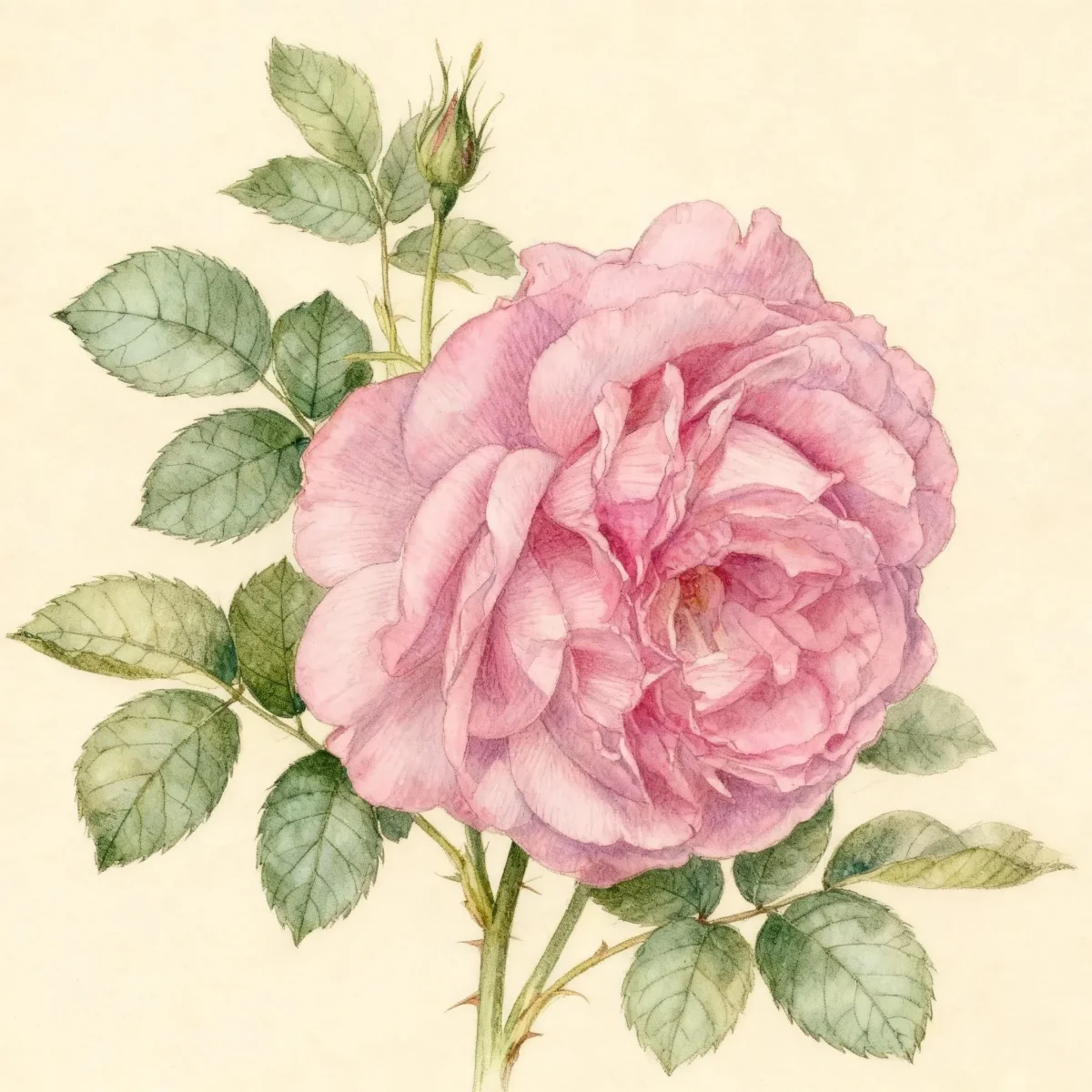
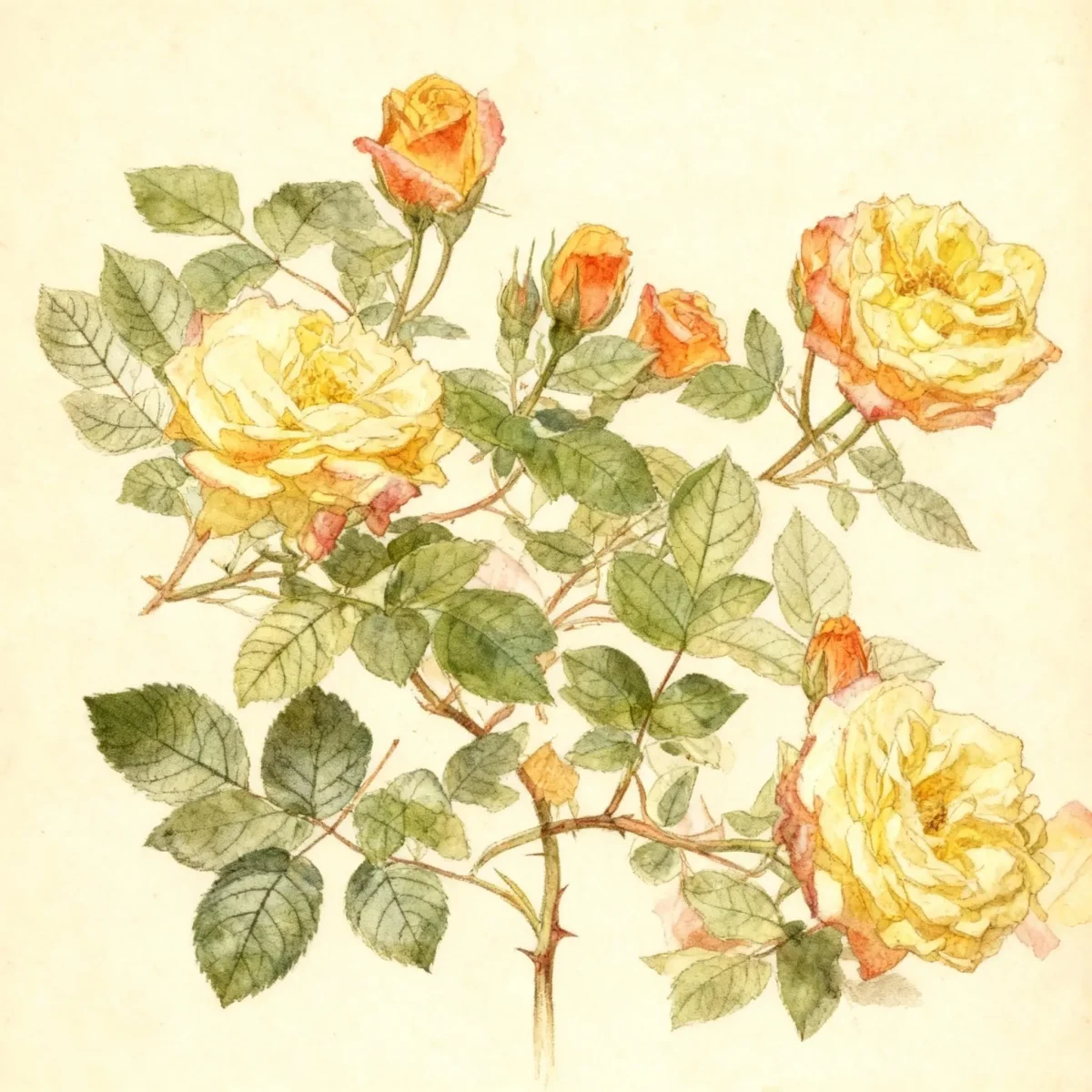
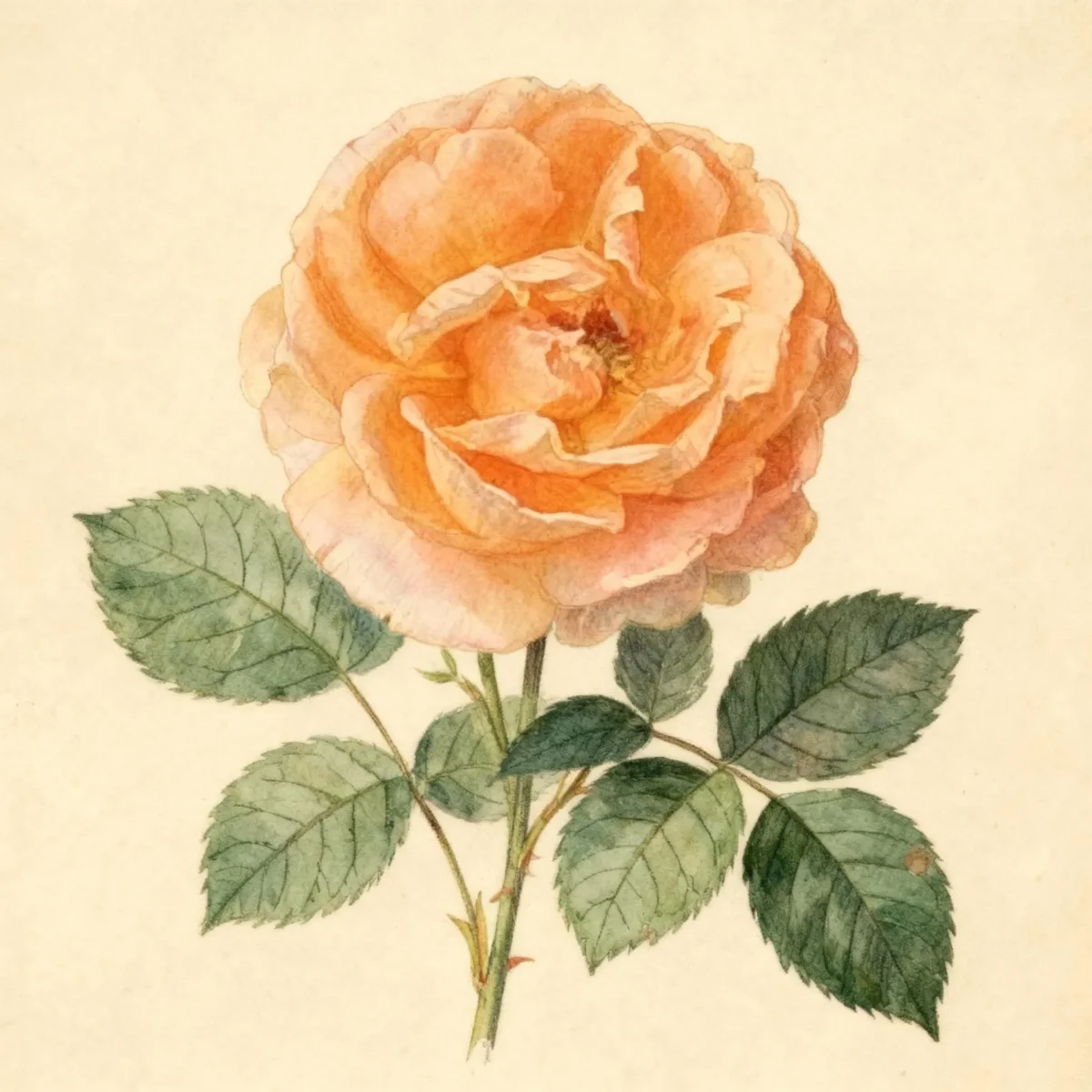
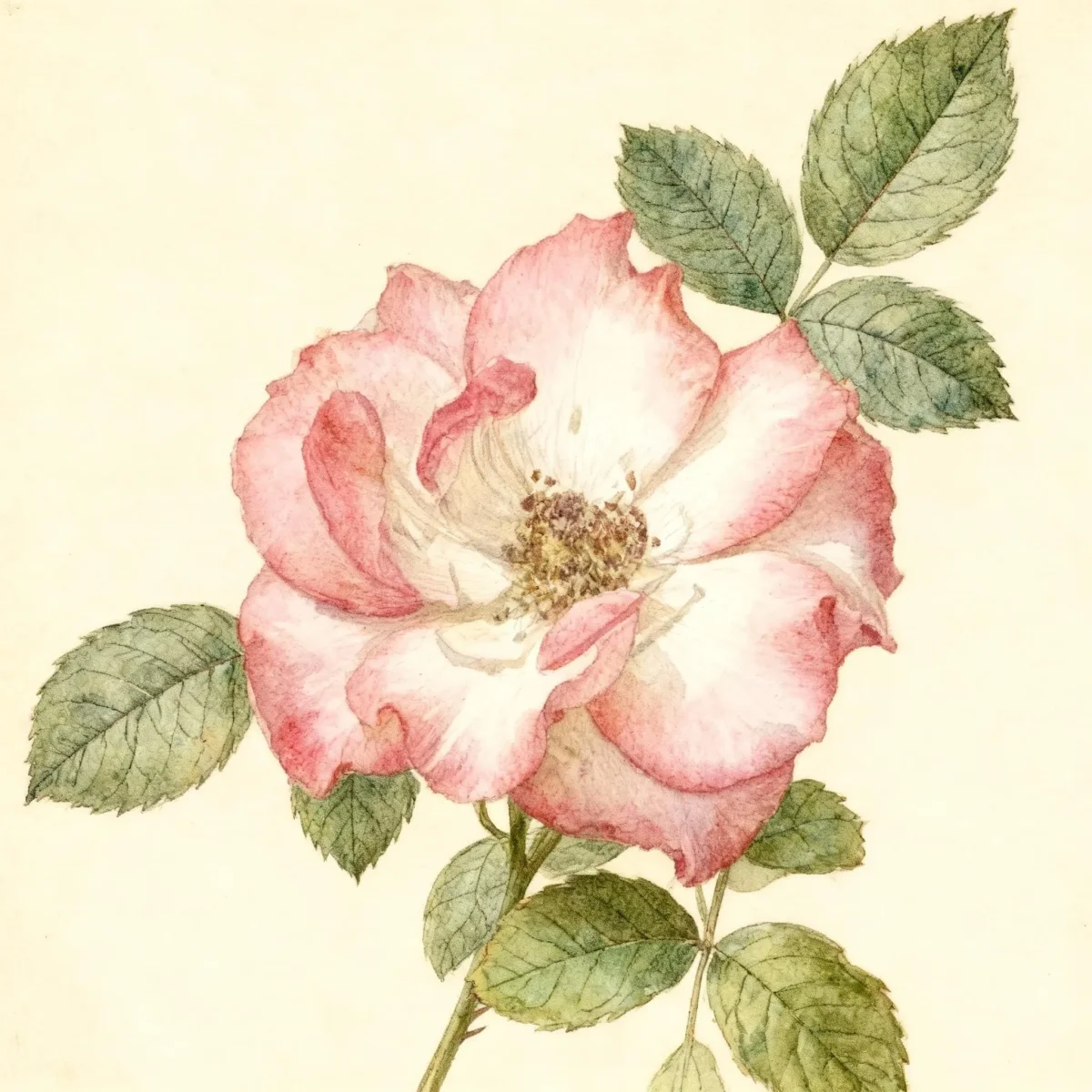
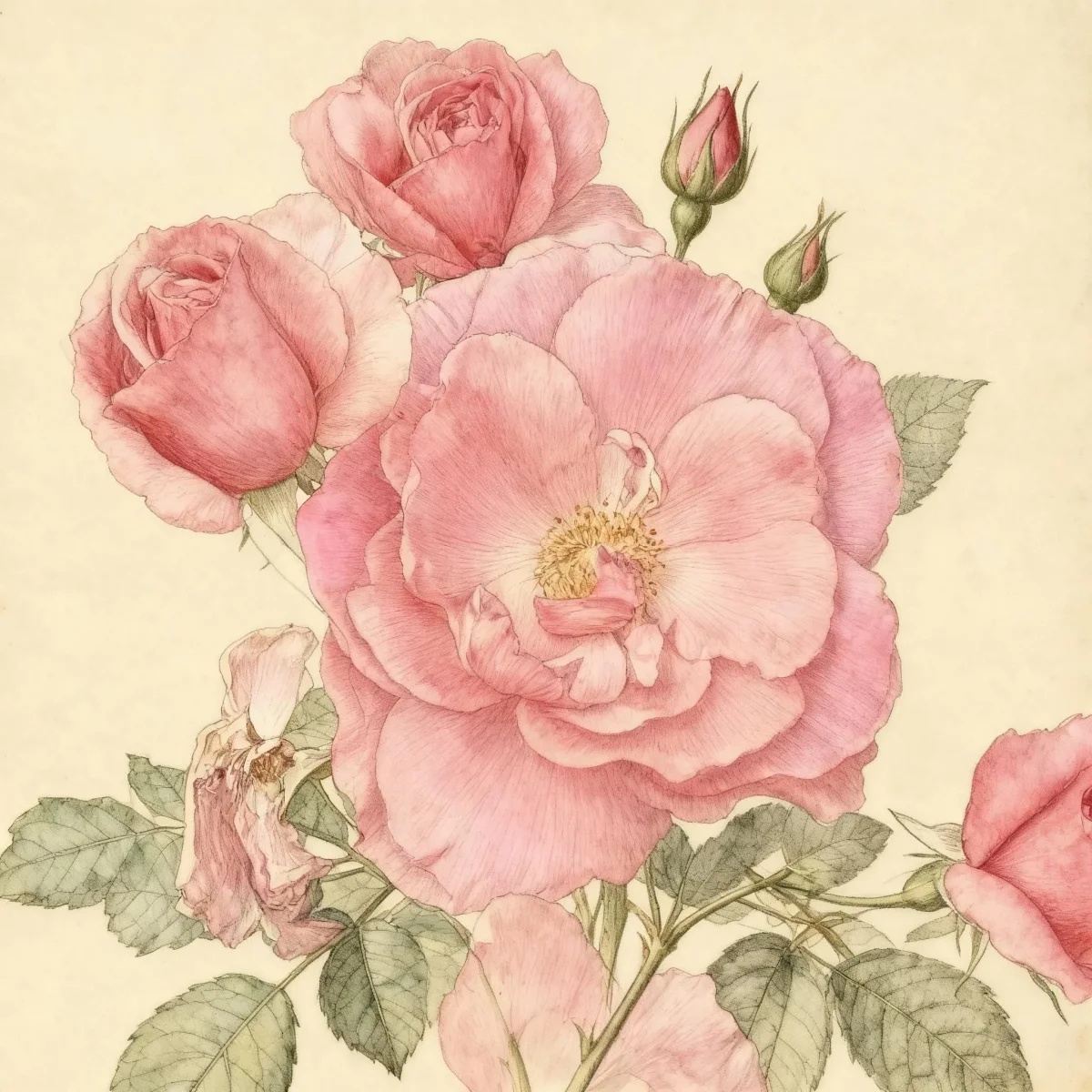
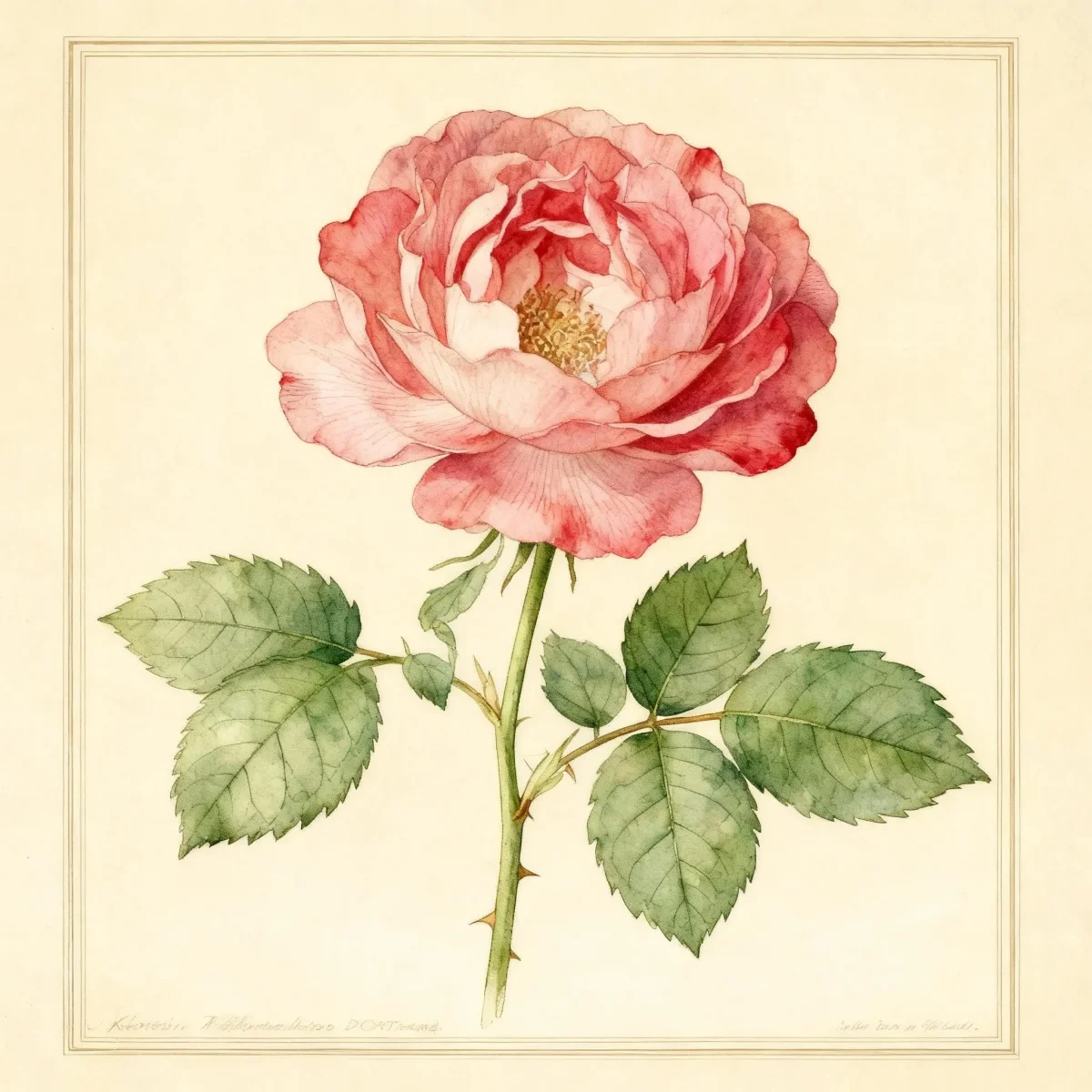
Hybrid perpetual rose (Rosa 'Marchesa Boccella')
Rosa 'Marchesa Boccella' is a vigorous Hybrid perpetual rose offering fragrant, showy pink blooms from May to frost in Zones 4-9.

Bloom Boldly, No Matter the Season - Sweatshirt
Cozy organic cotton sweatshirt featuring our exclusive Purple Coneflower design. Perfect for gardeners who bloom year-round.
Inspired by the beautiful Hybrid perpetual rose
Limited first batch (50) — join the waitlist for early access
Waitlist closes Feb 15, 2026.
Complete Plant Information
Field Guide Continues
Ready for care notes, companion picks, and planting tips?
The map is just the start. The full guide below covers growth habits, seasonal performance, and landscape uses.
Overview
Rosa ‘Marchesa Boccella’, a beautiful Hybrid perpetual rose, provides gardeners with intensely fragrant and showy double pink blooms that repeat from early summer until frost. This bushy shrub is highly valued for its continuous color display and classic rose form, making it a cornerstone for traditional garden designs. As a vigorous, upright shrub, Rosa ‘Marchesa Boccella’ typically reaches 4 to 5 feet tall, offering substantial presence without becoming unruly if properly maintained.
This cultivar thrives best when provided with optimal cultural conditions, favoring full sun to ensure the best flowering and disease resistance. Gardeners in zones 4 through 9 can successfully integrate this rose into their landscapes, appreciating its versatility in borders or as a standalone specimen. Consistent care regarding moisture and pruning ensures the longevity and health of this classic Hybrid perpetual rose.
For those seeking reliable rebloom and powerful fragrance from an established rose class, Rosa ‘Marchesa Boccella’ stands out as an excellent choice. Its light to medium green foliage complements the deep pink flowers beautifully throughout the growing season.
Fast Facts
- Plant Family: Rosaceae
- Plant Type: Deciduous shrub
- Hardiness Zones: USDA Zones 4-9
- Size at Maturity:
- Height: 4-5 ft
- Spread: 3-5 ft
- Bloom Time: May to frost
- Bloom Description: Pink
- Sun Exposure: Full sun
- Water Needs: Medium
- Maintenance Level: Medium
How to Grow
The best time to establish Rosa ‘Marchesa Boccella’ is during its dormant season, late winter or early spring, or in containers during the growing season. This Hybrid perpetual rose performs optimally in medium moisture, slightly acidic, well-drained garden loams. While it tolerates part shade, achieving the best flowering performance and maximum disease resistance requires planting in a location that receives full sun exposure throughout the day.
Establish a deep watering routine, ensuring you water deeply and regularly, preferably in the mornings, which allows foliage to dry before nightfall. Avoid overhead watering to mitigate foliar diseases. Applying a layer of summer mulch is highly beneficial; this helps conserve soil moisture, keeps the roots cool during hot weather, and suppresses weed growth.
Routine maintenance for Rosa ‘Marchesa Boccella’ involves deadheading spent flowers consistently to promote the intermittent repeat bloom cycle throughout the summer. Pruning should be performed as needed in late winter or early spring to shape the plant and remove dead or weak wood. In colder regions within its range, such as the northern edges of Zone 4, the crowns of this Hybrid perpetual rose will require winter protection. Be diligent about removing and destroying any diseased leaves throughout the season to maintain good air circulation and reduce disease pressure.
Landscape Uses
The adaptability of Rosa ‘Marchesa Boccella’ makes it a welcome addition to numerous landscape settings. It excels when used formally as an effective hedge, providing structure and seasonal color thanks to its upright, bushy habit. Equally, these shrubs perform well when planted as specimens to highlight an entryway or massed in small groups within layered borders or traditional cottage gardens.
Beyond hedges, consider planting Rosa ‘Marchesa Boccella’ near gathering spaces where its strong fragrance can be fully appreciated. They blend seamlessly against backgrounds of darker green evergreens, which make the pink blooms pop visually. These roses also fit well into dedicated rose gardens or near foundations where their height (4-5 ft) won’t overwhelm smaller adjacent plantings.
Standout Features
Flower Qualities
- Showy
- Fragrant
Noteworthy Characteristics
Rosa is a genus of about 150 species of deciduous shrubs and climbers noted for their beautiful, often fragrant, single, semidouble or double flowers which are borne singly or in clusters on often prickly stems clad with 5-9 leaflets often having toothed margins. Shrub roses are usually large-growing bushes between 4-10 feet tall and as wide. They are a very diverse group of hybrids and usually produce clusters of flowers several times a year but some may bloom just once in spring. Plants can be allowed to grow large with minimal pruning. ‘Marchesa Boccella’, a hybrid perpetual rose, is a vigorous, upright, compact, bushy shrub which typically grows 4-5’ tall and features fragrant, double, pink blooms (to 4” across) with greenish button eyes.
Tolerances
No tolerances specified in available data.
Potential Problems
Like all roses, Rosa ‘Marchesa Boccella’ is susceptible to numerous fungal issues, most commonly black spot, powdery mildew, and rust. Rose rosette is another significant concern in some areas. While excellent cultural practices—like providing good air circulation and avoiding overhead watering—are the first line of defense, gardeners in humid climates, such as the St. Louis area, will almost certainly need to apply regular preventative fungicide treatments throughout the growing season.
Insect pressures can include common pests such as aphids, spider mites, scale, and borers. Regularly inspect the undersides of leaves for early signs of infestation. Always destroy diseased foliage both during the growing season and during a thorough winter cleanup, as this helps break the disease cycle for the following year.
Frequently Asked Questions
What hardiness zones is Hybrid perpetual rose suitable for?
The Hybrid perpetual rose, Rosa ‘Marchesa Boccella’, is hardy and suitable for planting in USDA Zones 4 through 9.
How large does Rosa ‘Marchesa Boccella’ grow?
This vigorous shrub typically matures to a height between 4 and 5 feet, with a spread ranging from 3 to 5 feet wide.
What sun exposure does Rosa ‘Marchesa Boccella’ need?
For the best flowering and overall health, Rosa ‘Marchesa Boccella’ requires full sun exposure, though it can tolerate part shade.
When does Rosa ‘Marchesa Boccella’ bloom?
This rose variety begins blooming in May and continues blooming intermittently through the frost, offering desirable pink flowers repeatedly.
Conclusion
Rosa ‘Marchesa Boccella’ remains a celebrated Hybrid perpetual rose due to its robust growth, striking pink blooms, and powerful fragrance that lasts from May until frost. Ensuring deep watering and managing air circulation are key to keeping this shrub healthy across Zones 4-9. Before planting, confirm your garden location receives sufficient sun to maximize the enjoyment of this classic selection.
Companion Planting
Selecting appropriate companions is crucial for managing microclimates and preventing pest/disease spread around roses. Consider planting intermingled low-growing, aromatic herbs near the base of Rosa ‘Marchesa Boccella’. Herbs like chives or garlic can subtly deter certain sucking insects, although their effectiveness against major rose issues is limited.
To improve soil health and aesthetic appeal, pair this Hybrid perpetual rose with non-competing perennials that also appreciate well-drained soil, such as Catmint (Nepeta) or various ornamental Salvias. These companions generally have similar medium water needs and can help fill the space beneath the shrub without competing aggressively for root space or sunlight.
Pruning Strategy for Repeat Bloom
Pruning Rosa ‘Marchesa Boccella’ is fundamental to encouraging its extended bloom cycle rather than just maintaining winter structure. The major structural prune occurs in late winter or early spring before new growth begins. At this time, remove all dead, damaged, or crossing canes, shaping toward an open, vase-like center to enhance air flow.
Throughout the main growing season, focus on ‘deadheading’—removing spent blooms. To promote the next flush of flowers, cut the stem back to the first outward-facing, five-leaflet leaf set below the faded flower head. This simple summer maintenance encourages the plant to put energy into new flower production rather than seed development. In autumn, only light corrective trimming is advised; avoid heavy pruning until dormancy breaks to prevent winter dieback in colder zones.