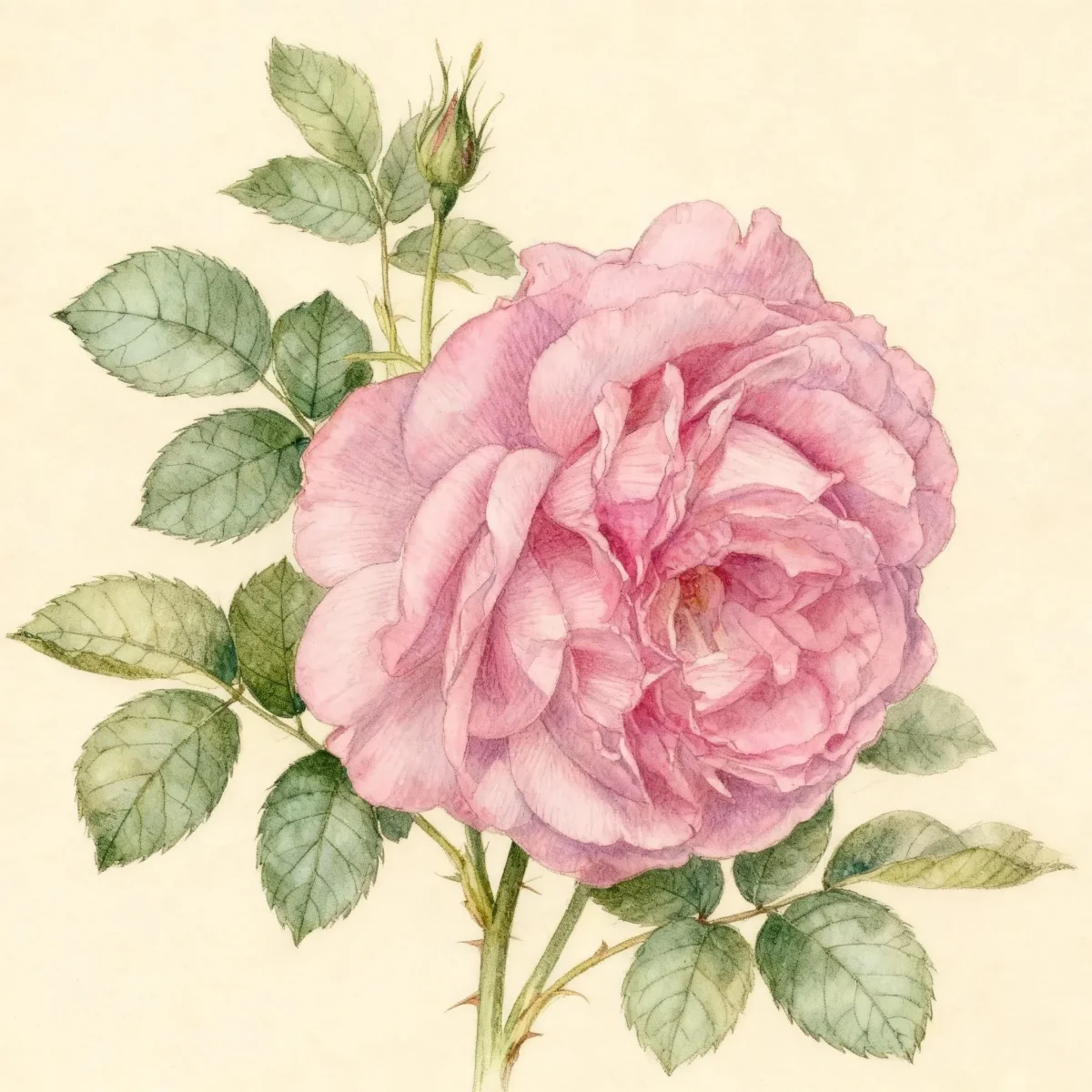
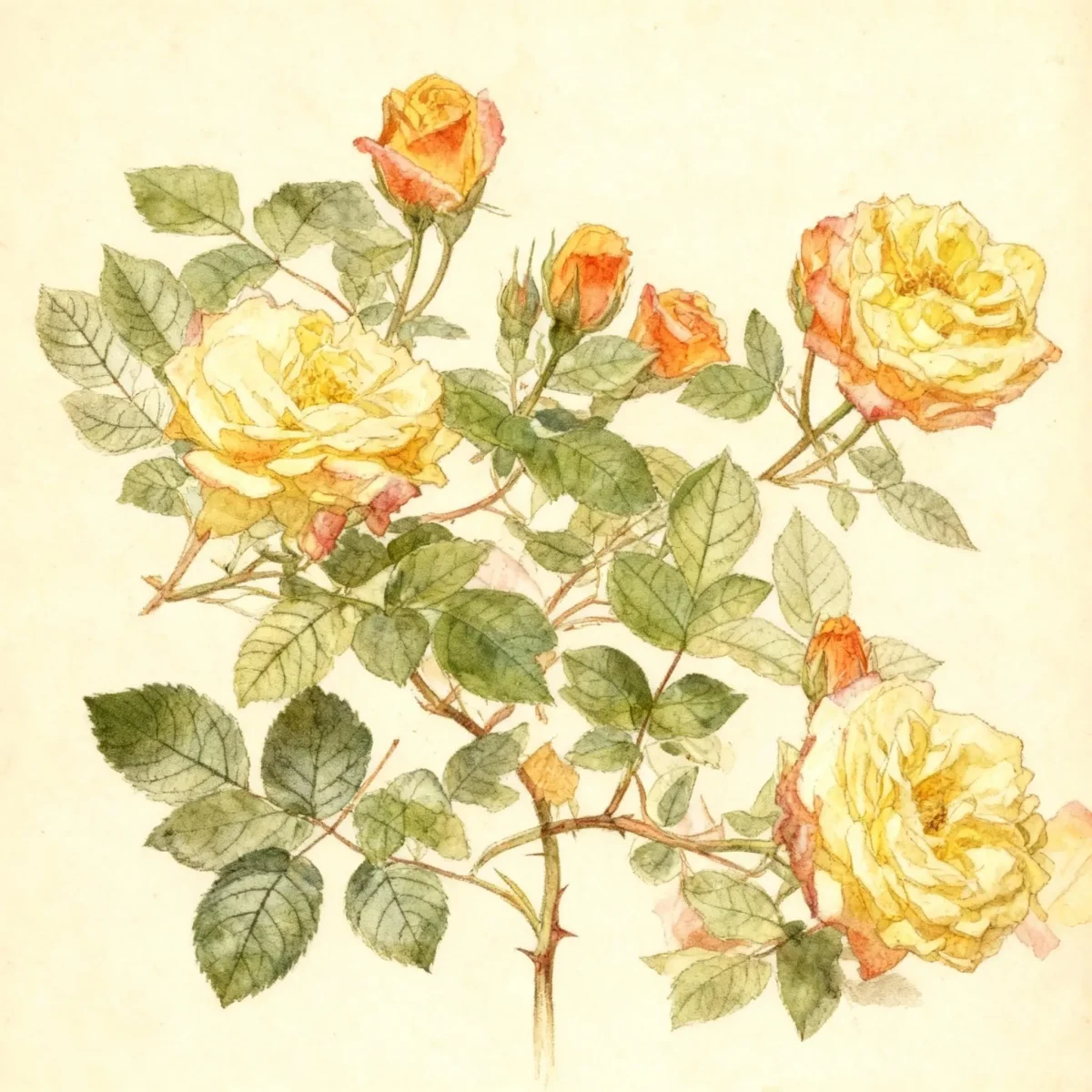
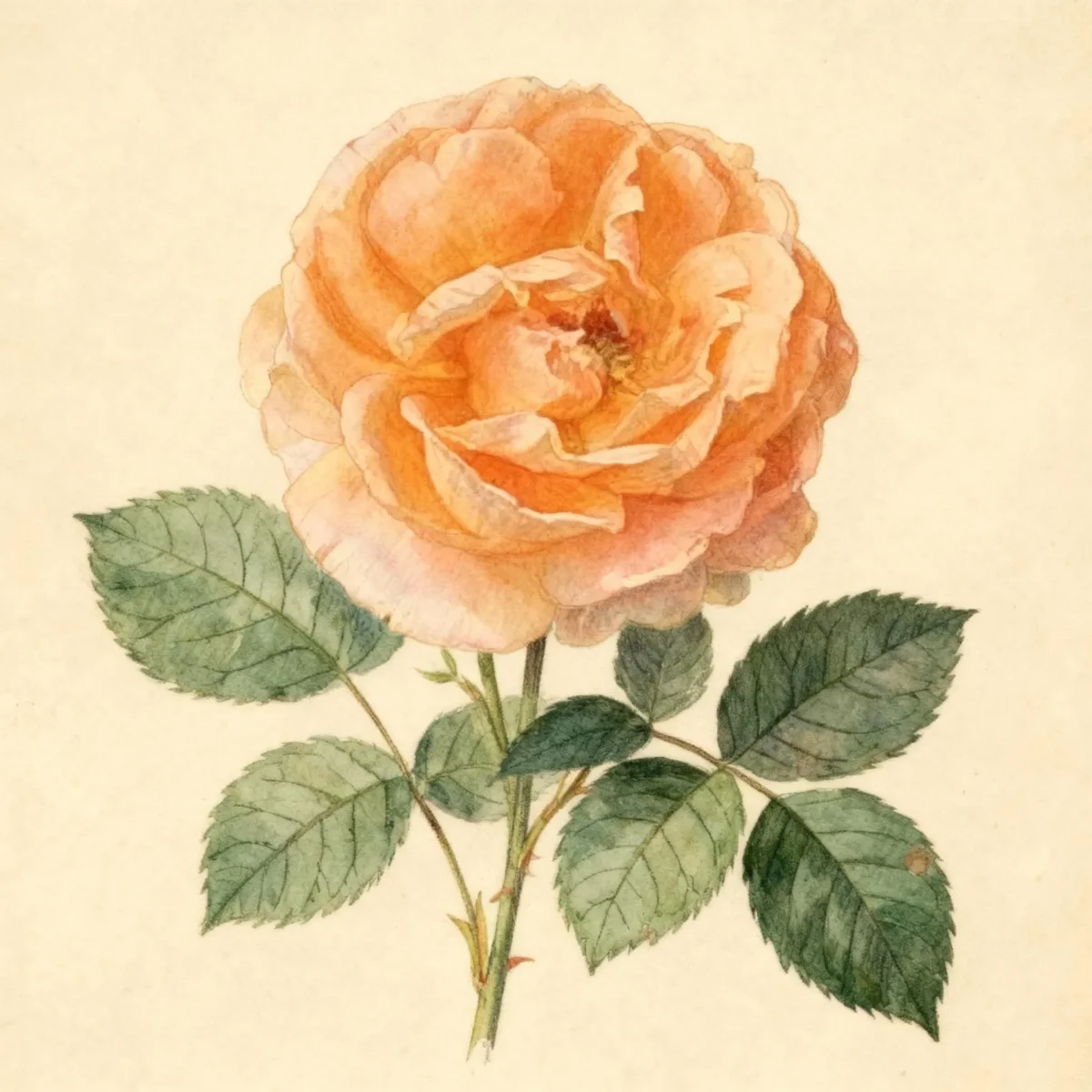
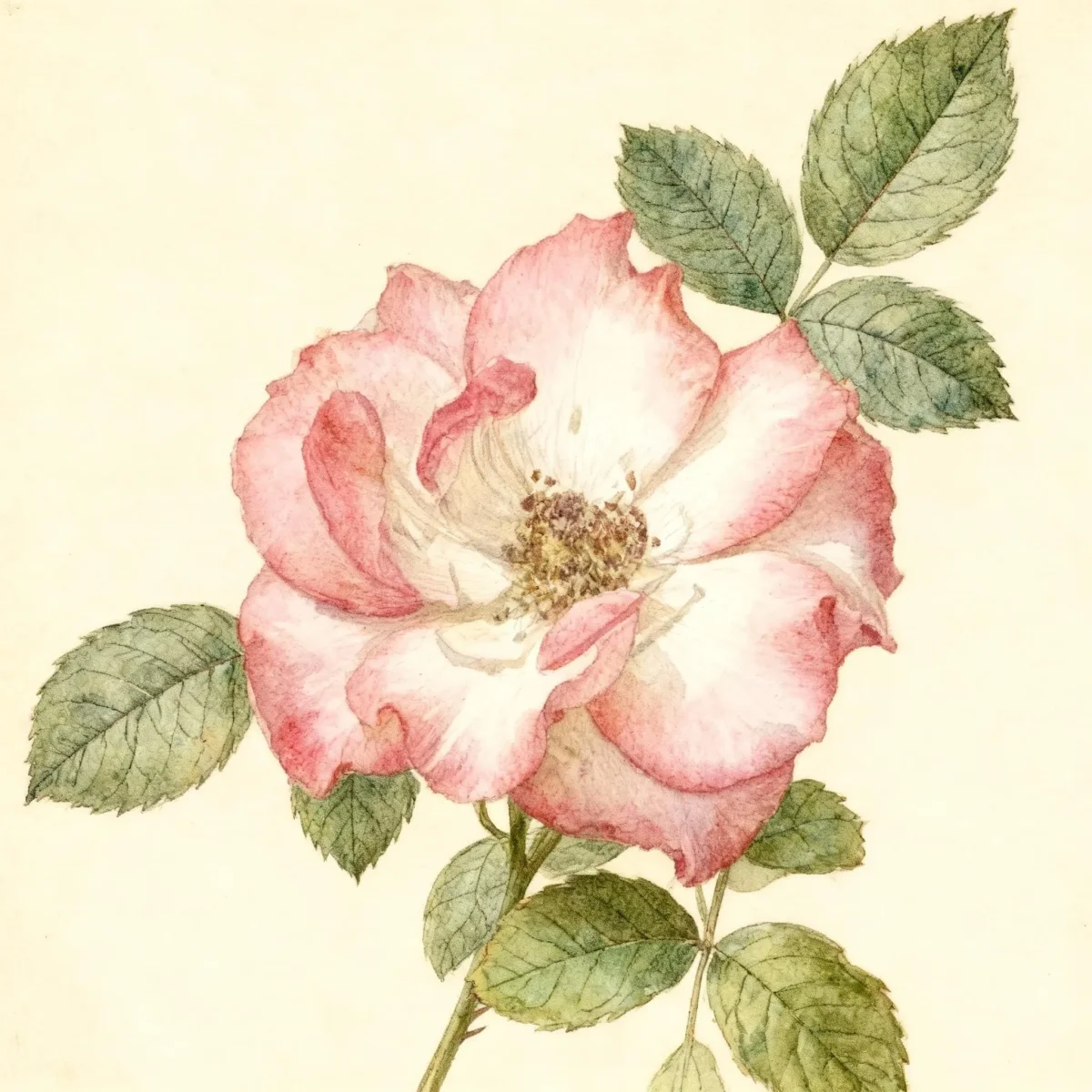
Hybrid moyesii rose (Rosa 'Nevada')
Rosa 'Nevada' is a vigorous Hybrid moyesii rose, offering showy white blooms from May to frost, ideal for hedges and borders.

Bloom Boldly, No Matter the Season - Sweatshirt
Cozy organic cotton sweatshirt featuring our exclusive Purple Coneflower design. Perfect for gardeners who bloom year-round.
Inspired by the beautiful Hybrid moyesii rose
Limited first batch (50) — join the waitlist for early access
Waitlist closes Feb 15, 2026.
Complete Plant Information
Field Guide Continues
Ready for care notes, companion picks, and planting tips?
The map is just the start. The full guide below covers growth habits, seasonal performance, and landscape uses.
Overview
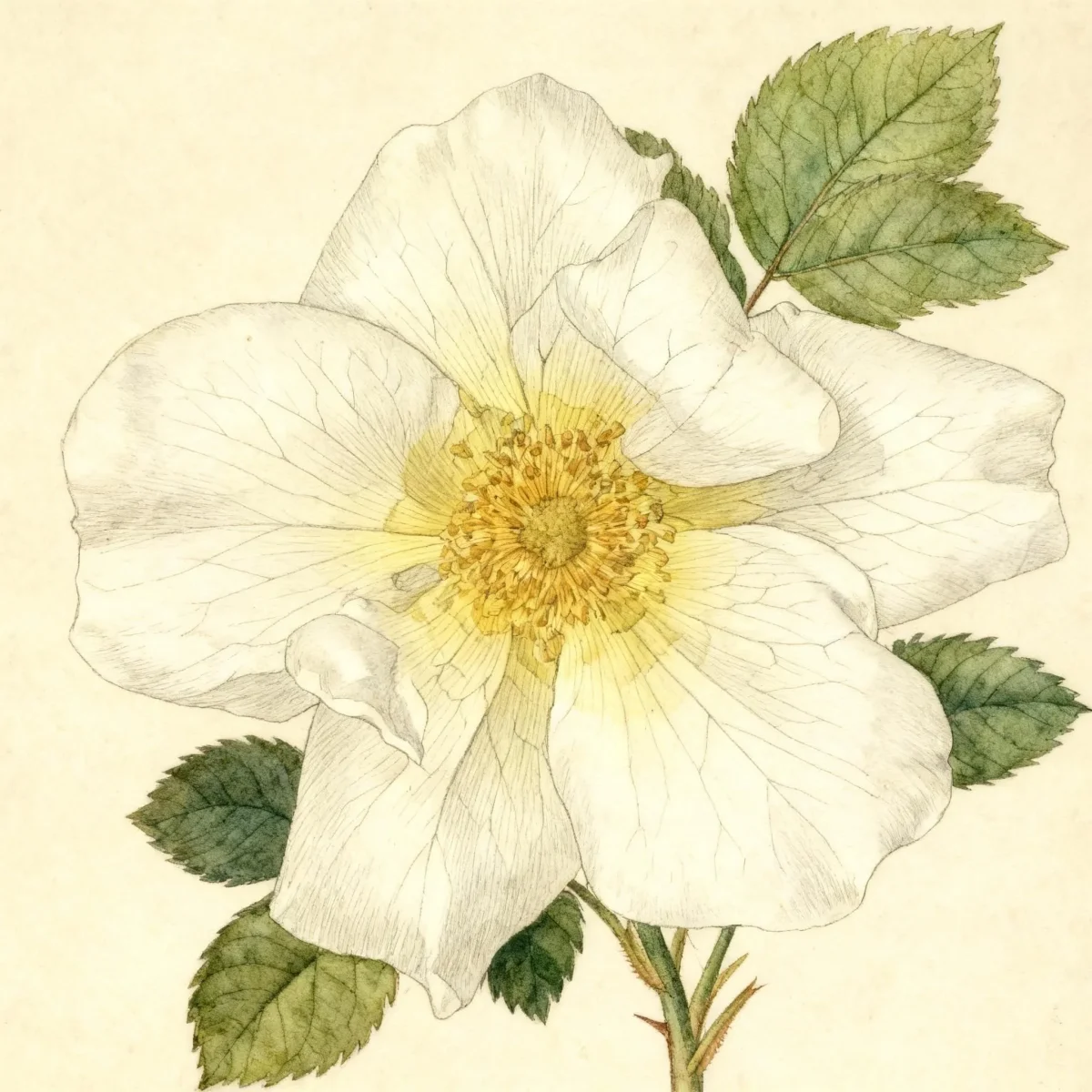
The Rosa ‘Nevada’ is a robust and elegant Hybrid moyesii rose, prized for its vigorous growth habit and prolonged summer-to-frost flowering display. This shrub rose produces nearly single, large white flowers, distinctly contrasted by a prominent clump of golden stamens at the center, making it a standout feature in the garden. While classified as a shrub rose, Rosa ‘Nevada’ offers repeat bloom potential, rewarding gardeners with sustained color throughout the warmer months. It serves excellently as a specimen plant or structured hedge, bringing traditional beauty and reliable performance to established landscapes.
Fast Facts
- Plant Family: Rosaceae
- Plant Type: Deciduous shrub
- Hardiness Zones: USDA Zones 4-9
- Size at Maturity:
- Height: 5-7 ft
- Spread: 5-7 ft
- Bloom Time: May to frost
- Bloom Description: White
- Sun Exposure: Full sun
- Water Needs: Medium
- Maintenance Level: Medium
How to Grow
Plant Rosa ‘Nevada’ during the dormant season when possible, ensuring it receives full sun for the best flowering and disease resistance. This Hybrid moyesii rose thrives in well-drained garden loams, ideally with slightly acidic soil moisture. Deeply water the rose regularly, directing water toward the base in the mornings, and strictly avoid overhead watering to minimize fungal issues.
Consistent care focuses on maintaining moisture and good air flow. Apply a summer mulch to help retain soil moisture and keep the roots cool. Throughout the growing season, promptly remove any spent flowers to encourage the intermittent repeat blooming characteristic of Rosa ‘Nevada’. Good air circulation is crucial; ensure plants are spaced adequately to promote vigorous health.
General cleanup is important for disease management. Remove and destroy any diseased foliage during the growing season, and perform a thorough cleanup of fallen leaves in winter. Pruning should be done as needed in late winter or early spring to shape the plant. Crowns require winter protection in the coldest parts of its range, like areas experiencing severe winter conditions.
Landscape Uses
Rosa ‘Nevada’ transitions seamlessly between formal and cottage garden settings due to its substantial structure and prolific flowering. Its height and spread make it perfectly suited for use as an effective screen or formal hedge that offers more visual interest than standard hedging materials. Alternatively, plant this Hybrid moyesii rose as a bold specimen where its arching red shoots and white flowers can be appreciated against a contrasting background. It establishes well in borders near foundations or within dedicated rose gardens, benefiting from the dedicated attention roses generally require.
Standout Features
Flower Qualities
- Showy
- Fragrant
Noteworthy Characteristics
Rosa is a genus of about 150 species of deciduous (occasionally evergreen) shrubs and climbers noted for their beautiful, often fragrant, single, semidouble or double flowers which are borne singly or in clusters on often prickly stems clad with 5-9 leaflets often having toothed margins. Shrub roses are usually large-growing bushes between 4-10 feet tall and as wide. They do not require the heavy pruning required of hybrid tea, floribunda and grandiflora roses unless being pruned to control size. Plants can be allowed to grow large with minimal pruning.Genus name comes from the Latin name for rose.‘Nevada’ (‘La Giralda’ x tetraploid relative of Rosa moyesii) is a vigorous, dense, upright-rounded, hybrid Moyessi shrub rose that typically matures to 5-7’ tall and as wide. Nearly single white roses (to 4” diameter) bloom in late May-June on arching red shoots clad with light green leaves. Flattened white petals on each rose are complemented by a showy clump of golden center stamens. Some intermittent repeat bloom may occur in summer. Introduced in Spain in 1927 by Pedro Dot.
Tolerances
Potential Problems
Roses are susceptible to a large number of diseases, the most common of which are black spot, powdery mildew, rust and rose rosette. Although good cultural practices are the first line of defense in disease control, regular preventative fungicide applications throughout the growing season are usually required, particularly in humid climates with regular rainfall such as the St. Louis area. Potential insect problems include aphids, beetles, borers, scale, thrips, rose midges, leafhoppers and spider mites.
Preventative measures center on cultural care: ensuring deep watering at the base, maintaining excellent air circulation, and diligently cleaning up all fallen leaves. Local horticultural extensions can provide advice for selecting the best fungicides for recurring issues in your specific microclimate. Active monitoring allows gardeners to catch pest infestations early before they cause significant damage to the healthy growth of Rosa ‘Nevada’.
Frequently Asked Questions
What hardiness zones is Hybrid moyesii rose suitable for?
The Rosa ‘Nevada’ is reliably hardy across USDA Zones 4 through 9.
How large does Rosa ‘Nevada’ grow?
This shrub typically matures to a height between 5 and 7 feet, with a spread mirroring that, growing 5-7 feet wide.
What sun exposure does Rosa ‘Nevada’ need?
Full sun exposure is recommended for optimal flowering and disease resistance, though it can tolerate part shade.
When does Rosa ‘Nevada’ bloom?
You can expect blooms on this Hybrid moyesii rose starting in May and continuing intermittently until the first hard frost, with white flowers being the hallmark of its display.
Conclusion
The towering presence and beautiful white blooms define the appeal of Rosa ‘Nevada’, making it a superb choice for structure and fragrance in the landscape. This vigorous Hybrid moyesii rose requires medium maintenance but rewards that effort with reliable, season-long color. Before planting sections of hedge or borders, confirm that your local hardiness zone falls within the 4-9 range to ensure success with this spectacular specimen.
Companion Planting
When selecting companions for Rosa ‘Nevada’, focus on plants that share similar site preferences for full sun and medium moisture, while providing textural contrast. Low-growing perennial groundcovers benefit the rose by keeping the lower stem area cool and slightly suppressing weeds that might compete for water. Consider plants like Catmint (Nepeta) or hardy Geraniums, which offer mid-summer color that harmonizes with the later blooms of the rose without overpowering its stature.
Avoid planting shallow-rooted, heavy feeders immediately adjacent to the base of the Hybrid moyesii rose, as vigorous competition can stress the plant. Instead, look towards structuring the backdrop with taller ornamental grasses or shrubs that appreciate sharp drainage. This strategy ensures the Rosa ‘Nevada’ remains the focal point while benefiting from a healthy, well-managed root environment.
Seasonal Care Calendar
Spring is the critical time for initiating care; perform pruning lightly in late winter to early spring to manage size and remove dead wood. As new growth emerges, monitor closely for early signs of black spot or aphids. Summer requires consistent deep watering, especially during dry spells, always focusing water at the base of the plant.
In mid-summer, deadheading spent flowers of Rosa ‘Nevada’ is essential for encouraging the intermittent repeat bloom period. Apply fresh mulch just as summer begins to help conserve moisture through the hottest months. End the growing season by diligently cleaning up all fallen leaves once dormancy arrives; this is a non-negotiable step in fungal disease prevention for the following year.