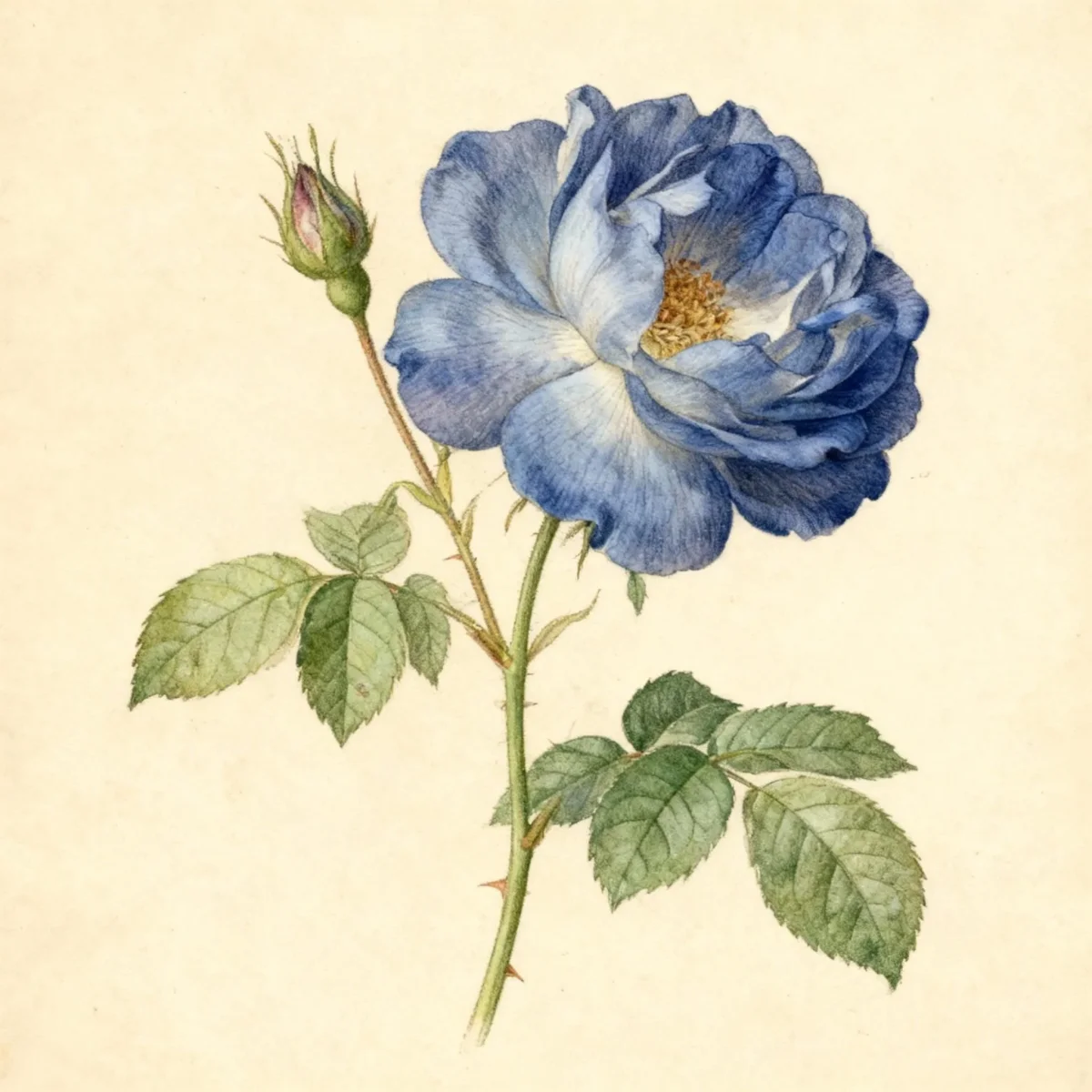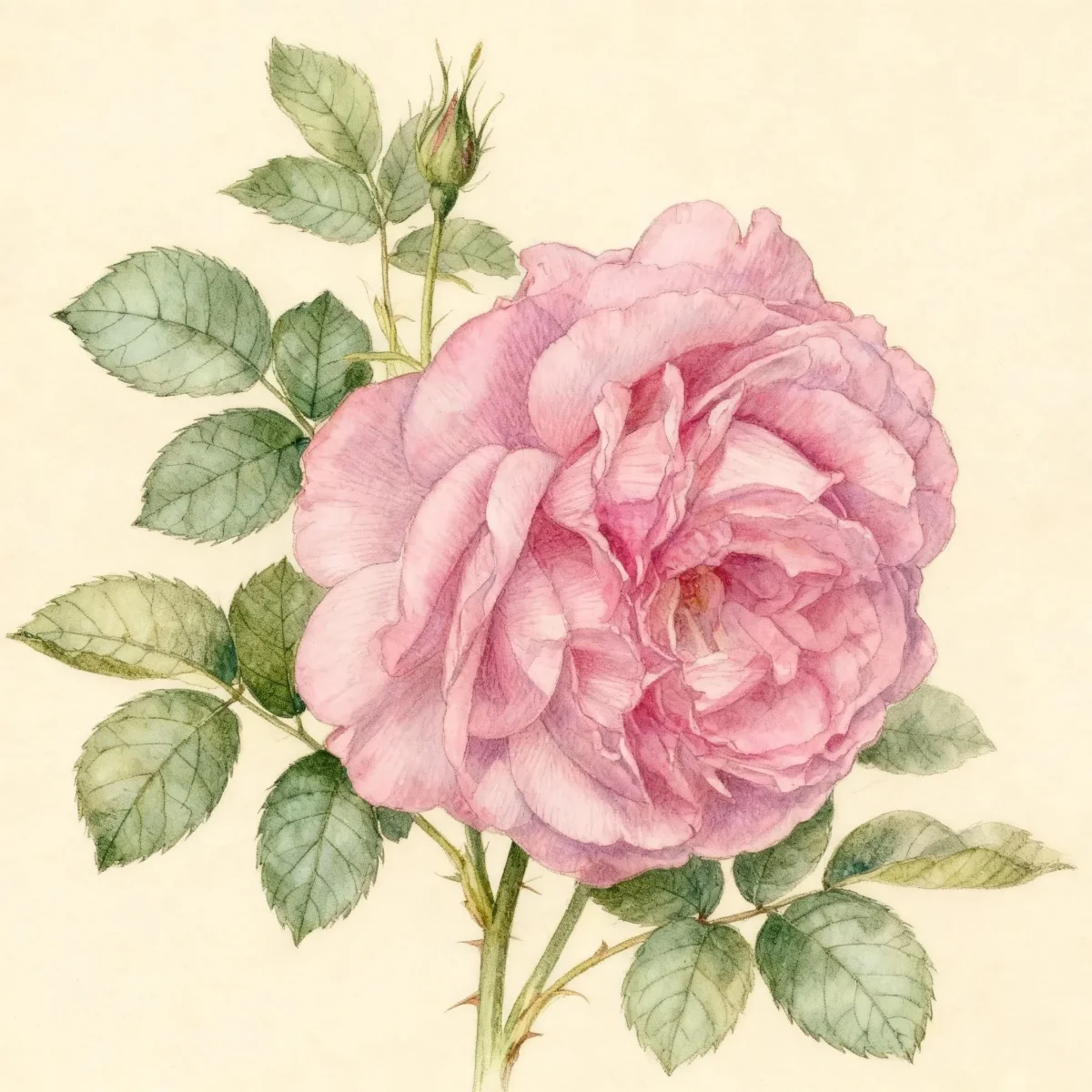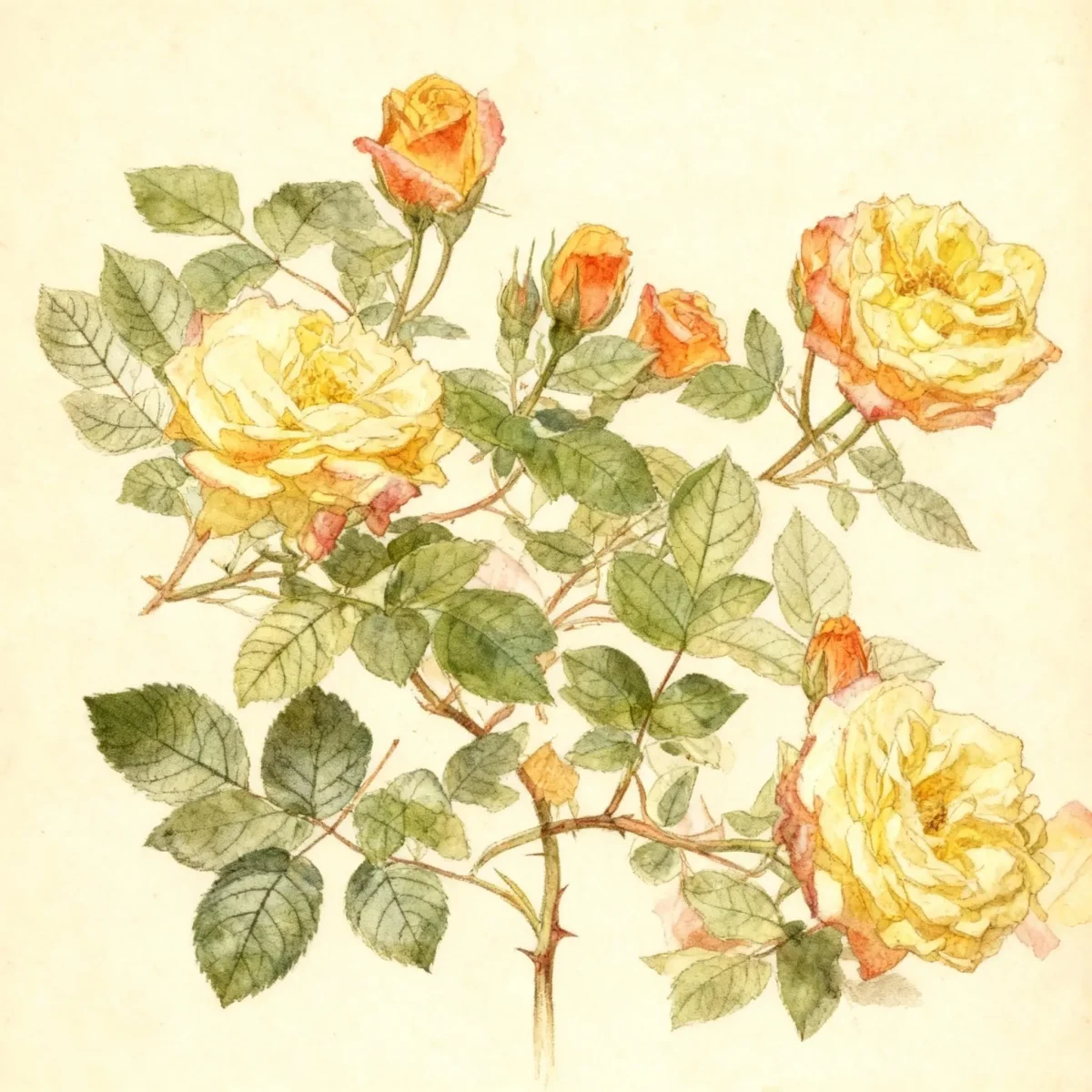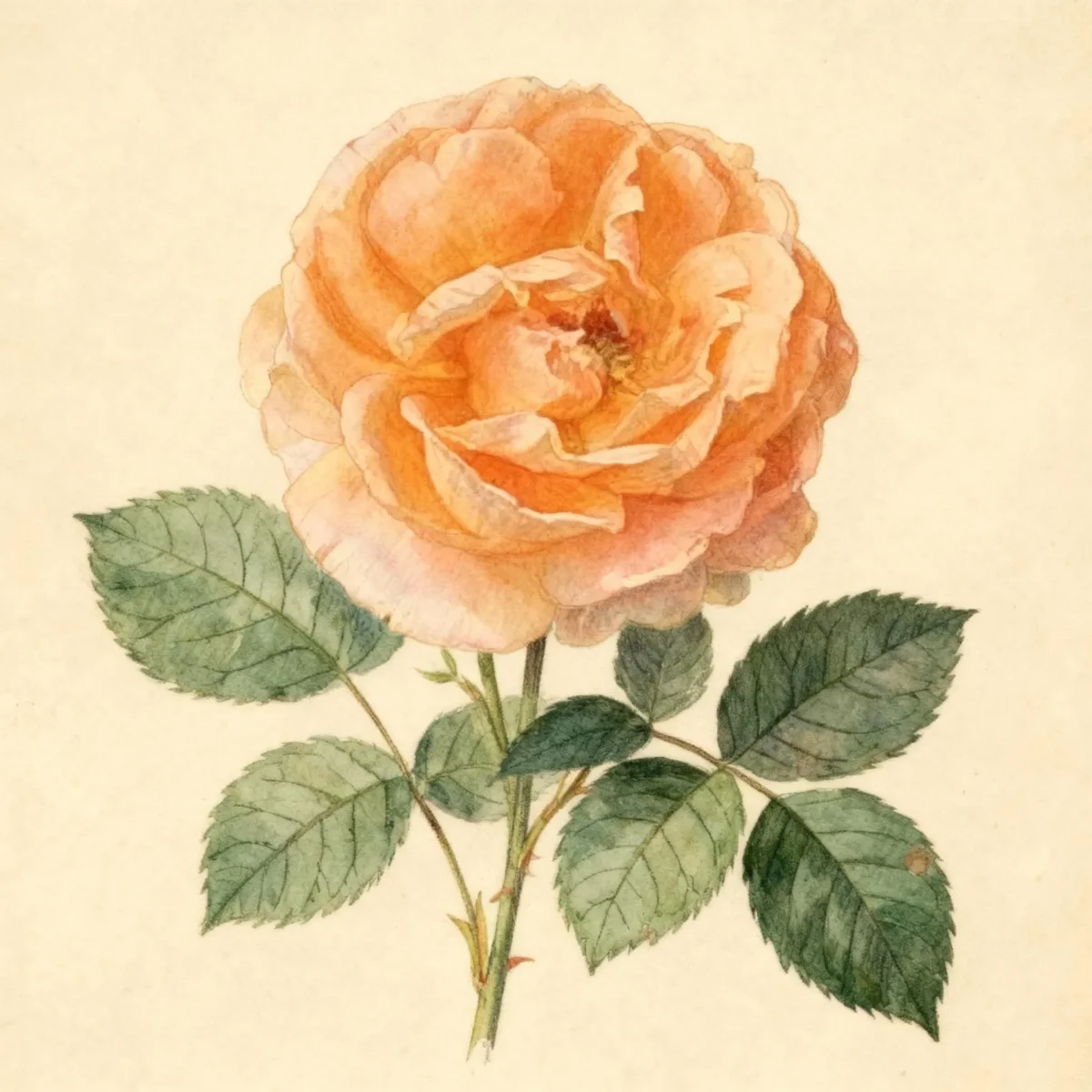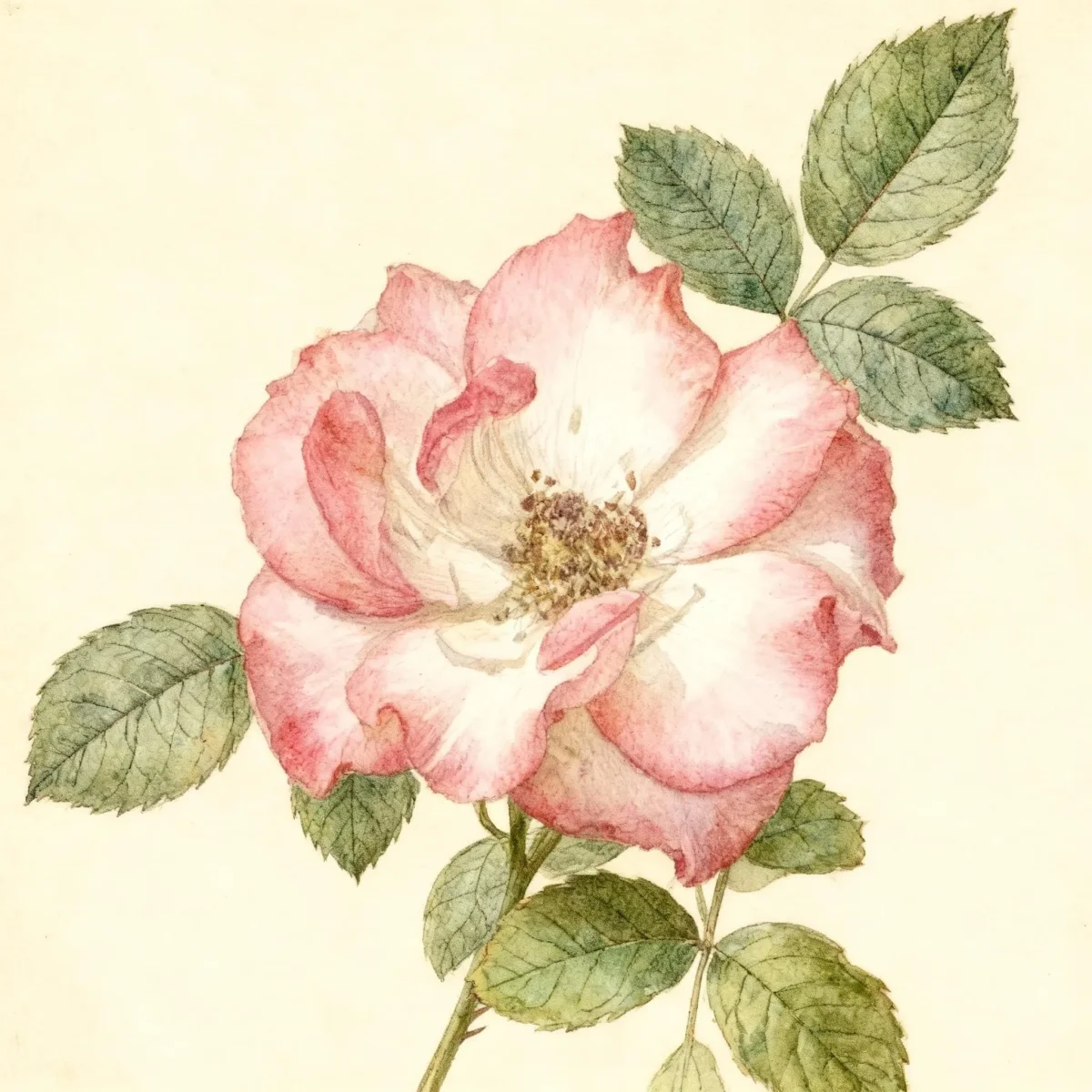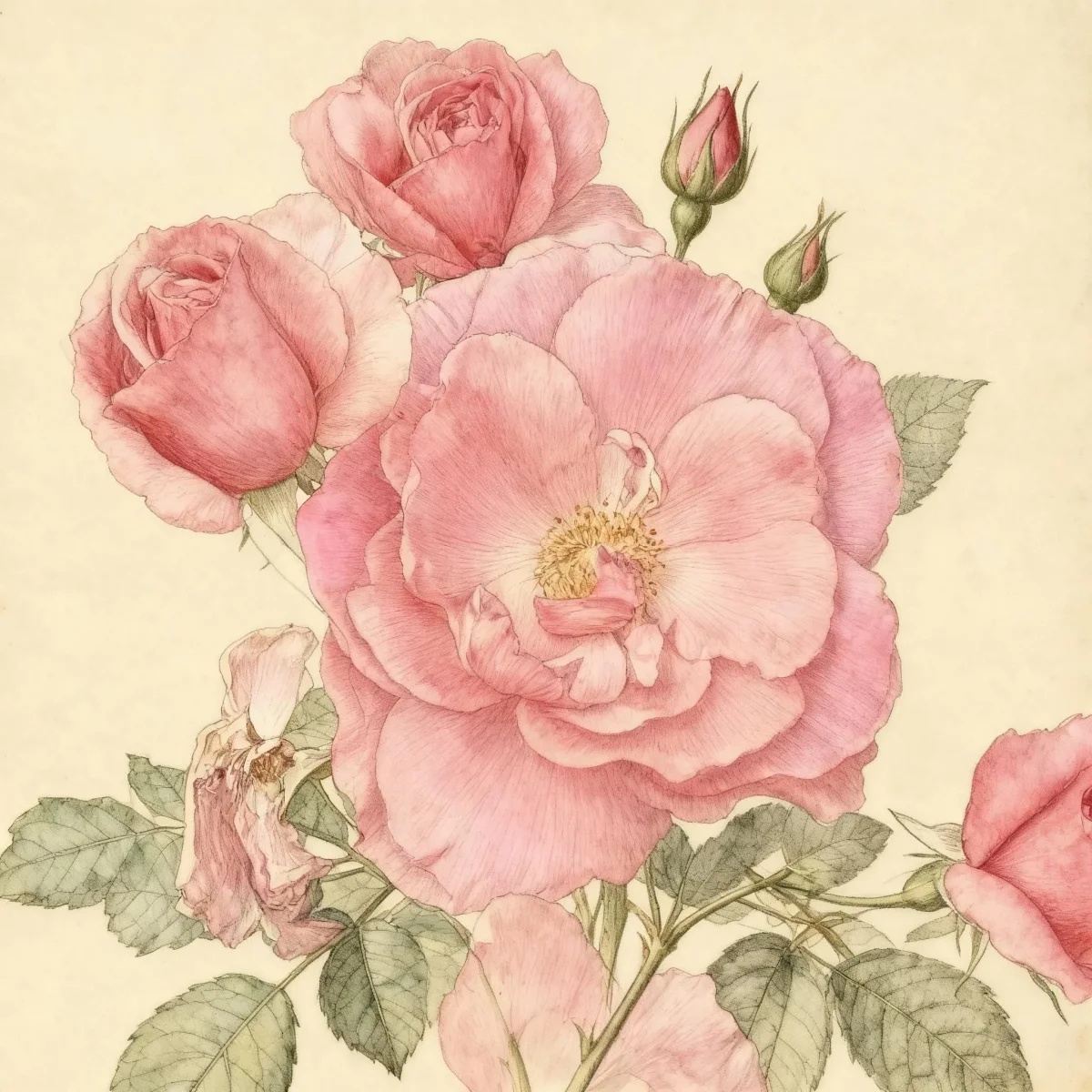

Grandiflora rose (Rosa QUEEN ELIZABETH)
Rosa QUEEN ELIZABETH is a showy, fragrant Grandiflora rose producing silver pink blooms from May to frost. Requires full sun.

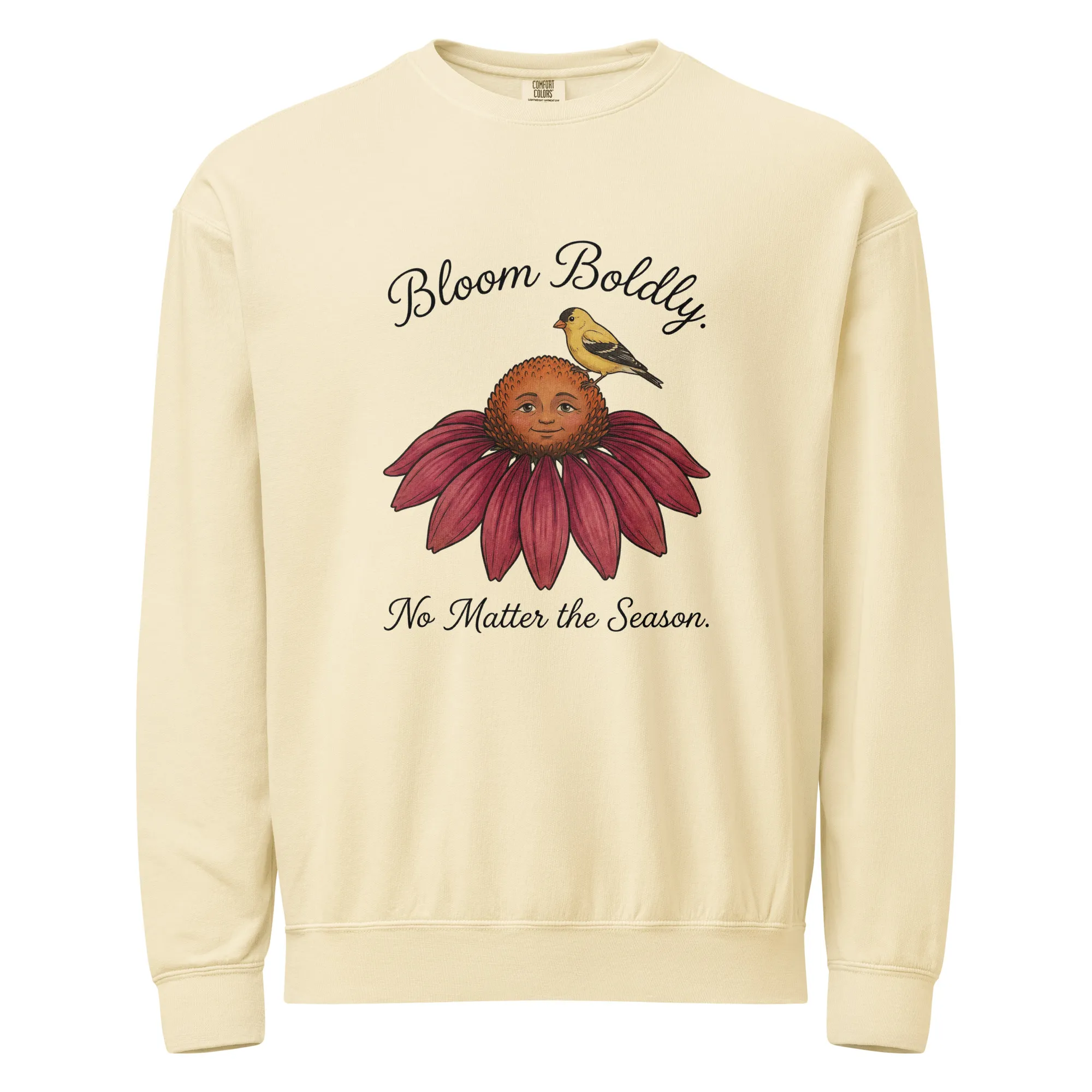
Bloom Boldly, No Matter the Season - Sweatshirt
Cozy organic cotton sweatshirt featuring our exclusive Purple Coneflower design. Perfect for gardeners who bloom year-round.
Inspired by the beautiful Grandiflora rose
Limited first batch (50) — join the waitlist for early access
Waitlist closes Feb 15, 2026.
Complete Plant Information
Field Guide Continues
Ready for care notes, companion picks, and planting tips?
The map is just the start. The full guide below covers growth habits, seasonal performance, and landscape uses.
Overview
The Rosa QUEEN ELIZABETH is a distinguished Grandiflora rose celebrated for its upright habit and reliable flowering display from late spring until frost arrives. As a classic hybrid, this cultivar combines the vigor of shrub roses with the elegant bloom form sought after in hybrid teas. Gardeners value this rose for its capacity to provide a continuous source of silver-pink color in the landscape.
This vigorous deciduous shrub thrives best when positioned in full sun, though it tolerates slight shade. Proper air circulation is crucial for maintaining the health of the medium to dark green foliage, a trait common among high-performing roses. Successful cultivation of Rosa QUEEN ELIZABETH relies on consistent cultural practices to maximize its showy qualities.
Beyond its aesthetic appeal, the Rosa QUEEN ELIZABETH has a notable history, having received an AARS award in 1955. It serves excellently as an accent or structured element, offering height and form in formal or cottage garden settings. Providing basic maintenance and appropriate winter protection in colder zones ensures this quality Grandiflora rose remains a centerpiece for years.
Fast Facts
- Plant Family: Rosaceae
- Plant Type: Deciduous shrub
- Hardiness Zones: USDA Zones 5-9
- Size at Maturity:
- Height: 4-6 ft
- Spread: 2-3 ft
- Bloom Time: May to frost
- Bloom Description: Silver pink
- Sun Exposure: Full sun
- Water Needs: Medium
- Maintenance Level: Medium
How to Grow
Planting Rosa QUEEN ELIZABETH should occur when soil conditions are workable, ensuring the plant settles into medium moisture, slightly acidic, well-drained garden loams. While full sun is ideal for the best flowering and disease resistance, the plant can tolerate some light shade. Ensure excellent air circulation around the shrub to help mitigate common foliar diseases.
Water deeply and consistently, prioritizing morning watering to allow foliage to dry completely before nightfall, avoiding overhead saturation. Applying a summer mulch will help conserve necessary moisture, keep the root zone cool, and suppress competitive weeds. Deadhead (remove spent flowers) regularly throughout the season to stimulate repeat blooming across the season.
For maintenance, pruning is necessary for optimal shape and bloom production, typical for Grandiflora roses. In late winter, expect to prune back canes to about 12-18 inches from the ground, especially in areas like St. Louis. In colder zones (like the lower end of its range), crowns may require some winter protection. Always remove and destroy any diseased or dead leaves during the growing season and during the final dormant cleanup.
Landscape Uses
The versatility of the Rosa QUEEN ELIZABETH makes it highly suitable for various structured garden designs. It works beautifully when used as a specimen accent, drawing the eye with its silver-pink blooms, or massed in small groups to create impactful vertical texture. Many successful plantings utilize this Grandiflora rose in traditional borders or foundation plantings where its 4-6 foot stature provides a mid-layer.
Because it is often employed as a hedge, planting several Rosa QUEEN ELIZABETH specimens close together (at the 2-3 foot spread minimum) can create a dense, flowering barrier. This habit lends itself well to cottage gardens, where its classic form contrasts nicely with softer, billowy perennial companions. Consider pairing it with low-growing, sun-loving groundcovers or structural evergreens that anchor the base of the display.
Standout Features
Flower Qualities
- Showy
- Fragrant
Noteworthy Characteristics
Rosa is a genus of about 150 species of deciduous (occasionally evergreen) shrubs and climbers noted for their beautiful, often fragrant, single, semidouble or double flowers which are borne singly or in clusters on often prickly stems clad with 5-9 leaflets often having toothed margins. Hybrid tea, floribunda and grandiflora roses are the classic florist-type roses. Genus name comes from the Latin name for rose. QUEEN ELIZABETH is an upright grandiflora rose that typically grows to 4-6’ tall and to 2-3’ wide, featuring double, silver-pink blooms (to 2-4” diameter) singly or in long-stemmed clusters from May to frost, with mild fragrance and nearly thornless stems.
Tolerances
No specific tolerances listed beyond general requirements for full sun exposure.
Potential Problems
While the Rosa QUEEN ELIZABETH is generally noted for having good disease resistance, all roses remain somewhat susceptible to common issues like black spot, powdery mildew, and rust. Control begins with excellent cultural practices: ensuring deep morning watering, maintaining good air circulation, and rigorously cleaning up all fallen debris, especially before winter dormancy. If humidity is high or rainfall is regular, preventative fungicide applications throughout the season are usually recommended to keep foliage pristine. Potential insect nuisances include common pests like aphids, spider mites, and leafhoppers; routine inspection and prompt treatment will keep your Grandiflora rose looking its best.
Frequently Asked Questions
What hardiness zones is Grandiflora rose suitable for?
Rosa QUEEN ELIZABETH thrives in USDA plant hardiness zones 5 through 9.
How large does Rosa QUEEN ELIZABETH grow?
This Grandiflora rose typically reaches a mature height between 4 and 6 feet tall and spreads 2 to 3 feet wide.
What sun exposure does Grandiflora rose need?
For optimal flowering and to maintain the best possible disease resistance, Rosa QUEEN ELIZABETH requires full sun exposure.
When does Rosa QUEEN ELIZABETH bloom?
You can expect continuous silver pink blooms from this variety starting in May and continuing right up until the first hard frost.
Conclusion
The Rosa QUEEN ELIZABETH stands out as a highly reliable and elegant Grandiflora rose, delivering continuous silver-pink color, mild fragrance, and an upright structure useful for defined garden spaces. Its award-winning pedigree ensures it remains a garden favorite. Before planting, confirm that your location falls within USDA Zones 5-9 and commit to the medium maintenance required to keep this splendid specimen thriving.
Companion Planting
Selecting companions for the Rosa QUEEN ELIZABETH involves choosing plants that share similar needs for full sun and medium moisture levels. Low-growing perennials that act as living mulch help shade the soil, keeping the rose roots cool—an important requirement for this Grandiflora rose. Consider planting low-mounding herbs like Thyme or English Lavender, whose aromatic foliage pairs well culturally and aesthetically with the rose structure.
Avoid crowding the base of the rose, as this impedes the crucial air circulation needed to prevent fungal issues. In foundation plantings or borders, use plants that are shorter than the anticipated 4-foot base of the rose. Good structural companions might include shorter varieties of Boxwood or silvery foliage plants like Lamb’s Ears (Stachys byzantina) which echo the cool tones of the silver-pink flowers.
Seasonal Care Calendar
Spring cleanup is essential for the health of Rosa QUEEN ELIZABETH. As dormancy breaks, remove all accumulated dead leaves from around the base of the plant, as this debris can harbor disease spores. Immediately follow this with the specified hard pruning, cutting the main canes back severely to encourage strong new vertical growth suitable for blooming.
During the peak growing season, mid-summer care focuses heavily on water and deadheading. Ensure deep watering during dry spells, always watering the base of the plant rather than the foliage. Deadheading spent silver-pink blooms encourages the plant to put energy into producing more flowers rather than setting hips, extending the bloom time until frost.
Winter preparation, especially in zones 5 and 6, requires adding extra protection around the bud union or crown of the rose once the leaves have dropped and the plant has gone dormant. A four-to-six-inch mound of mulch or soil helps insulate the base against deep freezing temperatures, ensuring your successful return of the esteemed Rosa QUEEN ELIZABETH next spring.