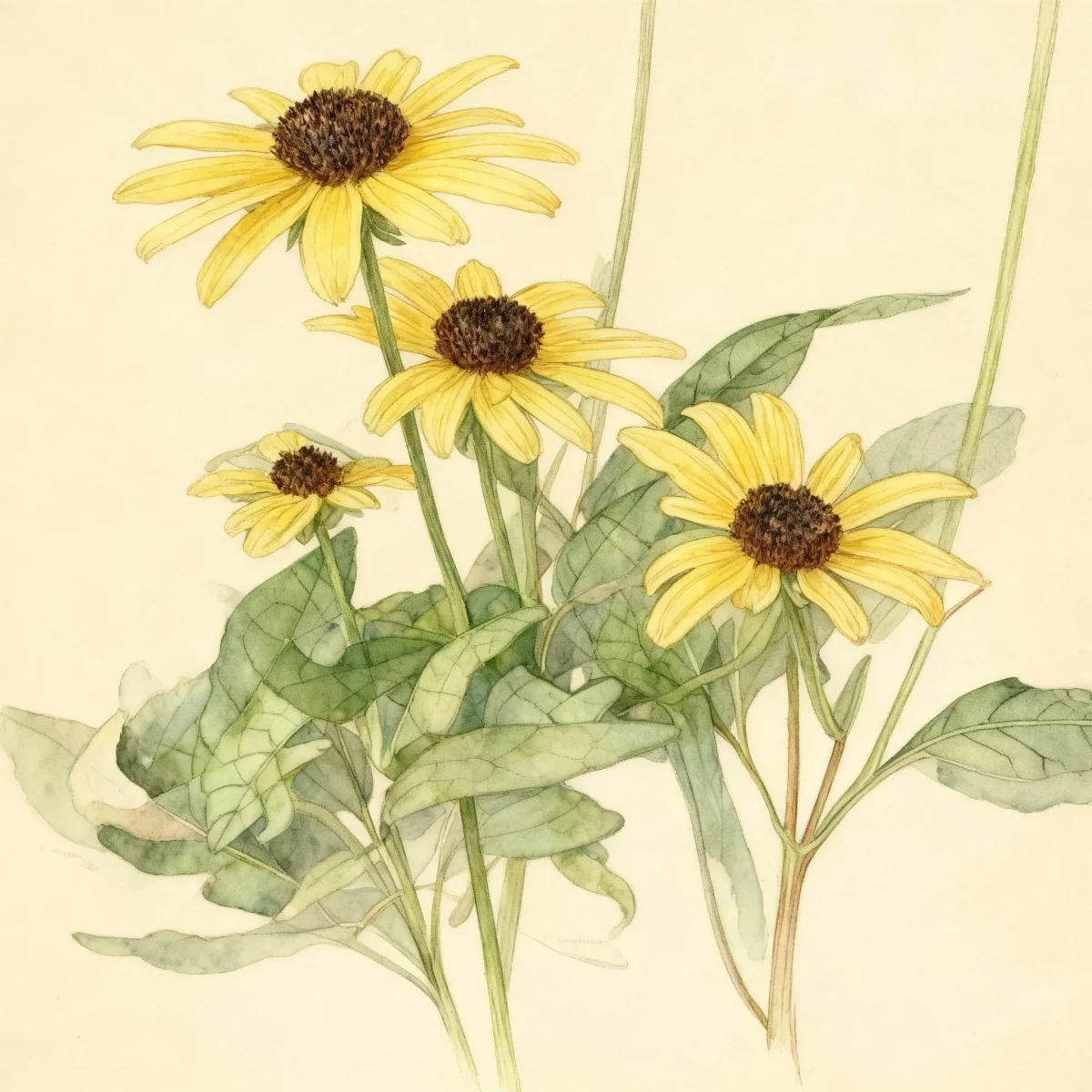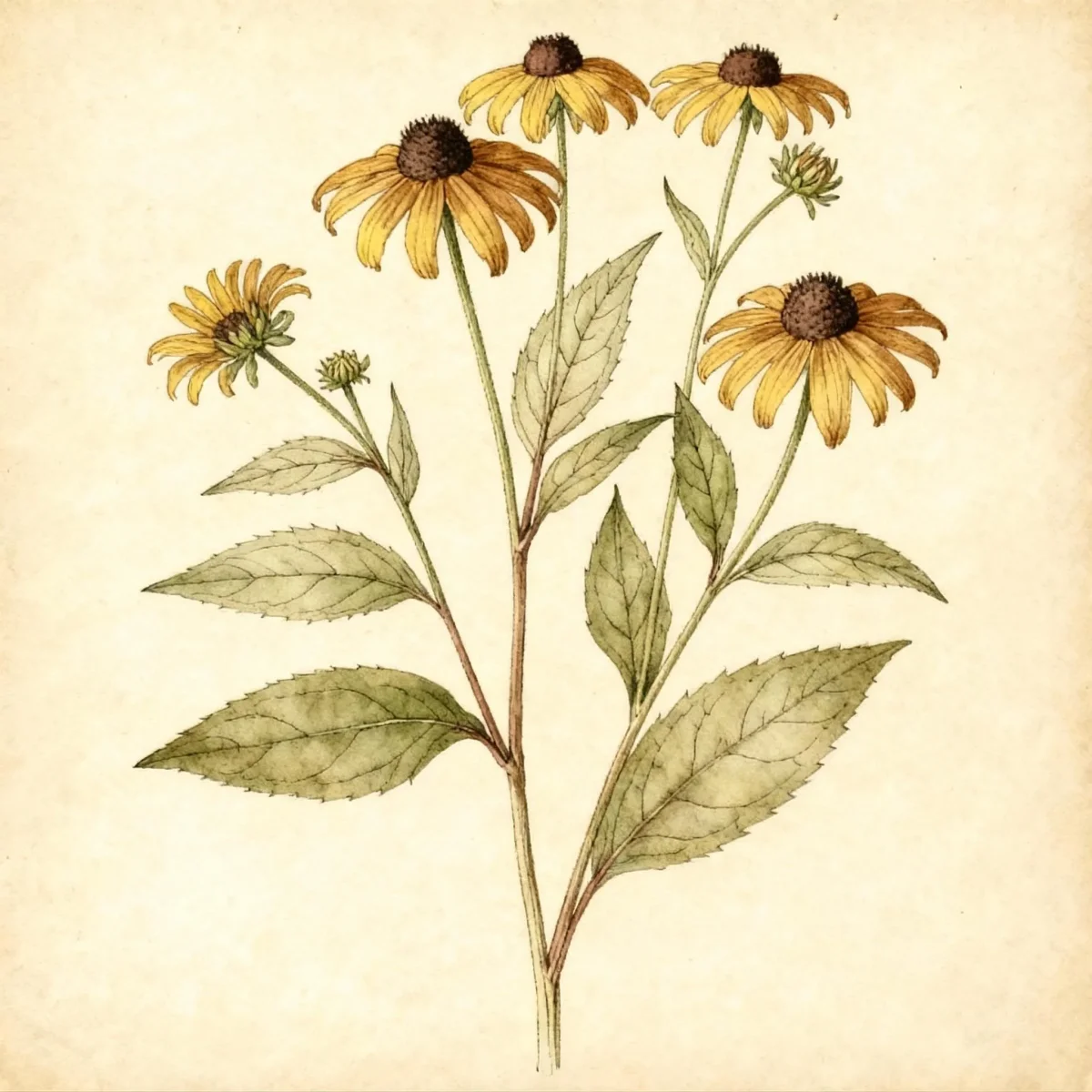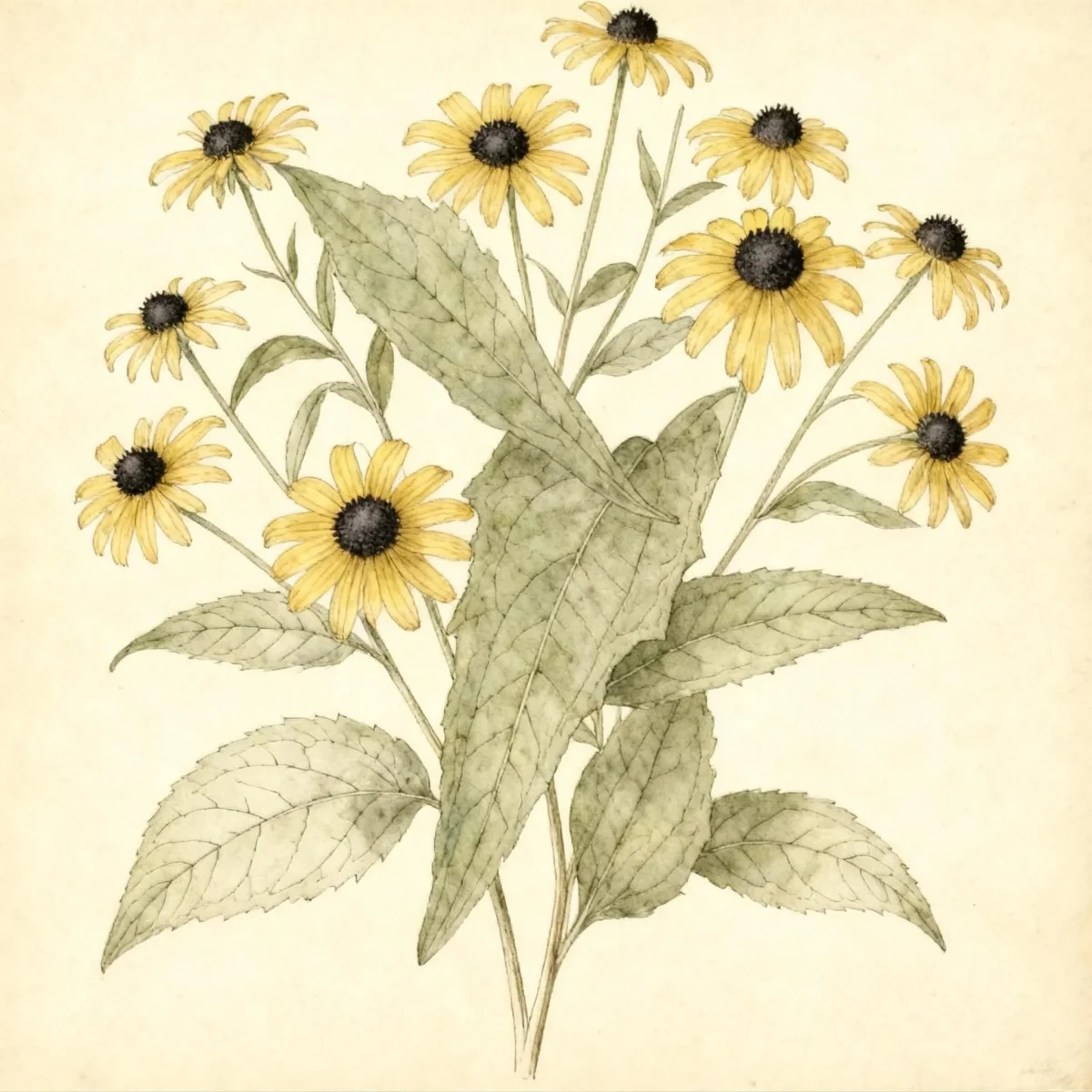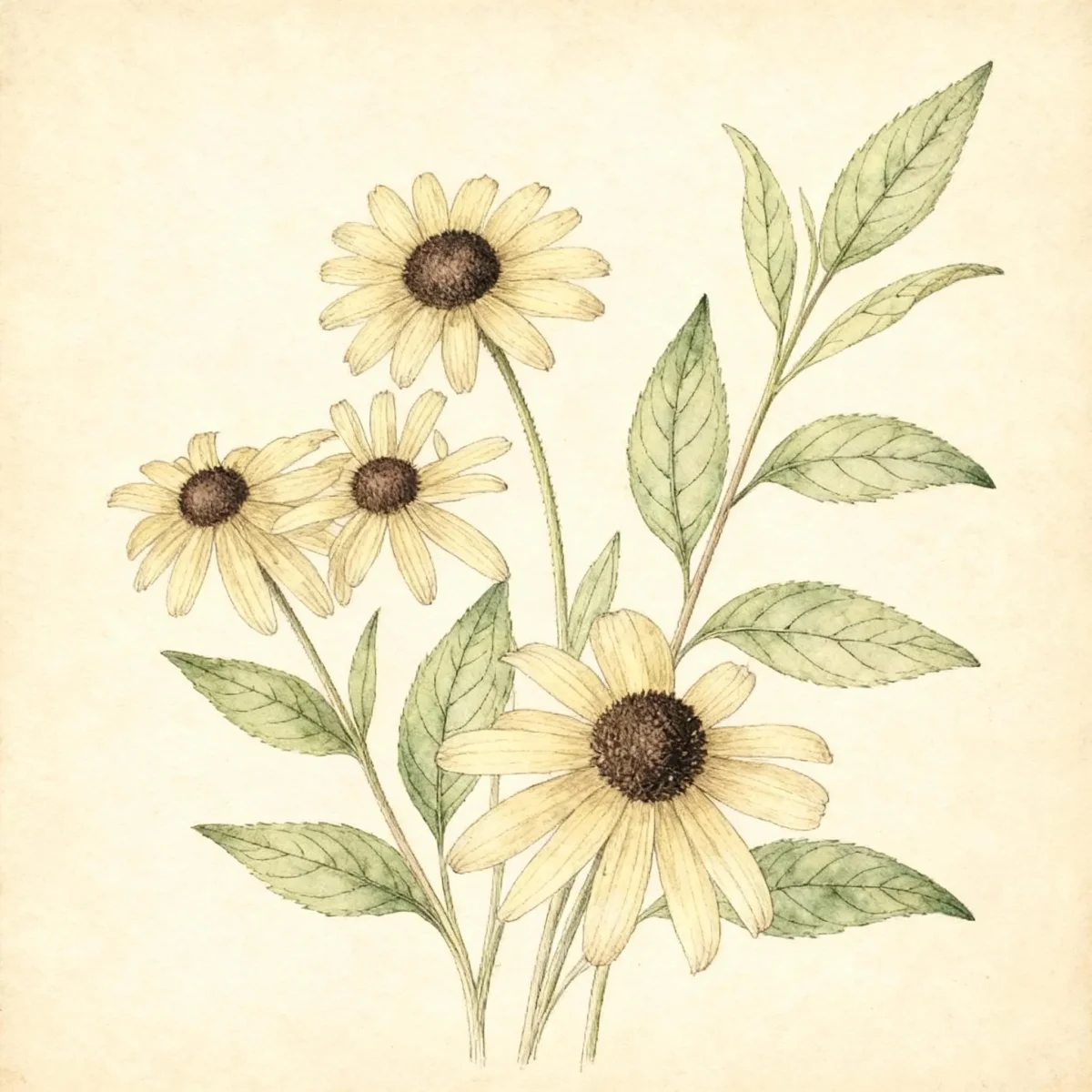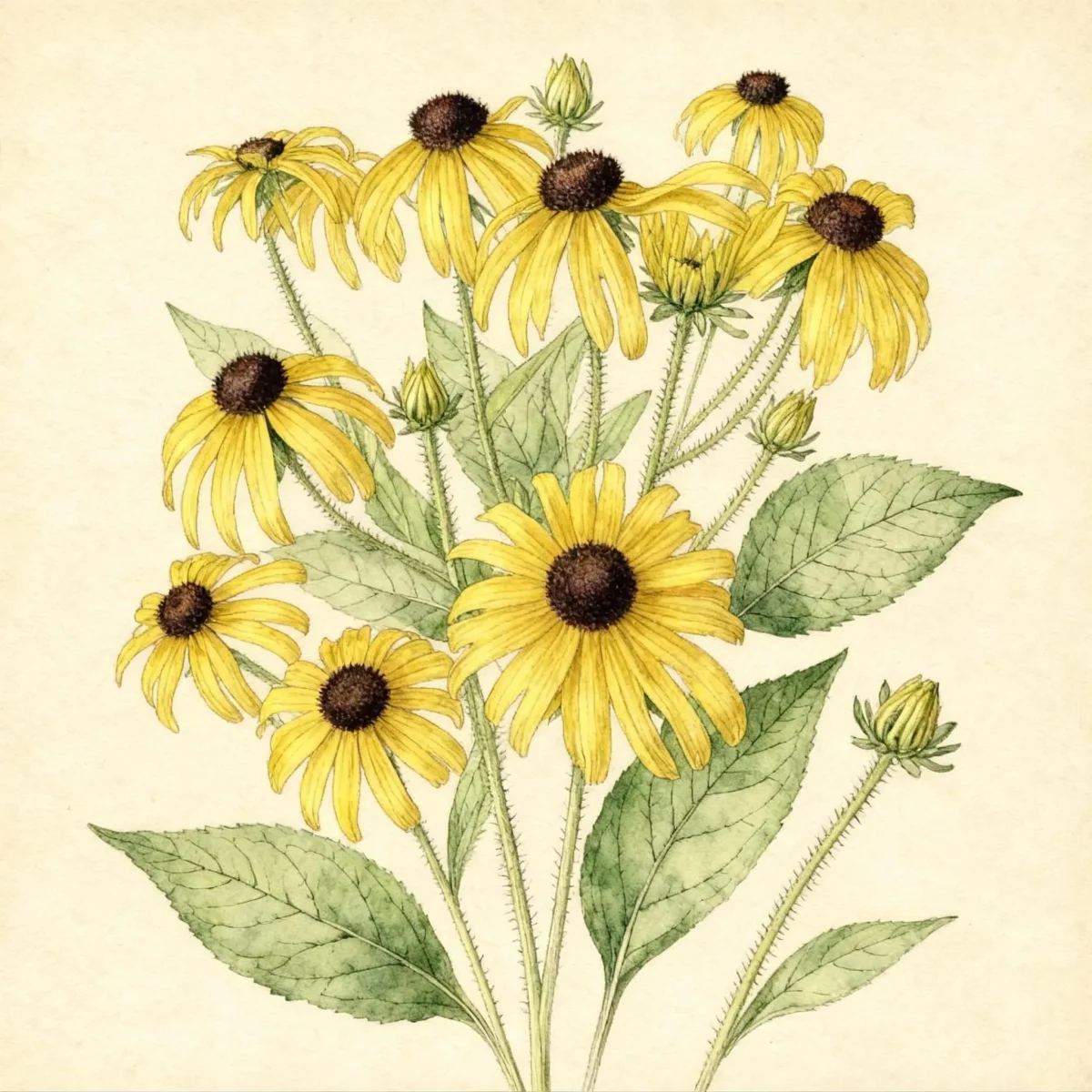

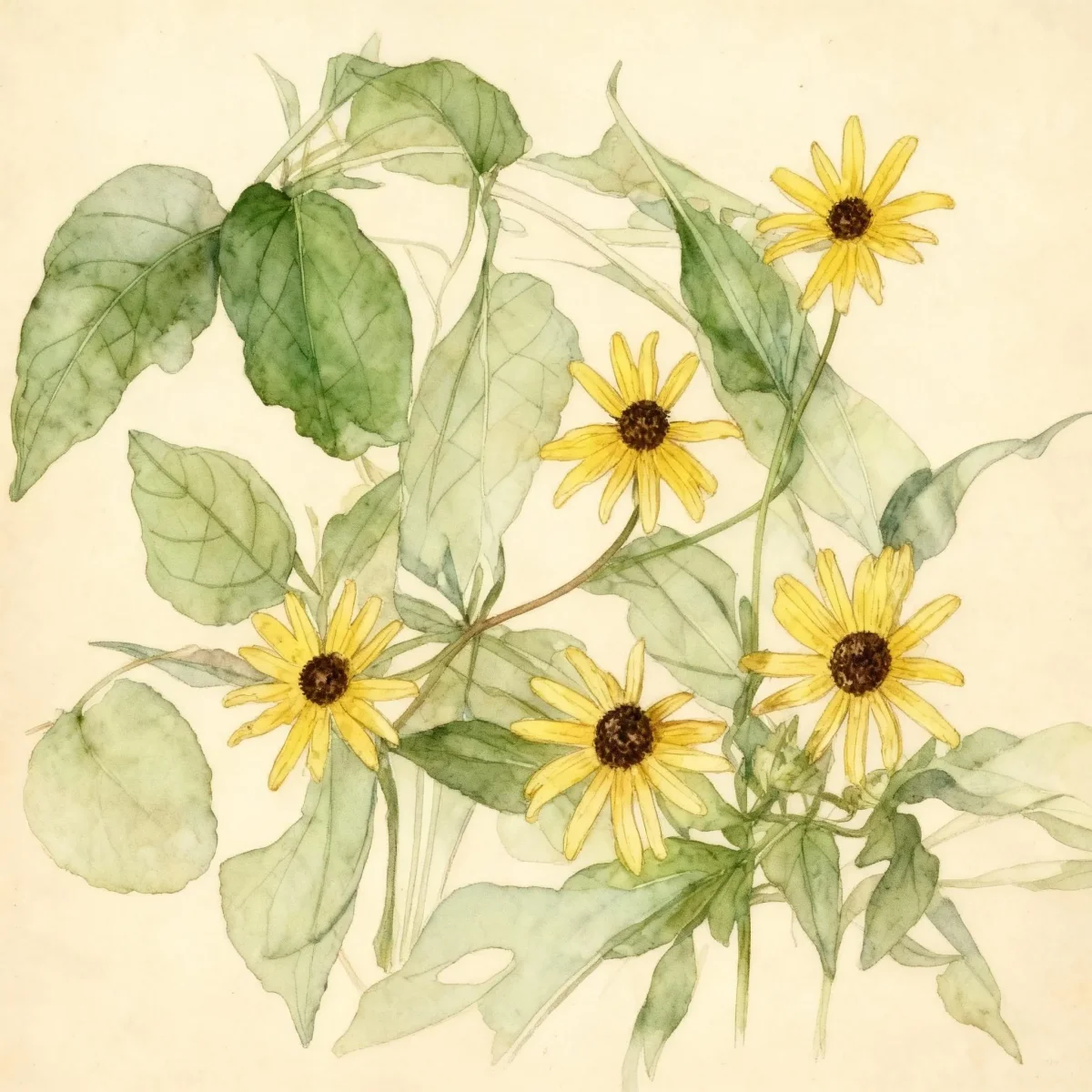
Black-eyed Susan (Rudbeckia fulgida var. Sullivantii 'Goldsturm')
Rudbeckia fulgida var. sullivantii 'Goldsturm' offers season-long brilliance. This Black-eyed Susan is low maintenance, deer tolerant, and thrives in full sun.
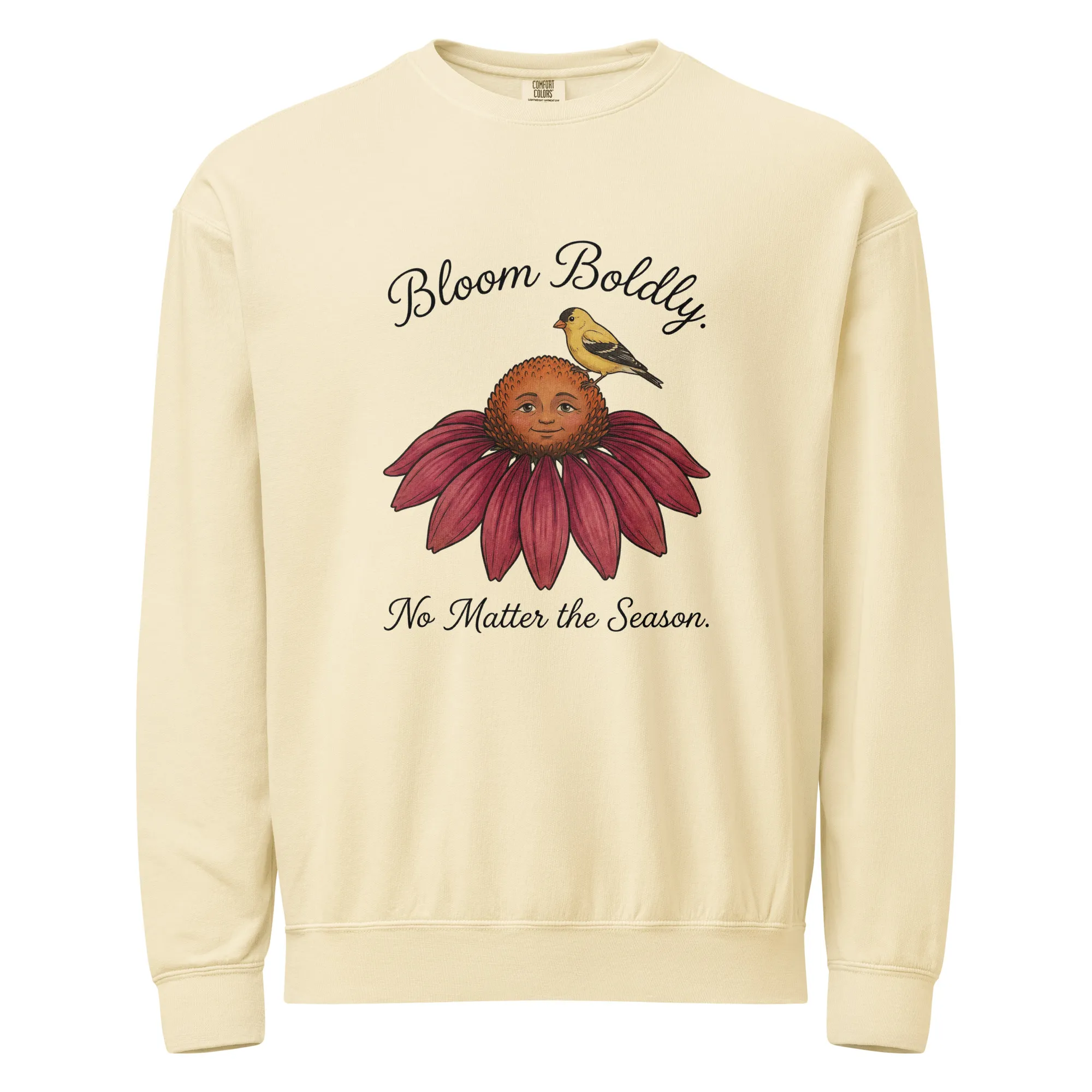
Bloom Boldly, No Matter the Season - Sweatshirt
Cozy organic cotton sweatshirt featuring our exclusive Purple Coneflower design. Perfect for gardeners who bloom year-round.
Inspired by the beautiful Black-eyed Susan
Limited first batch (50) — join the waitlist for early access
Waitlist closes Feb 15, 2026.
Complete Plant Information
Field Guide Continues
Ready for care notes, companion picks, and planting tips?
The map is just the start. The full guide below covers growth habits, seasonal performance, and landscape uses.
Overview
The Rudbeckia fulgida var. sullivantii ‘Goldsturm’ is a garden superstar, renowned for its phenomenal, long-lasting display of intense golden-yellow color from mid-summer well into autumn. This cultivar of Black-eyed Susan forms neat, upright clumps, making it indispensable for adding reliable structure and vibrancy to late-season perennial borders. Its prolific blooming nature and robust constitution make it highly sought after by gardeners across many climates.
As a rhizomatous, clump-forming perennial, the Rudbeckia fulgida var. Sullivantii ‘Goldsturm’ slowly spreads to form attractive colonies over time. It is relatively unfussy concerning soil, provided it receives the necessary sun exposure to maximize its flower production. For gardeners seeking continuous color while also supporting local ecosystems, this Black-eyed Susan provides excellent nectar for butterflies and seeds for winter birds.
Achieving the best performance from this variety requires ample sunlight and generally average soil conditions. The resulting visual impact—hundreds of bright, daisy-like flowers atop sturdy stems—ensures that Rudbeckia fulgida var. sullivantii ‘Goldsturm’ remains a staple in both cottage and contemporary landscape designs.
Fast Facts
- Plant Family: Asteraceae
- Plant Type: Herbaceous perennial
- Hardiness Zones: USDA Zones 3-9
- Size at Maturity:
- Height: 2-3 ft
- Spread: 1-2 ft
- Bloom Time: June to September
- Bloom Description: Yellow rays with black center disk
- Sun Exposure: Full sun
- Water Needs: Dry to medium
- Maintenance Level: Low
How to Grow
Planting Rudbeckia fulgida var. sullivantii ‘Goldsturm’ is best achieved in spring or early fall. Ensure the chosen location provides full sun for the most consistent and profuse blooming; while it tolerates light afternoon shade, bloom quality significantly decreases. This coneflower adapts well to average, moist, well-drained soils, though established clumps exhibit good drought tolerance.
Cultivation is generally straightforward, fitting the “Low” maintenance profile. The plants prefer consistent moisture, especially during the initial establishment phase and peak summer heat, although they handle drier conditions better once mature. Avoid excessive fertilization, which can lead to floppy growth where the strong stems struggle to support the flowers.
To maximize the bloom period for your Black-eyed Susan, deadheading spent flowers regularly is highly recommended throughout the growing season. While the plant spreads slowly via rhizomes, keeping air circulation good around the foliage helps prevent fungal issues. Remember that this celebrated cultivar does not grow true to type from seed, requiring vegetative propagation to maintain the ‘Goldsturm’ strain purity.
Landscape Uses
This highly ornamental perennial excels when planted in mass, creating bold drifts of yellow that define the late-season garden. Rudbeckia fulgida var. sullivantii ‘Goldsturm’ is perfectly suited for creating sunny cottage gardens or softening the edge of a prairie planting scheme. Due to its rhizomatous nature, it also works wonderfully in naturalized areas where it can gradually colonize without becoming invasive in controlled settings.
For the perennial border, its upright habit and bright flowers pair beautifully with deep purple or blue foliage plants, offsetting the intense yellow effectively. Consider planting it near plants with similar dry to medium water needs, such as Sedums or ornamental grasses. Those looking to create water-wise landscapes will appreciate that it is even recommended for rain garden applications, handling periods of dryness once established.
Standout Features
Flower Qualities
- Showy
- Good Cut
Noteworthy Characteristics
Rudbeckia fulgida is a herbaceous perennial native to the eastern United States which occurs in both dry and moist soils in open woods, glades and thickets. The cultivar ‘Goldsturm’ is an upright, rhizomatous, clump-forming perennial which typically grows 2-3’ tall and features large, daisy-like flowers (3-4” across) with deep yellow rays and dark brownish-black center disks. This cultivar was introduced in 1937 and is celebrated for its prolific, long-lasting bloom that spans from mid-summer to the first hard frost.
Tolerances
- Deer
- Drought
- Clay Soil
- Dry Soil
- Air Pollution
Potential Problems
The primary concern for Black-eyed Susan planted in humid or overly crowded conditions is fungal disease. Angular leaf spot, caused by a bacterium, manifests as angular brown or black spots starting on the lower leaves and moving upward, potentially defoliating the plant. Rudbeckias are also susceptible to Septoria leaf spot and generalized powdery mildew. To manage these issues, ensure good air circulation by spacing plants appropriately and remove any heavily infected foliage immediately.
Frequently Asked Questions
What hardiness zones is Black-eyed Susan suitable for?
Rudbeckia fulgida var. sullivantii ‘Goldsturm’ is reliably hardy across USDA Zones 3 through 9.
How large does Rudbeckia fulgida var. sullivantii ‘Goldsturm’ grow?
This cultivar typically reaches a mature height between 2 and 3 feet tall, with a spread of 1 to 2 feet wide.
What sun exposure does Black-eyed Susan need?
For optimal performance and the best density of blooms, this perennial requires full sun exposure throughout the day.
When does Rudbeckia fulgida var. sullivantii ‘Goldsturm’ bloom?
It provides excellent color from June to September, displaying classic daisy-like flowers featuring bright yellow rays with dark black center disks.
Conclusion
The durable nature and exceptional flowering period of Rudbeckia fulgida var. sullivantii ‘Goldsturm’ cement its place as an essential component of structured summer and fall gardens. Its low maintenance requirements and broad tolerance profile make this Black-eyed Susan accessible to gardeners of all experience levels. Be sure to confirm your local USDA hardiness zone before planting to guarantee season after season of brilliant performance.
Wildlife Benefits
The dark central disks of ‘Goldsturm’ are rich sources of nectar and pollen, actively drawing in numerous butterfly species throughout the late summer period when many other flowers begin fading. Furthermore, after the vivid yellow rays disappear, the seed heads provide vital sustenance for foraging songbirds during the colder months. Planting large masses of Rudbeckia fulgida var. sullivantii ‘Goldsturm’ creates an immediate and dependable landing strip for pollinators.
Propagation Tips
While the ‘Goldsturm’ cultivar should not be grown from seed (as seedlings rarely match the parent plant), vegetative propagation ensures you maintain the desired characteristics. The easiest method is division, which should be performed in early spring just as new growth begins appearing. Carefully dig up the entire clump and gently separate the rhizomatous root mass into subsections, ensuring each new piece has several healthy buds. Quickly replant these divisions into their new locations.