Knotweed(Persicaria polymorpha)
Grow giant fleeceflower (Persicaria polymorpha / Koenigia alpina): non-invasive clump-forming perennial, huge creamy-white summer plumes, USDA zones 4–9 care.
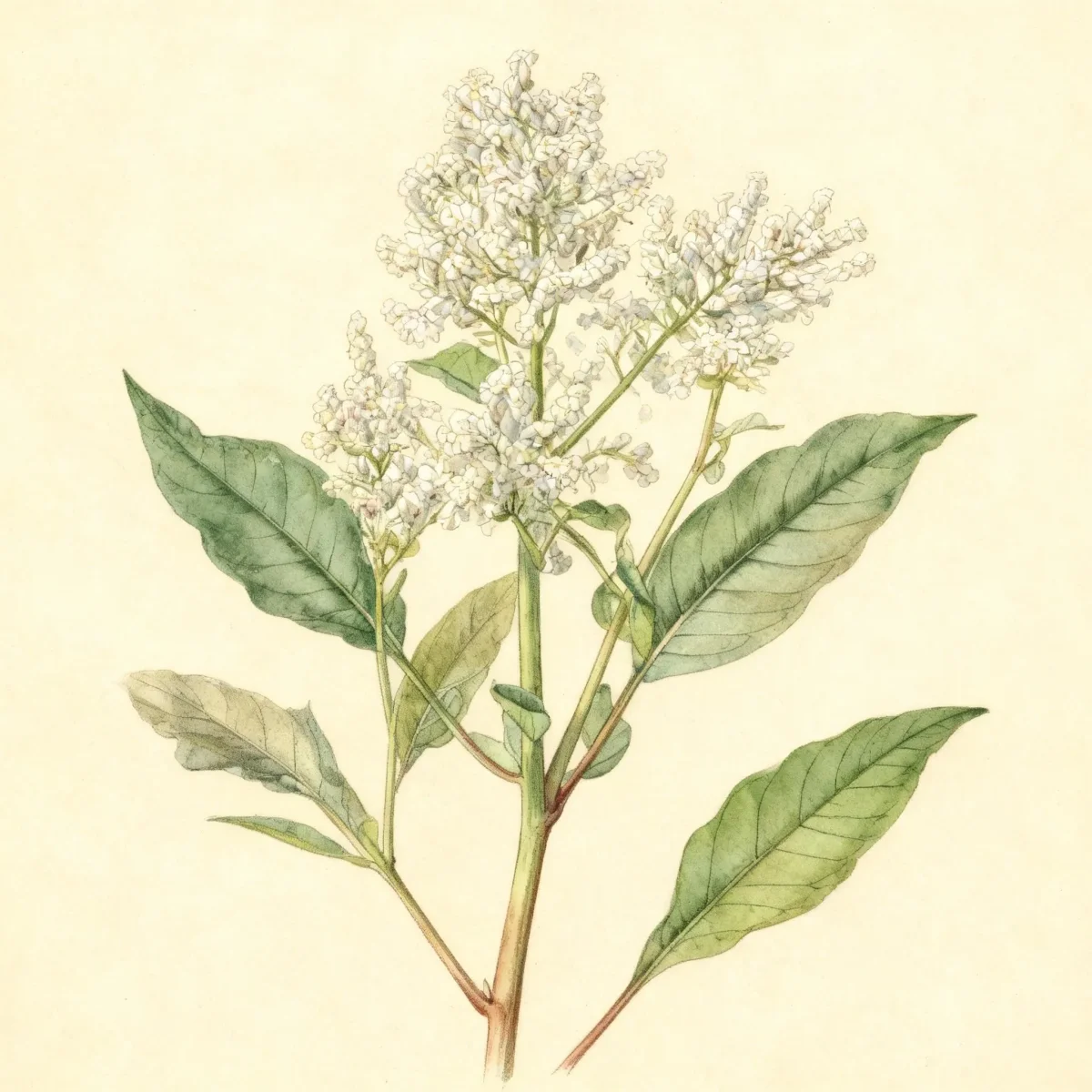
Complete Plant Information
- Hardiness zones
- USDA 4–9
- Plant type
- Herbaceous perennial
- Plant family
- Polygonaceae
- Sun exposure
- Full sun to part shade
- Water needs
- Medium to moist
- Maintenance
- Low
- Height
- 4–6 ft (122–183 cm)
- Spread
- 4–5 ft (122–152 cm)
- Bloom time
- June to August
- Flower color
- Immense, billowy, cloud-like panicles of fragrant creamy-white florets aging to pinkish-tan
- Flower qualities
- Showy, Long-blooming, Fragrant
- Fruit qualities
- Not recorded
- Tolerances
- Deer, Drought, Rabbit, Clay Soil
- Garden uses
- Shrub-substitute border anchor, architectural specimen, cottage backdrop
- Native range
- Temperate Eurasia and East Asia (cultivar/selection origin)
Field Guide Continues
Ready for care notes, companion picks, and planting tips?
The map is just the start. The full guide below covers growth habits, seasonal performance, and landscape uses.
Overview
Giant fleeceflower (Persicaria polymorpha, also cataloged botanically under Koenigia alpina or Aconogonon speciosum) is a magnificent, shrub-like herbaceous perennial hardy across USDA Zones 4 through 9. Reaching 4 to 6 feet tall and 4 to 5 feet wide in a single growing season, it forms an immense, well-behaved dome of dark green lance-shaped leaves topped from June through August by frothy, cloud-like plumes of fragrant creamy-white blossoms. Providing the presence and visual mass of a woody flowering shrub while dying back cleanly to the soil line each winter, it serves as a spectacular perennial border anchor.
Unlike its notorious, destructive relative Japanese knotweed, giant fleeceflower is a strictly clumping, non-invasive garden plant with sterile flowers that will not spread out of control.
How to Grow
- Sunlight & Siting: Performs best in full sun to light partial shade. In warmer southern climates (Zone 8 and 9), afternoon shade helps prevent leaf wilting during midsummer heatwaves.
- Soil & Moisture: Highly adaptable to diverse soil textures, from moist sandy loams to heavy clay. While it thrives in moist, organically rich garden beds, mature established crowns show remarkable drought tolerance.
- Sturdy Canes (No Staking Needed): Despite reaching 5 to 6 feet tall, the thick, bamboo-like stems are naturally self-supporting and will not flop or splay open even in severe wind and rain storms.
- Winter Cutback: After the first hard frost blackens the stems in late autumn, cut the dead canes back to ground level. New shoots emerge vigorously in mid-spring.
Landscape Uses
- Shrub-Substitute Border Anchor: Delivers the scale, foliage density, and flowering presence of a large woody shrub without permanent above-ground woody branches.
- Back-of-Border Focal Point: Towers over mid-height perennials, providing a billowy white backdrop for summer colors.
- Cottage & Naturalistic Gardens: Excellent massed on sunny slopes or large borders where its cloud-like flower plumes soften fence lines.
Potential Problems
- Confusion with Japanese Knotweed: Gardeners frequently confuse it with invasive knotweed; rest assured Persicaria polymorpha forms a tight fibrous clump and produces no invasive running stolons.
- Moisture Stress in Thin Sandy Soil: Prolonged drought in dry sandy soils can cause lower leaves to yellow; mulch heavily to retain root moisture.
- Deer & Rabbit Immunity: Tough, fibrous stems and leaves are rarely if ever browsed by wildlife.
Frequently Asked Questions
Is Persicaria polymorpha invasive?
No. Unlike Japanese knotweed (Reynoutria japonica), giant fleeceflower forms a non-spreading, clumping root crown and sets sterile seed, making it completely safe for garden cultivation.
Do the flower plumes turn brown after blooming?
No. The creamy-white plumes persist for 6 to 8 weeks, gradually drying into attractive soft pinkish-tan and russet seed heads that remain decorative into autumn.
Does giant fleeceflower require staking?
No. Its stout, jointed stems are naturally rigid and support its massive cloud of plumes without flopping.
Companion Plants
Pair giant fleeceflower with bold-colored perennials that contrast with its massive cloud of creamy-white plumes:
- Bold Summer Perennials: Plant alongside purple coneflowers (Echinacea), Russian sage (Salvia yangii), or Joe Pye weed (Eutrochium).
- Daylilies & Iris: Combine with midsummer daylilies or Siberian irises in front of its massive mound.
- Ornamental Grasses: Interplant with tall switchgrass (Panicum virgatum) or feather reed grass (Calamagrostis).
Sources & Lineage
- Missouri Botanical Garden PlantFinder: Record taxon 252590 (Persicaria polymorpha) — clumping non-invasive habit, dimensions, and floral longevity.
- Kew Plants of the World Online (POWO): Koenigia alpina (All.) T.M.Schust. & Reveal (POWO: 77232106-1) — current accepted taxonomy for Polygonum polymorphum / Persicaria alpina.
- Royal Horticultural Society (RHS): Koenigia alpina (Giant Fleeceflower) — garden performance trials, non-invasive confirmation, and border culture.
Recommended Companion Plants
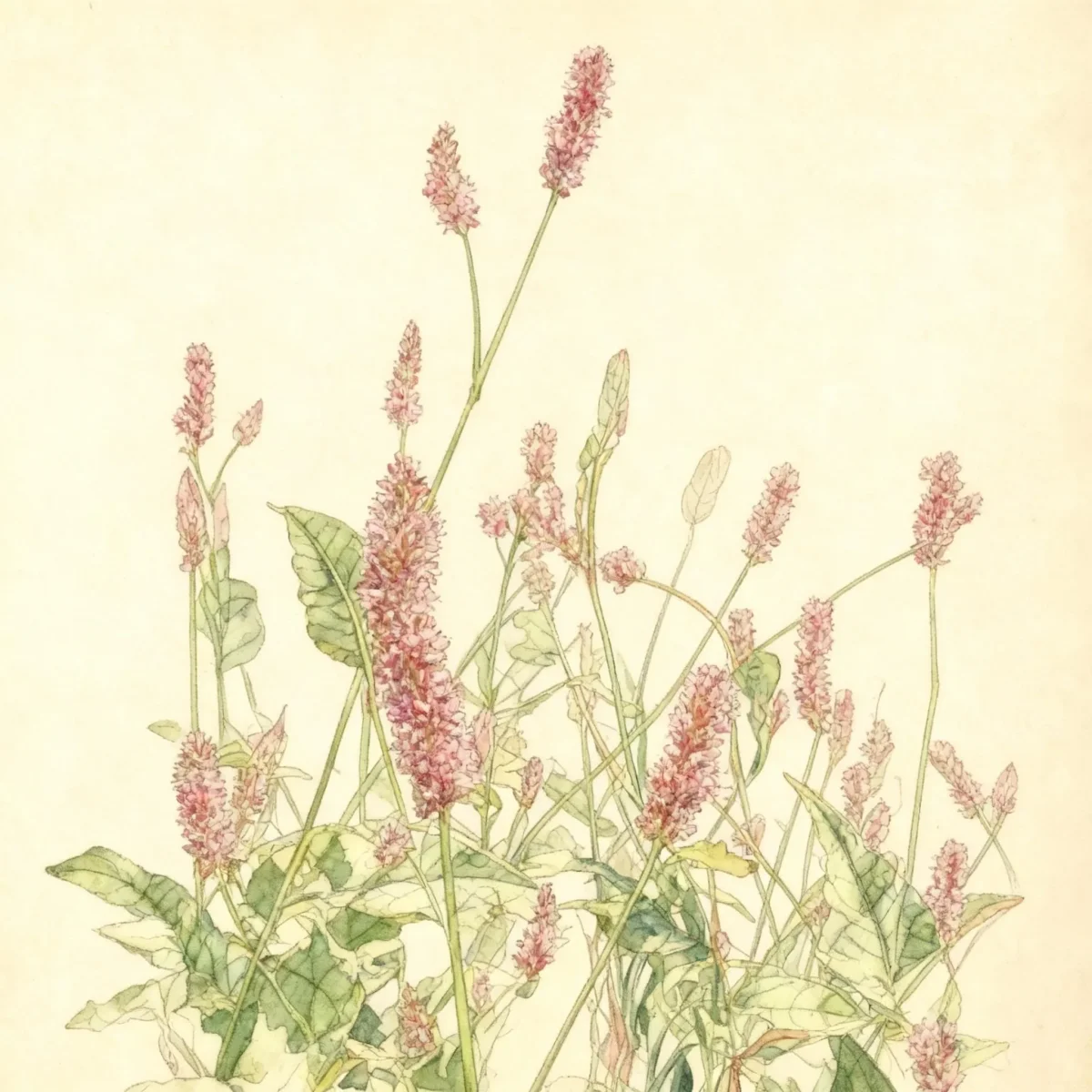
Mountain fleece
Persicaria amplexicaulis 'Firetail'
- USDA zones
- 4–7
- Light
- Full sun to part shade
- Water
- Medium to wet
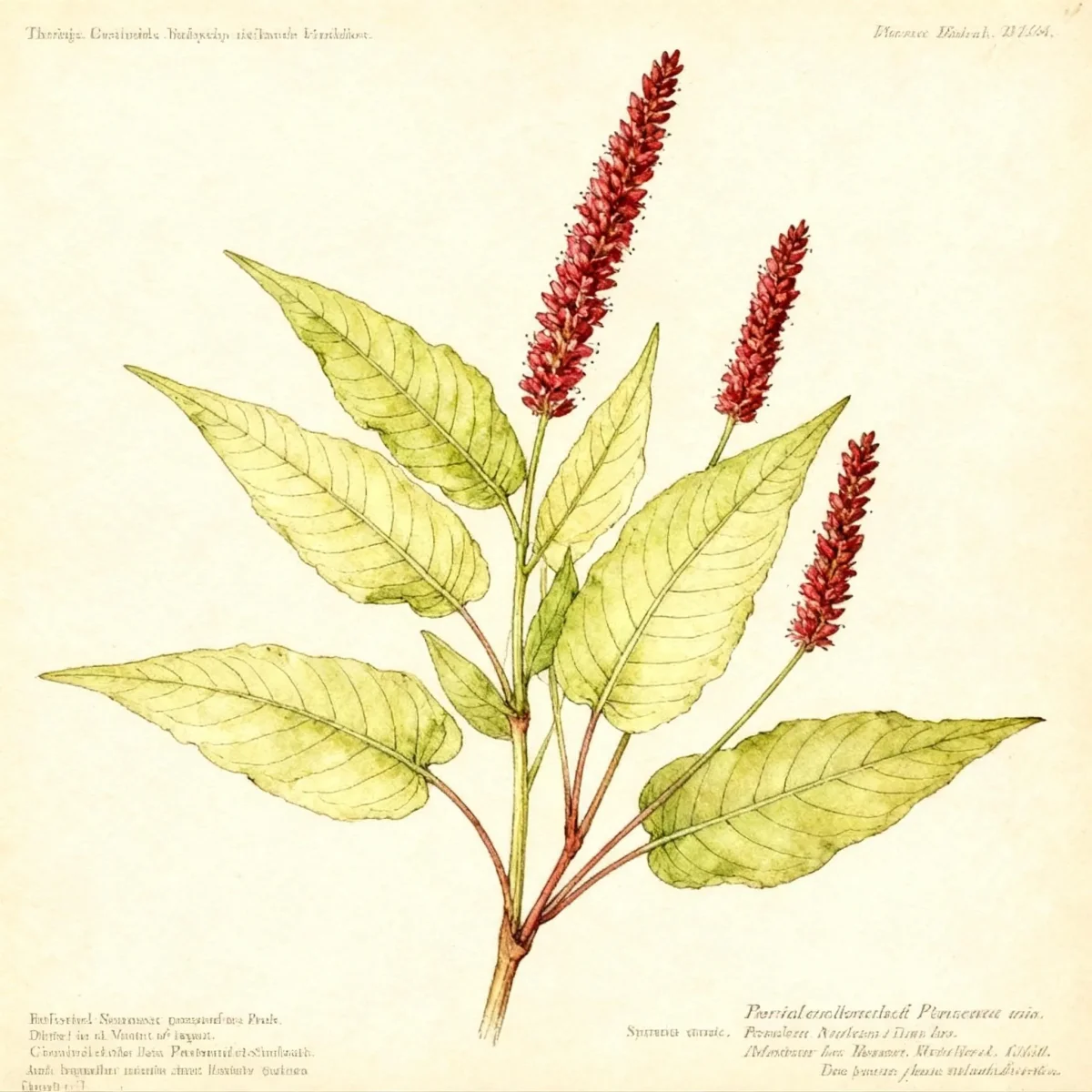
Mountain fleece
Persicaria amplexicaulis 'Golden Arrow'
- USDA zones
- 4–7
- Light
- Full sun to part shade
- Water
- Medium to wet
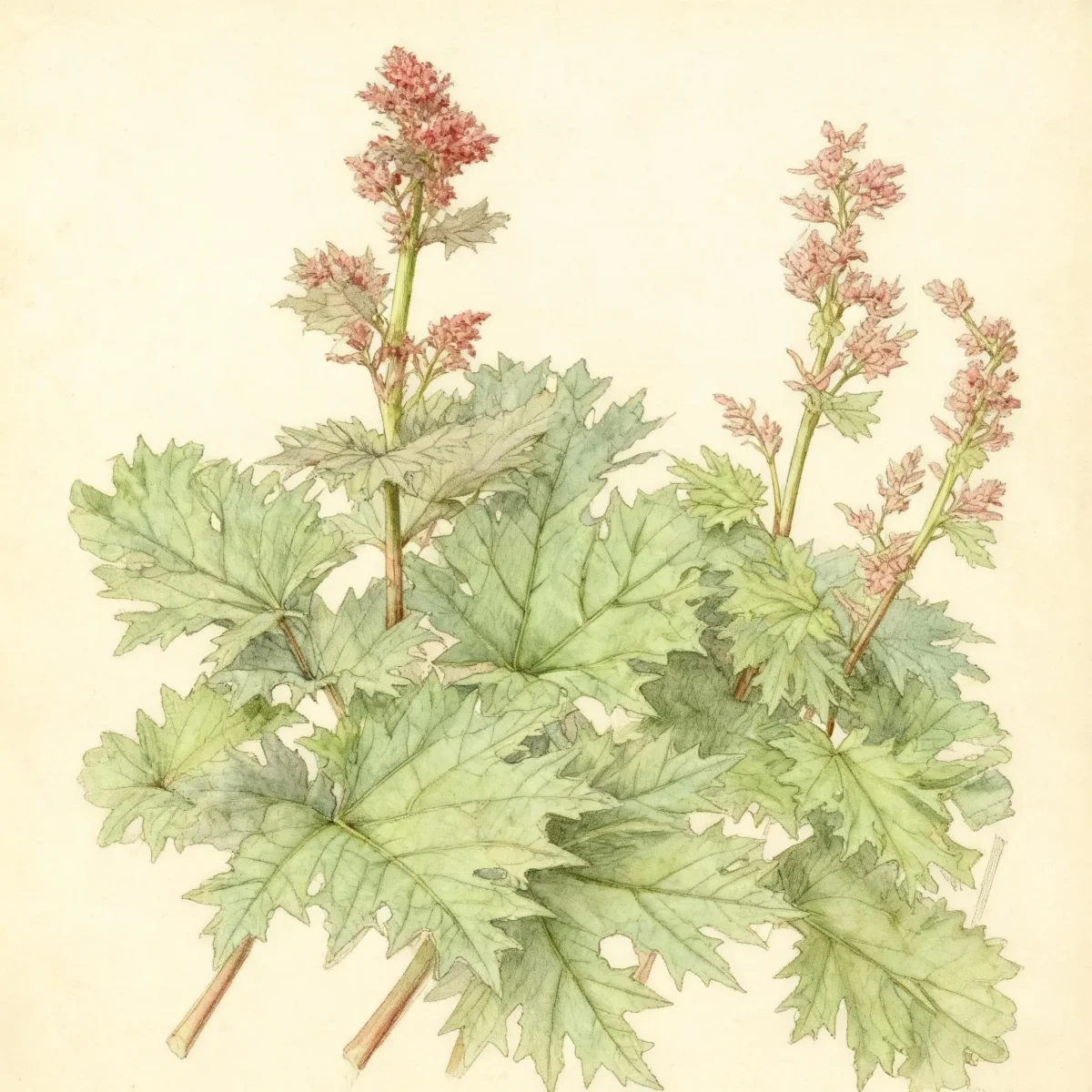
Chinese rhubarb
Rheum palmatum
- USDA zones
- 5–7
- Light
- Full sun to part shade
- Water
- Medium
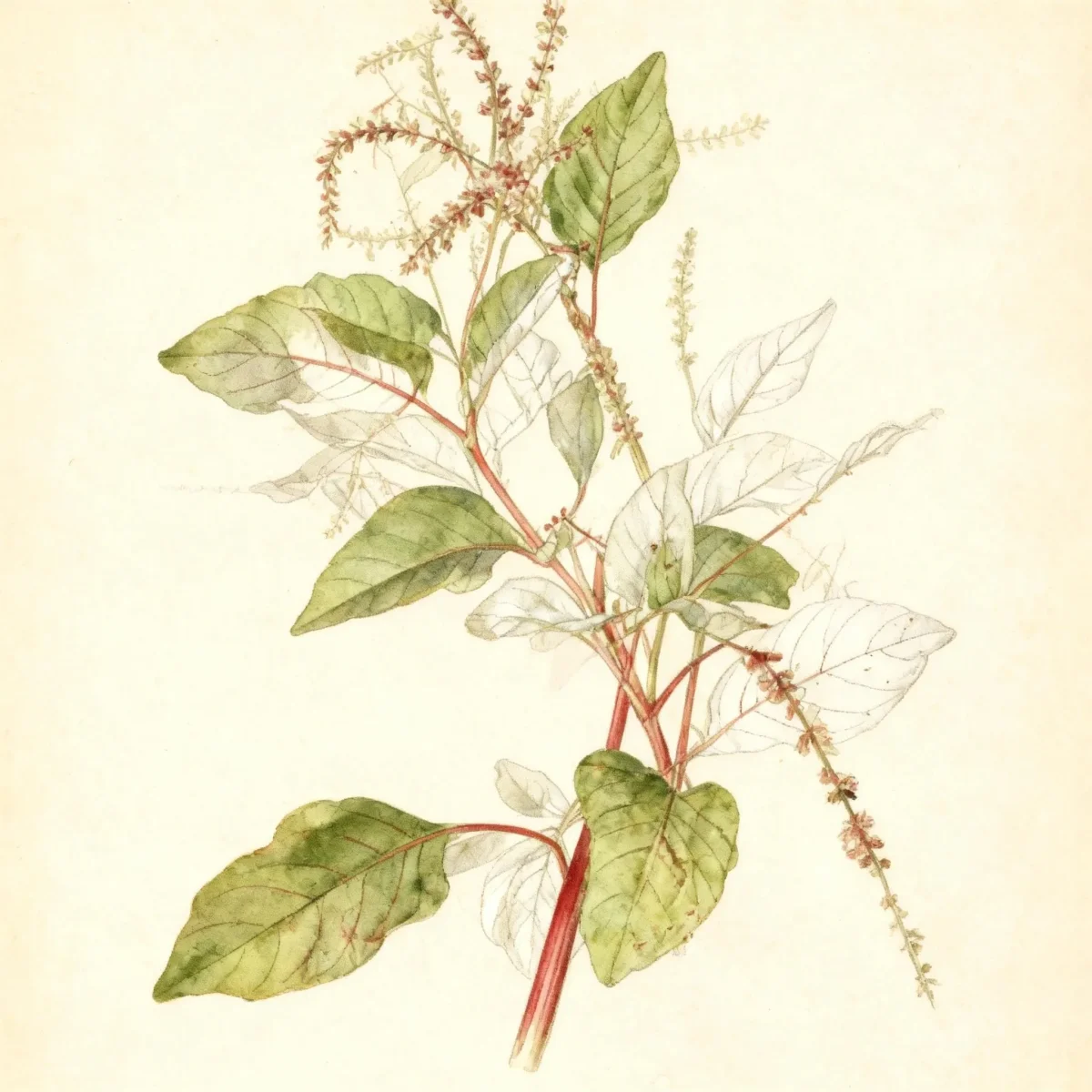
Knotweed
Persicaria 'Painter's Palette'
- USDA zones
- 4–8
- Light
- Full sun to part shade
- Water
- Medium
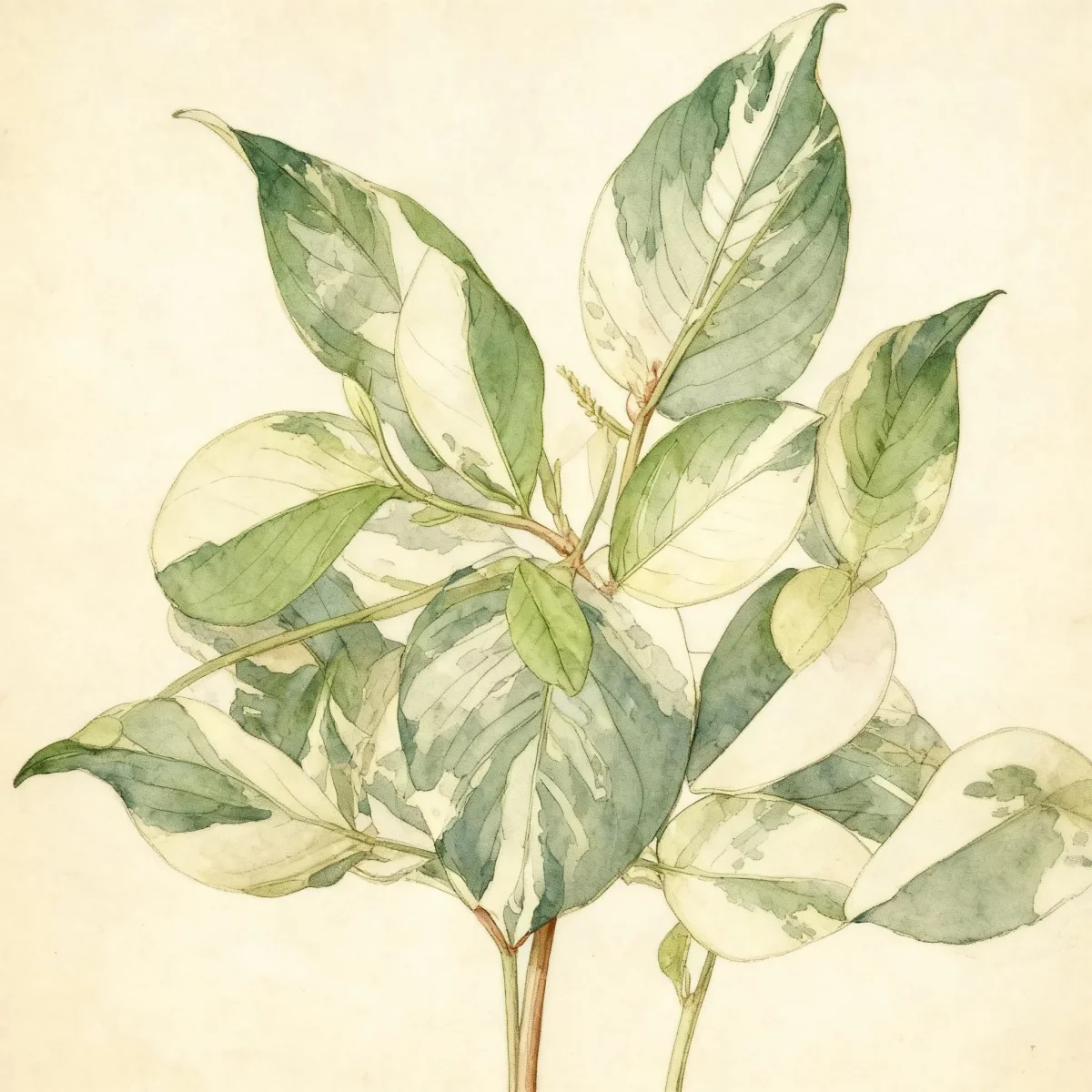
Knotweed
Persicaria virginiana (Variegata Group)
- USDA zones
- 5–8
- Light
- Full sun to part shade
- Water
- Medium to wet
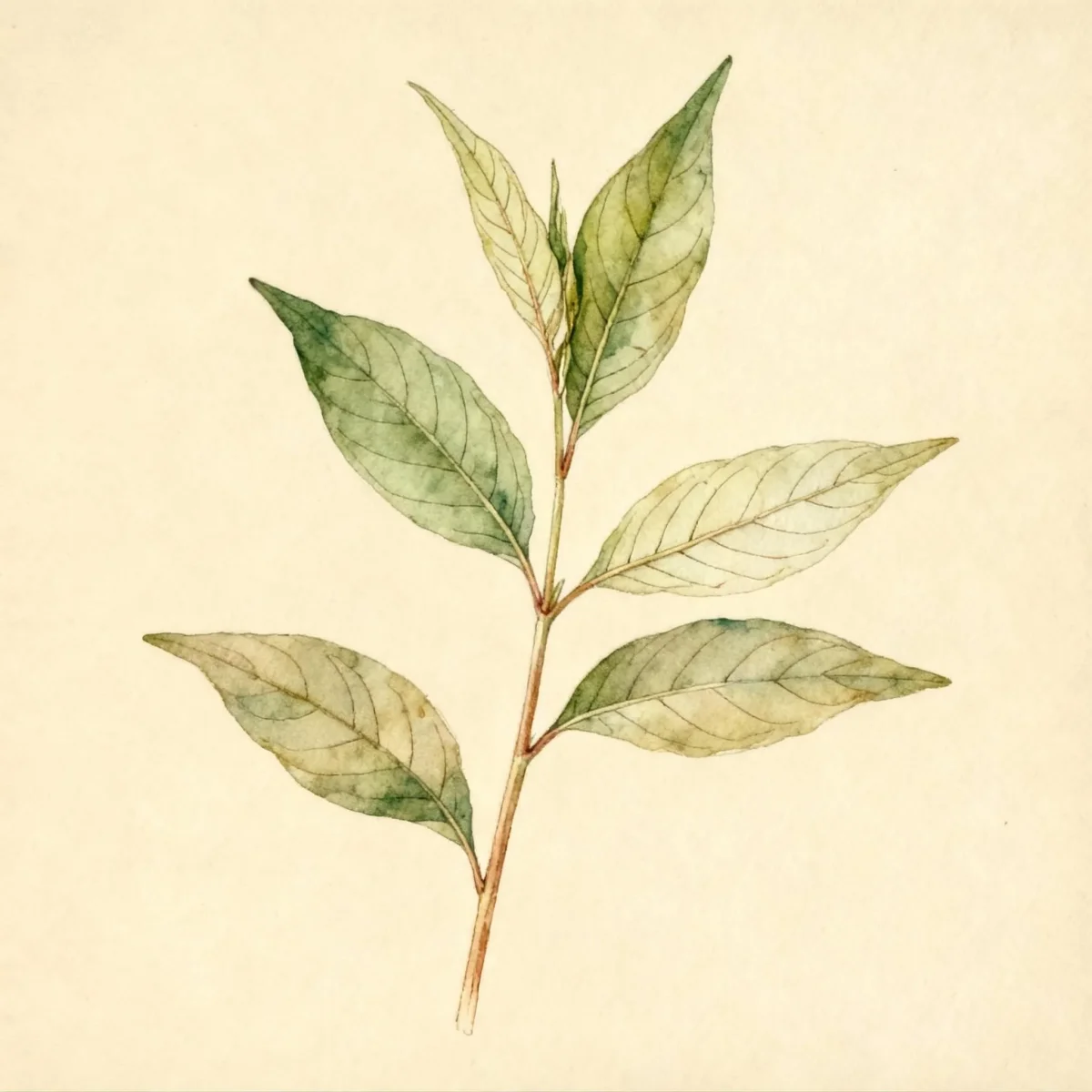
Knotweed
Persicaria virginiana
- USDA zones
- 4–8
- Light
- Full sun to part shade
- Water
- Medium
Keep Learning
Test what you know with a garden quiz
You have the plant facts and care notes. Continue with a related challenge, or browse the complete quiz library.

Can You Identify These Common Garden Plants? Test Your Plant Knowledge
Think you know your roses from your peonies? Test your plant identification skills with our comprehensive garden plant quiz featuring 10 challenging questions.
Start quiz
USDA Garden Zone Map Quiz
Use this USDA garden zone map quiz to check whether you can read hardiness zones and choose plants with more confidence.
Start quizBrowse the full quizzes section
Explore plant identification, zone strategy, and seasonal gardening challenges.
View all quizzes