Norway spruce(Picea abies 'Pendula')
Grow weeping Norway spruce (Picea abies 'Pendula'): training upright leaders vs cascading groundcover skirts, USDA zones 3–7 care, and cool-climate siting.
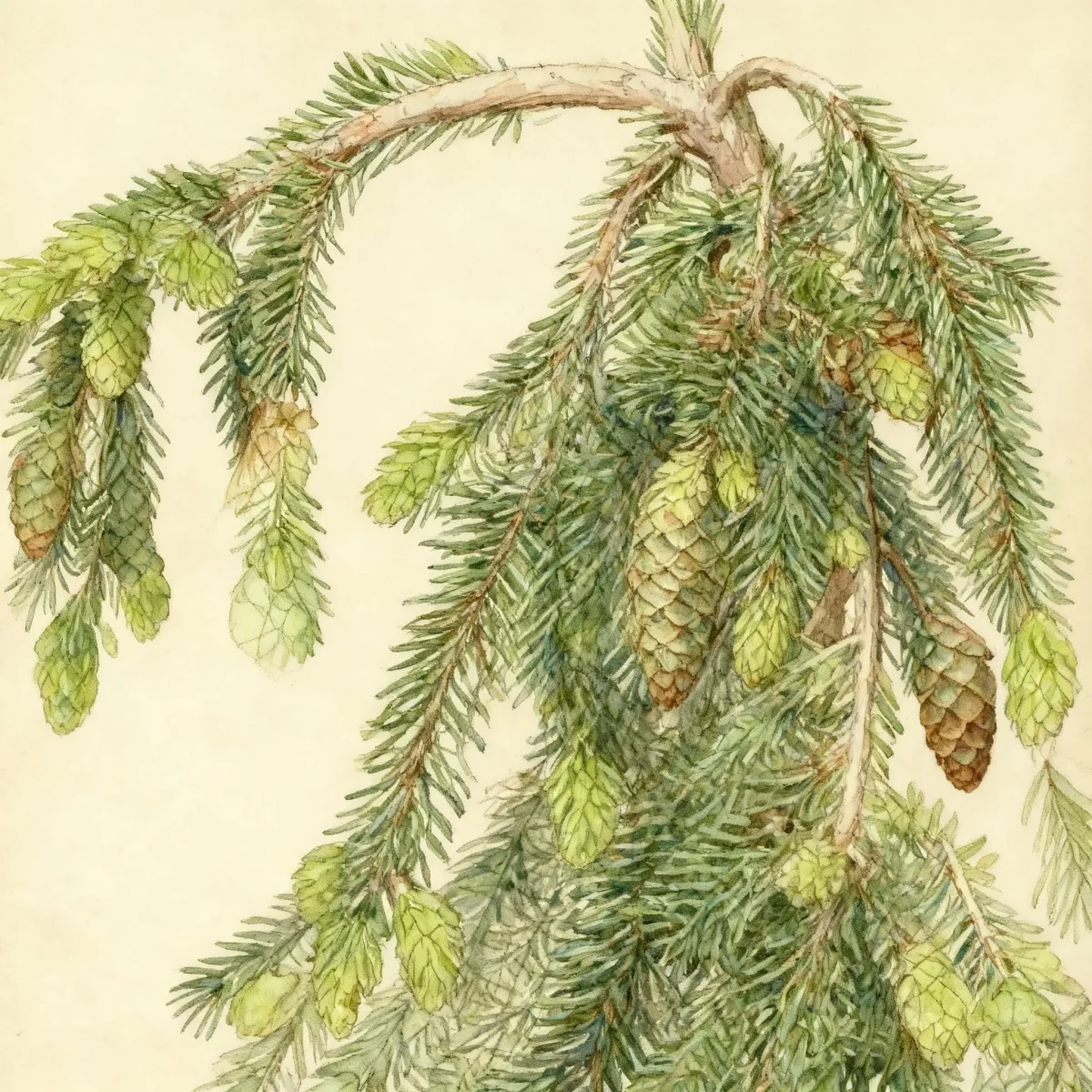
Complete Plant Information
- Hardiness zones
- USDA 3–7
- Plant type
- Needled evergreen
- Plant family
- Pinaceae
- Sun exposure
- Full sun
- Water needs
- Medium
- Maintenance
- Low to medium (staking required if trained upright)
- Height
- 4–15 ft (122–457 cm)
- Spread
- 4–10 ft (122–305 cm)
- Bloom time
- Non-flowering
- Flower color
- Non-flowering gymnosperm; cylindrical pendulous cones 4–6 inches long on mature specimens
- Flower qualities
- Insignificant
- Fruit qualities
- Not recorded
- Tolerances
- Deer, Air Pollution, Cold Exposure
- Garden uses
- Living sculpture specimen, rock garden waterfall, retaining wall cascade
- Native range
- Europe (cultivar selection)
Field Guide Continues
Ready for care notes, companion picks, and planting tips?
The map is just the start. The full guide below covers growth habits, seasonal performance, and landscape uses.
Overview
Weeping Norway spruce (Picea abies ‘Pendula’) is a weeping, sculptural evergreen conifer hardy across USDA Zones 3 through 7. Lacking an autonomous central leader of its own, this remarkable plant grows as a dramatic ground-hugging skirt unless a central stem is trained upward with a rigid stake. Once trained to a desired height—typically 6 to 15 feet—the weeping branches cascade steeply downward like a frozen dark-green waterfall, spreading outward across boulders, garden paths, and retaining walls.
Its dense, four-sided, lustrous dark green needles persist through subzero northern winters, providing permanent architectural weight and artistic drama.
How to Grow
- Training vs. Cascading Architecture: To grow an upright weeping spire, stake the strongest central shoot to a sturdy bamboo or metal pole until it reaches your desired height (6 to 15 feet). Once unclipped, the top arches over gracefully and all lateral branches weep vertically toward the ground. If left unstaked, it forms an undulating prostrate evergreen groundcover 1 to 2 feet high.
- Hardiness & Climate: USDA Zones 3 through 7. Thrives in the cool summers of the Northeast, Upper Midwest, and Pacific Northwest. It performs poorly south of Zone 7, where summer heat and humidity trigger spider mite stress and needle drop.
- Sunlight: Full sun (at least 6 hours direct sunlight daily) is essential to preserve dense needle retention along inner branches.
- Soil & Drainage: Prefers acidic to neutral, moist, organically rich, well-drained loams. Standing water or saturated heavy clay will cause fatal root rot.
- Watering: Provide steady, deep watering during the first 2 to 3 establishment years. Mature specimens exhibit moderate drought tolerance in cool northern climates.
Landscape Uses
- Living Architectural Sculpture: Functions as an unforgettable focal centerpiece in front lawns, foundation corners, and courtyard beds.
- Retaining Wall Waterfall: Planted along the top of a stone ledge or retaining wall, branches drape vertically downward like a botanical curtain.
- Alpine Rock Garden Groundcover: When left unstaked, it flows over and around landscape boulders.
Potential Problems
- Heat Stress South of Zone 7: Sultry summer night heat and humidity encourage needle browning and spruce spider mites.
- Root Rot in Standing Water: Requires sharp drainage; cannot tolerate waterlogged soils.
- Unintended Groundcover Habit: If staking is neglected early in life, the plant will permanently sprawl along the soil surface.
Frequently Asked Questions
How tall does weeping Norway spruce get?
Its height depends entirely on how high the central leader is staked. If staked to 10 feet, it matures around 10 to 12 feet tall. If left unstaked, it stays under 2 feet tall as a prostrate weeping groundcover.
Does weeping Norway spruce need pruning?
Very little. Prune only to trim back skirts if branches spread too far across walkways or into neighboring plants.
Can weeping Norway spruce grow in clay soil?
Yes, provided the site is sloping or on a berm so excess water drains freely away from the root ball.
Companion Plants
Pair weeping Norway spruce with plants that contrast with its pendulous, dark green weeping form:
- Contrasting Upright Perennials: Plant alongside upright purple coneflowers (Echinacea), black-eyed Susans (Rudbeckia), or ornamental grasses.
- Deciduous Flowering Shrubs: Combine with gold-leaved barberries, panicled hydrangeas, or spirea.
- Low Groundcover Accents: Underplant with creeping phlox or sedum around its weeping perimeter.
Sources & Lineage
- Missouri Botanical Garden PlantFinder: Record taxon 252790 (Picea abies ‘Pendula’) — weeping growth habit, dimension benchmarks, and cultural parameters.
- Kew Plants of the World Online (POWO): Picea abies (L.) H.Karst. (POWO: 262609-1) — species botanical taxonomy and European distribution.
- American Conifer Society (ACS): Picea abies ‘Pendula’ — weeping conifer classification, training instructions, and growth rates.
Recommended Companion Plants
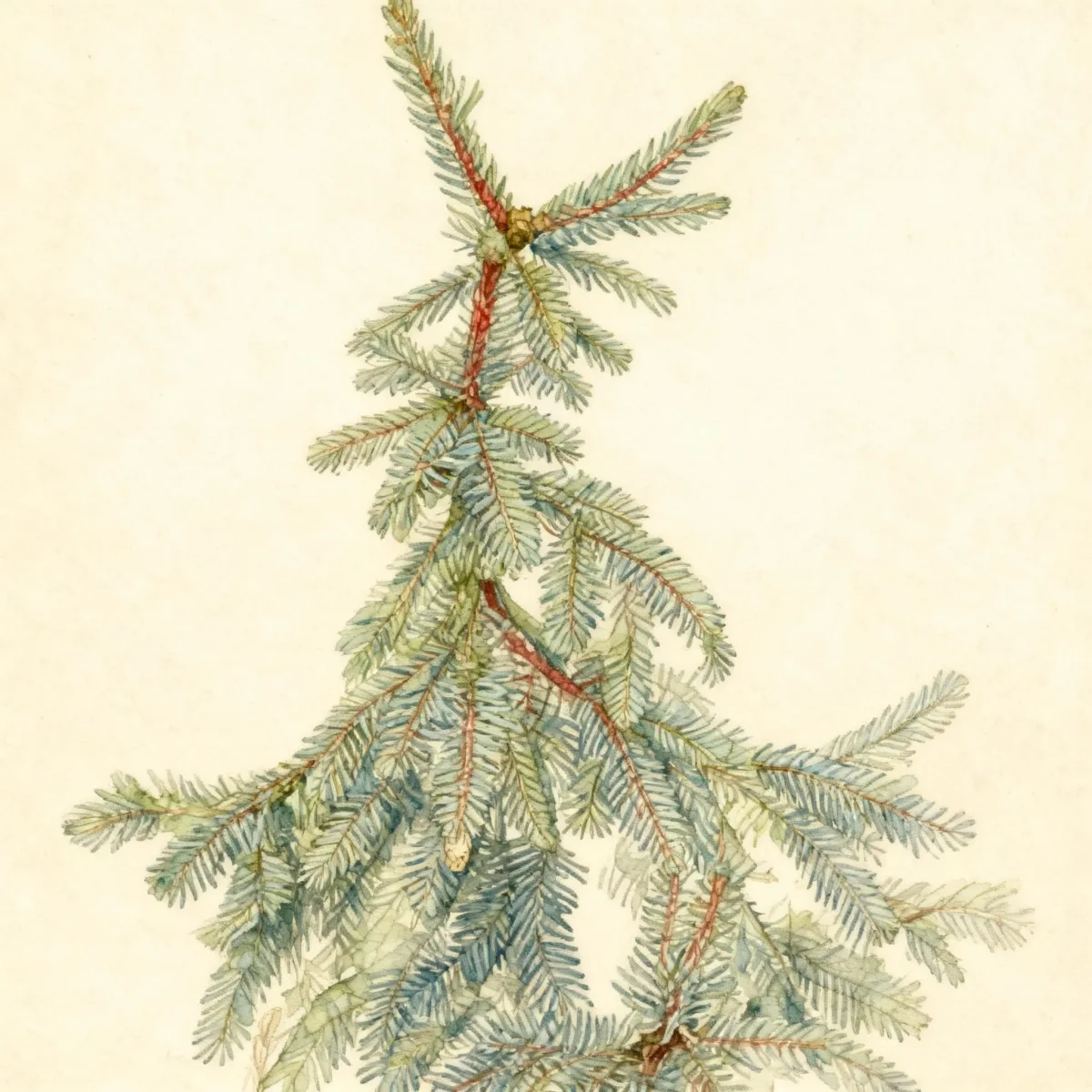
Norway spruce
Picea abies 'Acrocona'
- USDA zones
- 3–7
- Light
- Full sun
- Water
- Medium
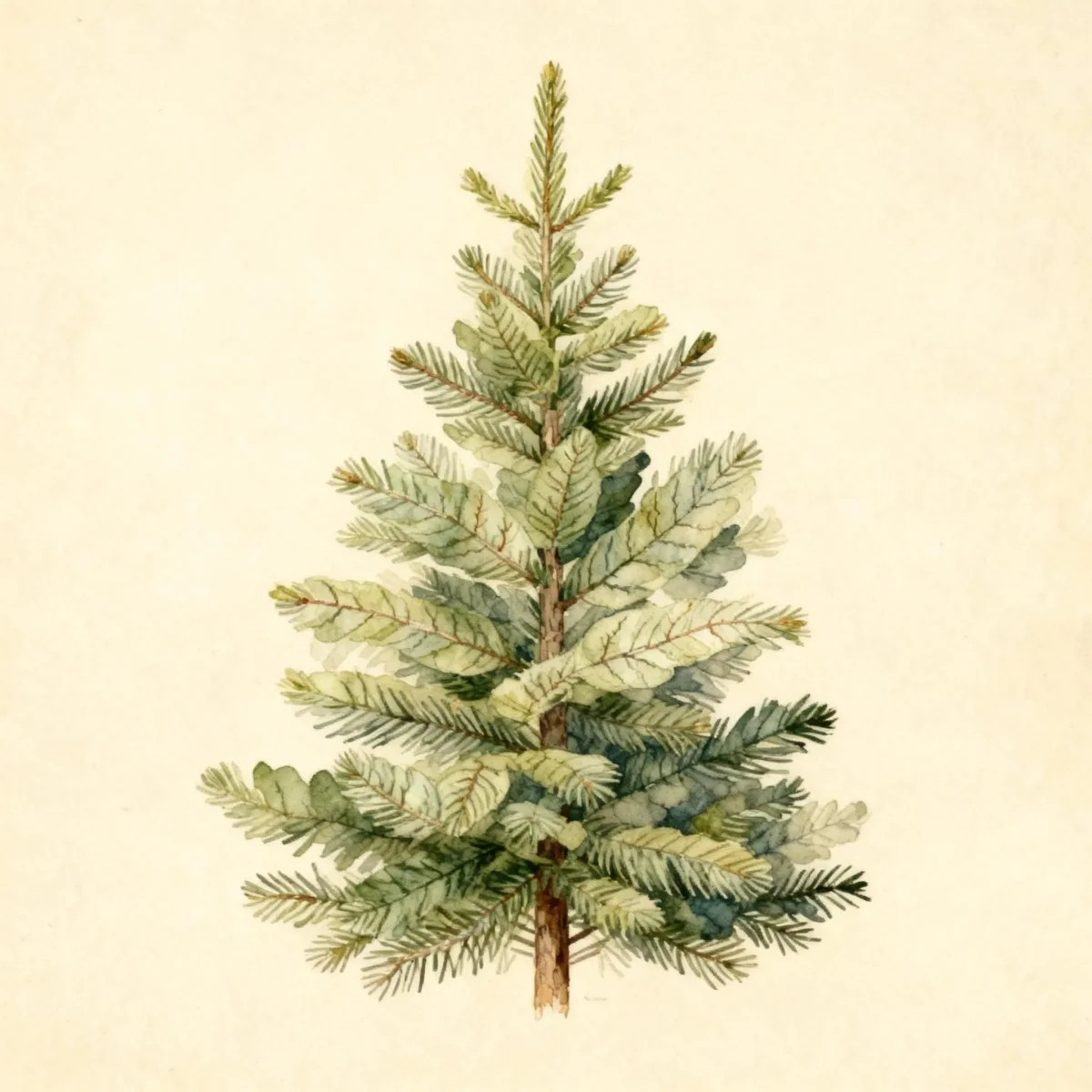
Norway spruce
Picea abies 'Gregoryana'
- USDA zones
- 3–7
- Light
- Full sun
- Water
- Medium
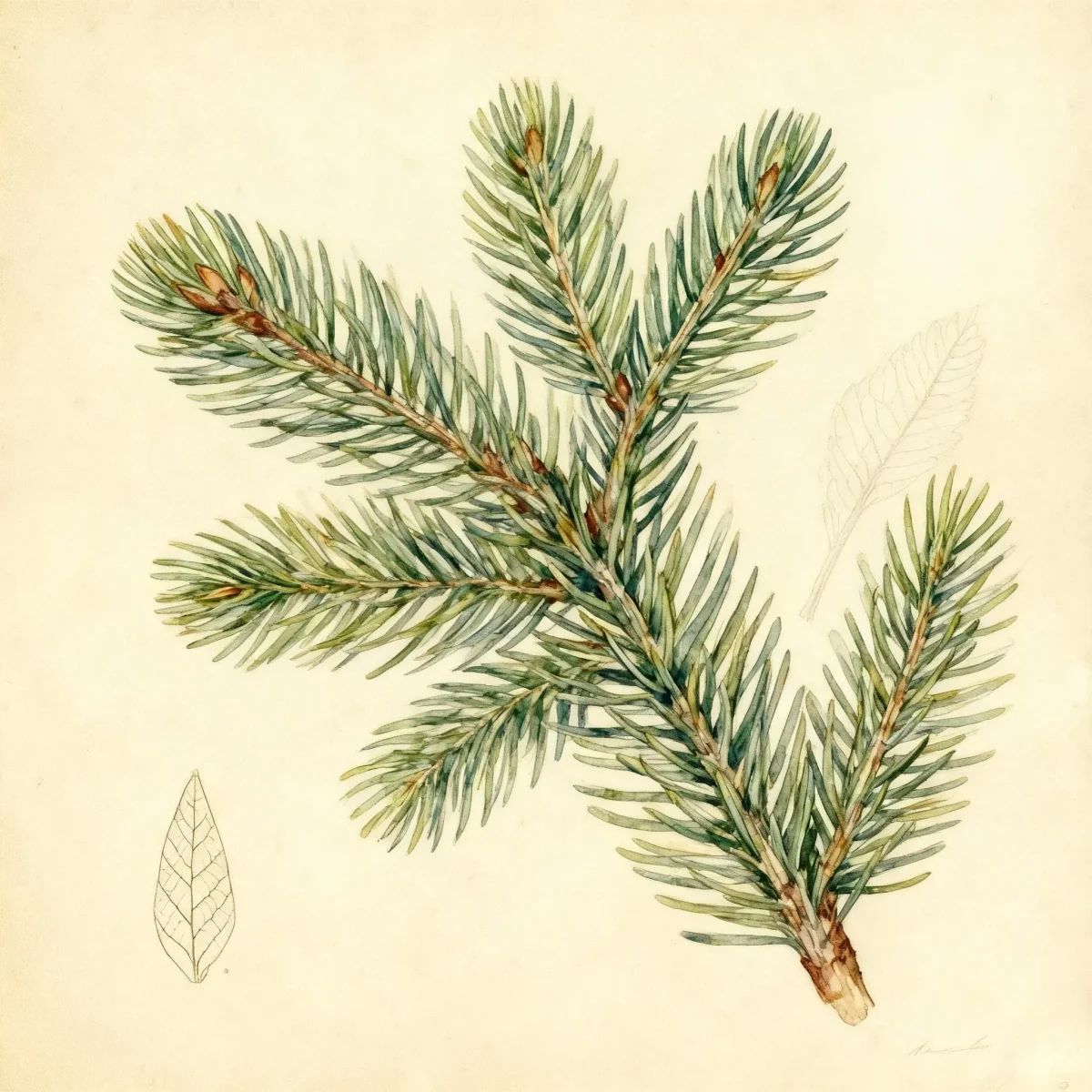
Norway spruce
Picea abies 'Little Gem'
- USDA zones
- 3–7
- Light
- Full sun
- Water
- Medium
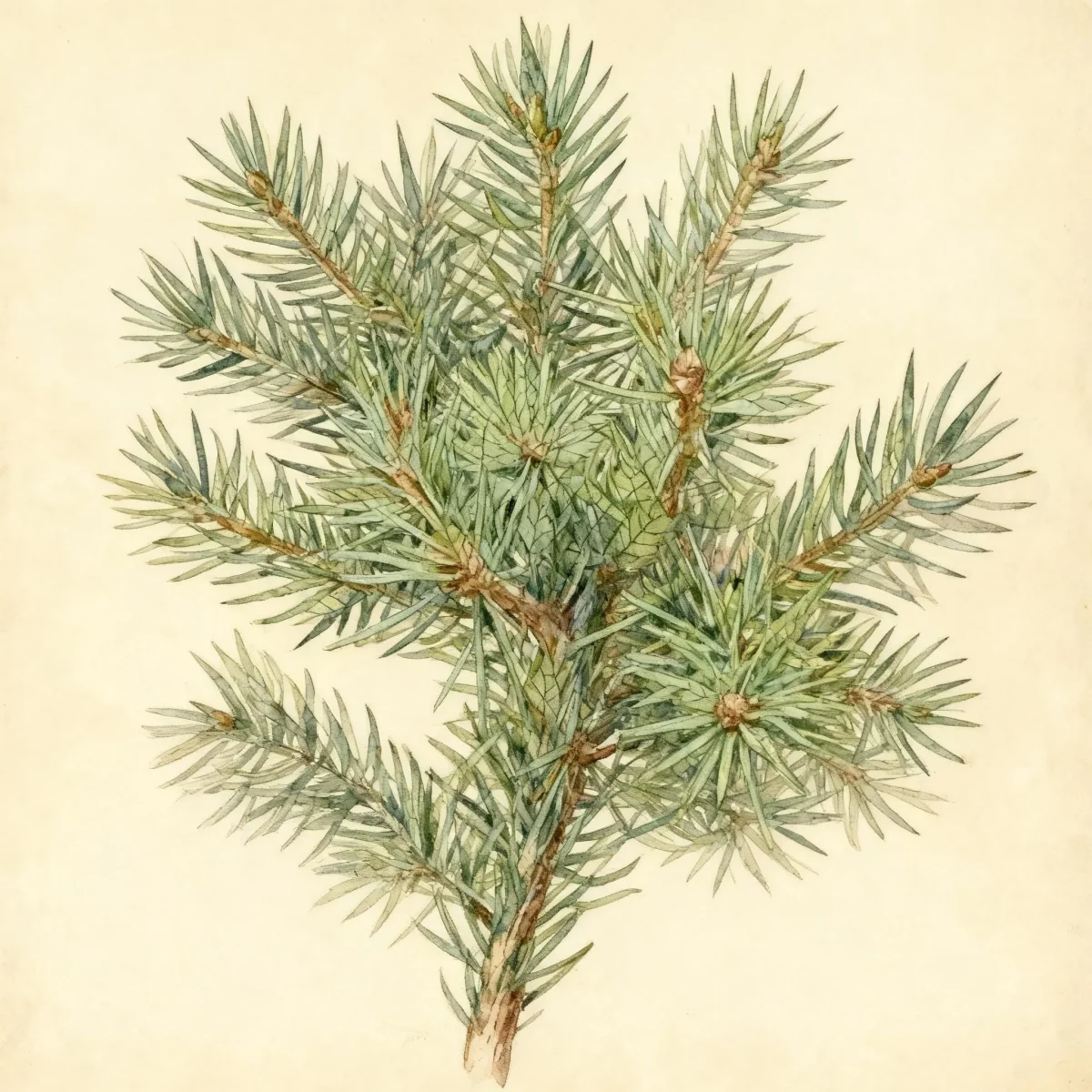
Norway spruce
Picea abies 'Little Joe'
- USDA zones
- 3–8
- Light
- Full sun
- Water
- Medium
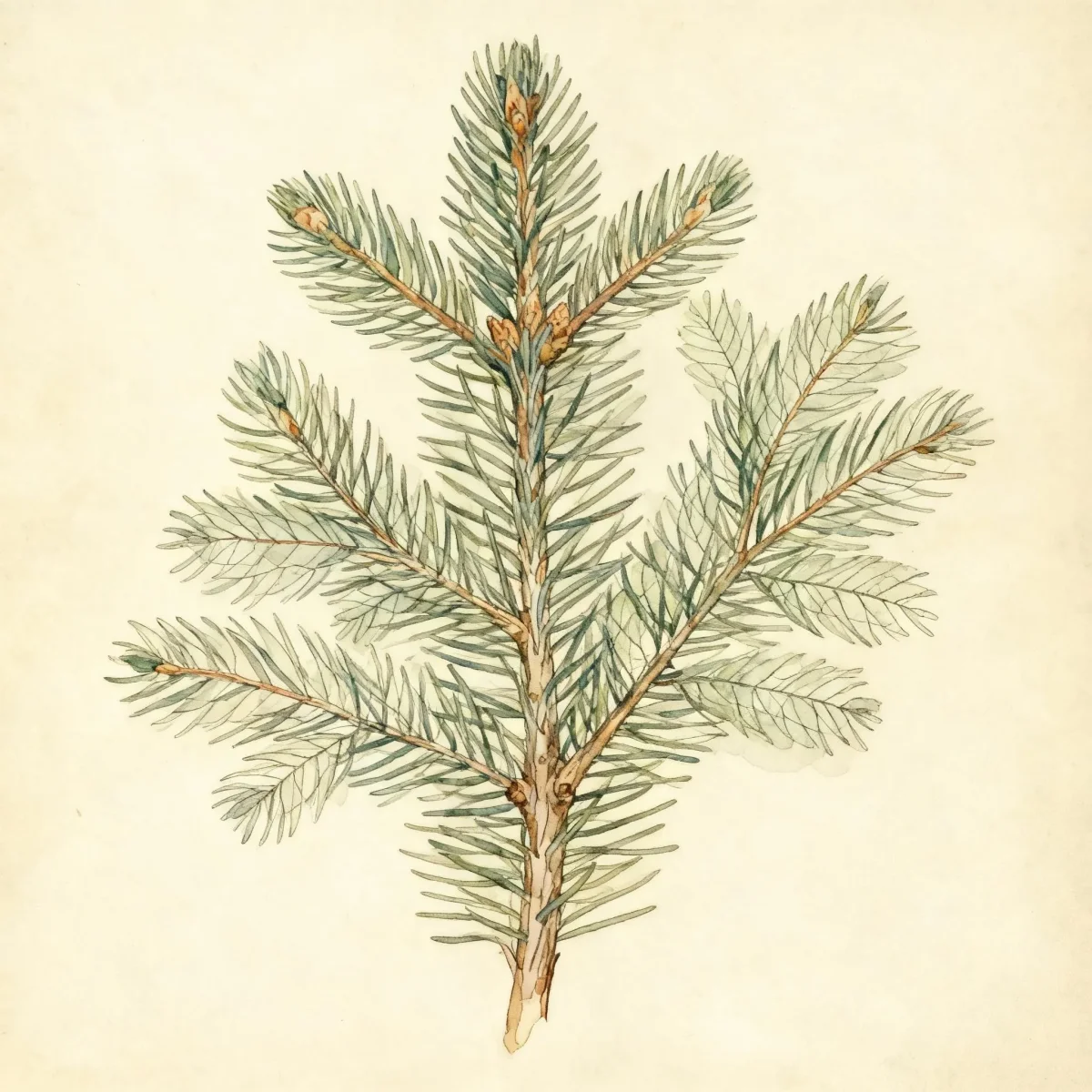
Norway spruce
Picea abies 'Maxwellii'
- USDA zones
- 2–7
- Light
- Full sun
- Water
- Medium
Norway spruce
Picea abies 'Nidiformis'
- USDA zones
- 3–7
- Light
- Full sun
- Water
- Medium
Keep Learning
Test what you know with a garden quiz
You have the plant facts and care notes. Continue with a related challenge, or browse the complete quiz library.

Can You Identify These Common Garden Plants? Test Your Plant Knowledge
Think you know your roses from your peonies? Test your plant identification skills with our comprehensive garden plant quiz featuring 10 challenging questions.
Start quiz
USDA Garden Zone Map Quiz
Use this USDA garden zone map quiz to check whether you can read hardiness zones and choose plants with more confidence.
Start quizBrowse the full quizzes section
Explore plant identification, zone strategy, and seasonal gardening challenges.
View all quizzes