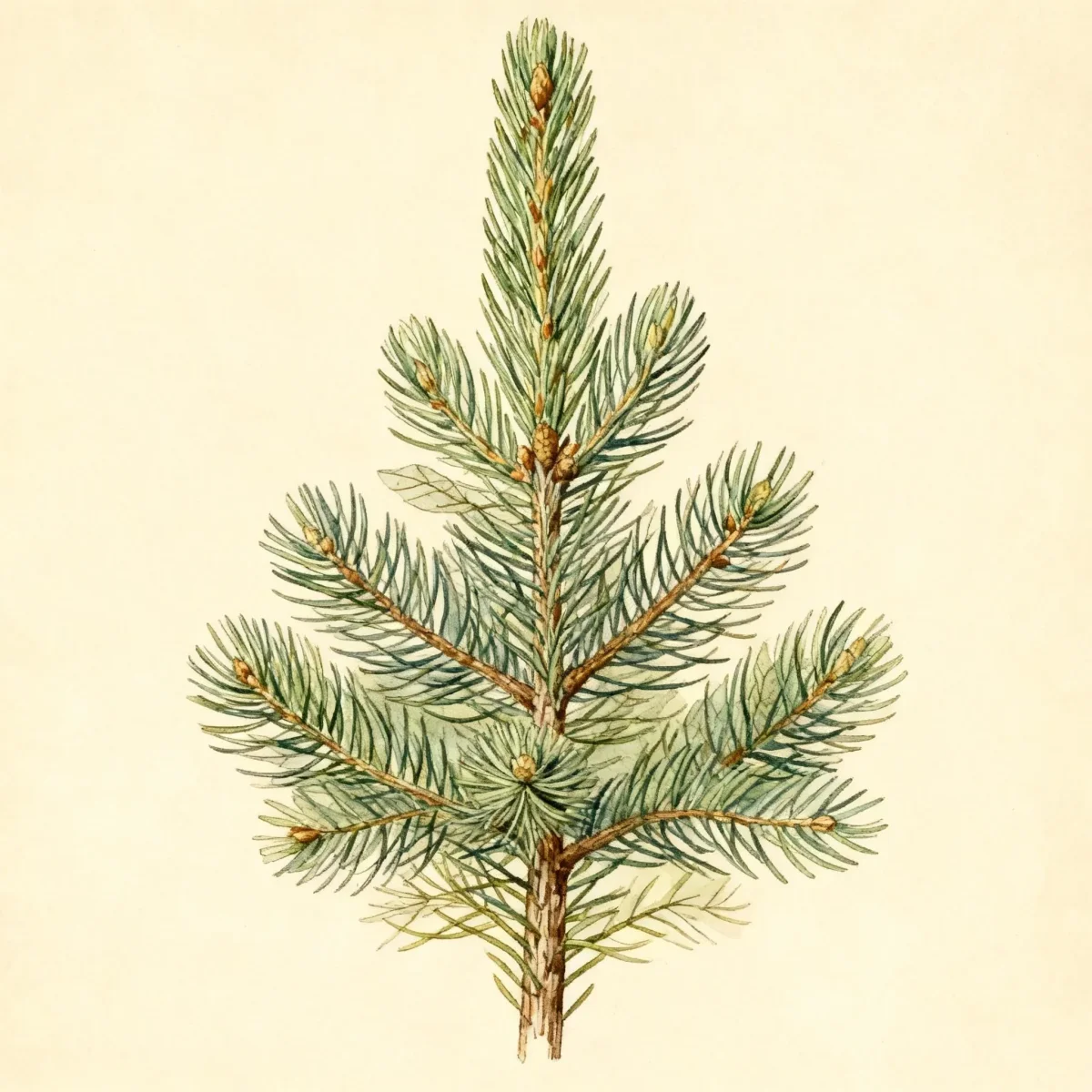
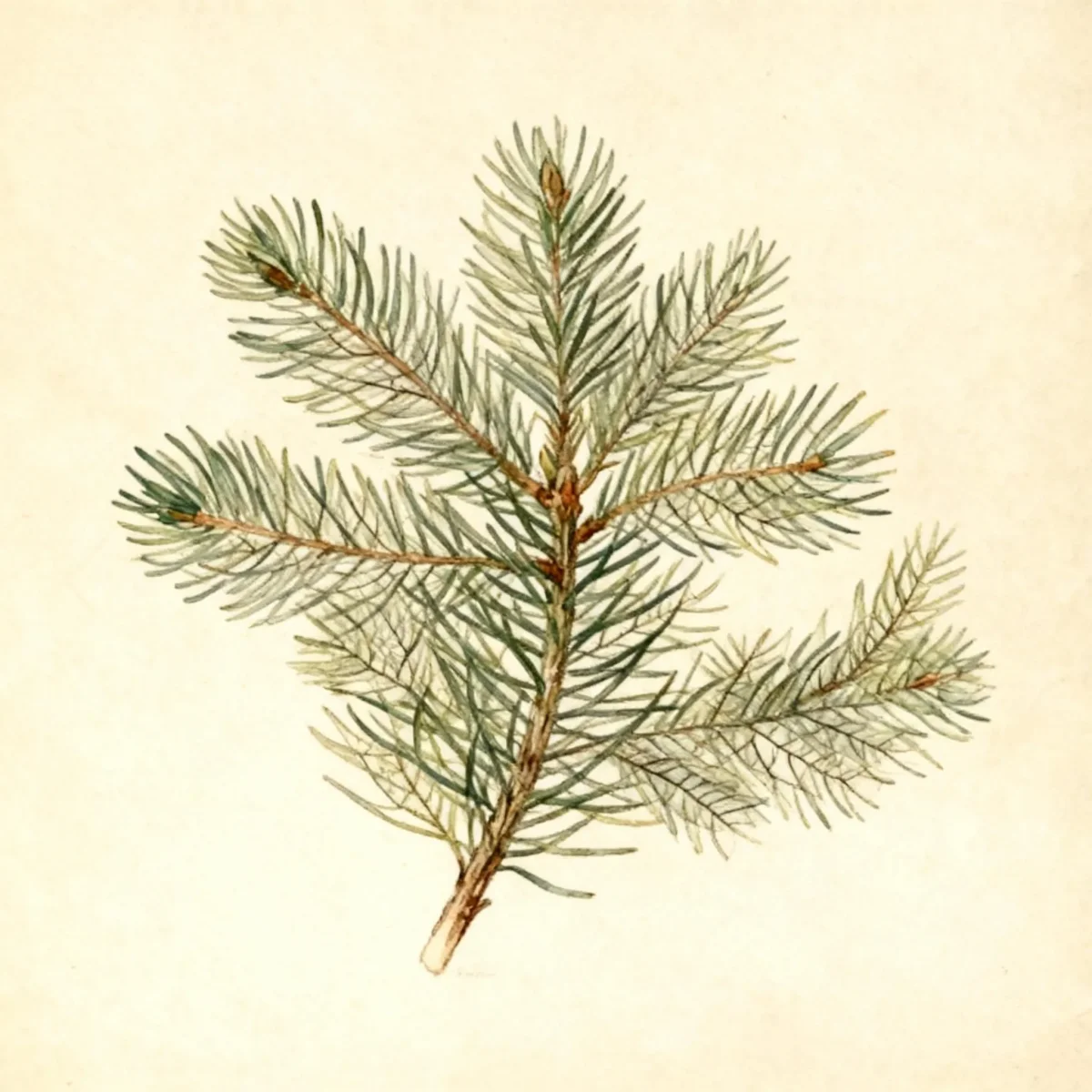
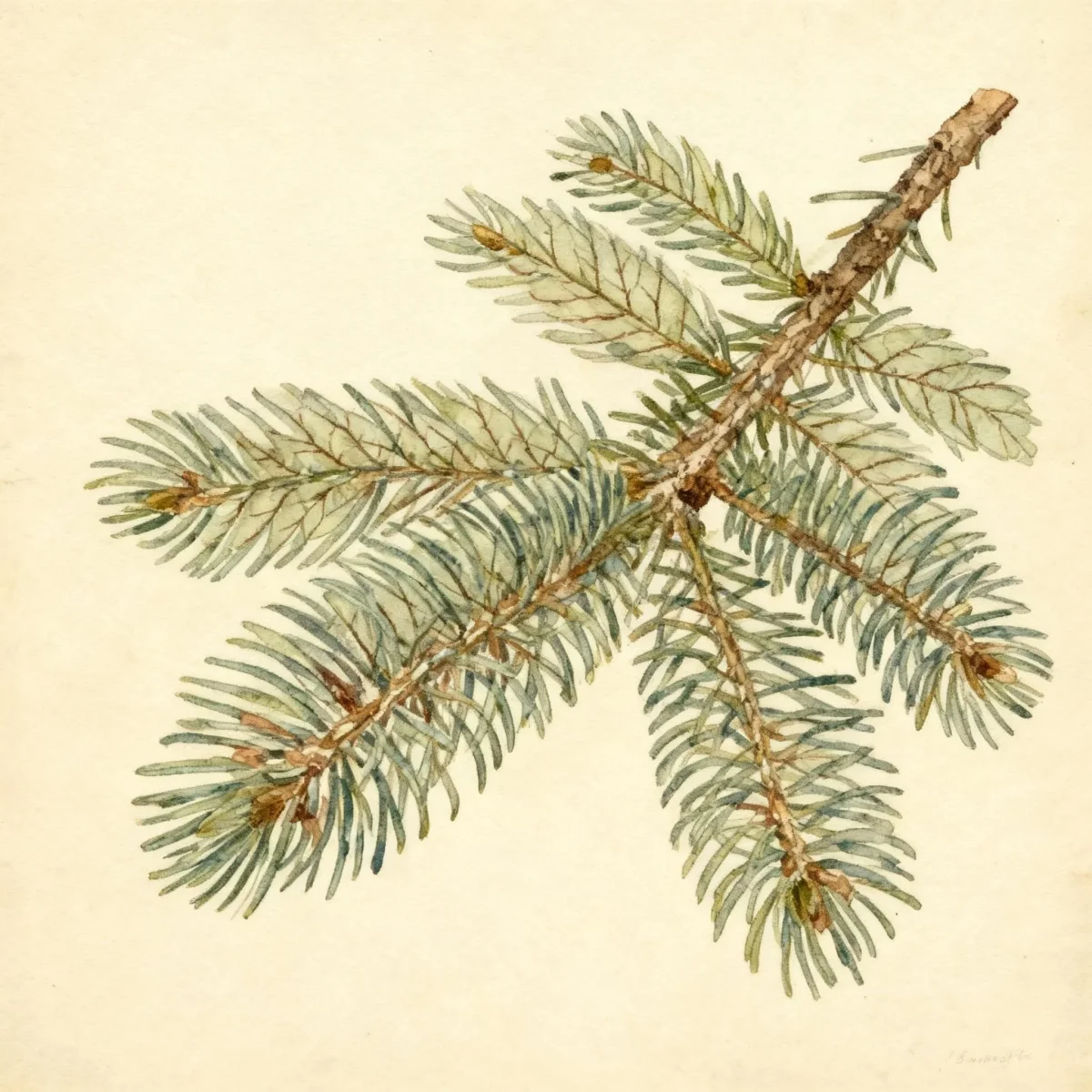
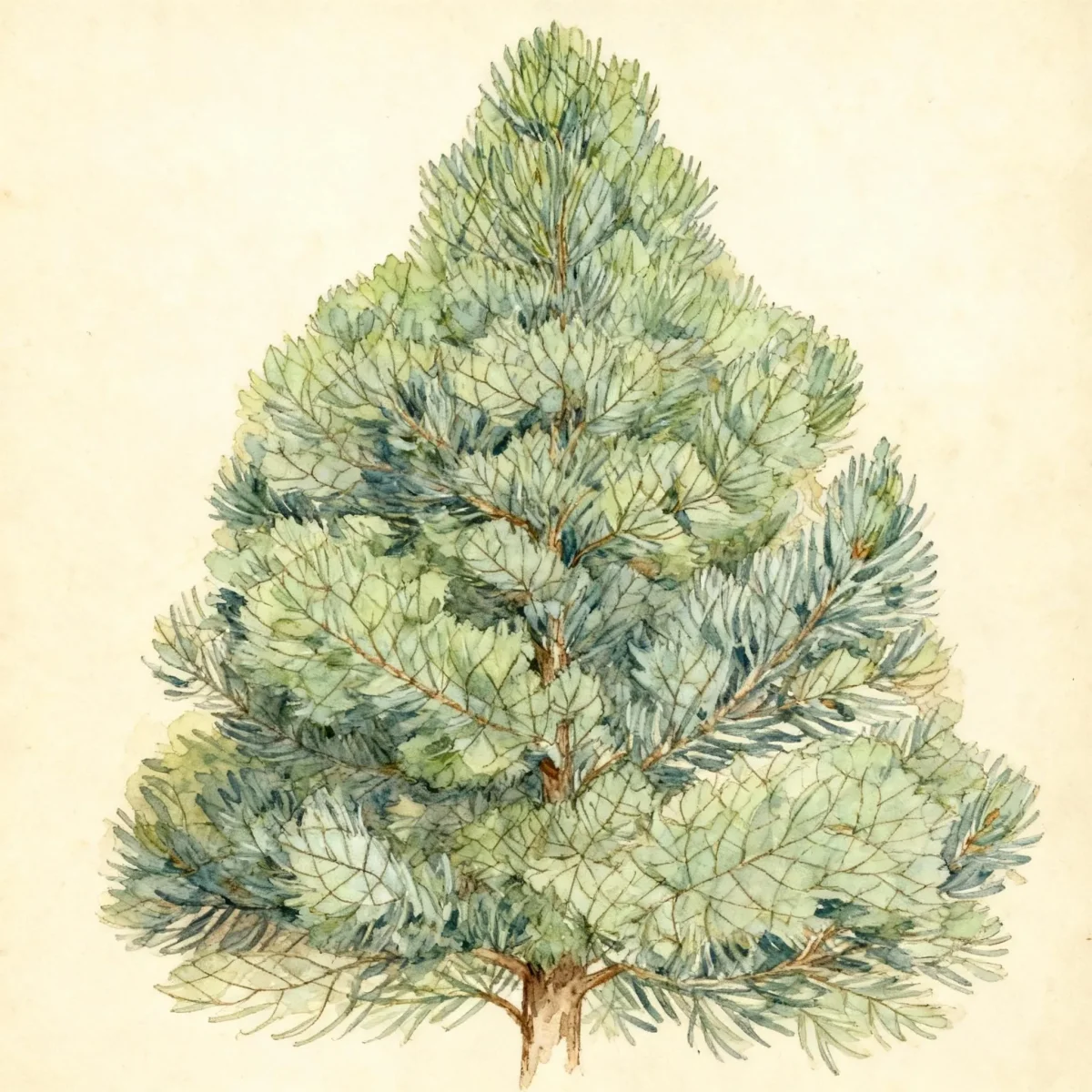
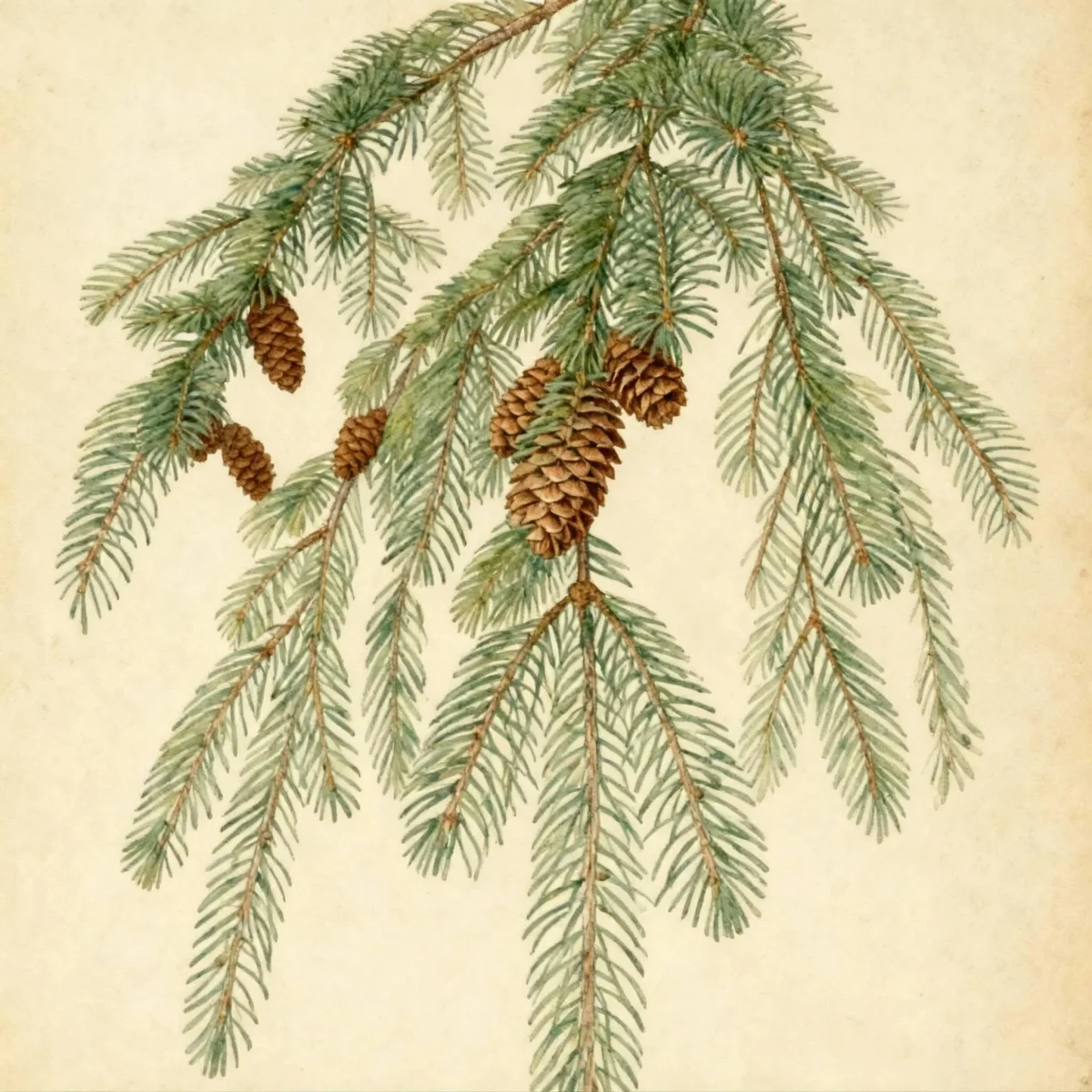
White spruce (Picea glauca 'Cecilia')
Dwarf Picea glauca 'Cecilia' is a hardy White spruce cultivar forming a tight, bluish-green globe ideal for rock gardens.

Bloom Boldly, No Matter the Season - Sweatshirt
Cozy organic cotton sweatshirt featuring our exclusive Purple Coneflower design. Perfect for gardeners who bloom year-round.
Inspired by the beautiful White spruce
Limited first batch (50) — join the waitlist for early access
Waitlist closes Feb 15, 2026.
Complete Plant Information
Field Guide Continues
Ready for care notes, companion picks, and planting tips?
The map is just the start. The full guide below covers growth habits, seasonal performance, and landscape uses.
Overview
Picea glauca ‘Cecilia’, a cultivar of the reliable White spruce, provides exceptional texture and structure in smaller garden spaces. This is an extremely hardy needled evergreen recognized for its dense, dwarf habit, making it far more manageable than its towering native relatives. Gardeners value this variety for maintaining a compact, flat-topped globe shape that boasts appealing bluish-green foliage year-round.
As a slow-growing conifer, Picea glauca ‘Cecilia’ offers a consistent, long-term interest without demanding frequent pruning. It thrives best in the cooler climates where its parent, the White spruce, naturally predominates, reinforcing its reputation as a cold-tolerant landscape anchor. Its low maintenance needs make it an excellent choice for rock gardens or specialized foundation plantings where space is limited.
The structural presence of Picea glauca ‘Cecilia’ injects strong vertical and rounded interest into composed seasonal displays. While the larger White spruce species defines the North American boreal forest, this cultivar translates that rugged beauty into a refined, dwarf form suitable for precise modern or traditional designs.
Fast Facts
- Plant Family: Pinaceae
- Plant Type: Needled evergreen
- Hardiness Zones: USDA Zones 3-6
- Size at Maturity:
- Height: 1.5-2 ft
- Spread: 1.5-2 ft
- Bloom Time: Non-flowering
- Bloom Description: Non-flowering
- Sun Exposure: Full sun
- Water Needs: Medium
- Maintenance Level: Low
How to Grow
For optimal health, the best time to plant Picea glauca ‘Cecilia’ is generally in the spring or fall, allowing the root system to establish before temperature extremes. This dwarf White spruce cultivar requires full sun exposure for the best color and the tightest growth habit, though it can tolerate a little light shade. Ensure planting occurs in moist, well-drained soil; stagnant, heavy soils should be avoided to prevent root rot issues common to many spruce varieties.
Water needs are classified as medium, meaning consistent moisture is important, especially during the initial establishment phase. Avoid letting the soil dry out completely, but equally important, ensure excellent drainage. Cultural notes indicate this plant performs best in regions with truly cold winters and cool summers, performing poorly in high heat and humidity, such as the Southeast U.S.
To maintain the health of the dense foliage on your Picea glauca ‘Cecilia’, site it where air circulation is good. This helps dry the needles quickly after rain or dew, minimizing conditions favoring fungal diseases. Be aware that this conifer is somewhat intolerant of harsh urban stresses like road salt exposure or high levels of air pollutants.
Pruning is rarely necessary as this is a naturally slow-growing, compact form, growing only about 3 to 6 inches per year. Focus maintenance efforts on site assessment—ensure its location will not eventually be overshadowed or subjected to excessive heat, which are the primary threats to this variety.
Landscape Uses
Picea glauca ‘Cecilia’ excels as a permanent accent piece where its dwarf, dense structure is needed to contrast with softer, mounding perennials. It is perfectly sized for the border front, providing an evergreen punctuation mark that remains visually appealing throughout winter months. Its compact size also makes it an excellent addition to rock gardens, adding year-round color and texture among stones.
Consider using this cultivar as a small, formal specimen plant in contemporary landscaping, or utilize several in a staggered arrangement as part of a low foundation planting near homes or entryways. Because of its tight, flattish-globe shape, Picea glauca ‘Cecilia’ serves wonderfully as a low structural element near pathways where taller shrubs might otherwise block views.
When companion planting, choose species that share its preference for full sun and well-drained soil, appreciating the cooler climate requirements. Avoid placing it adjacent to heat-loving, humidity-tolerant plants that will highlight its struggles in overly warm microclimates.
Standout Features
Noteworthy Characteristics
Picea glauca, commonly called white spruce, is an extremely hardy evergreen conifer that is native to upland areas and lake/stream margins stretching from Alaska across the boreal forest of Canada to Newfoundland, dipping south to Montana, Minnesota, Wisconsin, Michigan and New York. This tree typically grows 60-80’ tall (less frequently to 140’ tall) with a cone-shaped crown. Needles have a glaucous (white waxy coating) bloom, hence the specific epithet and common name. ‘Cecilia’ is an Alberta spruce cultivar. It is a dwarf, needled evergreen shrub which forms a tight, bluish-green, flat-topped globe typically rising to 18-24” tall with a similar spread.
Tolerances
- Deer
Potential Problems
Picea glauca ‘Cecilia’ generally avoids major insect or disease outbreaks, contributing to its low maintenance profile. However, like all spruces, it can be susceptible to fungal issues such as needle and stem rust, canker, and potentially fatal trunk and root rot if drainage is poor. Monitoring is key for preventing these issues.
Common pests you may encounter include the yellow-headed spruce sawfly, spruce budworm, and in some regions, the eastern spruce beetle. Furthermore, spider mites are frequently present; repeated mite infestations can cause significant injury by defoliating the foliage prematurely.
Cultural management is the best defense against serious issues. Proper site selection—avoiding hot, humid locales and ensuring good air circulation—will mitigate most fungal risks. If pests like mites appear, regular inspection allows for prompt treatment before widespread damage occurs to this valuable White spruce selection.
Frequently Asked Questions
What hardiness zones is White spruce (Picea glauca ‘Cecilia’) suitable for?
Picea glauca ‘Cecilia’ is quite cold-hardy, suitable for USDA Zones 3 through 6.
How large does Picea glauca ‘Cecilia’ grow?
This dwarf cultivar typically matures to a height and spread between 1.5 and 2 feet.
What sun exposure does Picea glauca ‘Cecilia’ need?
This needled evergreen requires full sun for the best performance and density.
When does Picea glauca ‘Cecilia’ bloom?
This plant is noted as non-flowering, as it is a conifer.
Conclusion
The Picea glauca ‘Cecilia’ cultivar is a fantastic choice for gardeners seeking low-maintenance, year-round structure in a manageable dwarf size. Offering the hardiness of the native White spruce in a petite, bluish-green globe, this plant excels where space is premium. Before planting, confirm your site offers full sun and suitable cool summer conditions to ensure the long-term success of your Picea glauca ‘Cecilia’.
Companion Planting
Designing landscapes around Picea glauca ‘Cecilia’ benefits from pairing it with plants that appreciate similar cultural needs: cold tolerance and good drainage. Consider using low-growing, creeping groundcovers such as Creeping Thyme (Thymus serpyllum) or various dwarf sedums near its base in rock gardens. These pairings contrast nicely with the spruce’s rigid form.
For color and texture variation near the foundation, incorporate plants that bloom profusely in spring or fall when the conifer’s color is more subdued. Low-mounding ornamental grasses or hardy Heucheras (Coral Bells) with dark foliage provide excellent contrast without competing heavily for root space or light, provided they too are planted in well-drained soil.
When utilizing this plant in foundation plantings, remember its intolerance for urban pollutants. Keep it well-separated from heavily salted driveways or high-traffic areas where dust and smog accumulate, respecting the inherent needs of the White spruce lineage.
Container Growing
While Picea glauca ‘Cecilia’ is often used in the ground, its slow growth and compact nature actually make it an excellent candidate for container culture, especially for patios or balconies. Use a high-quality, gritty potting mix amended with extra grit or pine bark fines to guarantee the vital drainage it requires.
Because containerized plants experience a greater fluctuation in soil temperature compared to those planted in the ground, protecting the roots during winter is crucial in the colder reaches of Zones 3 and 4. Insulate the pot with burlap or move it to an unheated garage or cold frame for the harshest months.
The medium water needs must be monitored closely in pots, as containers dry out much faster than garden beds, particularly in full sun exposure. Regular, but not excessive, watering will be necessary throughout the growing season to keep the foliage healthy on this handsome dwarf White spruce.