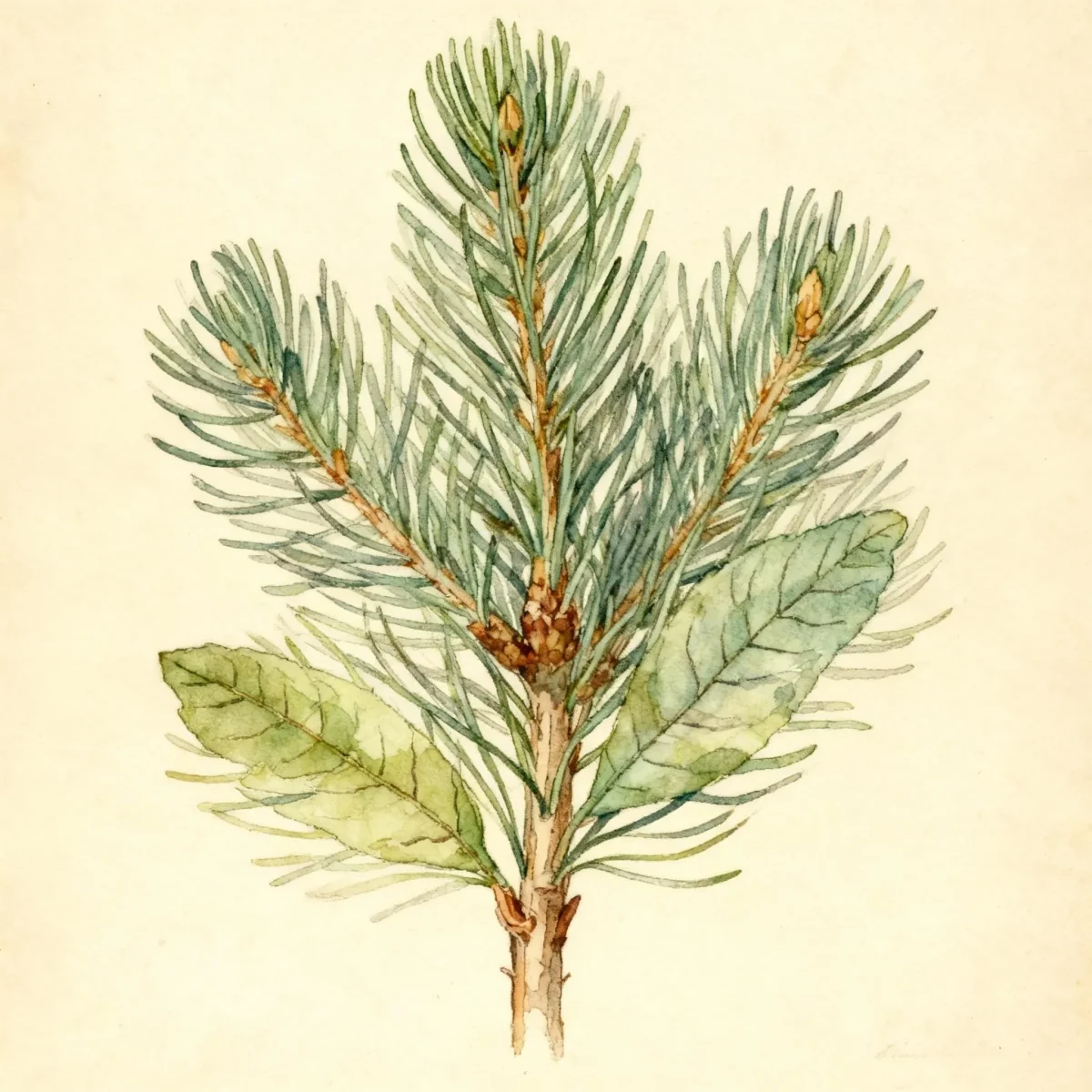
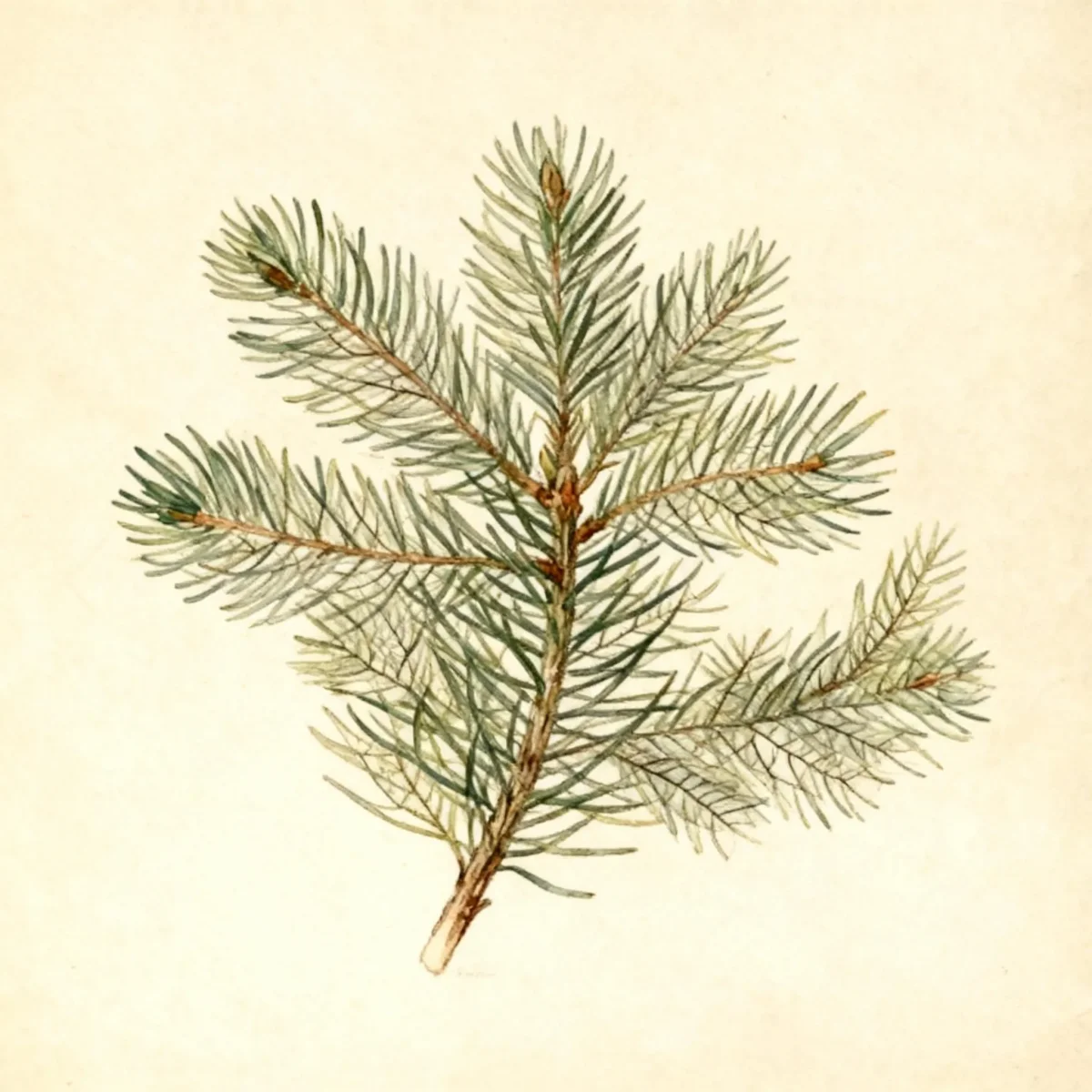
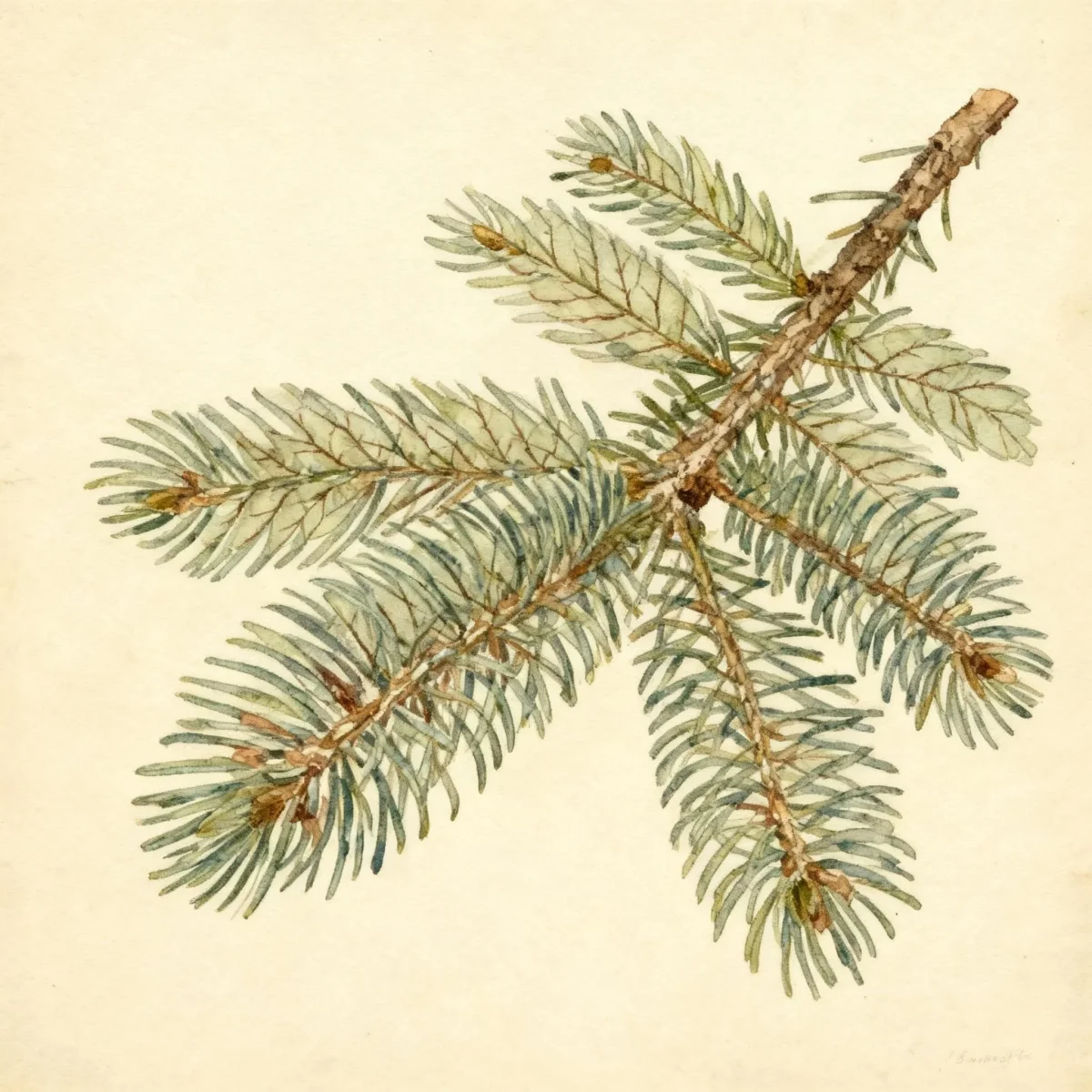
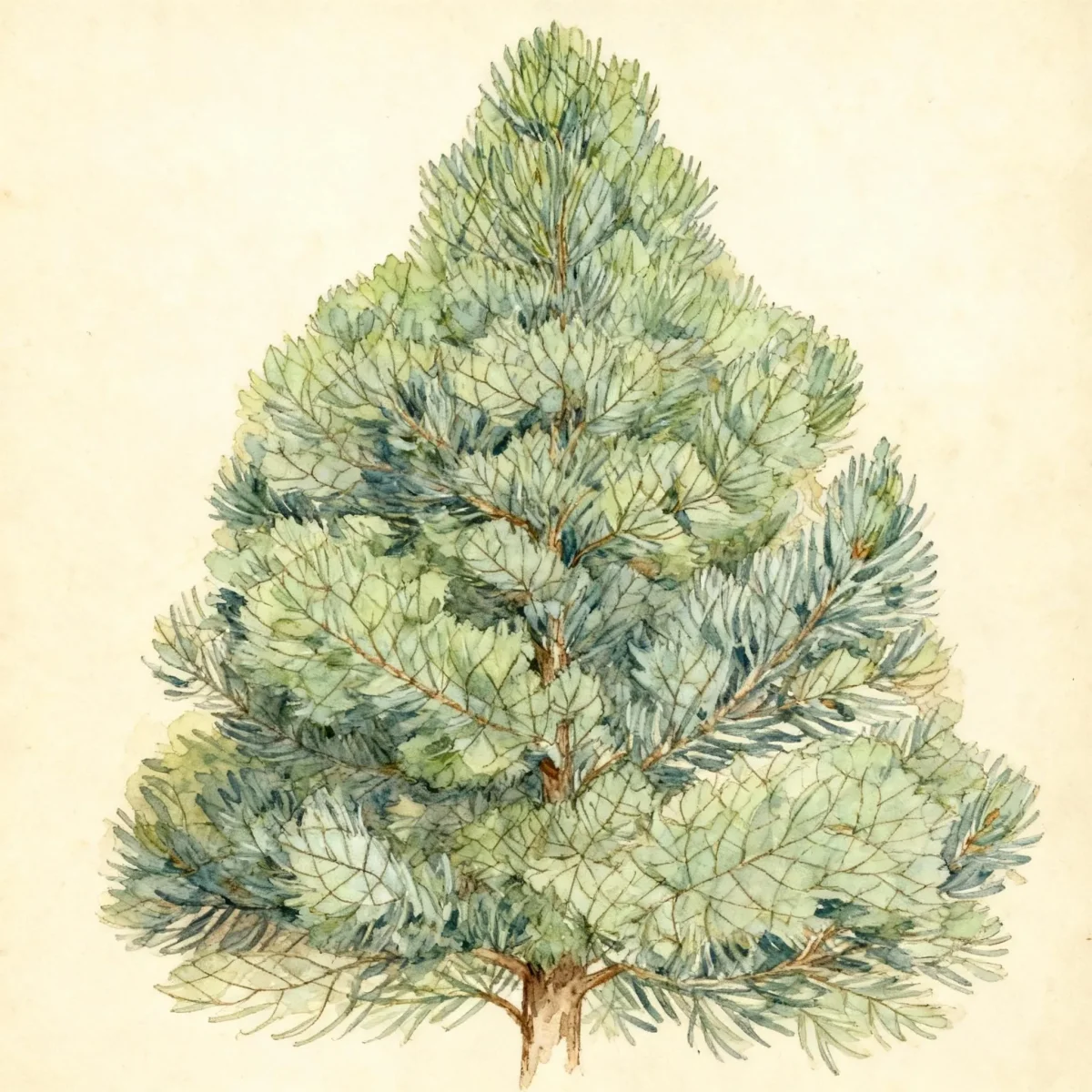
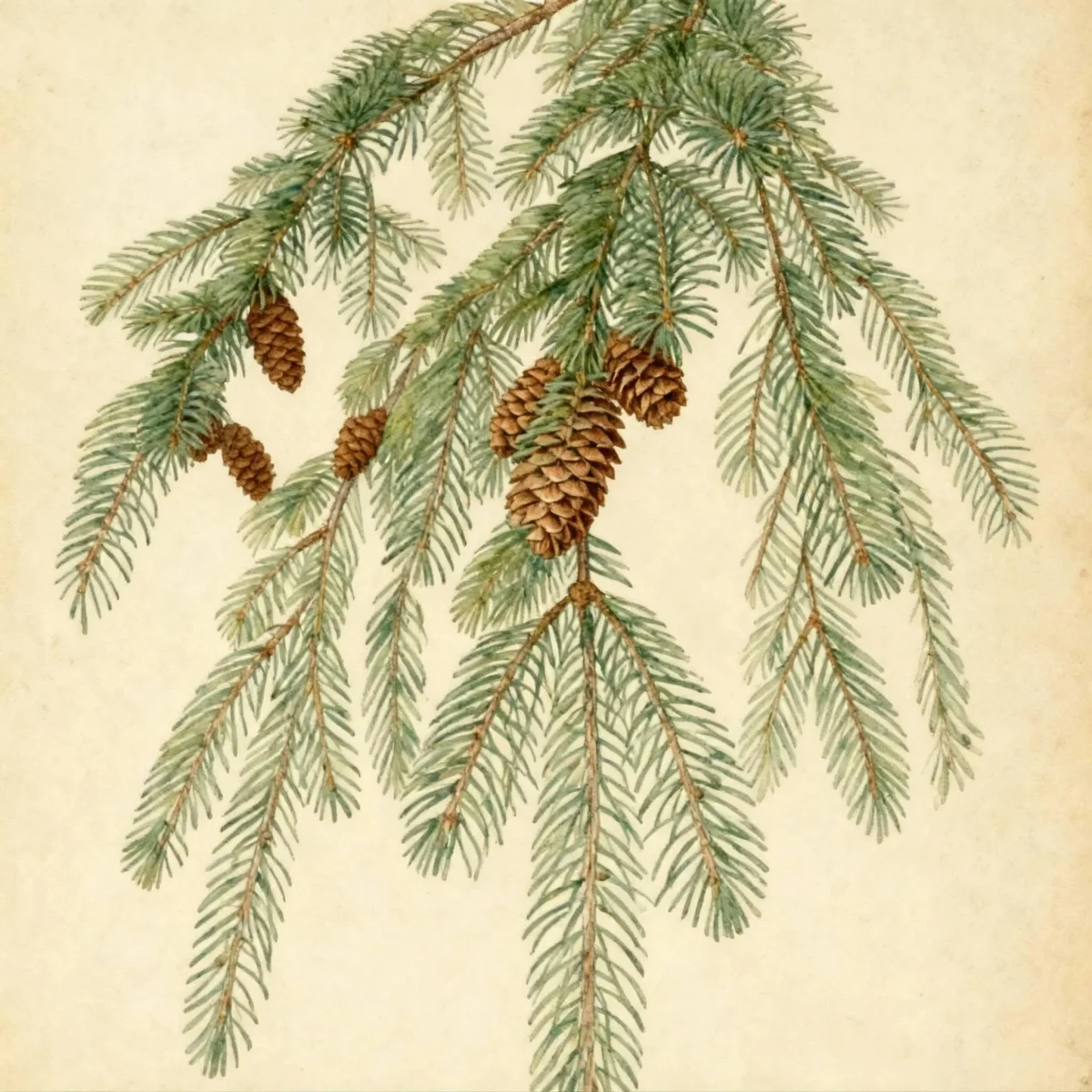
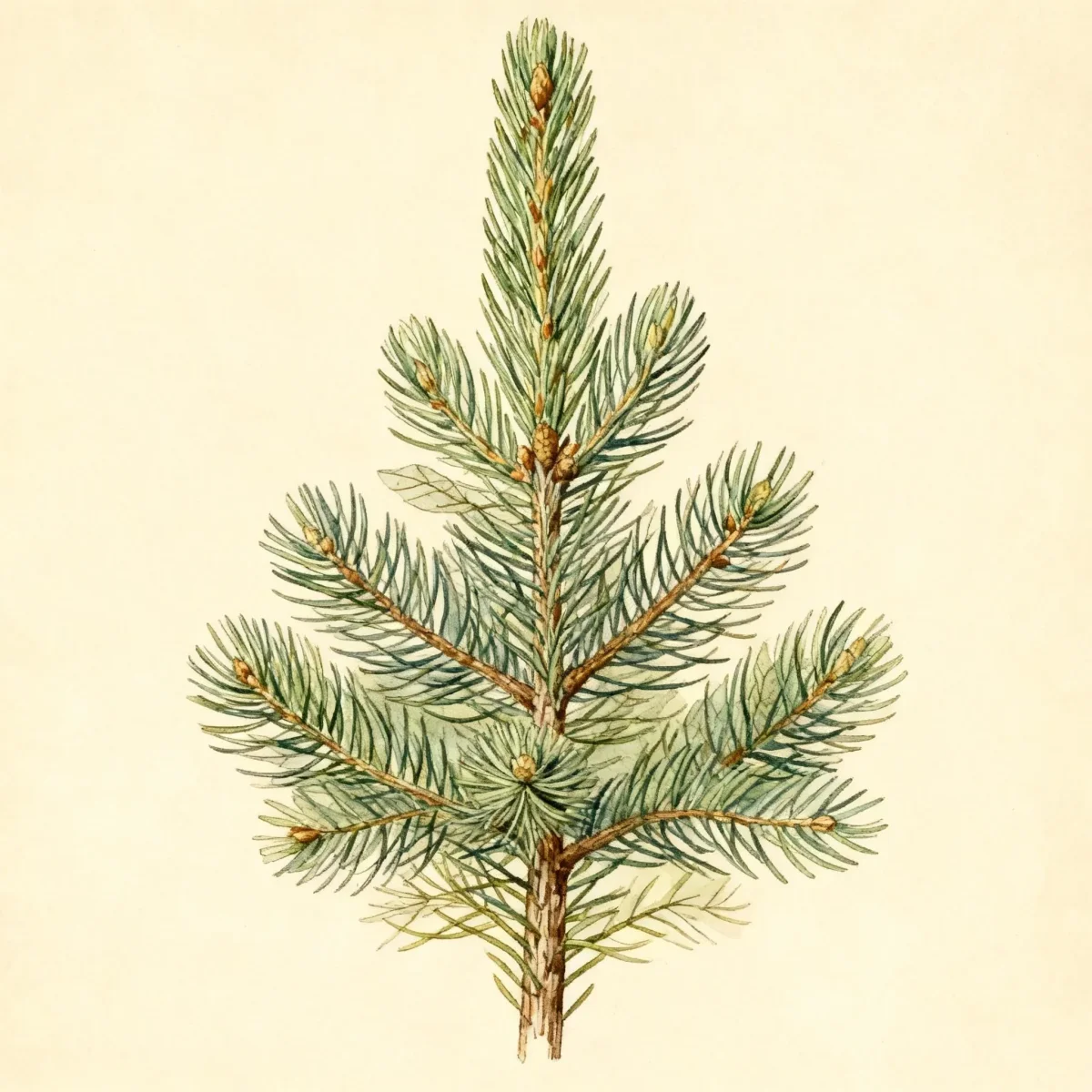
White spruce (Picea glauca 'Conica')
Picea glauca 'Conica', the dwarf White spruce, offers soft, bright green foliage perfect for foundation planting and containers. Hardy and low maintenance.

Bloom Boldly, No Matter the Season - Sweatshirt
Cozy organic cotton sweatshirt featuring our exclusive Purple Coneflower design. Perfect for gardeners who bloom year-round.
Inspired by the beautiful White spruce
Limited first batch (50) — join the waitlist for early access
Waitlist closes Feb 15, 2026.
Complete Plant Information
Field Guide Continues
Ready for care notes, companion picks, and planting tips?
The map is just the start. The full guide below covers growth habits, seasonal performance, and landscape uses.
Overview
Picea glauca ‘Conica’, often known as the conical white spruce, is a highly valued, dense, semi-dwarf evergreen appreciated for its perfectly symmetrical, cone-shaped habit. This cultivar of the White spruce stands out due to its attractive, soft, bright green foliage that retains good color throughout the winter months. It offers excellent year-round structure, making it a reliable choice for formal or restricted garden spaces where a larger spruce would overwhelm the setting.
While its parent species, the true White spruce (Picea glauca), is a large forest tree, the cultivar ‘Conica’ matures slowly over many years into a dense, manageable shrub reaching about 10 to 13 feet tall. Its refinement and compact nature lend themselves perfectly to foundation plantings, specimen accents, or even formal shaping when grown in containers. Gardeners turn to Picea glauca ‘Conica’ for its inherently neat appearance and relatively low care needs once established in suitable climates.
A key characteristic influencing where this plant thrives is its need for cooler conditions; it performs best where summers are mild and winters are decidedly cold. This hardiness, common to the White spruce lineage, ensures excellent survival in northern latitudes, though it struggles significantly in the high heat and humidity often experienced in the deep South or humid transitional zones.
Fast Facts
- Plant Family: Pinaceae
- Plant Type: Needled evergreen
- Hardiness Zones: USDA Zones 3-6
- Size at Maturity:
- Height: 10-13 ft
- Spread: 7-10 ft
- Bloom Time: Non-flowering
- Bloom Description: Non-flowering
- Sun Exposure: Full sun
- Water Needs: Medium
- Maintenance Level: Low
How to Grow
The best time to plant Picea glauca ‘Conica’ is during the cooler, moist periods of early spring or early fall, avoiding the stress of summer heat. Essential to its success is locating it in a spot that receives full sun, although it can tolerate very light shade. Ensure the chosen site has deep, moist, well-drained soil; standing water or poorly draining clay will quickly lead to root rot issues for this spruce.
Once established, the conical White spruce requires medium watering, especially during dry spells, focusing water directly at the root zone rather than wetting the dense needles. Good air circulation is critical for Picea glauca ‘Conica’ because moisture trapped within its dense foliage can encourage fungal issues. Maintenance is generally low, requiring little pruning other than selectively removing dead or damaged growth near the base.
Gardeners must be mindful of environmental limitations. This cultivar exhibits intolerance toward urban stresses like significant air pollution and salt spray, making it unsuitable for highly exposed roadside locations. Furthermore, gardeners in USDA Zone 7 and warmer, particularly those experiencing high summer heat and humidity, are advised against planting ‘Conica,’ as it will struggle to survive prolonged stressful conditions.
Landscape Uses
The highly desirable pyramidal form of Picea glauca ‘Conica’ makes it a ubiquitous and versatile landscape evergreen. It excels when used as a formal accent near entryways or positioned symmetrically beside architectural features where a clean, vertical line is needed. Due to its attractive texture and slower growth rate compared to standard evergreens, it is commonly utilized for low-maintenance foundation plantings where height management is key.
Beyond in-ground applications, the Picea glauca ‘Conica’ shines as an excellent container plant. Its dense structure readily accepts creative topiary shearing, allowing gardeners to shape it into spirals, pom-poms, or other whimsical forms, providing sophisticated, season-long interest on patios or terraces. When integrating larger specimens into the landscape, consider pairing this sturdy evergreen with deciduous shrubs that offer contrasting foliage color or texture during the summer months.
Standout Features
Noteworthy Characteristics
Picea glauca, commonly called white spruce, is an extremely hardy evergreen conifer that is native to upland areas and lake/stream margins stretching from Alaska across the boreal forest of Canada to Newfoundland, dipping south to Montana, Minnesota, Wisconsin, Michigan and New York. The cultivar ‘Conica’ is a dense, cone-shaped, semi-dwarf to dwarf shrub form with soft bright green foliage that matures over a number of years to 10-13’ tall with a slow growth rate of 2-4” per year. Needles are aromatic when crushed, and while cones are rarely produced on this specific form, its classic shape makes it a garden favorite established near Lake Laggan, Alberta, Canada, in 1904.
Tolerances
- Deer
Potential Problems
Picea glauca ‘Conica’ generally avoids major insect or disease outbreaks, contributing to its low maintenance profile for vigilant gardeners. However, it remains susceptible to several issues primarily related to moisture management and its dense structure. Watch for needle and stem rust, canker, and serious trunk or root rot if drainage is inadequate.
Common insect pests include mites, where repeated infestations can cause significant cosmetic harm to the foliage, and in some regions, the yellow-headed spruce sawfly, spruce budworm, and eastern spruce beetle can pose threats. Prevention relies heavily on cultural methods; ensuring excellent site drainage and adequate air circulation around the dense canopy is the best defense against fungal diseases and mite buildup.
Frequently Asked Questions
What hardiness zones is White spruce (Picea glauca ‘Conica’) suitable for?
This cultivar is suitable for USDA Hardiness Zones 3 through 6.
How large does White spruce (Picea glauca ‘Conica’) grow?
It typically reaches a mature height between 10 and 13 feet, with a spread ranging from 7 to 10 feet wide.
What sun exposure does Picea glauca ‘Conica’ need?
Picea glauca ‘Conica’ performs optimally in full sun conditions.
When does Picea glauca ‘Conica’ bloom?
This conifer is non-flowering, meaning it does not produce typical ornamental blossoms.
Conclusion
The Picea glauca ‘Conica’ offers structure, year-round color, and an inherently formal shape with relatively low long-term maintenance demands, making it a classic choice for northern landscapes. Ensure you provide full sun and excellent drainage to allow this beautiful White spruce cultivar to thrive in your garden. Before planting, confirm your location falls within Zones 3–6 to guarantee the best performance from your conical evergreen.
Companion Planting
Selecting companions for Picea glauca ‘Conica’ should focus on plants that share similar requirements for cool summers, moist soil, and full sun exposure. Because this dense spruce can create significant dry shade directly underneath its canopy once mature, avoid shallow-rooted plants competing for surface moisture. Instead, pair it with late-season color accents like Astilbe or Hosta varieties that appreciate similar partial shade benefits during intense summer afternoons, provided the roots receive adequate water.
Consider using lower-growing perennials or groundcovers around the base to complement the formal shape without crowding the lower branches, which are vital for air circulation. Smaller, mounding evergreens or reliable shade-tolerant deciduous shrubs that provide textural contrast, such as Japanese Maples (where climate allows) or Dwarf Hydrangeas, can soften the edges of this formal planting. Always leave adequate space around the base of the Picea glauca ‘Conica’ to prevent humidity buildup near the trunk flares.
Design Ideas for Formal and Modern Landscapes
The uniform geometry of Picea glauca ‘Conica’ makes it inherently suited for formal and modern landscape designs where precision is valued. Use them strategically as sentinels lining driveways or pathways, spaced evenly to create rhythm and formality leading toward an entrance or focal point. Their natural cone shape eliminates the need for constant shaping, but specialized training is popular.
For gardeners interested in topiary, the soft needles and manageable growth rate of the Picea glauca ‘Conica’ respond exceptionally well to shearing into stylized forms like spirals, tiered pom-poms, or abstract geometric shapes. These highly manicured specimens serve as striking focal points in minimalist garden beds, often placed in modern, square containers made of concrete or corten steel to emphasize the textural contrast.