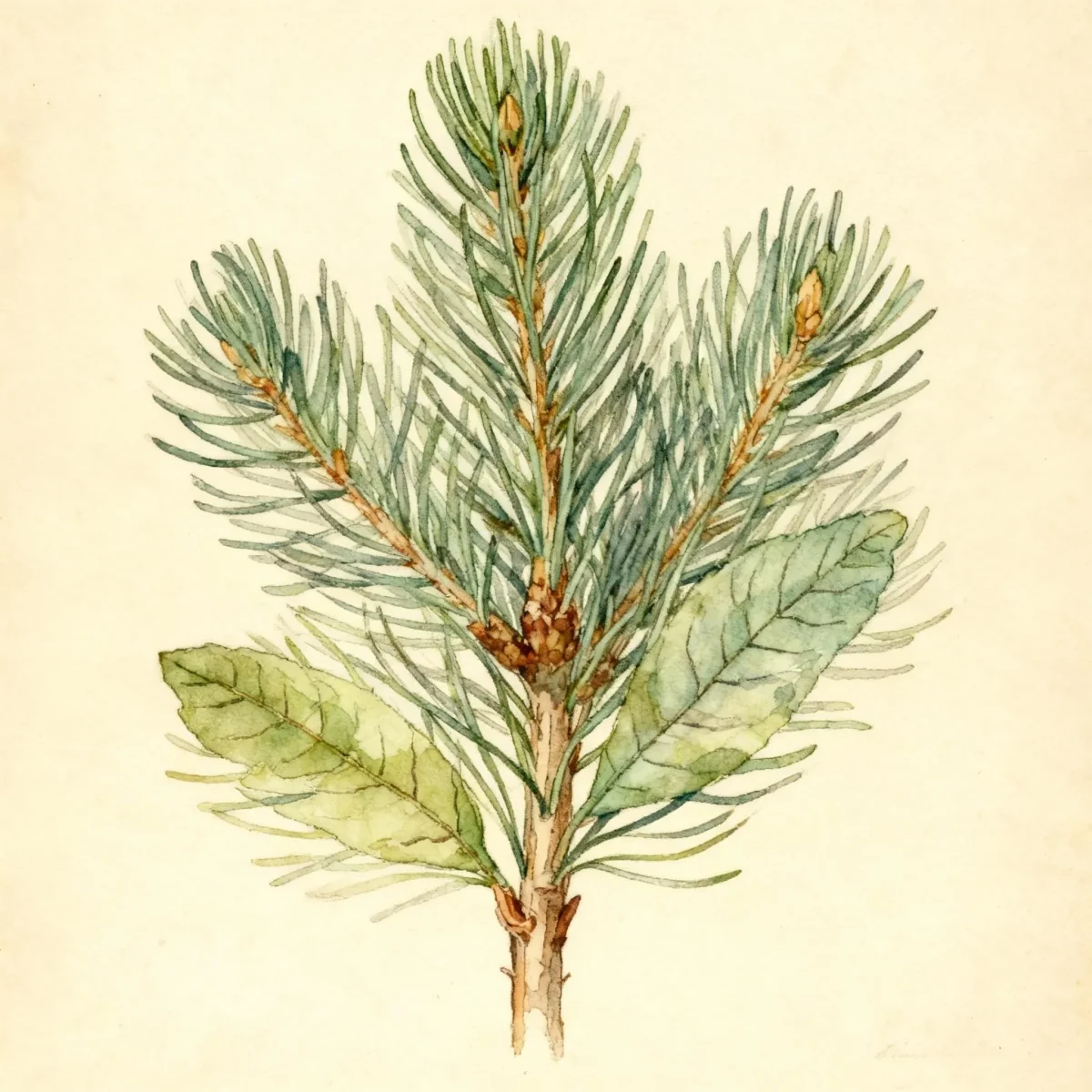
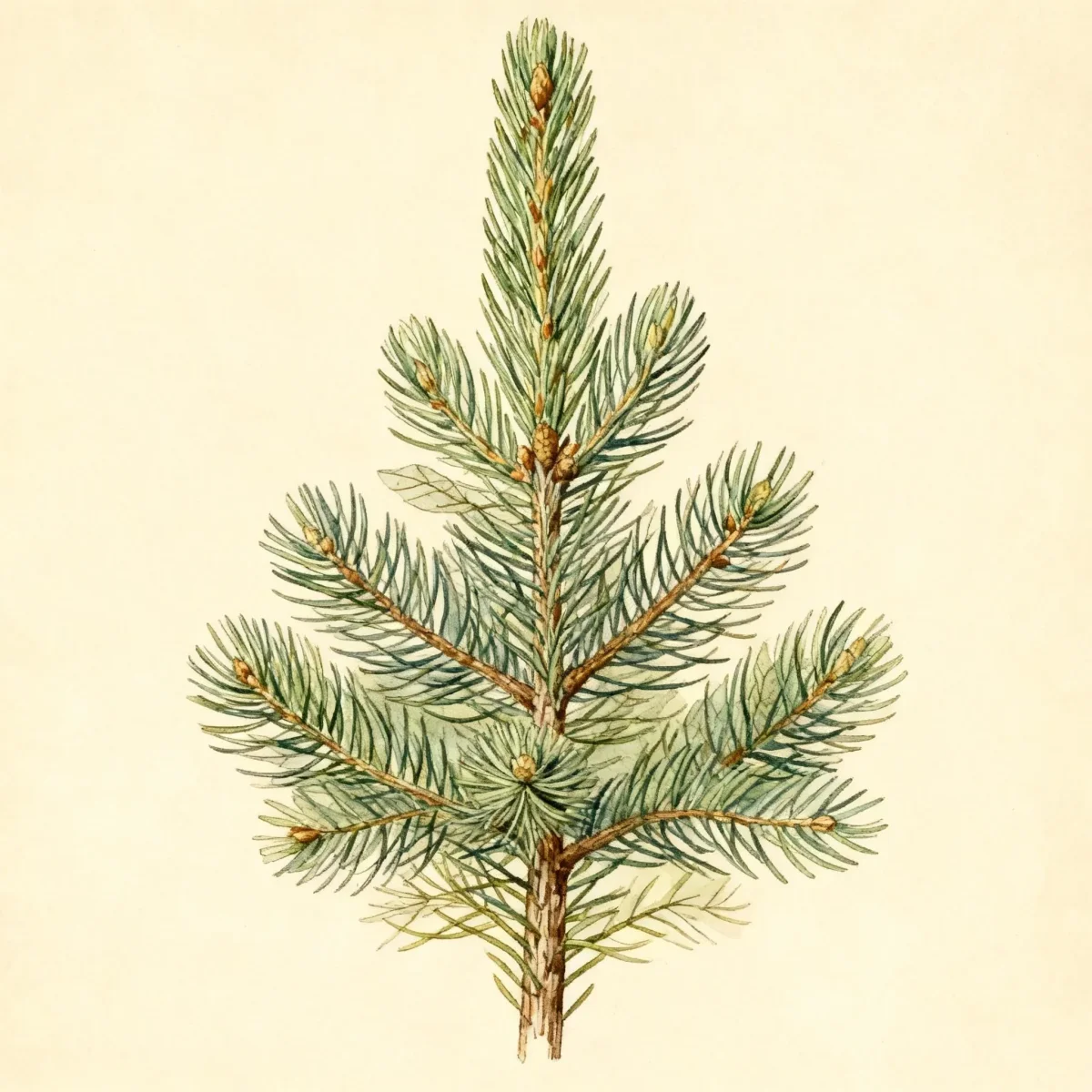
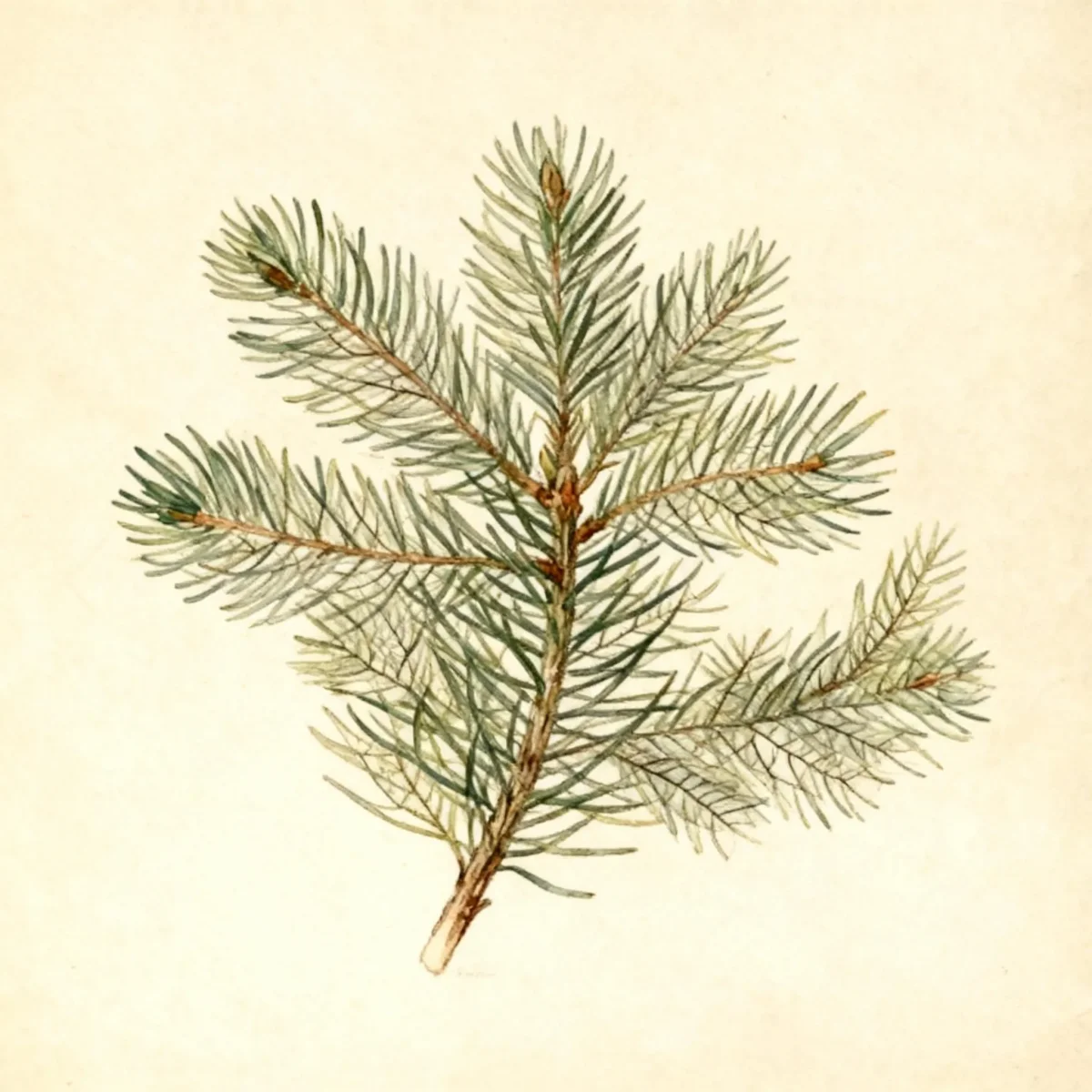
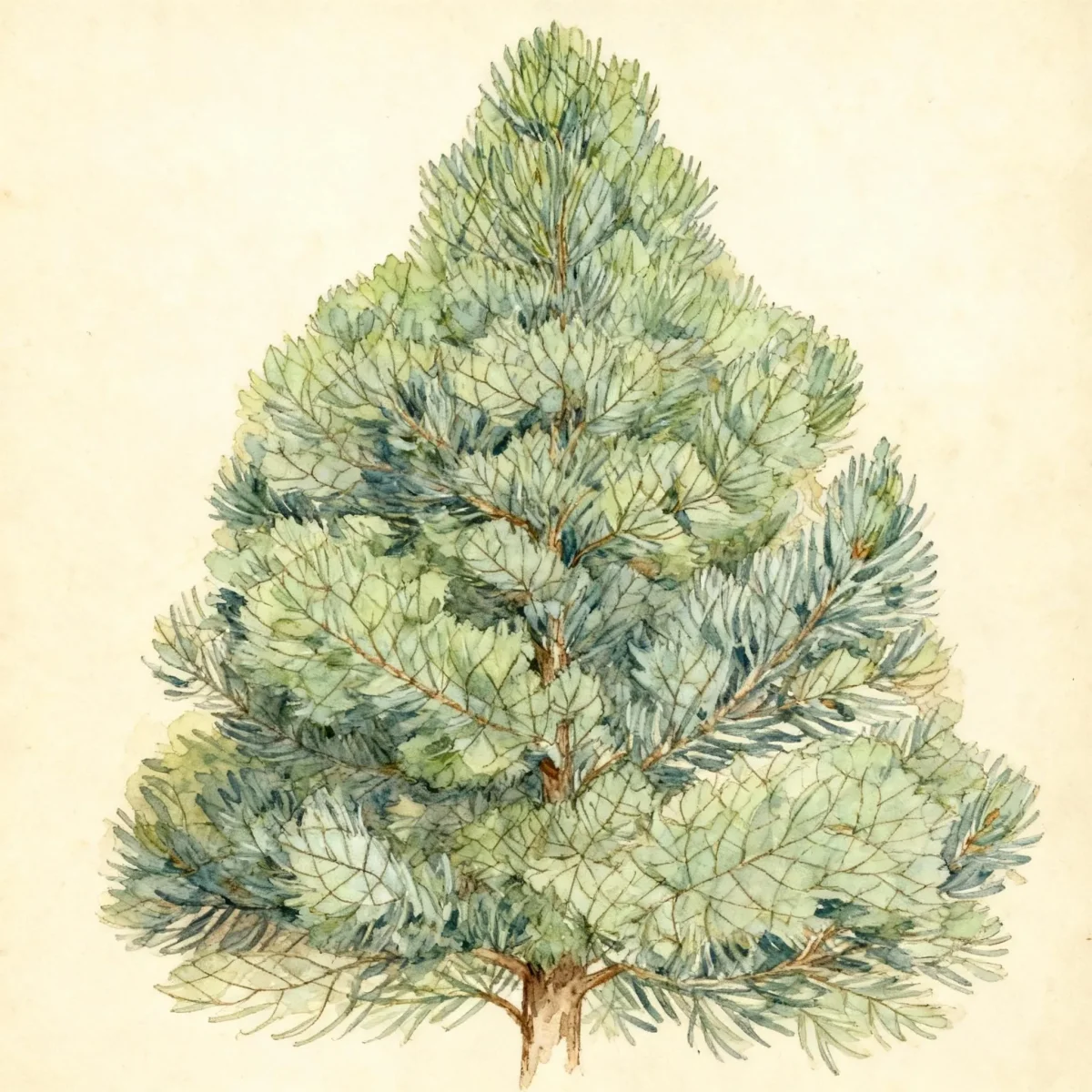
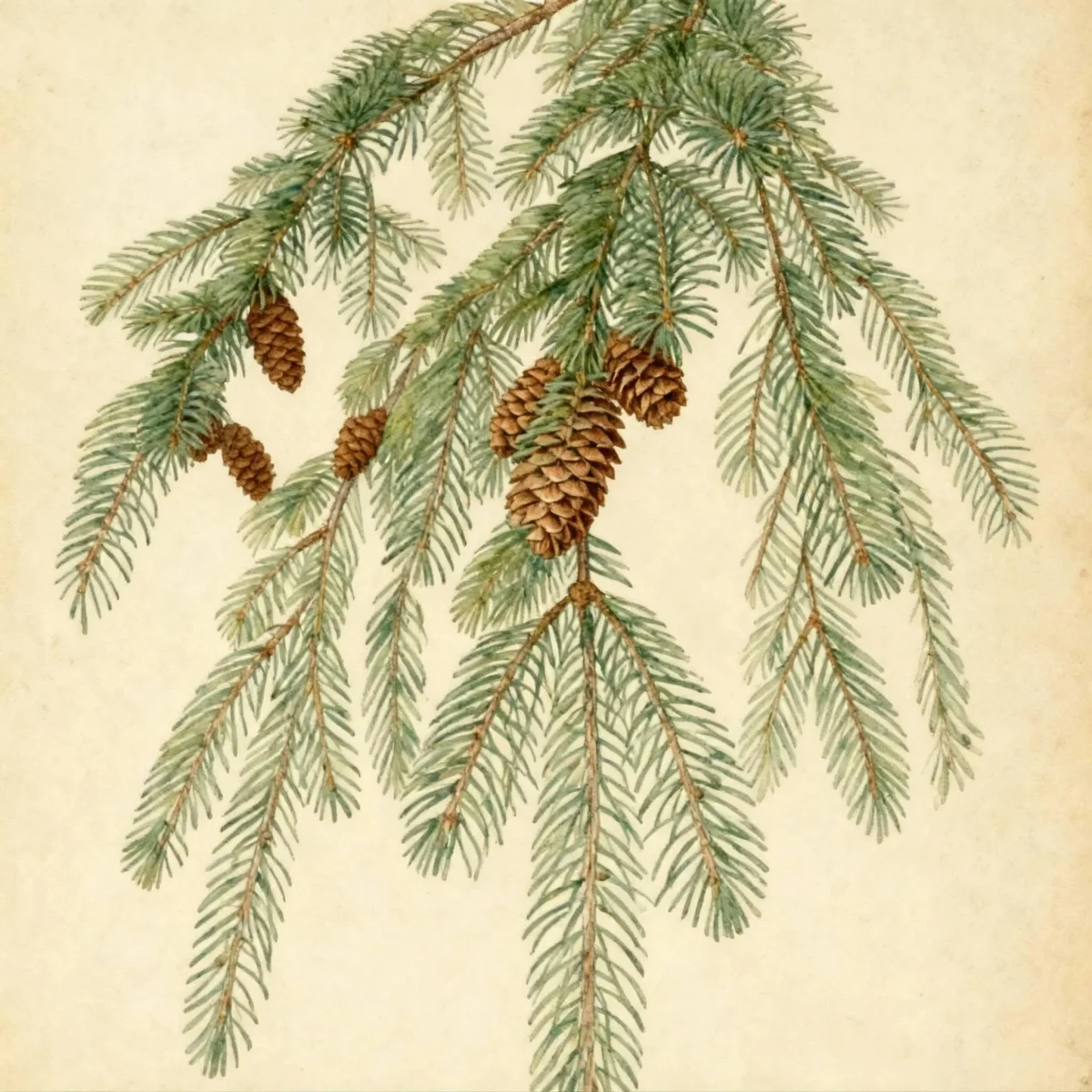
White spruce (Picea glauca 'Densata')
Picea glauca 'Densata', or Black Hills spruce, is a dense, symmetrical, low-maintenance evergreen ideal for cold climates.
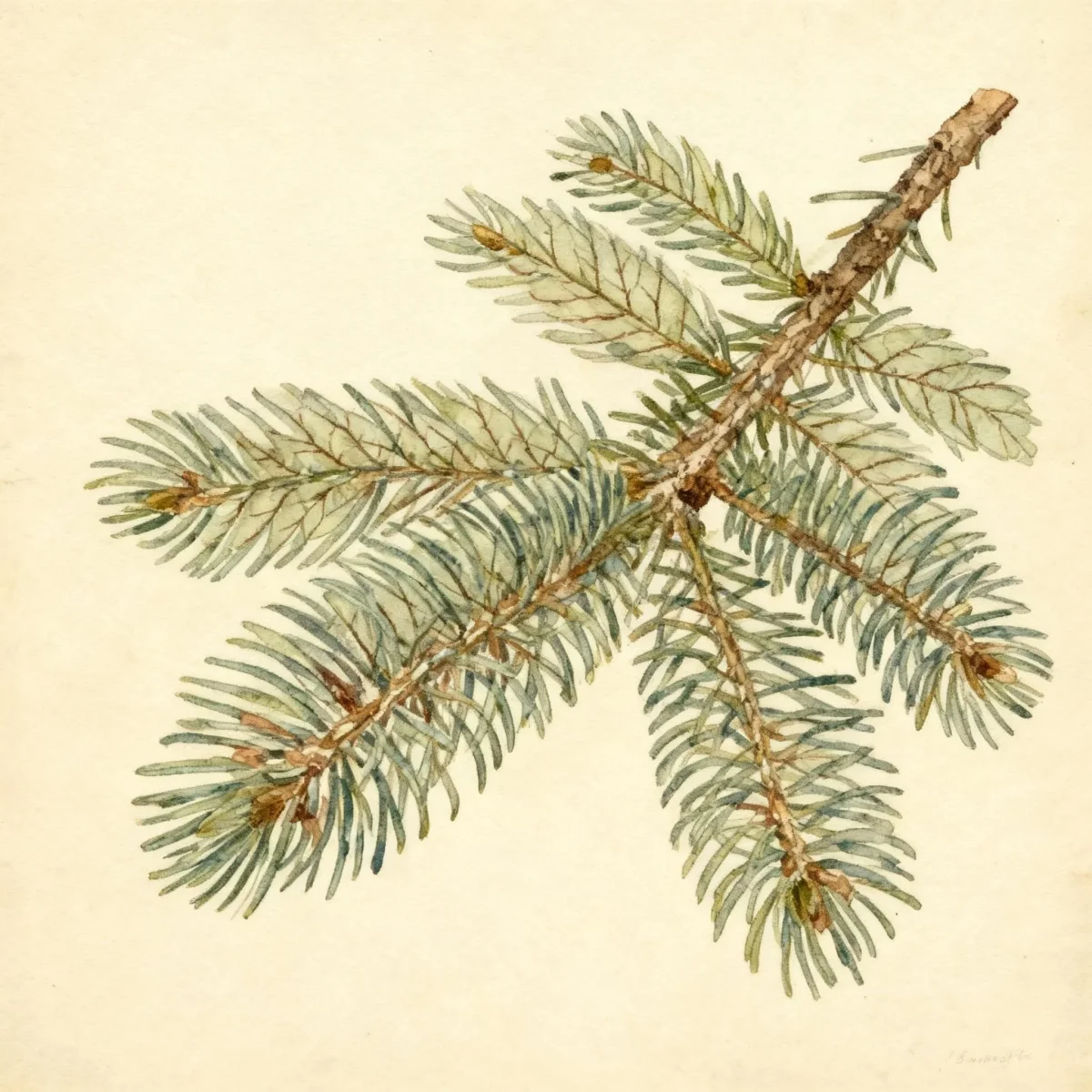

Bloom Boldly, No Matter the Season - Sweatshirt
Cozy organic cotton sweatshirt featuring our exclusive Purple Coneflower design. Perfect for gardeners who bloom year-round.
Inspired by the beautiful White spruce
Limited first batch (50) — join the waitlist for early access
Waitlist closes Feb 15, 2026.
Complete Plant Information
Field Guide Continues
Ready for care notes, companion picks, and planting tips?
The map is just the start. The full guide below covers growth habits, seasonal performance, and landscape uses.
Overview
Picea glauca ‘Densata’, commonly known as Black Hills spruce, is a favored variety of the White spruce prized for its exceptionally dense, symmetrical, and slow-growing habit. This cultivar offers excellent structure and year-round color, making it a superior ornamental specimen compared to the straight species in many landscape settings. Its resilience in colder northern regions ensures vibrant performance where other evergreens might struggle.
This dense needled evergreen thrives best in consistently cold winter climates, reflecting its native habitat in the higher elevations of the Black Hills. Gardeners value its low maintenance requirements once established, provided it receives adequate moisture and full sun exposure. The dense foliage blocks views effectively, providing superb visual screening.
The characteristic blue-green needles of the Picea glauca ‘Densata’ provide excellent texture contrast against deciduous plantings. It makes a strong vertical statement in the landscape, developing a beautiful, formal cone shape suitable for prominent placement, though it requires patience due to its moderate growth rate.
Fast Facts
- Plant Family: Pinaceae
- Plant Type: Needled evergreen
- Hardiness Zones: USDA Zones 3-6
- Size at Maturity:
- Height: 20-40 ft
- Spread: 10-15 ft
- Bloom Time: Non-flowering
- Bloom Description: Non-flowering
- Sun Exposure: Full sun
- Water Needs: Medium
- Maintenance Level: Low
How to Grow
The Picea glauca ‘Densata’ should be planted in the cooler months, typically spring or fall, to allow the root system to establish before summer heat or deep winter freezes arrive. Ensure the chosen location provides full sun exposure, as light shade is tolerated but reduces density. Success hinges on soil quality: plant in moist, well-drained soil; this conifer absolutely cannot tolerate soggy or poorly aerated conditions.
Watering should be consistent, aiming for medium moisture levels, especially during the first few growing seasons. Once established, moderate watering is usually sufficient, though irrigation may be necessary during prolonged dry spells. Avoid planting this variety in areas prone to high heat and humidity, as it performs poorly south of USDA Zone 6.
Good air circulation is crucial for the dense foliage of the White spruce. Proper spacing allows moisture to dry quickly after rain or irrigation, mitigating fungal issues like needle or stem rust. Because this conifer is somewhat intolerant of urban stresses, site it away from heavy road salt spray or high levels of air pollutants.
Landscape Uses
The dense, symmetrical form of Picea glauca ‘Densata’ makes it an exceptional specimen tree in formal or mixed evergreen plantings. Gardeners often utilize its visual bulk as an anchor point in the foundation planting or at corners of property lines where a strong, year-round silhouette is desired. Its slower growth means it remains manageable near structures longer than many faster-growing spruces.
Beyond individual display, the tight growth habit of this White spruce variety is perfect for creating effective windbreaks or privacy screens. Plant multiple specimens in a staggered row to maximize density and protection against winter winds. When used for screening, ensure appropriate spacing, generally matching the mature spread of 10 to 15 feet, to allow for full development and air flow.
Consider pairing the deep blue-green of Picea glauca ‘Densata’ with plants offering contrasting textures or colors, such as broadleaf evergreens or deciduous shrubs with bright winter berries. Because it prefers cooler conditions, pair it with other cold-hardy specimens that share similar sun and moisture requirements for cohesive garden design.
Standout Features
Noteworthy Characteristics
Picea glauca, commonly called white spruce, is an extremely hardy evergreen conifer that is native to upland areas and lake/stream margins stretching from Alaska across the boreal forest of Canada to Newfoundland, dipping south to Montana, Minnesota, Wisconsin, Michigan and New York. This tree typically grows 60-80’ tall (less frequently to 140’ tall) with a cone-shaped crown. It diminishes in size to low, shrubby forms near tree line in northern Canada. Blue-green needles (to 3/4”) on small woody pegs have sharp tips. Needles are pungently aromatic when crushed. Needles have a glaucous (white waxy coating) bloom, hence the specific epithet and common name. Branchlets do not droop. Cylindrical pale brown cones (to 2.5” long) have flexible scales.Genus name is reportedly derived from the Latin word pix meaning “pitch” in reference to the sticky resin typically found in spruce bark.Specific epithet both are in reference to the fact that mature needles of this tree become glaucous (acquire a waxy white bloom) with age.‘Densata, commonly called Black Hills spruce, is a variety of white spruce that is native to a geographically isolated area in and around the Black Hills of South Dakota. It was originally called Picea glauca var. Densata, but many experts now designate it as Picea glauca ‘Densata’ because its differences from the species are judged insufficient to justify classification as a botanical variety. In its small native habitat, it is commonly found growing at around 6000’ in elevation. It typically grows rather slowly in a dense, symmetrical cone to 20-25’ tall, but over time may rise to 40-60’ or more. It is distinguished from the species by having (1) smaller size with slower growth rate, (2) denser habit, (3) brighter green to blue-green needles and (4) slightly shorter cones. By reputation in the horticulture industry, Black Hills spruce is a superior ornamental tree to the species. Black Hills spruce is the state tree of South Dakota.
Tolerances
- Deer
Potential Problems
The Picea glauca ‘Densata’ generally exhibits low susceptibility to major widespread pests and diseases, contributing to its low maintenance profile. However, gardeners must remain vigilant for needle and stem rust, canker, and root or trunk rot, which indicate underlying moisture or drainage issues. In certain regions, common spruce pests like the yellow-headed spruce sawfly, spruce budworm, and eastern spruce beetle can cause localized damage.
Mites are a recurring concern, especially when the tree is stressed or planted in poor air circulation. Repeated mite infestations can lead to significant needle loss and decline. Management often involves ensuring the tree remains healthy, properly watered, and especially sited to maximize air movement to discourage insect outbreaks.
As noted, the species is intolerant of environmental pollutants. Urban gardeners should note its sensitivity to air pollutants, salt spray, and significant heat waves; these stresses weaken the evergreen, making it more vulnerable to secondary pest or disease issues.
Frequently Asked Questions
What hardiness zones is White spruce (Picea glauca ‘Densata’) suitable for?
Picea glauca ‘Densata’ is suitable for USDA Zones 3 through 6, performing best in the cooler end of that range.
How large does White spruce grow?
This cultivar typically reaches mature heights between 20 to 40 feet, with a spread manageable at 10 to 15 feet.
When does White spruce bloom?
As a conifer, Picea glauca ‘Densata’ is Non-flowering; it produces cones rather than recognizable flowers.
What sun exposure does White spruce need?
This conifer requires Full sun for optimal health, density, and color, though it can tolerate periods of light shade.
Conclusion
The Picea glauca ‘Densata’ offers landscape designers a robust, dense, and structurally attractive evergreen, often outperforming the standard White spruce in ornamental situations due to its compact habit. Its low maintenance and tolerance for cold make it an excellent choice for northern landscapes needing year-round screening. Before planting, confirm your location falls within USDA Zones 3-6 to ensure this beautiful Black Hills spruce thrives for decades to come.
Design Ideas
When using the Picea glauca ‘Densata’ as a primary specimen, consider its eventual dense canopy. Avoid planting it too close to walkways or walls where its mature spread might eventually cause abrasion. Its formal, symmetrical habit lends itself well to anchoring formal garden entries or flanking important architectural features, providing permanent structure even when surrounding deciduous plants are bare.
For a classic woodland or cold-climate planting scheme, pair the dark green needles of the White spruce with lighter, finer-textured conifers like golden-tipped junipers or weeping Hemlocks. This contrast in habit and color highlights the formal structure of the Picea glauca ‘Densata’. Ensure that any companion shrubs can handle the full sun exposure required by the spruce.
Companion Planting
Because Picea glauca ‘Densata’ requires sharp drainage and dislikes heat, select companions that share these demanding cultural requirements. Groundcovers like pachysandra or low-growing juniper species work well at its base, provided they receive enough sun to thrive. Avoid planting shallow-rooted, moisture-hungry perennials right at the drip line, as this can create competition that stresses the spruce, potentially inviting root rot issues.
In larger screens or windbreaks, intersperse the Picea glauca ‘Densata’ with other hardy upright evergreens like columnar junipers or tall, narrow cedars. This layering breaks up the visual monotony of a single species screen while maintaining excellent year-round coverage. For seasonal interest, incorporate early spring bulbs that bloom before the spruce needles fully emerge, disappearing before the summer heat increases the demand for water.