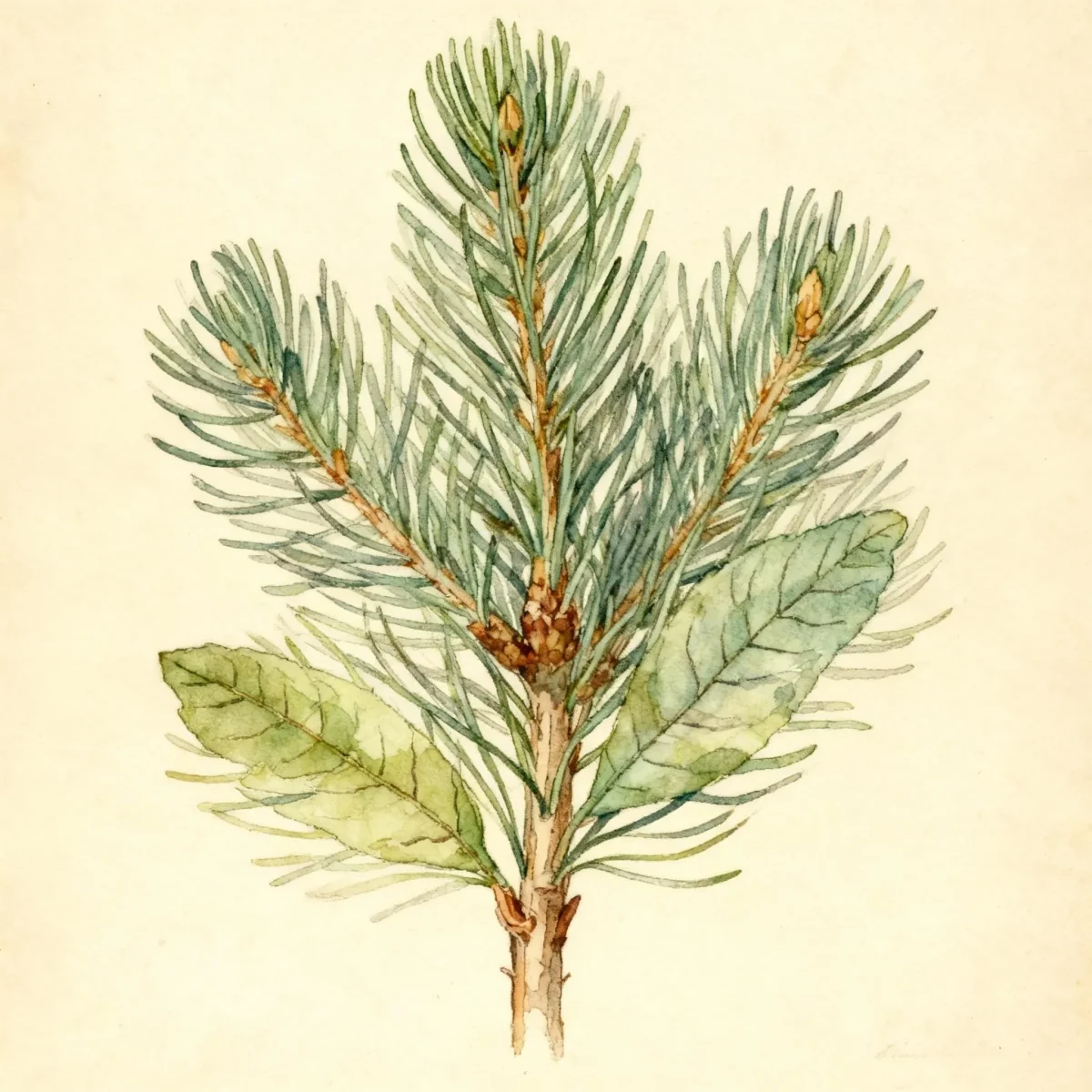
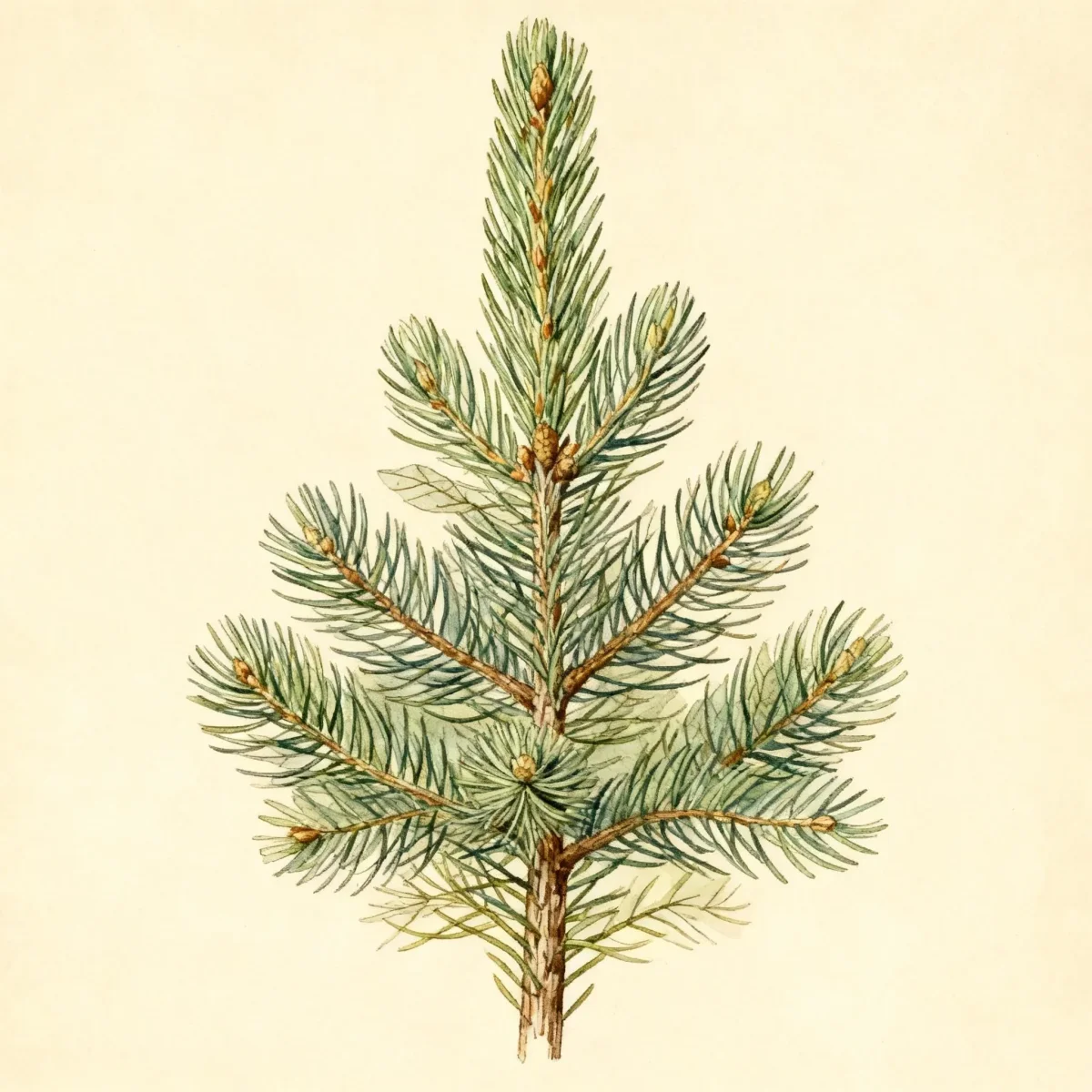
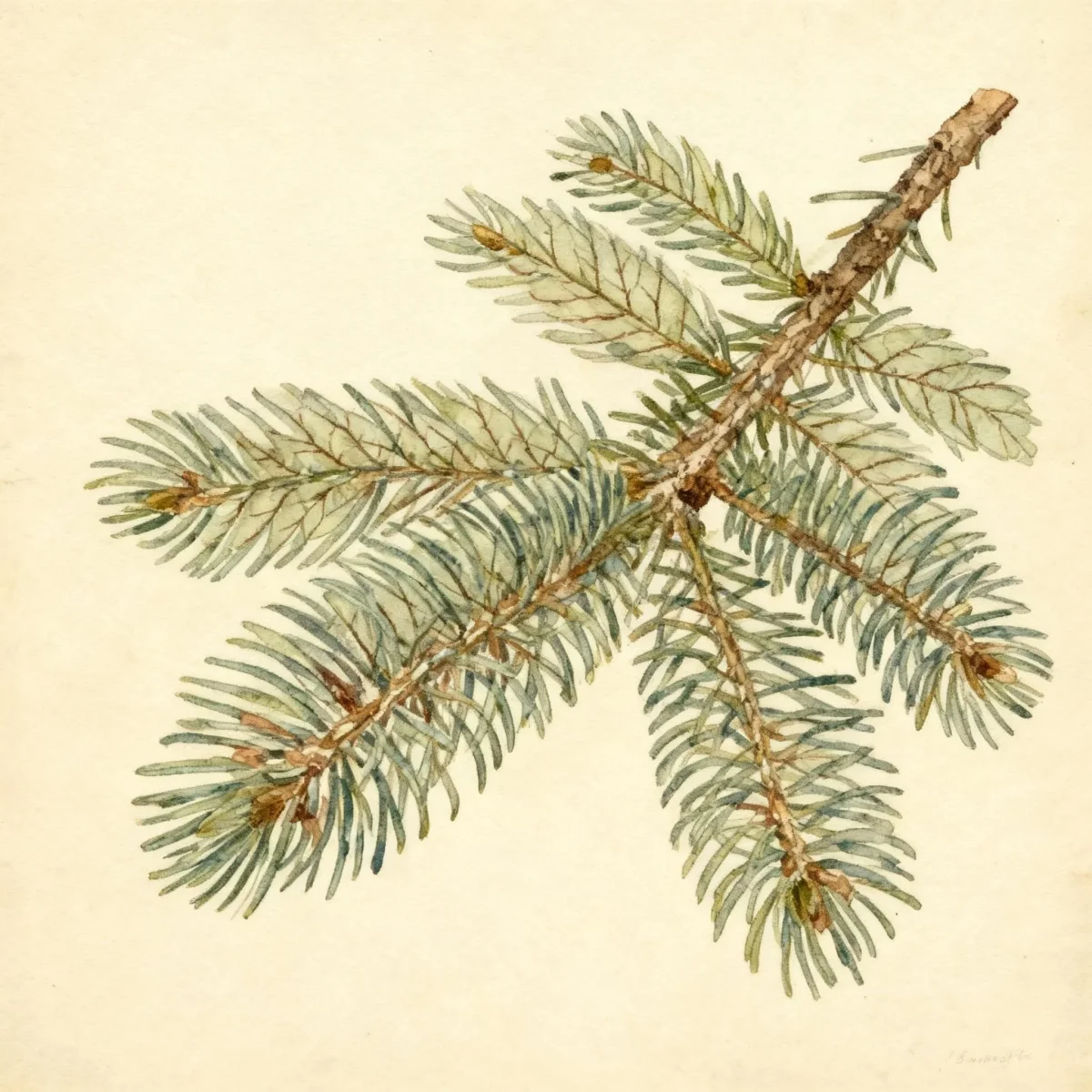
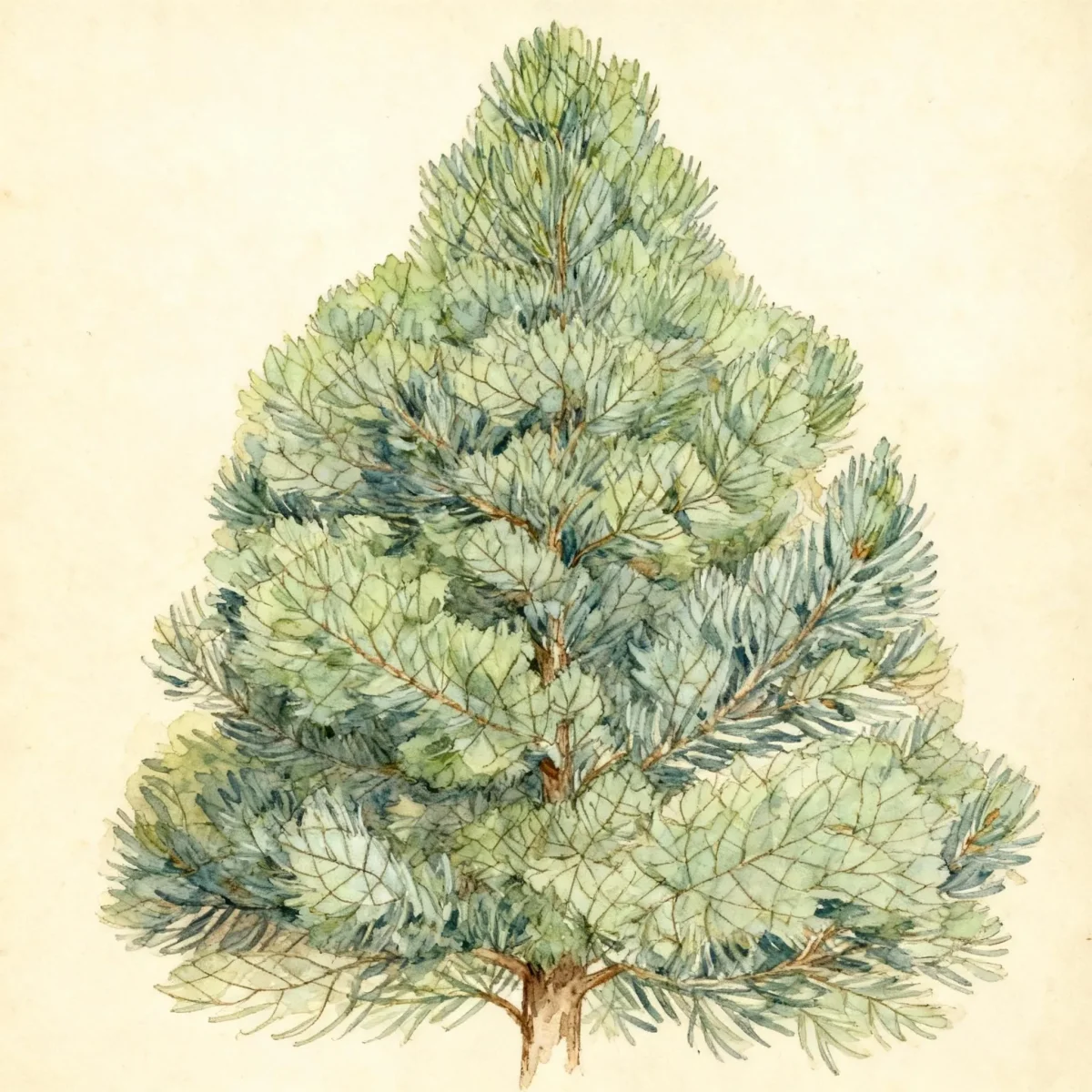
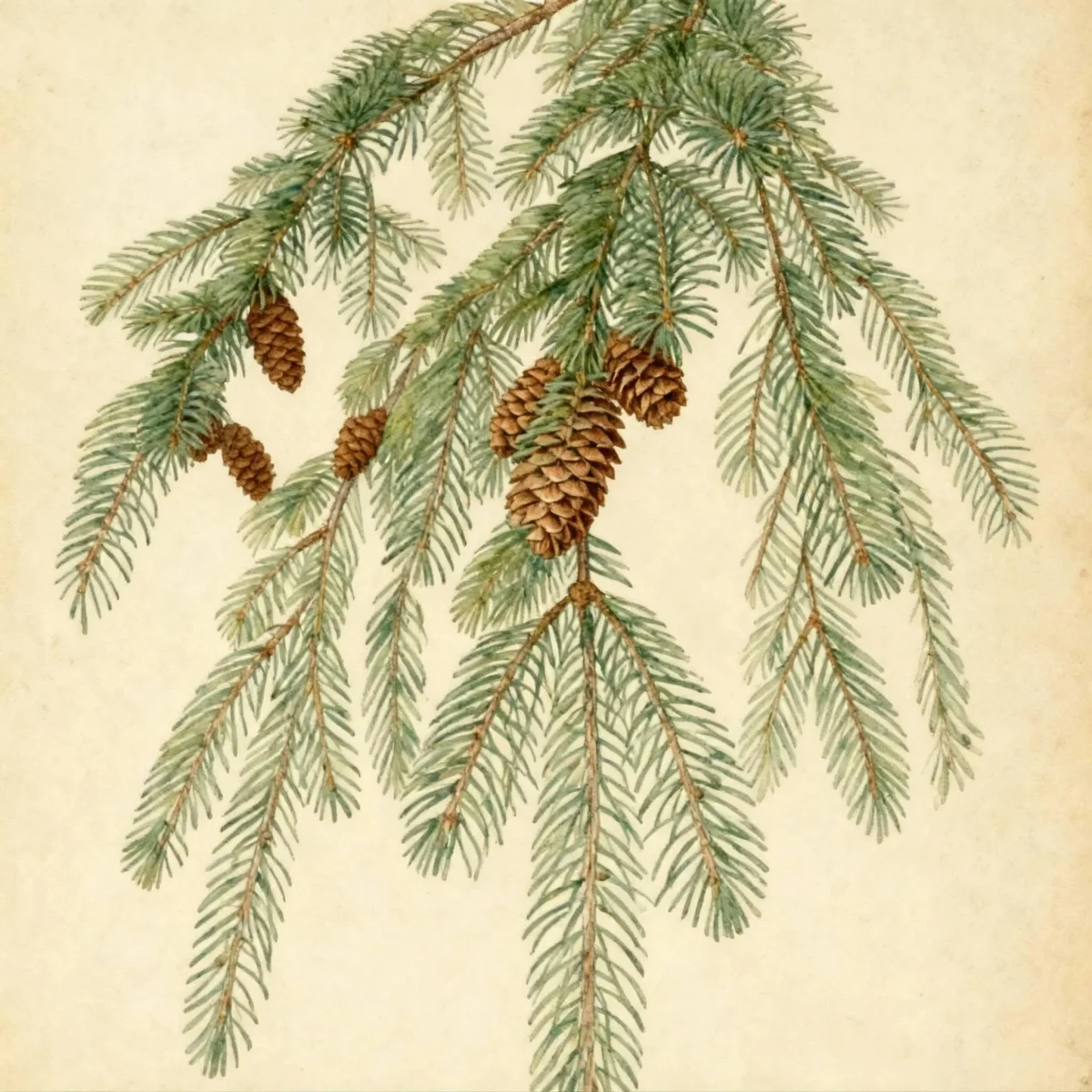
White spruce (Picea glauca 'Echiniformis')
Picea glauca 'Echiniformis' is a slow-growing dwarf White spruce, forming a dense, attractive cushion ideal for small gardens.
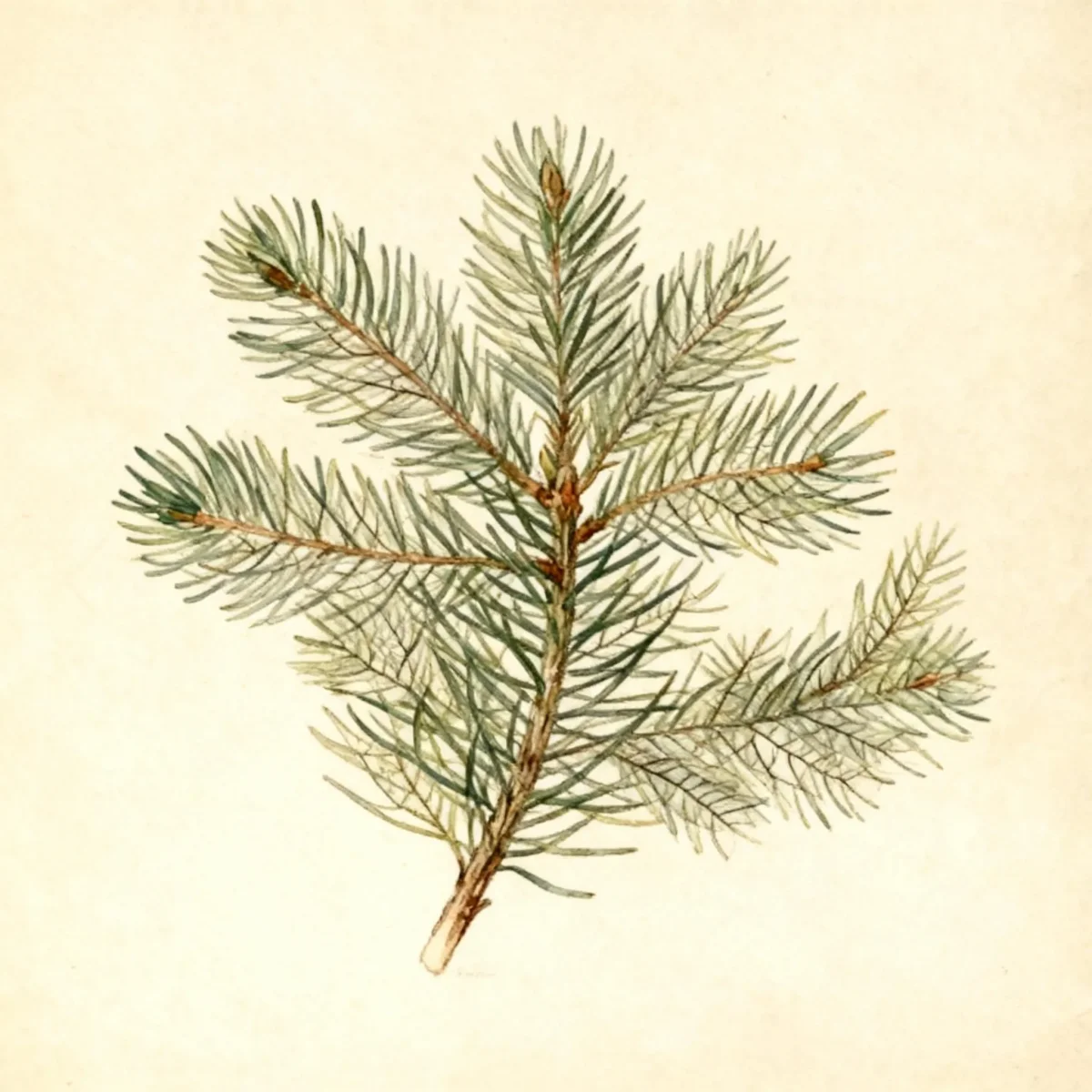

Bloom Boldly, No Matter the Season - Sweatshirt
Cozy organic cotton sweatshirt featuring our exclusive Purple Coneflower design. Perfect for gardeners who bloom year-round.
Inspired by the beautiful White spruce
Limited first batch (50) — join the waitlist for early access
Waitlist closes Feb 15, 2026.
Complete Plant Information
Field Guide Continues
Ready for care notes, companion picks, and planting tips?
The map is just the start. The full guide below covers growth habits, seasonal performance, and landscape uses.
Overview
Picea glauca ‘Echiniformis’ is a highly sought-after dwarf cultivar of the native White spruce, prized for its dense, tidy, and unique hedgehog-like shape. Unlike the towering form of the species, this cultivar remains compact, reaching only 1 to 2 feet in height and spread over time. It offers year-round structure with attractive blue-green to gray-green needles, making it an exceptional focal point in carefully curated garden spaces.
This slow-growing evergreen thrives best in climates that feature reliably cold winters and relatively cool summers. Successful cultivation of this specific White spruce cultivar hinges on providing high quality soil conditions and adequate airflow around the dense foliage. Gardeners must respect its sensitivity to intense urban environments, as it generally struggles with significant pollution or salt spray exposure common in metropolitan areas.
As a very low-maintenance entry in the conifer category, Picea glauca ‘Echiniformis’ simplifies gardening efforts once properly sited. Its compact nature allows it to bring the texture and permanence of a spruce to rock gardens, small foundation plantings, or specialized collections where larger trees are impractical.
Fast Facts
- Plant Family: Pinaceae
- Plant Type: Needled evergreen
- Hardiness Zones: USDA Zones 3-6
- Size at Maturity:
- Height: 1-2 ft
- Spread: 1-2 ft
- Bloom Time: Non-flowering
- Bloom Description: Non-flowering
- Sun Exposure: Full sun
- Water Needs: Medium
- Maintenance Level: Low
How to Grow
The best time to plant Picea glauca ‘Echiniformis’ is during the cooler seasons, fall or early spring, allowing the roots to establish before summer heat. This dwarf White spruce demands moist, well-drained soil; avoid heavy clay or perpetually soggy locations. While it prefers full sun for the densest growth, it tolerates light shade, though color may dull slightly.
Watering needs are best described as medium; establish deep watering when newly planted, shrinking back slightly once established, unless natural rainfall is scarce. Ensure good air circulation around the dense cushion form; this is crucial for drying the foliage quickly after rain or heavy dew, which minimizes fungal issues. Fertilizing is rarely required for healthy specimens, as low maintenance is a key feature.
Cultivars like Picea glauca ‘Echiniformis’ perform optimally in cold winter climates. Gardeners should know that this plant is somewhat intolerant of urban stressors, including air pollutants and road salts. If you live in areas subject to extremely high heat and humidity, particularly south of USDA Zone 6, this plant will likely struggle to thrive long-term.
Landscape Uses
Picea glauca ‘Echiniformis’ shines as a specimen plant, offering unique texture right where you want the eye to focus. Its diminutive size makes it perfect for rock gardens, alpine displays, or as a slow-growing accent in small foundation plantings near entryways. Because it is a sturdy evergreen, it imparts structure to winter landscapes.
While not a traditional choice for large screens, its dense habit allows smaller masses to act as low borders or edging in formal garden rooms. When pairing this White spruce with other plants, select companions that share similar sun and drainage preferences, such as low-growing spreading junipers or hardy, small flowering perennials that don’t overwhelm its diminutive stature.
Standout Features
Noteworthy Characteristics
Picea glauca ‘Echiniformis’ is a slow-growing dwarf variant that matures into a dense cushion rarely exceeding two feet tall and wide. Its needles are shorter than those of the species, displaying an attractive blue-green to gray-green hue that persists year-round. The cultivar name references the Greek word for hedgehog, describing its somewhat bristly and compact form, which provides excellent textural contrast in the landscape.
Tolerances
This section is intentionally omitted as no data was provided in the specific array.
Potential Problems
Picea glauca ‘Echiniformis’ generally exhibits strong pest and disease resistance, though no plant is entirely immune. Key concerns involve fungal issues such as needle and stem rust, cankers, and root or trunk rot, often exacerbated by poor air circulation or overly wet soils. Watch for mites, as repeated infestations can seriously damage the fine needles of this White spruce cultivar.
In areas where the larger Picea glauca species is troubled, pests like the yellow-headed spruce sawfly or spruce budworm may occasionally appear. Management focuses primarily on site selection; avoiding high-stress urban environments shields the plant from pollution and salt damage, thereby increasing its overall vigor and resilience against secondary infestations.
Frequently Asked Questions
What hardiness zones is Picea glauca ‘Echiniformis’ suitable for?
This compact White spruce is hardy across USDA Zones 3 through 6, requiring reliably cold winters for best performance.
How large does the White spruce dwarf form grow?
Picea glauca ‘Echiniformis’ is a slow grower, generally maturing to a compact height and spread between 1 and 2 feet.
What sun exposure does Picea glauca ‘Echiniformis’ need?
For the tightest, best-colored growth, Picea glauca ‘Echiniformis’ requires full sun exposure, although it tolerates some light afternoon shade.
When does Picea glauca ‘Echiniformis’ bloom?
As a conifer, this plant is non-flowering; it produces cones instead of flowers and therefore has no traditional bloom time.
Conclusion
The Picea glauca ‘Echiniformis’ dwarf cone offers unparalleled architectural texture in a manageable size, making it an indispensable choice for rockeries or small accent plantings. Successfully growing this White spruce cultivar relies on ensuring excellent drainage and cool summer conditions suitable for its native range. Always verify that your growing zone falls within USDA 3-6 before incorporating this handsome plant into your permanent landscape design.
Companion Planting
Selecting appropriate companions is key for ensuring the long-term health and visual appeal of Picea glauca ‘Echiniformis’. Because this dwarf spruce prefers consistently moist but well-drained soil and full sun, pair it with other low-growing alpines or hardy dwarf conifers that share these exacting requirements. Think about contrasting textures; utilize plants with fine, grassy foliage or broad-leaved, low-growing groundcovers that won’t crowd the dense base of the spruce.
Avoid planting near species that demand rich, perpetually damp soil or those that spread aggressively, as the slow-growing Picea glauca ‘Echiniformis’ can easily be smothered. Good companions often include dwarf Sedums, low-mounding Heuchera varieties, or small, slow-growing companion junipers that offer varying shades of blue or gold to highlight the spruce’s gray-green needles.
Design Ideas for Dwarf Conifers
The compact nature of Picea glauca ‘Echiniformis’ lends itself perfectly to modern, minimalist designs where clean lines and permanent structure are prioritized. Utilize it as the anchor point in a small mixed container garden featuring seasonal annuals for temporary color pop, ensuring the container itself provides the necessary drainage. Its dense, mounded shape also works beautifully when placed near the edge of a pathway or steps to provide subtle, permanent guarding without obstructing views.
In traditional settings, these dwarf White spruce selections can provide year-round contrast against deciduous shrubs or broadleaf evergreens. Position it where its unique texture is visible during winter months, such as near a window or an outdoor seating area. Because it is so slow to mature into its final shape, grouping three in an asymmetrical cluster can create an immediate visual impact that develops harmoniously over decades.