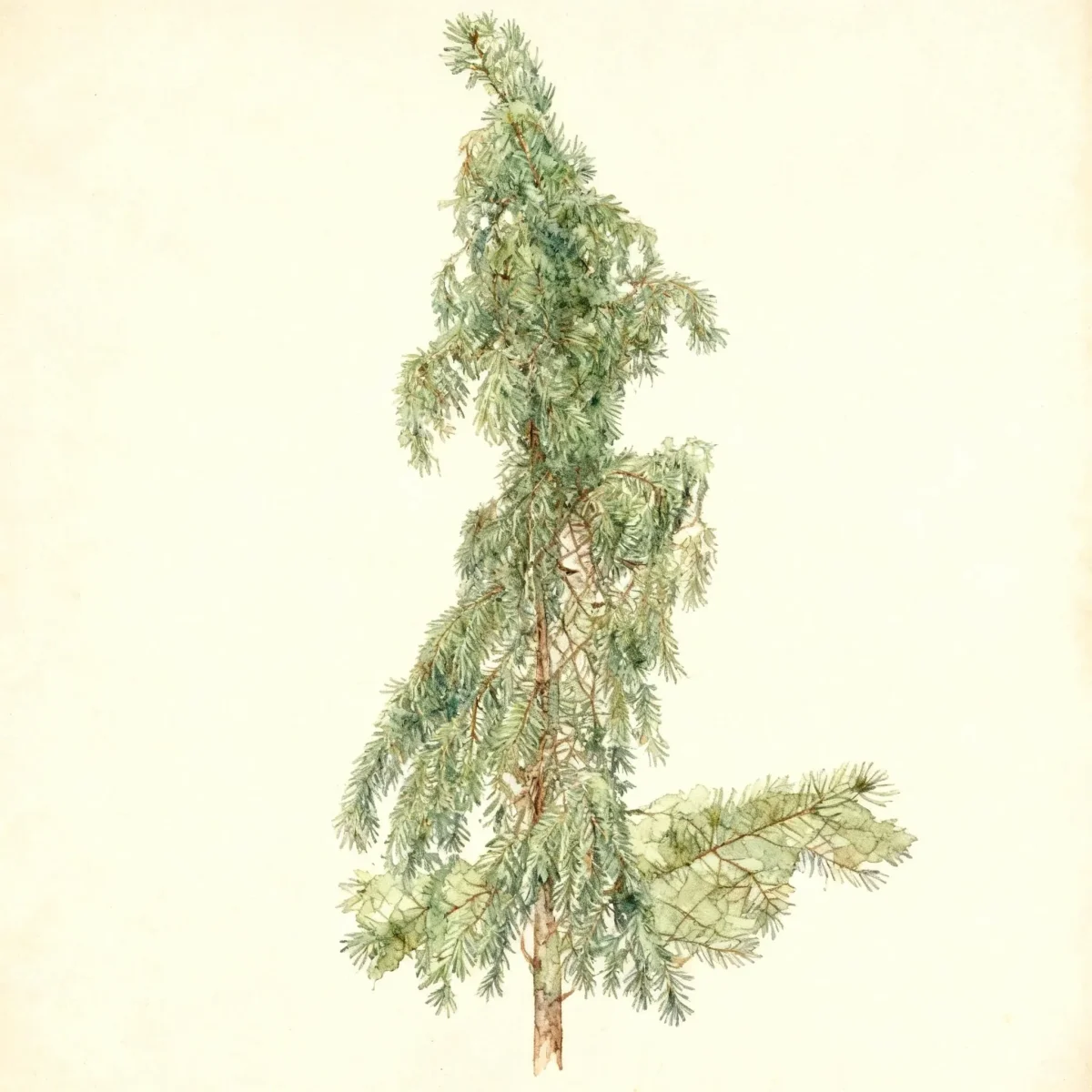
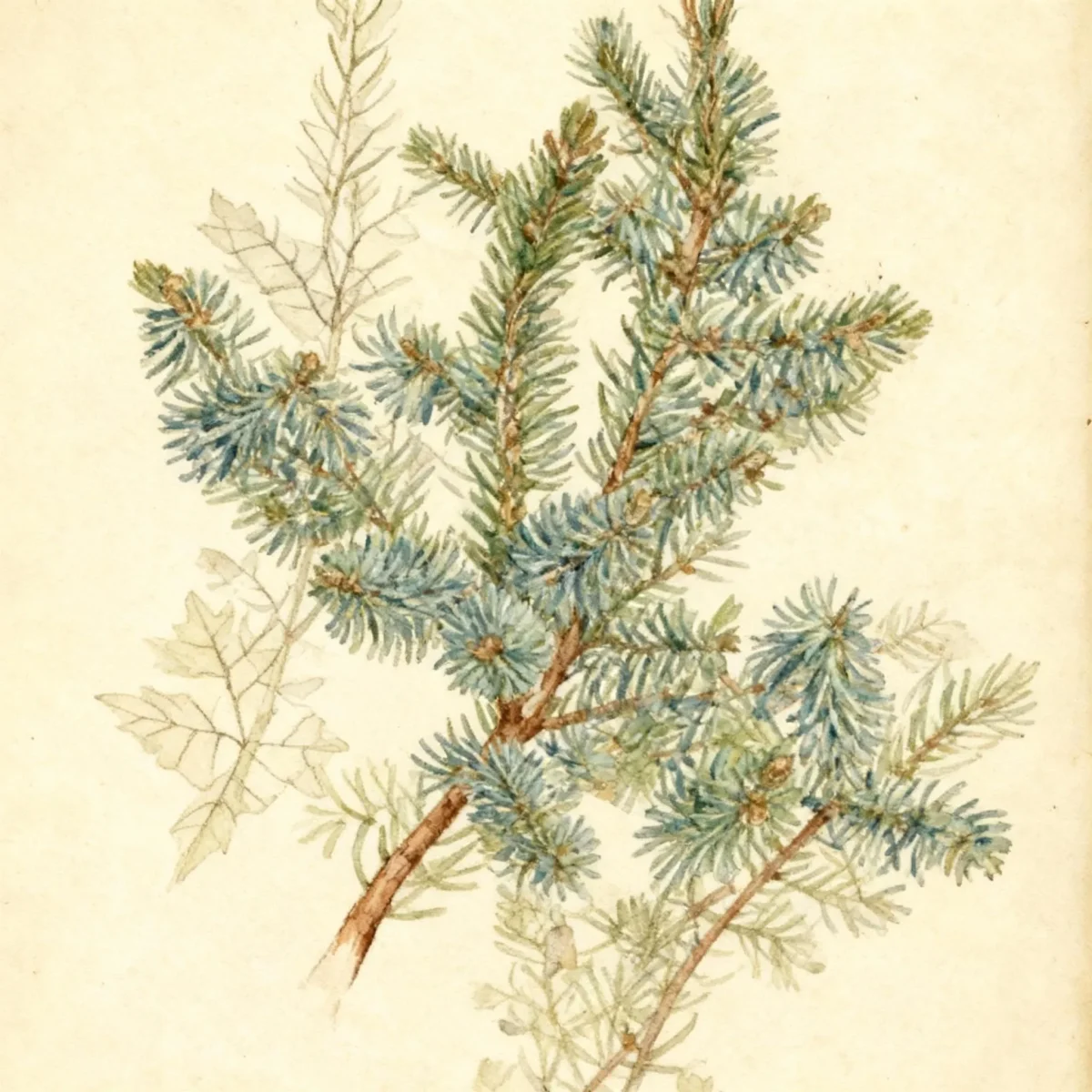
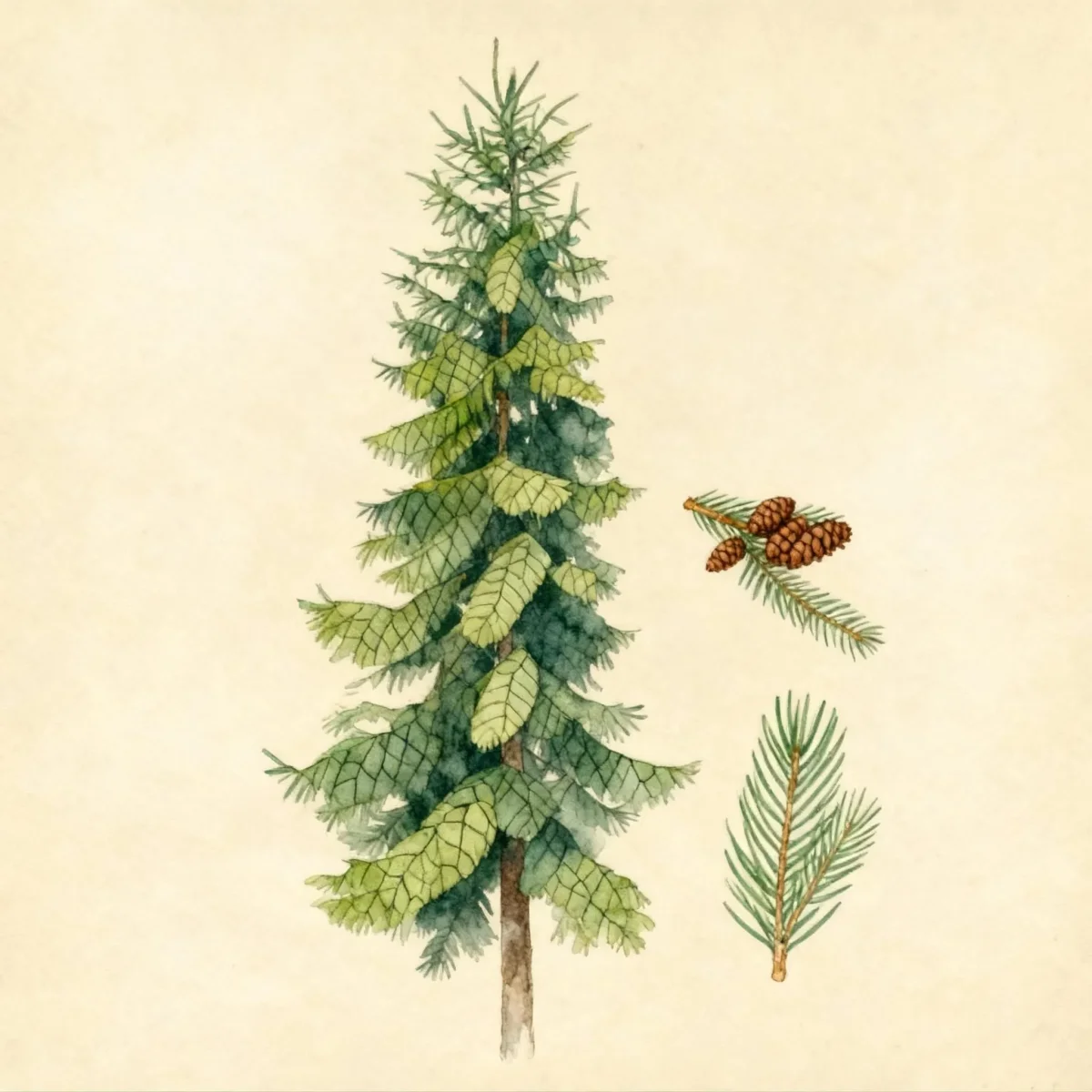
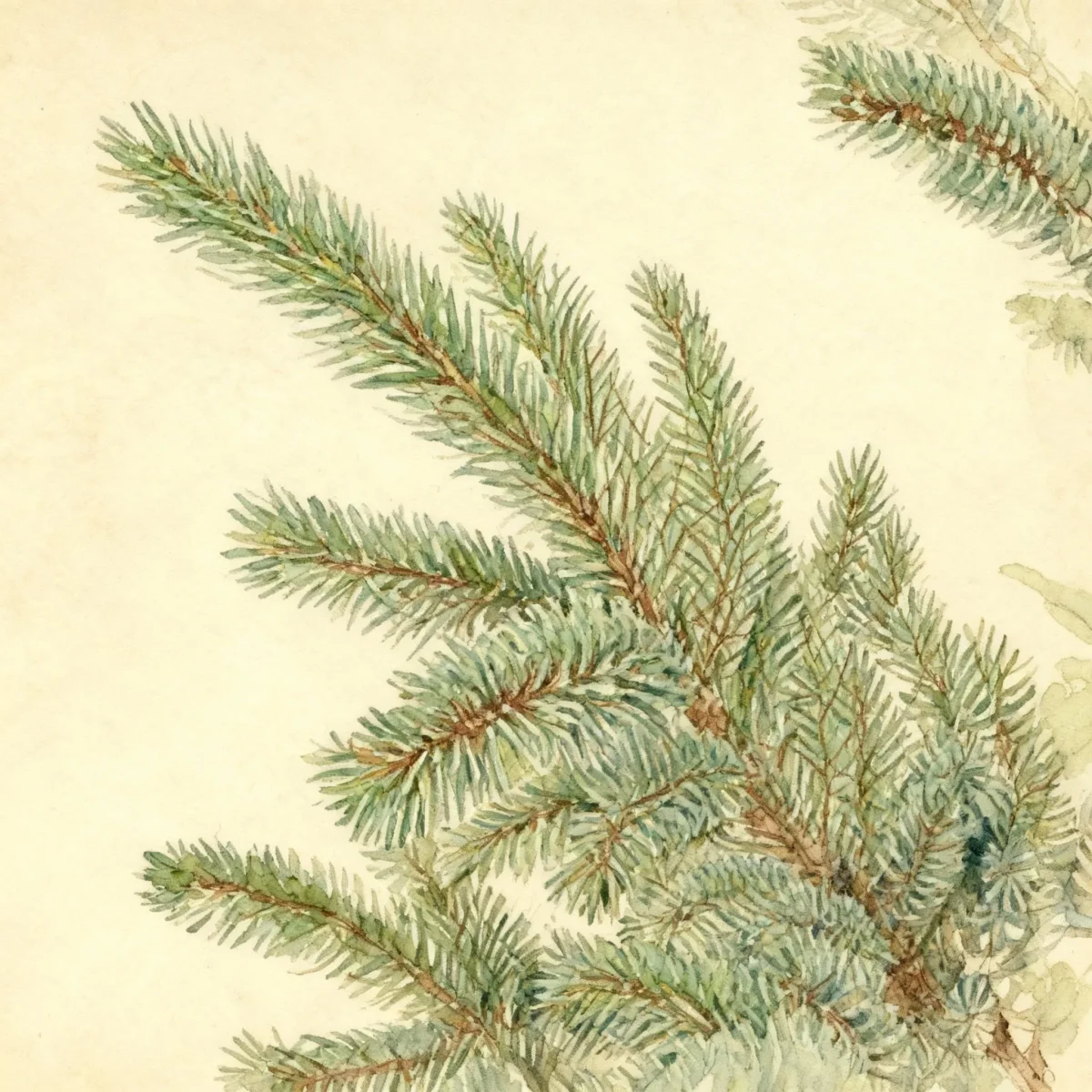
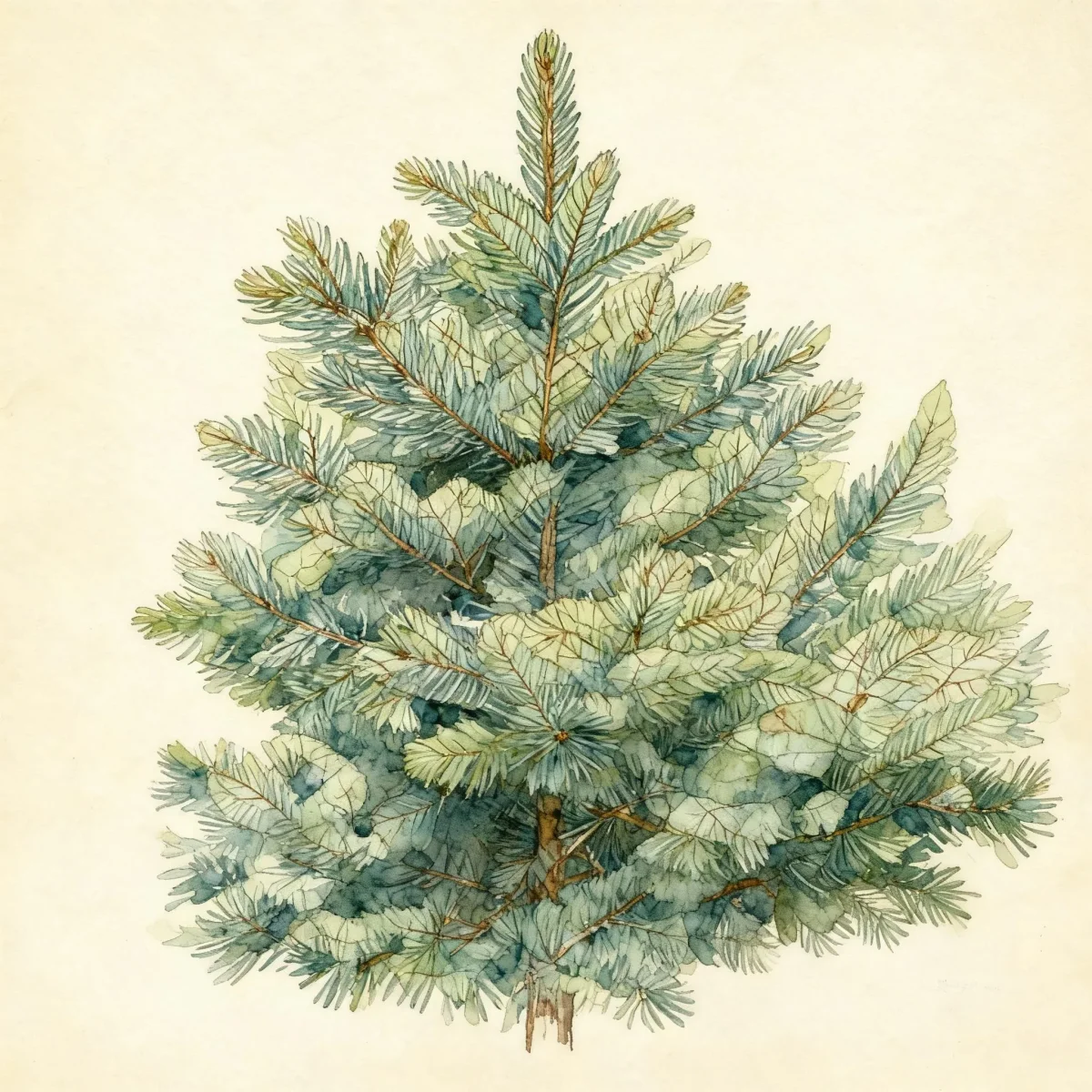
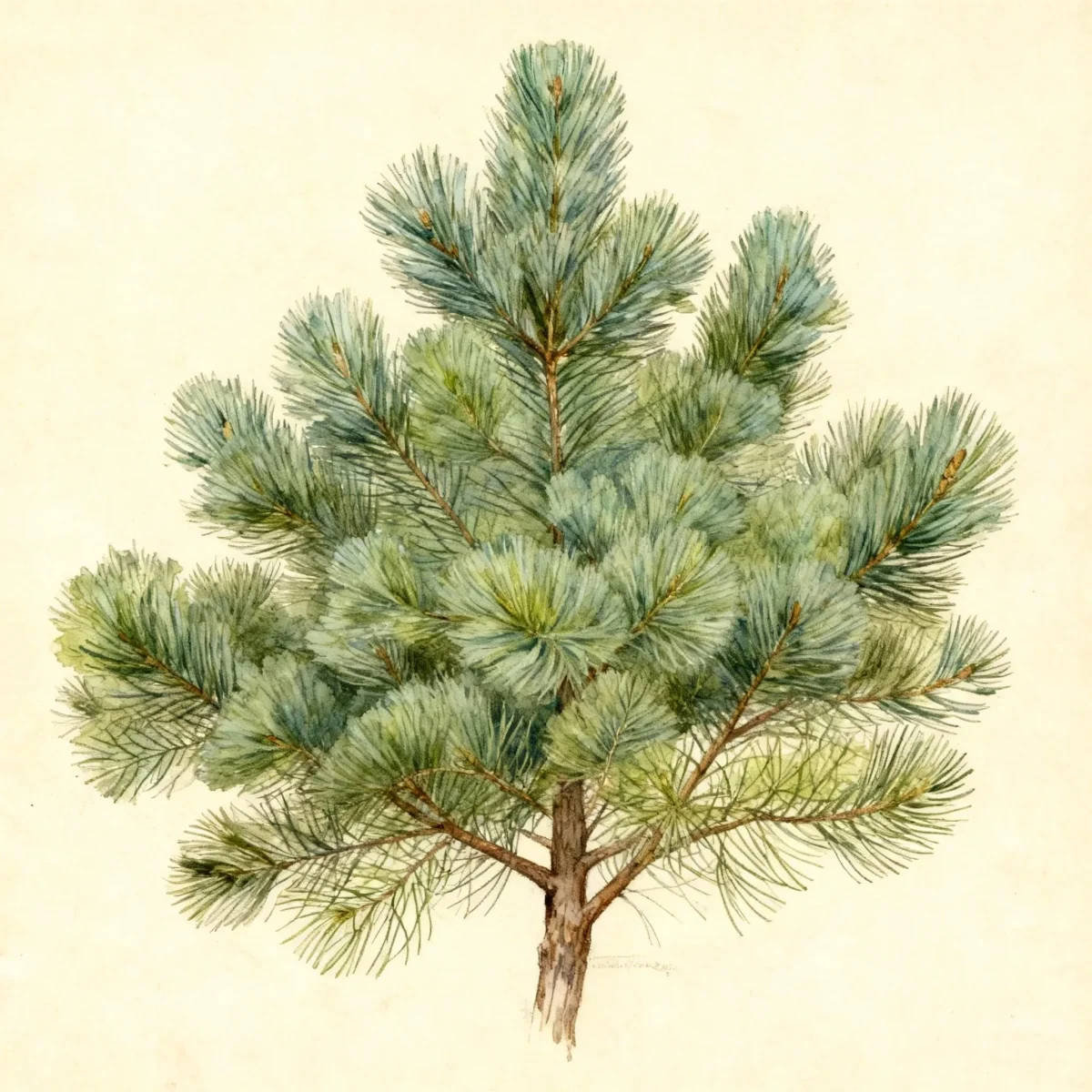
Serbian spruce (Picea omorika 'Nana')
Picea omorika 'Nana', the dwarf Serbian spruce, offers dense, silvery-green foliage in a compact, slow-growing evergreen form perfect for small spaces.

Bloom Boldly, No Matter the Season - Sweatshirt
Cozy organic cotton sweatshirt featuring our exclusive Purple Coneflower design. Perfect for gardeners who bloom year-round.
Inspired by the beautiful Serbian spruce
Limited first batch (50) — join the waitlist for early access
Waitlist closes Feb 15, 2026.
Complete Plant Information
Field Guide Continues
Ready for care notes, companion picks, and planting tips?
The map is just the start. The full guide below covers growth habits, seasonal performance, and landscape uses.
Overview
Picea omorika ‘Nana’, commonly known as the dwarf Serbian spruce, is a highly valued slow-growing evergreen perfect for gardeners needing year-round structure without overwhelming space. This distinct cultivar maintains a densely branched, globose to broad conical form, making it an excellent focal point in mixed borders or rock gardens. Its short, glossy needles feature conspicuous white stomatal bands underneath, creating a beautiful silvery, bicolored effect against the dark green upper surface.
The Serbian spruce heritage lends this dwarf variety notable toughness, often adapting better to humid heat than many other spruces, though it thrives best in consistently maintained, cool summer climates. As a low-maintenance specimen, Picea omorika ‘Nana’ provides excellent year-round texture and color, contrasting beautifully with deciduous plantings.
Fast Facts
- Plant Family: Pinaceae
- Plant Type: Needled evergreen
- Hardiness Zones: USDA Zones 4-7
- Size at Maturity:
- Height: 4-8 ft
- Spread: 4-8 ft
- Bloom Time: Non-flowering
- Bloom Description: Non-flowering
- Sun Exposure: Full sun to part shade
- Water Needs: Medium
- Maintenance Level: Low
How to Grow
Planting Picea omorika ‘Nana’ is best done in spring or fall when cooler temperatures reduce planting shock. Select a location that receives full sun to part shade, ensuring the soil is well-drained. This variety performs optimally in average, medium-moisture soils. While the standard Serbian spruce tolerates heat better than some relatives, this dwarf cultivar still prefers cooler summer conditions.
Once established, watering should be consistent but not excessive; aim for medium moisture levels, allowing the top few inches of soil to dry slightly between waterings. Fertilizer is rarely necessary for this slow-growing tree, but if growth is lagging, a balanced, slow-release formula applied in early spring can support its structure. Pruning is usually minimal since the ‘Nana’ form naturally maintains its pleasing shape.
Avoid planting this spruce where it will receive intense, reflected heat or in heavy, waterlogged clay, as poor drainage is the quickest route to decline. Although it generally adapts well, gardeners south of USDA Zone 7 should monitor conditions closely, especially during peak summer heat waves.
Landscape Uses
The compact size and dense habit of the Picea omorika ‘Nana’ make it exceptionally versatile in residential landscapes. It shines as a specimen planting where its unique silhouette can be fully appreciated, serving as an architectural accent in a lawn area. It is also perfectly sized for foundation plantings near homes, offering year-round structure without obstructing windows or walkways.
For smaller gardens or rock gardens, this dwarf Serbian spruce provides essential vertical contrast against low-growing perennials and spreading shrubs. Consider placement near lighter-colored hardscaping or gravel to enhance the silvery flash of its needles as the wind moves its branches. It is an excellent choice for borders where a medium-height evergreen screen is desired.
Standout Features
Noteworthy Characteristics
The parent species, Picea omorika, hails from the limestone soils of western Serbia and Bosnia and Herzegovina. The ‘Nana’ cultivar is defined by its slow growth rate, typically adding only 3 to 6 inches per year, resulting in a dense, low-maintenance evergreen ideal for smaller sites. Its short, dark green needles feature prominent white stomatal bands underneath, giving the entire tree a distinct, silvery-bicolored appearance.
Tolerances
- Deer
- Air Pollution
Potential Problems
Picea omorika ‘Nana’ generally exhibits few serious disease or insect problems when sited correctly. However, like most spruce varieties, it remains susceptible to common pests, especially under stress. Pay close attention for signs of spider mites, which thrive in hot, dry conditions, or aphid infestations, which can weaken new growth.
Borers and budworms are other potential threats. Monitoring the tree regularly, particularly during early spring and late summer, allows for prompt identification. Ensuring excellent air circulation and avoiding drought stress are crucial preventative measures for maintaining the overall health of your Serbian spruce.
Frequently Asked Questions
What hardiness zones is Picea omorika ‘Nana’ suitable for?
The dwarf Serbian spruce is reliably hardy in USDA Zones 4 through 7.
How large does Picea omorika ‘Nana’ grow?
This cultivar is slow-growing, typically maturing to a height and spread between 4 and 8 feet.
What sun exposure does Picea omorika ‘Nana’ need?
This evergreen performs best when situated in an area receiving full sun to light part shade.
When does Picea omorika ‘Nana’ bloom?
Picea omorika ‘Nana’ is a conifer and, as such, is non-flowering.
Conclusion
The dwarf Serbian spruce, Picea omorika ‘Nana’, is a superior choice for adding low-maintenance, year-round structure to challenging garden spaces. Its compact nature, coupled with the unique silvery flash of its needles, offers tremendous aesthetic value. Before planting, confirm that your site falls within USDA Zones 4-7 and provides adequate drainage for this handsome evergreen.
Companion Planting
When designing beds around your Picea omorika ‘Nana’, consider companions that thrive in similar sun and moisture conditions, particularly those that benefit from its dark green backdrop. Low-growing, spreading perennials like Creeping Phlox (Phlox subulata) offer seasonal color near its base without competing heavily for light. For year-round visual interest, pair it with gold-leaved shrubs such as certain varieties of Arborvitae, which create a striking contrast against the dark green and silver tones of the Serbian spruce.
Design Ideas
Utilize the slow-growing nature of this spruce to establish formal or informal accents. In modern landscapes, plant three Picea omorika ‘Nana’ specimens in a staggered line near an entryway to create a welcoming, architectural feature that develops slowly over decades. In Japanese-inspired gardens, its neat, rounded shape can serve as an excellent anchor point, contrasting with the delicate texture of fine-leaved Japanese Maples, provided the maple does not eventually shade the spruce too heavily.