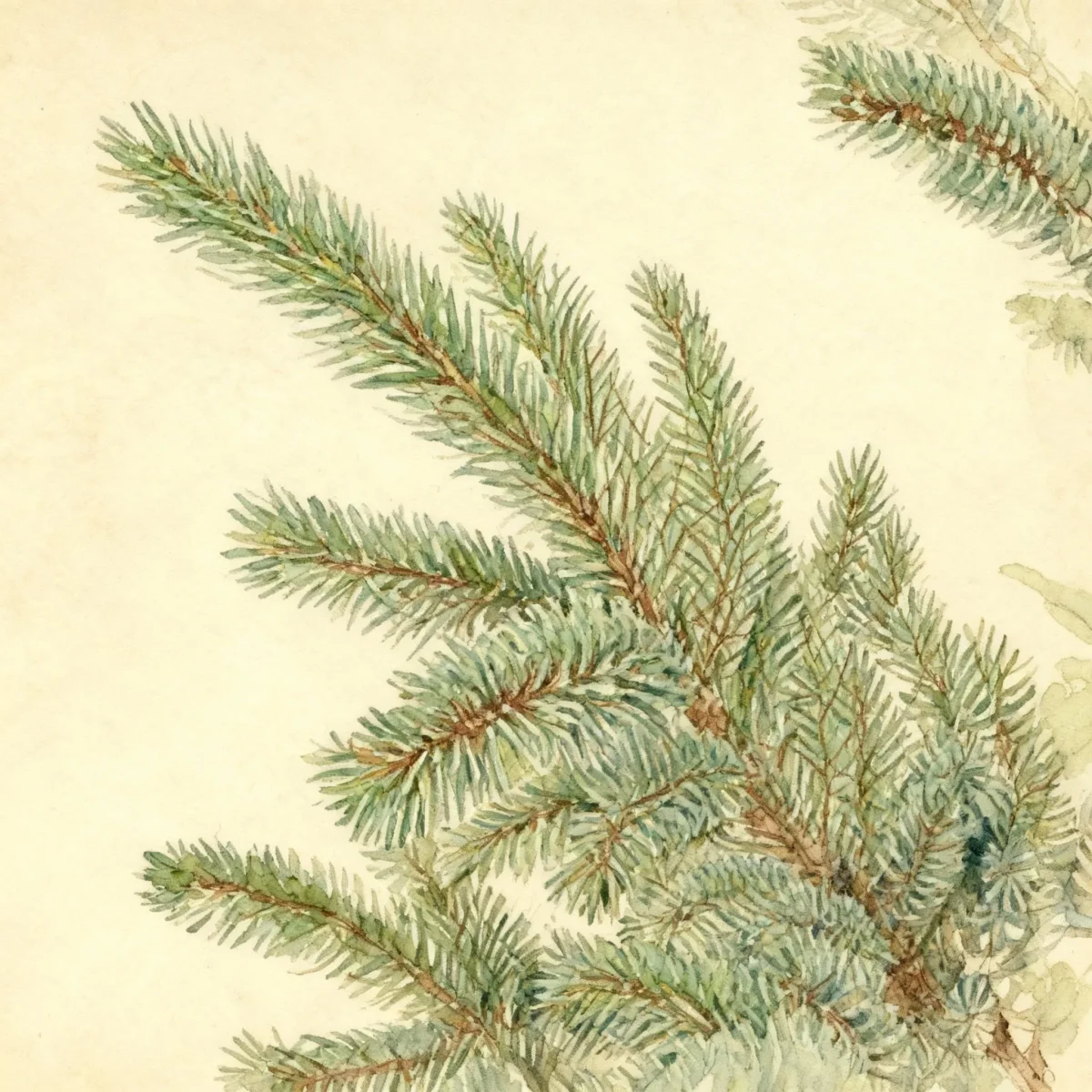
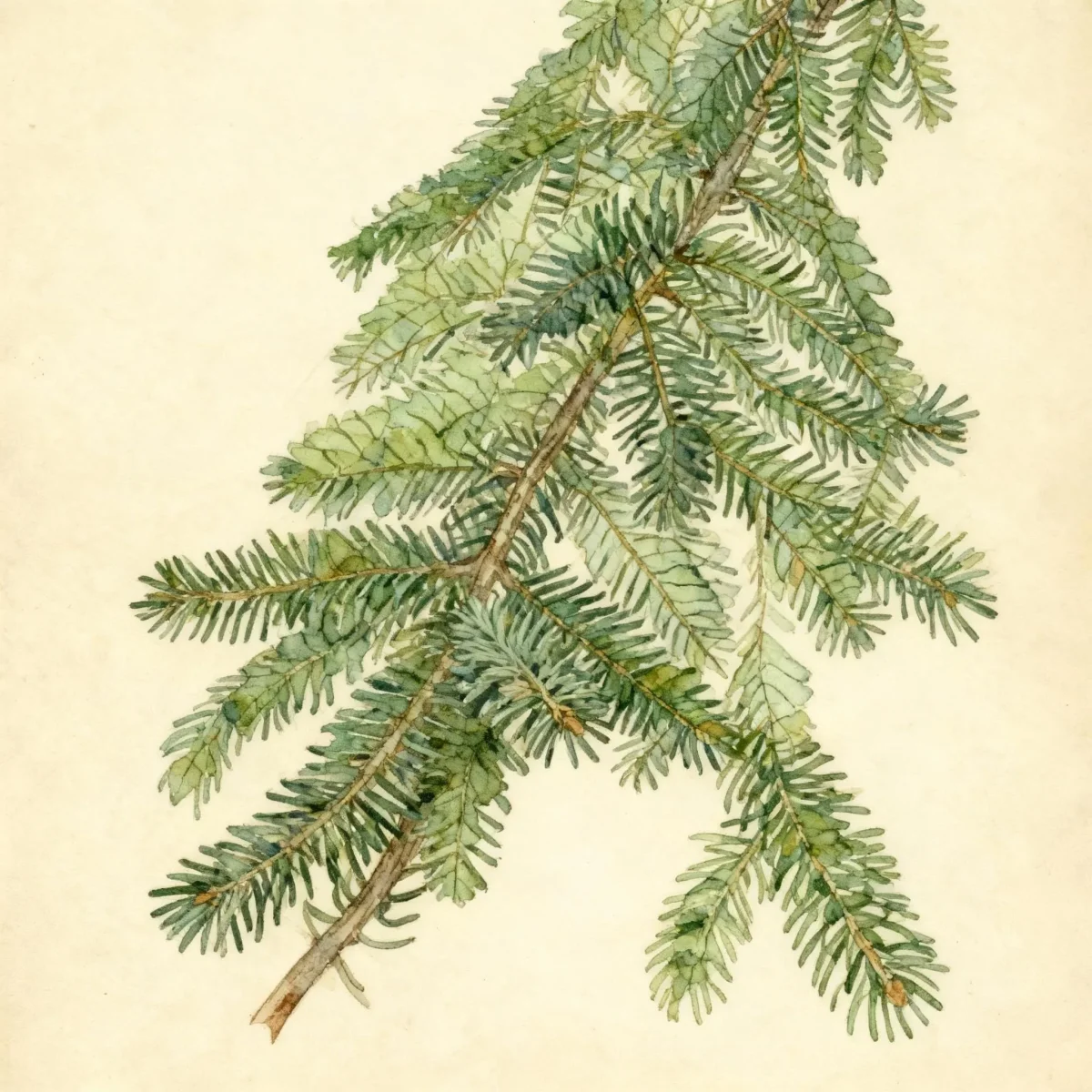
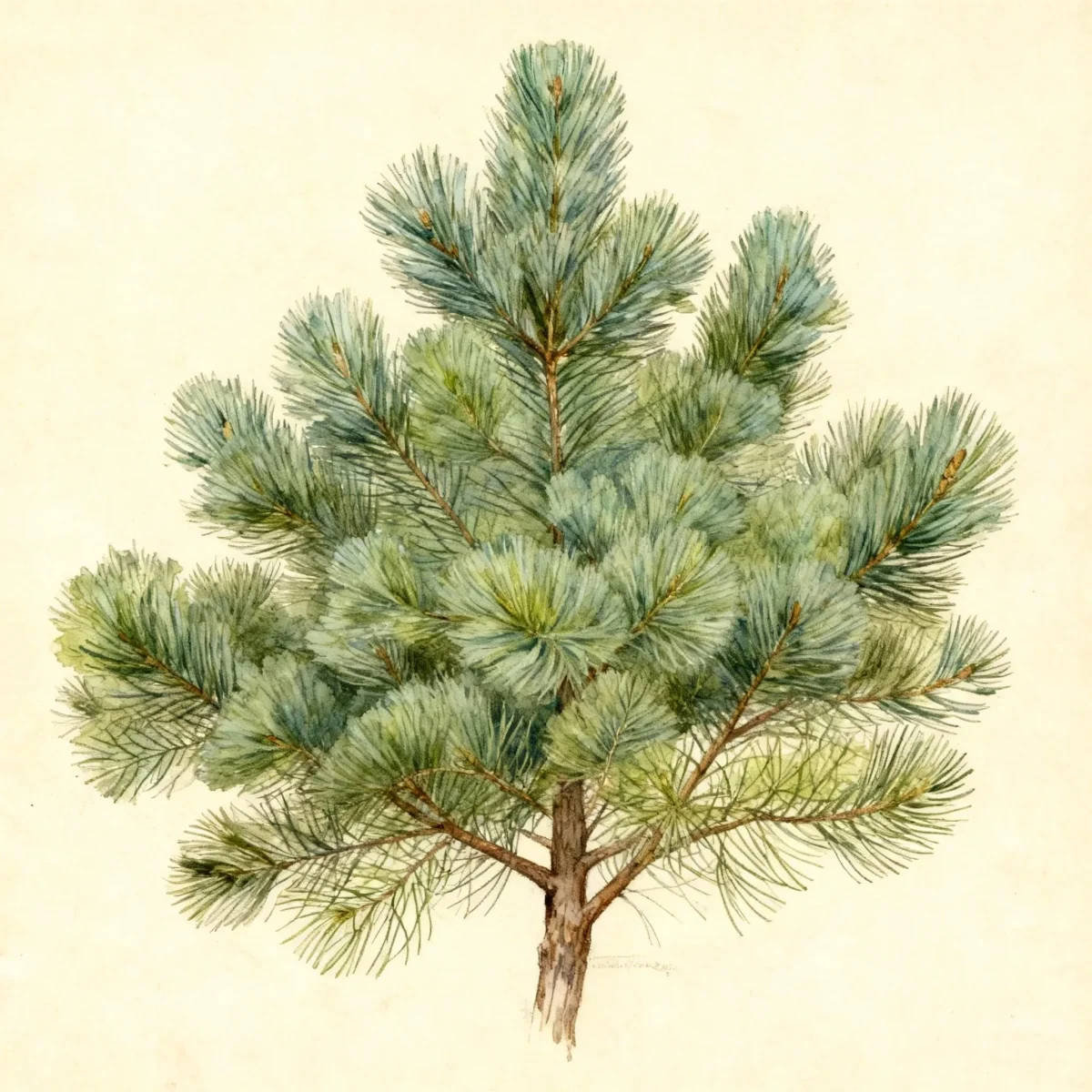
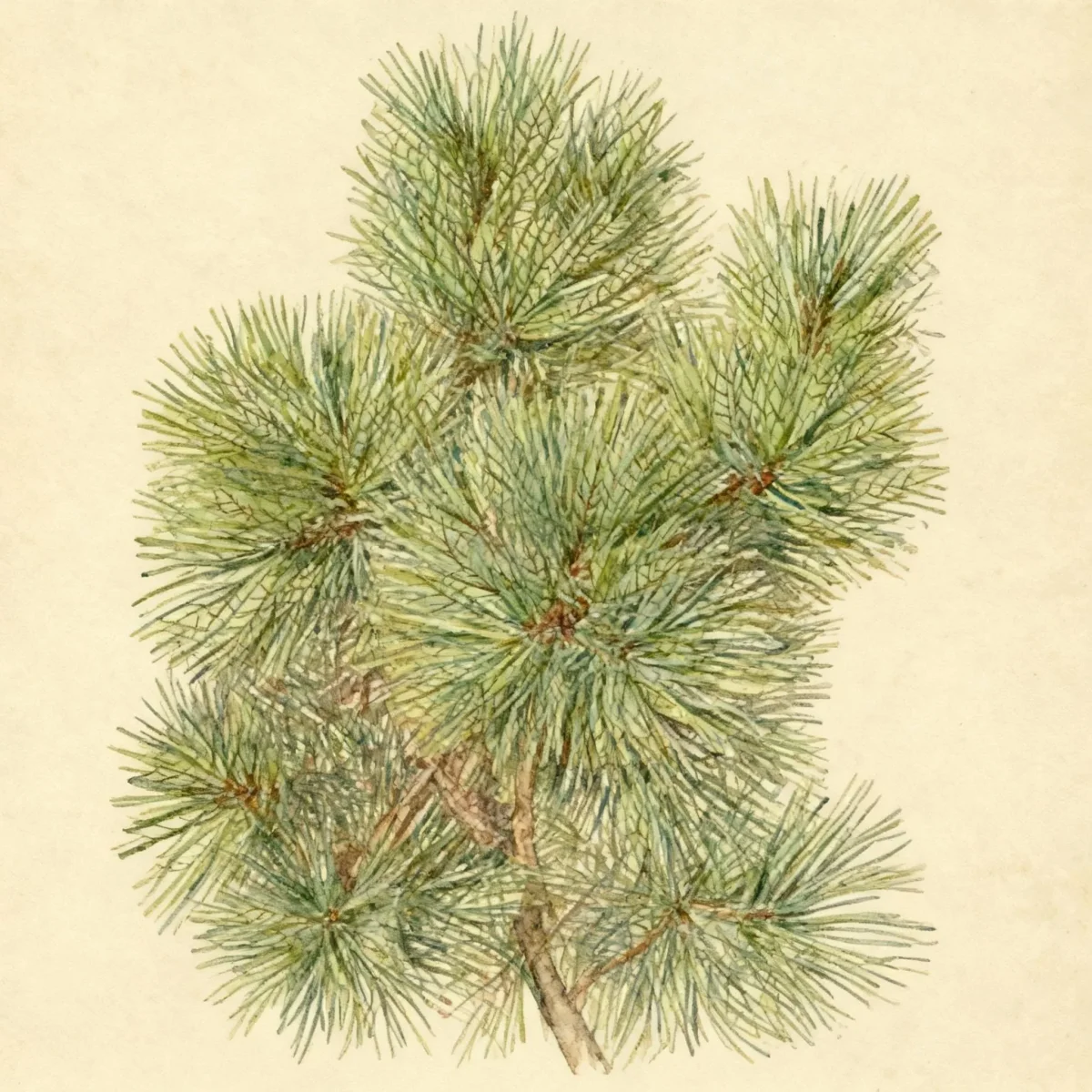
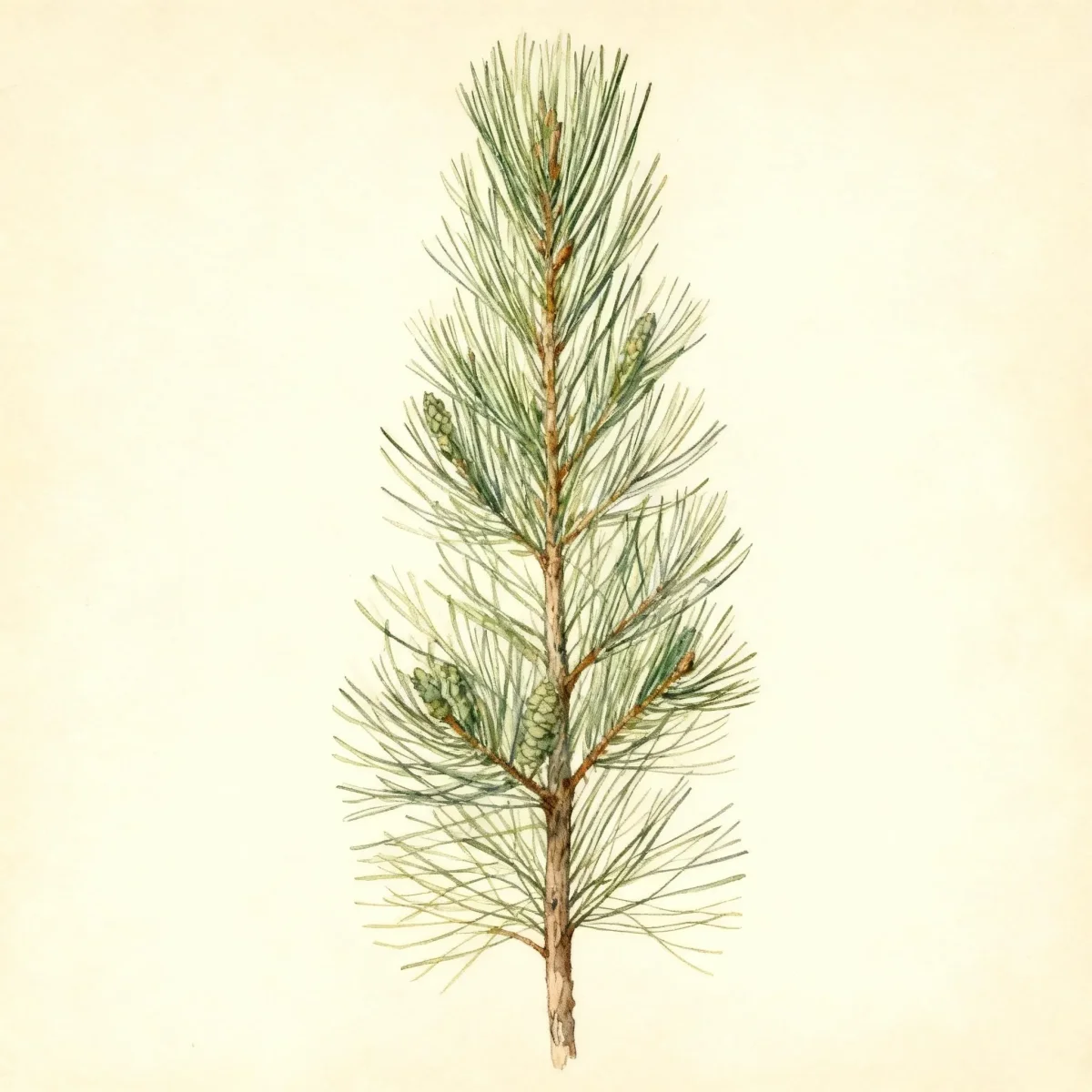
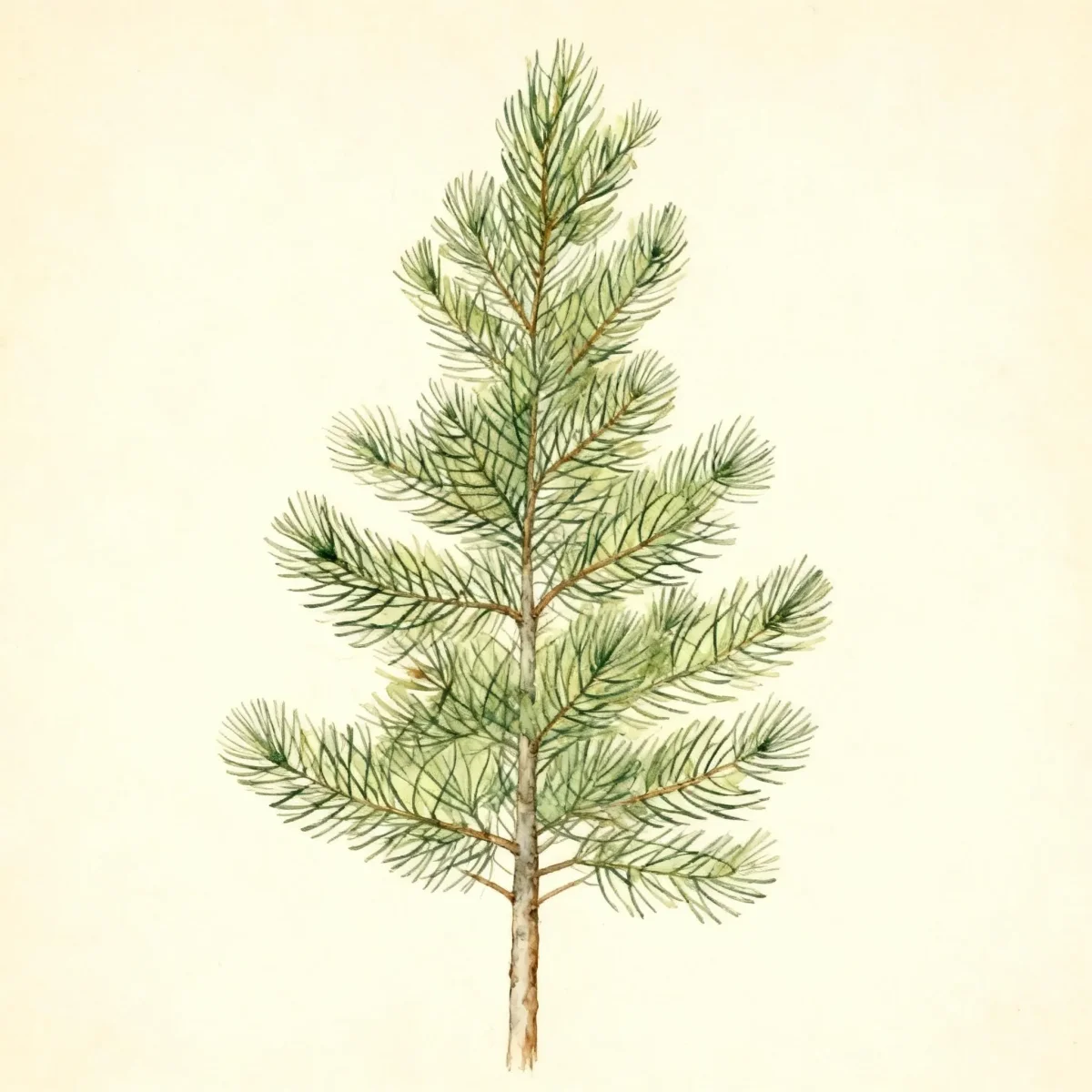
Colorado spruce (Picea pungens 'Walnut Glen')
Discover Picea pungens 'Walnut Glen', a compact Colorado spruce cultivar boasting powder blue needles with golden variegation. Low maintenance and deer resistant.
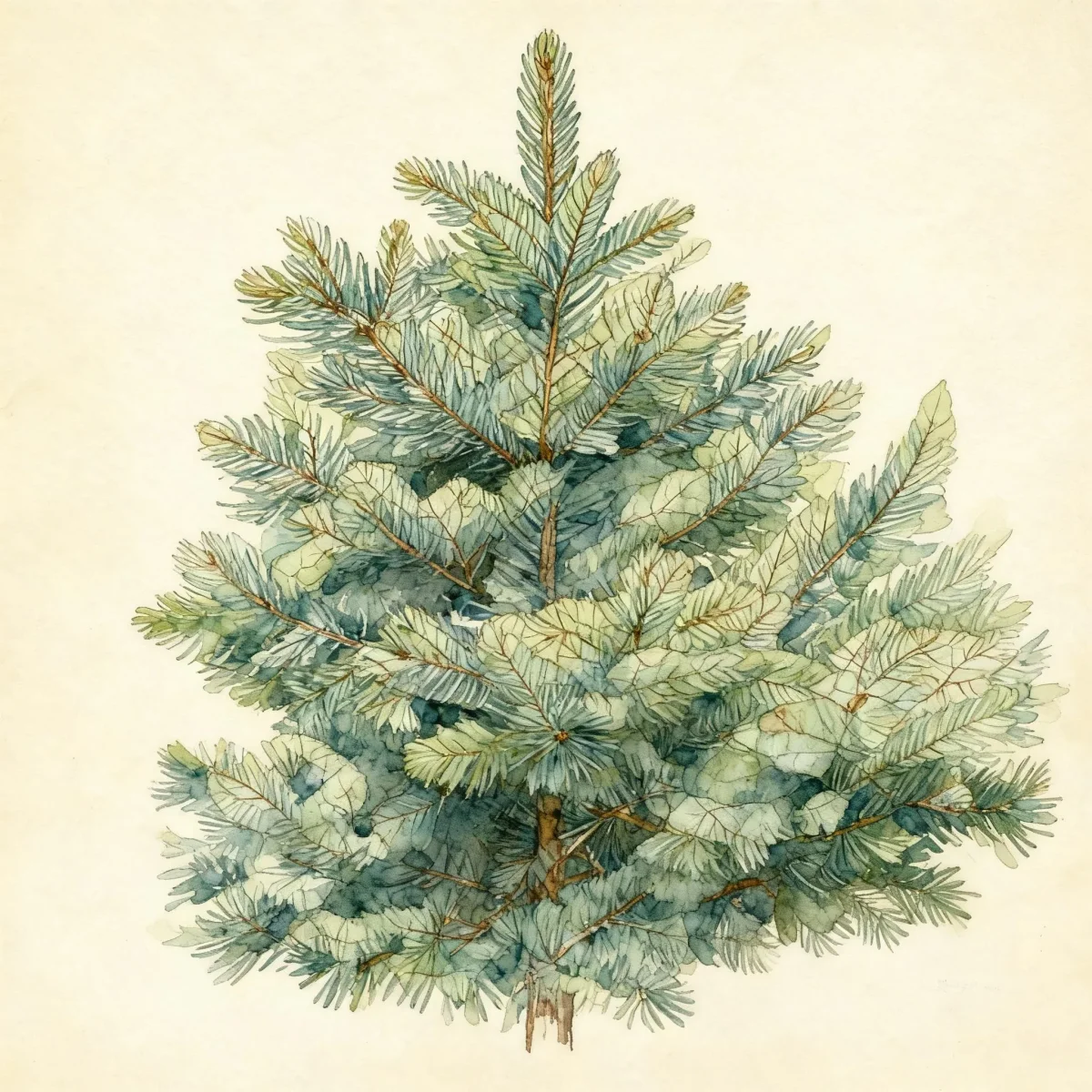

Bloom Boldly, No Matter the Season - Sweatshirt
Cozy organic cotton sweatshirt featuring our exclusive Purple Coneflower design. Perfect for gardeners who bloom year-round.
Inspired by the beautiful Colorado spruce
Limited first batch (50) — join the waitlist for early access
Waitlist closes Feb 15, 2026.
Complete Plant Information
Field Guide Continues
Ready for care notes, companion picks, and planting tips?
The map is just the start. The full guide below covers growth habits, seasonal performance, and landscape uses.
Overview
Picea pungens ‘Walnut Glen’ offers gardeners an exceptionally attractive, slow-growing dwarf form of the classic Colorado spruce. This cultivar is highly valued for its densely packed, upright, broadly pyramidal habit, which maintains structure without requiring extensive pruning. Its most striking feature is the foliage, displaying powder blue needles beautifully accented by subtle golden yellow variegation.
As a needled evergreen, the Colorado spruce provides year-round structure in the landscape. It thrives in cooler average climates and is notably resilient, tolerating poor soil conditions once established better than many other conifers. The compact size of Picea pungens ‘Walnut Glen’ makes it a versatile specimen tree perfect for smaller properties where the full-sized species would overwhelm the space.
Gardening with this cultivar means benefiting from low maintenance requirements and good tolerance levels, including resistance to deer and rabbits. Plan strategically for its eventual small stature, utilizing its bright coloration to anchor foundation plantings or serve as an excellent focal point in rock gardens.
Fast Facts
- Plant Family: Pinaceae
- Plant Type: Needled evergreen
- Hardiness Zones: USDA Zones 3-7
- Size at Maturity:
- Height: 5-6 ft
- Spread: 2.5-5 ft
- Bloom Time: Non-flowering
- Bloom Description: Non-flowering
- Sun Exposure: Full sun to part shade
- Water Needs: Medium
- Maintenance Level: Low
How to Grow
Planting Picea pungens ‘Walnut Glen’ is best achieved in the spring or fall to allow the root system to establish before extreme seasonal temperatures arrive. Ensure the planting location receives full sun, although it can tolerate some afternoon shade, especially in hotter climates. This conifer performs best in average, acidic soils that are well-drained. Avoid wet, heavy clay soils, which can lead to root issues.
Watering is crucial during the establishment phase; soils must be kept consistently moist and should not be allowed to dry out completely for the first few years. Once mature, this Colorado spruce exhibits some drought tolerance, but consistent moisture remains preferable for optimal needle color and health. Fertilization is rarely required if the soil quality is decent; the plant prefers richer, moist soils but adapts well to average conditions.
Proper site selection is key to long-term success, as this variety generally struggles in climates characterized by very hot and humid summers. While maintenance is considered low, regular inspection for common spruce pests, such as aphids or spider mites, especially during dry periods, helps prevent serious health setbacks. No significant pruning is typically needed due to its naturally compact, upright form.
Landscape Uses
The manageable size of Picea pungens ‘Walnut Glen’ unlocks numerous design possibilities usually unavailable with larger evergreens. It excels as an excellent specimen plant, drawing immediate attention with its unique blue-and-gold foliage that catches sunlight beautifully. Because of its narrow pyramidal shape, it is highly effective when placed immediately adjacent to structures.
This dwarf Colorado spruce is perfectly suited for foundation plantings where height restrictions matter, offering year-round texture contrast against deciduous shrubs or broader evergreens. Consider grouping two or three together to create an informal border accent or using single specimens in rock gardens where its slow growth rate ensures longevity in a tight space.
Its deer and rabbit resistance also makes it a reliable choice for open beds where browsing wildlife is common. For a layered design, pair Picea pungens ‘Walnut Glen’ with low-growing perennials that enjoy similar sun and moisture profiles.
Standout Features
Noteworthy Characteristics
Picea pungens, commonly called Colorado spruce, is naturally a medium to large pyramidal conifer native to the Rocky Mountains. The species is known for stiff, bristly, four-angled needles ranging from green to silver-blue. Horticultural selections, like ‘Walnut Glen’, are highly prized for their ornamental foliage; this specific cultivar is noted for its compact habit and powder blue needles vividly contrasted by golden yellow variegation, growing slowly to about 5-6 feet tall.
Tolerances
- Rabbit
- Deer
- Drought
- Air Pollution
Potential Problems
Colorado spruce varieties are susceptible to several fungal diseases, including needle cast, cytospora canker, and rust. Prevention involves ensuring excellent air circulation through proper spacing and avoiding overhead watering that keeps foliage wet late into the evening. If canker appears, prune out infected limbs immediately during dry weather.
Be vigilant for common insect pests, particularly spruce gall aphids, which cause distorted new growth, and scale insects. Severe infestations of spider mites can cause significant decline, often signaled by fine webbing and stippling of the needles. Consistent monitoring, especially when the plant is under heat or moisture stress, allows for early intervention with horticultural oils or appropriate insecticides.
Frequently Asked Questions
What hardiness zones is Picea pungens ‘Walnut Glen’ suitable for?
This specialty Colorado spruce cultivar is reliably hardy in USDA Zones 3 through 7, offering excellent cold tolerance for most northern and central climates.
How large does Colorado spruce ‘Walnut Glen’ grow?
This is a compact variety, typically reaching a mature height between 5 and 6 feet, with a spread ranging from 2.5 to 5 feet wide.
When does Picea pungens ‘Walnut Glen’ bloom?
As a conifer, this variety is non-flowering; it reproduces via visual cones rather than traditional flowers and does not produce ornamental blooms in the spring.
What sun exposure does Picea pungens ‘Walnut Glen’ need?
For the best color and densest growth, this plant requires full sun, though it can manage to develop in areas receiving part shade.
Conclusion
The unique combination of compact size, slow growth, and striking powder blue needles with golden variegation makes Picea pungens ‘Walnut Glen’ a standout evergreen choice for structured, low-maintenance gardens. If you appreciate the classic look of the Colorado spruce but need a tailored fit for modern landscapes, this dwarf conifer is an ideal solution. Before planting, confirm your location falls within USDA Zones 3-7 and prepare the soil to be well-draining to ensure years of vibrant, healthy growth.
Companion Planting
Choosing companions for Picea pungens ‘Walnut Glen’ should focus on plants that contrast its texture and color while sharing similar cultural needs—namely, medium moisture, well-drained soil, and preference for full sun to light shade. Consider placing shorter, mounding plants at its base to soften the transition to the ground plane. Excellent textural partners include low-growing Hostas (if sited where they receive morning sun) or various Sedums that enjoy dry conditions, though consistent moisture will be needed initially for the spruce.
For color contrast throughout the year, consider low-growing groundcovers like creeping Vinca (Vinca minor) or evergreen Ajuga, which offer deep green or purple foliage that makes the blue and gold needles of the Colorado spruce pop dramatically. Avoid planting aggressive spreaders that might smother the slow-growing dwarf conifer.
Seasonal Care Calendar
Spring is the best time to inspect your Picea pungens ‘Walnut Glen’ for winter damage and apply any necessary fertilization, focusing on slow-release formulas if soil improvement is needed. Monitor new growth (candles) for insect activity, which is common as temperatures rise.
Summer care should prioritize consistent watering, particularly during dry spells, as established drought tolerance only applies once the root system is mature; new plantings require regular soaking. Afternoon shade is beneficial if you live in the hotter, humid edges of Zones 6 or 7.
In the fall, ensure the root zone receives adequate moisture before the ground freezes hard, helping the evergreen prepare for winter desiccation. Mulch lightly around the base, keeping mulch away from the trunk flare, to stabilize soil temperatures throughout the coldest months.