Japanese white pine(Pinus parviflora 'Adcock's Dwarf')
Grow Adcock's Dwarf Japanese white pine (Pinus parviflora): slow-growing 3 ft blue-silver tufted conifer, rock garden and bonsai culture, USDA zones 4–7 care.
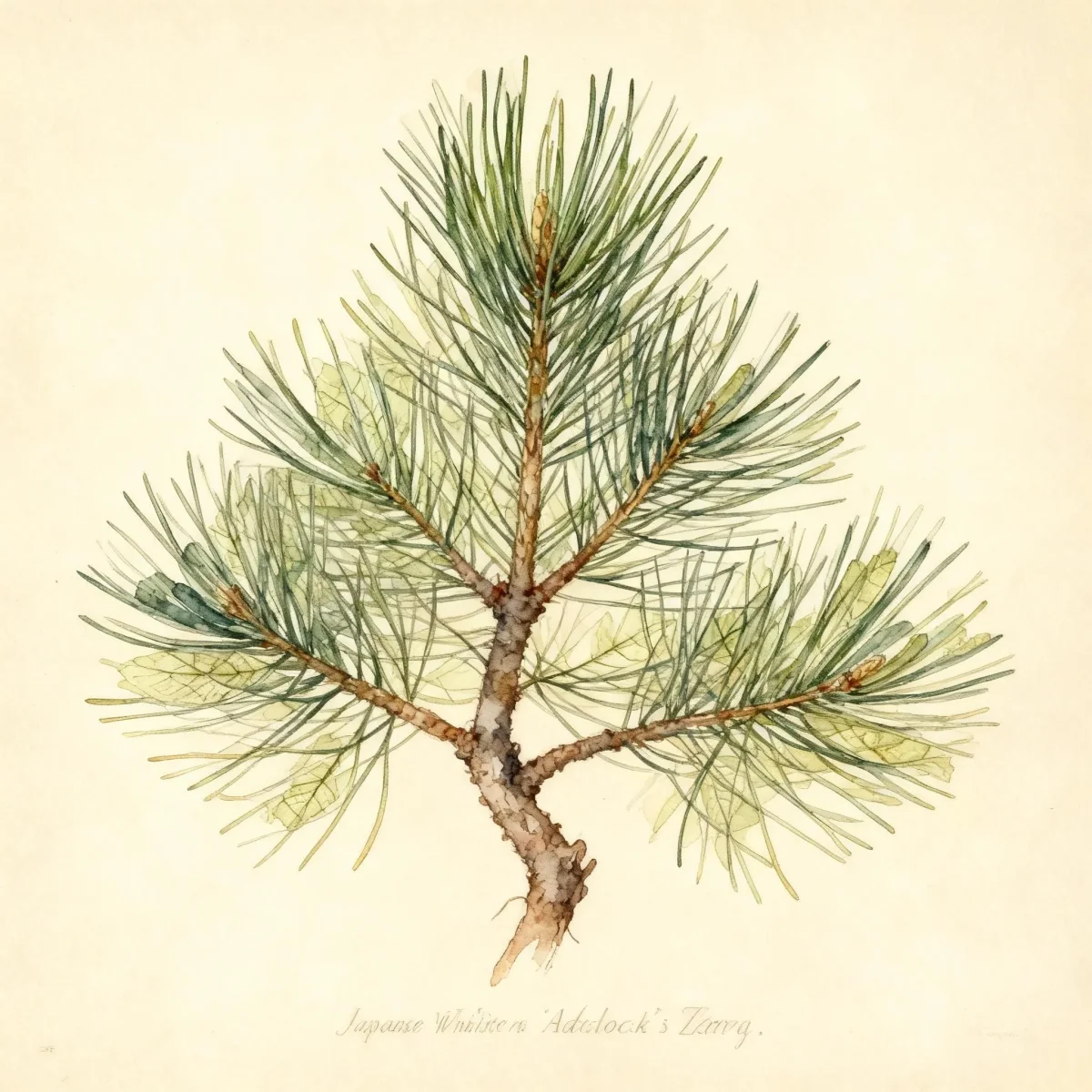
Complete Plant Information
- Hardiness zones
- USDA 4–7
- Plant type
- Needled evergreen
- Plant family
- Pinaceae
- Sun exposure
- Full sun
- Water needs
- Medium to dry
- Maintenance
- Low
- Height
- 3–4 ft (91–122 cm)
- Spread
- 3–4 ft (91–122 cm)
- Bloom time
- Non-flowering
- Flower color
- Non-flowering gymnosperm; small decorative oval cones persisting for years
- Flower qualities
- Insignificant
- Fruit qualities
- Not recorded
- Tolerances
- Deer, Drought, Wind, Rocky Soil
- Garden uses
- Alpine rock garden, stone trough, traditional Japanese courtyard, bonsai specimen
- Native range
- Japan (cultivar selected at Hillier Nursery, England, 1961)
Field Guide Continues
Ready for care notes, companion picks, and planting tips?
The map is just the start. The full guide below covers growth habits, seasonal performance, and landscape uses.
Overview
Adcock’s Dwarf Japanese white pine (Pinus parviflora ‘Adcock’s Dwarf’) is an aristocratic, slow-growing dwarf evergreen conifer hardy across USDA Zones 4 through 7. Discovered in 1961 as a seedling selection at England’s renowned Hillier Nursery (named for propagator Ken Adcock), it grows at an ultra-slow pace of just 1 to 2 inches per year, maturing into a tight, irregular, flat-topped cushion 3 to 4 feet tall and wide after 20 to 25 years. Featuring congested tufts of short, twisted five-needle bundles flashed with intense silvery-white undersides, it is a prized living sculpture in alpine rock gardens, granite troughs, and bonsai collections.
Its needles display dark blue-green upper surfaces and silvery-white stomatal lines on their undersides, creating a shimmering bicolored appearance in shifting light.
How to Grow
- Hardiness & Cool-Summer Siting: USDA Zones 4 through 7. Thrives in the cool summers and crisp autumns of the Northeast, Great Lakes, Pacific Northwest, and high-elevation mountain districts. Performs poorly in the hot, muggy Southeast south of Zone 7, where stagnant humidity and hot summer nights encourage root stress and needle cast.
- Sunlight: Full sun (at least 6 hours direct daily light) is essential to preserve dense needle clusters and prevent lower shoot dieback.
- Sharp Drainage is Mandatory: Demands gritty, rocky, sandy, or gravelly soils with rapid water movement. Intolerant of heavy, wet clay or standing water, which induces fatal root rot.
- Candle Pinching: To maintain an ultra-tight, compact cushion habit, snap or pinch the tender spring new shoots (“candles”) back by half in late spring before needles expand.
Landscape Uses
- Alpine Rock Gardens: Compact dimensions and rugged, wind-swept silhouette make it an ideal anchor among granite boulders.
- Stone Trough & Container Culture: Slow growth rate makes it a premier evergreen choice for shallow stone sinks and courtyard planters.
- Classical Bonsai Styling: Naturally congested branching and short needles lend themselves directly to traditional Japanese bonsai art.
Potential Problems
- Root Rot in Wet Soil: Standing water or dense clay suffocates root systems rapidly; ensure sharp drainage.
- Heat Stress South of Zone 7: Sultry summer nighttime temperatures weaken plants and encourage spider mites.
- Pine Bark Aphids & Scale: Periodically inspect needle clusters for woolly white aphids or scale insects.
Frequently Asked Questions
How fast does ‘Adcock’s Dwarf’ white pine grow?
It is an extremely slow grower, adding only 1 to 2 inches of new growth per year. It takes over two decades to reach 3 to 4 feet in diameter.
What causes needles to look silver?
The undersides of each five-needle bundle are lined with bright white stomatal wax bands that reflect sunlight, creating a shimmering blue-and-silver bicolored effect.
Does it produce pine cones?
Yes. Female plants occasionally produce small, decorative, oval cones that remain attached to the branches for several seasons.
Companion Plants
Pair Adcock’s Dwarf Japanese white pine with alpine and rock garden plants that share its demand for sharp drainage and full sun:
- Alpine Perennials: Plant near creeping phlox, pasque flower (Pulsatilla vulgaris), or alpine edelweiss.
- Contrasting Dwarf Shrubs: Combine with Japanese maples (Acer palmatum) or dwarf azaleas in cool microclimates.
- Succulent Groundcovers: Underplant with hens and chicks (Sempervivum) or creeping stonecrops (Sedum).
Sources & Lineage
- Missouri Botanical Garden PlantFinder: Record taxon 252879 (Pinus parviflora ‘Adcock’s Dwarf’) — Hillier Nursery 1961 history, dimensions, and culture.
- Kew Plants of the World Online (POWO): Pinus parviflora Siebold & Zucc. (POWO: 263192-1) — species taxonomy, family (Pinaceae), and Japanese mountain range.
- American Conifer Society (ACS): Pinus parviflora ‘Adcock’s Dwarf’ — dwarf conifer classification, growth rate, and rock garden siting.
Recommended Companion Plants
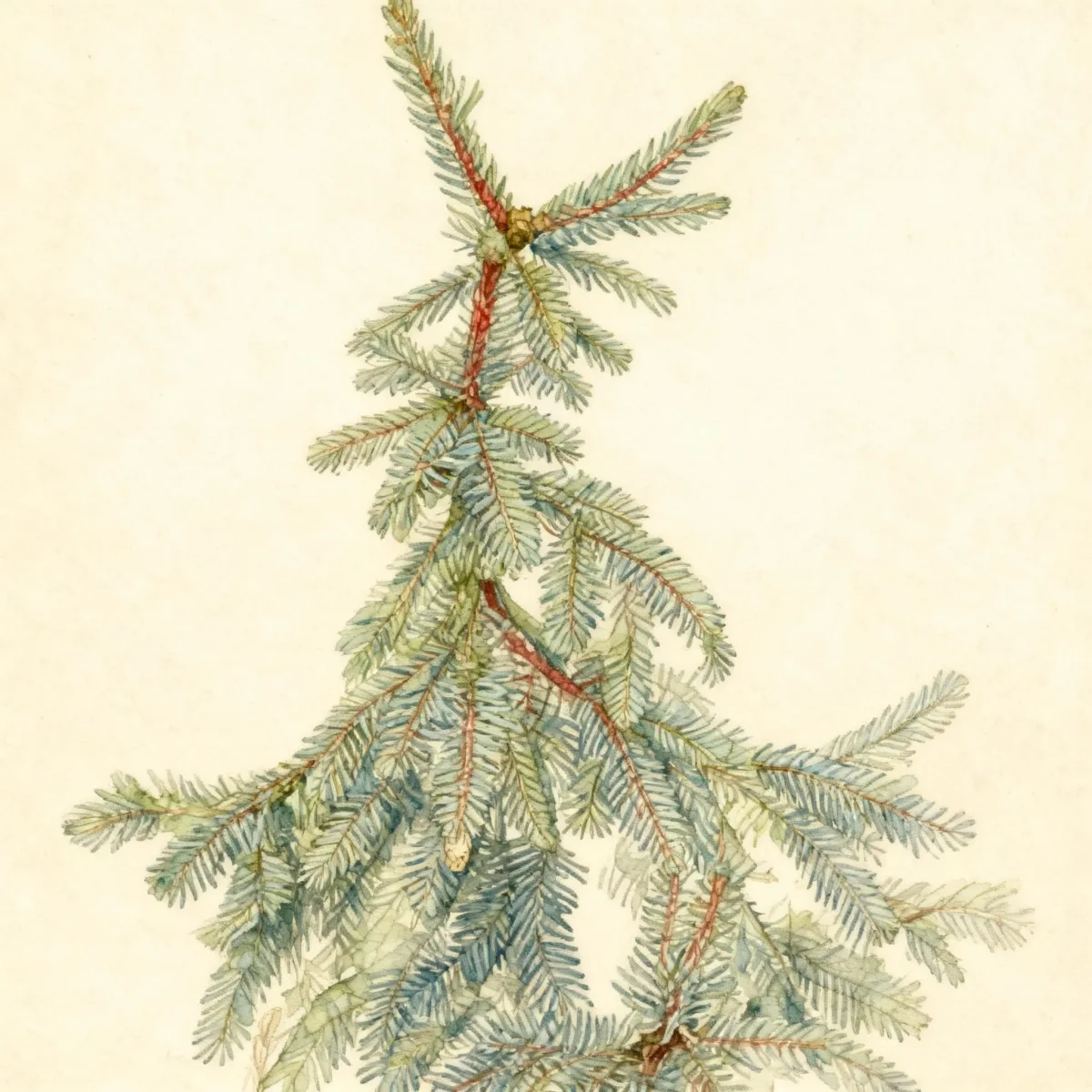
Norway spruce
Picea abies 'Acrocona'
- USDA zones
- 3–7
- Light
- Full sun
- Water
- Medium
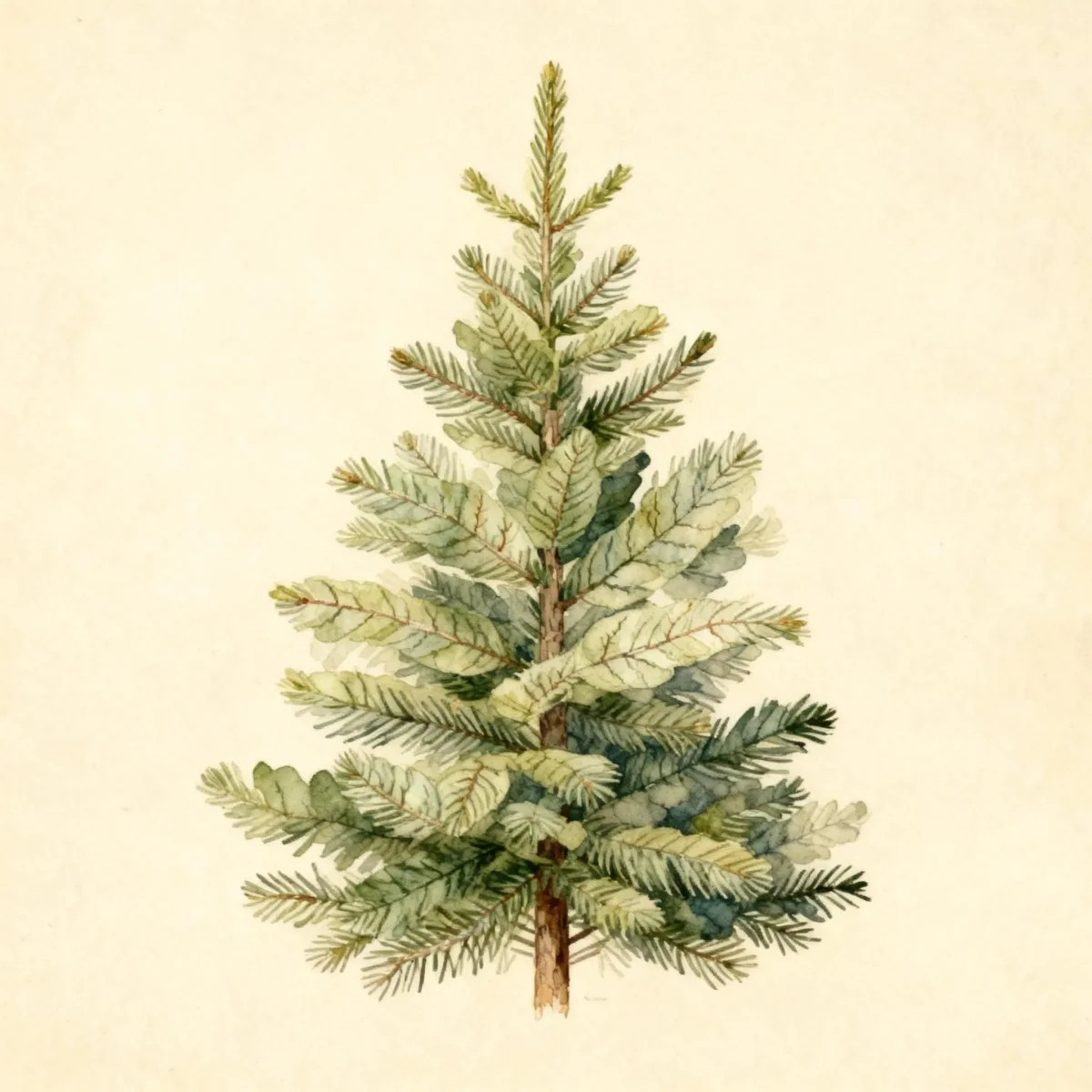
Norway spruce
Picea abies 'Gregoryana'
- USDA zones
- 3–7
- Light
- Full sun
- Water
- Medium
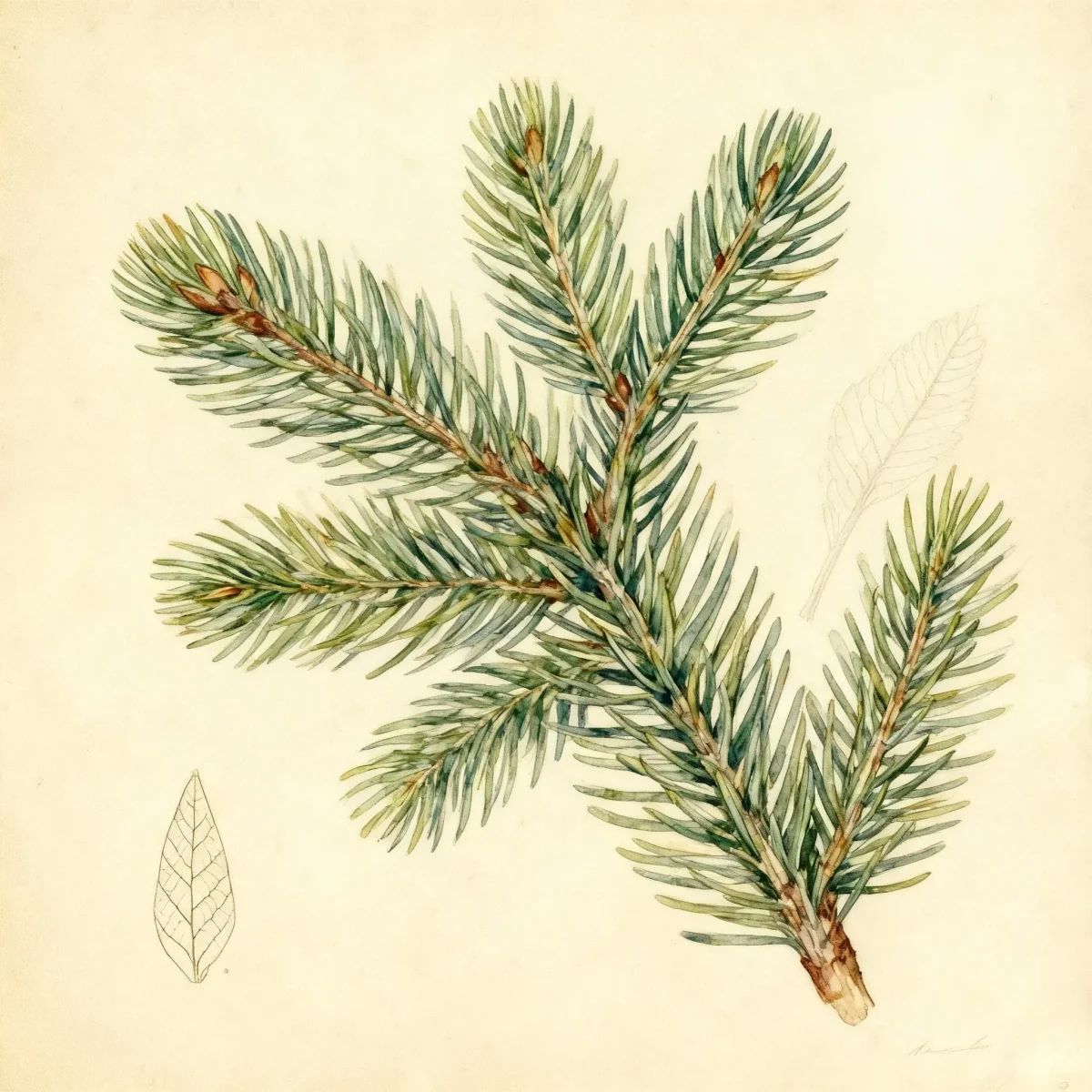
Norway spruce
Picea abies 'Little Gem'
- USDA zones
- 3–7
- Light
- Full sun
- Water
- Medium
Norway spruce
Picea abies 'Little Joe'
- USDA zones
- 3–8
- Light
- Full sun
- Water
- Medium
Norway spruce
Picea abies 'Nidiformis'
- USDA zones
- 3–7
- Light
- Full sun
- Water
- Medium
Norway spruce
Picea abies 'Pumila'
- USDA zones
- 3–7
- Light
- Full sun
- Water
- Medium
Keep Learning
Test what you know with a garden quiz
You have the plant facts and care notes. Continue with a related challenge, or browse the complete quiz library.

Can You Identify These Common Garden Plants? Test Your Plant Knowledge
Think you know your roses from your peonies? Test your plant identification skills with our comprehensive garden plant quiz featuring 10 challenging questions.
Start quiz
USDA Garden Zone Map Quiz
Use this USDA garden zone map quiz to check whether you can read hardiness zones and choose plants with more confidence.
Start quizBrowse the full quizzes section
Explore plant identification, zone strategy, and seasonal gardening challenges.
View all quizzes