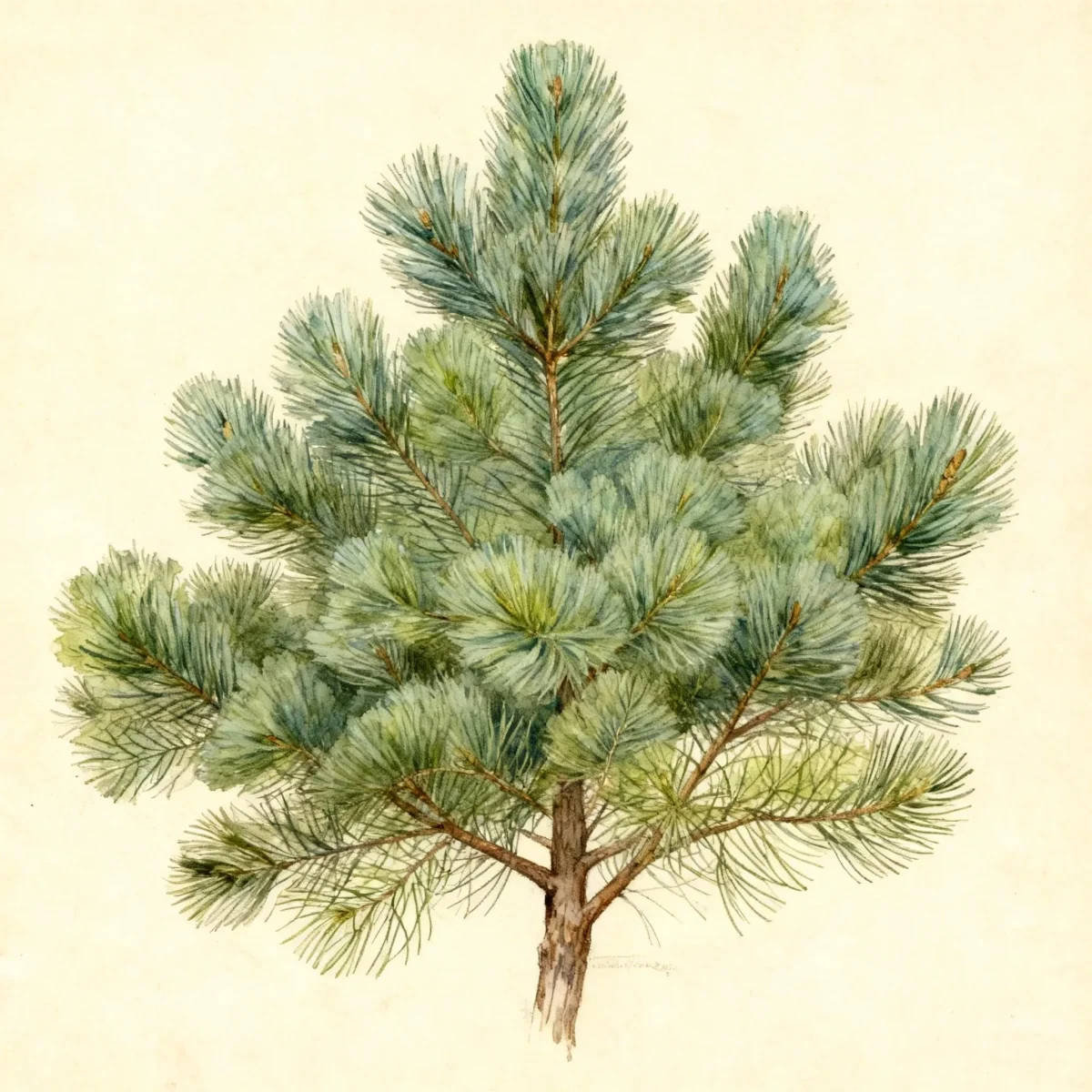
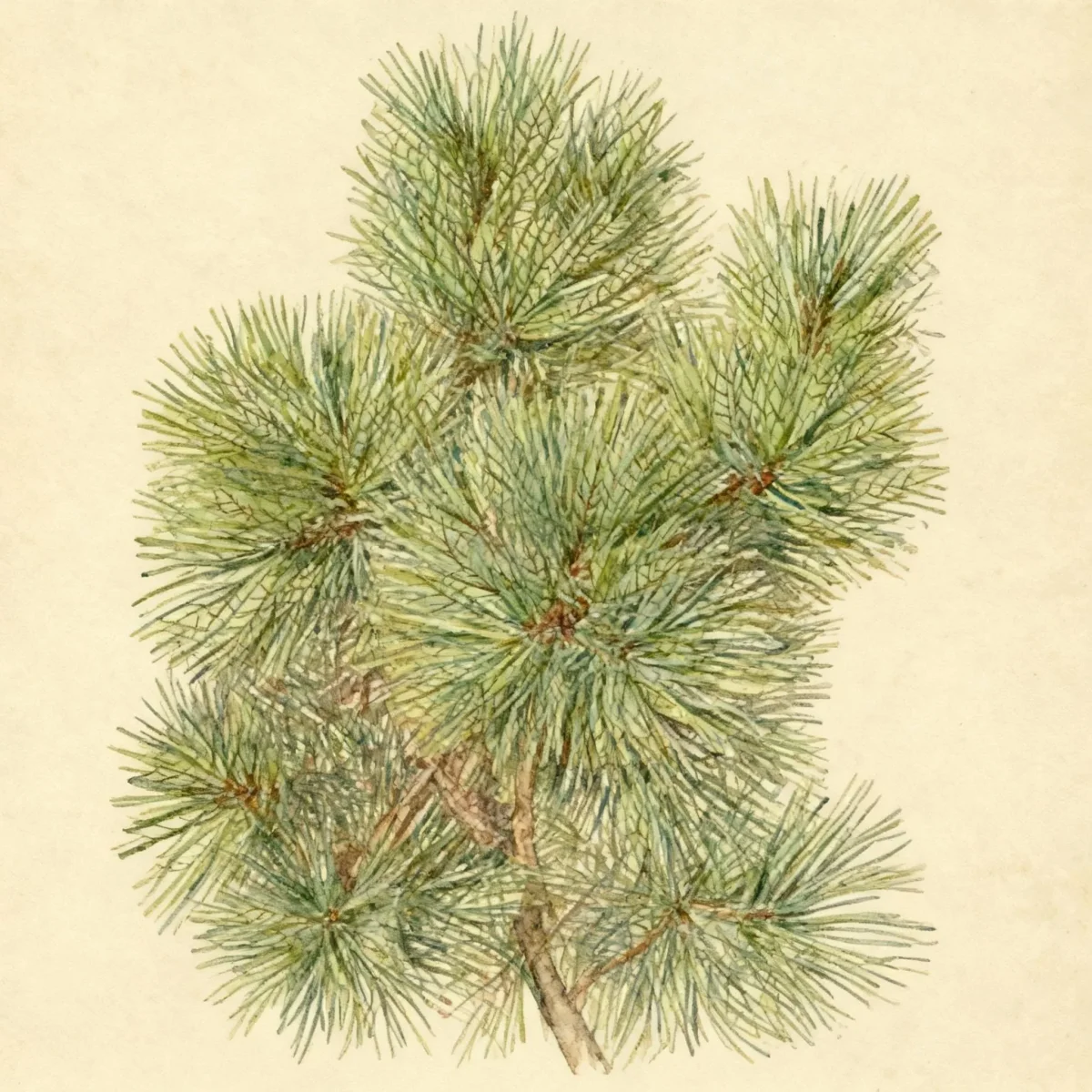
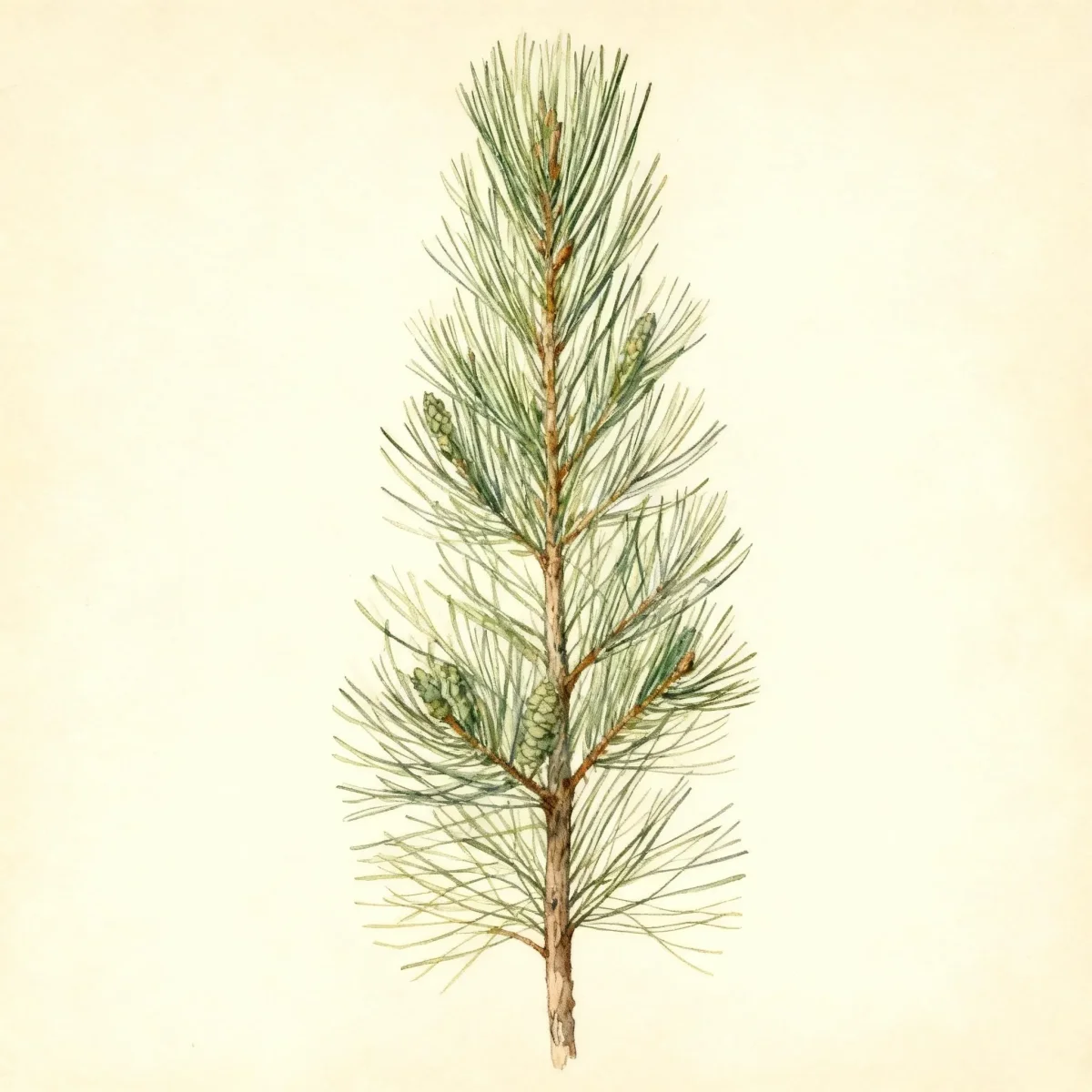
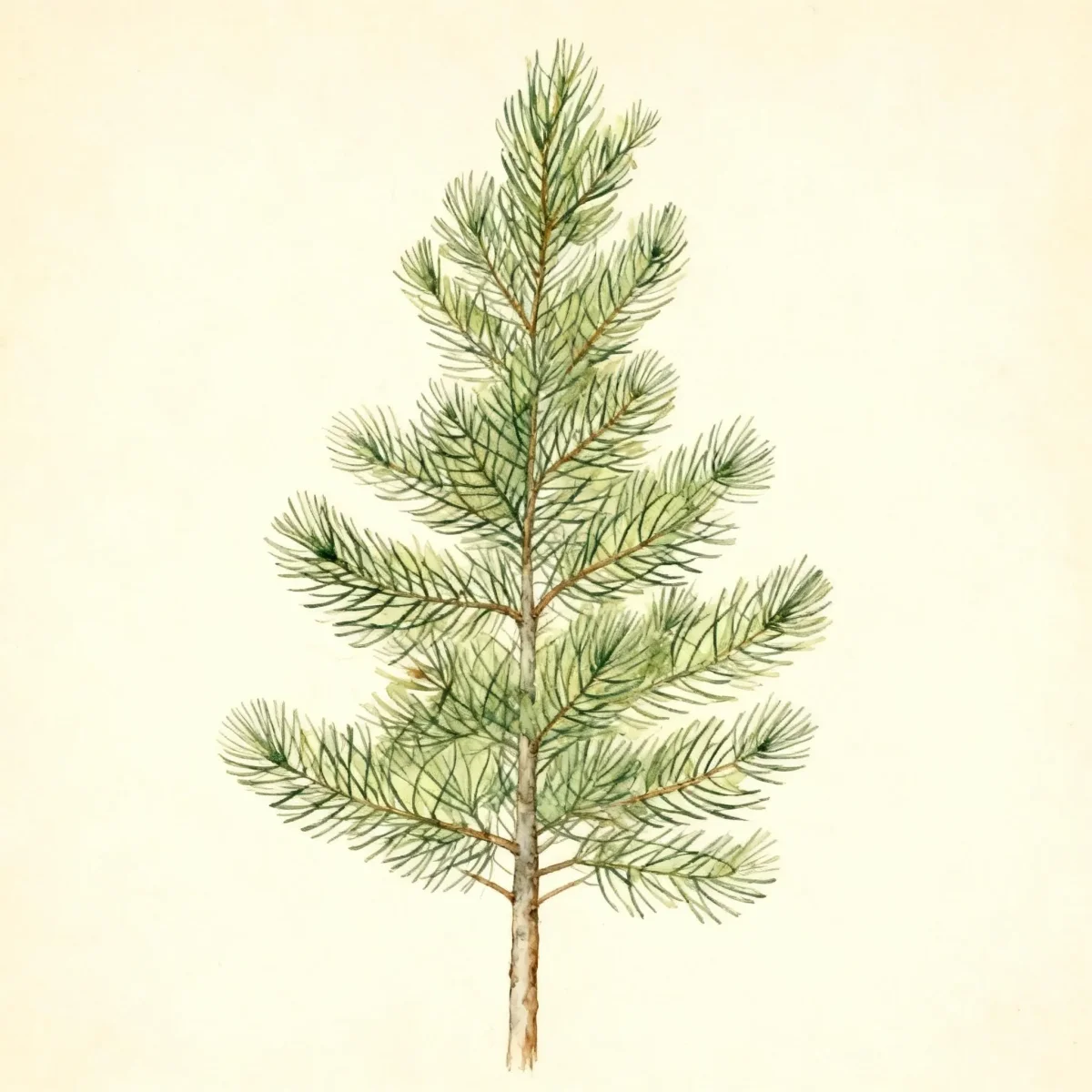
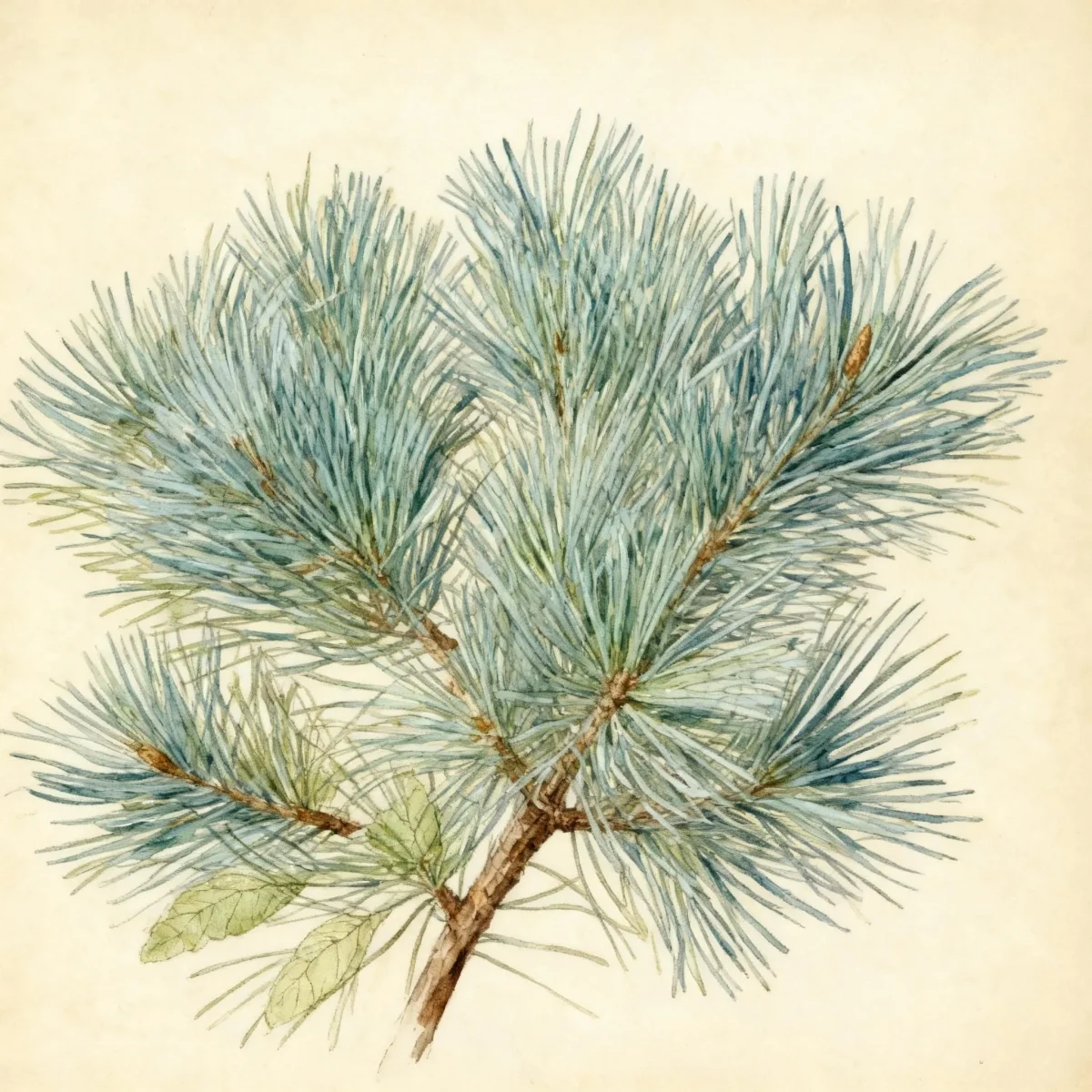
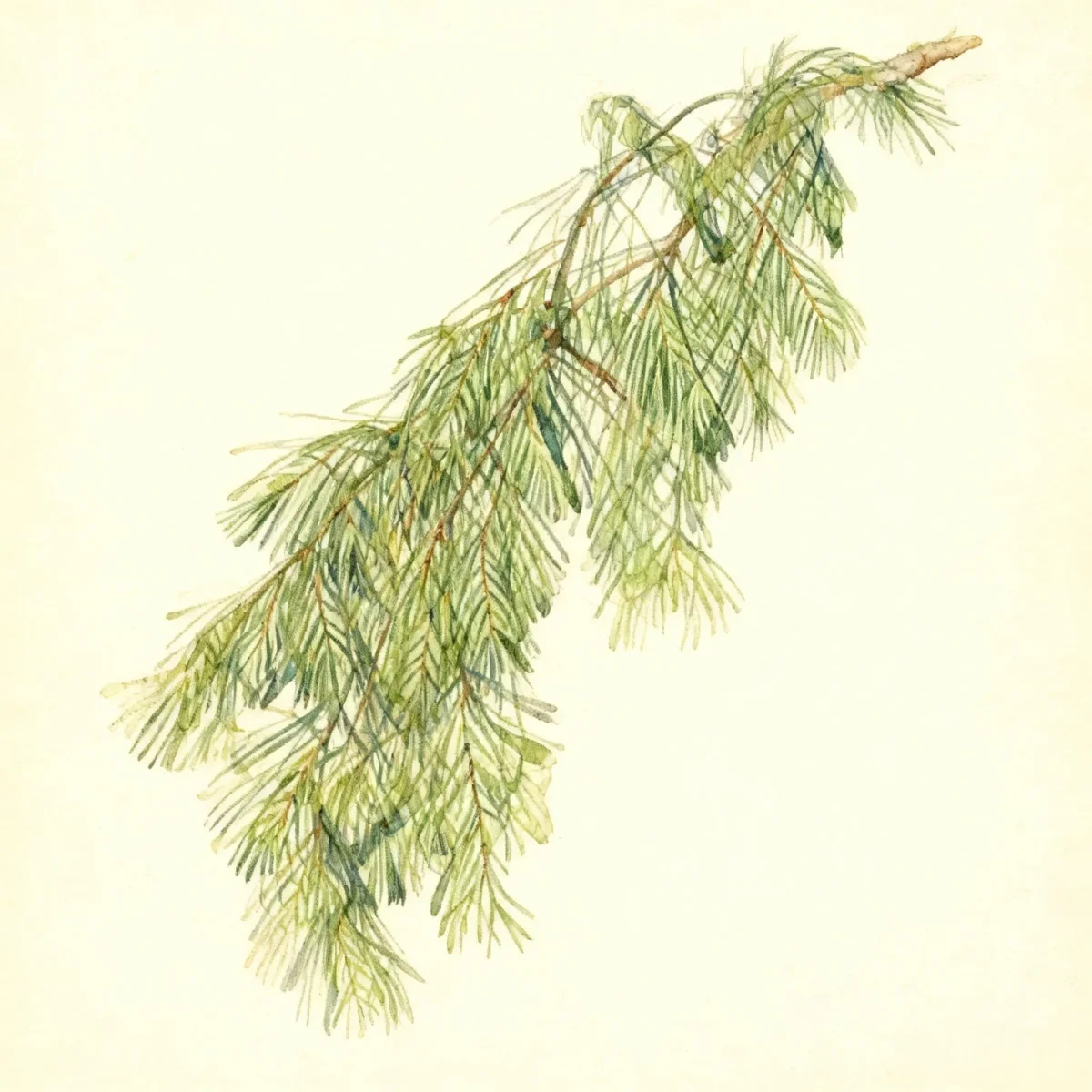
Eastern white pine (Pinus strobus 'Horsford')
Pinus strobus 'Horsford' is a dwarf Eastern white pine, perfect as a rock garden accent growing slowly to 1 foot tall.

Bloom Boldly, No Matter the Season - Sweatshirt
Cozy organic cotton sweatshirt featuring our exclusive Purple Coneflower design. Perfect for gardeners who bloom year-round.
Inspired by the beautiful Eastern white pine
Limited first batch (50) — join the waitlist for early access
Waitlist closes Feb 15, 2026.
Complete Plant Information
Field Guide Continues
Ready for care notes, companion picks, and planting tips?
The map is just the start. The full guide below covers growth habits, seasonal performance, and landscape uses.
Overview
Pinus strobus ‘Horsford’, a sought-after dwarf cultivar of the Eastern white pine, provides exceptional texture and form in small garden spaces. Unlike its towering relatives, the ‘Horsford’ variety develops a dense, slow-growing, rounded mound, rarely exceeding one foot tall, making it ideal for specialized plantings. This needled evergreen retains the soft, characteristic foliage of the species while offering a manageable stature.
The value of Pinus strobus ‘Horsford’ lies in its condensed size and low annual growth rate, averaging just 3 inches per year. It combines the rugged appeal of a native conifer with the precision needed for rock gardens or foreground specimen plantings. Gardeners appreciate this form of Eastern white pine for adding year-round structure without the commitment of planting a full-sized tree.
Though maintenance is generally low, successful cultivation relies on ensuring proper soil conditions that mimic its preferred acidic, well-drained environment. Providing full sun or light afternoon shade allows this miniature feature plant to thrive, offering year-round visual interest through its short, lime-green needles clustered in fives.
Fast Facts
- Plant Family: Pinaceae
- Plant Type: Needled evergreen
- Hardiness Zones: USDA Zones 3-8
- Size at Maturity:
- Height: 0.75-1 ft
- Spread: 0.75-1 ft
- Bloom Time: Non-flowering
- Bloom Description: Non-flowering
- Sun Exposure: Full sun to part shade
- Water Needs: Medium
- Maintenance Level: Low
How to Grow
Planting Pinus strobus ‘Horsford’ is best accomplished in spring or early fall, allowing the roots time to establish before seasonal extremes. Choose a site that offers full sun exposure up to light afternoon shade, ensuring the soil is acidic, fertile, and drains exceptionally well. This cultivar is intolerant of compacted soils and alkaline conditions, so amending heavy clay is crucial for long-term health.
Watering should be consistent, especially during the first few growing seasons, as this needled evergreen requires medium moisture levels to thrive. Once established, occasional deep watering during summer droughts is usually sufficient. Fertilize sparingly; if necessary, use an acidifying fertilizer formulated for evergreens applied in early spring, following product directions carefully.
Pruning is generally minimal due to the compact, naturally mounded habit of Pinus strobus ‘Horsford’. However, if shape refinement is desired, light shearing of the new growth (candles) in the early spring can help maintain density without sacrificing the natural look of the Eastern white pine. Avoid heavy pruning late in the season.
A critical cultural note involves air quality; while the species tolerates some pollution, providing it with clean air helps prevent stress that invites pests and diseases. Ensure good air circulation around this dwarf mound to support its overall vigor.
Landscape Uses
The diminutive size makes Pinus strobus ‘Horsford’ incredibly versatile for contemporary and traditional landscape designs where space is limited. This cultivar excels as a dedicated accent piece, providing fine texture contrast against bolder, broader-leafed shrubs or flowering perennials. Its evergreen nature ensures winter structure in otherwise dormant borders.
Consider incorporating this dwarf Eastern white pine into rock gardens or alpine settings where its slow, mounding habit can mimic natural mountain growth patterns. It also functions perfectly as foundation planting material, serving as a low, non-aggressive foreground element that won’t obscure windows or walkways over time.
For specimen usage, place one or two Pinus strobus ‘Horsford’ where their unique form can be appreciated up close, such as flanking an entryway or terminating a short path. Its aesthetic works well alongside groundcovers like creeping thyme or low-growing junipers which share similar soil and sun requirements.
Standout Features
Noteworthy Characteristics
Pinus strobus, commonly called Eastern white pine, is known for its soft needles borne in bundles of five, a defining trait. The ‘Horsford’ cultivar maintains this characteristic but is significantly smaller, developing a dense, rounded shape slowly over time. This miniature mound offers superb visual texture and year-round color development in the landscape.
Tolerances
- Rabbit
- Deer
Potential Problems
White pines, including the Pinus strobus ‘Horsford’ cultivar, are susceptible to several serious fungal diseases, the primary concern being white pine blister rust. This bark disease is frequently fatal and requires careful management. The alternate host for this rust is any species belonging to the Ribes genus, such as currants and gooseberries; avoid planting these near your Eastern white pine specimens.
Insect pests present another challenge. The white pine weevil often targets the terminal buds, causing a crooked leader, while scale insects and aphids can weaken overall vitality. Regularly inspect the foliage and terminals of your Pinus strobus ‘Horsford’ for early signs of infestation.
Management should focus on cultural soundness—ensuring excellent drainage and avoiding stress—to boost natural resistance. If pests are noted, use horticulture oil or appropriate targeted insecticides, focusing on timing treatments correctly based on the specific pest life cycle.
Frequently Asked Questions
What hardiness zones is Pinus strobus ‘Horsford’ suitable for?
This dwarf Eastern white pine is reliably hardy across USDA Zones 3 through 8, making it a robust choice for many northern and central climate gardens.
How large does Pinus strobus ‘Horsford’ grow?
This slow-growing cultivar typically reaches a mature height and spread between 0.75 to 1 foot tall and wide, making it excellent for confined spaces.
What sun exposure does Eastern white pine need?
Pinus strobus ‘Horsford’ performs best when planted in locations that receive full sun to partial shade.
When does Pinus strobus ‘Horsford’ bloom?
As a conifer, this plant is Non-flowering, developing cones only after many years, or never in its small stature.
Conclusion
The dwarf Pinus strobus ‘Horsford’ is a valuable asset for gardeners seeking the classic beauty of the Eastern white pine in a perfectly miniaturized form. Its dense, rounded habit and low maintenance needs make it a superb, reliable specimen for rock gardens and foundation accents. Before planting, confirm your site offers acidic, well-drained soil and adequate light so this charming conifer can establish its slow, perfect mound.
Companion Planting
When selecting companions for Pinus strobus ‘Horsford’, prioritize plants that share its preference for acidic, well-drained soil and full to partial sun. Consider pairing it with contrasting textures, such as Japanese maples (Acer palmatum) providing seasonal color, or low-growing, chartreuse groundcovers like creeping Jenny (Lysimachia nummularia ‘Aurea’) for bright accents near its base.
Since this dwarf pine remains small, it integrates beautifully into mixed foundation plantings alongside low-growing, acid-loving spreading shrubs like dwarf rhododendrons or compact azaleas. Ensure that any companions do not create dense shade, as the Eastern white pine requires substantial light to maintain its dense, rounded form.
Avoid planting Ribes species nearby at all costs, as these alternate hosts directly threaten the health of your Pinus strobus ‘Horsford’ due to the risk of white pine blister rust transmission. Selecting companions that are generally pest-free will also reduce overall pressure on the conifer.
Design Ideas for Dwarf Conifers
Dwarf conifers like Pinus strobus ‘Horsford’ are essential tools for creating sophisticated, low-maintenance displays. They function effectively in Japanese-inspired gardens, providing permanent evergreen structure that defines space throughout the winter months. Their formal, miniature shape contrasts beautifully with the wilder shapes of ornamental grasses or perennial borders.
In modern landscape architecture, this cultivar is perfect for filling in gaps near hardscaping features like retaining walls or paving stones where regular maintenance access is difficult. Its slow growth habit means you will not need to shear it back every year just to keep it in its designated boundary line.
Use Pinus strobus ‘Horsford’ in containers, especially large, shallow bowls, combining it with seasonal color like violas or pansies that peak in cooler weather. Moving the container allows you to dictate exactly where this feature plant’s fine texture is most needed in the garden display.