Scotch pine(Pinus sylvestris 'Watereri')
Grow Scots pine 'Watereri' (Pinus sylvestris): steel-blue twisted needles, picturesque multi-stemmed habit, cinnamon-orange bark, and USDA zones 3–7 care.
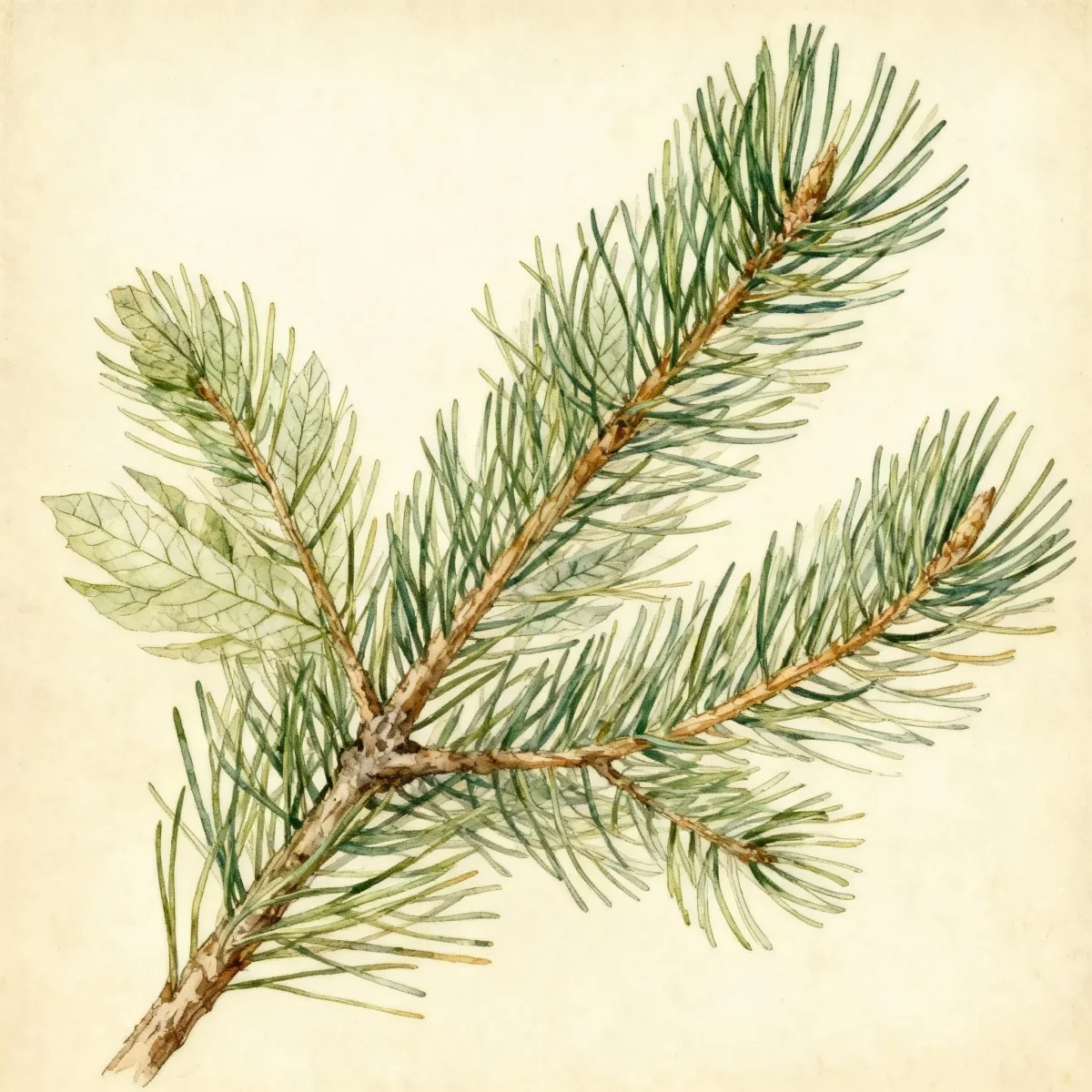
Complete Plant Information
- Hardiness zones
- USDA 3–7
- Plant type
- Needled evergreen
- Plant family
- Pinaceae
- Sun exposure
- Full sun
- Water needs
- Dry to medium
- Maintenance
- Low
- Height
- 10–15 ft (305–457 cm)
- Spread
- 8–12 ft (244–366 cm)
- Bloom time
- Non-flowering
- Flower color
- Non-flowering gymnosperm; small egg-shaped cones (1.5–2 inches)
- Flower qualities
- Insignificant
- Fruit qualities
- Not recorded
- Tolerances
- Deer, Drought, Poor Soil, Wind
- Garden uses
- Focal specimen, evergreen anchor, rock garden, Asian garden
- Native range
- Eurasia (cultivar discovered in Surrey, England in 1865)
Field Guide Continues
Ready for care notes, companion picks, and planting tips?
The map is just the start. The full guide below covers growth habits, seasonal performance, and landscape uses.
Overview
Scots pine ‘Watereri’ (Pinus sylvestris ‘Watereri’, historically known as Waterer’s dwarf Scotch pine) is a celebrated slow-growing dwarf conifer hardy in USDA Zones 3 through 7, recipient of the Royal Horticultural Society’s Award of Garden Merit. Discovered in England’s Knap Hill Nursery in 1865, it develops slowly (about 4 to 6 inches per year) from a dense, rounded bush into a picturesque, flat-topped to broad-pyramidal multi-stemmed small tree 10 to 15 feet tall and 8 to 12 feet wide. Known for its intense steel-blue needles and flaking cinnamon-orange trunk bark, it provides year-round color without the sprawling, 60-foot height of the wild species.
Its twisted, paired needles retain their silvery-blue hue through cold northern winters, making it an anchor plant for four-season garden structure.
How to Grow
- Sunlight: Full sun is mandatory (minimum 6 to 8 hours daily). Partial shade causes loose, open branching and dulls the silvery-blue needle pigment.
- Soil & Drainage: Requires sharp, fast drainage. Thrives in poor, sandy, gravelly, or rocky acidic soils. Intolerant of waterlogged ground or compacted clay, which induces root rot.
- Hardiness & Climate: USDA Zones 3 through 7. Highly cold-hardy, withstanding northern subzero winters with ease. It struggles in hot, humid climates south of Zone 7, where summer night heat elevates stress and fungal needle cast susceptibility.
- Candling & Pruning: Pines do not sprout from bare old wood. To keep ‘Watereri’ ultra-dense and compact, pinch or snap the tender new spring growth shoots (“candles”) in half in late spring before needles expand.
Landscape Uses
- Picturesque Focal Specimen: Mature multi-stemmed trunks and cinnamon bark create a living bonsai effect in lawn beds and courtyard rockeries.
- Foundation Anchor: Sited on prominent building corners, its slow growth ensures it stays in scale with two-story homes.
- Japanese & Zen Gardens: Naturally forms picturesque, cloud-like tiered branches when lower limbs are skirted up.
Potential Problems
- Soggy Soil & Root Rot: Standing water or poor drainage suffocates root systems rapidly.
- Pine Needle Scale & Sawfly: Periodically inspect needle clusters for white scale insects or defoliating sawfly larvae in early summer.
- Heat Stress: Declines in sultry southern climates with high nighttime temperatures.
Frequently Asked Questions
How fast does ‘Watereri’ Scots pine grow?
It is a slow-growing dwarf selection, averaging only 4 to 6 inches of new growth annually. It takes 25 to 30 years to reach 12 to 15 feet.
How do I keep ‘Watereri’ small and compact?
Pinch the soft new spring shoots (called “candles”) in half in May or June using your fingers. This reduces internode length and stimulates dense secondary budding without leaving brown cut needle tips.
Does the bark turn orange?
Yes. As the tree matures, the upper trunk and main branches shed thin papery flakes, revealing a luminous cinnamon-orange underbark.
Companion Plants
Pair Scots pine ‘Watereri’ with plants that share its demand for full sun and sharp soil drainage:
- Flowering Shrubs: Plant alongside dwarf lilacs (Syringa meyeri ‘Palibin’), potentillas, or spirea.
- Contrasting Ornamental Grasses: Combine with feather reed grass (Calamagrostis) or blue fescue (Festuca glauca).
- Hardy Perennials: Underplant with creeping sedums, creeping phlox, or purple coneflowers (Echinacea).
Sources & Lineage
- Missouri Botanical Garden PlantFinder: Record taxon 252911 (Pinus sylvestris ‘Watereri’) — historical Knap Hill origin, growth rate, and cultural directives.
- Kew Plants of the World Online (POWO): Pinus sylvestris L. (POWO: 263353-1) — species taxonomy, family (Pinaceae), and Eurasian native range.
- Royal Horticultural Society (RHS): Pinus sylvestris ‘Watereri’ AGM Profile — Award of Garden Merit description and landscape application.
Recommended Companion Plants
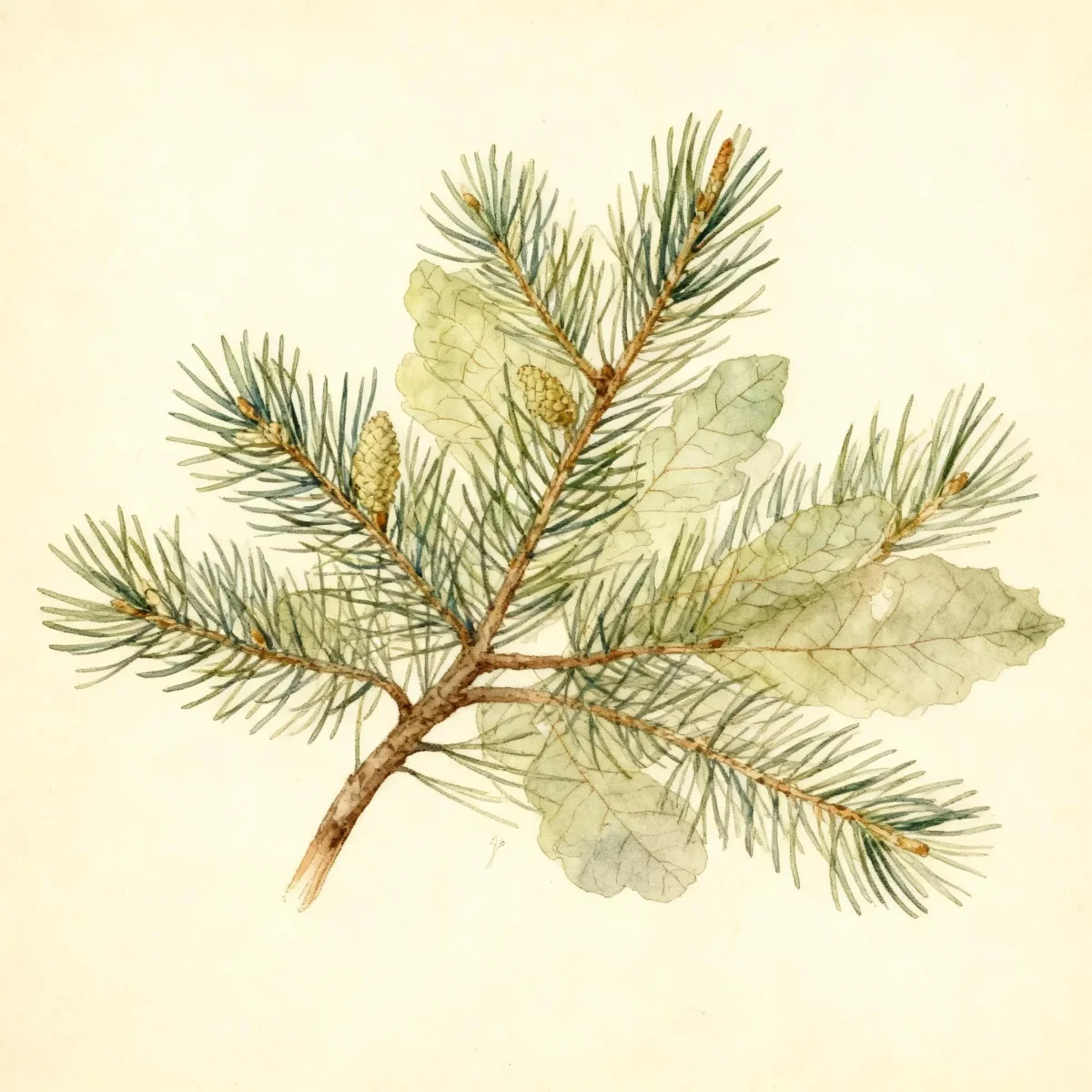
Scotch pine
Pinus sylvestris 'Albyn Prostrata'
- USDA zones
- 3–7
- Light
- Full sun
- Water
- Medium
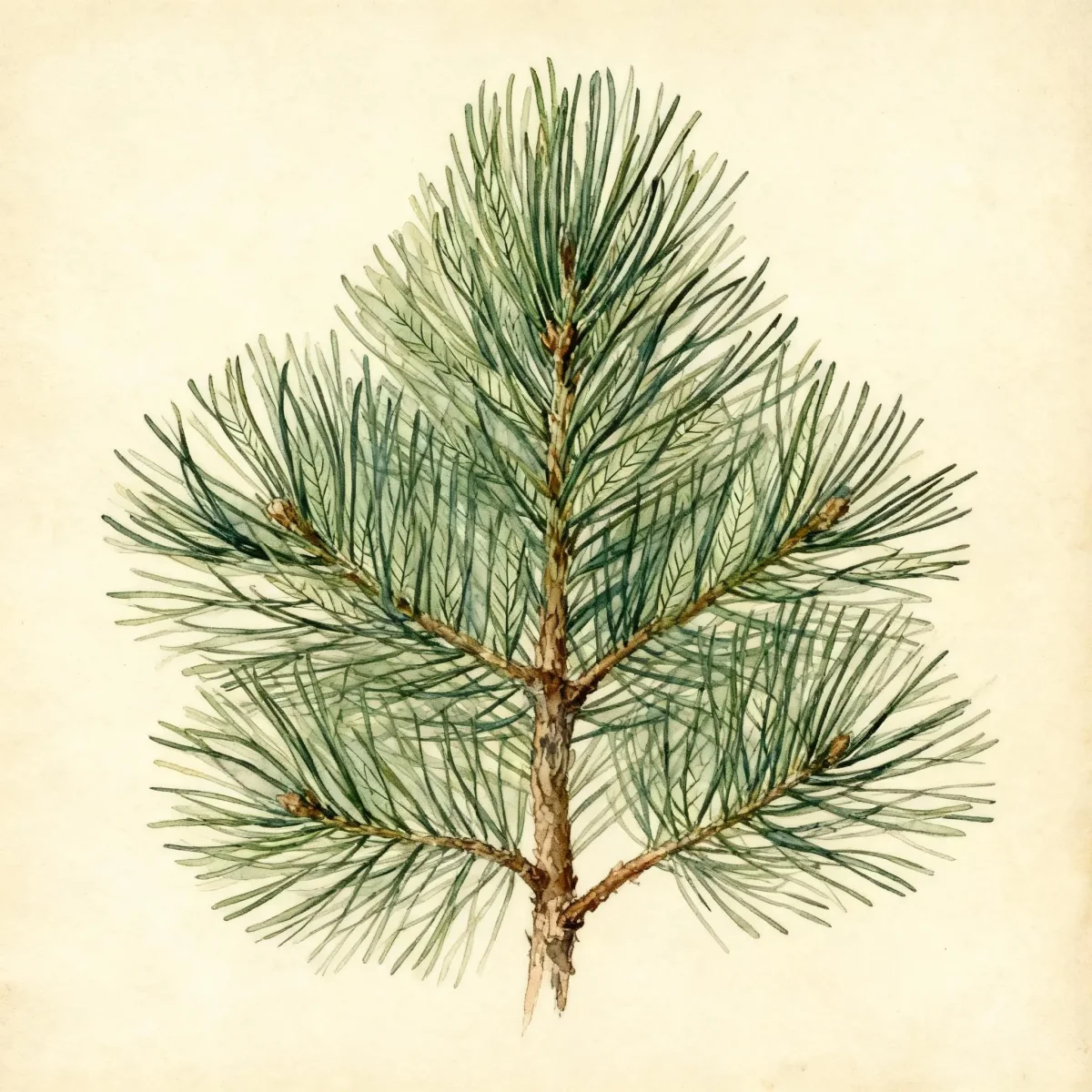
Scotch pine
Pinus sylvestris 'Beuvronensis'
- USDA zones
- 3–7
- Light
- Full sun
- Water
- Medium
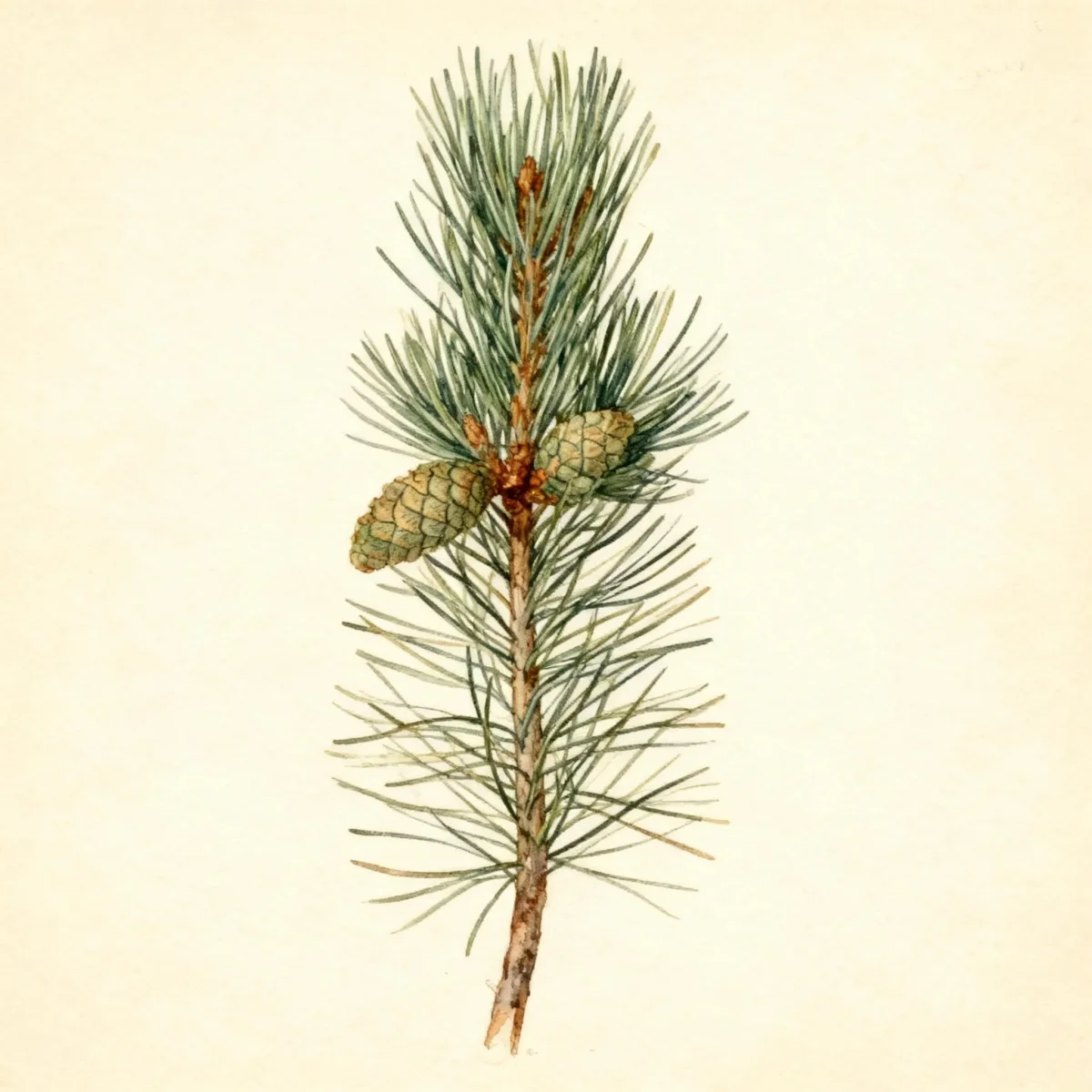
Scotch pine
Pinus sylvestris 'Fastigiata'
- USDA zones
- 3–7
- Light
- Full sun
- Water
- Medium
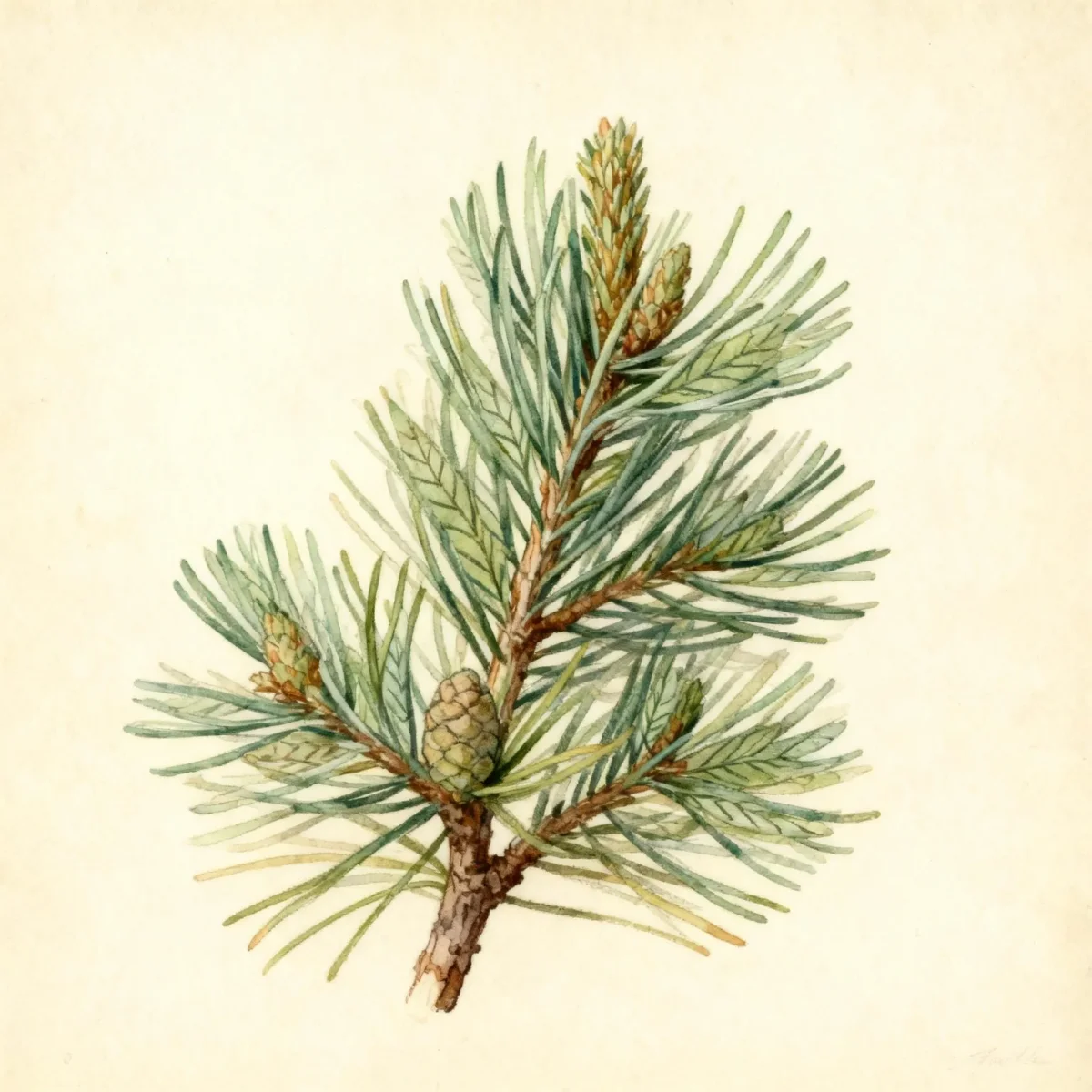
Scotch pine
Pinus sylvestris 'Glauca Nana'
- USDA zones
- 3–7
- Light
- Full sun
- Water
- Medium
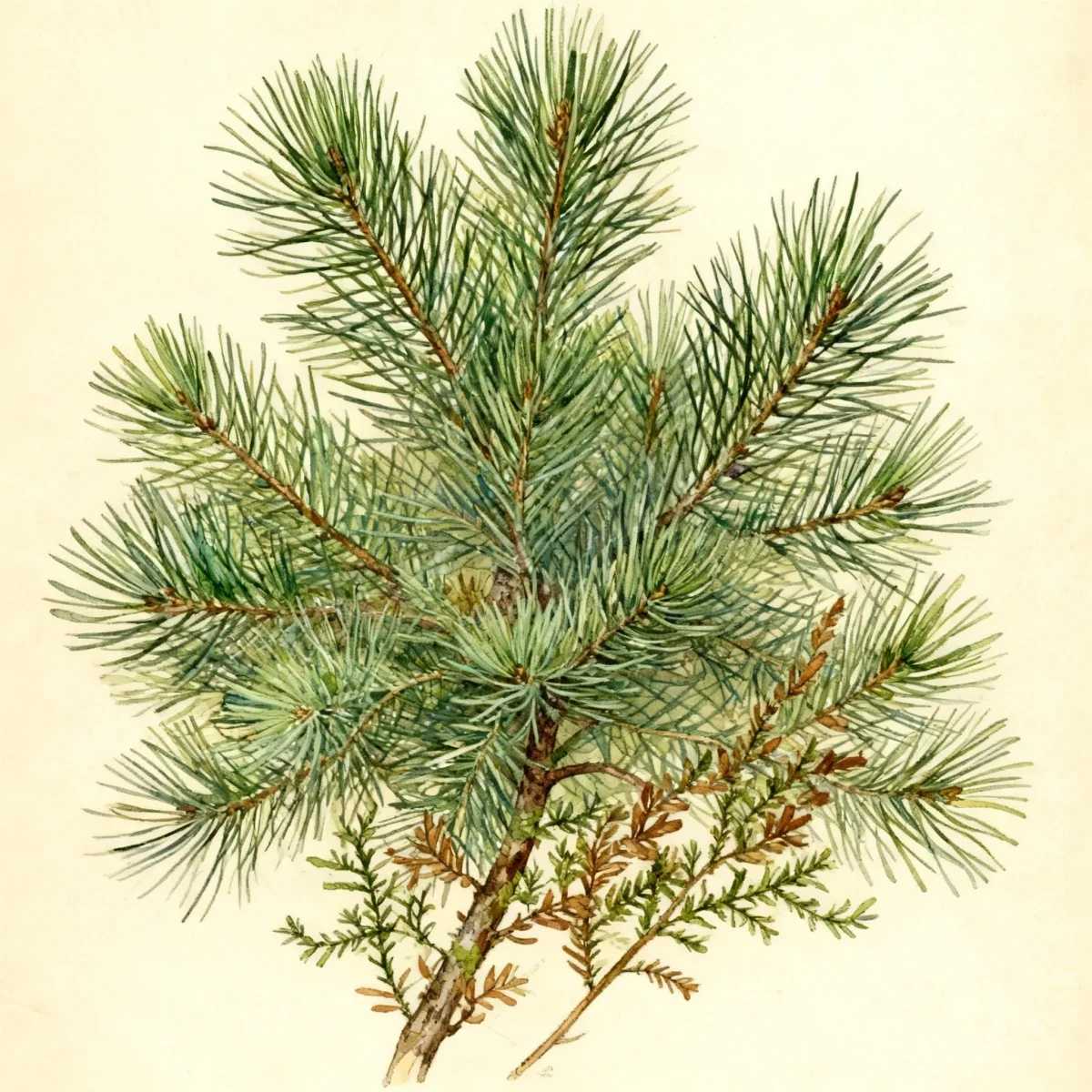
Scotch pine
Pinus sylvestris 'Hillside Creeper'
- USDA zones
- 2–8
- Light
- Full sun
- Water
- Medium
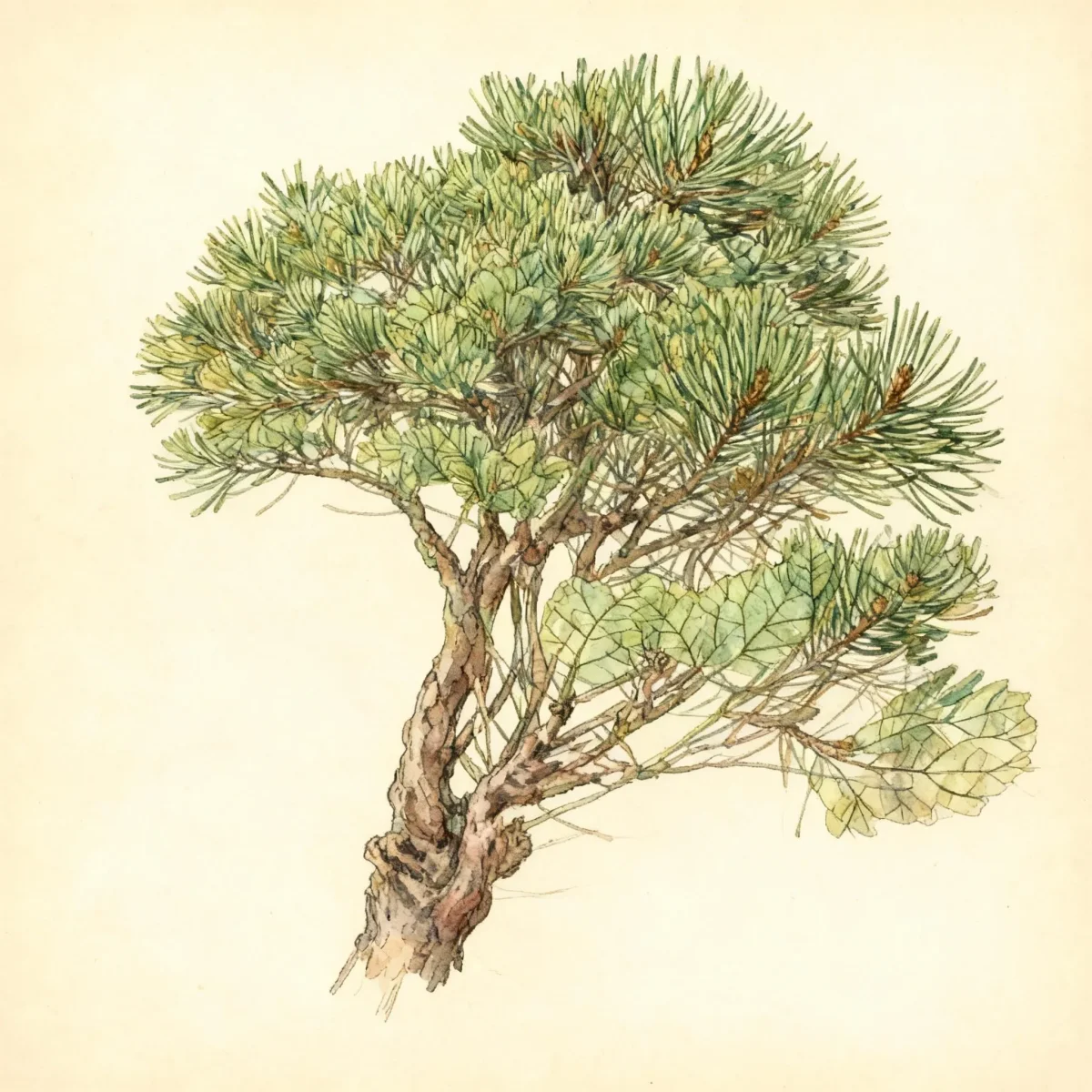
Scotch pine
Pinus sylvestris 'Nana Compressa'
- USDA zones
- 3–7
- Light
- Full sun
- Water
- Medium
Keep Learning
Test what you know with a garden quiz
You have the plant facts and care notes. Continue with a related challenge, or browse the complete quiz library.

Can You Identify These Common Garden Plants? Test Your Plant Knowledge
Think you know your roses from your peonies? Test your plant identification skills with our comprehensive garden plant quiz featuring 10 challenging questions.
Start quiz
USDA Garden Zone Map Quiz
Use this USDA garden zone map quiz to check whether you can read hardiness zones and choose plants with more confidence.
Start quizBrowse the full quizzes section
Explore plant identification, zone strategy, and seasonal gardening challenges.
View all quizzes