Bethlehem sage (Pulmonaria saccharata 'Mrs. Moon')
Pulmonaria saccharata 'Mrs. Moon' (Bethlehem sage) offers stunning silver-spotted foliage and long-lasting pink-to-blue flowers in shade.


Bloom Boldly, No Matter the Season - Sweatshirt
Cozy organic cotton sweatshirt featuring our exclusive Purple Coneflower design. Perfect for gardeners who bloom year-round.
Inspired by the beautiful Bethlehem sage
Limited first batch (50) — join the waitlist for early access
Waitlist closes Feb 15, 2026.
Complete Plant Information
Field Guide Continues
Ready for care notes, companion picks, and planting tips?
The map is just the start. The full guide below covers growth habits, seasonal performance, and landscape uses.
Overview
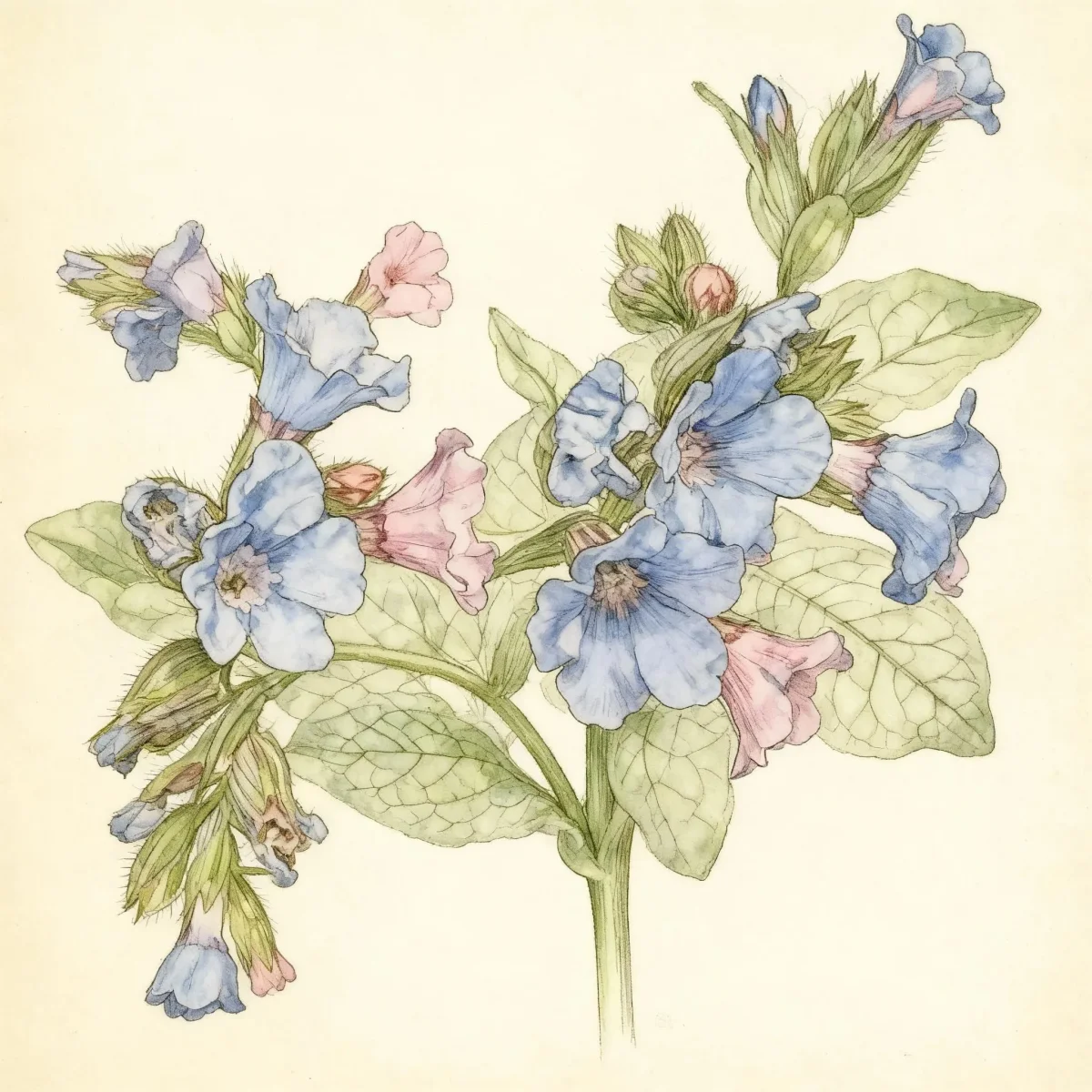
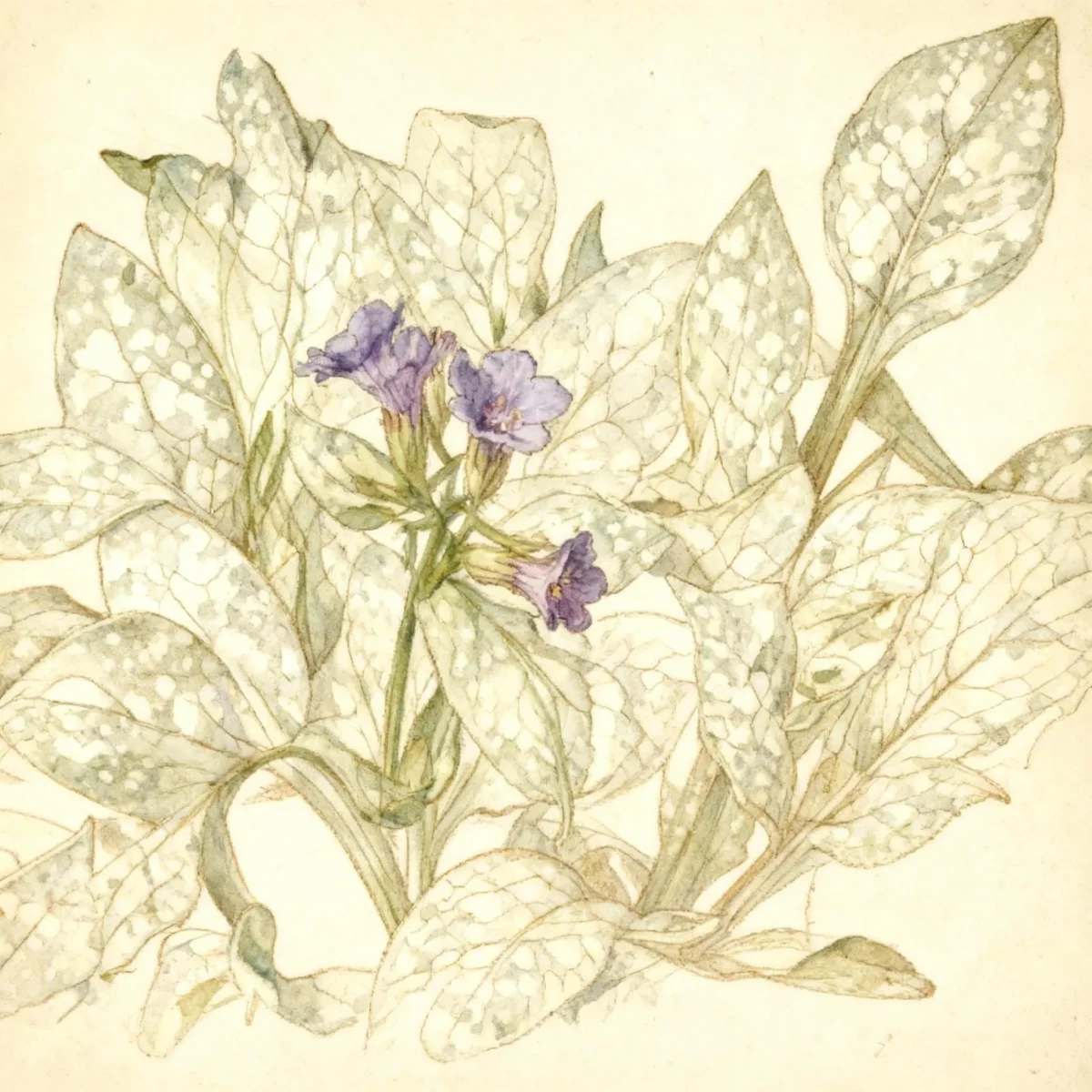
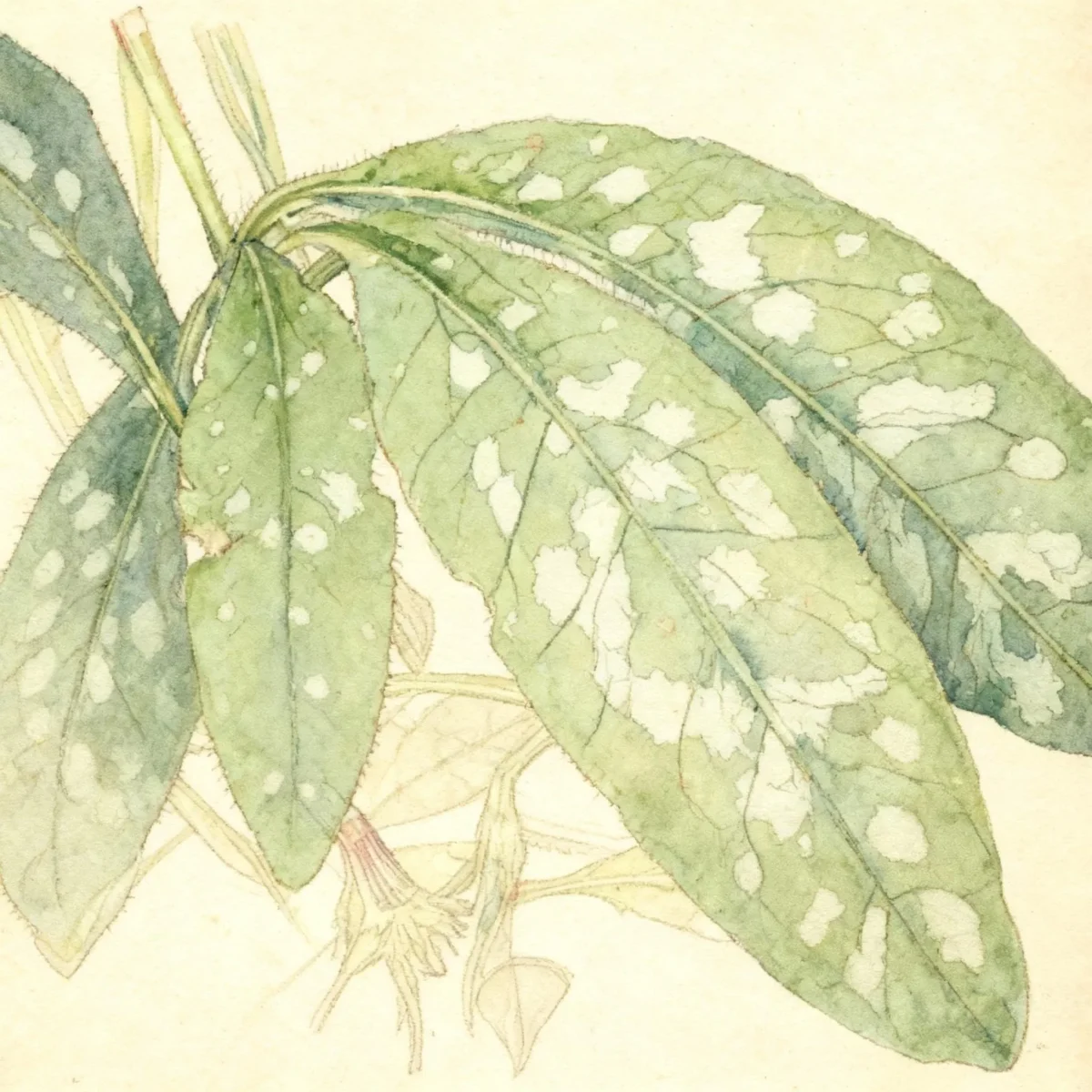
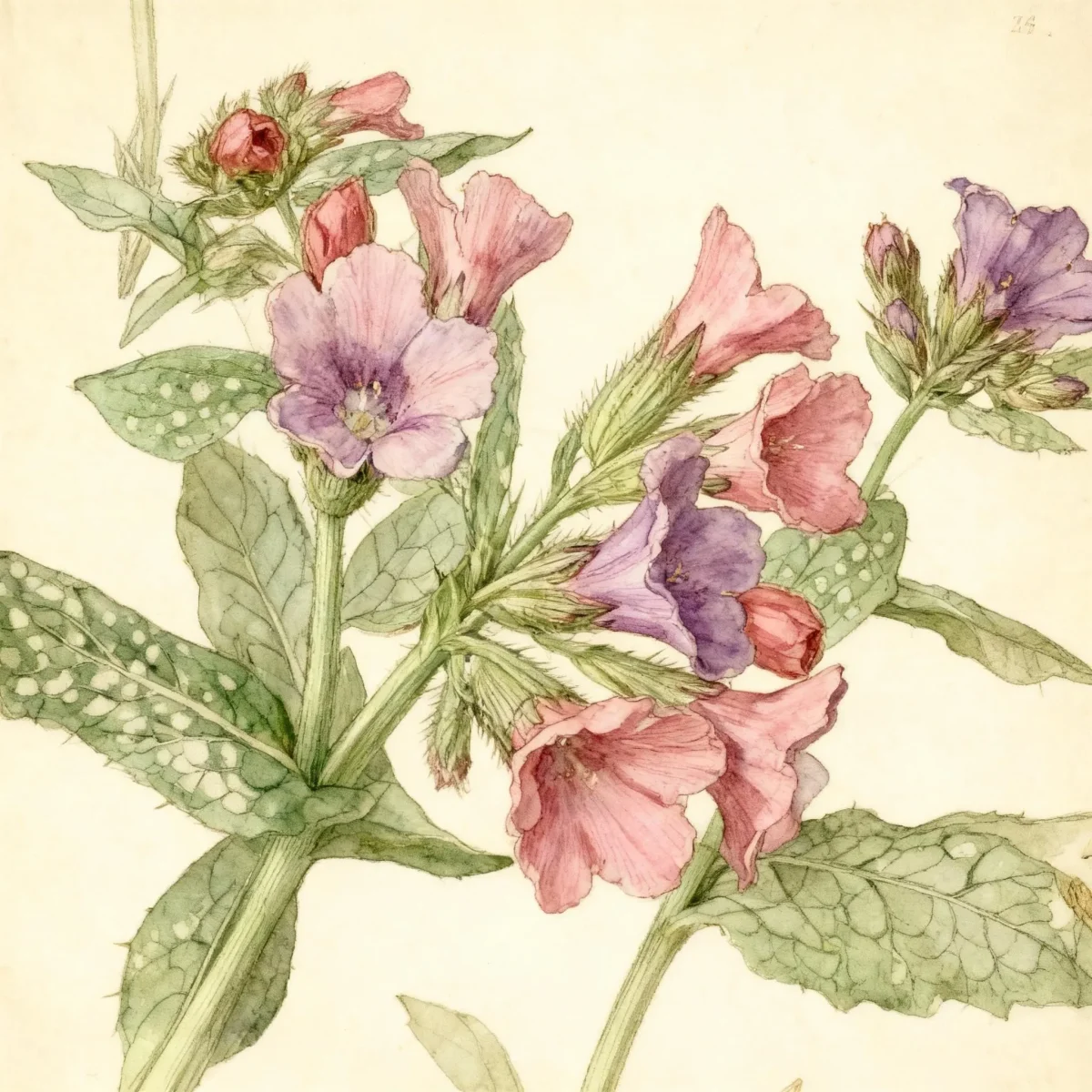
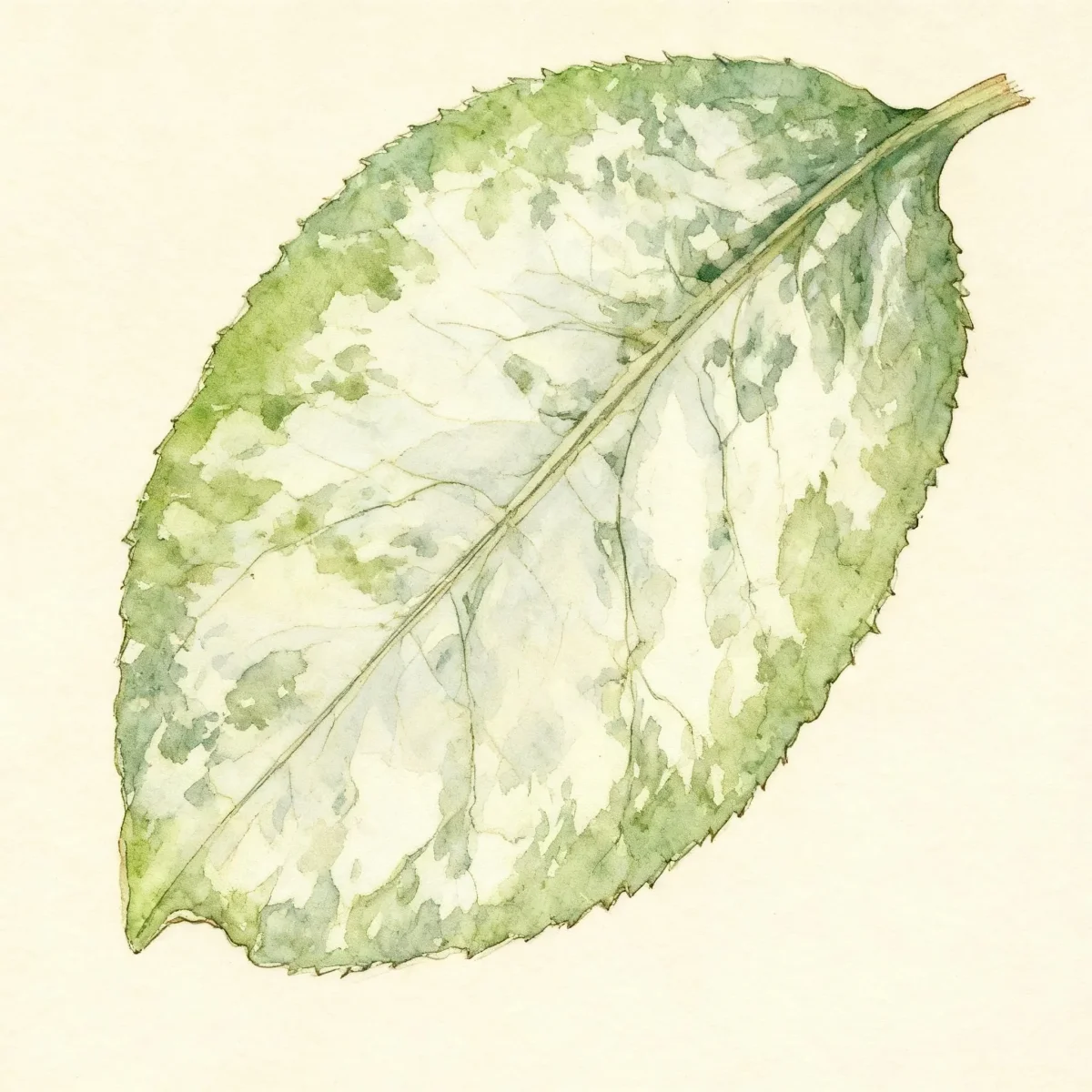
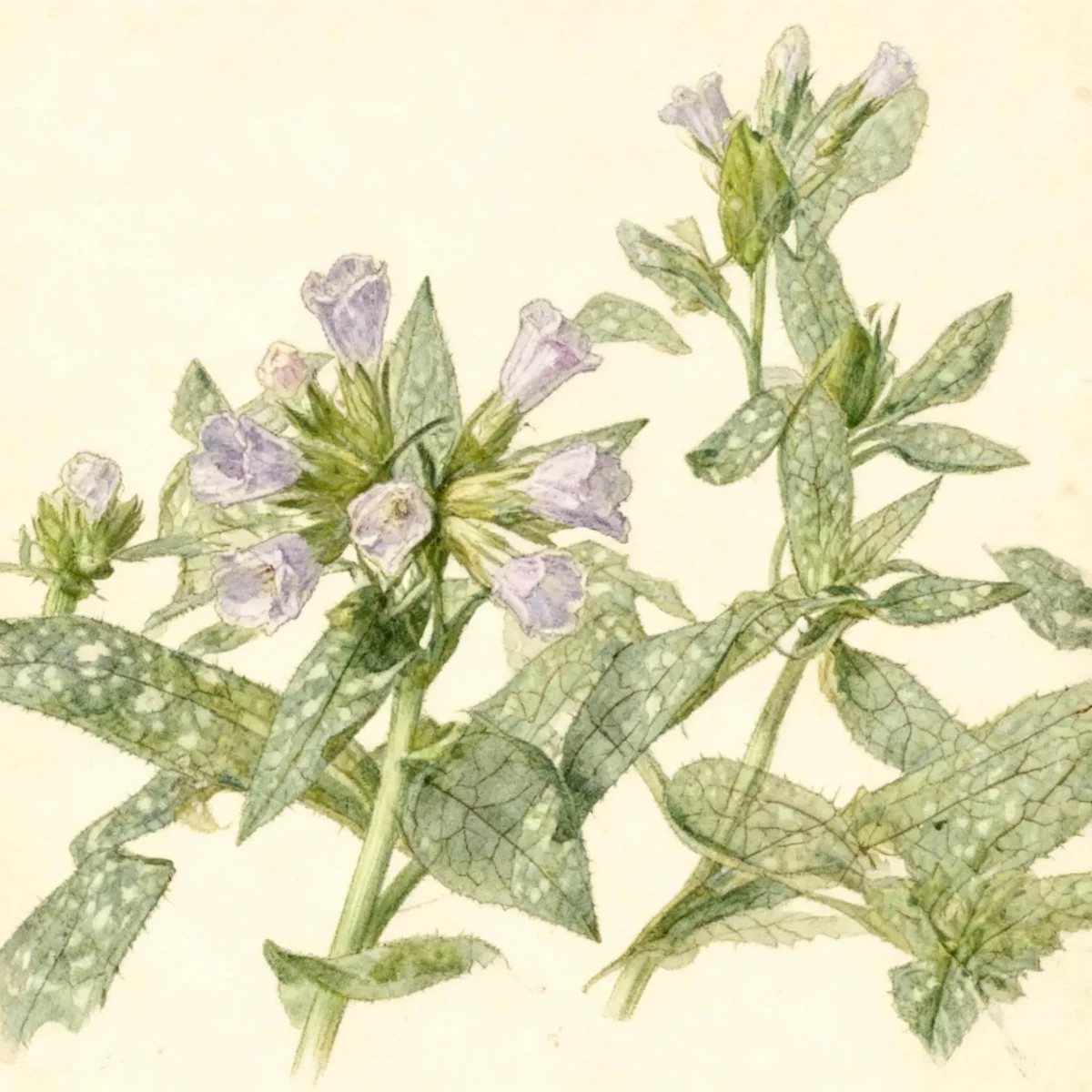
Pulmonaria saccharata ‘Mrs. Moon’, commonly known as Bethlehem sage, is celebrated primarily for its striking, silver-mottled foliage which provides year-round interest in the darkest garden spots. This rhizomatous, herbaceous perennial forms dense clumps of dark green leaves heavily contrasted by prominent white spotting, making it a visual standout even when not in bloom. The plant produces charming, nodding clusters of funnel-shaped flowers that transition beautifully from pink buds to mature blue throughout the spring display.
Valued for its low maintenance and adaptability, Pulmonaria saccharata ‘Mrs. Moon’ thrives where few other plants succeed, making it an essential component for shaded borders and woodland settings. It spreads slowly, offering reliable ground cover without the aggressiveness of true invasives. Gardeners seeking reliable texture and long-lasting spring color in the shade gravitate toward Bethlehem sage for its resilience and beauty.
Fast Facts
- Plant Family: Boraginaceae
- Plant Type: Herbaceous perennial
- Hardiness Zones: USDA Zones 3-8
- Size at Maturity:
- Height: 0.75-1.5 ft
- Spread: 1.5-2 ft
- Bloom Time: April to May
- Bloom Description: Pink maturing to blue
- Sun Exposure: Part shade to full shade
- Water Needs: Medium
- Maintenance Level: Low
How to Grow
Establish Bethlehem sage in the cool, humusy, organically rich soils that drain extremely well. While it requires evenly moist conditions, it is intolerant of wet, poorly-drained soils, which can lead to root rot. Planting in part shade to full shade is crucial; avoid full sun locations as leaves scorch easily and plants will struggle if the soil dries out.
Watering should be consistent throughout the season, ensuring the soil never becomes parch-dry, especially during hot spells. Fertilization is rarely necessary if the soil is rich in organic matter, as excessive feeding can sometimes lead to weaker plant structure. Since Pulmonaria saccharata ‘Mrs. Moon’ spreads slowly via creeping roots, division is only recommended in the fall if the established clump becomes overcrowded.
Maintain good air circulation and promptly remove any severely damaged leaves to discourage minor fungal issues. In milder climates, the thick foliage of Pulmonaria saccharata ‘Mrs. Moon’ may remain semi-evergreen, offering welcome winter ground cover.
Landscape Uses
The heavy, silver-spotted foliage makes Bethlehem sage an exceptional textural element beneath deciduous trees or along shaded woodland paths. Mass planting Pulmonaria saccharata ‘Mrs. Moon’ creates a dense, low ground cover that effectively suppresses weeds while offering that delightful mid-spring pink-to-blue floral show. It works perfectly as a front-of-border accent where its lower stature won’t obscure taller shade lovers.
Consider pairing this classic perennial with other shade lovers that appreciate similar soil conditions, such as Hosta, Astilbe, or Brunnera macrophylla. The variegation of the leaves complements the solid colors of many shade perennials, ensuring bright contrast throughout the growing season. Use it to soften the edges of shaded patios or around the base of mature shrubs where grass struggles to grow.
Standout Features
Flower Qualities
- Showy
Noteworthy Characteristics
Pulmonaria saccharata, commonly known as Bethlehem sage or lungwort, is more valued for its attractive foliage than for its flowers. It is a setose-hairy, rhizomatous, herbaceous perennial of the borage family that features basal clumps to 8-12” tall of slightly-winged, long-stalked, acuminate, elliptic, bristly-pubescent, deep green leaves (4-12” long) which are heavily mottled with striking white spots or blotches. Sparsely-leaved flowering stems with ovate-oblong, short stalked to stalkless, cauline leaves (to 6” long) rise above the foliage clump to 18” tall in early to mid spring (April-May) topped by nodding branched terminal cymes of funnel-shaped blue bell-like flowers (to 1” long). Flower clusters are often two-toned because flowers emerge pink from pink buds but mature to blue. The basal foliage clump slowly spreads by creeping rootstocks to 24” wide. This plant is native from France to Italy.Genus name comes from the Latin pulmo meaning lung. In accordance with the Doctrine of Signatures, lungwort was once believed by Medieval herbalists to be an effective remedy for treating lung diseases because the spotted plant leaves purportedly resembled diseased lungs. However, it is well established today that this is not a valid method in determining a plant’s medicinal properties.Specific epithet comes from the Latin word saccharatus meaning sugary in reference to the foliage being covered with a white film suggesting a powdering of sugar.Common name of lungwort is in reference to the supposed resemblance of the spotted leaves to a diseased lung.‘Mrs. Moon’ has mounds of dark green, 4 in. Long leaves with well-separated round, silver spots. In mid-spring, nodding clusters of magenta pink buds open into pink bell-shaped flowers that mature to a bright blue. Buds and both colors of flowers may be present at the same time creating a bright colorful spot in the shade garden. ‘Mrs. Moon’ will self-sow to create a dense low ground cover. It grows 0.75 to 1.5 ft. Tall and 1.5 to 2 ft. Wide
Tolerances
- Deer
- Heavy Shade
- Black Walnut
Potential Problems
No serious insect or disease problems typically affect this tough perennial, but gardeners should watch for occasional issues with slugs and powdery mildew. Slugs are controlled by standard methods, while powdery mildew can usually be managed by ensuring adequate air circulation and avoiding overhead watering. The primary threat to Pulmonaria saccharata ‘Mrs. Moon’ comes from improper siting: leaves will quickly depreciate, scorch, or wilt in intense heat or if the soil is allowed to dry out completely. Furthermore, avoid planting in low spots where water pools, as root rot is a risk in perpetually wet, poorly drained soils.
Frequently Asked Questions
What hardiness zones is Bethlehem sage suitable for?
Pulmonaria saccharata ‘Mrs. Moon’ is reliably hardy across USDA Zones 3 through 8, offering dependable performance in many regions.
How large does Pulmonaria saccharata ‘Mrs. Moon’ grow?
This perennial reaches a mature height between 0.75 and 1.5 feet tall, spreading outward to a width of 1.5 to 2 feet via slow creeping roots.
What sun exposure does Bethlehem sage need?
Bethlehem sage performs best when situated in areas receiving part shade to full shade; direct afternoon sun should be avoided to prevent leaf scorch.
When does Bethlehem sage bloom?
The lovely flowers of Pulmonaria saccharata ‘Mrs. Moon’ appear in early to mid-spring, typically from April to May, showing a captivating color shift from pink maturing to blue.
Conclusion
Pulmonaria saccharata ‘Mrs. Moon’ is a horticultural powerhouse for the shade garden, offering dynamic, silver-spotted foliage that outshines many flowering competitors. The unique pink-to-blue bloom cycle adds lasting springtime interest to this low-maintenance perennial, making Bethlehem sage a reliable choice for challenging areas. Before planting, confirm your conditions match the need for humus-rich, consistently moist, well-drained soil in a shady location.
Propagation Tips
Division is the simplest and most effective method for increasing your stock of Pulmonaria saccharata ‘Mrs. Moon’. Plants should be divided in the fall once the main growing season slows, allowing the separated sections time to establish new roots before winter dormancy. Ensure each division retains a healthy crown and a significant portion of the root system.
When dividing, lift the entire clump carefully to minimize root disturbance, then gently tease apart the rhizomatous roots. Replant the divisions immediately into prepared soil at the same depth they were originally growing. While the plant will self-sow small amounts, division ensures rapid establishment of new groups of this striking foliage plant.
Design Ideas
The dense, clumping habit and strong leaf pattern of Pulmonaria saccharata ‘Mrs. Moon’ make it perfect for structured cottage gardens that feature plenty of shade. Place it where late-season bloomers, like Toad Lilies (Tricyrtis), will eventually take over the space, ensuring continuous garden interest. The silver markings catch and reflect ambient light, helping to brighten shadowy corners where brighter colors might otherwise get lost.
Consider using this durable perennial as a repeating motif along a retaining wall or pathway edge in a woodland garden design. Its deer resistance provides peace of mind, allowing gardeners to focus purely on textural complements. Avoid planting near very aggressive spreaders, as the slow spread of Bethlehem sage can be easily overwhelmed.