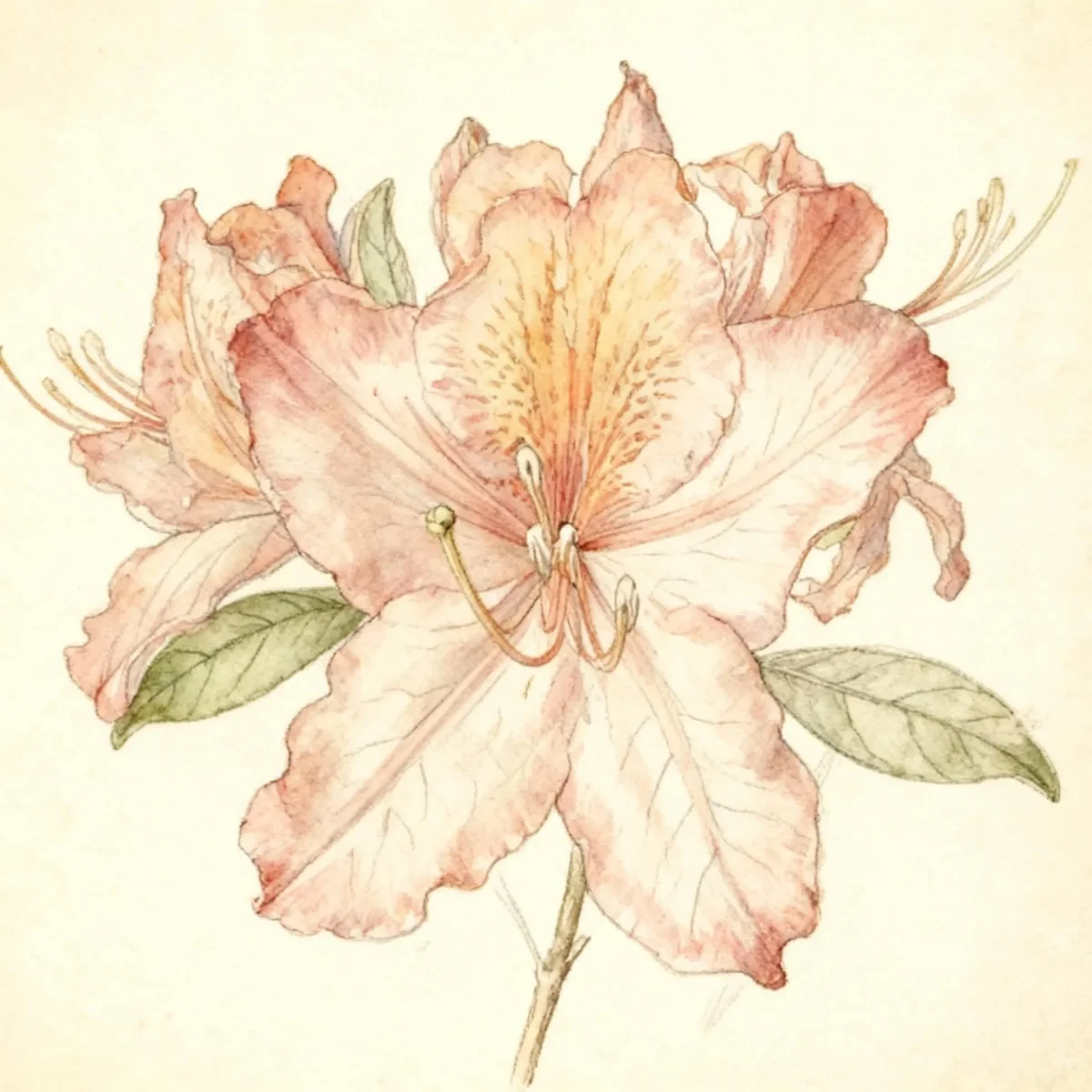
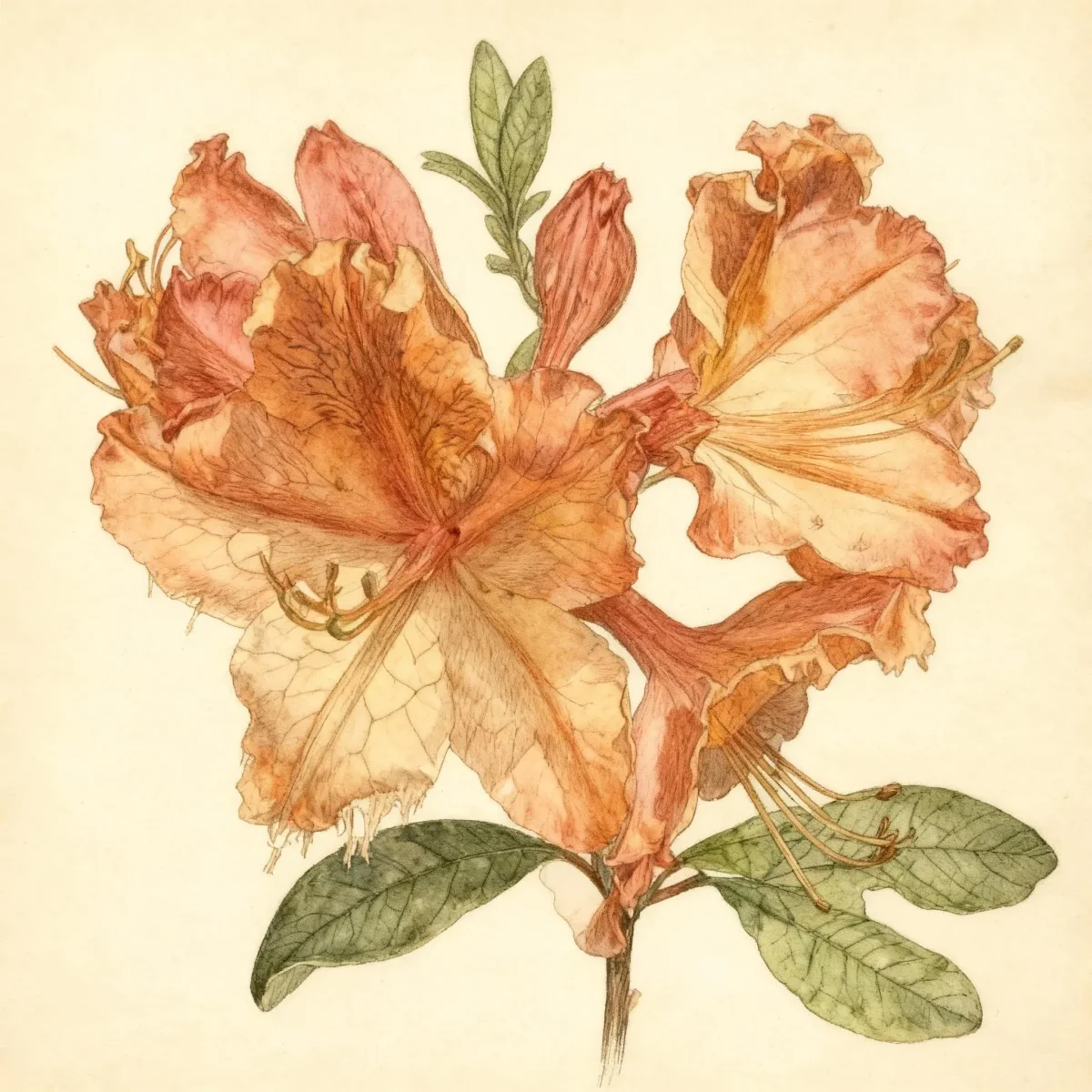
Azalea (Rhododendron 'Coccinea Speciosa')
Rhododendron 'Coccinea Speciosa' is a showy, fragrant deciduous Azalea famed for bright orange spring blooms in USDA zones 5-8.
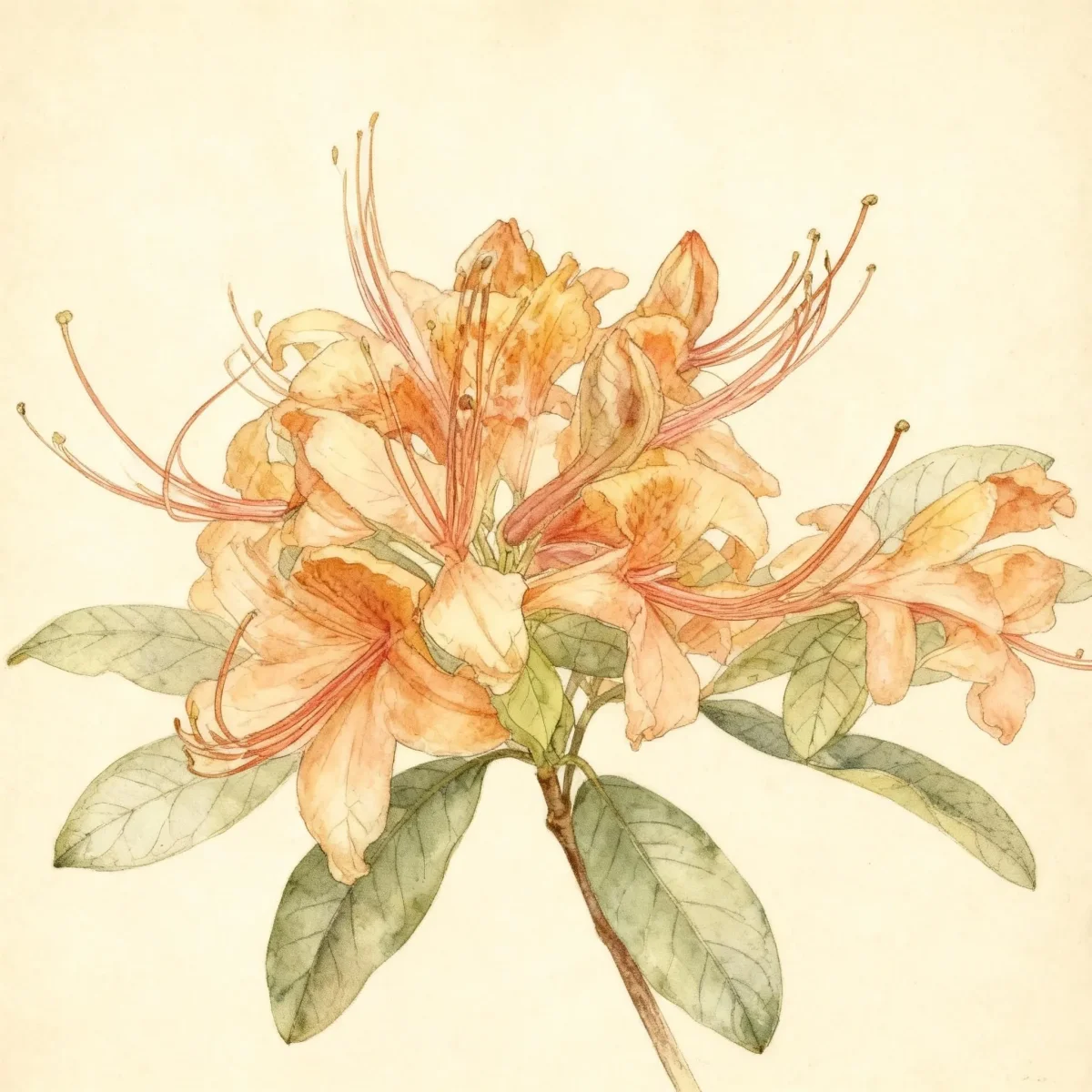

Bloom Boldly, No Matter the Season - Sweatshirt
Cozy organic cotton sweatshirt featuring our exclusive Purple Coneflower design. Perfect for gardeners who bloom year-round.
Inspired by the beautiful Azalea
Limited first batch (50) — join the waitlist for early access
Waitlist closes Feb 15, 2026.
Complete Plant Information
Field Guide Continues
Ready for care notes, companion picks, and planting tips?
The map is just the start. The full guide below covers growth habits, seasonal performance, and landscape uses.
Overview
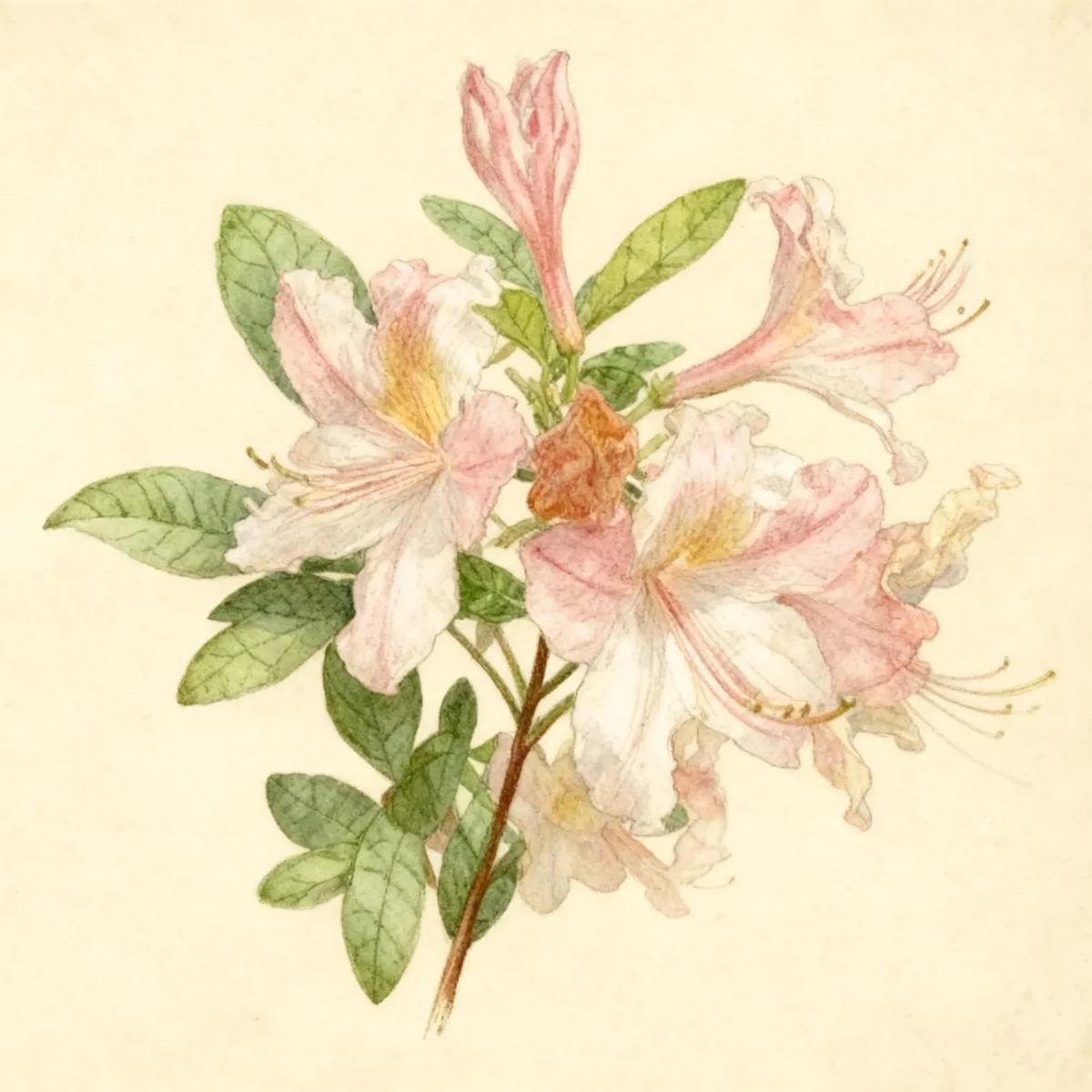
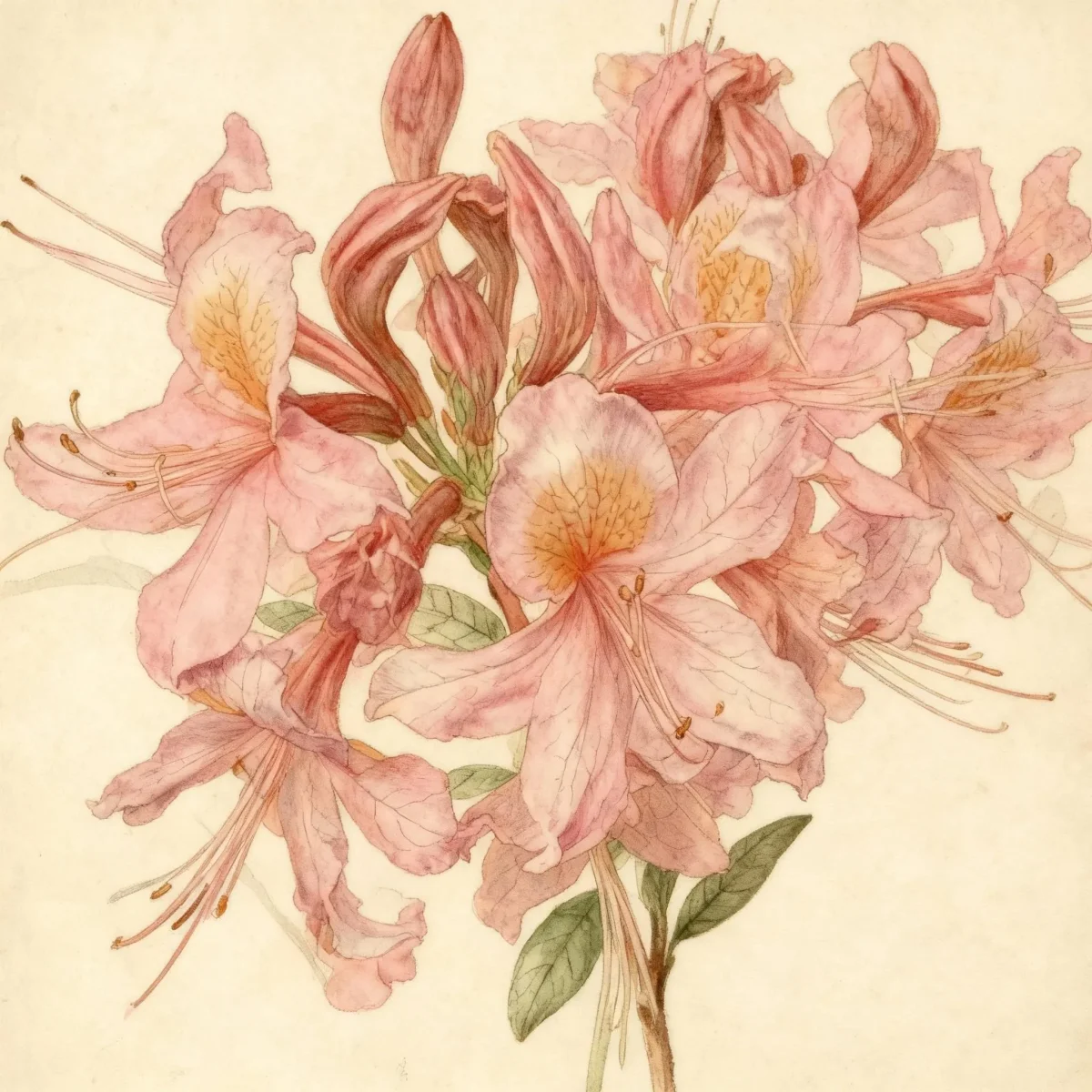
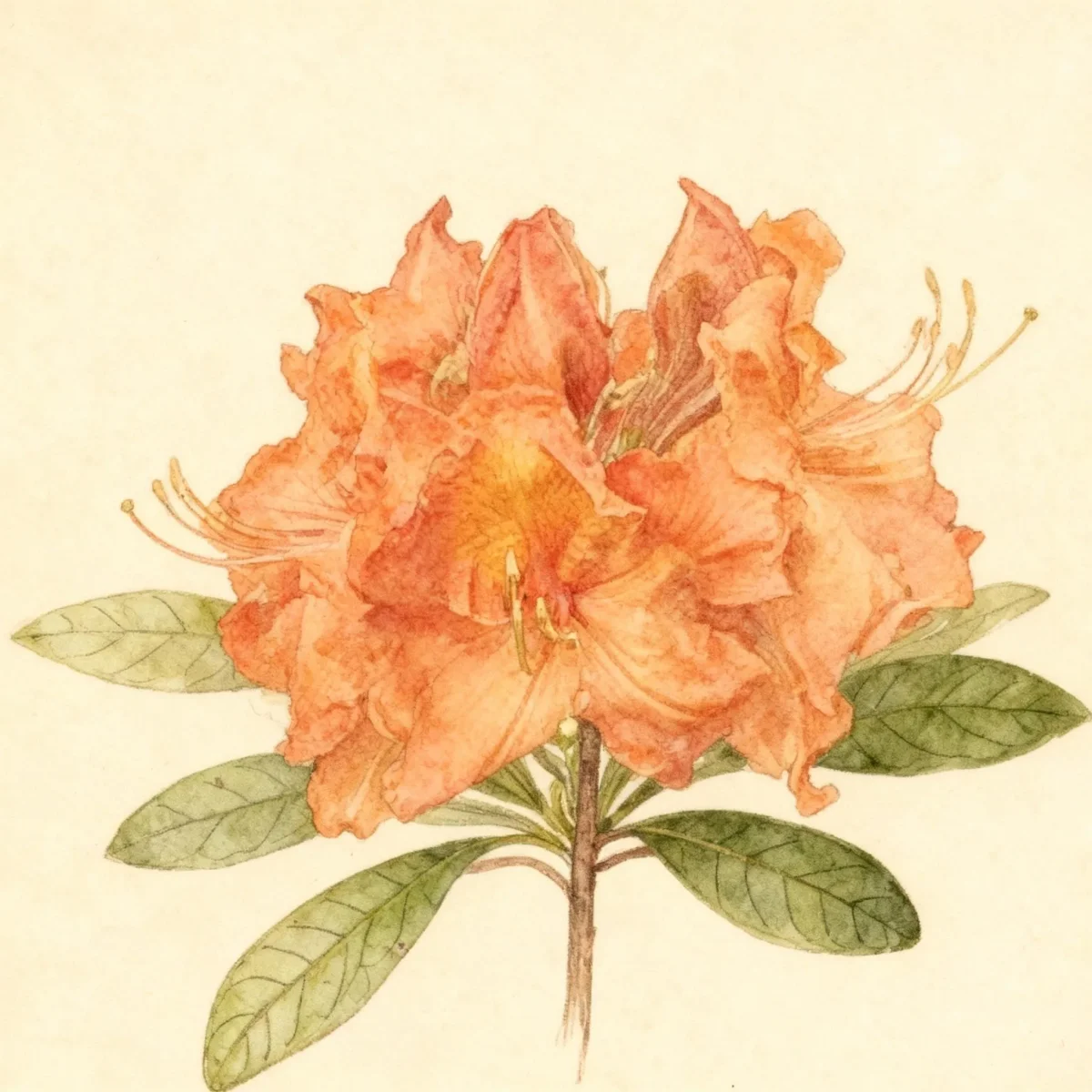
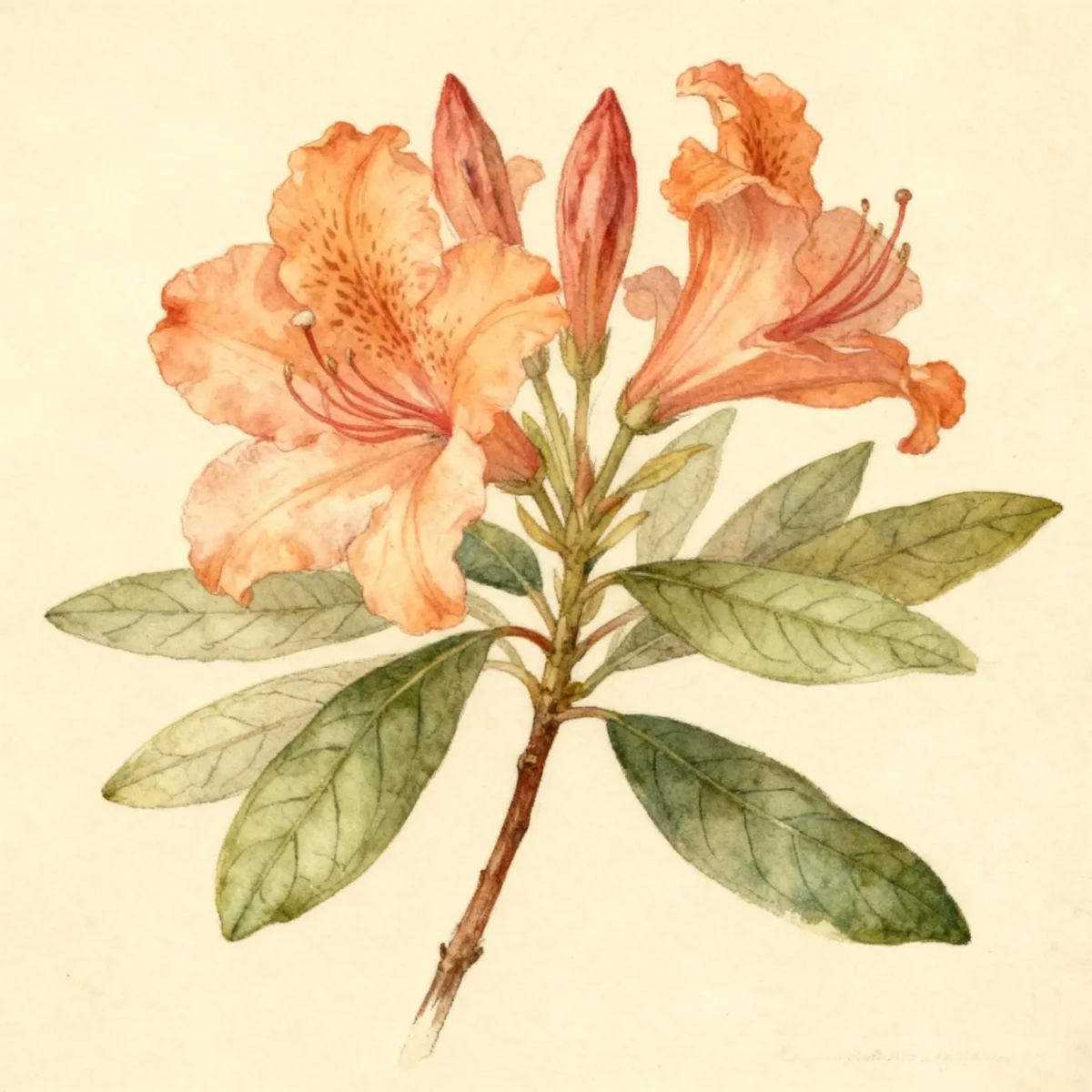
The Rhododendron ‘Coccinea Speciosa’ is a highly valuable deciduous Azalea, celebrated for its spectacular burst of color early in the growing season. As a Ghent Hybrid, this cultivar offers gardeners brilliant visual impact with funnel-shaped flowers in a vibrant bright orange hue, often featuring a deeper orange blotch. This shrub offers aesthetic appeal through its lavish spring flowering before its relatively thin leaves fully emerge.
Growing to a respectable size between four to six feet tall and six to eight feet wide, the Rhododendron ‘Coccinea Speciosa’ excels in dappled woodland settings or as an accent grouping. Its needs center around high acidity and consistent moisture, making it an excellent choice for gardeners prepared to meet specific soil pH requirements. Gardeners seeking dependable, vibrant spring color should consider integrating this handsome Azalea into their landscape design.
Fast Facts
- Plant Family: Ericaceae
- Plant Type: Deciduous shrub
- Hardiness Zones: USDA Zones 5-8
- Size at Maturity:
- Height: 4-6 ft
- Spread: 6-8 ft
- Bloom Time: April to May
- Bloom Description: Bright orange with a strong orange blotch
- Sun Exposure: Part shade
- Water Needs: Medium
- Maintenance Level: Medium
How to Grow
Establishing your Rhododendron ‘Coccinea Speciosa’ is heavily dependent on initial site selection, focusing strongly on soil chemistry. These shrubs demand acidic, organically rich, humusy soil with medium moisture retention that remains well-drained. Planting is best done in areas receiving sun dappled light or high open shade; morning sun followed by afternoon shade is often ideal, especially in warmer climates where hot afternoon sun can scorch the deciduous leaves. Avoid placing your Azalea near walnuts, as they are highly sensitive to juglones.
Care routines for this shrub focus mainly on moisture control and soil health. The shallow, fibrous root system requires consistent moisture; water thoroughly and ensure roots never dry out, especially during establishment. Mulching deeply with materials like wood chips or pine needles is crucial for stabilizing soil temperature and retaining humidity above the shallow roots—remember never to cultivate around the base of the plant.
Soil acidification is perhaps the most critical ongoing task. Aim for a soil pH between 5.0 and 5.5; use iron sulfate or sulfur to lower pH if your native soil is alkaline. After flowering concludes in late spring, promptly clip off spent blooms to encourage robust growth for the following season. This medium-maintenance shrub thrives when its specific cultural needs are respected.
Landscape Uses
The versatile habit of the Rhododendron ‘Coccinea Speciosa’ allows it to anchor several landscape designs. It performs exceptionally well when used for mass plantings to create a spectacular curtain of color, or it can serve as an eye-catching specimen. This Azalea is an excellent choice for mixed borders, woodland gardens, where it mimics its natural environment, and shade gardens needing a bright spring feature.
Due to its relatively dense structure, it functions effectively as a formal or informal hedge, providing seasonal screening and boundary definition. Consider placing it near woodland margins where the dappled light filters through taller trees, providing perfect protection from harsh sun exposure. For foundation plantings, ensure sufficient spread space is allowed so the shrub does not outgrow the structure over time.
Standout Features
Flower Qualities
- Showy
- Fragrant
Noteworthy Characteristics
Rhododendron is a genus that encompasses both what gardeners commonly call rhododendrons and azaleas; most types originate in the Northern Hemisphere, flourishing across regions like China and the Himalayas. Rhododendron ‘Coccinea Speciosa’ specifically belongs to the Ghent Hybrid group, originating from early 19th-century Belgian cultivation and providing a lavish display of bloom occurring as new foliage emerges. As a deciduous Azalea, it drops its leaves in the fall, contrasting with evergreen types, yet offers the same dramatic, vibrant flowering performance valued by temperate-climate gardeners.
Tolerances
- Rabbit
Potential Problems
Rhododendrons and azaleas, including the Rhododendron ‘Coccinea Speciosa’, can face challenges from various pests and diseases if stressed. Common insect issues include aphids, lacebugs, and scale, while diseases like root rot and powdery mildew threaten health, especially in poorly drained conditions. Chlorosis, where leaves turn yellow, signals an iron deficiency, often triggered when soil pH rises too high above the preferred acidic range. Maintaining proper cultural care—correct pH, excellent drainage, and consistent moisture—is the best defense against these potential setbacks.
Frequently Asked Questions
What hardiness zones is Azalea (Rhododendron ‘Coccinea Speciosa’) suitable for?
This deciduous shrub is hardy and suitable for planting within USDA Zones 5 through 8.
How large does Rhododendron ‘Coccinea Speciosa’ grow?
The mature size typically ranges from 4 to 6 feet in height and spreads out to 6 to 8 feet wide.
When does Azalea bloom?
The prominent bloom time for this cultivar is early in the season, generally from April to May, showing off its bright orange flowers.
What sun exposure does Rhododendron ‘Coccinea Speciosa’ need?
The ideal location provides part shade, preferring dappled light or high open shade throughout the day.
Conclusion
The Rhododendron ‘Coccinea Speciosa’ stands out as a spectacular spring feature, delivering fragrant, showy orange blooms indispensable for woodland and mixed borders. Successful cultivation hinges on its need for well-drained, highly acidic soil and protection from harsh afternoon sun exposure. Check your local soil pH and plan your planting in early spring or fall to ensure this beautiful Azalea establishes successfully in your garden.
Companion Planting
Selecting companions that share a preference for acidic, well-drained soil and part shade will enhance the Azalea’s planting scheme while aiding its specific cultural needs. Consider planting shorter evergreen azaleas nearby for staggered flower coverage throughout the spring season. Hosta varieties that thrive in shade also complement the broad structure of deciduous shrubs like Rhododendron ‘Coccinea Speciosa’ without competing heavily for surface moisture due to their different root zones.
Common Mistakes
The most frequent error when growing this specific Azalea involves improper site preparation, particularly concerning drainage. If clay soil is heavy, root rot becomes an almost inevitable consequence because the roots despise prolonged wetness (“wet feet”). Additionally, failing to amend soil to maintain the necessary acidity (pH 5.0-5.5) is a recipe for nutrient deficiencies, often manifesting as chlorosis or poor flowering. Always ensure a slight slope or consider building a raised bed if drainage is questionable.