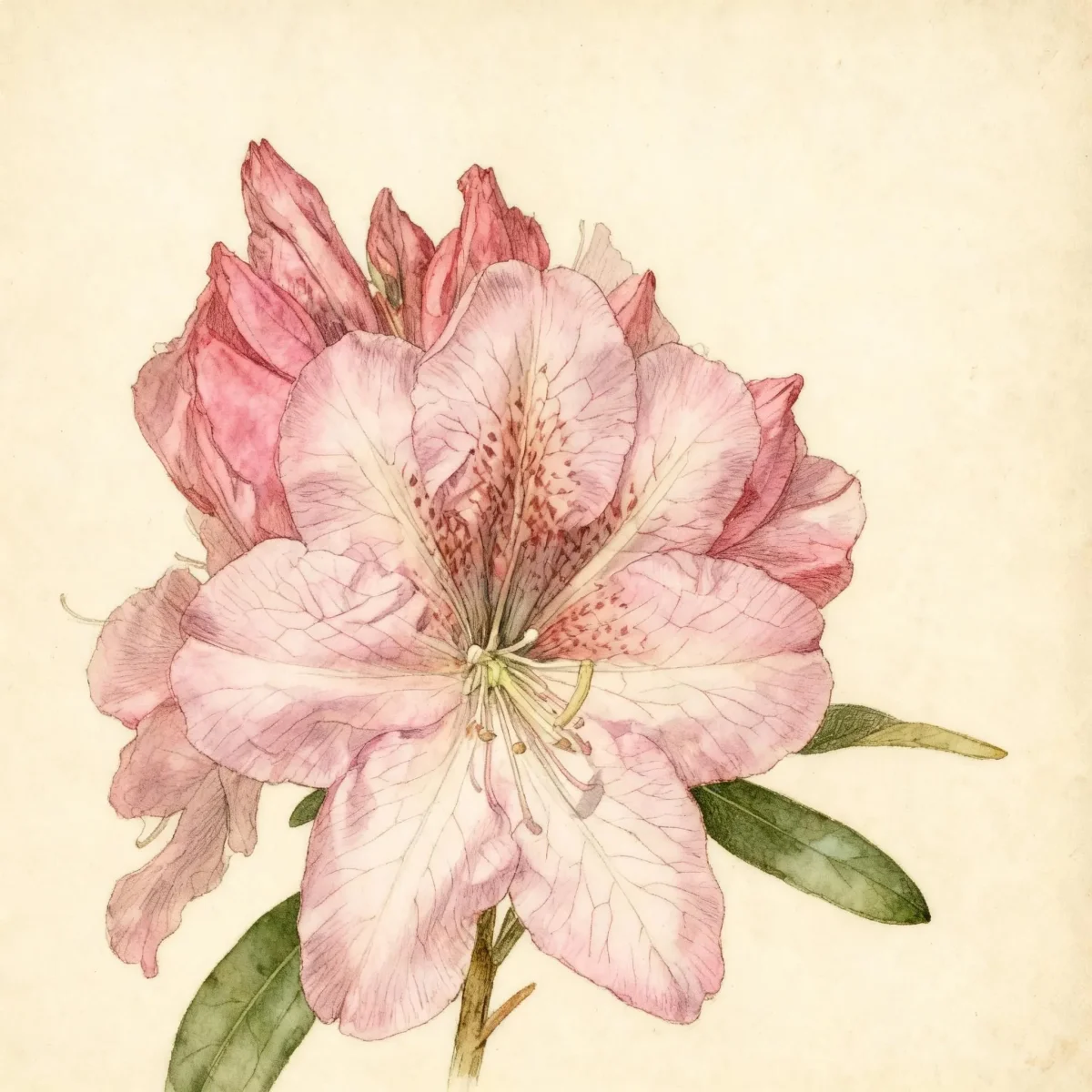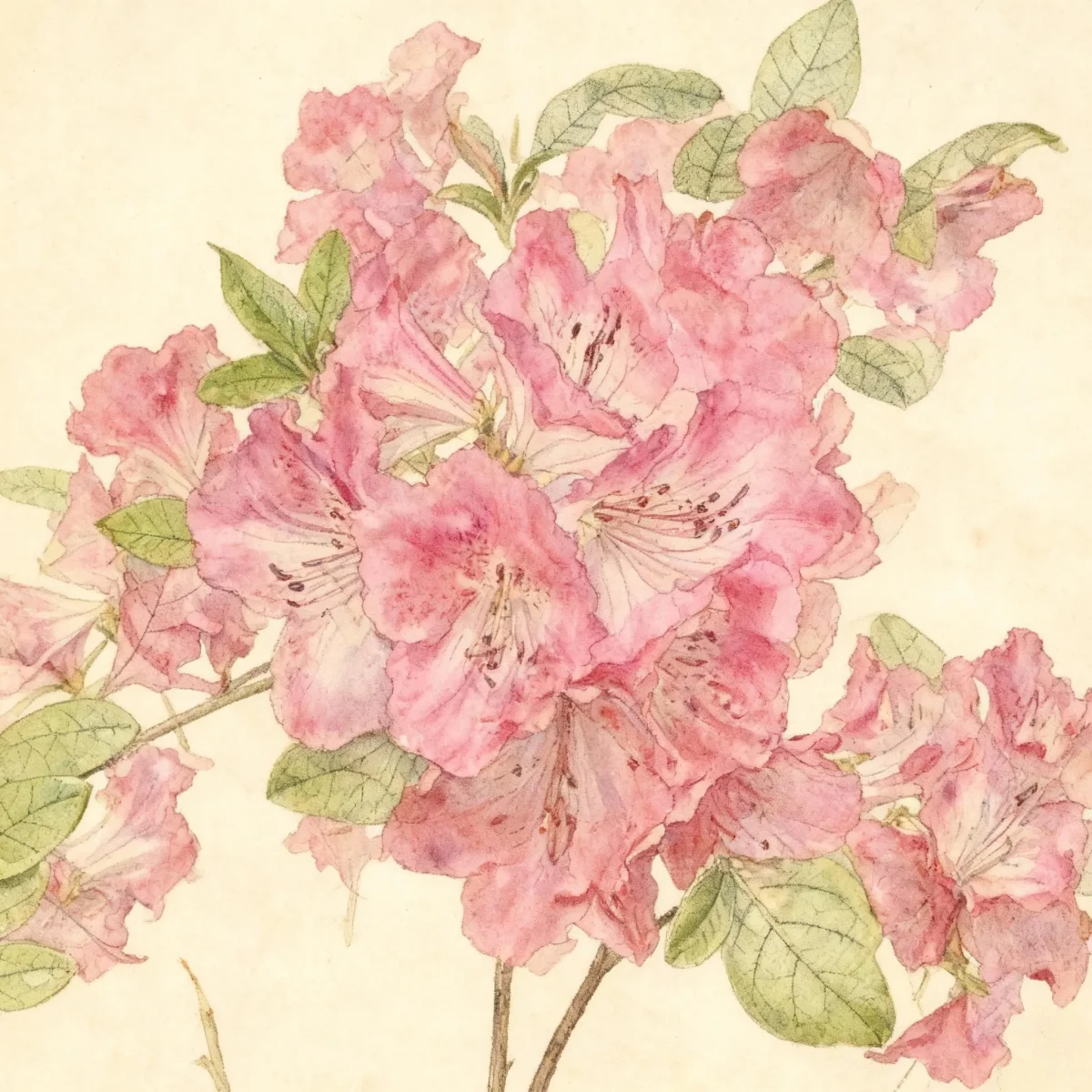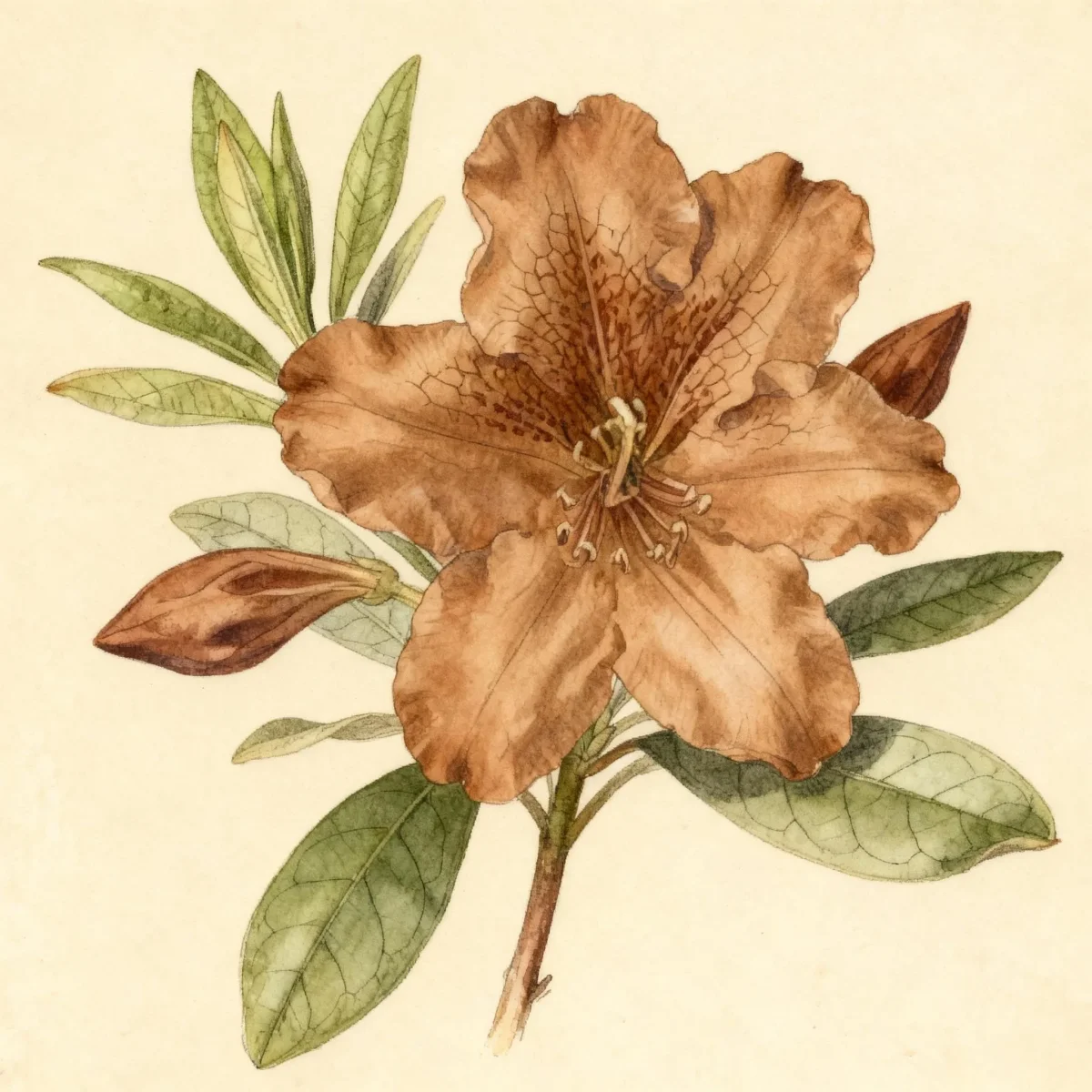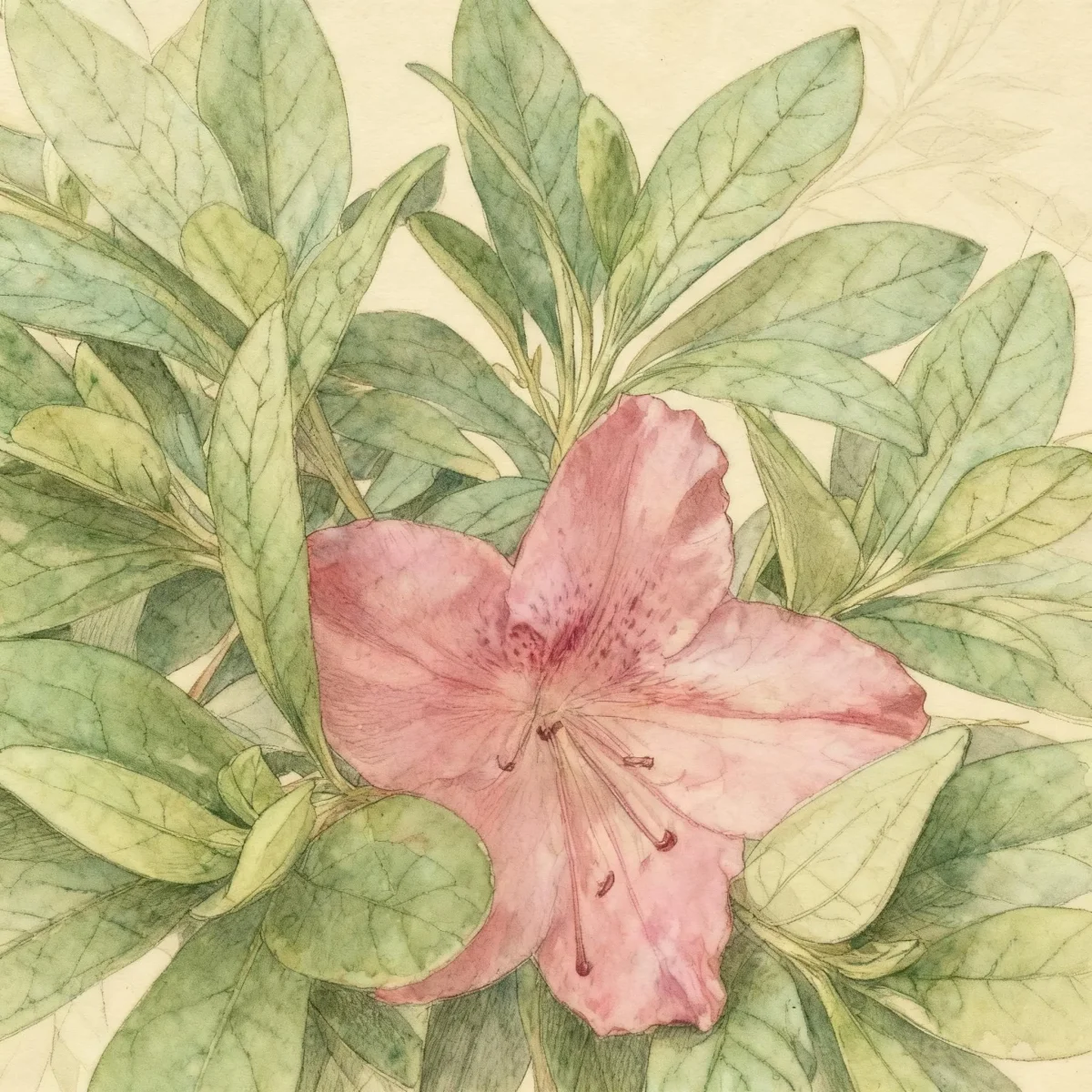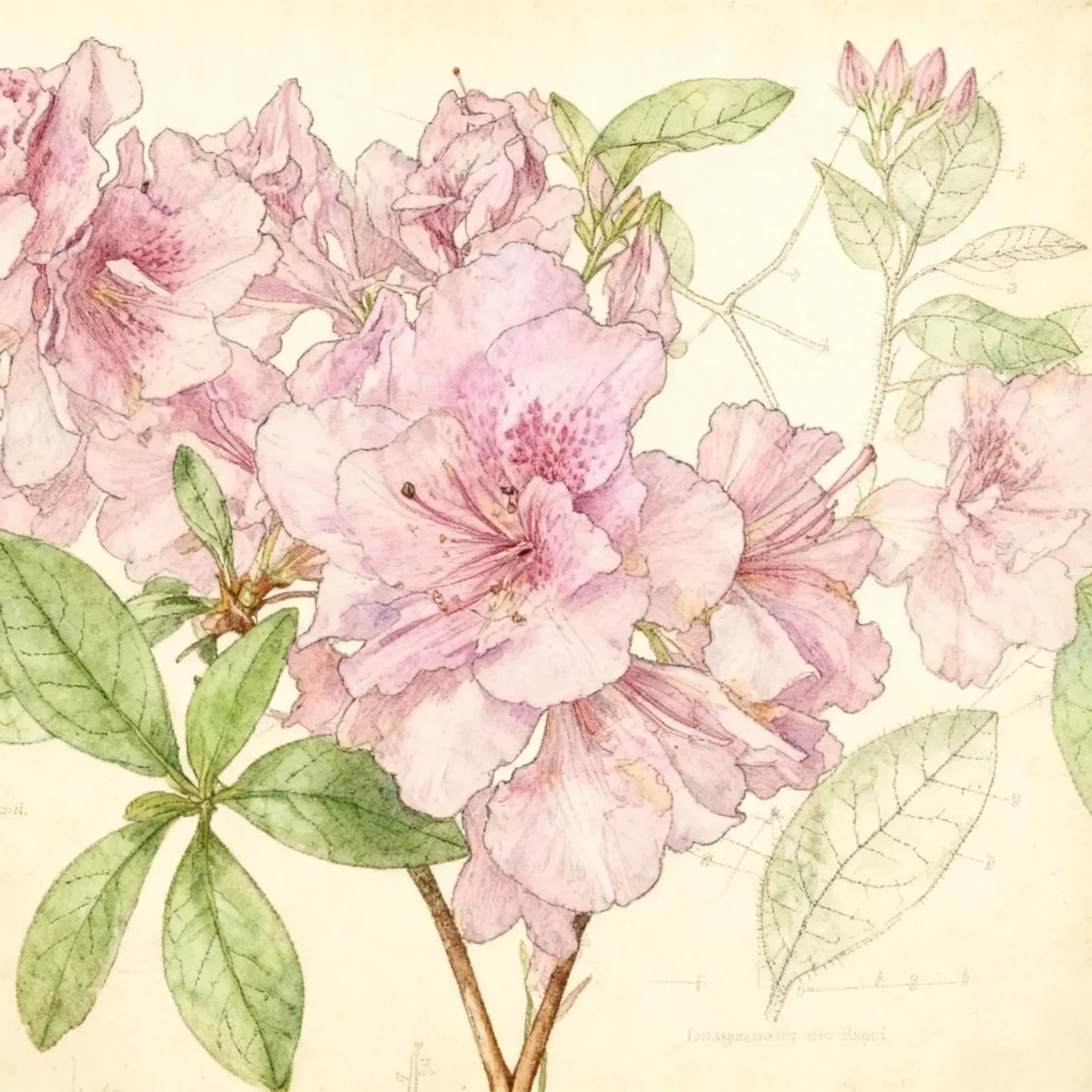

Azalea (Rhododendron 'George Hyatt')
Rhododendron 'George Hyatt' Azalea offers dazzling deep purple red blooms in spring. Adaptable broadleaf evergreen for USDA Zones 4-8.
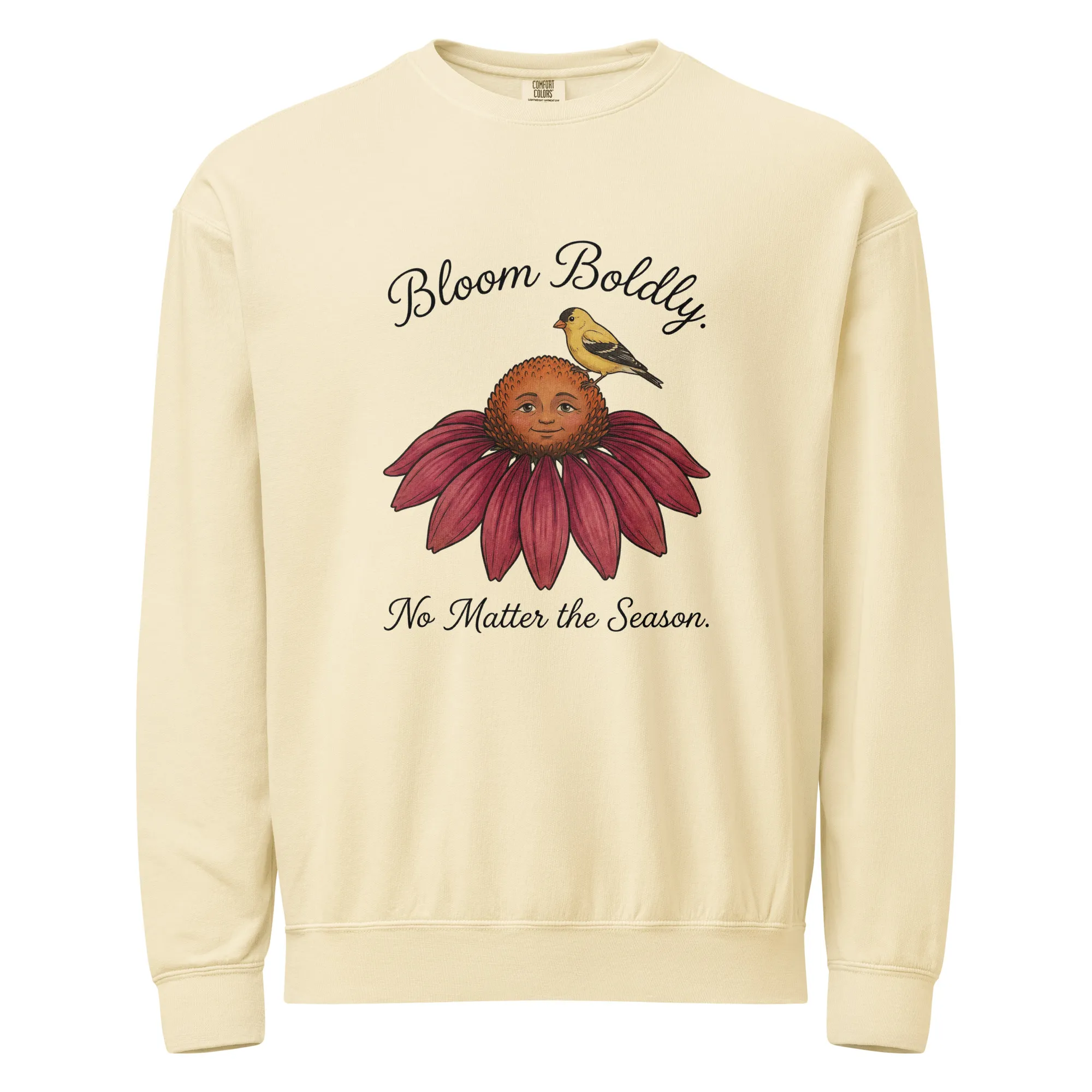
Bloom Boldly, No Matter the Season - Sweatshirt
Cozy organic cotton sweatshirt featuring our exclusive Purple Coneflower design. Perfect for gardeners who bloom year-round.
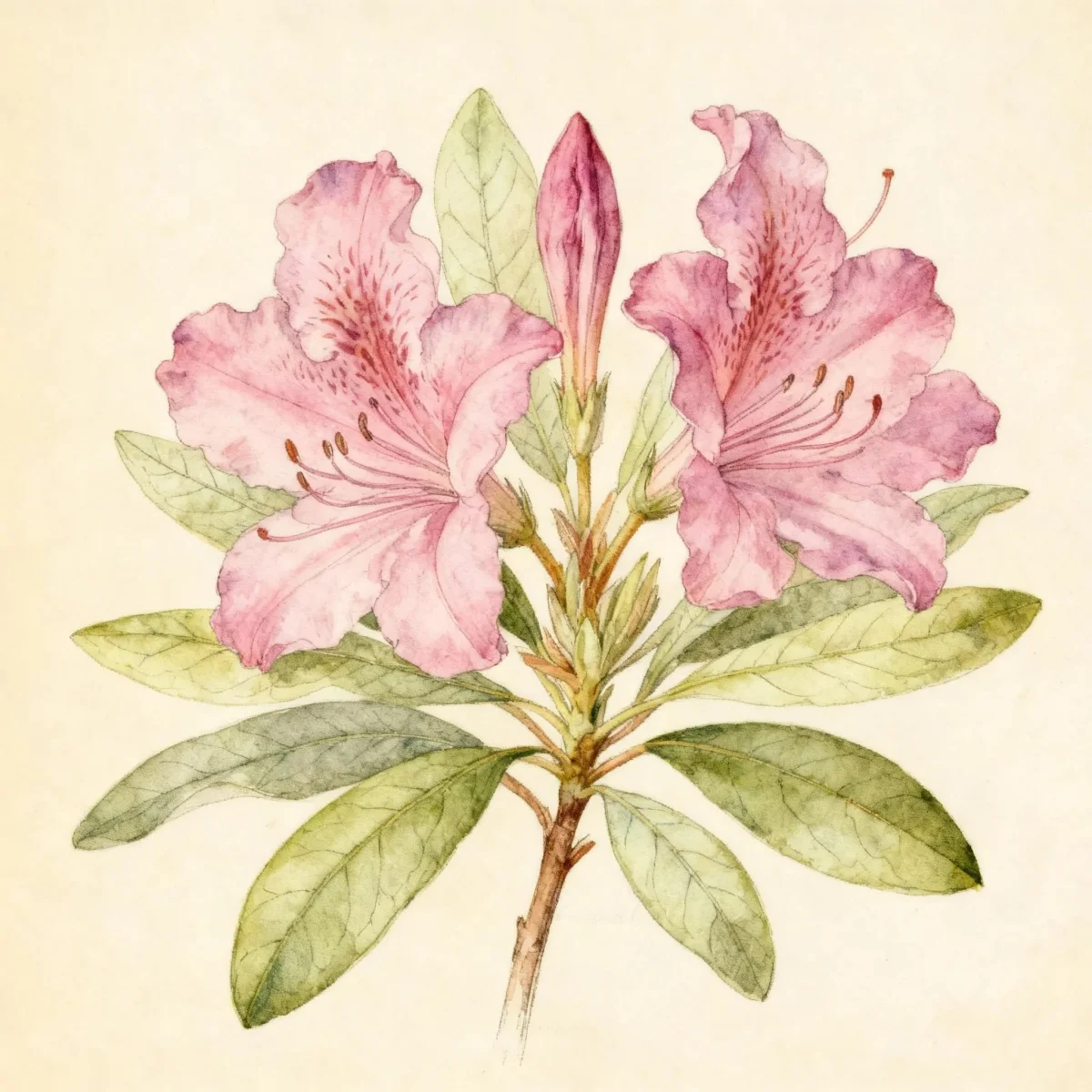
Inspired by the beautiful Azalea
Limited first batch (50) — join the waitlist for early access
Waitlist closes Feb 15, 2026.
Complete Plant Information
Field Guide Continues
Ready for care notes, companion picks, and planting tips?
The map is just the start. The full guide below covers growth habits, seasonal performance, and landscape uses.
Overview
Rhododendron ‘George Hyatt’ is a treasured Azalea cultivar, highly valued for its vibrant spring display of deep purple red, trumpet-shaped flowers. As a broadleaf evergreen, this Schroeder hybrid provides essential structure and color interest to the garden canopy throughout the year, especially when many other plants are dormant. Gardeners appreciate the consistent performance and moderate stature of Rhododendron ‘George Hyatt’, typically reaching 4 to 5 feet tall and wide, making it versatile for various landscape roles.
This specific Azalea variety thrives best when placed where it receives dappled sunlight or high open shade, mirroring the filtered light conditions of its woodland origins. Successful cultivation of Rhododendron ‘George Hyatt’ hinges on providing consistently acidic, moist yet exceptionally well-draining soil. When sited correctly, this plant serves as a spectacular specimen or an excellent, colorful addition to shrub borders, significantly enhancing the structure of woodland or shade gardens.
Fast Facts
- Plant Family: Ericaceae
- Plant Type: Broadleaf evergreen
- Hardiness Zones: USDA Zones 4-8
- Size at Maturity:
- Height: 4-5 ft
- Spread: 4-5 ft
- Bloom Time: April to May
- Bloom Description: Deep purple red
- Sun Exposure: Part shade
- Water Needs: Medium
- Maintenance Level: Medium
How to Grow
Planting Rhododendron ‘George Hyatt’ should ideally occur in spring or fall when temperatures are moderate. Select a location free from strong winds, favoring areas that receive morning sun followed by afternoon relief from the heat, especially critical in warmer zones. Excellent soil drainage is non-negotiable; this Azalea demands humusy, organically rich soil with a pH range of 5.0 to 5.5. Should your garden possess heavy clay, consider establishing raised beds to combat the root rot risks associated with poor drainage.
Maintenance involves consistent attention to soil moisture; the shallow, fibrous root systems must never be allowed to dry out. Supplementation with organic mulch, such as wood chips or pine needles, helps stabilize soil temperatures and retain the necessary moisture. Acidify the soil proactively using iron sulfate or sulfur if pH levels climb too high, as this often prevents chlorosis (yellowing leaves).
Pruning Rhododendron ‘George Hyatt’ is minimal but important. Immediately after the spectacular bloom period concludes in late spring, carefully clip off the spent flower clusters. Avoid cultivating deeply around the base of the plant, as its roots are fibrous and close to the surface; heavy mulch is the preferred amendment method.
Landscape Uses
The Rhododendron ‘George Hyatt’ Azalea is remarkably adaptable in landscape design. Its reliable evergreen nature and mid-sized habit make it perfect for softening the foundations of buildings or acting as a structural backbone in mass plantings. It performs beautifully when grouped together, creating seasonal walls of color, or utilized as a defined, low hedge providing year-round presence.
For woodland gardens or shaded borders, this Azalea pairs effectively with hostas, ferns, and other acid-loving companions like camellias or native rhododendrons. When integrating Rhododendron ‘George Hyatt’ into mixed borders, ensure that companion plants share similar requirements for acid soil and part shade conditions to maintain a cohesive and healthy planting scheme.
Standout Features
Flower Qualities
- Showy
Noteworthy Characteristics
Rhododendron is a genus of 500 to 900 species and includes both of what we commonly call rhododendrons and azaleas. Much hybridization has resulted in a great number of hybrid cultivars, noted for their showy spring flowers and attractive winter foliage on evergreen types. ‘George Hyatt’ is specifically a Schroeder hybrid recognized for growing vigorously to 4 to 5 ft in height and spread, featuring signature trumpet-shaped flowers that display a purplish red hue accented by a cherry red blotch.
Tolerances
- Rabbit
Potential Problems
Rhododendrons and azaleas face susceptibility to numerous insect and disease issues, requiring vigilance from the gardener. Common insect pests include aphids, scale, lacebugs, and borers, while diseases like root rot, crown rot, and powdery mildew can develop, particularly when cultural conditions are stressed. The most common cultural problem is chlorosis, where leaves yellow due to high soil pH locking up essential iron nutrients.
Preventative care is your best defense against these issues. Ensure the plant is sited in the correct acidic soil pH (5.0–5.5) and has excellent drainage to avoid fatal root rot. Inspect foliage regularly during the growing season for early signs of pests, treating infestations promptly with appropriate horticultural oils or insecticides according to label directions.
Frequently Asked Questions
What hardiness zones is Azalea (Rhododendron ‘George Hyatt’) suitable for?
This Azalea variety is suitable for USDA Hardiness Zones 4 through 8, offering reliable evergreen performance across these regions.
How large does Azalea (Rhododendron ‘George Hyatt’) grow?
Rhododendron ‘George Hyatt’ typically matures to a height and spread between 4 and 5 feet tall and wide.
When does Azalea (Rhododendron ‘George Hyatt’) bloom?
This cultivar offers its beautiful deep purple red flowers primarily during the spring months, specifically from April to May.
What sun exposure does Azalea (Rhododendron ‘George Hyatt’) need?
Rhododendron ‘George Hyatt’ prefers the filtered light of part shade; intense, hot afternoon sun can lead to scorched leaves, especially in hotter climates.
Conclusion
The Rhododendron ‘George Hyatt’ Azalea provides exceptional value through its reliable evergreen structure and brilliant spring color show. This medium-maintenance shrub demands specific acidic soil and good drainage to display its best deep purple red heritage color. Before planting, carefully assess your site conditions, ensuring you can meet the low pH and part shade requirements of this classic Azalea cultivar.
Companion Planting in Acidic Soils
When designing a garden around your Rhododendron ‘George Hyatt’, selecting companions that share its preference for acidic soil and dappled sunlight is key. Consider pairing it with other acid-loving shrubs like Camellia or Kalmia (Mountain Laurel) to create a layered, evergreen tapestry. For ground cover or lower accents, Heuchera (Coral Bells) offers contrasting foliage textures and colors that thrive in similar shaded, moist conditions.
For texture and seasonal variation beneath the canopy of this Azalea, look toward woodland favorites. Japanese Forest Grass (Hakonechloa macra) provides graceful, mounding texture, while various species of Hostas, particularly those with deep green or blue foliage, will tolerate the shade cast by the evergreen Azalea. Always ensure these companions do not compete directly with the Rhododendron ‘George Hyatt’ shallow root system for water or nutrients.
Mulch and Soil Stabilization Strategy
Because the fibrous roots of Azaleas require consistent moisture and protection from extreme temperatures, a thoughtful mulching strategy is vital for Rhododendron ‘George Hyatt’. Apply a deep layer (2 to 4 inches) of coarse, acidic organic material such as shredded pine bark, pine needles, or well-composted wood chips generously around the drip line, extending outward. This mulch layer conserves the medium moisture levels this plant prefers and stabilizes soil temperature, preventing root stress during dry spells or freezes.
Crucially, this mulch layer should remain undisturbed around the base of the plant for best results; never bank it up against the trunk or crown, as this can encourage rot. Remember that the purpose of the mulch is to mimic the natural leaf litter found in its native woodland habitat; resist the temptation to cultivate or till the soil in the planting area, as this damages the delicate feeder roots of the Azalea.