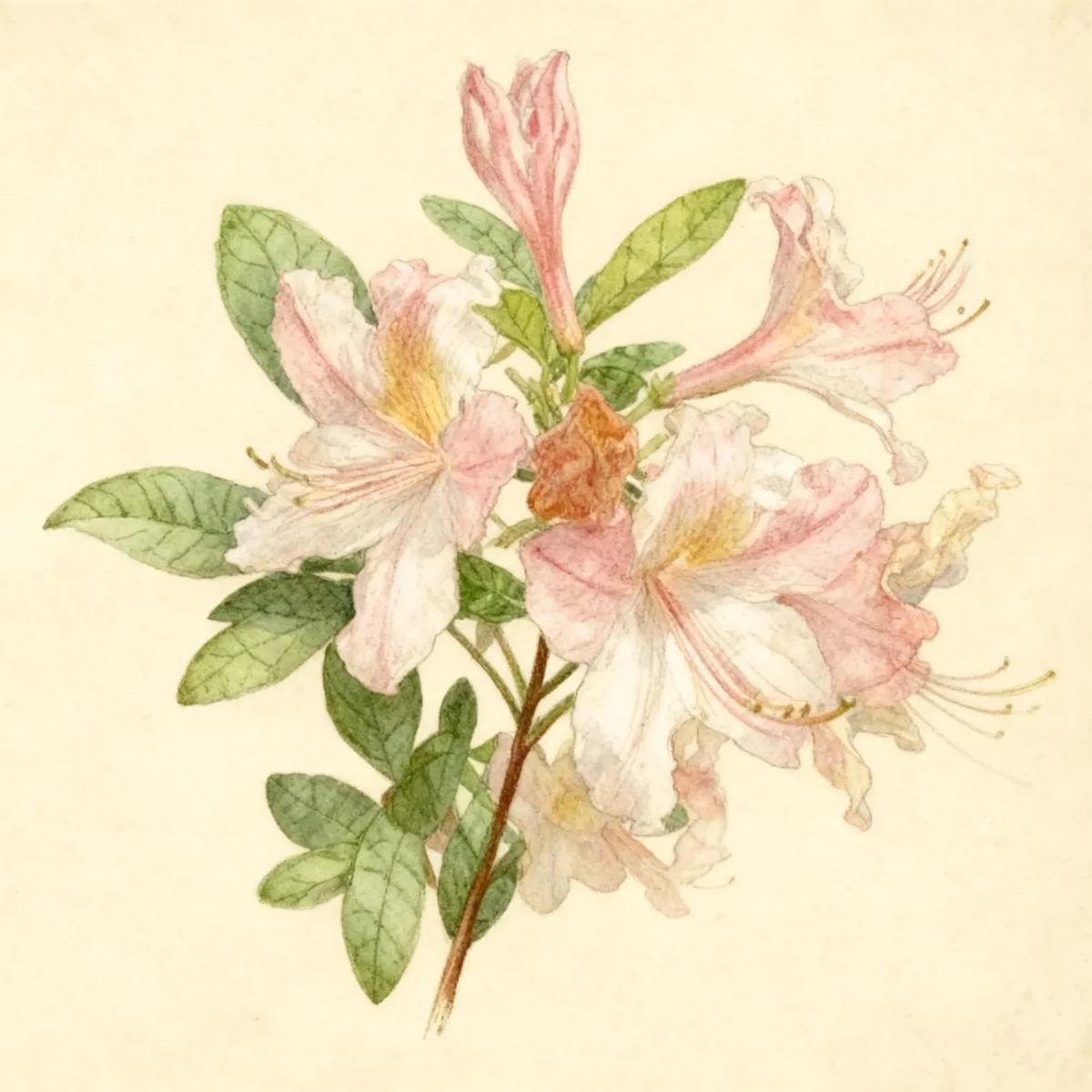
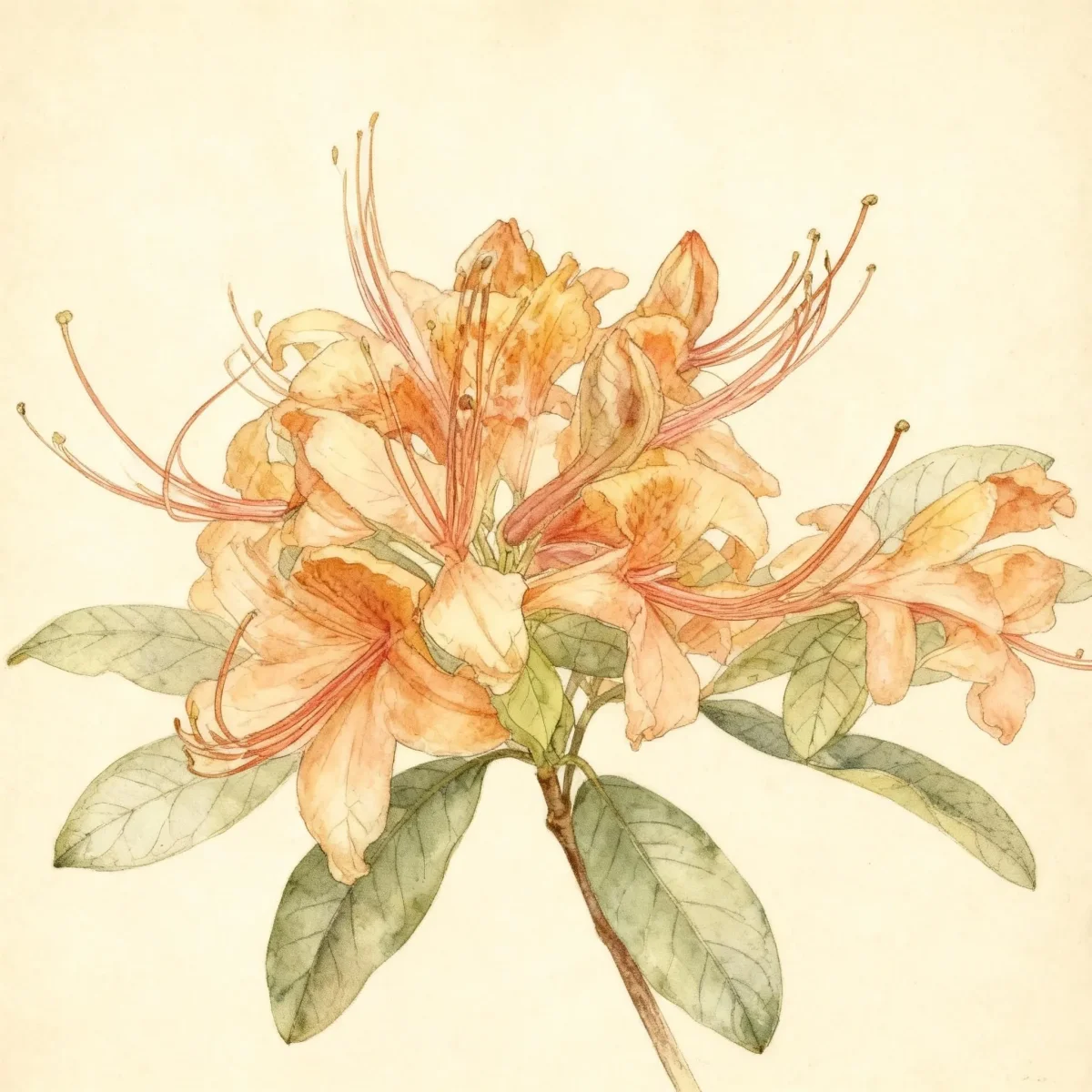
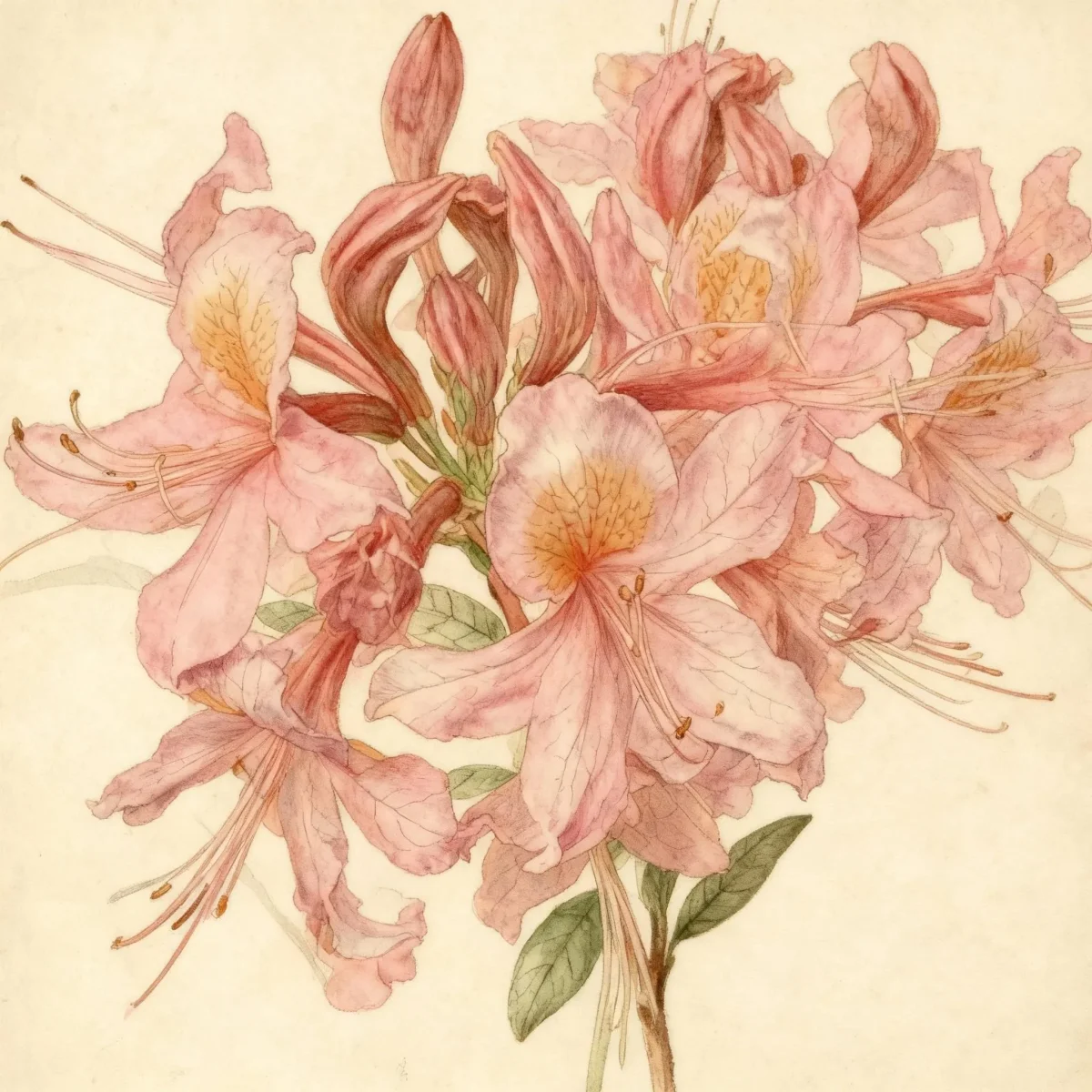
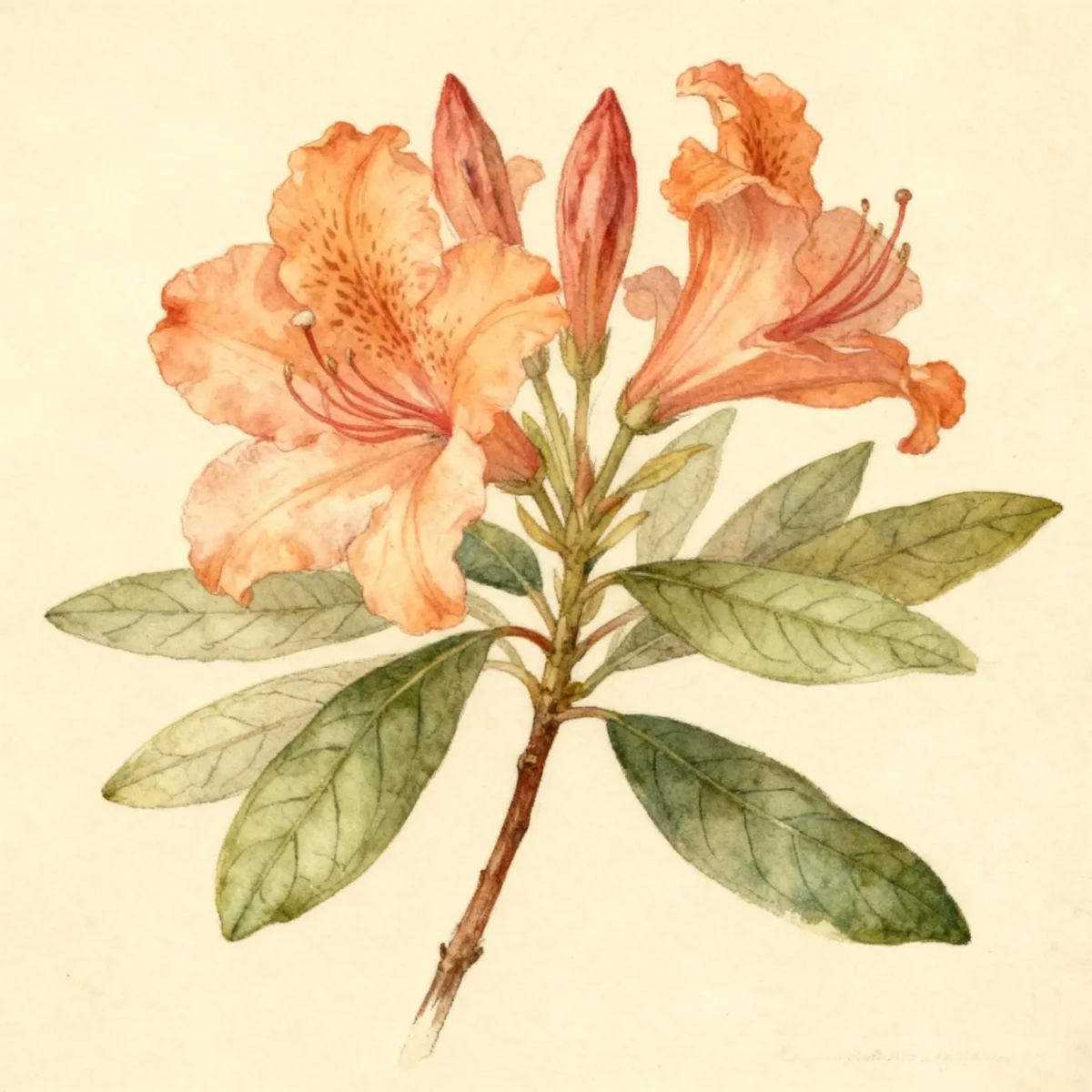
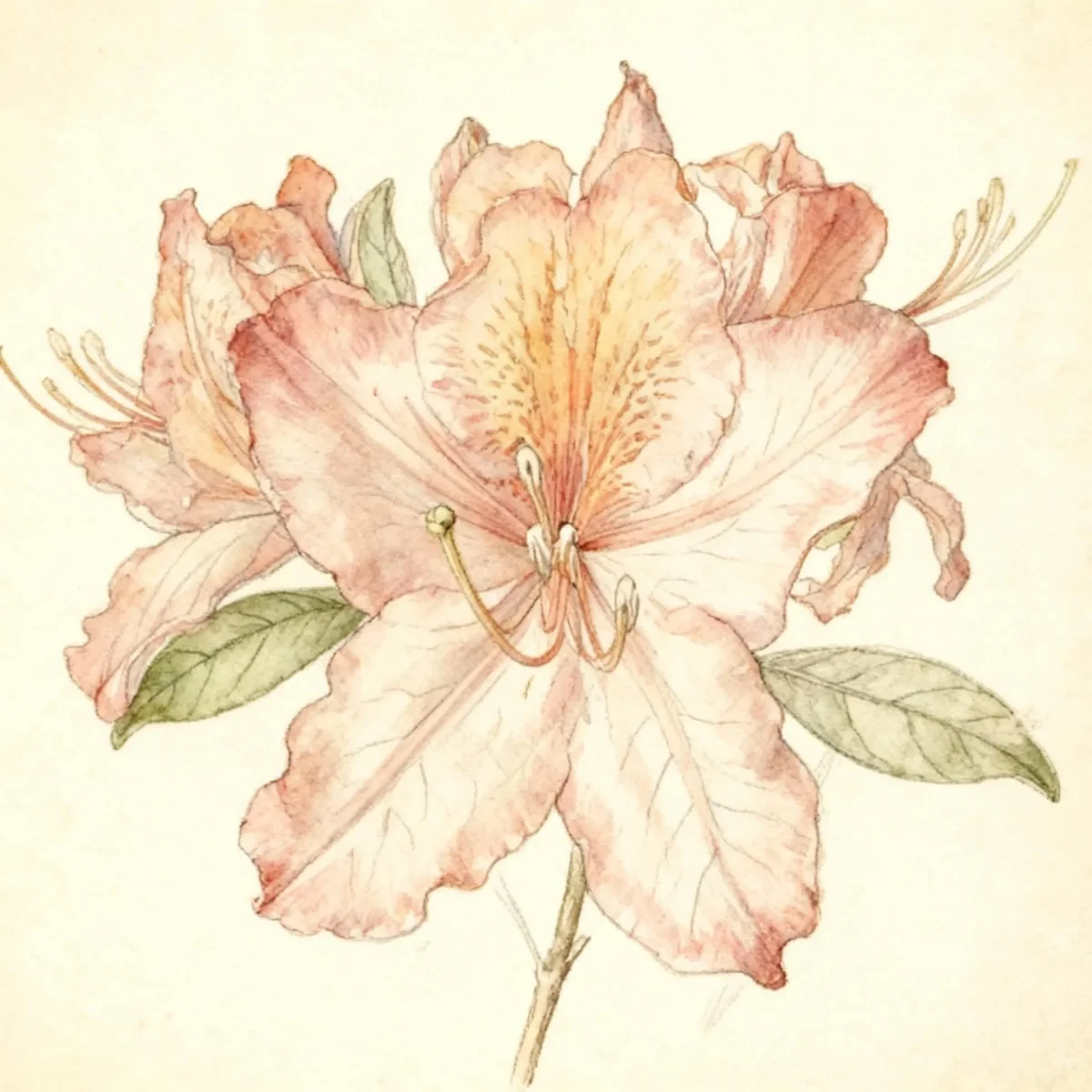
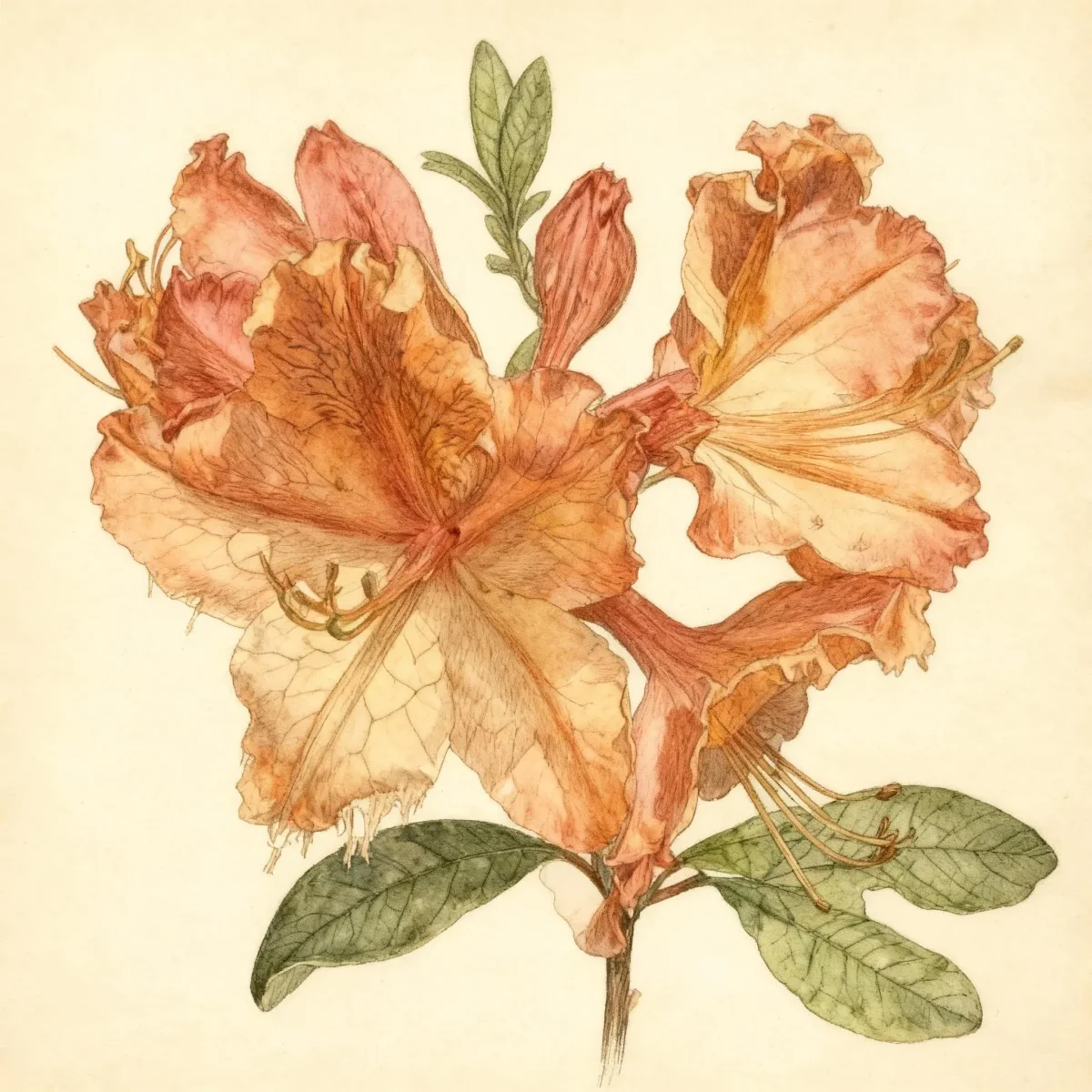
Azalea (Rhododendron 'Gibraltar')
Rhododendron 'Gibraltar' Azalea offers brilliant orange, showy blooms in spring. Hardy in zones 5-8, this medium shrub excels in part shade.
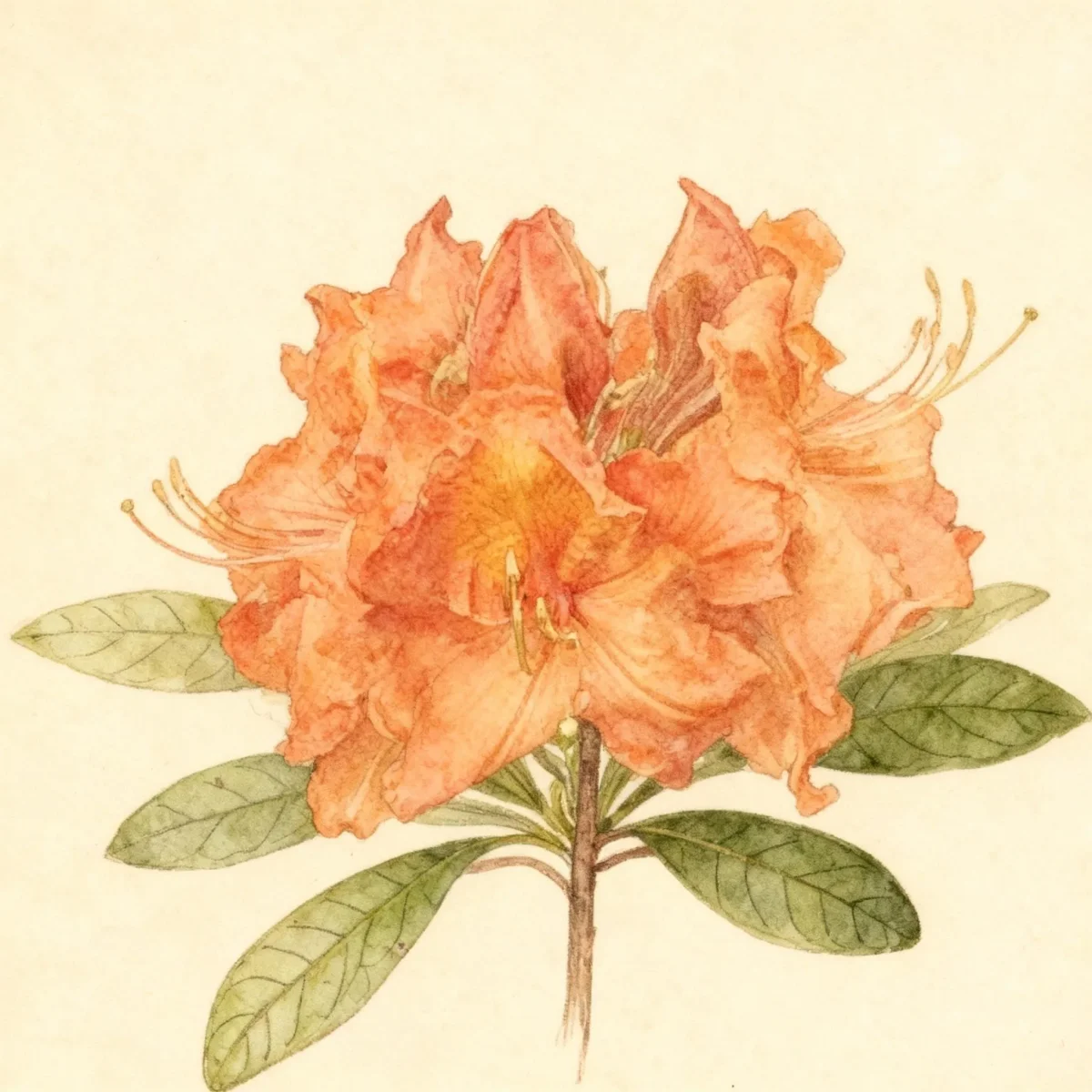

Bloom Boldly, No Matter the Season - Sweatshirt
Cozy organic cotton sweatshirt featuring our exclusive Purple Coneflower design. Perfect for gardeners who bloom year-round.
Inspired by the beautiful Azalea
Limited first batch (50) — join the waitlist for early access
Waitlist closes Feb 15, 2026.
Complete Plant Information
Field Guide Continues
Ready for care notes, companion picks, and planting tips?
The map is just the start. The full guide below covers growth habits, seasonal performance, and landscape uses.
Overview
Rhododendron ‘Gibraltar’ is a highly regarded deciduous Azalea cultivar, famous for its spectacular floral performance in mid to late spring. This shrub produces large, ball-shaped trusses covered in vivid orange flowers, providing an unmissable seasonal display in temperate climates. Gardeners prize this Azalea for its strong color impact, especially when planted to capture morning sunlight.
As a robust deciduous shrub, Rhododendron ‘Gibraltar’ reaches a manageable 4 to 6 feet in height and spread, making it versatile for border plantings or as an individual specimen. It belongs to the extensive Rhododendron genus, which encompasses both traditional rhododendrons and azaleas, noted for their adaptability when cultural requirements, especially soil acidity, are met.
The value of Rhododendron ‘Gibraltar’ lies in its vibrant color, its pleasant fragrance, and its versatility in shaded garden settings. Providing proper drainage and acidic soil conditions ensures this Azalea remains healthy, rewarding the effort with reliable, showy blooms year after year.
Fast Facts
- Plant Family: Ericaceae
- Plant Type: Deciduous shrub
- Hardiness Zones: USDA Zones 5-8
- Size at Maturity:
- Height: 4-6 ft
- Spread: 3-5 ft
- Bloom Time: April to May
- Bloom Description: Orange
- Sun Exposure: Part shade
- Water Needs: Medium
- Maintenance Level: Medium
How to Grow
Plant Rhododendron ‘Gibraltar’ when soil temperatures are moderate, ideally in spring or early fall, ensuring the location is protected from harsh, drying winds. The most crucial aspect of successful culture involves soil chemistry and drainage. This Azalea demands acidic, organically rich, humusy soil with consistent moisture retention but excellent drainage; avoid wet feet at all costs. If you have heavy clay soils, consider planting in raised beds to prevent root rot.
Watering should be consistent, keeping the soil medium moist, especially during dry spells, as the fibrous surface roots must never be allowed to dry out. Soil pH management is key; aim for an acidic range between 5.0 and 5.5, amending with sulfur or iron sulfate if necessary to lower alkalinity. Mulching deeply with materials like pine needles or wood chips helps conserve moisture and stabilize soil temperatures around the shallow roots.
Maintenance is moderate. Immediately after the impressive orange flowers fade in late spring (April to May), clip off the spent flower clusters (deadheading) as practicable. Avoid cultivating deeply near the plant, as the root system is shallow. Furthermore, never site Rhododendron ‘Gibraltar’ under walnut trees, which exude juglone toxic to most azaleas.
Landscape Uses
Rhododendron ‘Gibraltar’ excels when used to create structure and seasonal color within a landscape design. Because it is an upfront specimen, grouping several plants together enhances the visual impact of the orange blooms, effectively achieving a mass planting effect. It functions beautifully in woodland gardens or shade gardens where dappled light filters through high canopy trees.
This Azalea is also well-suited for use in mixed borders, providing vertical interest alongside late-blooming perennials or smaller evergreens. Its defined shape makes it a viable choice for foundation plantings or even as a formal hedge, provided it receives the necessary part shade and acidic soil. Ensure companions share similar cultural needs for moisture and pH levels to maintain a thriving display of Rhododendron ‘Gibraltar’.
Standout Features
Flower Qualities
- Showy
- Fragrant
Noteworthy Characteristics
Rhododendron ‘Gibraltar’ is an older Exbury hybrid, introduced in 1947, noted for its large, showy trusses featuring 2 3/8 to 3-inch wide, vivid orange petals that are broad and slightly frilly. The genus itself, encompassing both azaleas and rhododendrons, is celebrated primarily for these spectacular springtime flowerings, distinguishing ‘Gibraltar’ as an award-winning cultivar recognized by the American Rhododendron Society.
Tolerances
- Rabbit
Potential Problems
Rhododendrons and azaleas, including this lovely Azalea cultivar, can face challenges from various pests and diseases if environmental conditions are not ideal. Common insect threats include aphids, scale, and lacebugs, while fungal issues like leaf spot, root rot, and powdery mildew are common, often exacerbated by poor air circulation or wet feet. A common visual ailment gardeners notice is chlorosis—yellowing leaves—which almost always signals that the soil pH is too high, leading to iron deficiency. Maintaining the correct acidic, well-drained soil conditions is the primary defense against most pests and diseases affecting Rhododendron ‘Gibraltar’.
Frequently Asked Questions
What hardiness zones is Azalea (Rhododendron ‘Gibraltar’) suitable for?
Rhododendron ‘Gibraltar’ is suitable for USDA Hardiness Zones 5 through 8.
How large does Azalea (Rhododendron ‘Gibraltar’) grow?
This deciduous shrub typically reaches a mature height between 4 and 6 feet, with a spread ranging from 3 to 5 feet wide.
What sun exposure does Azalea (Rhododendron ‘Gibraltar’) need?
Rhododendron ‘Gibraltar’ requires part shade for ideal growth. Morning sun with afternoon shade is acceptable, but avoid harsh, hot afternoon sun which can scorch the leaves.
When does Azalea (Rhododendron ‘Gibraltar’) bloom?
This Azalea features a showy bloom time generally occurring from April to May, producing vivid orange flowers.
Companion Planting
When selecting companions for Rhododendron ‘Gibraltar’, prioritize plants that thrive in the same acidic, humus-rich, well-drained soil and prefer the protection of part shade. Consider pairing it with woodland natives like Hosta, Ferns, or Japanese Maples (Acer palmatum), which appreciate similar dappled light conditions. Evenly moist soil lovers, such as Astilbe or bleeding hearts (Dicentra), make excellent partners around the base of your Azalea, provided their root systems do not compete too closely with the Rhododendron’s shallow roots.
Seasonal Care Calendar
Spring preparation involves lightly amending the soil around Rhododendron ‘Gibraltar’ with compost if necessary and ensuring moisture levels are optimal as growth begins ahead of flowering. During the summer, focus intensely on consistent watering, particularly avoiding any drying out of the shallow root zone, and apply a fresh layer of organic mulch. Autumn care should shift toward protection from wind exposure and ensuring adequate moisture before the ground freezes, preparing the plant for dormancy.
Conclusion
Rhododendron ‘Gibraltar’ provides unmatched visual brilliance with its fragrant and showy orange blooms, making it a cornerstone for any shaded garden area. Successfully growing this Azalea hinges on providing consistently acidic, perfectly drained soil. Before planting, be sure to confirm your location falls within USDA Zones 5-8 and plan for its consistent moisture needs.