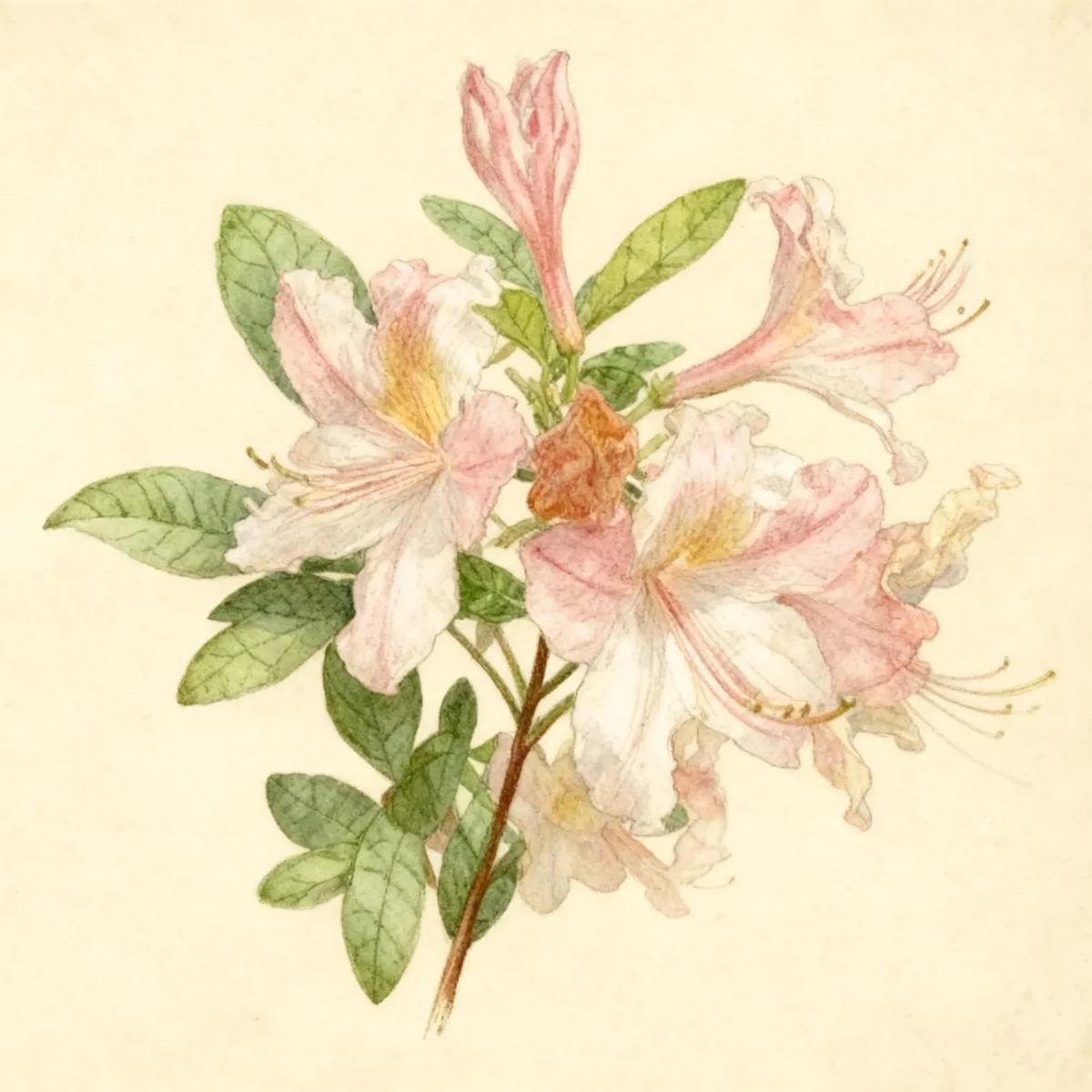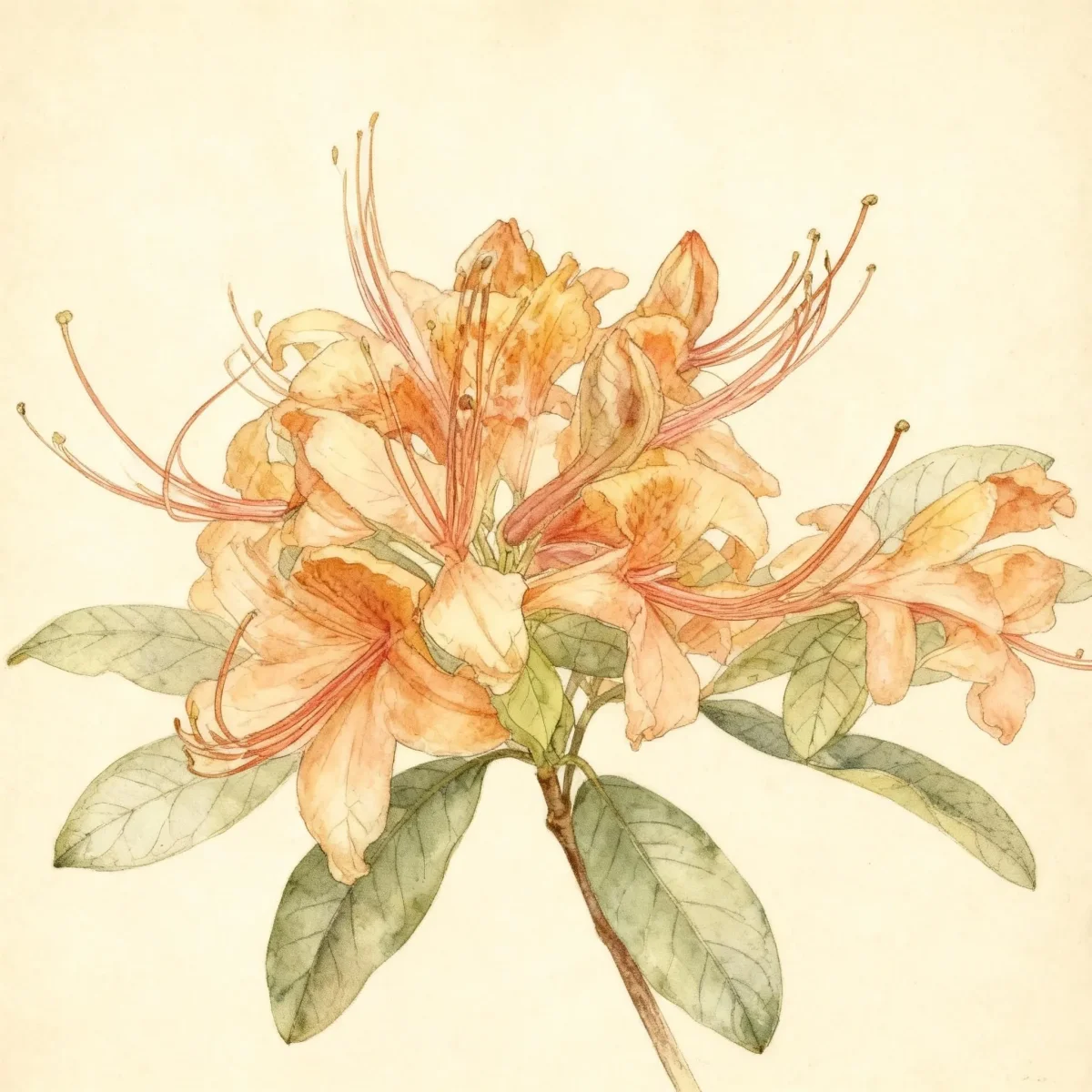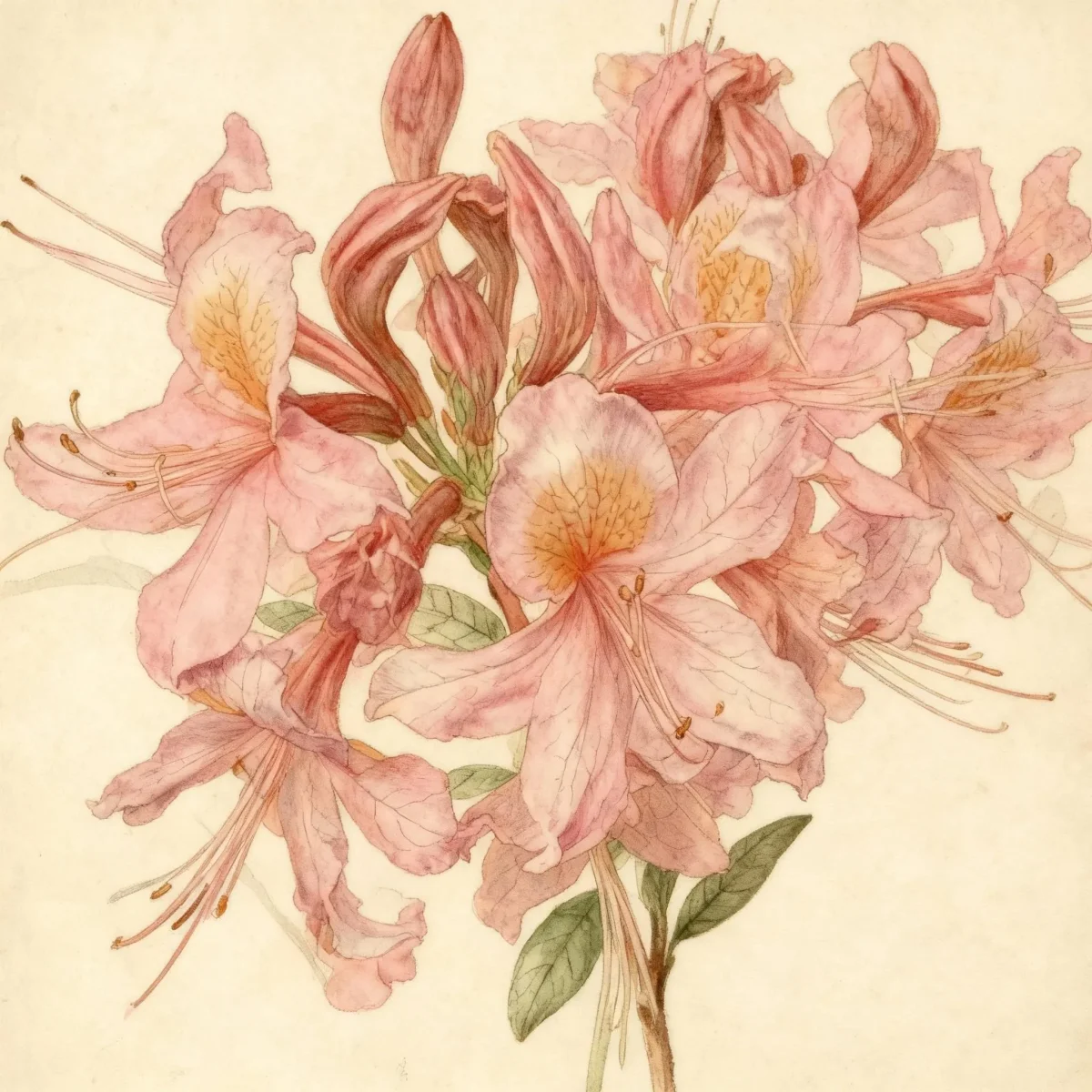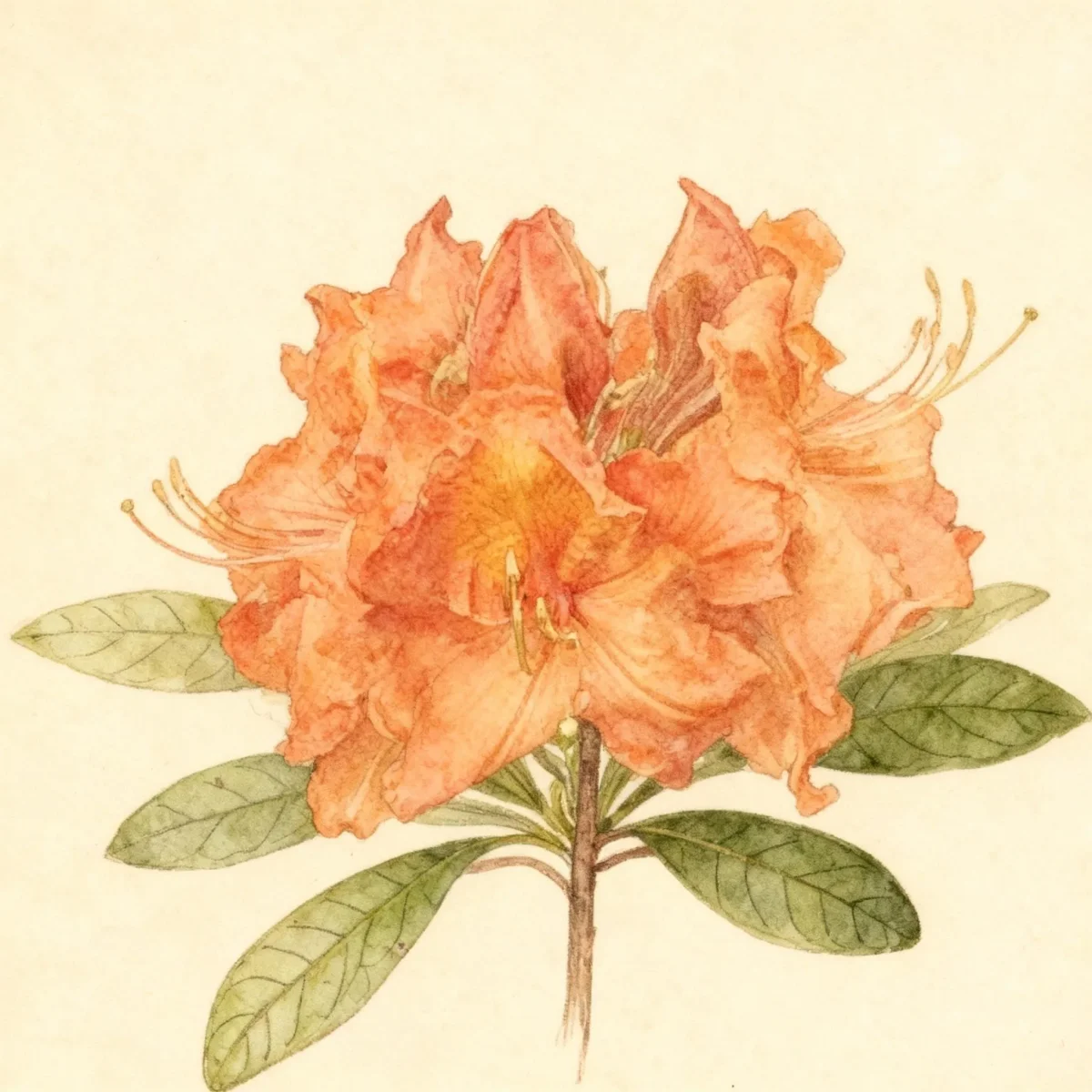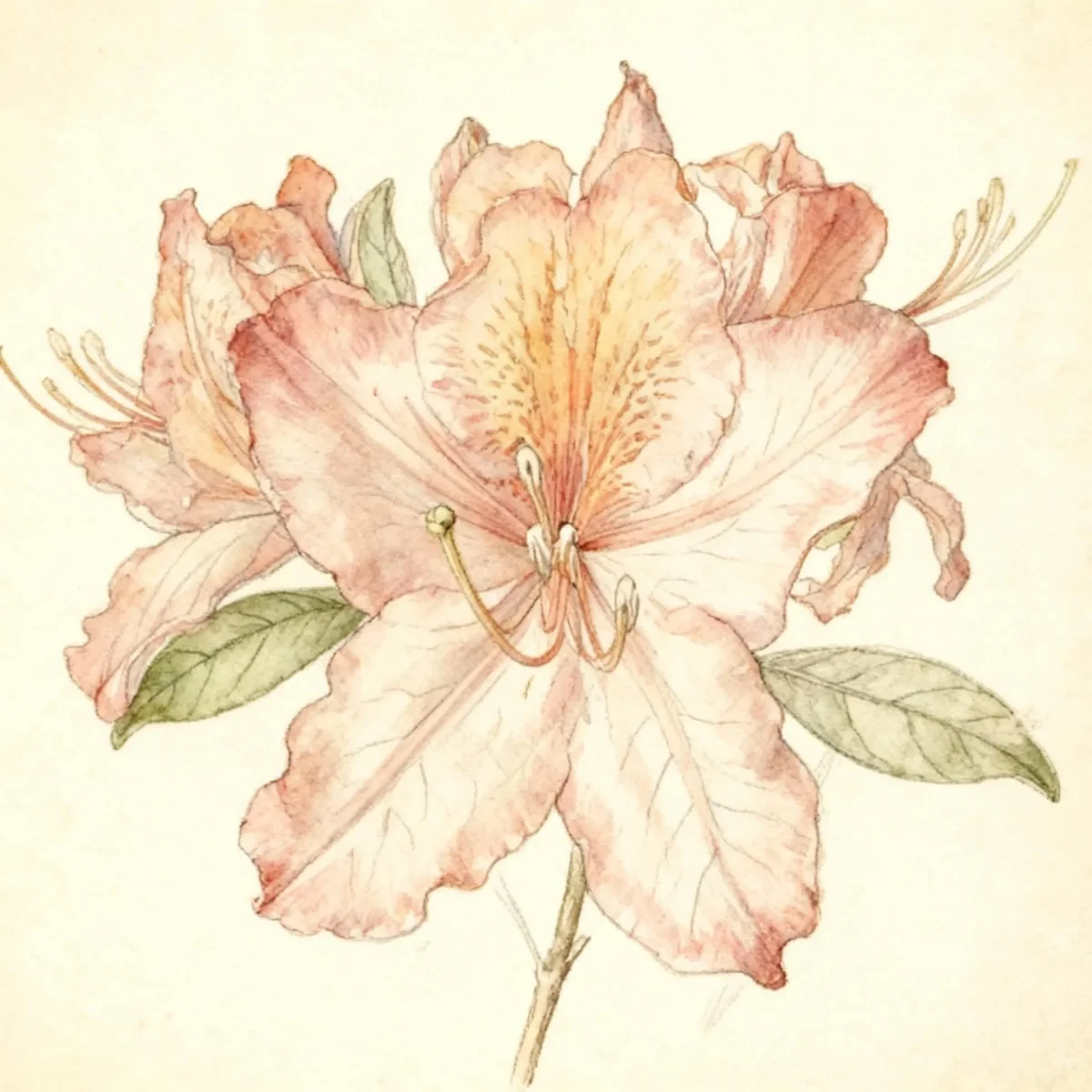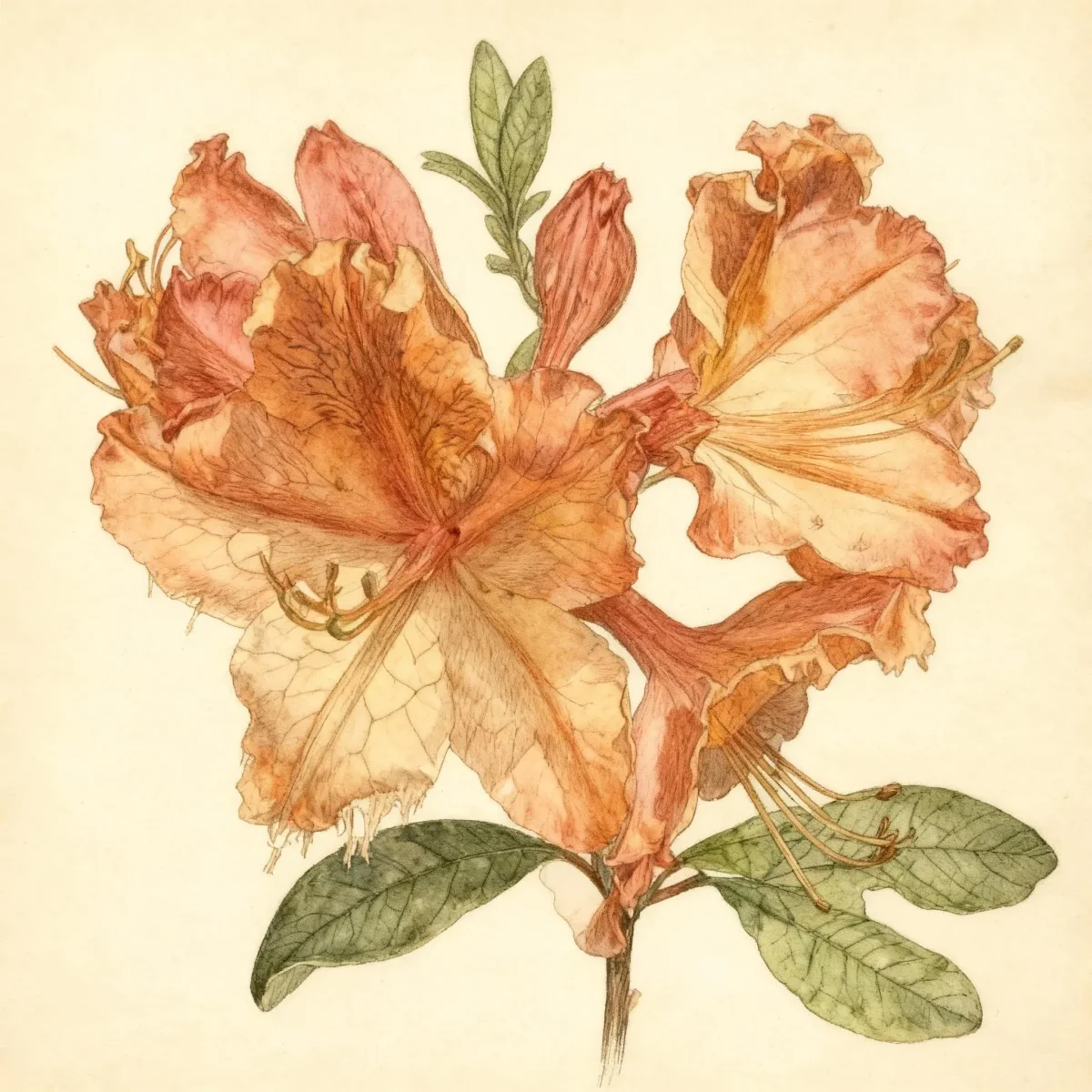

Azalea (Rhododendron 'Ginger')
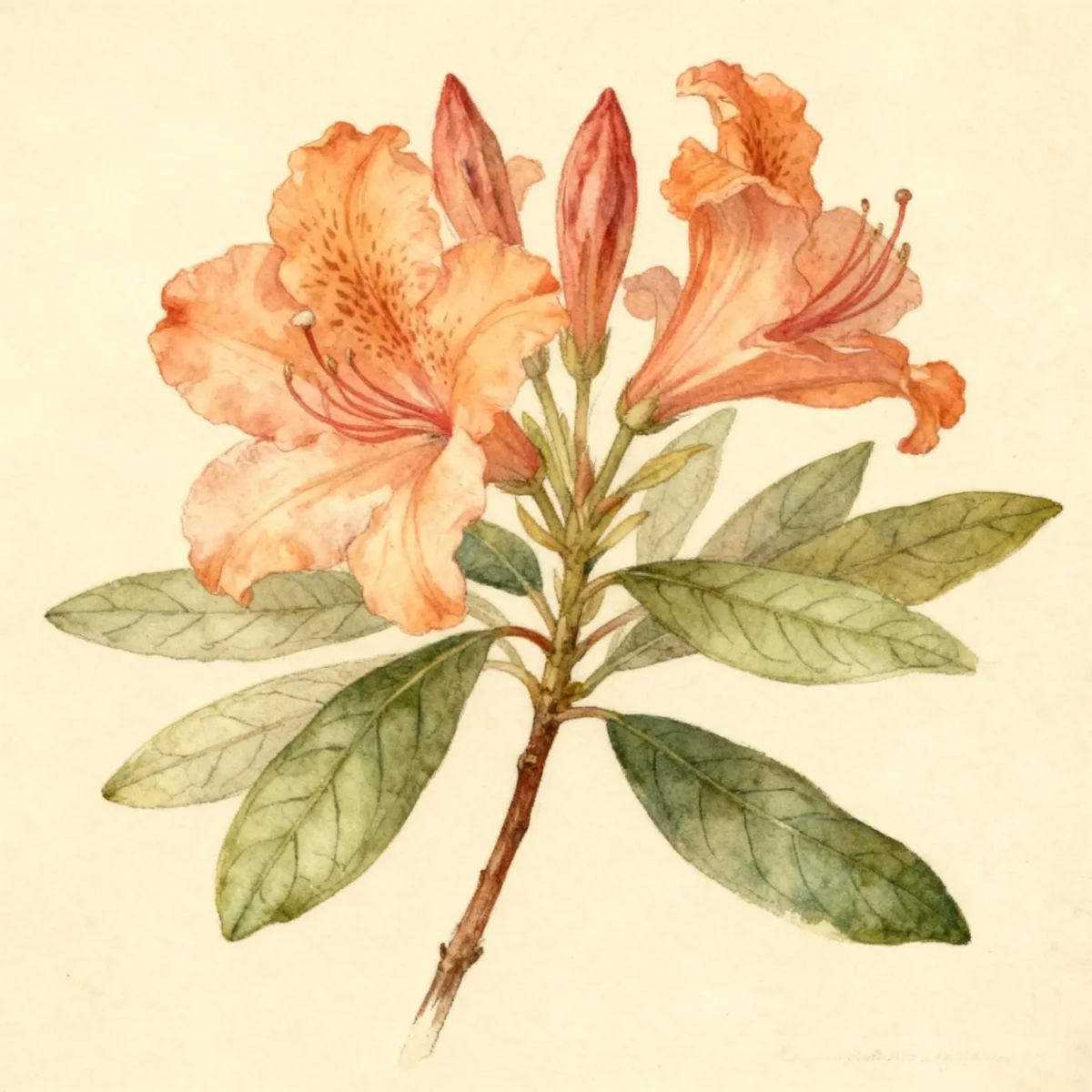
Rhododendron 'Ginger' is a showy, fragrant deciduous Azalea shrub blooming orange in spring, ideal for part shade gardens.
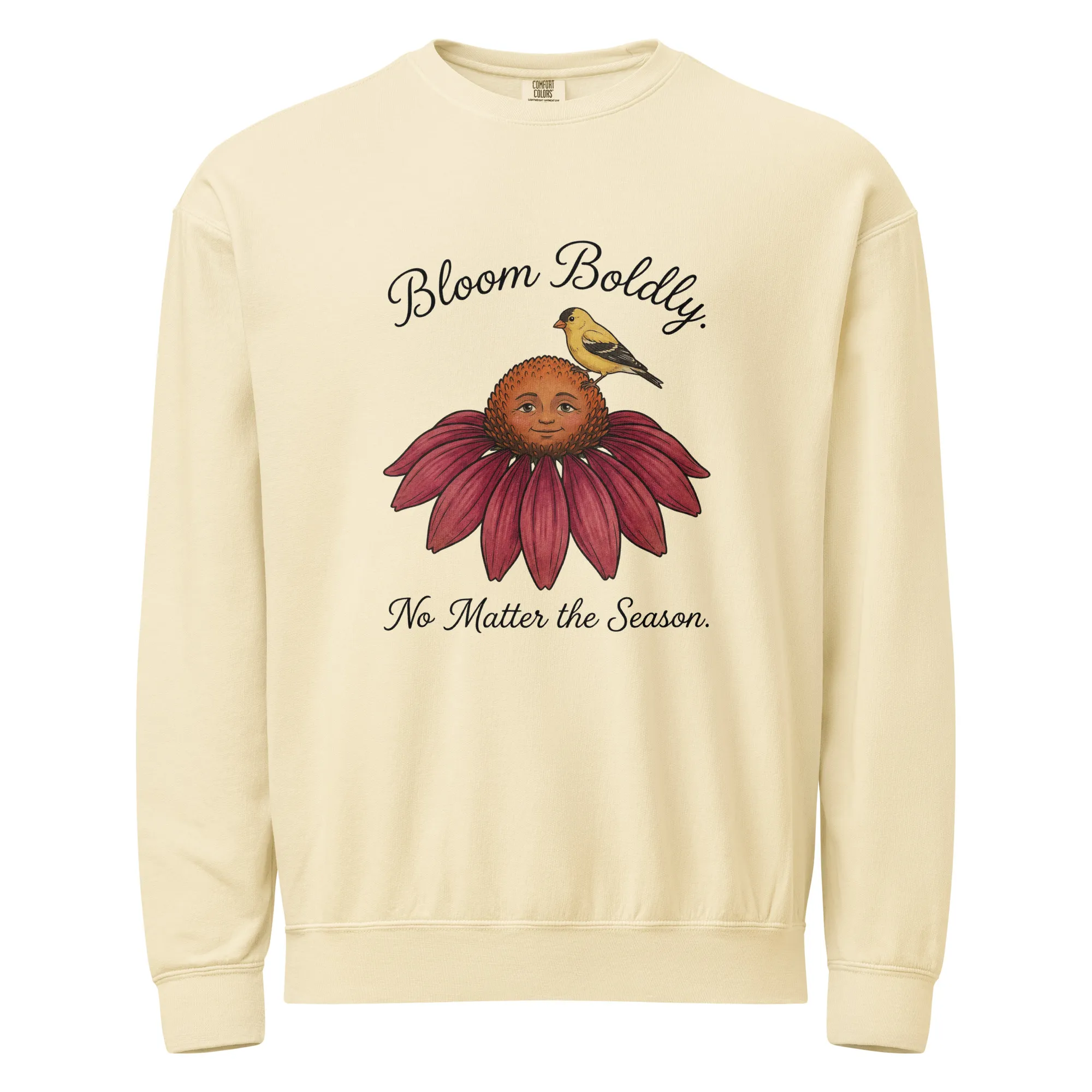
Bloom Boldly, No Matter the Season - Sweatshirt
Cozy organic cotton sweatshirt featuring our exclusive Purple Coneflower design. Perfect for gardeners who bloom year-round.
Inspired by the beautiful Azalea
Limited first batch (50) — join the waitlist for early access
Waitlist closes Feb 15, 2026.
Complete Plant Information
Field Guide Continues
Ready for care notes, companion picks, and planting tips?
The map is just the start. The full guide below covers growth habits, seasonal performance, and landscape uses.
Overview
Rhododendron ‘Ginger’ offers a spectacular, showy bloom display commonly associated with deciduous Azaleas in the mid-spring landscape. This cultivar is valued for its vibrant orange flowers, each highlighted by a distinctive yellow blotch, providing excellent seasonal interest. As a deciduous shrub, it fits seamlessly into woodland settings or mixed borders, providing texture and color before its leaves fully emerge.
Growing to a manageable height and spread between 4 to 6 feet, Rhododendron ‘Ginger’ is a reliable addition to cool temperate area gardens. It requires specific cultural conditions, thriving best in acidic, organically rich soils that retain moisture without becoming waterlogged. Proper siting is crucial to protect this Azalea from drying winds and harsh afternoon sun exposure.
This specific variety, an Exbury Hybrid, is prized for its lightly-scented, trumpet-shaped flowers appearing from April into May. Whether used as a specimen planting or incorporated into a shrub border, Rhododendron ‘Ginger’ adds significant ornamental value, embodying the elegance of the broader Rhododendron genus.
Fast Facts
- Plant Family: Ericaceae
- Plant Type: Deciduous shrub
- Hardiness Zones: USDA Zones 5-8
- Size at Maturity:
- Height: 4-6 ft
- Spread: 4-6 ft
- Bloom Time: April to May
- Bloom Description: Orange with a yellow blotch
- Sun Exposure: Part shade
- Water Needs: Medium
- Maintenance Level: Medium
How to Grow
The key to successfully growing Rhododendron ‘Ginger’ lies in soil preparation. Plant this Azalea in acidic soil (pH 5.0 to 5.5 is ideal) that is rich in organic matter and well-drained. Avoid locations within the drip line of walnut trees due to sensitivity to juglone toxins. While they prefer part shade—such as morning sun followed by afternoon shade—they can tolerate full sun in cooler northern summers, though afternoon sun in hot climates can scorch the leaves.
Watering needs are best described as medium; the soil must remain consistently moist but never saturated, as poor drainage is a fast track to root rot development. To manage moisture and stabilize soil temperatures, apply a thick layer of mulch, such as pine needles or wood chips, around the shallow, fibrous root system. Never cultivate directly around the base of the plant.
Maintenance involves managing soil pH and deadheading sparingly. Immediately after flowering concludes in May, shear off spent flower clusters (a process called deadheading) if practicable. If soil acidity drops, amendments like sulfur or iron sulfate should be incorporated. Fertilize sparingly, focusing instead on rich soil structure and consistent moisture for your Azalea.
Landscape Uses
Rhododendron ‘Ginger’ shines when utilized in mass plantings or as an attractive specimen to anchor a woodland garden design. Its deciduous nature makes it excellent for layering, allowing early spring bulbs to shine before its vibrant blooms command attention. It performs admirably in mixed borders, providing vertical structure alongside evergreen rhododendrons or foundation plantings.
This Azalea works well in shaded locations, such as north or east-facing slopes, where it softens structural edges. Consider pairing Rhododendron ‘Ginger’ near acidic-loving companions like native ferns, camellias, or dogwoods. Its function as a hedge, while possible, is best suited for informal borders where its natural, mounding shape can be appreciated, rather than severe shearing.
Standout Features
Flower Qualities
- Showy
- Fragrant
Noteworthy Characteristics
Rhododendron is a genus of 500 to 900 species and includes both of what we commonly call rhododendrons and azaleas. The genus name originates from Greek words meaning “rose tree.” ‘Ginger’ specifically is an Exbury Hybrid, celebrated for its distinctive red buds that herald the arrival of lightly-scented, trumpet-shaped orange flowers with a contrasting yellow blotch. This deciduous Azalea drops its leaves in the fall and offers one of the most lavish spring flower displays available.
Tolerances
- Rabbit
Potential Problems
Rhododendron ‘Ginger’ and Azaleas generally face challenges from various insect and disease pressures if cultural needs are neglected. Common insect threats include scale, lacebugs, and aphids, while diseases often manifest as powdery mildew, leaf spot, or root/crown rot, particularly in poorly drained soil. Chlorosis, characterized by yellowing leaves, frequently signals iron deficiency caused by overly alkaline soil conditions, underscoring the importance of maintaining acidic pH.
Prevention centers on proper siting and watering. Ensure sharp drainage and enrich the medium deeply with organic matter to support the shallow root system. Routine monitoring during the growing season allows for early intervention against pests. A healthy Rhododendron ‘Ginger’ maintained in optimal culture will naturally suppress most serious issues.
Frequently Asked Questions
What hardiness zones is Azalea (Rhododendron ‘Ginger’) suitable for?
This Azalea is generally suitable for USDA Hardiness Zones 5 through 8.
How large does Azalea (Rhododendron ‘Ginger’) grow?
Rhododendron ‘Ginger’ typically matures to a height between 4 and 6 feet, with a spread matching that range.
When does Azalea (Rhododendron ‘Ginger’) bloom?
This plant is noted for blooming from April to May, producing eye-catching orange flowers with a yellow blotch.
What sun exposure does Azalea (Rhododendron ‘Ginger’) need?
Rhododendron ‘Ginger’ thrives best in part shade, preferring dappled light or morning sun followed by protection from harsh afternoon heat.
Conclusion
Rhododendron ‘Ginger’ is an outstanding deciduous shrub offering magnificent spring color and light fragrance, making it a highly desirable Azalea for shaded garden areas. By meticulously addressing its requirements for acidic, moist, and well-drained soil, you ensure this 4-to-6-foot specimen thrives. Before planting, confirm your location falls within Zones 5-8 and plan your site preparation to create the perfect acidic environment for this stunning flowering addition.
Companion Planting Essentials
When planning a shade garden around your Rhododendron ‘Ginger’, focus on plants that share similar needs concerning acidity and consistent moisture. Hydrangeas, particularly the oakleaf varieties, pair beautifully in texture and bloom time. Hostas provide excellent, varied foliage contrast beneath the canopy of the spreading Azalea roots, appreciating the filtered light Rhododendron ‘Ginger’ prefers.
For an understory layer, consider Vaccinium species (blueberries) or specialized ferns, which also thrive in acidic, humus-rich substrates. Avoid heavy feeders or plants requiring constant lime application, as these will disrupt the delicate pH balance essential for nutrient uptake in this Rhododendron cultivar.
Seasonal Care Calendar
Spring is the crucial transition period; ensure spent flowers are removed promptly after blooming finishes in May to direct energy into root and foliage development rather than seed production. As summer begins, focus heavily on maintaining consistent soil moisture, especially during dry spells, to prevent root desiccation. Avoid deep cultivation throughout the year due to the shallow fibrous roots.
In autumn, apply a fresh, deep layer of acidic mulch (e.g., pine needles) before the ground freezes hard. Winter protection is less critical for established plants in their proper hardiness zone, but shielding new plants from harsh winter winds that can damage semi-evergreen foliage (if present) is advisable. Spring cleanup involves checking soil pH before the major flush of seasonal growth begins.