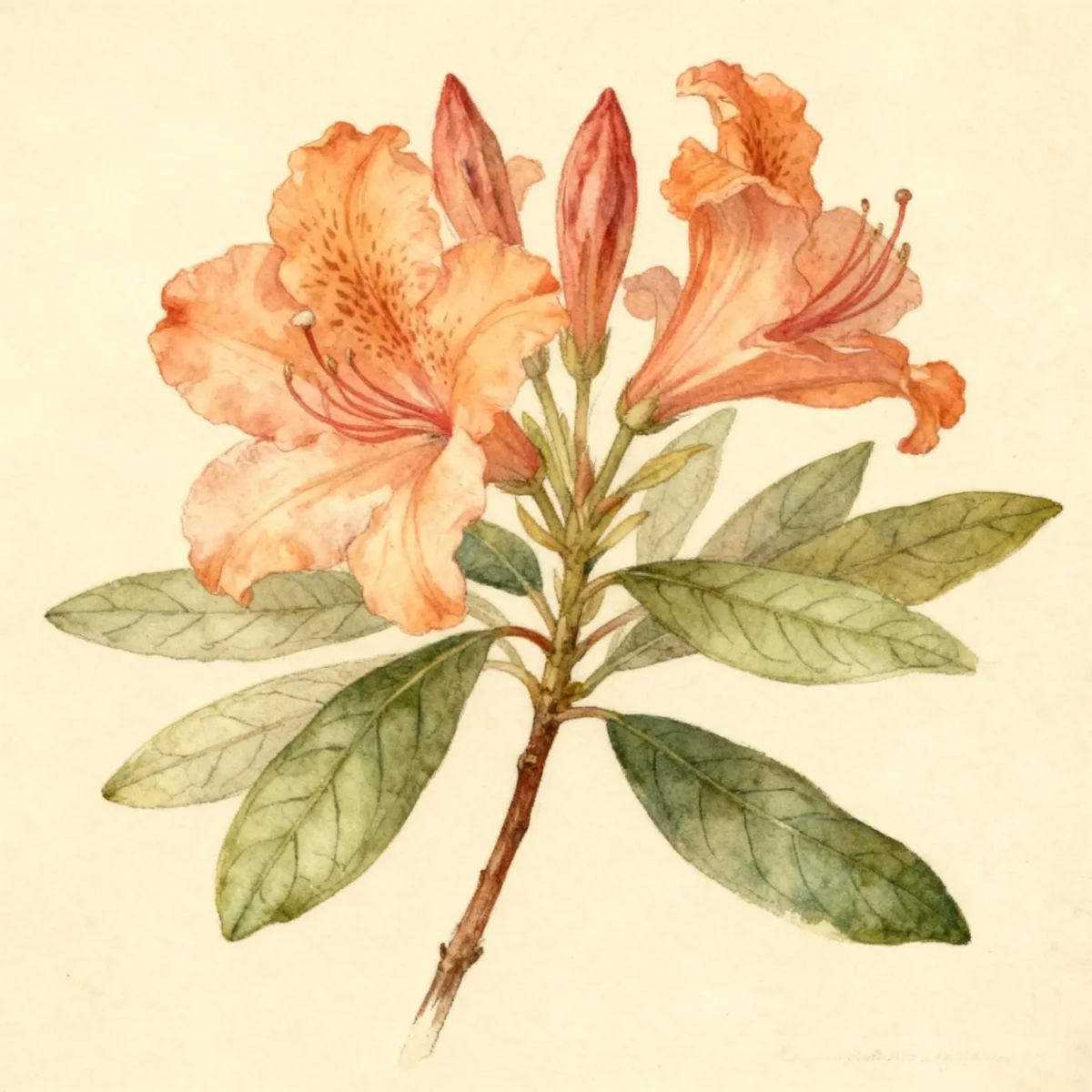
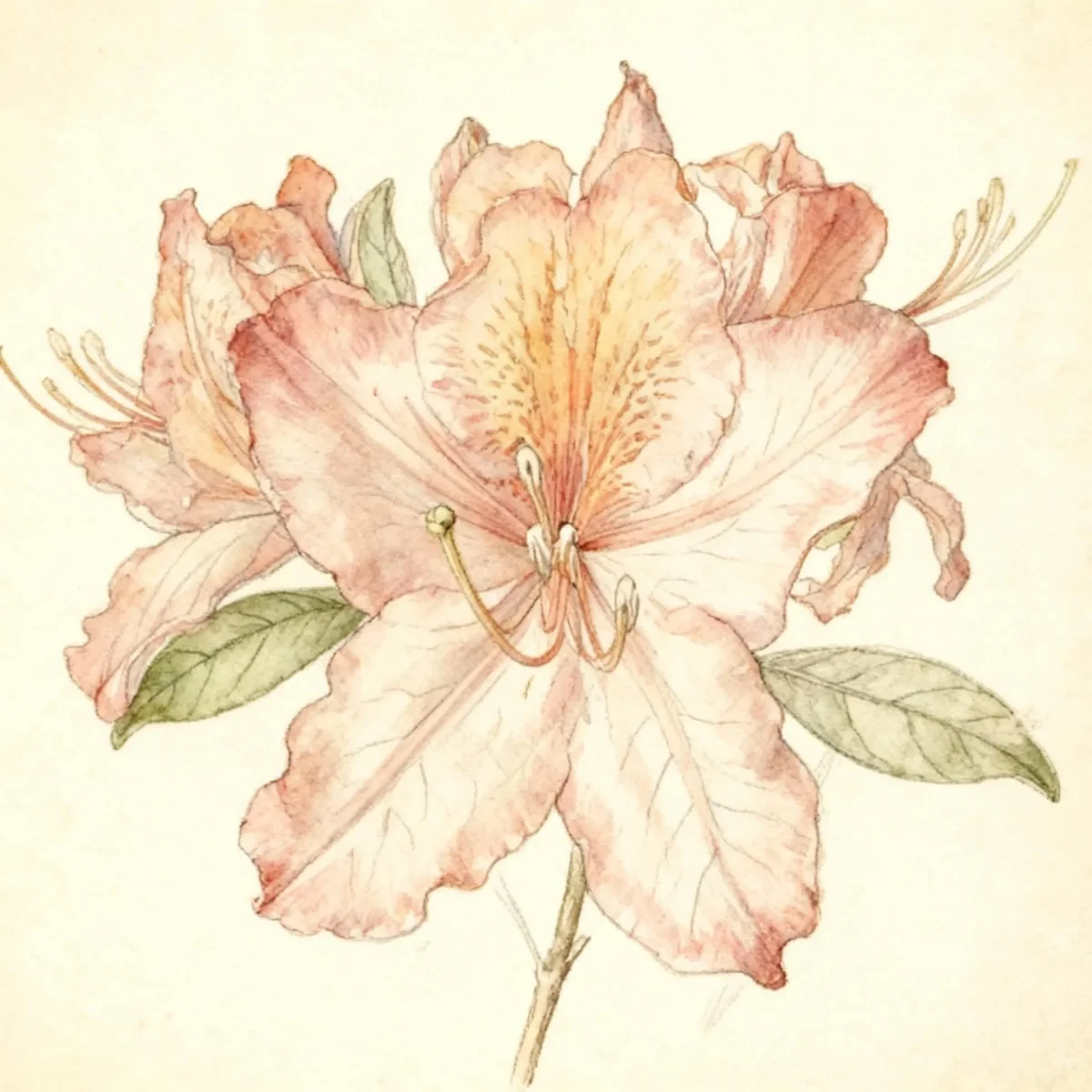
Azalea (Rhododendron 'Kathleen')
Discover the Rhododendron 'Kathleen' Azalea: a fragrant, showy deciduous shrub ideal for part shade gardens in Zones 5-8.

Bloom Boldly, No Matter the Season - Sweatshirt
Cozy organic cotton sweatshirt featuring our exclusive Purple Coneflower design. Perfect for gardeners who bloom year-round.
Inspired by the beautiful Azalea
Limited first batch (50) — join the waitlist for early access
Waitlist closes Feb 15, 2026.
Complete Plant Information
Field Guide Continues
Ready for care notes, companion picks, and planting tips?
The map is just the start. The full guide below covers growth habits, seasonal performance, and landscape uses.
Overview
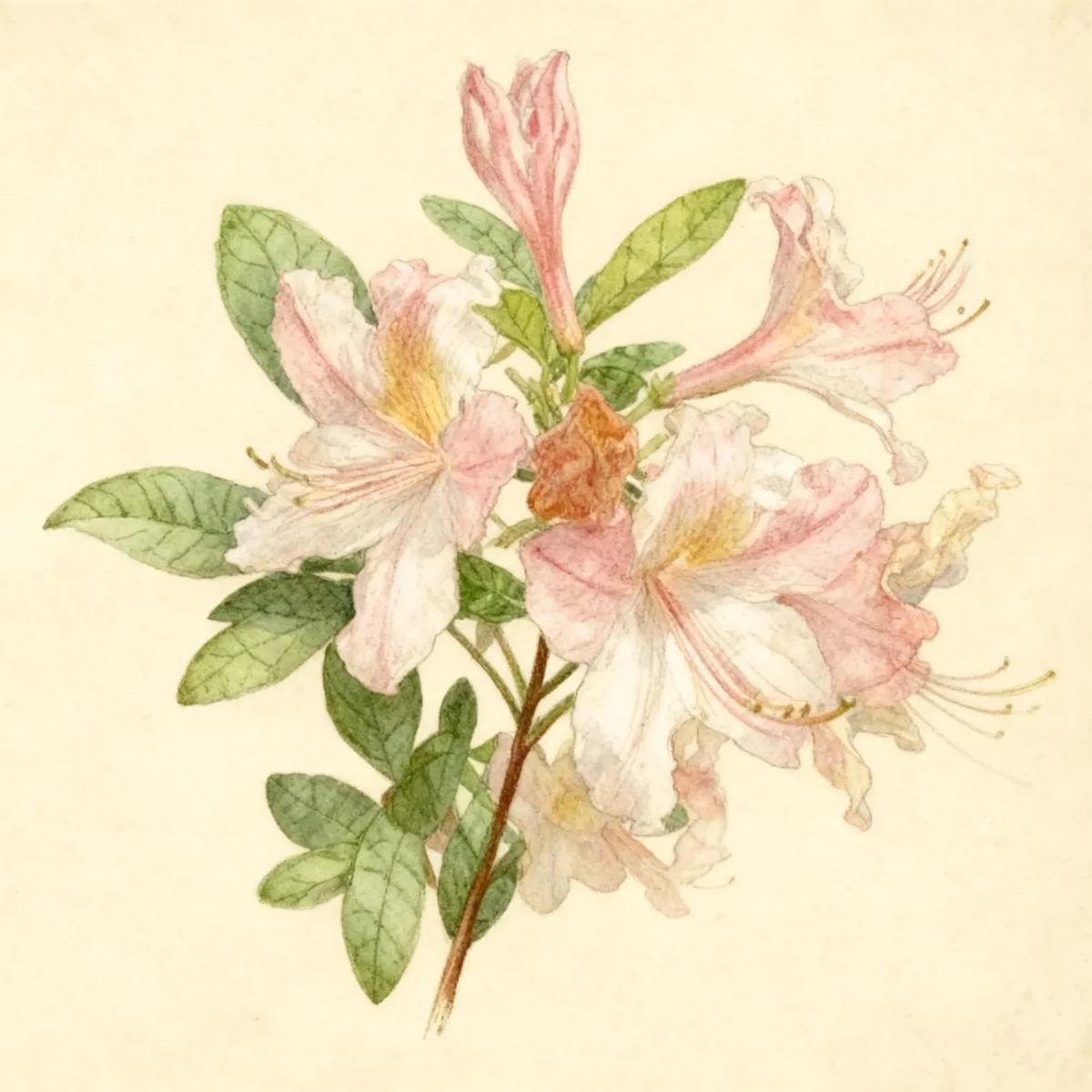
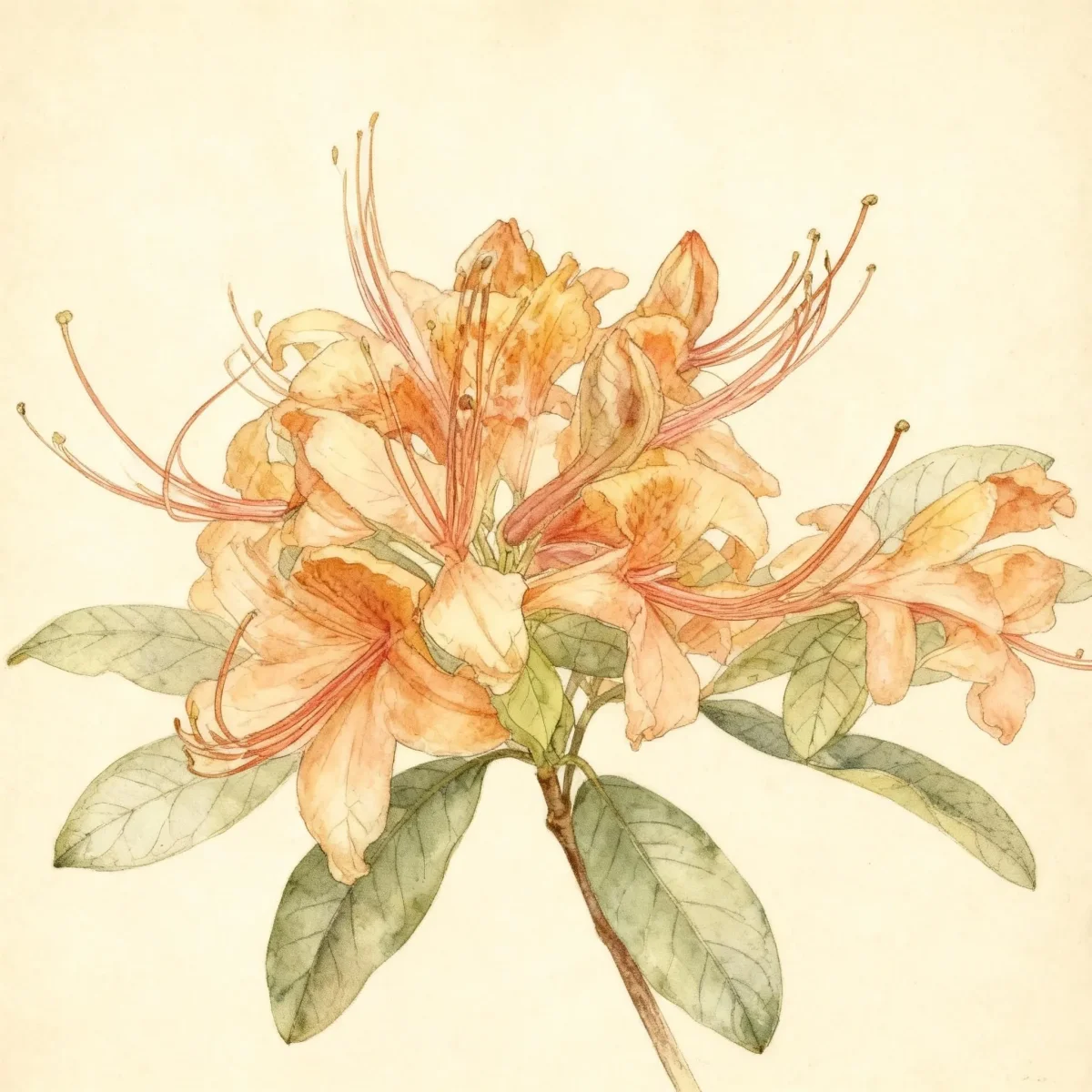
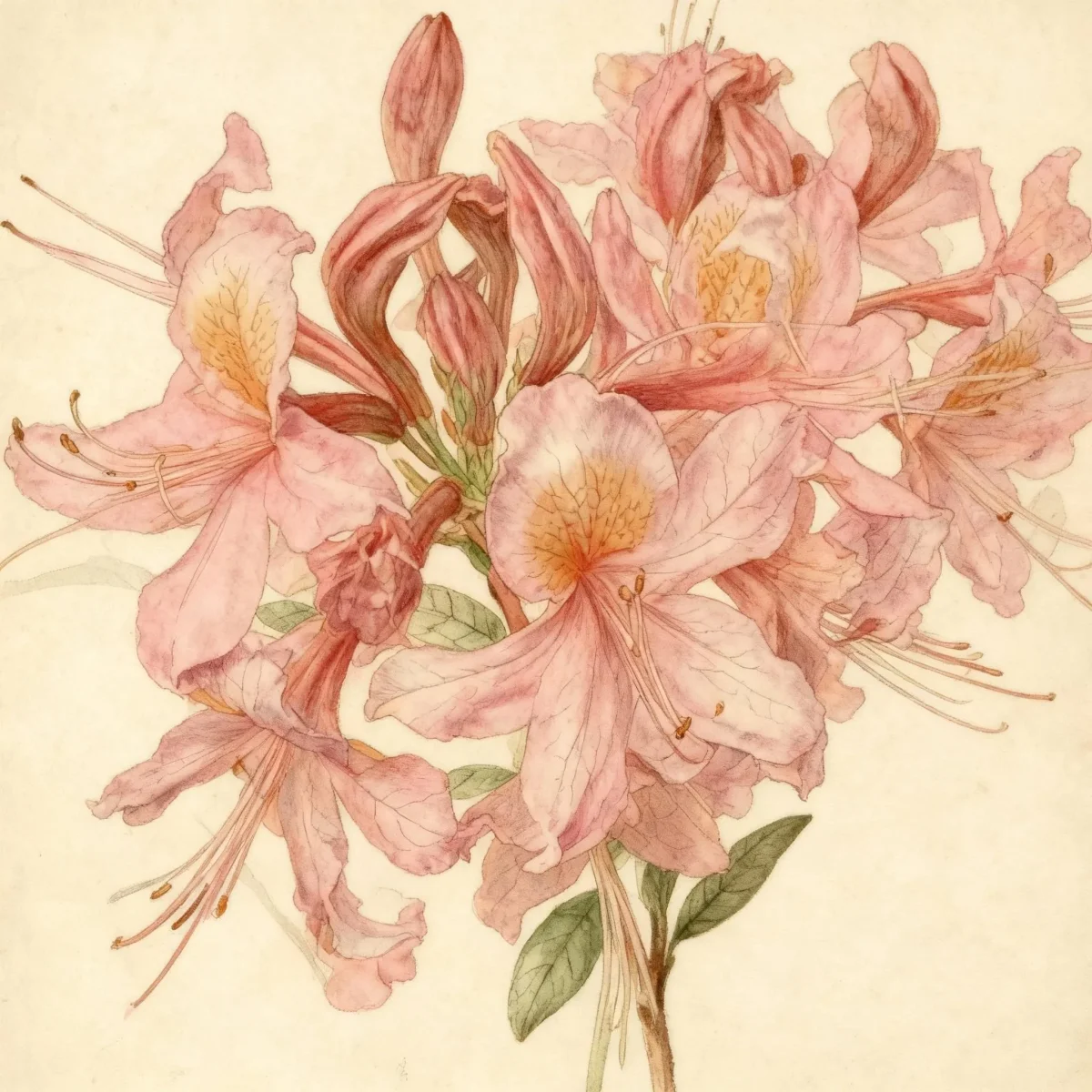
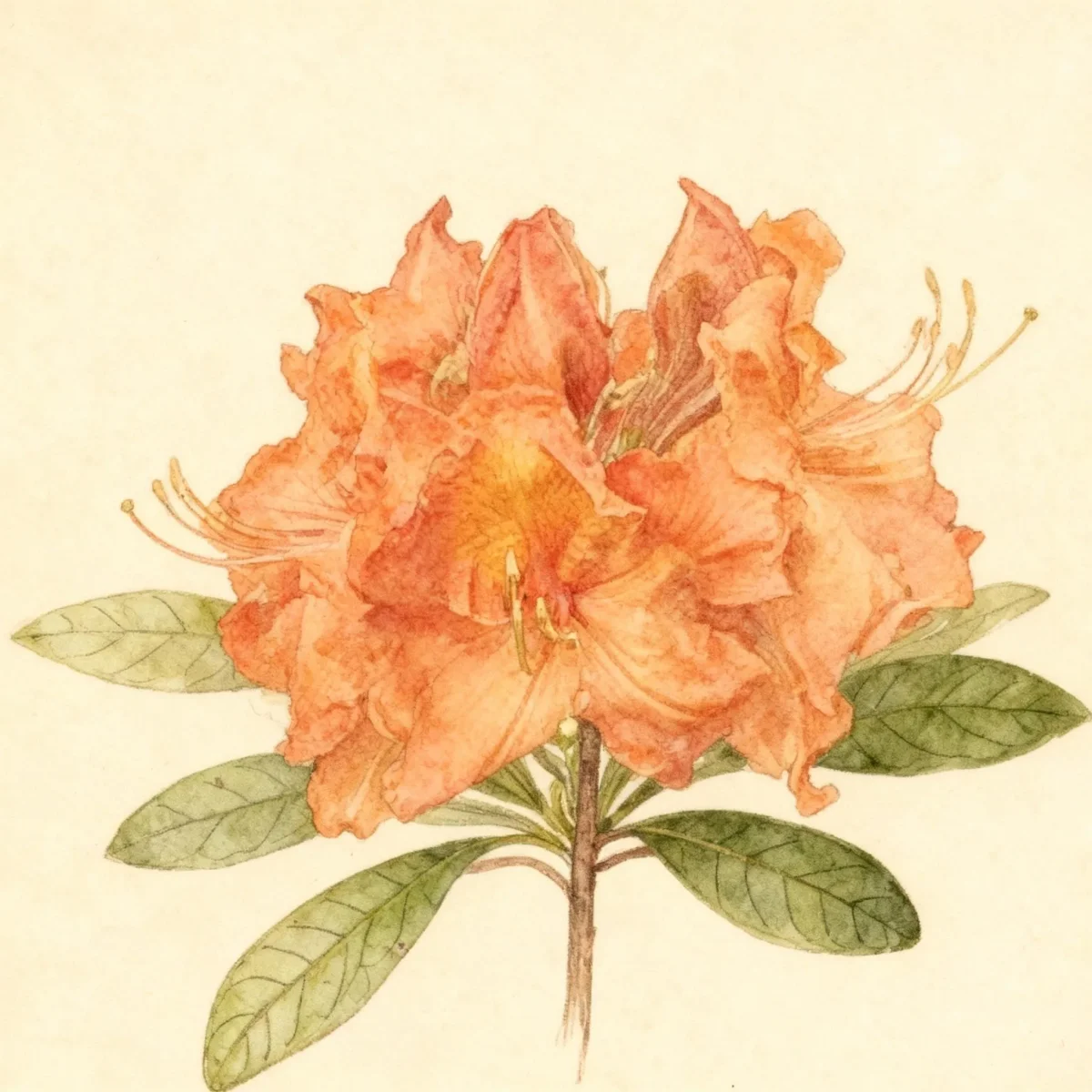
Rhododendron ‘Kathleen’ is a highly valued deciduous Azalea renowned for its lavish spring display of light orange flowers tipped with darker orange accents. This cultivar offers both showy blooms and a delightful fragrance, making it a standout addition to any woodland or shade garden. Developed as an Exbury Hybrid, Rhododendron ‘Kathleen’ brings vibrant color when many other shrubs are just beginning to wake up.
This plant establishes itself as a broad, upright shrub, typically reaching heights between 4 and 8 feet, providing excellent structure in the landscape. As a deciduous Azalea, it drops its leaves in the fall, which allows for a dramatic, unobstructed floral show early in the growing season. Its adaptability within USDA Zones 5 through 8 ensures its popularity across temperate regions.
The appeal of Rhododendron ‘Kathleen’ lies in its performance as a specimen plant or when massed for impactful color displays. It offers medium maintenance but rewards the gardener with significant aesthetic impact, particularly when sited correctly to appreciate its fragrance and bloom intensity during April and May.
Fast Facts
- Plant Family: Ericaceae
- Plant Type: Deciduous shrub
- Hardiness Zones: USDA Zones 5-8
- Size at Maturity:
- Height: 4-8 ft
- Spread: 4-6 ft
- Bloom Time: April to May
- Bloom Description: Light orange with darker orange tips and blotch
- Sun Exposure: Part shade
- Water Needs: Medium
- Maintenance Level: Medium
How to Grow
Planting success for Rhododendron ‘Kathleen’ centers entirely on soil preparation and location. These Azaleas must have highly acidic soil, ideally pH 5.0 to 5.5, which should also be organically rich, humusy, and moisture-retentive yet very well-drained. Avoid planting near walnuts, as Azaleas are highly sensitive to their root exudates (juglones). Morning sun exposure with afternoon shade is preferred, though they can handle more sun in cooler summer climates.
Watering should be consistent, as the shallow, fibrous roots must never be allowed to dry out. If your native soil is heavy clay, incorporating significant organic matter or utilizing raised beds is crucial to prevent standing water, which rapidly leads to fatal root rot. Apply a deep layer of mulch, such as pine needles or wood chips, to conserve moisture and regulate soil temperature around those sensitive roots.
Maintenance for this Azalea involves correcting soil pH using sulfur or iron sulfate if necessary to maintain acidity. Pruning is minimal; clip spent flower clusters immediately after blooming, which encourages better flowering the following year. Because of their relatively shallow root systems, avoid cultivating the soil directly around the base of the Rhododendron ‘Kathleen’.
Landscape Uses
Rhododendron ‘Kathleen’ is versatile in landscape design. Its upright, dense habit makes it an excellent choice for use as a formal or informal hedge, softening foundation plantings. Groupings or mass plantings create spectacular drifts of color during the spring season.
For a classic woodland garden aesthetic, plant this Azalea beneath high deciduous trees where it can receive dappled sunlight. It integrates beautifully into mixed shrub borders alongside other acid-loving plants like Pieris or Camellia. Its robust size ensures it works well as a specimen focal point, especially where the fragrant bloom can be easily appreciated.
Consider placing Rhododendron ‘Kathleen’ near patios or walkways to maximize the sensory benefit of its fragrant spring flowers. Its structure also provides good backdrop interest when paired with lower-growing perennials that thrive in partial shade conditions.
Standout Features
Flower Qualities
- Showy
- Fragrant
Noteworthy Characteristics
Rhododendron is a vast genus encompassing what we commonly call both rhododendrons and azaleas, though true azaleas (like Rhododendron ‘Kathleen’) typically have only five stamens versus the rhododendron’s ten. This particular cultivar, an Exbury Hybrid introduced in 1947, is celebrated for its abundant, openly funnel-shaped flowers displaying light orange hues accented by darker orange tips and blotches. As a deciduous shrub, Rhododendron ‘Kathleen’ performs by shedding its foliage in the fall, leading to an intense flush of floral color before new leaves emerge in spring.
Tolerances
- Rabbit
Potential Problems
Rhododendrons and azaleas are susceptible to several insect and disease issues if cultural conditions are not ideal. Common pests include lacebugs, borers, and scale, while diseases range from root rot to leaf spot, especially where drainage or soil pH is incorrect. Pay close attention to foliage for signs of chlorosis (yellowing); this often signals an iron deficiency caused by soil pH becoming too high, which inhibits nutrient uptake.
Preventative care is the best defense against problems for your Rhododendron ‘Kathleen’. Ensure it receives consistent moisture without becoming waterlogged, maintain that critical acidic soil pH, and site it where it is protected from harsh winds. A healthy plant situated in the proper environment with optimal soil conditions will naturally limit the appearance of most pests and diseases.
Frequently Asked Questions
What hardiness zones is Azalea (Rhododendron ‘Kathleen’) suitable for?
This deciduous shrub performs best when planted within USDA Hardiness Zones 5 through 8.
How large does Rhododendron ‘Kathleen’ grow?
At full maturity, Rhododendron ‘Kathleen’ typically reaches a height between 4 and 8 feet tall, with a corresponding spread of 4 to 6 feet wide.
What sun exposure does Azalea need?
Rhododendron ‘Kathleen’ thrives best in part shade conditions, favoring dappled sunlight or high open shade throughout the day.
When does Azalea bloom?
This beautiful Azalea variety bursts into bloom from April through May, displaying light orange flowers with darker orange markings.
Conclusion
The Rhododendron ‘Kathleen’ Azalea is an exceptional choice for gardeners seeking dependable, fragrant spring color and excellent structure in medium moisture conditions. Its showy, light orange flowers provide a hallmark feature for woodland settings or mixed borders. Before planting, confirm that your site offers the acidic, well-drained soil structure necessary for this superb cultivar to thrive.
Companion Planting
Selecting companions based on similar cultural requirements—namely, acidic, well-drained soil and part shade—will ensure the long-term health of your Azalea. Excellent partners include other acid-lovers such as large-leafed evergreen rhododendrons, Pieris japonica, and mountain laurel (Kalmia). Groundcovers like Helleborus or Astilbe also perform well beneath the canopy without competing excessively for nutrients.
Avoid planting species that require alkaline soil or full sun, as this will stress the Azalea and increase its susceptibility to pests and disease. Companion planting helps create a balanced microclimate that supports the shallow, fibrous root system of the Rhododendron ‘Kathleen’.
Seasonal Care Calendar
Spring care centers on enjoyment and cleanup; deadhead spent flowers of Rhododendron ‘Kathleen’ immediately after they fade to focus energy on next year’s buds. Apply a fresh layer of acidic mulch, such as shredded pine, after the bloom period ends. Summer requires vigilant watering, especially during dry spells, ensuring the soil remains evenly moist but never soggy for this medium water-need plant.
Autumn is the ideal time for soil testing if you suspect your pH is creeping high, allowing you to amend with iron sulfate that will take effect over the winter dormancy. While this deciduous Azalea drops its leaves, minimal winter protection is typically needed if planted within the recommended hardiness zones 5-8, provided it is shielded from strong winds.