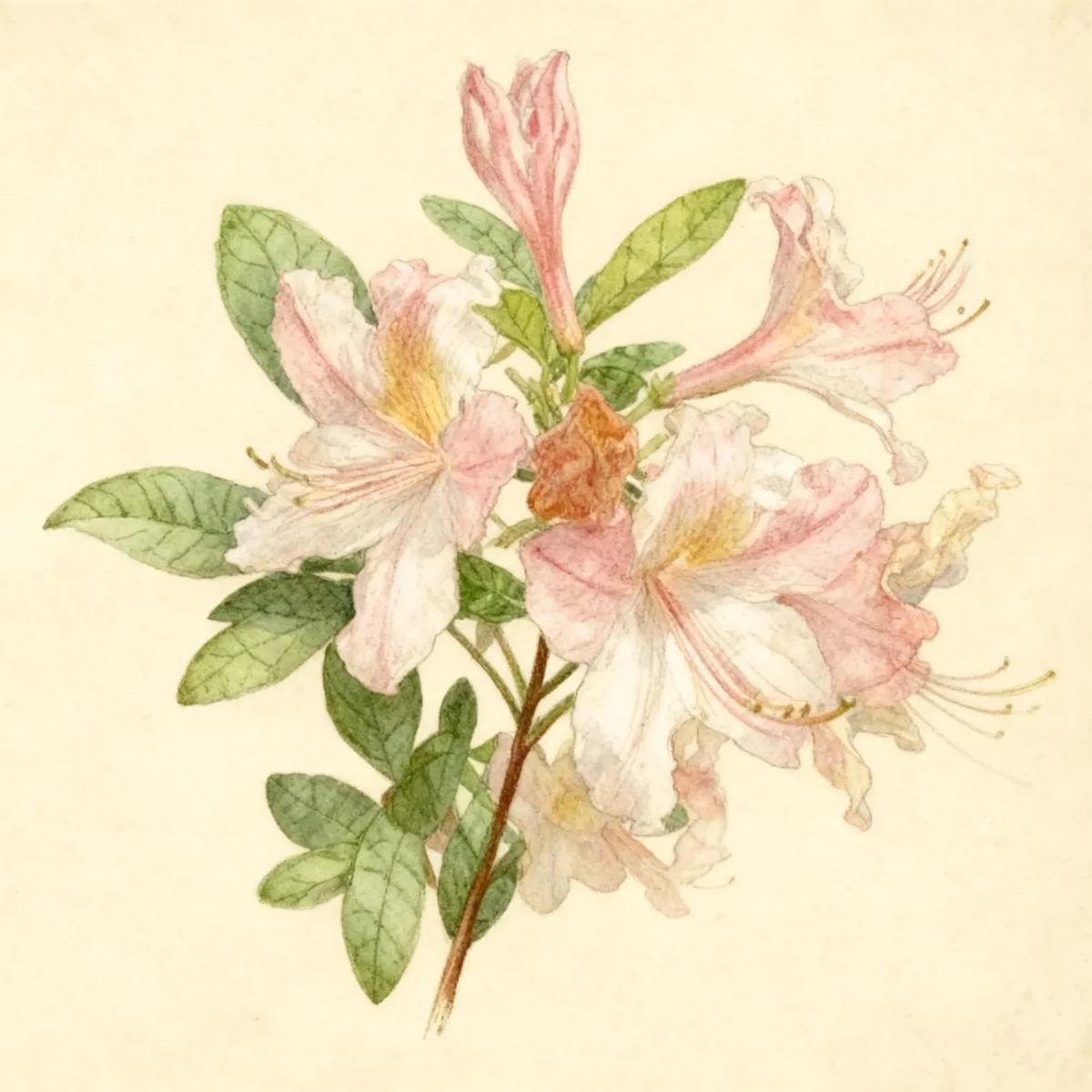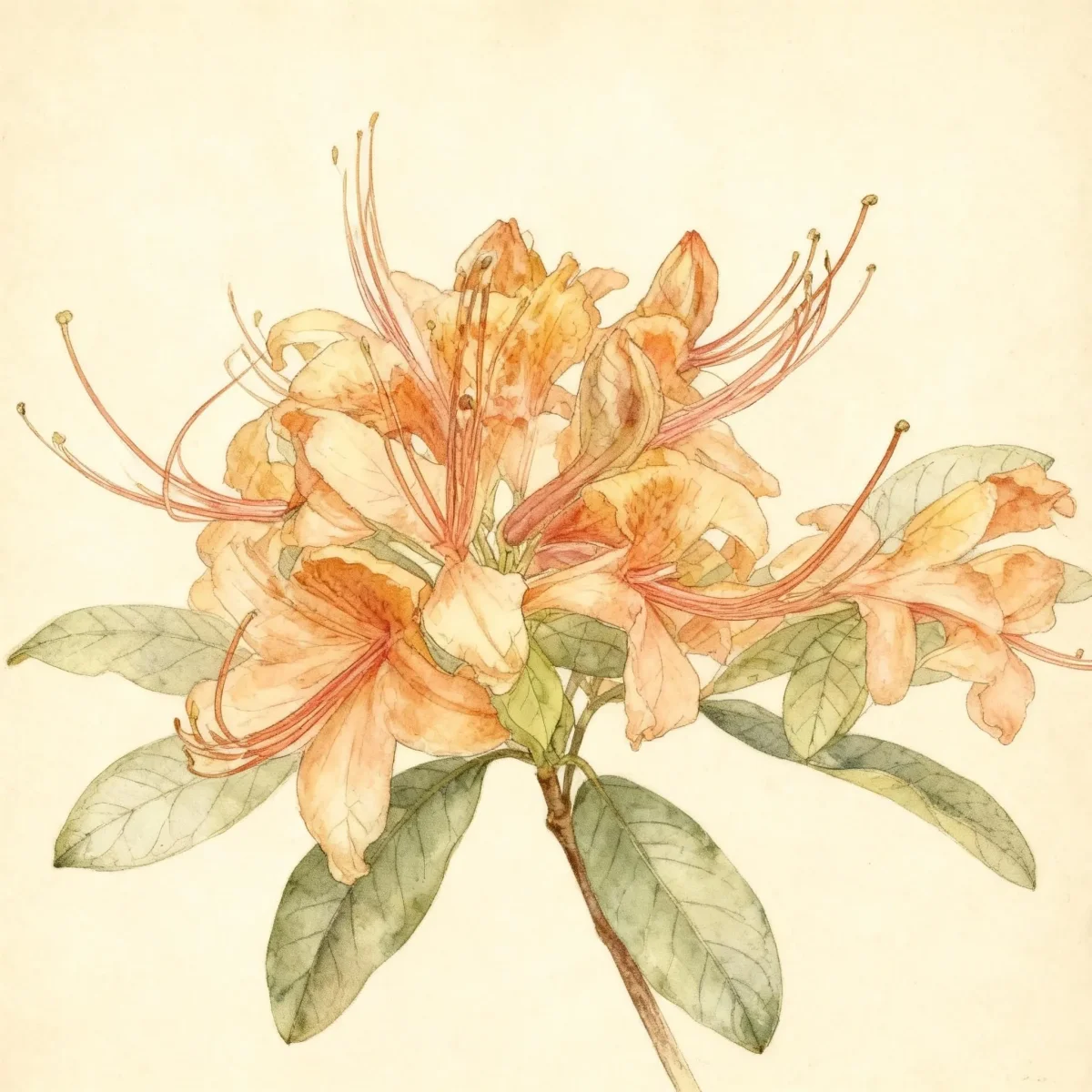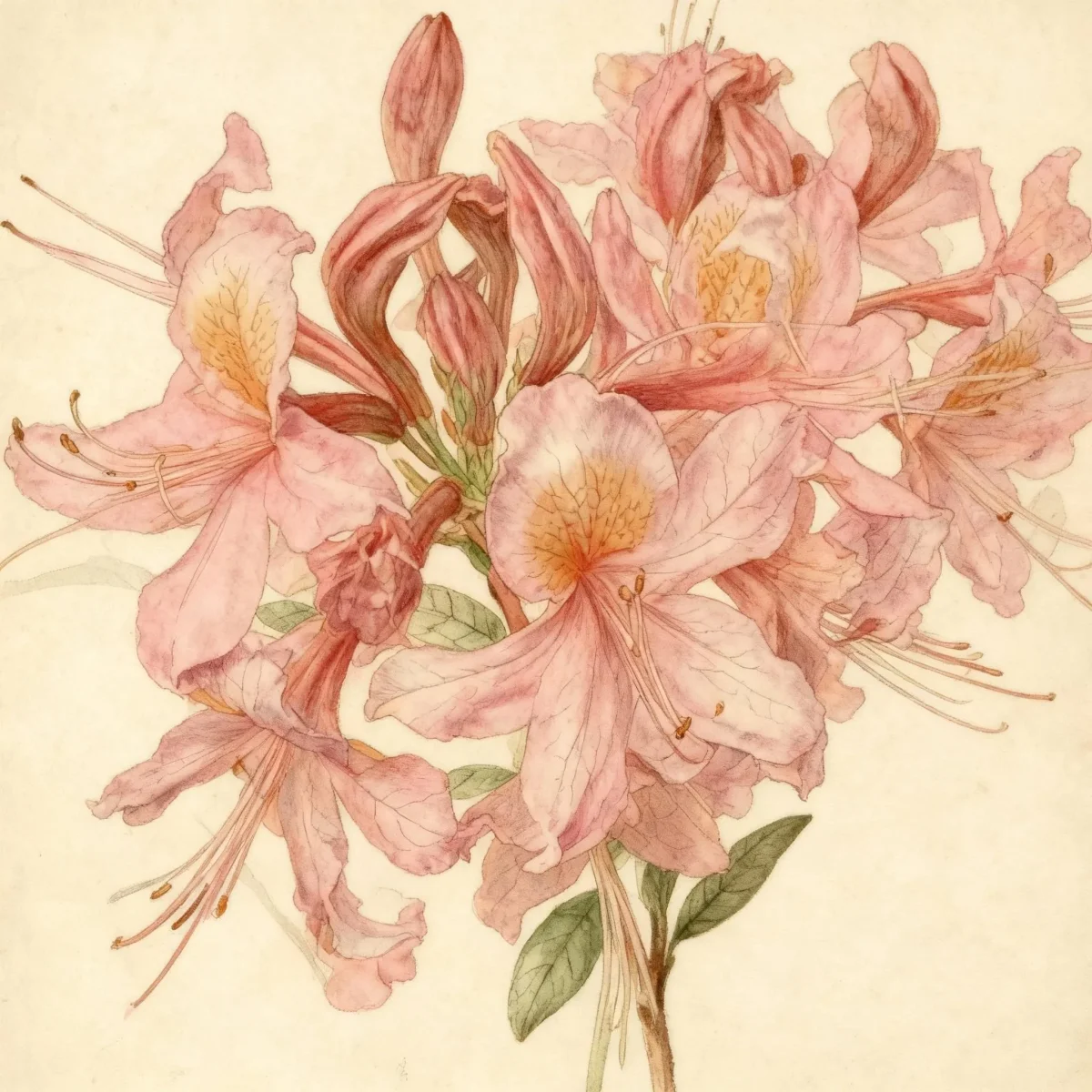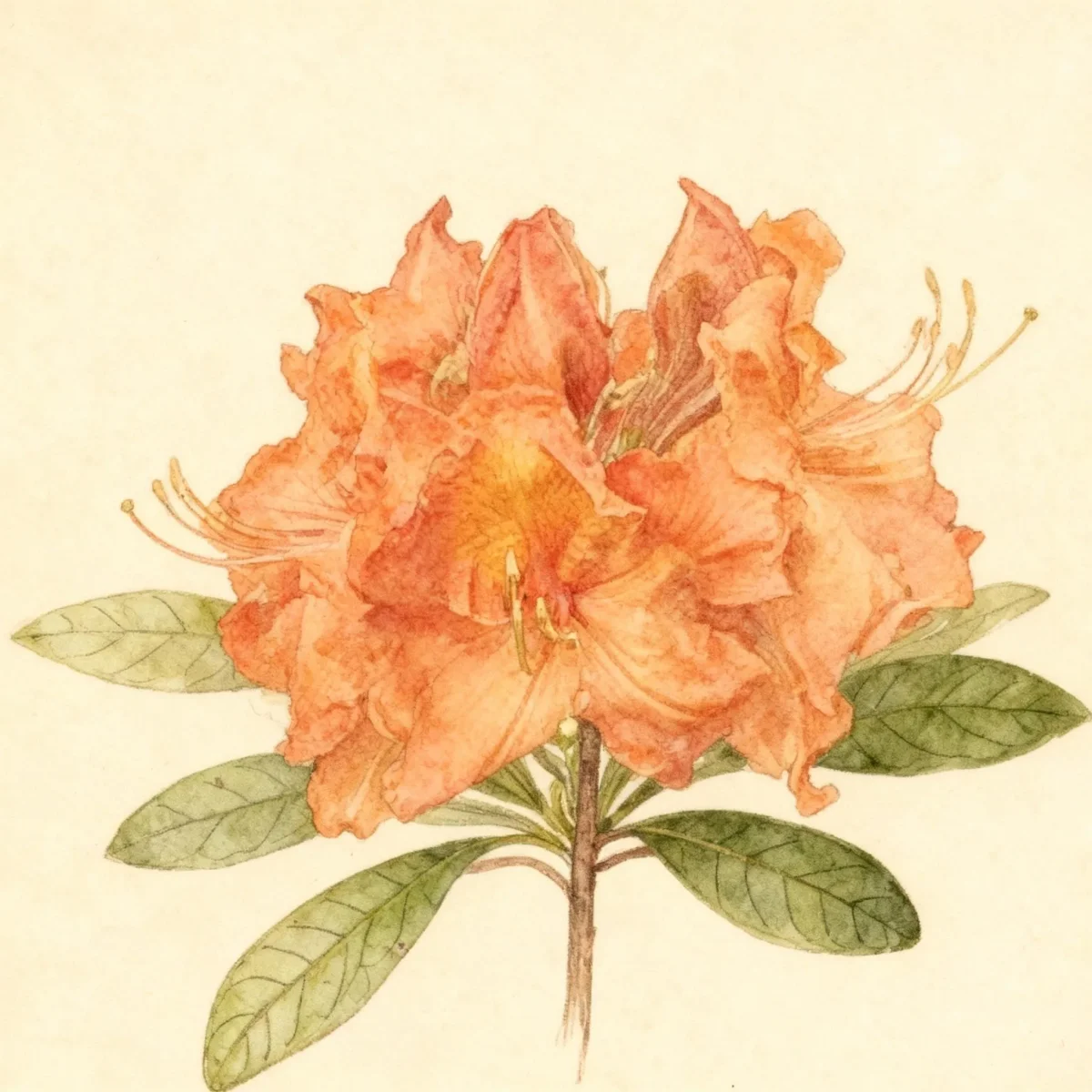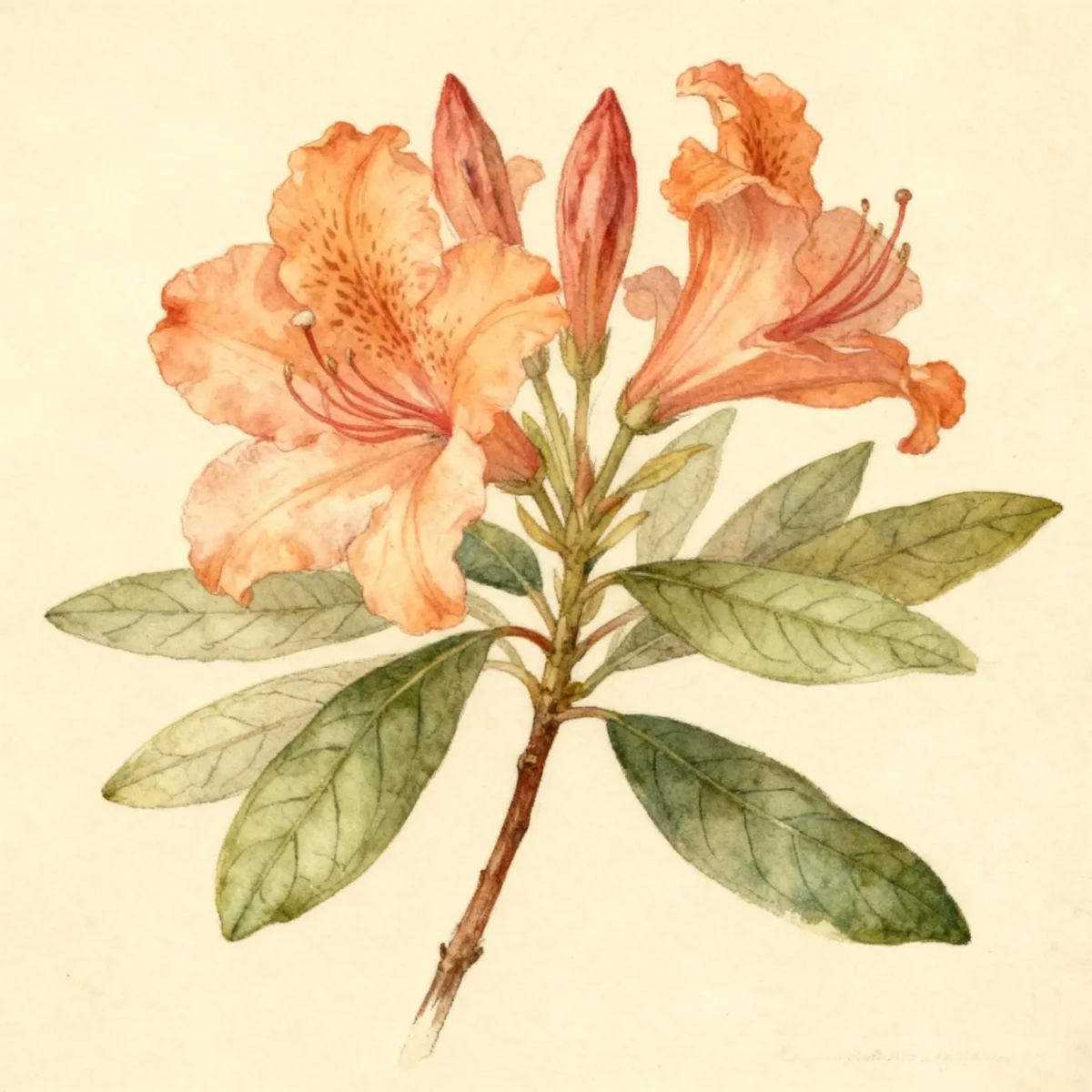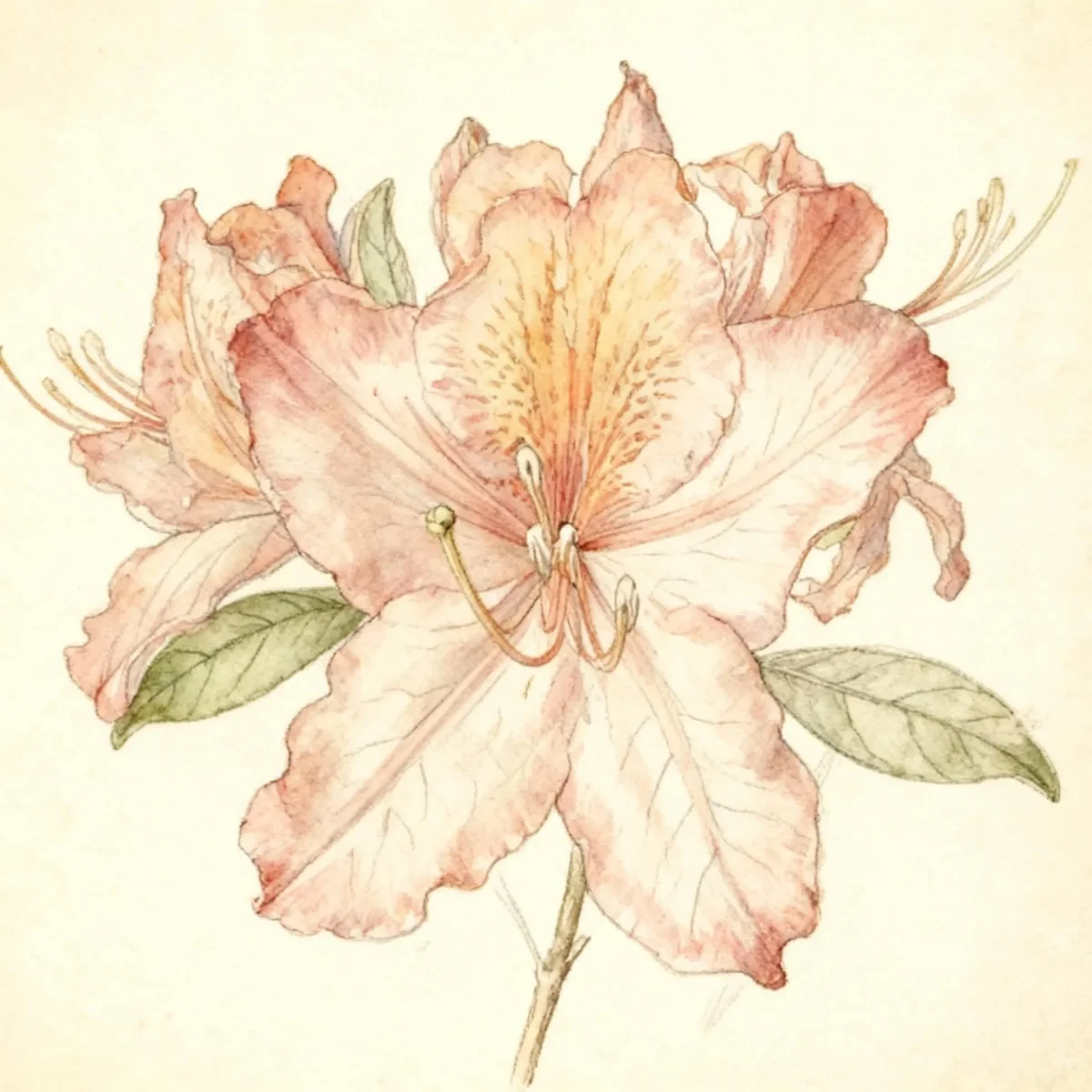

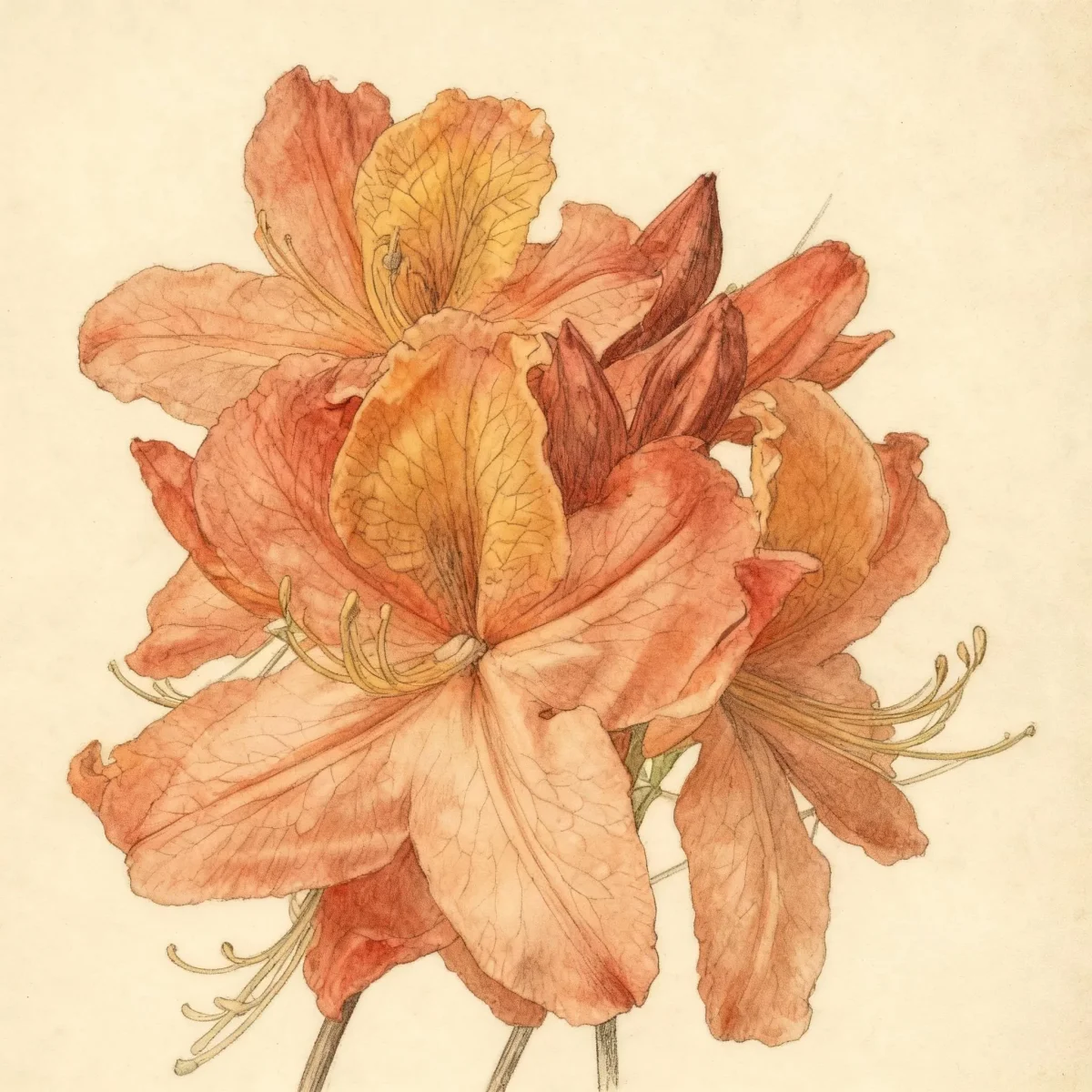
Azalea (Rhododendron 'Mary Poppins')
Rhododendron 'Mary Poppins' is a deciduous Azalea known for showy orange-red spring flowers, ideal for woodland gardens or hedges.
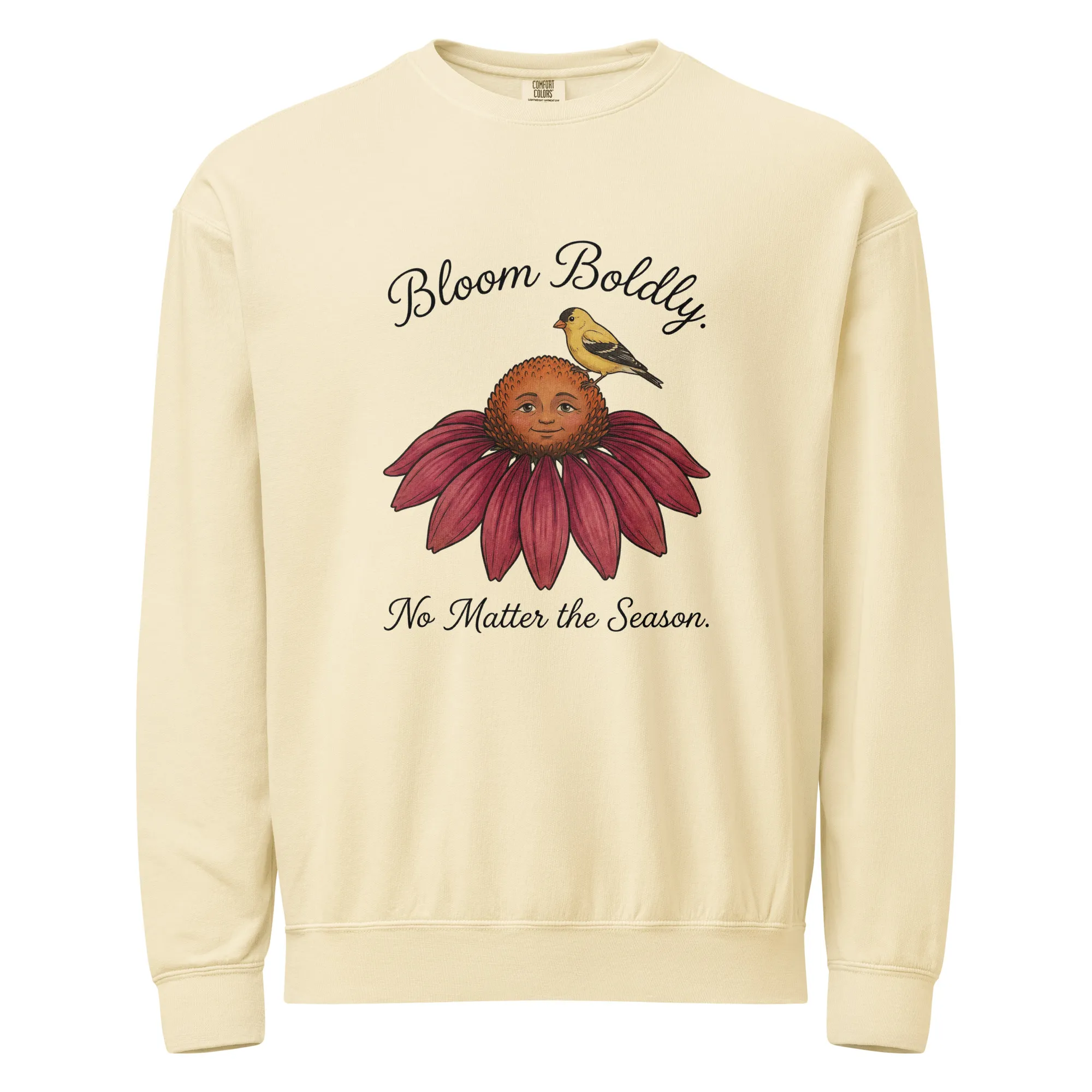
Bloom Boldly, No Matter the Season - Sweatshirt
Cozy organic cotton sweatshirt featuring our exclusive Purple Coneflower design. Perfect for gardeners who bloom year-round.
Inspired by the beautiful Azalea
Limited first batch (50) — join the waitlist for early access
Waitlist closes Feb 15, 2026.
Complete Plant Information
Field Guide Continues
Ready for care notes, companion picks, and planting tips?
The map is just the start. The full guide below covers growth habits, seasonal performance, and landscape uses.
Overview
Rhododendron ‘Mary Poppins’ is a highly valued deciduous Azalea, celebrated for its lavish floral display in mid-spring. As a Knap Hill hybrid, this variety produces trumpet-shaped, orange-red flowers packed densely in trusses, offering brilliant springtime color before the foliage fully develops. It presents a rounded habit, maturing typically to about four feet tall and wide, making it versatile in many landscape designs where a medium-sized focal point is needed.
This Azalea thrives best when provided with specific cultural conditions, emphasizing acidic soil and consistent moisture. Although it is relatively adaptable, site selection is critical to prevent scorching and ensure robust growth. Growing the Rhododendron ‘Mary Poppins’ provides excellent texture and color contrast, particularly as its bronze-green leaves transition to attractive red tones in the fall, extending its season of interest beyond the initial flush of bloom.
Gardeners often choose this Azalea for its adaptability in dappled shade settings, moving away from harsh, full sun exposure common in hotter climates. With medium maintenance expectations, the reward is substantial: a beautiful, flowering shrub perfect for softening foundation lines or integrating into woodland margins. Understanding the specific needs of Rhododendron ‘Mary Poppins’ ensures a healthy, long-lived specimen.
Fast Facts
- Plant Family: Ericaceae
- Plant Type: Deciduous shrub
- Hardiness Zones: USDA Zones 5-8
- Size at Maturity:
- Height: 3-4 ft
- Spread: 3-4 ft
- Bloom Time: April to May
- Bloom Description: Orange-red
- Sun Exposure: Part shade
- Water Needs: Medium
- Maintenance Level: Medium
How to Grow
Plant your Azalea when dormant, ideally in early spring or fall, ensuring the location provides the part shade it prefers. Rhododendron ‘Mary Poppins’ requires acidic, organically rich, humusy, and well-drained soil with medium moisture retention. Drainage is paramount; avoid sites where water collects, as poor drainage swiftly leads to root rot. If heavy clay is present, constructing raised beds ensures the shallow, fibrous root system avoids perpetually wet feet.
Watering should be consistent, never allowing the roots to dry out completely, especially during establishment and hot summer periods. Cultivation directly around the base must be avoided due to the shallow roots; instead, apply a heavy layer of mulch, such as pine needles or wood chips, to conserve soil moisture and moderate root temperatures. Soil pH management is crucial; aim for 5.0 to 5.5, lowering alkalinity as needed with sulfur or iron sulfate.
Pruning is minimal for this deciduous azalea, primarily focused on aesthetic maintenance. Clip off spent flower clusters immediately after blooming to tidy the appearance and encourage energy redirection toward next year’s buds. Protect your Rhododendron ‘Mary Poppins’ from strong winds, and avoid planting near walnut trees, as azaleas are sensitive to the toxic juglones they release.
Landscape Uses
The medium size and rounded form of Rhododendron ‘Mary Poppins’ make it an excellent choice for various design roles. It functions beautifully as an informal hedge, providing a colorful, yet manageable, screen along property lines or pathways. Consider using these Azaleas in mass plantings or groups within woodland gardens, where the light, dappled shade mimics their native environments.
They serve well in mixed borders, pairing effectively with other acid-loving shrubs like rhododendrons, camellias, and various evergreens that offer winter structure. Their spring explosion of orange-red bloom naturally draws the eye, making them ideal specimen plants near entryways or patios where they can be closely admired. For foundation plantings, ensure they have enough space to reach their mature spread of 3 to 4 feet without becoming crowded.
Standout Features
Flower Qualities
- Showy
Noteworthy Characteristics
Rhododendron ‘Mary Poppins’ belongs to a genus famous for its spectacular spring flowers; this variety proves that deciduous azaleas hold their own against their evergreen cousins. This specific cultivar is a Knap Hill hybrid, creating trumpet-shaped blooms clustered together, offering a breathtaking, lavish display just as new foliage emerges in spring. The five-stamened structure confirms its identity as an Azalea, and the bronze-green leaves offer a final visual reward by turning red in the fall.
Tolerances
- Rabbit
Potential Problems
Rhododendrons and Azaleas, including Rhododendron ‘Mary Poppins’, are susceptible to a range of pests and diseases. Common insect nuisances include lacebugs, scale, aphids, and borers, while fungal threats like blight, root rot, and leaf spot are managed primarily through optimal site selection. The most common cultural ailment observed is chlorosis (yellowing leaves), which almost always points to a soil pH that is too high, inhibiting iron uptake.
Prevention is centered on proper care: ensuring excellent soil drainage prevents fatal root rot, and siting the plant in appropriate morning sun/afternoon shade limits stress. Regularly monitor foliage for early signs of damage, and maintain the required acidic soil conditions to keep your Azalea healthy and naturally resistant to many issues typically associated with nutrient lockout. A healthy plant in the right environment will generally limit problems.
Frequently Asked Questions
What hardiness zones is Azalea suitable for?
Rhododendron ‘Mary Poppins’ thrives best in USDA Hardiness Zones 5 through 8.
How large does Azalea grow?
This specific Azalea typically reaches a mature height between 3 and 4 feet, and a similar spread of 3 to 4 feet wide.
Need sun exposure does Rhododendron ‘Mary Poppins’ require?
Rhododendron ‘Mary Poppins’ requires part shade, ideally receiving dappled sunlight or morning sun only, protected from harsh afternoon heat.
When does Azalea bloom?
This Azalea exhibits its beautiful orange-red flowers from April into May.
Conclusion
The Rhododendron ‘Mary Poppins’ offers superb visual impact with its prolific spring bloom, making it a star in partial shade gardens. This Azalea is a dependable medium-sized shrub that provides great texture and fall color, provided its need for acidic, well-drained soil is met. Evaluate your location’s winter minimum temperature and summer sun exposure before adding this beautiful Rhododendron to your landscape plan.
Companion Planting
Selecting appropriate neighbors is essential for a thriving Azalea collection, especially given the strict soil pH requirements shared by the Ericaceae family. Companion plants should also prefer acidic, humus-rich, well-drained soil and thrive in part shade conditions. Consider planting lower-growing acid-lovers like Pieris japonica (Japanese andromeda) or various low evergreen azaleas beneath the canopy of Rhododendron ‘Mary Poppins’.
For structural contrast, intersperse woodland favorites such as Hosta varieties (especially those with blue or gold foliage) or low ferns that appreciate similar dappled light conditions. Avoid heavy feeders or plants that require alkaline soil, as mixing root systems will invariably make pH management difficult for your prized Rhododendron ‘Mary Poppins’.
Design Ideas for Woodland Borders
This deciduous Azalea excels when used to soften the transition between deep shade and open lawn areas, making it perfect for woodland margins. Because the blooms appear before the canopy fully shades the area, Rhododendron ‘Mary Poppins’ brightens spaces early in the season. Massing three to five specimens together creates a significant block of orange-red color that becomes a defining feature of the spring garden.
In an established woodland garden, place the Azalea beneath taller, mature canopy trees whose roots do not belong to the black walnut family. Ensure clearance from large tree drip lines to prevent competition where shallower roots may struggle for water and nutrients. The eventual mature size allows it to function effectively in a shrub border lining a path, creating an approachable, colorful edge.