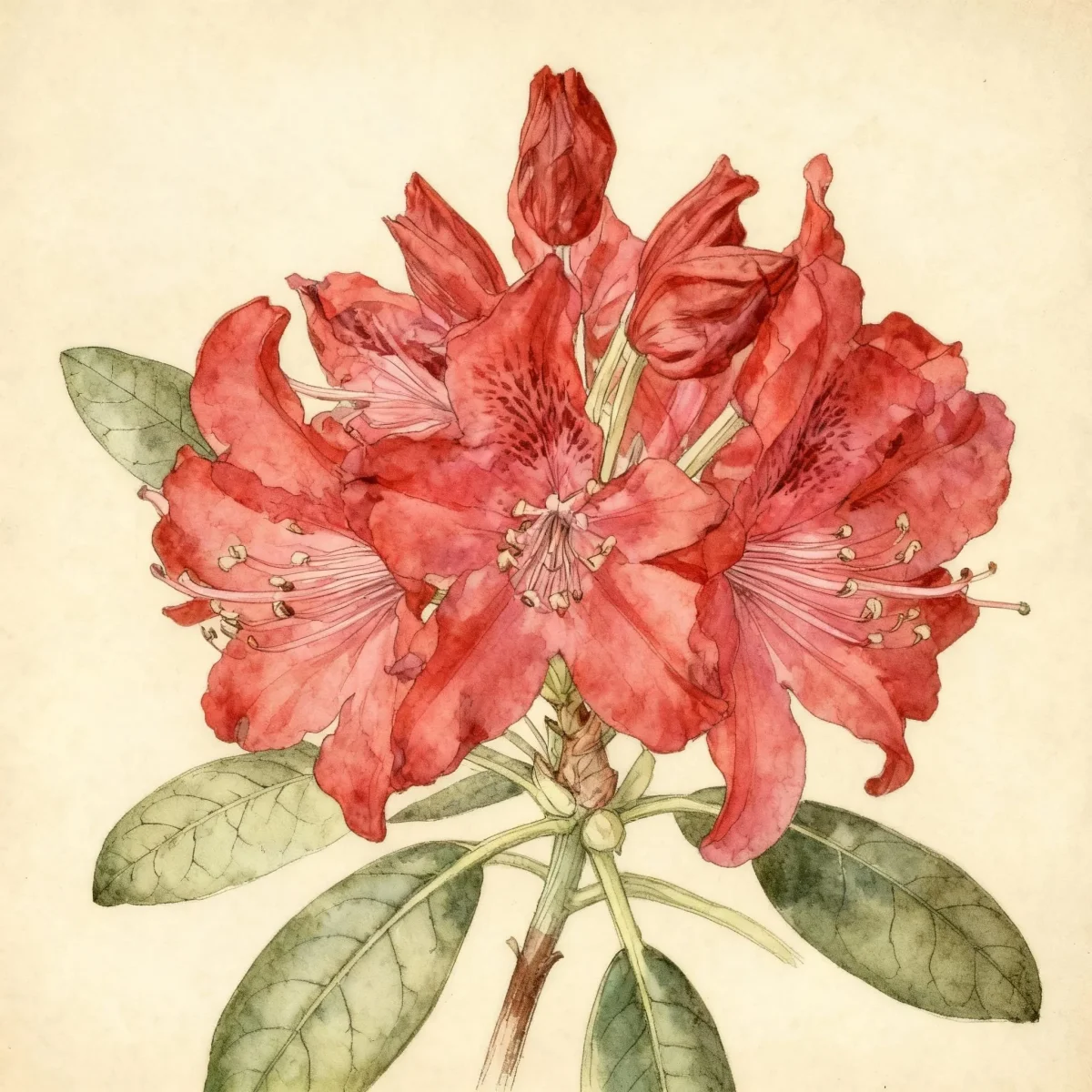
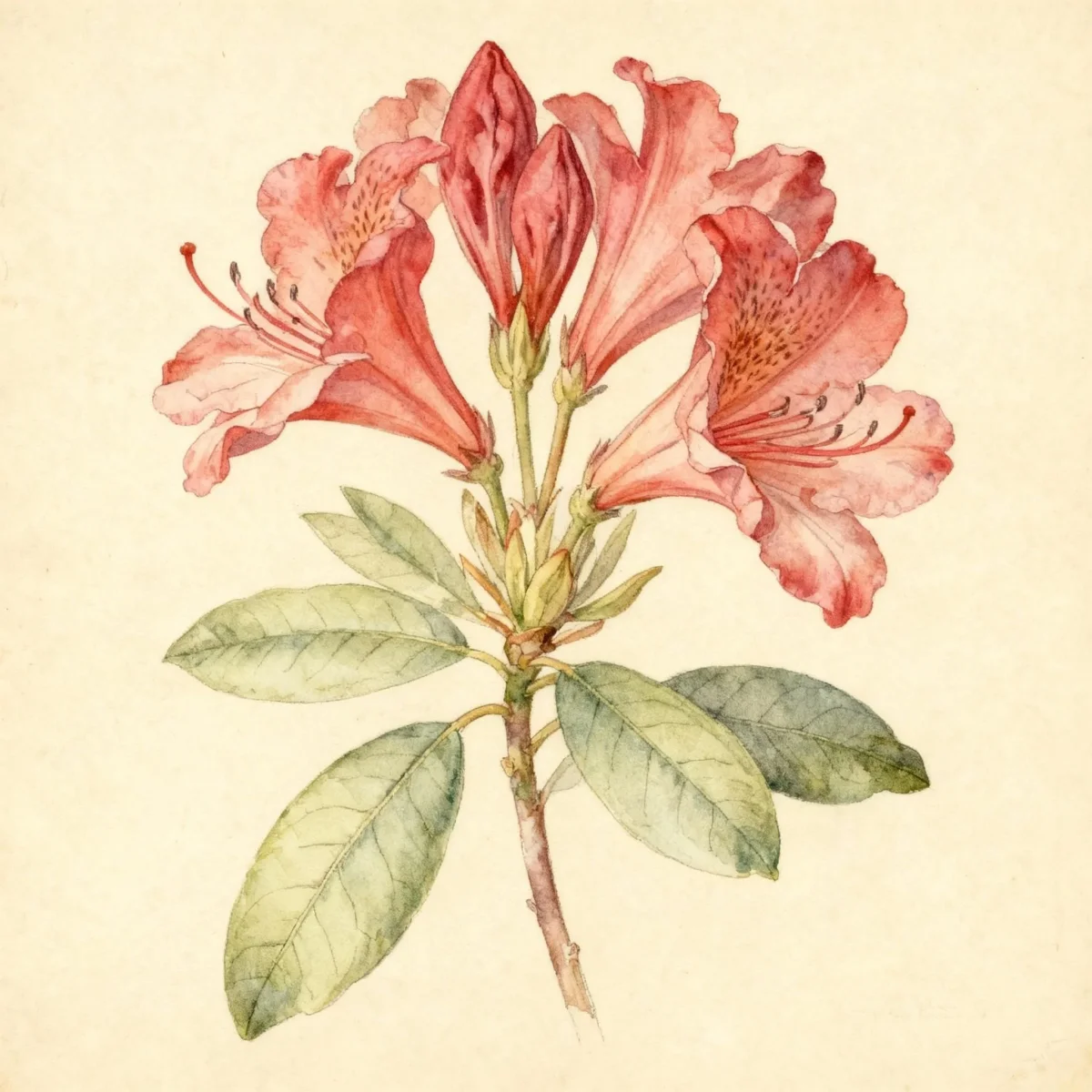
Rhododendron (Rhododendron 'Scintillation')
Rhododendron 'Scintillation' is a showy broadleaf evergreen shrub growing 4-6 ft tall, ideal for partial shade in USDA Zones 5-8.

Bloom Boldly, No Matter the Season - Sweatshirt
Cozy organic cotton sweatshirt featuring our exclusive Purple Coneflower design. Perfect for gardeners who bloom year-round.
Inspired by the beautiful Rhododendron
Limited first batch (50) — join the waitlist for early access
Waitlist closes Feb 15, 2026.
Complete Plant Information
Field Guide Continues
Ready for care notes, companion picks, and planting tips?
The map is just the start. The full guide below covers growth habits, seasonal performance, and landscape uses.
Overview
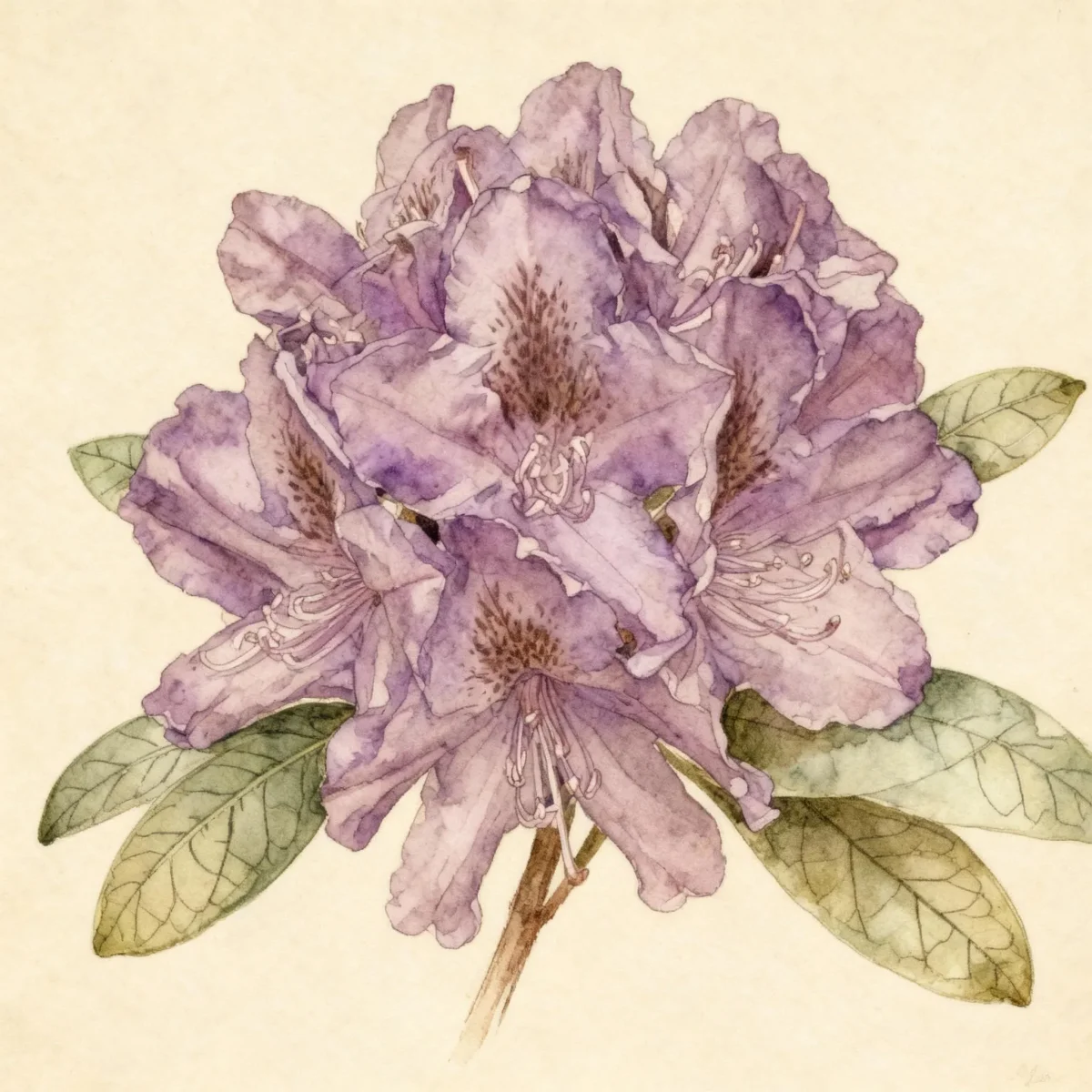
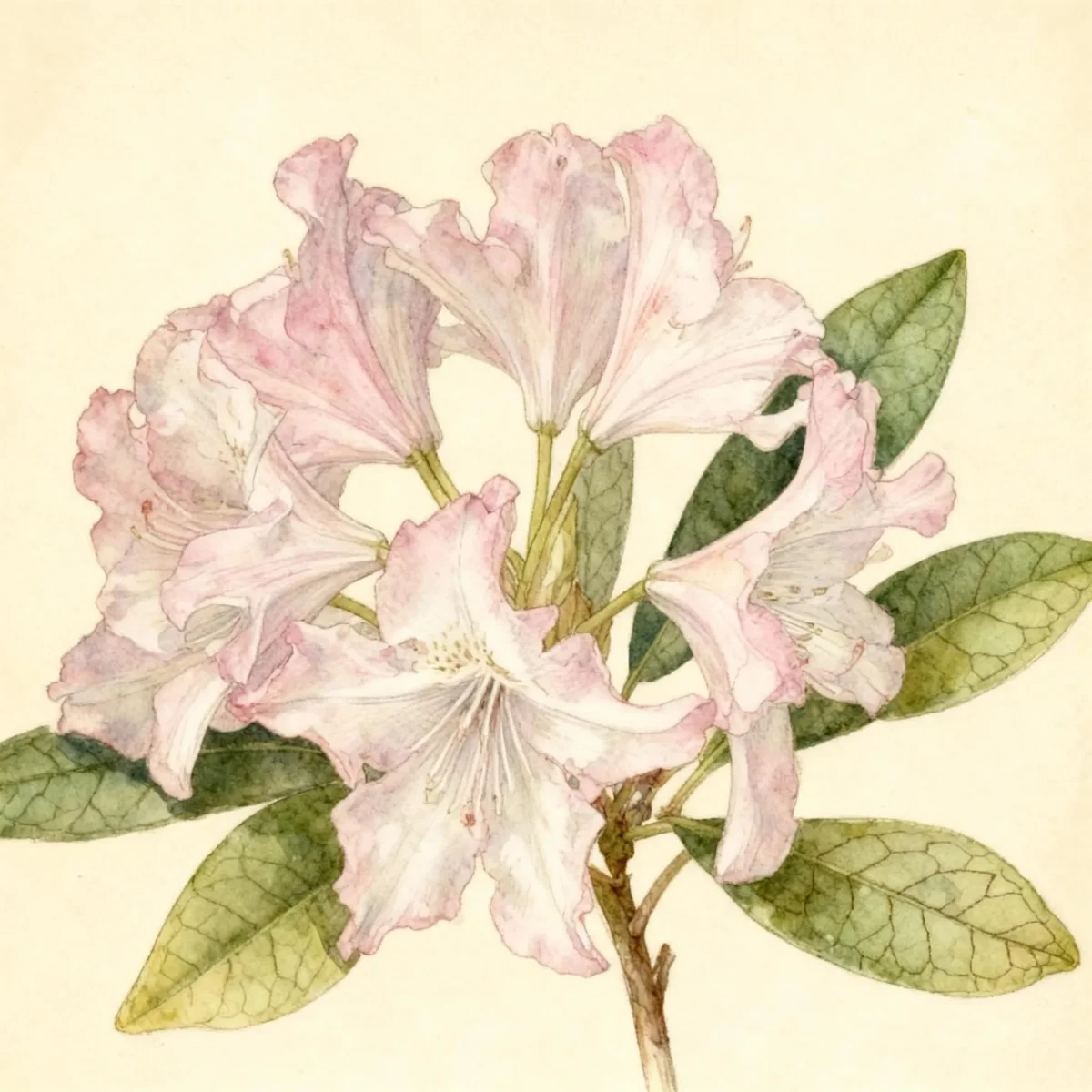
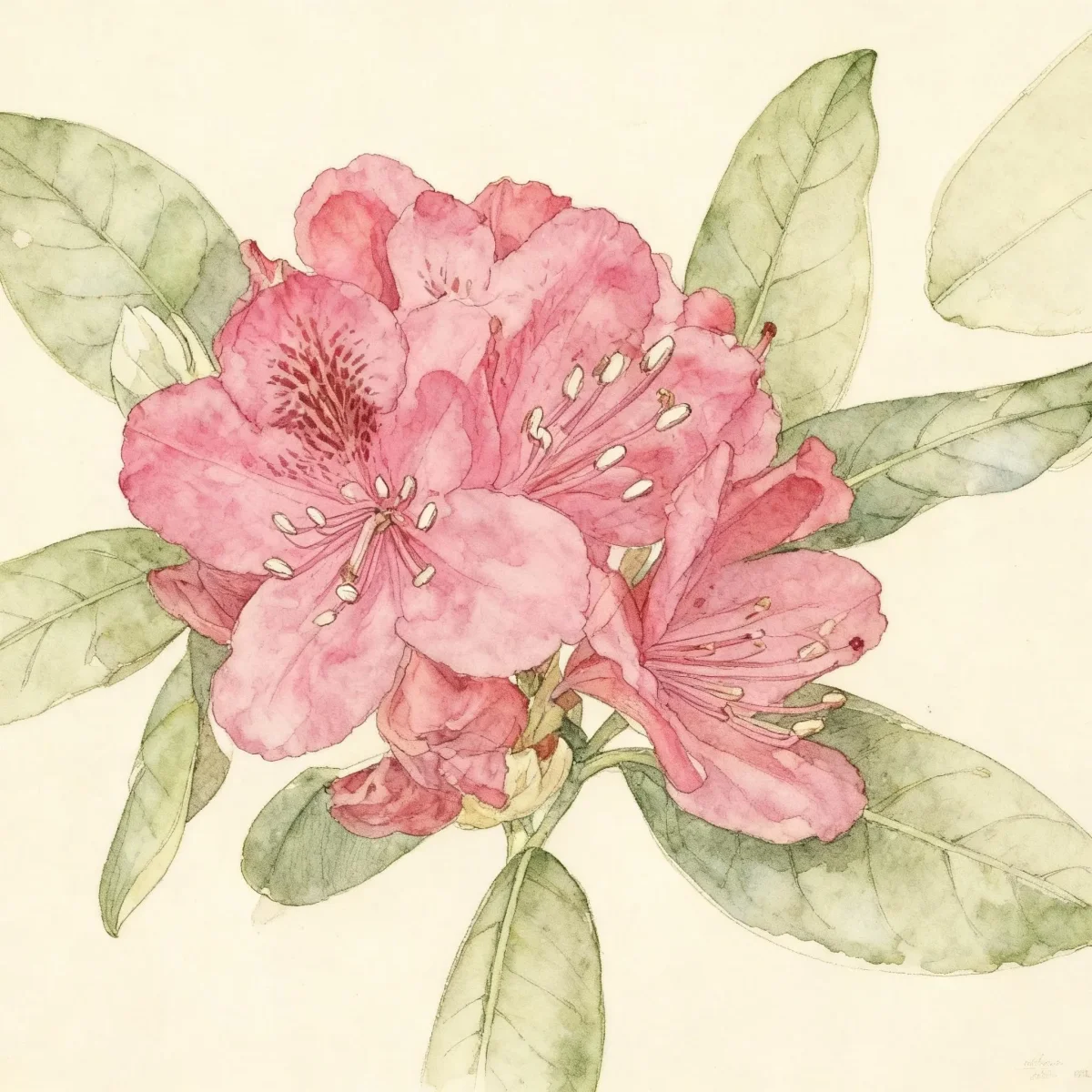
Rhododendron ‘Scintillation’ is celebrated among gardeners for its impressive spring floral display, offering openly funnel-shaped flowers of strong purplish-pink. This broadleaf evergreen provides excellent year-round structure, making it a valuable component in temperate landscapes. As one of the well-known Dexter hybrids, Rhododendron ‘Scintillation’ exhibits reliable growth, reaching a moderate size suitable for various garden settings.
This specific Rhododendron cultivar thrives when provided specific cultural conditions, primarily excellent drainage and acidic soil. Its medium size, typically 4 to 6 feet tall and wide, allows it to function beautifully as a specimen plant or in structured borders. Gardeners value the rich color and elegant habit of Rhododendron ‘Scintillation’ when sited correctly, ensuring its foliage remains vibrant throughout the colder months.
The key to success with this Rhododendron hybrid lies in mimicking its native forest understory environment. By managing sun exposure to avoid harsh afternoon heat and ensuring consistently moist but airy soil, the plant rewards the gardener with reliable blooms every May. Proper placement is crucial for maximizing the aesthetic impact of this sturdy and attractive shrub.
Fast Facts
- Plant Family: Ericaceae
- Plant Type: Broadleaf evergreen
- Hardiness Zones: USDA Zones 5-8
- Size at Maturity:
- Height: 4-6 ft
- Spread: 4-6 ft
- Bloom Time: May
- Bloom Description: Pink
- Sun Exposure: Full sun to part shade
- Water Needs: Medium
- Maintenance Level: Medium
How to Grow
Planting Rhododendron ‘Scintillation’ should occur during the cooler parts of the year—spring or fall—allowing the roots time to establish before summer stress. The paramount cultural requirement relates to soil; it must be acidic (aiming for pH 5.0 to 5.5), organically rich, humusy, and impeccably well-drained. If you have heavy clay, creating a raised bed is strongly recommended to prevent root rot, as these shallow-rooted plants absolutely cannot tolerate sitting in standing water.
Ongoing care focuses heavily on maintaining consistent moisture without overwatering. Water deeply when the surface feels dry, understanding that the fibrous roots must never be allowed to dry out completely. Mulching deeply with bark or pine needles is vital; this conserves moisture, stabilizes soil temperature, and keeps the shallow roots cool, negating the need to cultivate near the base.
Mid-season care involves deadheading; clip off spent flower clusters immediately after bloom production to encourage energy transfer toward strong summer growth rather than seed development. Be mindful of sun exposure: while Rhododendron can handle sun dappled conditions, intense afternoon sun, especially in warmer climates, can scorch the leaves of Rhododendron ‘Scintillation’. Avoid planting near walnut trees due to sensitivity to juglones.
Landscape Uses
Utilizing Rhododendron ‘Scintillation’ effectively involves placing it where its structure and bloom can be fully appreciated. They perform excellently in shrub borders, layered against taller evergreens for backdrop contrast, or used as a mass planting for a dramatic springtime sea of pinkish blooms. Their neat, manageable size makes them suitable for specimen planting in woodland gardens or providing evergreen substance in foundation plantings.
Because they prefer bright shade or morning sun followed by cooling afternoon shade, Rhododendron ‘Scintillation’ pairs well with understory trees like Japanese Maples, or beneath taller deciduous varieties that offer summer protection. For ground cover beneath the Rhododendron, consider shade-tolerant, acid-loving plants such as Hosta, Astilbe, or various ferns, which complement the broad evergreen leaves.
When used as a hedge, ensure adequate spacing (4 to 6 feet apart) to allow for mature spread, maintaining a formal, dense screen or a more naturalized edge. The consistent evergreen foliage of Rhododendron ensures that structure remains even when the brilliant May flowers have faded, providing year-round aesthetic appeal.
Standout Features
Flower Qualities
- Showy
Noteworthy Characteristics
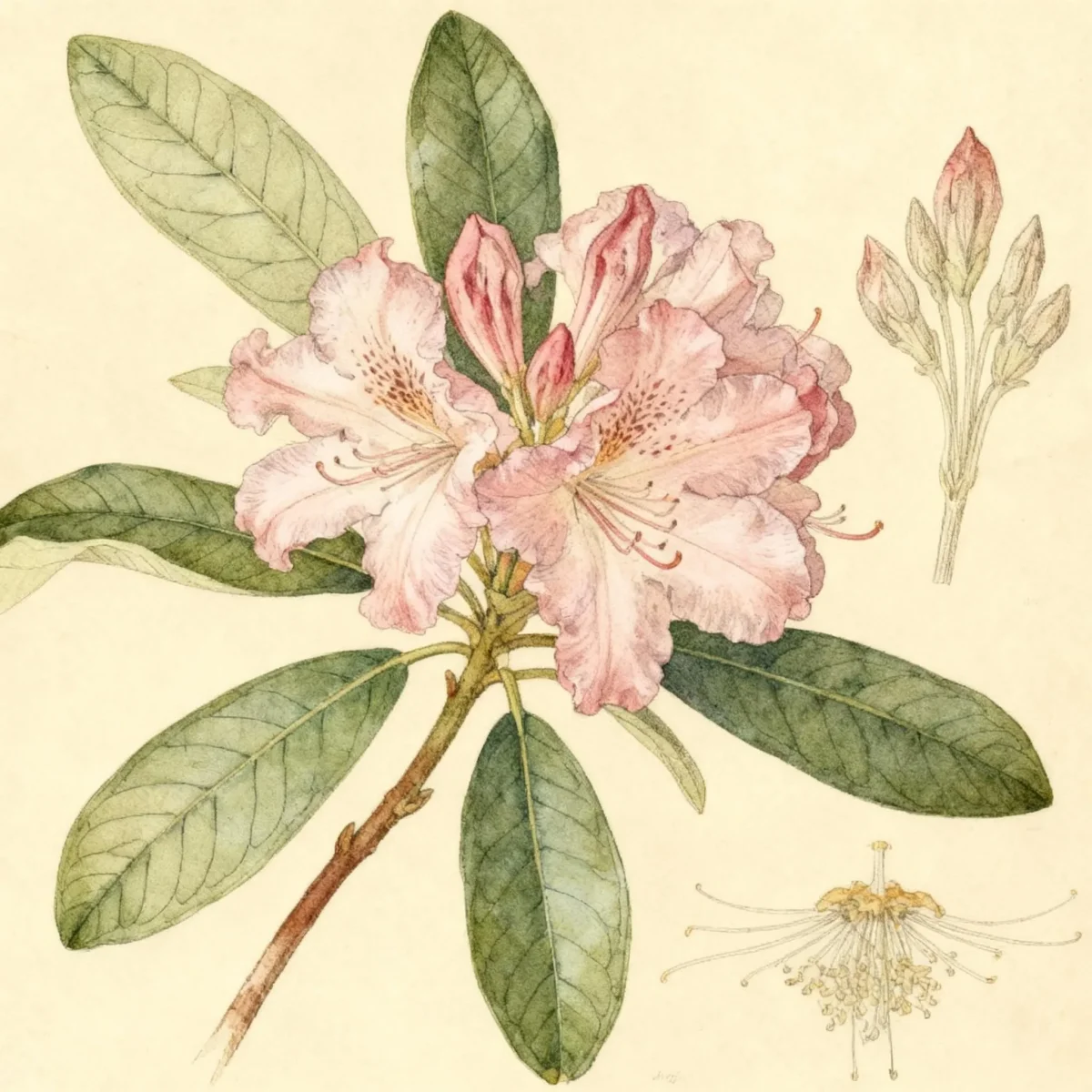
Rhododendron ‘Scintillation’ is a famous Dexter hybrid known for its wavy-edged, 2.5-inch flowers displaying a strong purplish-pink hue with greenish-yellow markings in the throat. This evergreen Rhododendron typically maintains a statuesque habit, growing 4 to 6 feet tall and wide, adding significant color to the late spring landscape. The genus Rhododendron itself is vast, originating primarily in the Northern Hemisphere, valued for both spring flowers and attractive winter foliage.
Tolerances
- Rabbit
Potential Problems
Rhododendrons, including the popular Rhododendron ‘Scintillation’, are susceptible to a range of insect and disease issues that usually stem from cultural stress. Common pests include scale, lacebugs, and borers, while fungal issues like root rot and powdery mildew are prevalent, especially in poorly draining sites. Chlorosis, where leaves turn yellow, often signals a soil pH that is too high, indicating an iron deficiency that needs correction through acidification.
Prevention is the best strategy: ensure excellent soil drainage, provide the recommended dappled light, and maintain the proper acidic pH range (5.0–5.5). Apply a thick layer of organic mulch to regulate soil temperature and retain moisture near the shallow root zone. If pest pressure is high, regular monitoring will allow for the timely application of targeted treatments before populations explode.
Frequently Asked Questions
What hardiness zones is Rhododendron ‘Scintillation’ suitable for?
Rhododendron ‘Scintillation’ is hardy and performs best in USDA hardiness zones 5 through 8.
How large does Rhododendron ‘Scintillation’ grow?
At maturity, this cultivar typically reaches a height between 4 and 6 feet, with a similar spread of 4 to 6 feet.
What sun exposure does Rhododendron ‘Scintillation’ need?
This Rhododendron variety prefers full sun to part shade, ideally needing protection from intense afternoon sun, which can cause leaf scorch.
When does Rhododendron ‘Scintillation’ bloom?
Rhododendron ‘Scintillation’ is known for its dependable bloom time in May, producing striking pink flowers.
Conclusion
Rhododendron ‘Scintillation’ remains a top choice for gardeners seeking reliable evergreen structure coupled with a spectacular early-to-mid-spring floral show. Its manageable size and striking flower color make it an indispensable plant for shaded borders and woodland settings. Evaluate your site conditions now, ensuring you can offer the acidic, moist, and well-drained soil this beautiful Rhododendron demands for success.
Companion Planting
Selecting companions for Rhododendron ‘Scintillation’ requires focusing on plants that share its preference for acidic soil and part-shade conditions. Acid-loving perennials such as Hellebores (Lenten Rose), Astilbe, and various species of native ferns create a lush, layered look underneath the canopy of the Rhododendron. These plants generally require similar medium water needs, simplifying irrigation management across the planting bed.
In mixed borders, consider using evergreen conifers that offer contrasting foliage texture, such as dwarf hemlocks or low-spreading pines, provided they do not compete too aggressively for root space. Avoid using limestone-loving ground covers near your Rhododendron, as any change toward alkalinity in the soil will negatively impact its nutrient uptake, especially iron.
When planning for seasonal color, early spring bulbs—like species tulips or daffodils—provide blooms before the Rhododendron ‘Scintillation’ opens, while later-season bloomers like Hydrangeas (if acid-loving varieties are chosen) can extend visual interest around the shrub.
Design Ideas
The formal, mounding shape of Rhododendron ‘Scintillation’ lends itself well to classic English garden designs or woodland margins where structure is key. Use them sparingly as focal points near entryways where their May bloom can be immediately visible, or densely massed along a shaded retaining wall for seasonal visual impact.
Because this cultivar matures to 4-6 feet tall and wide, it works ideally in the mid-layer of a tiered planting scheme, shorter spring ephemerals in front and taller canopy trees above or behind. Their evergreen nature is also perfect for screening undesirable views instantly, providing a year-round green buffer.
For foundation plantings, ensure plenty of space is left between the foundation and the plant to allow for mature spread and necessary air circulation, minimizing disease risk. Their ability to tolerate protection from strong winds makes them excellent choices for sheltered locations near buildings or fences within the hardiness zones.