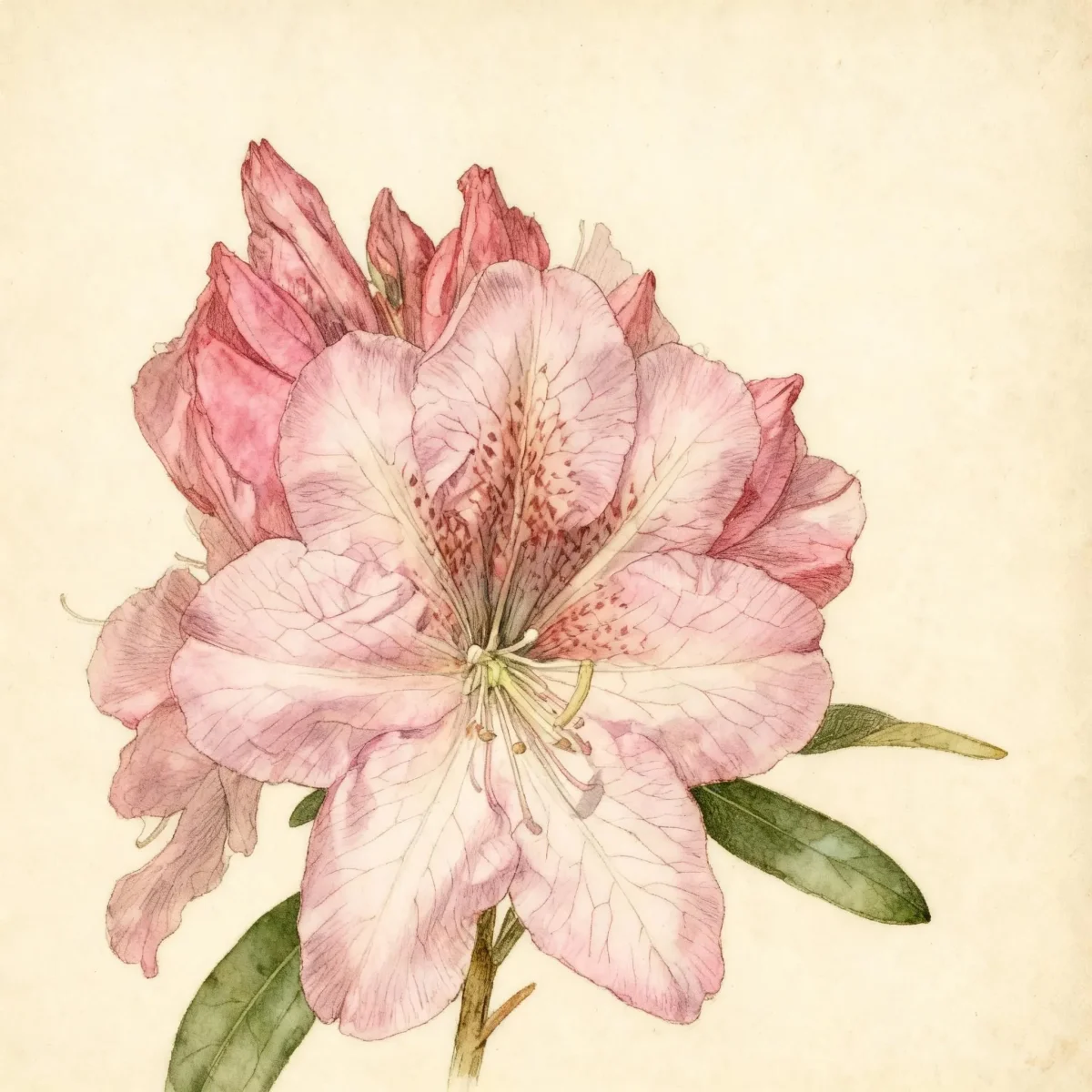
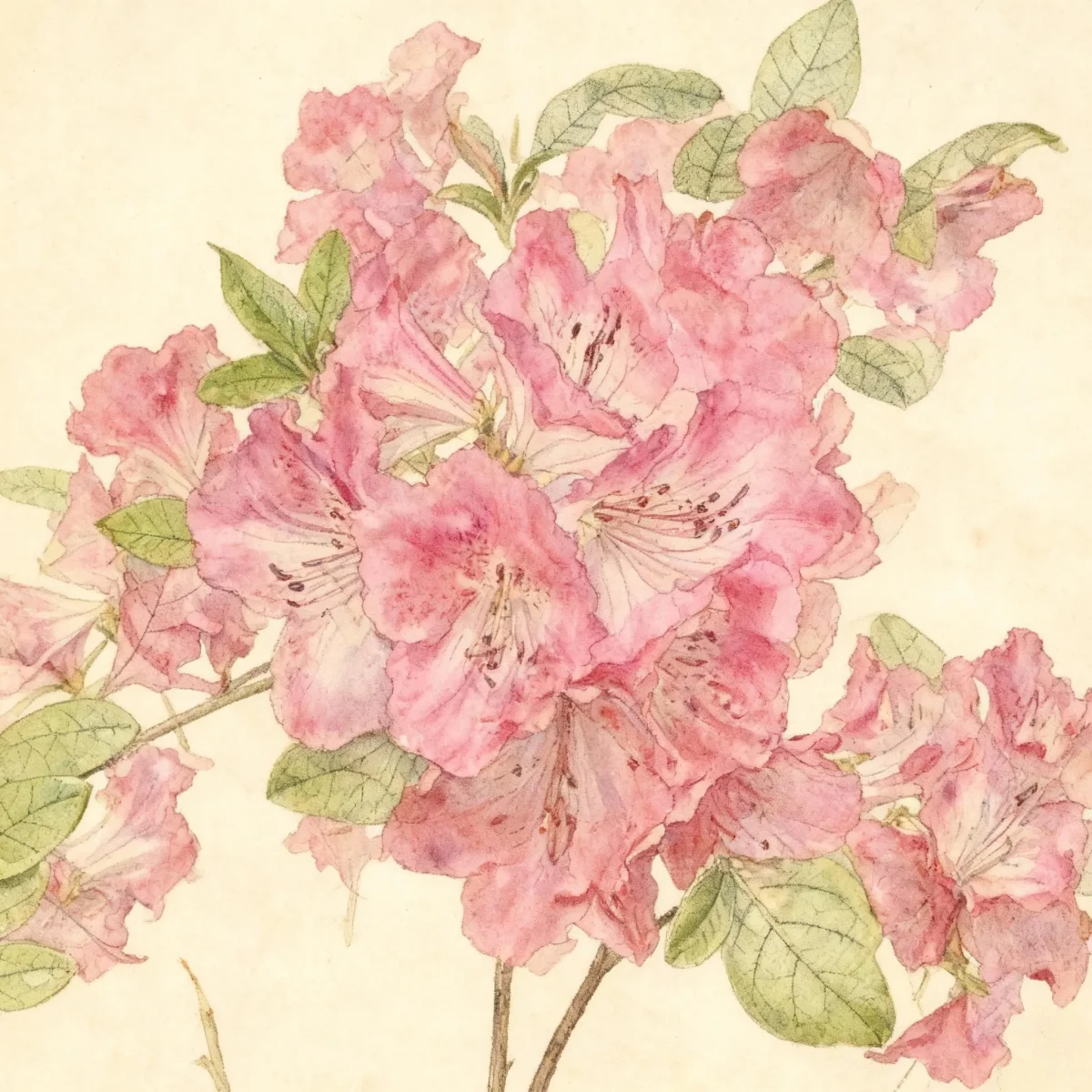
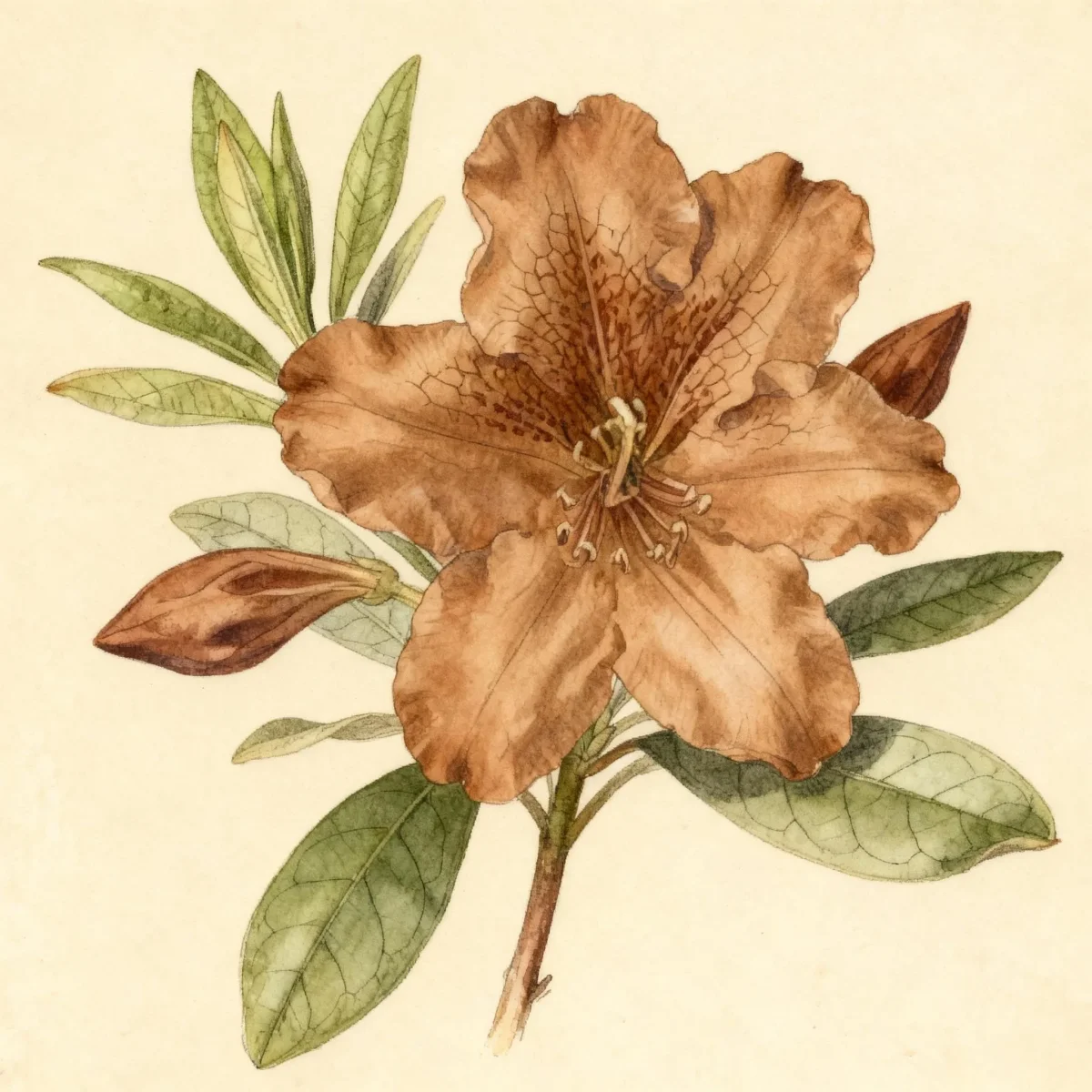
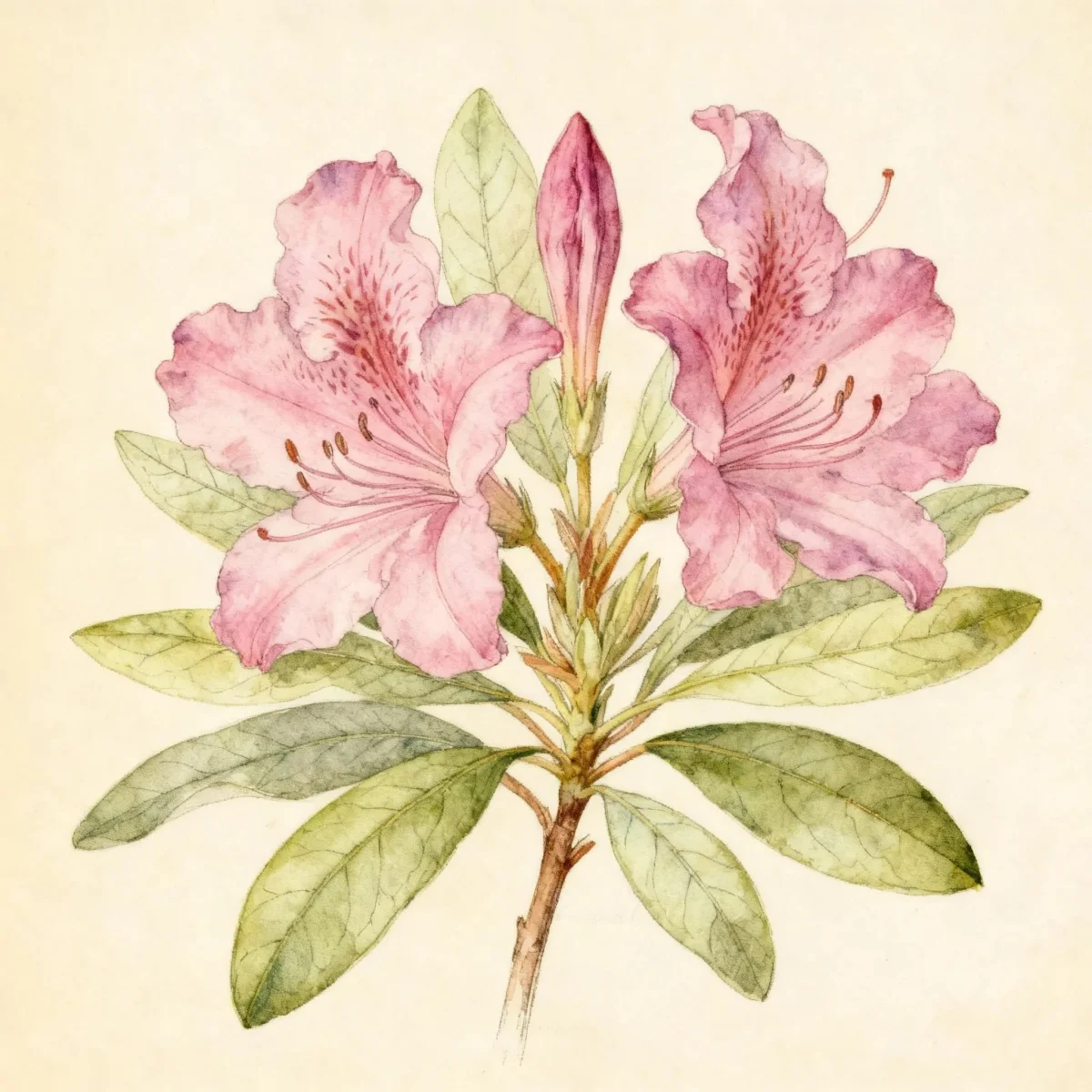
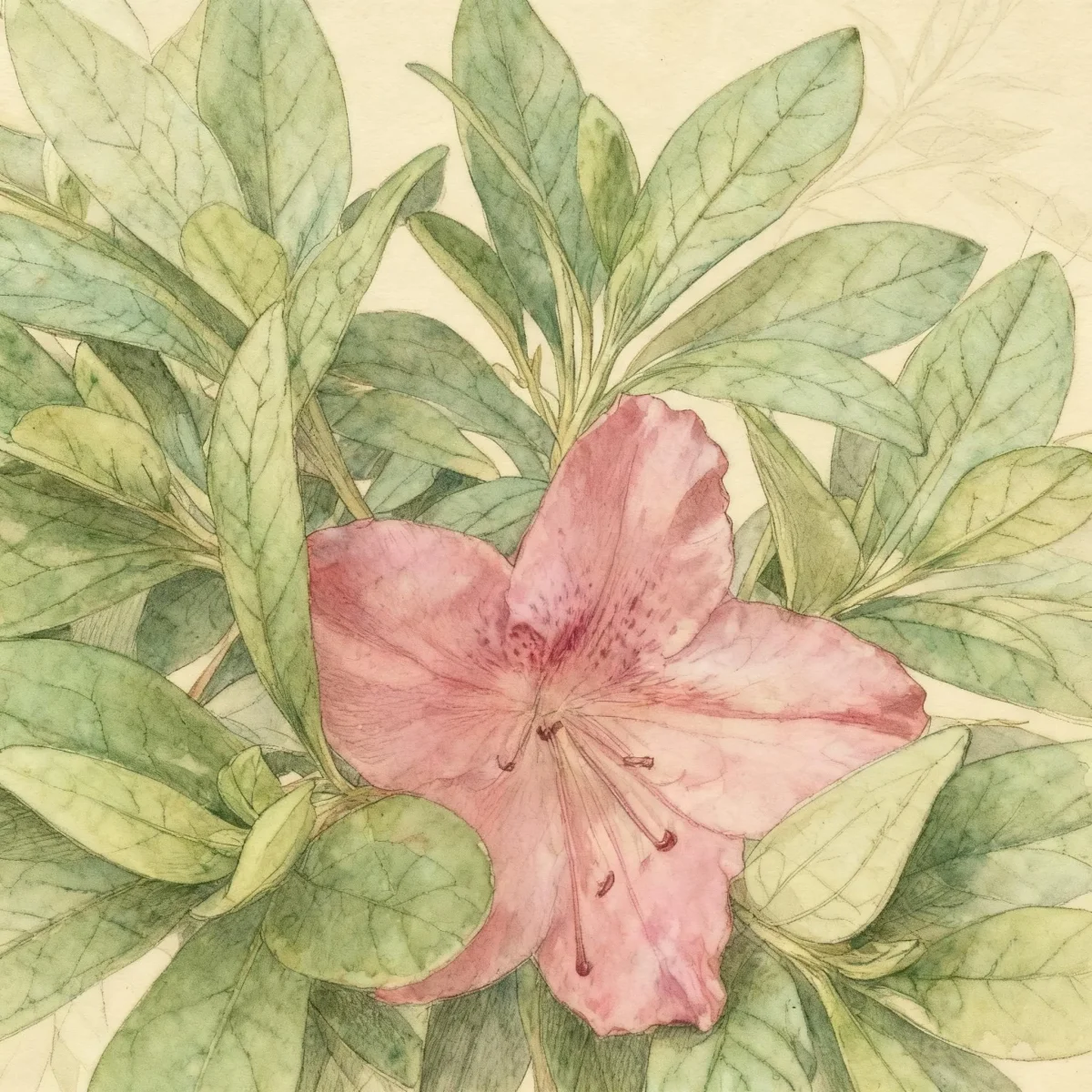
Azalea (Rhododendron 'St. Louis Blues')
Rhododendron 'St. Louis Blues' is a striking Azalea known for bright pink spring blooms, ideal for acidic, part-shade gardens in Zones 4-8.


Bloom Boldly, No Matter the Season - Sweatshirt
Cozy organic cotton sweatshirt featuring our exclusive Purple Coneflower design. Perfect for gardeners who bloom year-round.
Inspired by the beautiful Azalea
Limited first batch (50) — join the waitlist for early access
Waitlist closes Feb 15, 2026.
Complete Plant Information
Field Guide Continues
Ready for care notes, companion picks, and planting tips?
The map is just the start. The full guide below covers growth habits, seasonal performance, and landscape uses.
Overview
Rhododendron ‘St. Louis Blues’ is a beautiful broadleaf evergreen Azalea, cherished for its vibrant, showy spring display. This cultivar brings reliable structure and color to the landscape, thriving where many other shrubs struggle. Gardeners value its manageable size, typically reaching 3 to 4 feet tall, making it versatile for various settings.
As an evergreen, this Azalea provides essential winter interest, retaining its foliage throughout the colder months. Rhododendron ‘St. Louis Blues’ requires specific acidic soil conditions to flourish, perfectly suiting woodland or dappled shade gardens, making it a cornerstone for those seeking classic springtime elegance.
Fast Facts
- Plant Family: Ericaceae
- Plant Type: Broadleaf evergreen
- Hardiness Zones: USDA Zones 4-8
- Size at Maturity:
- Height: 3-4 ft
- Spread: 4-5 ft
- Bloom Time: April to May
- Bloom Description: Bright pink
- Sun Exposure: Part shade
- Water Needs: Medium
- Maintenance Level: Medium
How to Grow
Planting Rhododendron ‘St. Louis Blues’ is best done in the spring or early fall, ensuring the plant establishes roots before extreme temperatures arrive. Success hinges on soil preparation: these Azaleas demand acidic, organically rich, humusy soil with excellent drainage. Avoid planting near walnut trees, as the plant is acutely sensitive to juglones. In heavy clay areas, consider planting in raised beds to guarantee drainage is not compromised, which prevents fatal root rot.
Water needs are medium, but consistency is critical; the shallow, fibrous roots must never dry out, especially during warm weather. Apply a thick layer of mulch, such as pine needles or wood chips, to help conserve essential moisture and stabilize soil temperatures around the root zone. Fertilize or amend the soil to maintain an ideal pH range of 5.0 to 5.5.
Pruning is minimal but important. Immediately after the bright pink blooms fade in late May, clip off the spent flower clusters (deadheading) if practical. This encourages better energy storage for the following year’s growth. Since the root system is fibrous and shallow, avoid cultivating deeply near the plant base to prevent root damage.
Landscape Uses
Rhododendron ‘St. Louis Blues’ shines when utilized as an informal hedge or as a foundational planting near structures. Its vibrant color lends itself well to mass plantings, creating breathtaking sweeps of pink in woodland settings or along shady borders. This Azalea works beautifully in mixed borders, paired with later-blooming perennials that appreciate similar part-shade conditions.
For a classic woodland garden aesthetic, group this Azalea near taller, acid-loving companions like evergreen rhododendrons or camellias. When placed in foundation plantings, ensure it receives protection from harsh afternoon sun which can scorch the foliage, especially in warmer climates. Its dependable evergreen structure makes it an indispensable element in four-season garden design.
Standout Features
Flower Qualities
- Showy
Noteworthy Characteristics
Rhododendron is a genus of 500 to 900 species and includes both of what we commonly call rhododendrons and azaleas. Much hybridization has resulted in a great number of hybrid cultivars, of which Rhododendron ‘St. Louis Blues’ is a notable example. Evergreen azaleas develop as multi-stemmed plants from the ground, retaining their leaves throughout the year and offering attractive winter foliage color contrast. This cultivar is grown specifically for its brilliant, showy spring flowers.
Tolerances
- Rabbit
Potential Problems
Rhododendrons and azaleas face susceptibility to various insect and disease issues, requiring vigilant observation. Common insect pests include lacebugs, scale, and aphids, which can be managed through targeted, timely insecticide application or horticultural oils. Diseases like root rot and leaf spot are often environmental; root rot signals poor drainage, while leaf issues can sometimes indicate insufficient air circulation or excessive watering.
A crucial diagnostic tool is leaf color: if the leaves turn yellow (chlorosis), it usually points to an iron deficiency caused by soil pH being too high. Correcting this requires acidifying the soil promptly using iron sulfate or elemental sulfur. Maintaining the proper acidic soil pH (5.0-5.5) and ensuring excellent drainage are the best preventative measures against most problems facing your Azalea.
Frequently Asked Questions
What hardiness zones is Azalea (Rhododendron ‘St. Louis Blues’) suitable for?
Rhododendron ‘St. Louis Blues’ is suitable for USDA Zones 4 through 8. Ensure your location falls within this range for best perennial performance.
How large does Azalea (Rhododendron ‘St. Louis Blues’) grow?
This Azalea typically matures to a height between 3 and 4 feet, with a spread ranging from 4 to 5 feet wide.
What sun exposure does Azalea (Rhododendron ‘St. Louis Blues’) need?
This plant performs best in part shade, favoring sun-dappled areas or high open shade, with morning sun and afternoon shade being ideal.
When does Azalea (Rhododendron ‘St. Louis Blues’) bloom?
Rhododendron ‘St. Louis Blues’ blooms profusely in the spring, generally from April to May, showcasing striking bright pink flowers.
Conclusion
Rhododendron ‘St. Louis Blues’ remains a treasured Azalea variety due to its manageable evergreen habit and spectacular pink floral show each spring. Successfully growing this plant relies heavily on providing the acidic, well-drained conditions it requires. Before planting, confirm your soil chemistry and hardiness zone compatibility to ensure many years of enjoyment from this vibrant shrub.
Companion Planting
Selecting companion plants carefully is vital when cultivating acid-loving shrubs like Rhododendron ‘St. Louis Blues’. Choose other members of the Ericaceae family, such as other Azaleas, Camellias, or standard Rhododendrons, as they share identical cultural needs concerning pH and moisture. Good companions thrive in the same part-shade environment, preventing competition for light.
Consider pairing this Azalea with groundcovers that benefit from high organic matter and consistent moisture. Hosta varieties that tolerate dry shade once established can soften the edges of a border planting while providing textural contrast to the small, evergreen leaves of the Rhododendron ‘St. Louis Blues’. Always maintain adequate spacing to allow good air circulation, which mitigates fungal issues for all involved plants.
Seasonal Care Calendar
Spring preparation is key for this plant, centering on soil health and bloom enhancement. Once flowering concludes in May, undertake immediate deadheading of the bright pink trusses to direct energy toward root and leaf development rather than seed production. Apply a fresh layer of acidifying mulch, such as pine needles, following this cleanup.
Summer care focuses entirely on consistent moisture; never allow the shallow roots of your Azalea to dry out, even during heat waves. Water deeply and slowly, allowing the water to penetrate the mulch barrier to the root zone. In contrast, winter protection for Rhododendron ‘St. Louis Blues’ primarily involves insulating the root zone and shielding the plant from drying winter winds, which can cause foliage burn.