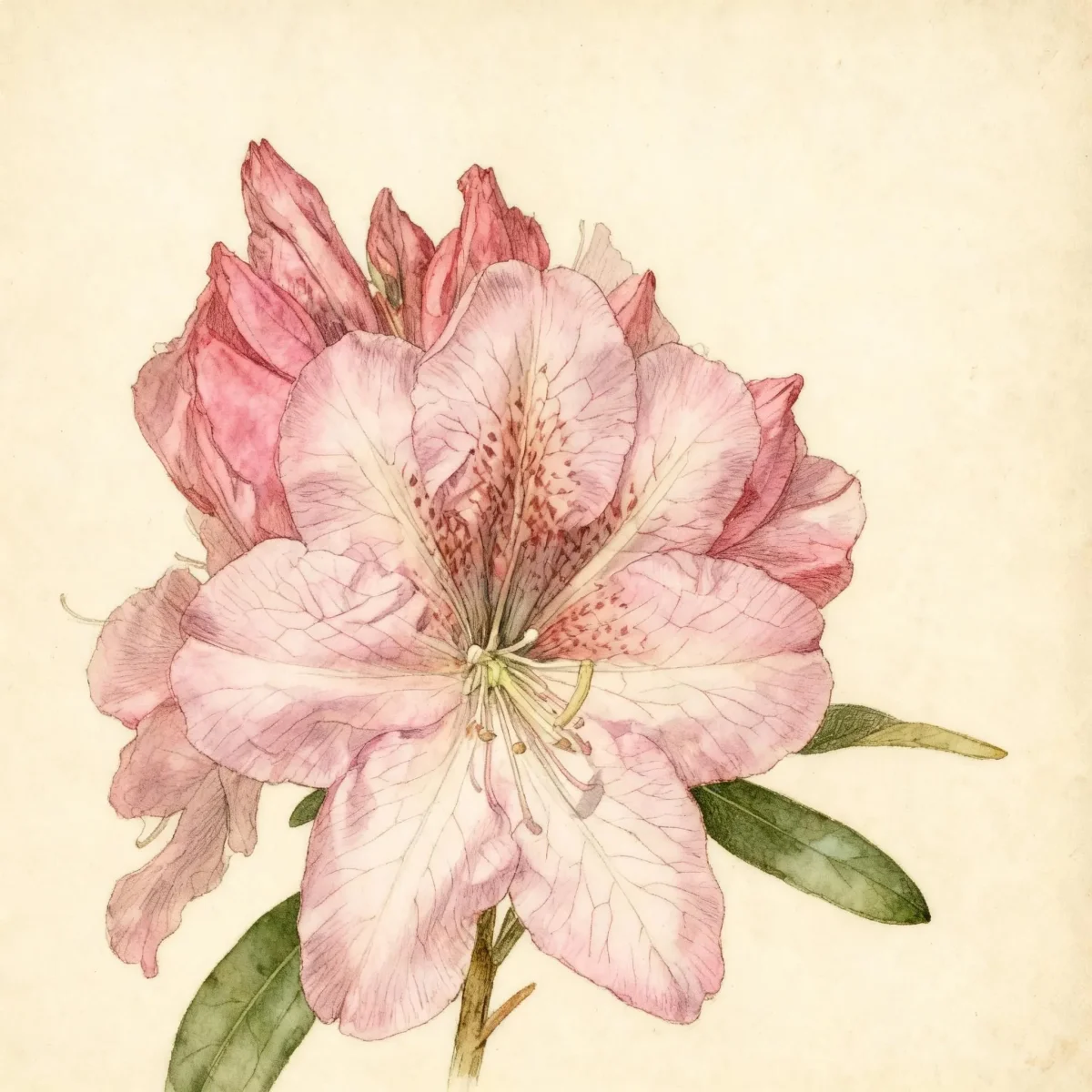
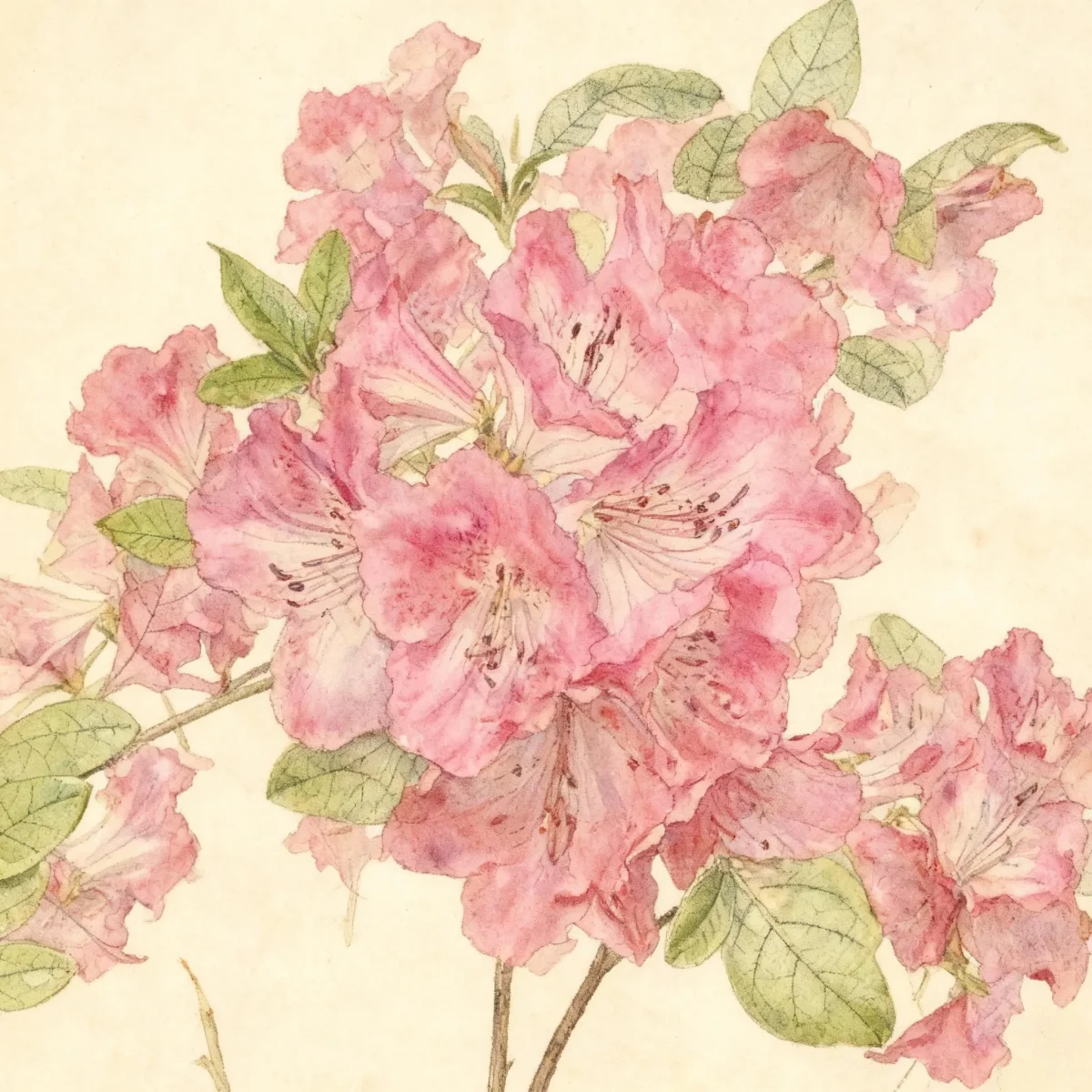
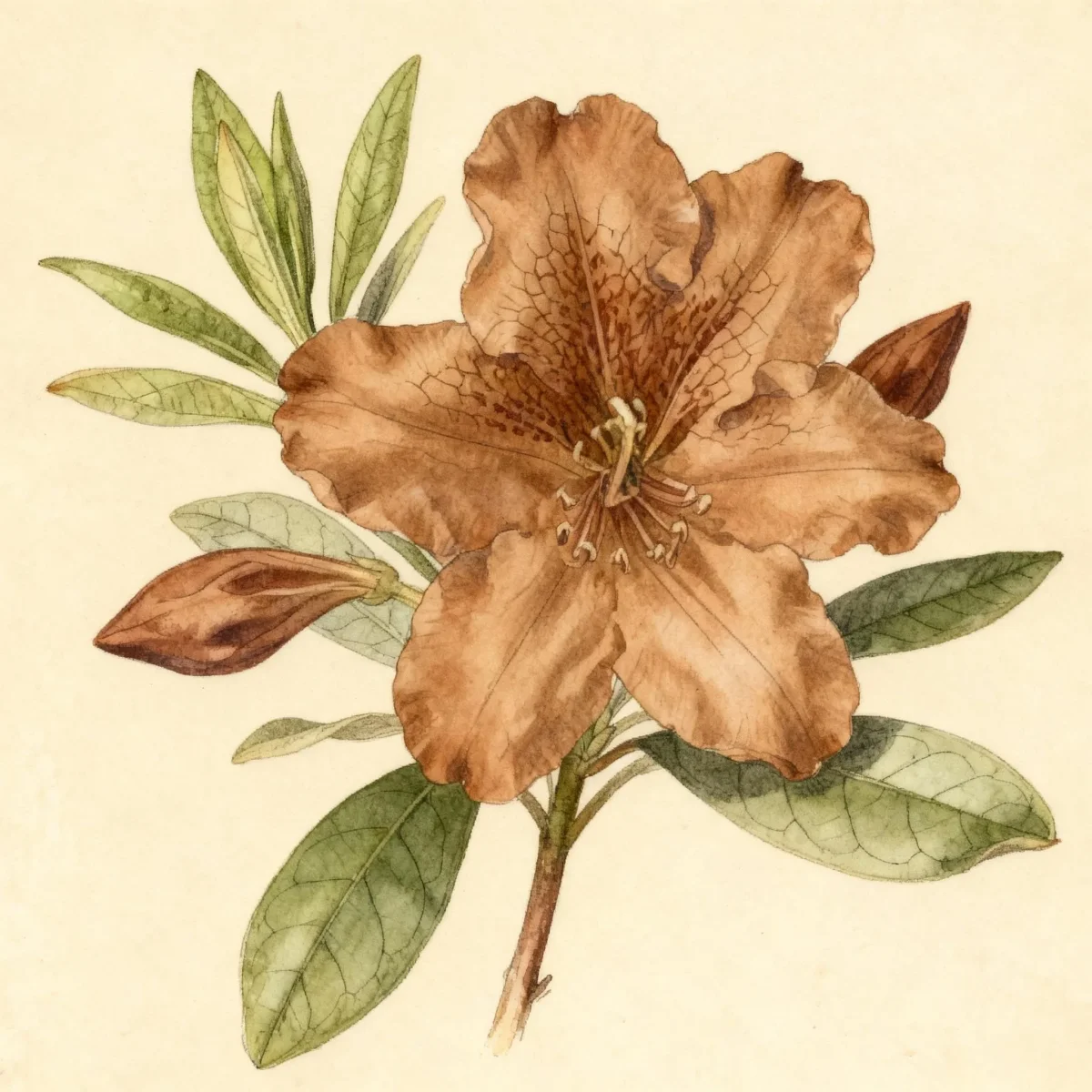
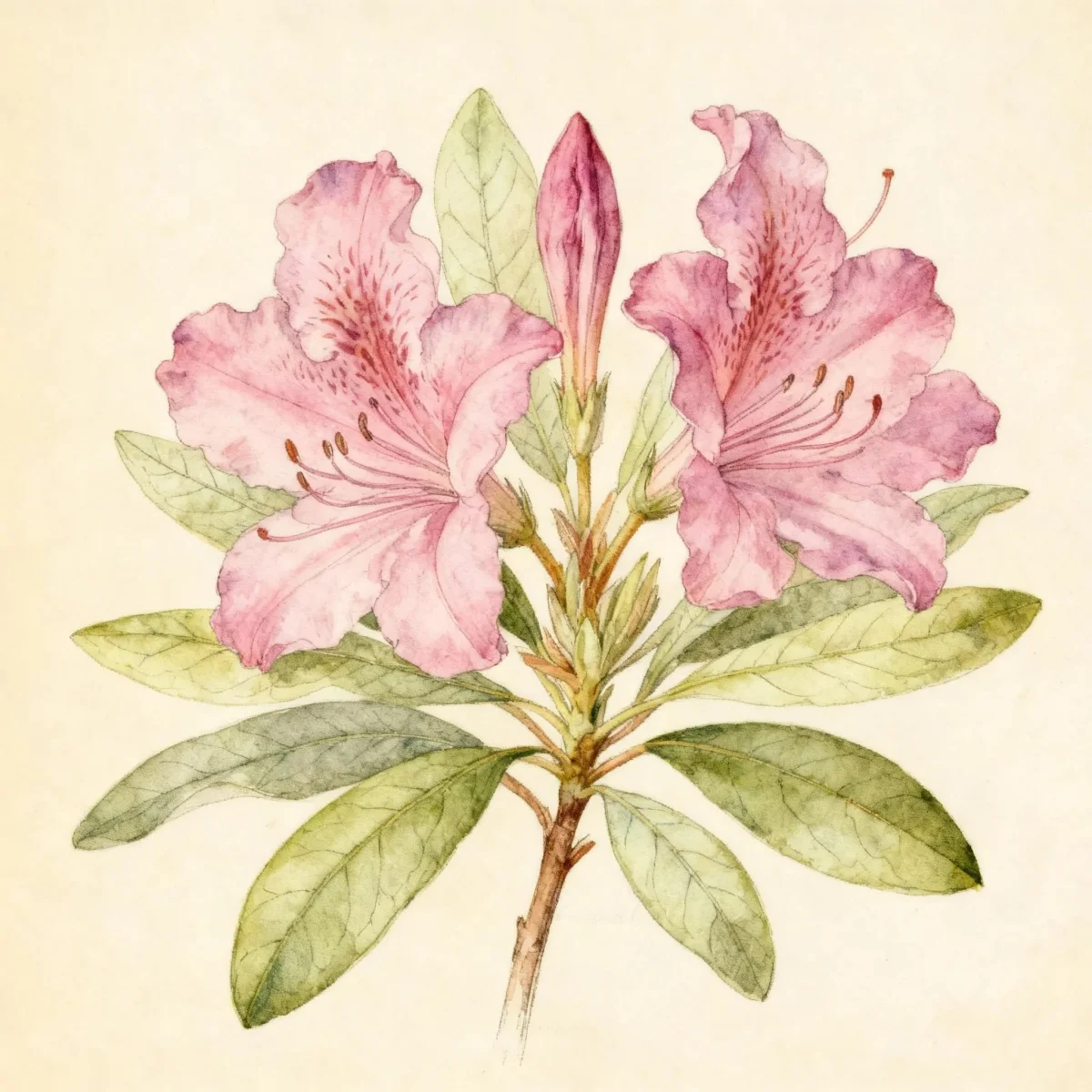
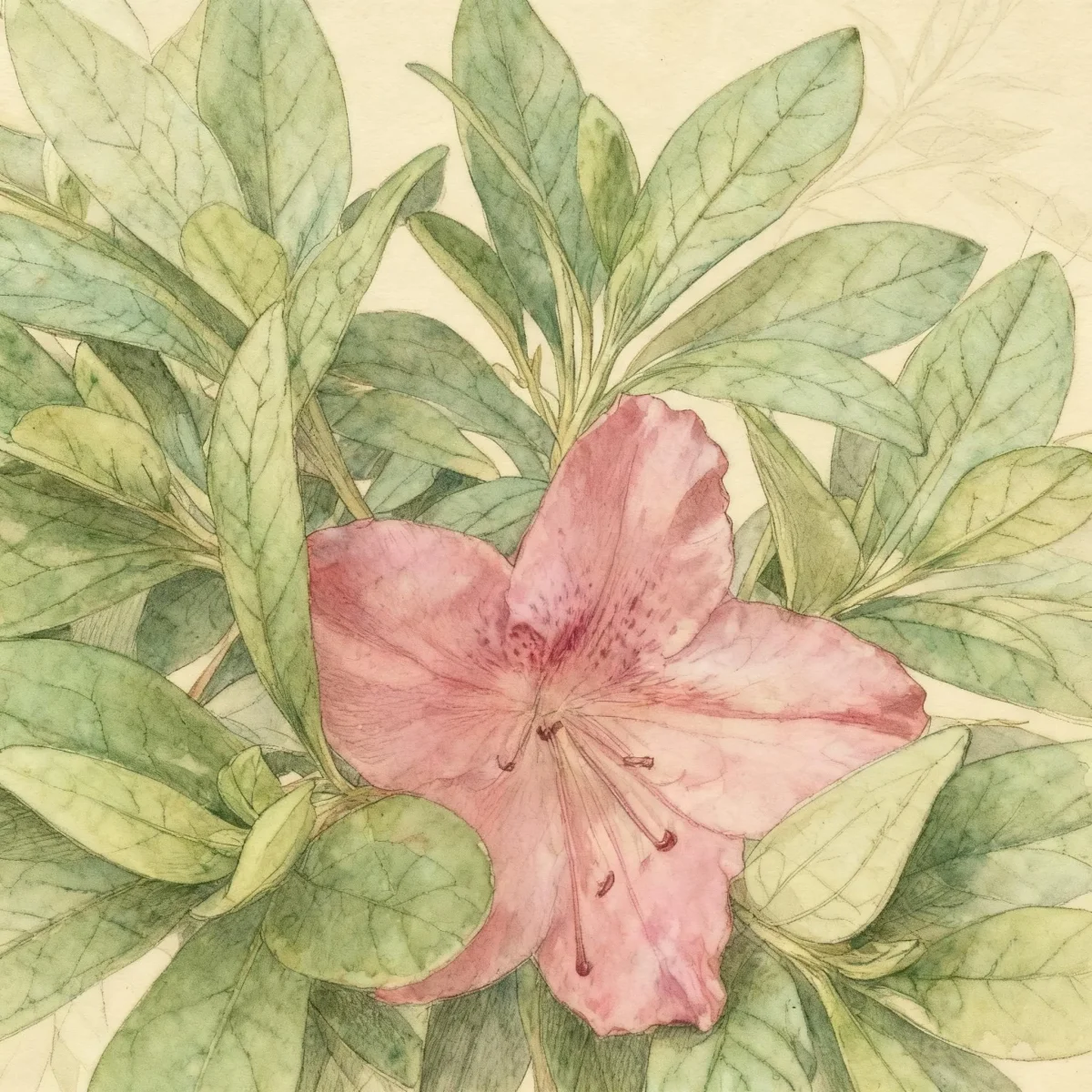
Azalea (Rhododendron 'Stewartstonian')
Rhododendron 'Stewartstonian' Azalea features showy orange-red spring blooms, evergreen foliage, and thrives in acidic soils in USDA Zones 5-8.

Bloom Boldly, No Matter the Season - Sweatshirt
Cozy organic cotton sweatshirt featuring our exclusive Purple Coneflower design. Perfect for gardeners who bloom year-round.
Inspired by the beautiful Azalea
Limited first batch (50) — join the waitlist for early access
Waitlist closes Feb 15, 2026.
Complete Plant Information
Field Guide Continues
Ready for care notes, companion picks, and planting tips?
The map is just the start. The full guide below covers growth habits, seasonal performance, and landscape uses.
Overview
Rhododendron ‘Stewartstonian’ is a prized Gable hybrid Azalea, valued by gardeners for its reliable evergreen structure and vibrant spring color display. This cultivar offers glossy, dark green foliage throughout the year, which uniquely transitions to an attractive reddish-chocolate hue during cold winter months. As a multi-stemmed evergreen shrub, the Rhododendron ‘Stewartstonian’ brings consistent texture and form to the landscape through all four seasons.
The major aesthetic reward comes in April when clusters of medium-sized, orange-red flowers appear, creating a significant focal point in the spring garden. Growing typically to 4-5 feet tall and wide, this Azalea is dense and spreading, making it highly functional for structured plantings. Successful cultivation relies on providing the specific acidic, humusy soil conditions Rhododendron ‘Stewartstonian’ requires, mirroring its woodland origins.
Gardeners seeking low-maintenance evergreen structure paired with brilliant seasonal color will appreciate the dense habit of this particular Azalea. Whether used as a mass planting, specimen, or component in a mixed border, the Rhododendron ‘Stewartstonian’ provides enduring visual interest while demanding specific soil pH management.
Fast Facts
- Plant Family: Ericaceae
- Plant Type: Broadleaf evergreen
- Hardiness Zones: USDA Zones 5-8
- Size at Maturity:
- Height: 4-5 ft
- Spread: 4-5 ft
- Bloom Time: April
- Bloom Description: Orange-red
- Sun Exposure: Part shade
- Water Needs: Medium
- Maintenance Level: Medium
How to Grow
The success of Rhododendron ‘Stewartstonian’ hinges on soil quality and drainage. Plant in locations receiving part shade, ideally dappled sunlight or morning sun followed by afternoon shade, especially in hotter climates where afternoon sun can scorch the leaves. The soil must be acidic, typically aiming for a pH between 5.0 and 5.5; amend heavy clay soils with sulfur or iron sulfate to lower the pH if necessary. Good drainage is absolutely essential, as Azaleas suffer from root rot in constantly soggy conditions; consider raised beds in heavy clay areas.
Watering needs are medium, but it is crucial that the shallow, fibrous roots never dry out, particularly during establishment and summer heat. Apply a thick layer of organic mulch, such as pine needles or wood chips, around the base of the plant to help stabilize soil temperature and retain consistent moisture. Avoid cultivating directly around the plant, as this damages the surface roots.
Maintenance involves immediately removing spent flower clusters after blooming concludes; this deadheading encourages better energy allocation for next year’s flower production. Protect Rhododendron ‘Stewartstonian’ from strong winds and siting it away from the drip line of walnut trees, which release toxic juglone that inhibits Azalea growth. In cold winters, the evergreen foliage of this specific Azalea may exhibit winter burn.
Landscape Uses
Rhododendron ‘Stewartstonian’ excels in mixed borders where its evergreen form can provide year-round structure against deciduous plantings. Its dense, medium size makes it an excellent choice for formal or informal shrub borders, where its orange-red spring flowers create a dynamic layer beneath taller trees or shrubs. Functionally, this Azalea is well-suited for use as a hedge, providing a low, colorful screen along property lines or pathways.
For woodland or shade gardens, the Rhododendron ‘Stewartstonian’ blends beautifully with ferns, hostas, and other acid-loving companions like blueberries or rhododendrons. It also performs successfully in foundation plantings near homes, provided that the specific shade and soil requirements are met. Grouping several plants together creates a sweeping impact of color when the Azalea is in bloom.
Consider siting this shrub on north or east-facing slopes where soil aeration is naturally better and afternoon thermal stress is minimized. Its formal growth habit suits organized plantings, yet it maintains enough natural charm for relaxed, naturalistic settings away from urban wind tunnels.
Standout Features
Flower Qualities
- Showy
Noteworthy Characteristics
Rhododendron is a genus of 500 to 900 species and includes both of what we commonly call rhododendrons and azaleas. This specific plant, ‘Stewartstonian,’ is a Gable hybrid known for its dense, spreading habit reaching 4-5 feet tall with similar spread. Its glossy, dark green evergreen foliage famously develops a reddish-chocolate tint when exposed to cold winter temperatures, offering seasonal contrast before the spring brings its orange-red blooms.
Tolerances
- Rabbit
Potential Problems
Rhododendrons and azaleas, including this Rhododendron ‘Stewartstonian’, are susceptible to numerous insect and disease issues if stressed. Common insect pests include lacebugs, scale, and aphids, while diseases like root rot and leaf spot can become serious—especially when drainage or soil pH is incorrect. Chlorosis, where leaves turn yellow, is a common indicator of iron deficiency, often occurring if soil pH rises above the preferred acidic range. To maintain a healthy plant population, ensure proper culture: deep, consistent moisture without sogginess, high organic matter, and strict pH adherence. Proactive monitoring can catch pests early before widespread infestation occurs.
Frequently Asked Questions
What hardiness zones is Azalea suitable for?
The Rhododendron ‘Stewartstonian’ Azalea is suitable for USDA Hardiness Zones 5 through 8.
How large does Azalea grow?
This cultivar typically reaches a mature height between 4 and 5 feet, with a similar spread of 4 to 5 feet.
What sun exposure does Azalea need?
Rhododendron ‘Stewartstonian’ performs best in part shade, preferring dappled sunlight or morning sun only.
When does Azalea bloom?
The flowers appear in April, displaying a noticeable orange-red color.
Conclusion
The Rhododendron ‘Stewartstonian’ is an exceptional selection for adding reliable evergreen texture and brilliant spring color to temperate gardens. Its dense, medium stature and unique winter foliage coloring make this Azalea a valuable year-round asset, especially when established in well-drained, acidic soil. Before planting, confirm your location falls within USDA Zones 5-8 and plan to amend your soil to ensure the pH requirements of this beautiful Azalea are met.
Companion Planting
Choosing companions for Rhododendron ‘Stewartstonian’ should focus on plants that share a preference for acidic soil and similar light requirements. Plants like Camellias, mountain laurels (Kalmia), and various varieties of hollies pair naturally, offering complementary evergreen texture. For underplanting in the dappled shade, consider Acid-loving groundcovers such as creeping phlox or low-growing ferns. Avoid planting water-loving perennials directly against the Azalea, as they might mask the signs of root rot in poorly draining spots.
Seasonal Care Calendar
During the early spring, just before active growth begins, perform cultural maintenance. If the soil pH is too high, apply iron sulfate or elemental sulfur to begin lowering the pH in preparation for blooming. Immediately after the April flowers fade, practice prompt and selective deadheading—shearing off the spent trusses—to ensure maximum energy goes into next year’s buds rather than seed production. In summer, focus entirely on maintaining consistent moisture across the shallow root system, ensuring heavy mulching is intact. Winter care involves checking regularly that roots have not dried out, protecting plants from harsh winds, and accepting the reddish-chocolate shift in foliage color as normal winter activity.