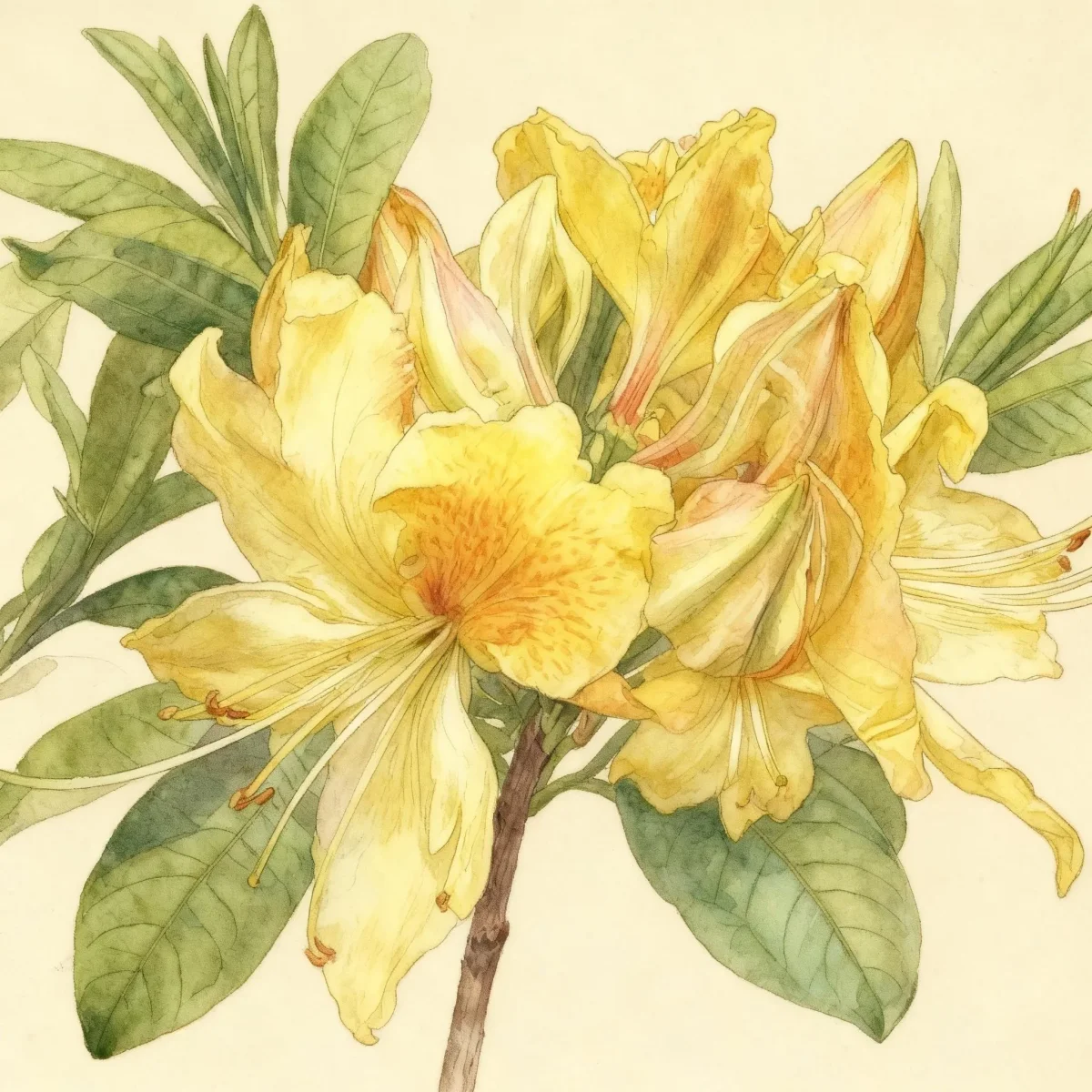
Rhododendron (Rhododendron 'Sun Chariot')
Rhododendron 'Sun Chariot' is a deciduous shrub offering vivid yellow spring blooms. Hardy in Zones 5-8, ideal for shady borders.

Bloom Boldly, No Matter the Season - Sweatshirt
Cozy organic cotton sweatshirt featuring our exclusive Purple Coneflower design. Perfect for gardeners who bloom year-round.
Inspired by the beautiful Rhododendron
Limited first batch (50) — join the waitlist for early access
Waitlist closes Feb 15, 2026.
Complete Plant Information
Field Guide Continues
Ready for care notes, companion picks, and planting tips?
The map is just the start. The full guide below covers growth habits, seasonal performance, and landscape uses.
Overview
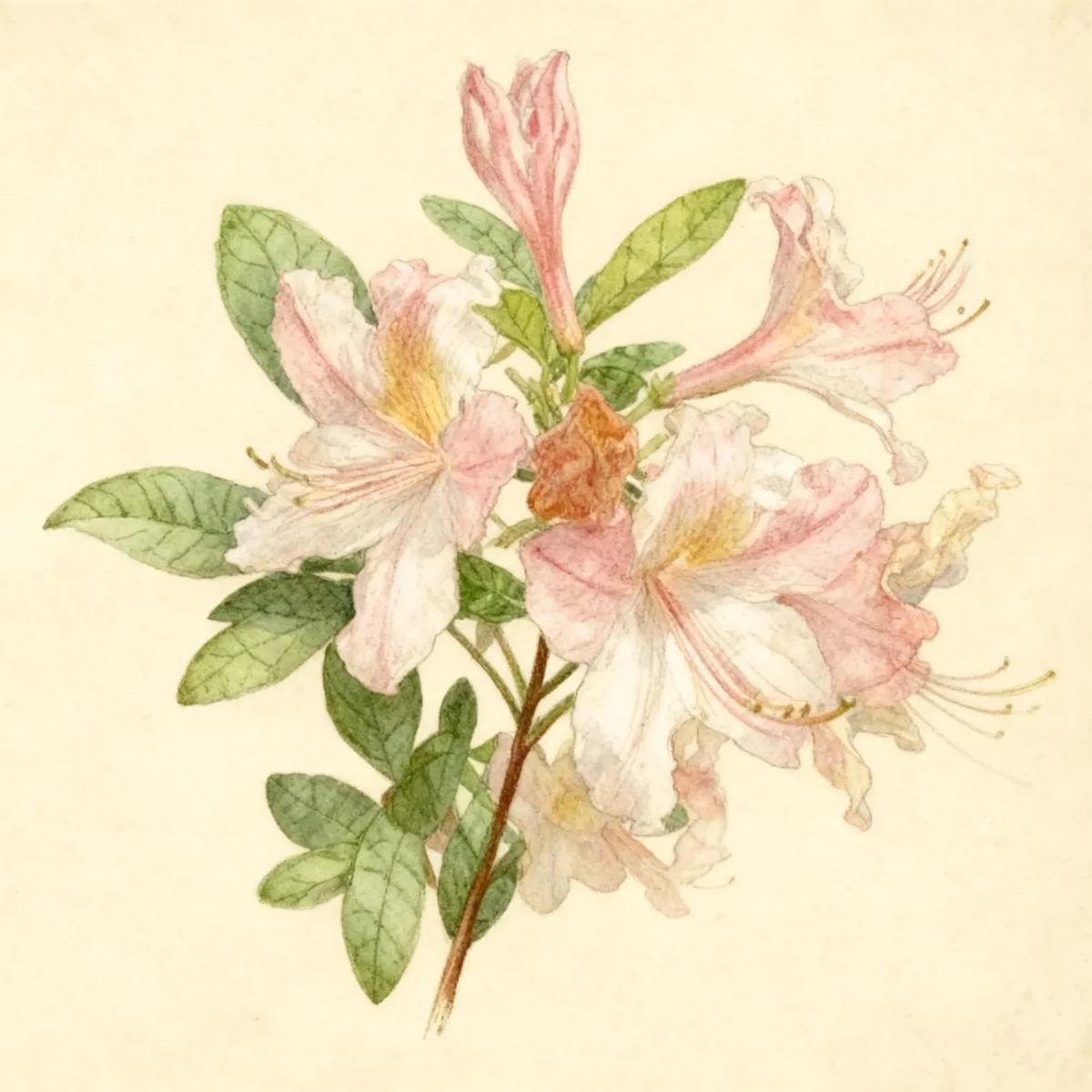
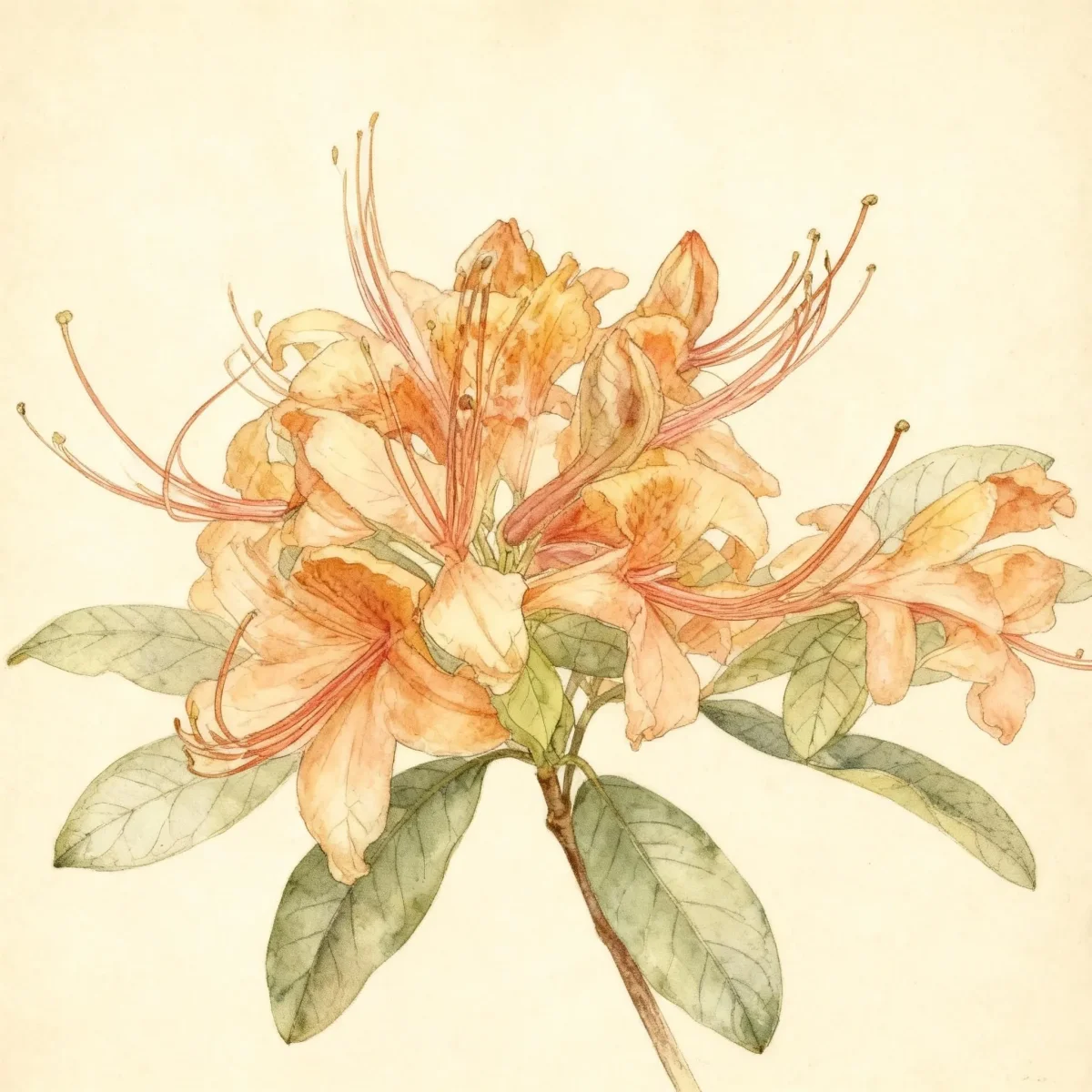
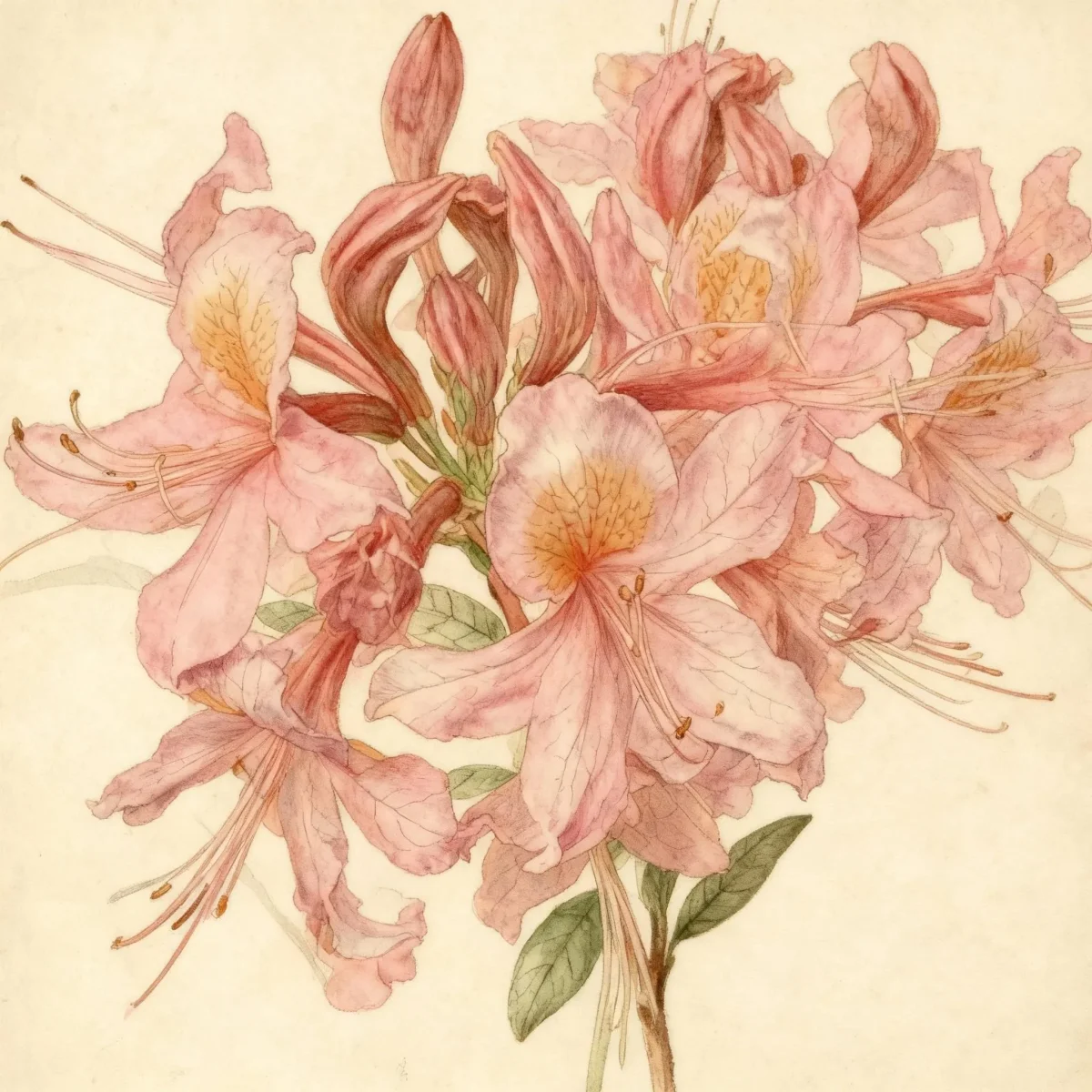
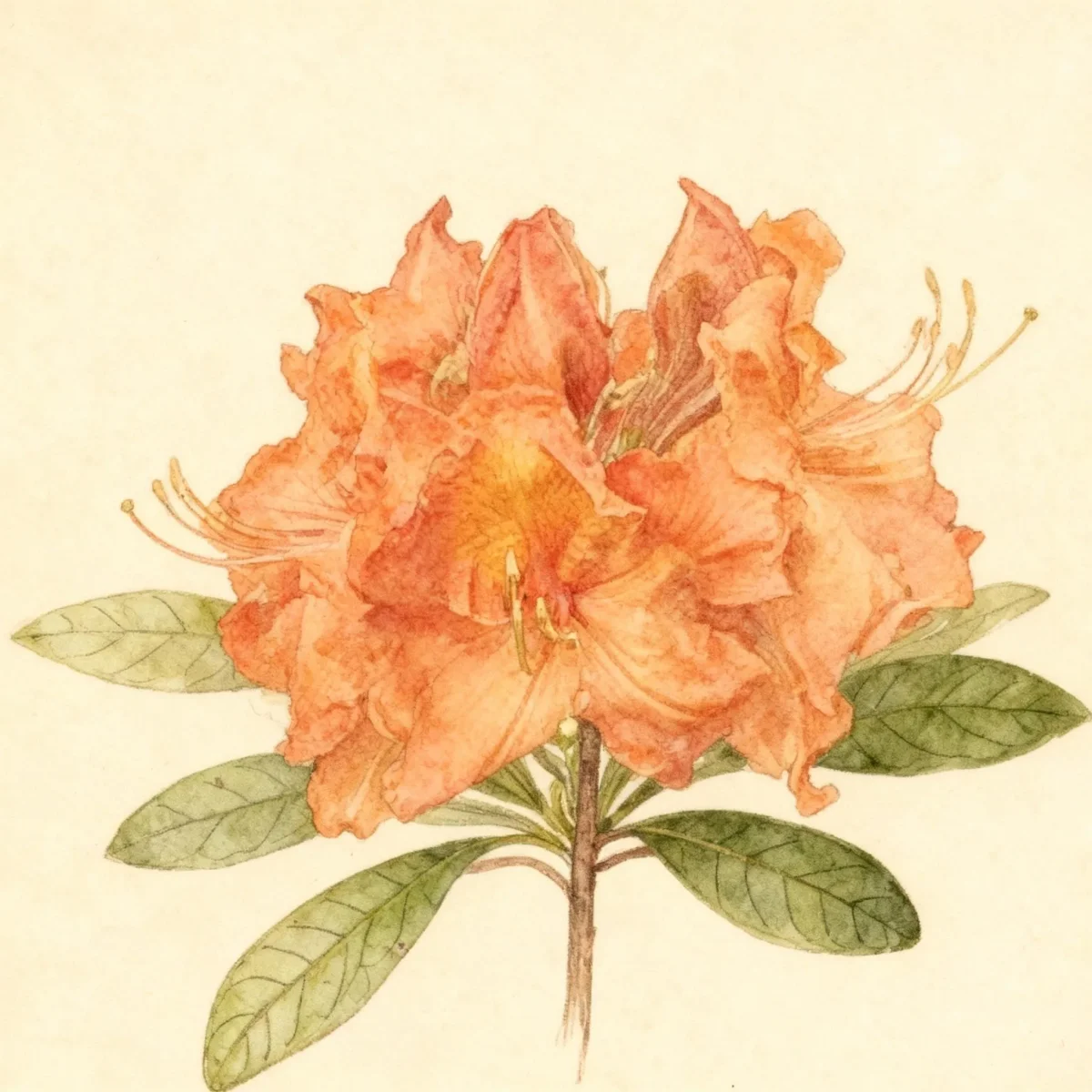
Rhododendron ‘Sun Chariot’ is a distinguished deciduous shrub valued by gardeners for its striking spring floral display. This specific cultivar, Rhododendron ‘Sun Chariot’, emerges with frilled-edge blossoms that are a vivid yellow hue, enhanced by an orange-yellow blotch, making it a radiant addition to the late spring landscape. As a member of the large Rhododendron genus, it offers reliable structure and reliable seasonal color.
Growing to a manageable 4 to 5 feet both in height and spread, Rhododendron ‘Sun Chariot’ fits well into mixed borders or as a functional hedge. Its success hinges on proper placement in dappled shade and meticulous soil preparation to ensure drainage and acidity are maintained. Gardeners looking for dependable shrubs with excellent flowering impact will find Rhododendron ‘Sun Chariot’ a rewarding choice.
Fast Facts
- Plant Family: Ericaceae
- Plant Type: Deciduous shrub
- Hardiness Zones: USDA Zones 5-8
- Size at Maturity:
- Height: 4-5 ft
- Spread: 4-5 ft
- Bloom Time: May to June
- Bloom Description: Vivid yellow with orange-yellow blotches
- Sun Exposure: Part shade
- Water Needs: Medium
- Maintenance Level: Medium
How to Grow
For optimal health, plant Rhododendron ‘Sun Chariot’ in early spring or fall, ensuring acidic soil conditions are met. The ideal location provides morning sun with afternoon shade or high, dappled light. If you have heavy clay soils, consider planting in raised beds, as excellent drainage is non-negotiable; ‘wet feet’ quickly lead to root rot in Rhododendrons.
Routine care involves maintaining consistent moisture; the fibrous, shallow root system must never be allowed to dry out, making medium water needs crucial. Apply a thick layer of mulch, such as pine needles or wood chips, to retain soil moisture and stabilize temperatures around the roots. Adjust soil pH as needed to keep it between 5.0 and 5.5, using sulfur or iron sulfate to lower alkalinity.
Pruning for Rhododendron ‘Sun Chariot’ is minimal but vital: immediately clip off spent flower clusters after blooming ceases. This directs the plant’s energy toward root and foliage development rather than seed production. Always site your Rhododendron away from the drip line of walnut trees, as the juglones produced by their roots are toxic to most Rhododendrons.
Landscape Uses
Rhododendron ‘Sun Chariot’ excels in settings where consistent moisture and protection from intense sun are available. Its manageable size makes it a fantastic choice for shrub borders, either individually as a specimen or massed for greater impact. Furthermore, it functions effectively as a structured hedge when planted in a row, providing seasonal yellow interest.
This bright deciduous shrub integrates beautifully with woodland garden designs, complementing ferns, hostas, and other shade-loving perennials that share similar cultural needs. When using Rhododendron ‘Sun Chariot’ in foundation plantings, ensure adequate air circulation and avoid placing it directly against heated walls that can scorch the foliage during hot summers.
Standout Features
Flower Qualities
- Showy
Noteworthy Characteristics
Rhododendron is a genus of 500 to 900 species that includes both common rhododendrons and azaleas, mostly originating from the Northern Hemisphere. Deciduous azaleas, like this cultivar, drop their leaves in the fall but offer a lavish display of color in early spring as new foliage emerges. ‘Sun Chariot’ specifically is an Exbury hybrid celebrated for its 4 to 5 ft mature size and distinctive flowers with frilled edges and a vivid yellow coloration, noted for its orange-yellow blotch.
Tolerances
- Rabbit
Potential Problems
Rhododendrons and azaleas are susceptible to a range of insect and disease issues if horticultural standards are not met. Common insect pests include scale, lacebugs, and aphids, while fungal issues like leaf spot, root rot, and powdery mildew are prevalent, especially in conditions with poor air circulation or improper drainage. Chlorosis, recognized by yellowing leaves, often signals high soil pH leading to iron deficiency.
To maintain a vibrant Rhododendron ‘Sun Chariot’, focus on preventative care rather than reactive treatment. Ensure you meet the medium water needs without over-saturating the soil, adhere to the acidic soil pH requirement, and plant in appropriate part shade conditions. A healthy plant situated correctly in the landscape will naturally resist most significant issues.
Frequently Asked Questions
What hardiness zones is Rhododendron suitable for?
Rhododendron ‘Sun Chariot’ is well-suited for cultivation within USDA Hardiness Zones 5 through 8.
How large does Rhododendron ‘Sun Chariot’ grow?
This deciduous shrub typically reaches a mature height between 4 to 5 feet and spreads to a width of 4 to 5 feet.
What sun exposure does Rhododendron ‘Sun Chariot’ need?
It performs best when situated in part shade; morning sun followed by afternoon shade is often ideal for preventing leaf scorch.
When does Rhododendron ‘Sun Chariot’ bloom?
The blooming period for Rhododendron ‘Sun Chariot’ generally occurs from May into June, showcasing vivid yellow flowers with orange-yellow blotches.
Conclusion
Rhododendron ‘Sun Chariot’ provides exceptional, bright yellow color when many other shrubs are still slow to awaken, making it a high-value addition to shaded garden areas. By respecting its need for acidic, well-drained soil and consistent moisture, you ensure a long-lived, beautiful specimen. Check your local hardiness zone compatibility and plan your planting location carefully to enjoy this stunning Rhododendron cultivar.
Companion Planting
Selecting appropriate neighbors is crucial for Rhododendron success as they share similar soil and moisture requirements. Pair Rhododendron ‘Sun Chariot’ with acid-loving plants that thrive in part shade environments. Excellent companions include various ferns, which offer textural contrast to the dense foliage of the Rhododendron.
Consider planting azaleas (especially evergreen types if you are in the warmer end of Zone 8) nearby, as they share identical soil preferences regarding pH and drainage. Furthermore, planting broadleaf evergreens like hollies or camellias near your deciduous Rhododendron can help screen the root area and provide year-round structure.
Seasonal Care Calendar
Spring care focuses heavily on bloom management for Rhododendron ‘Sun Chariot’. As soon as flowering finishes in late spring/early summer (typically June), deadhead, or ‘capping’, the faded flower trusses. This grooming directs energy entirely to developing next year’s buds and healthy foliage growth.
Summer maintenance centers on hydration; remember the medium water needs and shallow roots. Apply a 2-3 inch layer of organic mulch, ensuring it does not touch the immediate stem, which helps keep roots cool and moist during hot stretches. Avoid deep cultivation near the base of the plant, as this damages fragile surface roots.
Fall and Winter require minimal pruning, focusing instead on protection if necessary. Do not remove dead wood until after the harshest part of winter has passed, as protecting buds is important. If severe drought occurs heading into winter, provide a deep soak before the ground freezes hard.