

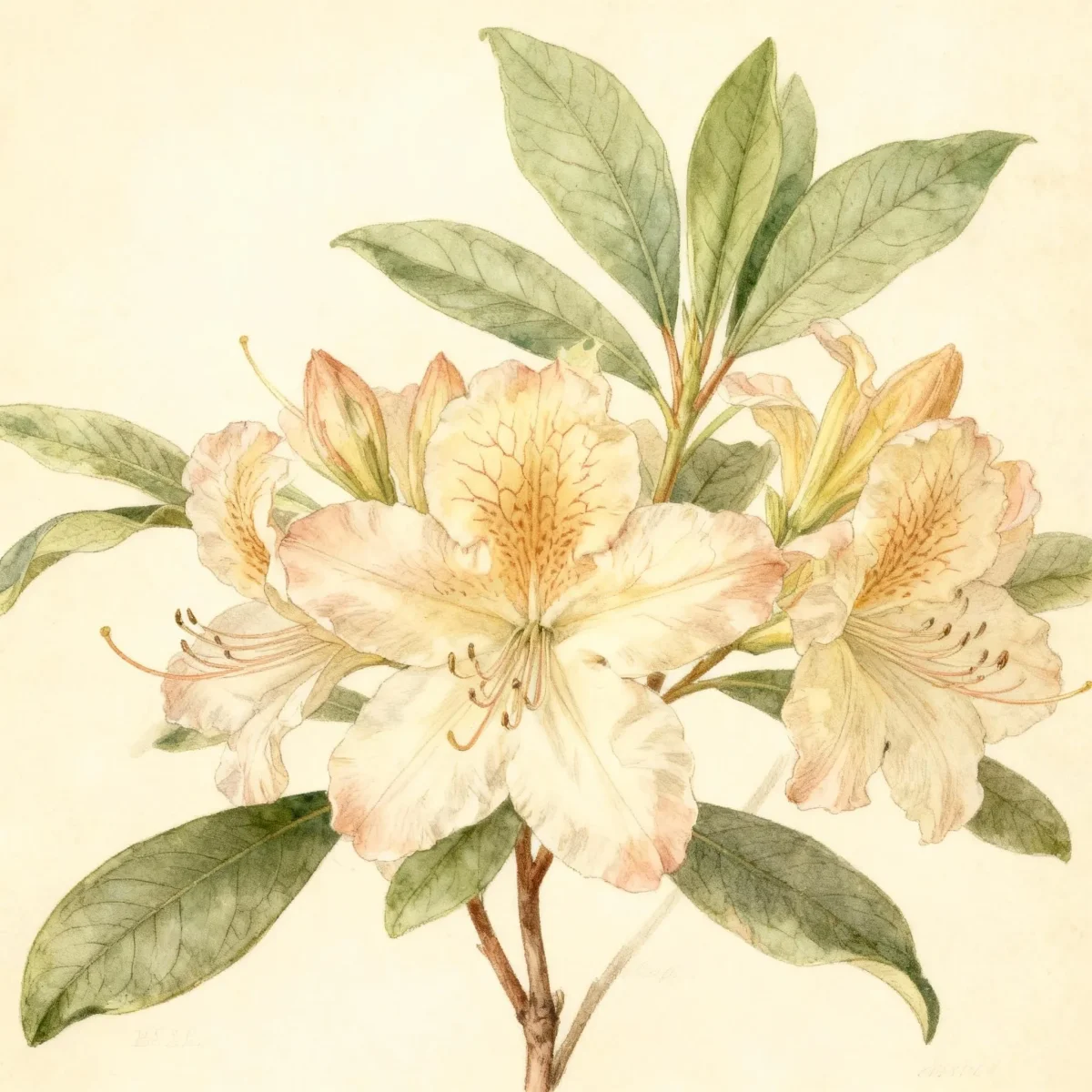
Deciduous azalea (Rhododendron 'Umpqua Queen')
Rhododendron 'Umpqua Queen' is a brilliant yellow Deciduous azalea suitable for USDA Zones 6-9. A medium-maintenance shrub with showy spring flowers.

Bloom Boldly, No Matter the Season - Sweatshirt
Cozy organic cotton sweatshirt featuring our exclusive Purple Coneflower design. Perfect for gardeners who bloom year-round.
Inspired by the beautiful Deciduous azalea
Limited first batch (50) — join the waitlist for early access
Waitlist closes Feb 15, 2026.
Complete Plant Information
Field Guide Continues
Ready for care notes, companion picks, and planting tips?
The map is just the start. The full guide below covers growth habits, seasonal performance, and landscape uses.
Overview
Rhododendron ‘Umpqua Queen’ is a standout cultivar within the Deciduous azalea group, celebrated for its spectacular spring display of intensely colored flowers. As a Knap Hill hybrid, this shrub provides a lavish, multi-stemmed presentation, setting it apart in garden designs where long-lasting color is desired. It matures into a rounded shrub, typically reaching 3 to 4 feet tall and wide, making it an excellent mid-border specimen.
Valuable for its hardiness in cool temperate areas, Rhododendron ‘Umpqua Queen’ requires specific acidic soil conditions to thrive, mirroring its needs in its native woodland settings. Its foliage, which turns an attractive yellow-bronze in autumn, offers seasonal interest beyond the brilliant bloom period in May where its yellow flowers with yellow dorsal blotches appear. Gardeners seeking highly rewarding, mid-season flowering shrubs will find this Deciduous azalea a perfect addition.
This cultivar provides significant aesthetic impact whether planted as a specimen, in a mass grouping, or utilized functionally as a hedge. Proper placement, protected from harsh winds and afternoon scorching sun, is key to ensuring the health and vibrant flowering of Rhododendron ‘Umpqua Queen’ year after year.
Fast Facts
- Plant Family: Ericaceae
- Plant Type: Deciduous shrub
- Hardiness Zones: USDA Zones 6-9
- Size at Maturity:
- Height: 3-4 ft
- Spread: 3-4 ft
- Bloom Time: May
- Bloom Description: Yellow with yellow dorsal blotch
- Sun Exposure: Part shade
- Water Needs: Medium
- Maintenance Level: Medium
How to Grow
The successful cultivation of this beautiful Deciduous azalea hinges critically on soil preparation. Plant Rhododendron ‘Umpqua Queen’ in locations receiving dappled shade or high open shade; morning sun with afternoon shade is generally ideal, while hot afternoon sun should be avoided to prevent leaf scorch. The soil must be acidic (pH 5.0 to 5.5), organically rich, humusy, and crucially, moisture-retentive yet well-drained. If you have heavy clay or suspect poor drainage, consider using raised beds to prevent root rot, a common killer for azaleas.
Watering should be consistent, fulfilling its medium water needs without allowing the shallow, fibrous root system to dry out or remain waterlogged (“wet feet” must be avoided). Mulching heavily with materials like pine needles or wood chips is highly recommended. This mulch layer helps stabilize soil temperatures and retains vital moisture around the surface roots. Never cultivate near the base of the plant.
After the May bloom cycle finishes, promptly deadhead spent flower clusters to encourage energy storage for the following year. Maintain the required acidic pH by applying sulfur or iron sulfate as needed, avoiding limestone near the root zone. Protect plants from strong winds, and site them away from the drip lines of walnut trees due to juglone sensitivity common to most Rhododendrons.
Landscape Uses
Rhododendron ‘Umpqua Queen’ excels in structured settings, making it a reliable choice for shrub borders and foundation plantings where its mid-season color provides a welcome burst. While excellent as a specimen to showcase its rounded form, its compatibility with functional planting makes it superb when used to establish a formal hedge that offers seasonal flower interest. This shrub integrates seamlessly into mixed borders, providing height and dense structure.
For woodland gardens or shady borders, the Deciduous azalea shines, naturally pairing well with other acid-loving plants. Consider companion planting with shade-tolerant groundcovers, ferns, or Japanese maples whose foliage textures and colors contrast nicely with the bright yellow blooms of Rhododendron ‘Umpqua Queen’. Because of its specific soil needs, grouping it with other acid-tolerant plants simplifies overall garden management.
Its moderate size allows it to define the edge of a woodland margin effectively. When used in mass plantings, the cumulative effect of the clustered yellow trusses transforms a shady area into a focal point during late spring.
Standout Features
Flower Qualities
- Showy
Noteworthy Characteristics
Rhododendron ‘Umpqua Queen’ is a deciduous azalea, distinguishing itself by shedding its leaves in the fall, unlike many evergreen rhododendrons. This Knap Hill hybrid features beautiful double, saucer-shaped flowers that reach up to 4 inches across, clustered in trusses of up to 12 blooms in mid-season. The recognizable vibrant yellow color is accented by a distinct yellow blotch on the dorsal outer lobe of the flower.
Tolerances
- Rabbit
Potential Problems
Rhododendrons and azaleas generally face numerous pest and disease pressures if cultural requirements are ignored. Common insect concerns include aphids, scale, and lacebugs, while fungal issues like root rot, crown rot, and powdery mildew are primary disease threats. Root rot is often tied directly to poor drainage—a critical factor when siting Rhododendron ‘Umpqua Queen’.
Prevention is centered on meeting the plant’s specific needs: maintain excellent soil drainage and the correct acidic pH range. If leaves yellow during the growing season, suspect chlorosis, which signals an iron deficiency often caused by soil pH becoming too high; treatments should focus on lowering the pH using iron sulfate. A healthy Deciduous azalea, planted in the proper acidic, moist environment, will exhibit robust health with minimal issues.
Frequently Asked Questions
What hardiness zones is Deciduous azalea (Rhododendron ‘Umpqua Queen’) suitable for?
Rhododendron ‘Umpqua Queen’ thrives in USDA Hardiness Zones 6 through 9.
How large does Rhododendron ‘Umpqua Queen’ grow?
This Deciduous azalea typically matures to a height between 3 and 4 feet, with an equal spread of 3 to 4 feet wide.
What sun exposure does Rhododendron ‘Umpqua Queen’ need?
This shrub requires part shade; it prefers dappled sunlight or high open shade and should be shielded from intense afternoon sun.
When does Deciduous azalea bloom?
Rhododendron ‘Umpqua Queen’ blooms in May, presenting beautiful yellow flowers marked with a yellow dorsal blotch.
Conclusion
Rhododendron ‘Umpqua Queen’ delivers high visual impact with its exceptionally showy, bright yellow flowers presented early in the season. As a reliable Deciduous azalea for zones 6-9, its manageable size and attractive fall foliage ensure year-round interest within the garden structure. Assess your site’s sun exposure and soil acidity before planting to ensure this beautiful shrub performs to its full potential.
Companion Planting
Selecting companions that share the acidic soil and moisture requirements of Rhododendron ‘Umpqua Queen’ simplifies care immensely. Plants native to woodland environments thrive alongside the Deciduous azalea. Consider foundational pairings like ferns, which appreciate similar shade conditions and humidity levels, adding textural contrast beneath the shrub’s canopy.
When designing a mixed border, incorporate plants that bloom before or after May to ensure continuous color interest. Acid-loving evergreens—like dwarf rhododendrons or hollies tolerant of part shade—make excellent year-round partners. Conversely, plants that prefer alkaline soils or dry conditions should be strictly avoided as they will quickly decline near this acid-demanding species.
For ground cover beneath your vibrant yellow Deciduous azalea, consider spreading Ilex (holly) varieties or low-growing heaths and heathers. This grouping approach not only looks aesthetically pleasing but also helps maintain the cool, moist soil conditions essential for the shallow roots of your Rhododendron ‘Umpqua Queen’.
Care Schedule for Optimal Azalea Health
Managing the soil environment is the primary focus for seasonal success with this Azalea. In early spring, before the flush of new growth on Rhododendron ‘Umpqua Queen’, apply a light, granular fertilizer formulated specifically for acid-loving plants, following label directions carefully to avoid chemical burn. Immediately after the spectacular bloom in May, deadhead old flower trusses.
Summer care centers exclusively on consistent moisture management. Even though the water needs are medium, the shallow root system means drought stress is immediate and damaging, especially on hot afternoons. Deep, infrequent watering is preferred over light, surface sprinkling to encourage stronger root development downward. Continue replenishing or topping off the mulch layer to suppress weeds and retain soil coolness.
As fall approaches, discontinue heavy fertilization, allowing the plant to harden off naturally for winter. In cold pockets of Zones 6 or 7, apply a thick layer of protective mulch after the ground freezes to insulate the roots from extreme freeze-thaw cycles. Resist the urge to aggressively prune Rhododendron ‘Umpqua Queen’ outside of removing spent blooms, as pruning outside the early summer window can remove next year’s flower buds.


