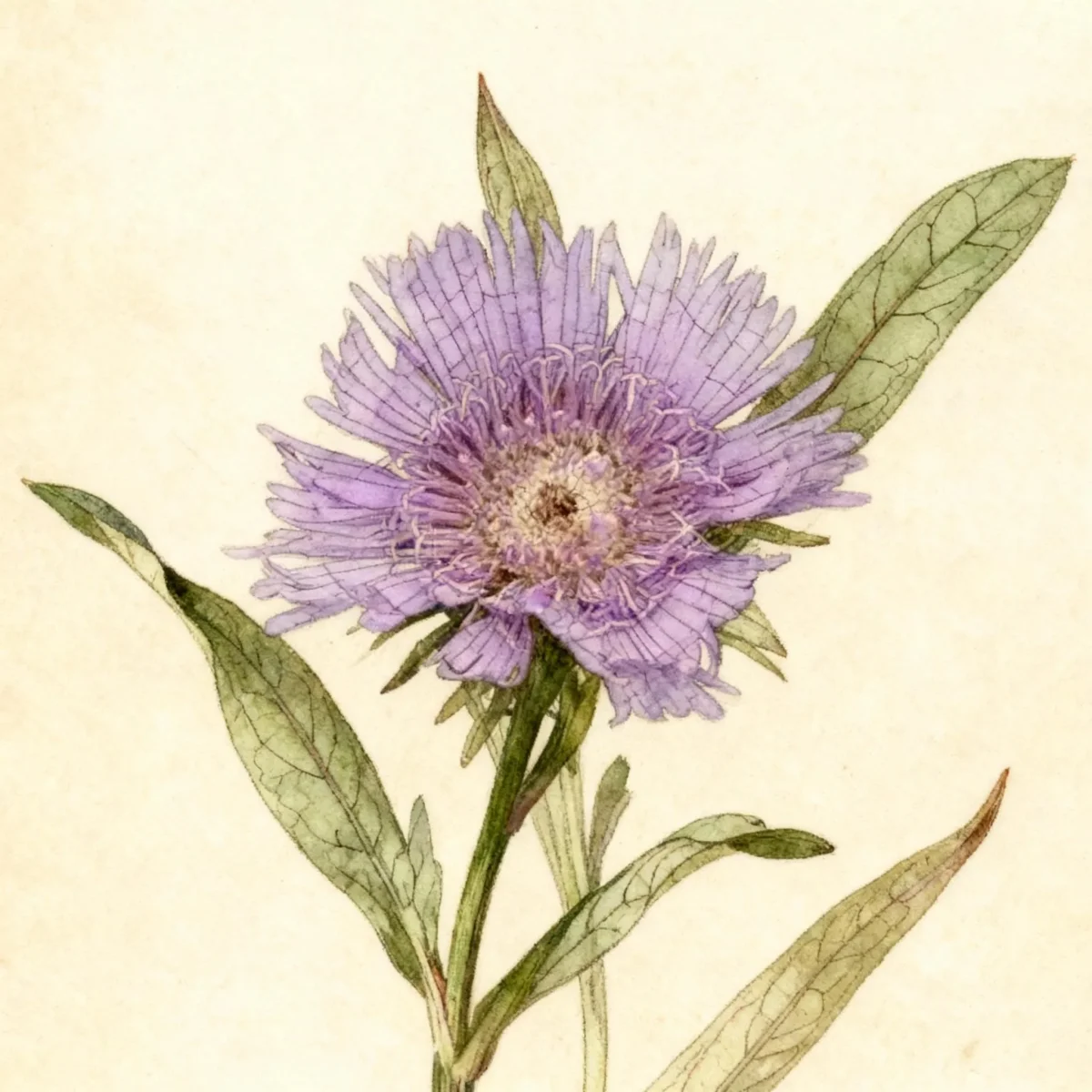
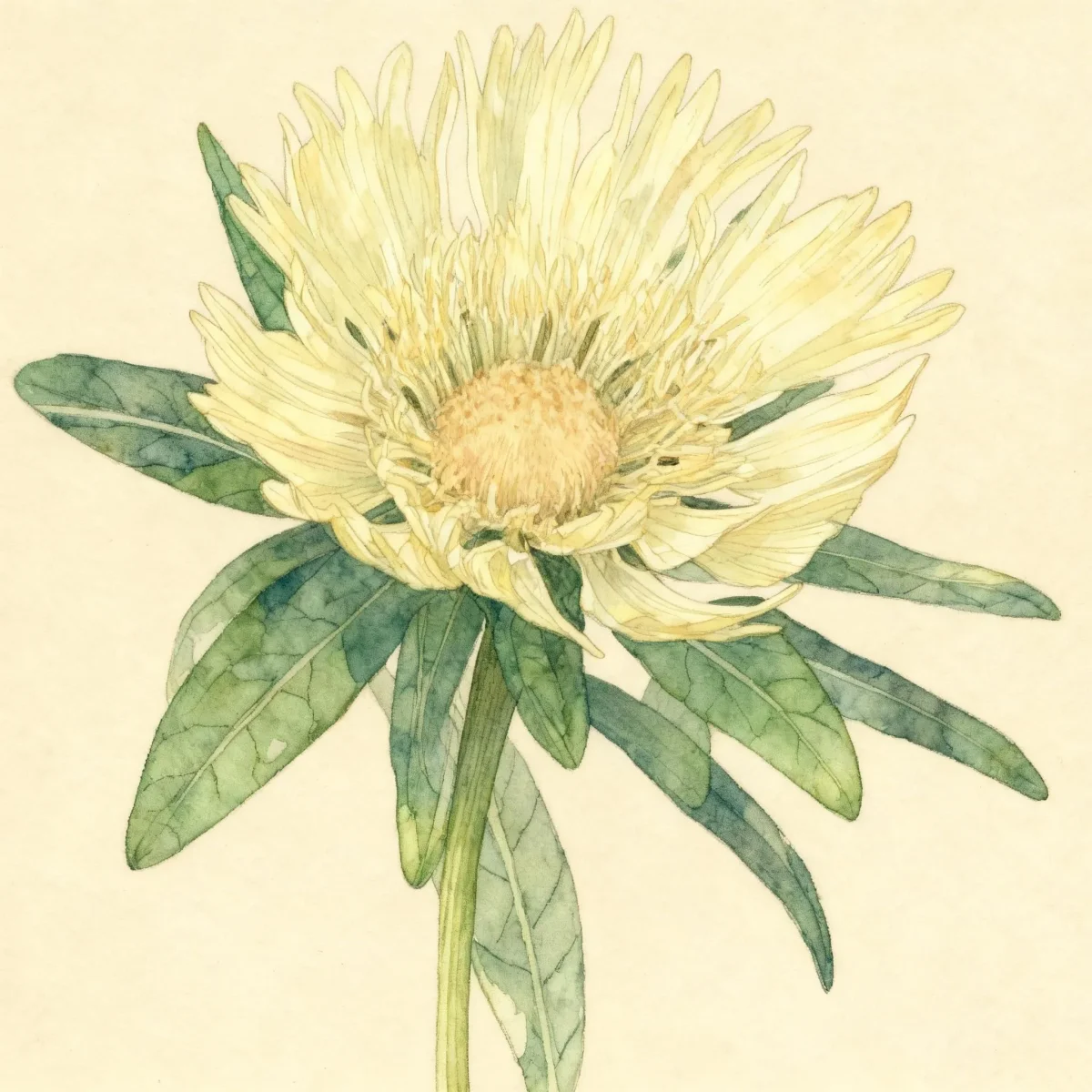
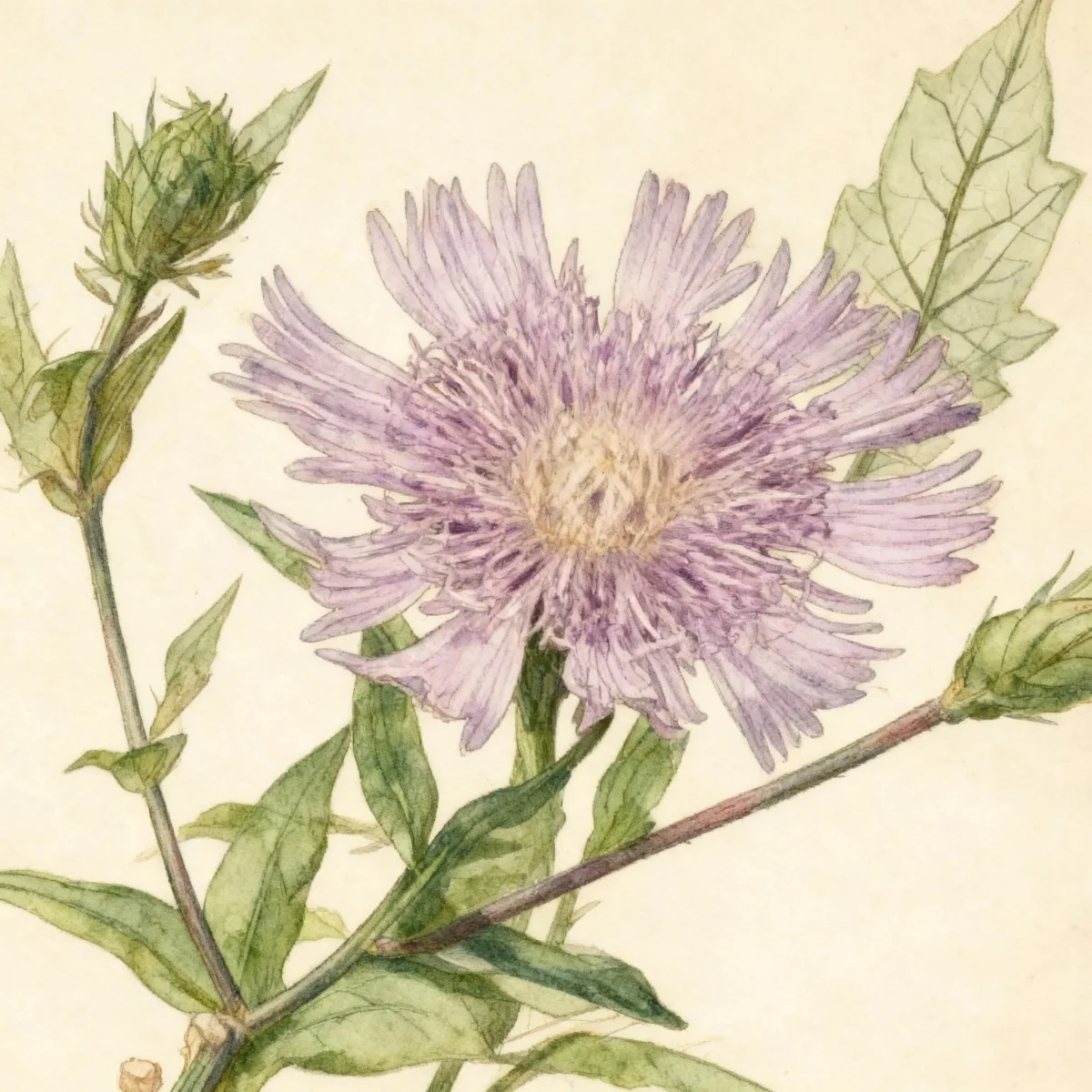
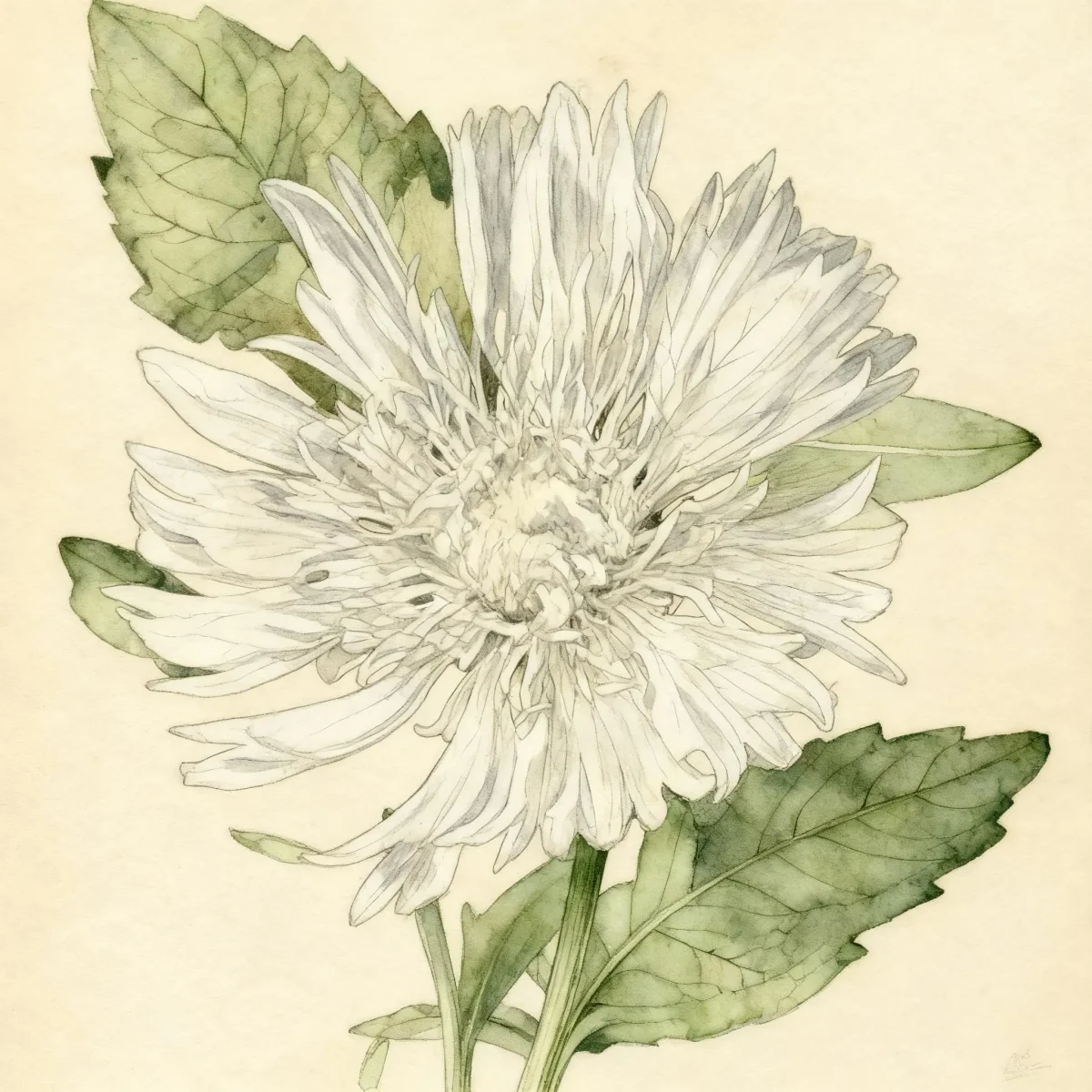
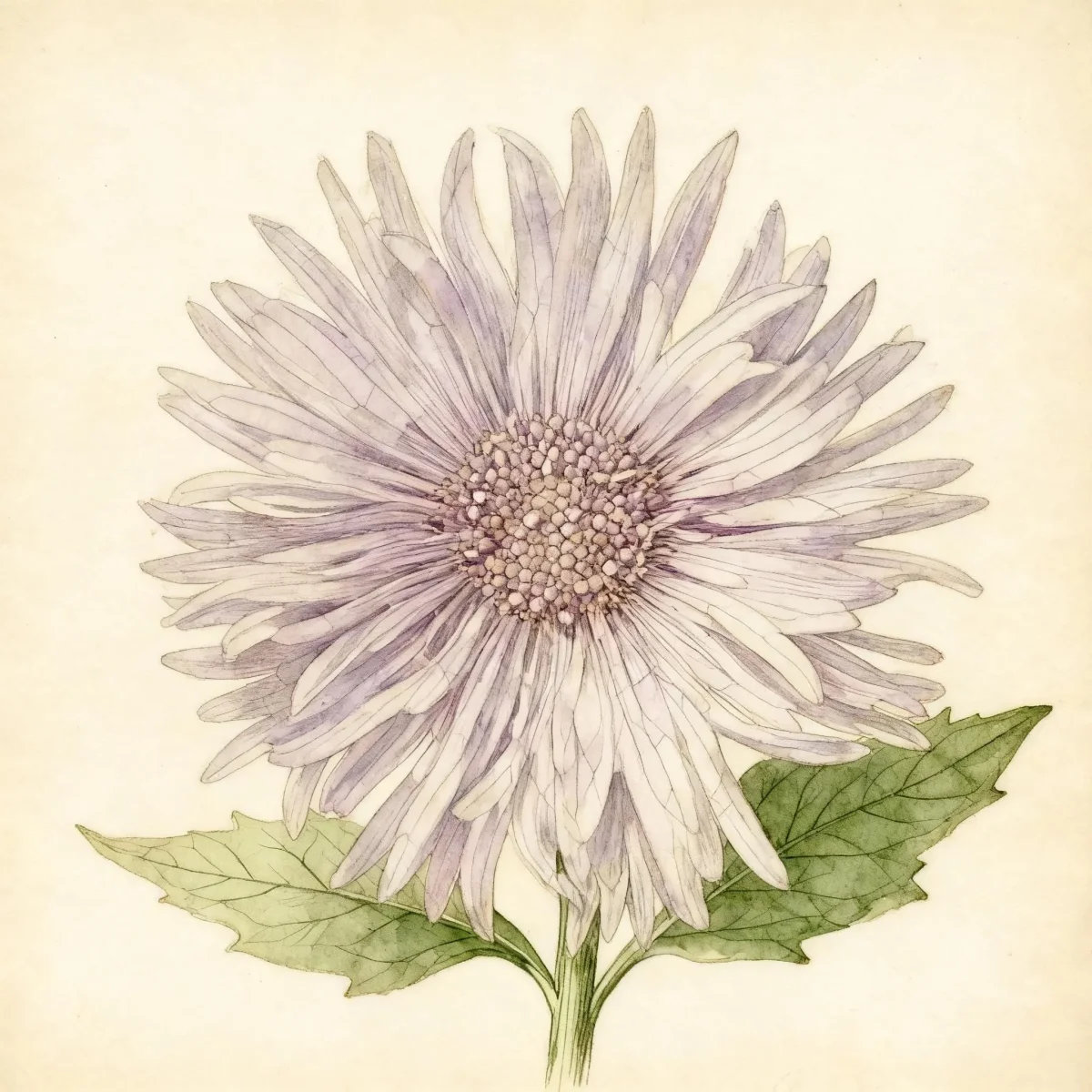
Stokes' aster (Stokesia laevis 'Wyoming')
Stokes' aster 'Wyoming' offers showy, dark blue, cornflower-like blooms from July to September, thriving in full sun.
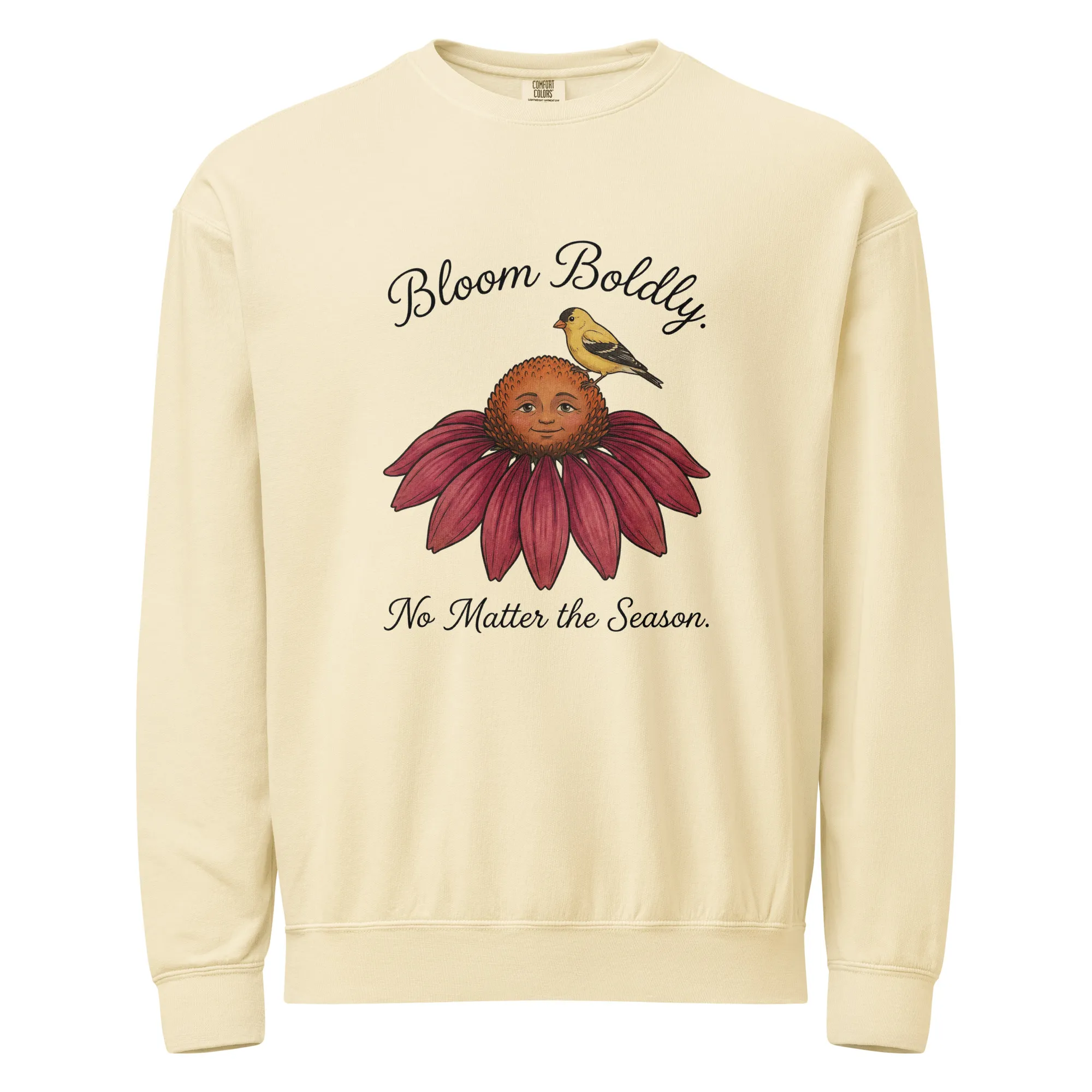
Bloom Boldly, No Matter the Season - Sweatshirt
Cozy organic cotton sweatshirt featuring our exclusive Purple Coneflower design. Perfect for gardeners who bloom year-round.
Inspired by the beautiful Stokes' aster
Limited first batch (50) — join the waitlist for early access
Waitlist closes Feb 15, 2026.
Complete Plant Information
Field Guide Continues
Ready for care notes, companion picks, and planting tips?
The map is just the start. The full guide below covers growth habits, seasonal performance, and landscape uses.
Overview
The cultivar Stokesia laevis ‘Wyoming’ is a standout herbaceous perennial celebrated for its intense, cornflower-like blooms. This variety of Stokes’ aster showcases deep, dark blue flowers measuring up to 4 inches across, providing long-lasting color throughout the summer months. Gardeners value this plant for its tidy, basal foliage that often remains evergreen in milder climates.
As a relatively low-maintenance selection, Stokes’ aster is adaptable, provided its essential drainage needs are met. The striking color and form of Stokesia laevis ‘Wyoming’ make it an excellent focal point in mixed borders or cottage gardens where vibrant, late-season color is desired.
This plant’s native lineage from the coastal American Southeast ensures a degree of drought tolerance once established, though consistent moisture is preferred for peak performance. Its sturdy habit, combined with excellent flower quality, secures its place as a reliable perennial favorite.
Fast Facts
- Plant Family: Asteraceae
- Plant Type: Herbaceous perennial
- Hardiness Zones: USDA Zones 5-9
- Size at Maturity:
- Height: 1-1.5 ft
- Spread: 1-1.5 ft
- Bloom Time: July to September
- Bloom Description: Blue
- Sun Exposure: Full sun
- Water Needs: Medium
- Maintenance Level: Low
How to Grow
Planting Stokes’ aster is best achieved in spring or early fall. Locate Stokesia laevis ‘Wyoming’ in a spot receiving full sun for the most prolific blooming, though it will tolerate some filtered light. Success hinges on soil, which must be consistently medium moisture and, crucially, well-drained. This plant strongly dislikes having wet feet, especially during the winter, as soggy conditions are the primary cause of mortality.
Water requirements are medium; aim for even moisture, especially during dry periods. While Stokesia laevis ‘Wyoming’ possesses surprising drought tolerance once established, regular watering maintains lush, healthy foliage. Avoid high-nitrogen fertilizers, which can promote excessive leaf growth at the expense of flowers.
Maintenance is very low during the season. Deadheading spent individual flowers and removing the entire flowering stem encourages repeat blooms, often extending the display into the fall. In the northern limits of its hardiness range (Zone 5), apply a layer of winter mulch to protect the basal rosette from freeze-thaw cycles. Plants can be sheared back to the base foliage once flowering is completely finished.
Landscape Uses
The structure and vibrant color of Stokesia laevis ‘Wyoming’ make it superb for defining border fronts or adding texture to informal cottage gardens. Because it forms a tidy basal rosette, it serves effectively as an edging plant where its 1 to 1.5-foot height won’t obscure shorter companions. Given its affinity for moisture, it excels near natural water features like ponds or streams, though excellent drainage must still be ensured even in those damp areas.
Consider mass planting several specimens together to create impactful drifts of dark blue that draw the eye across the landscape. Its substantial blooms also make it a prized addition to cutting gardens, providing excellent vase material throughout summer. Look for companions that appreciate similar moisture and sun levels, such as ornamental grasses or other sun-loving perennials like Coneflowers or Salvias.
Standout Features
Flower Qualities
- Showy
- Good Cut
Noteworthy Characteristics
Stokesia laevis, commonly known as Stokes’ aster, is native to wetlands, bottomlands, wet pinewoods, savannas and ditches mostly along the coastal plain from North Carolina to Florida to Louisiana. The cultivar ‘Wyoming’ distinguishes itself by featuring fluffy, cornflower-like, dark blue flowers measuring 3-4 inches across, held aloft on erect, leafy stems reaching about 18 inches tall. This evergreen perennial is highly valued for these large, distinctive flowers that bloom over a long season beginning in early to mid-summer.
Tolerances
- Rabbit
- Drought
Potential Problems
Stokesia laevis ‘Wyoming’ generally suffers from few serious insect or disease issues, making it a relatively robust choice. The primary management concern involves observing for caterpillars that might feed on the foliage. A structural issue to note is that the flower stems sometimes exhibit a tendency to flop, especially following heavy rain or strong thunderstorms in humid climates. To manage flopping, ensure excellent air circulation and consider staking the clumps early in the season if you anticipate heavy summer weather.
Frequently Asked Questions
What hardiness zones is Stokes’ aster suitable for?
Stokesia laevis ‘Wyoming’ is reliably hardy across USDA Zones 5 through 9, though winter mulch is recommended in the coldest sections of that range.
How large does Stokes’ aster grow?
This herbaceous perennial typically matures to a height between 1 and 1.5 feet tall, with a similar spread of 1 to 1.5 feet wide.
What sun exposure does Stokes’ aster need?
Stokes’ aster thrives best in full sun conditions, though it can tolerate some filtered sunlight, provided the soil remains well-drained.
When does Stokes’ aster bloom?
The primary bloom time for Stokesia laevis ‘Wyoming’ is from July through September, producing striking blue flowers.
Conclusion
Stokesia laevis ‘Wyoming’ offers gardeners a long season of intensely colored, showy blue blooms with relatively low management demands. Its combination of drought tolerance and attractive foliage cements its role as a reliable feature, particularly when placed where drainage is assured. Check your local USDA zone compatibility and plan your planting this spring to enjoy the spectacular performance of this rich, dark blue Stokes’ aster next summer.
Companion Planting
When planning where to place Stokesia laevis ‘Wyoming’, selecting companions with similar cultural needs—full sun and medium, well-drained soil—is key to success. Consider pairing it with plants that offer contrasting texture or bloom time. For example, silvery foliage plants like Lamb’s Ears (Stachys byzantina) provide a beautiful contrast to the deep blue flowers of Stokes’ aster. Early-season bloomers can give way gracefully to the main summer show provided by this cultivar.
The plant’s native habitat suggests it blends well with other plants native to moist meadows or savannas, such as various native grasses or Rudbeckia species. Ensure adequate spacing, as these perennials form substantial basal rosettes, allowing good air flow to mitigate any humidity-related issues.
Seasonal Care Calendar
Spring care for your Stokes’ aster begins with clearing away any protective winter mulch applied in colder zones. Once new growth emerges, this is the ideal time to cut back old, spent foliage near the base to neaten the appearance. Watering should increase as temperatures rise, ensuring consistent moisture throughout the main growing and blooming period of July to September.
Summer maintenance focuses almost entirely on deadheading. Promptly remove spent flower heads to encourage the plant to produce more of its beautiful blue flowers rather than setting seed. If the entire plant looks shaggy after its main flush, a light shearing can encourage a final display later in the season.
As fall approaches and temperatures drop, especially in Zone 5, prepare the plant for dormancy by discontinuing heavy watering. Apply a fresh, light layer of mulch around the crown after the ground freezes to protect the evergreen basal rosette from harsh winter winds and repeated thawing/refreezing cycles.