Common lilac(Syringa vulgaris 'Sensation')
Grow Sensation common lilac (Syringa vulgaris 'Sensation'): famous picotee purple-and-white fragrant panicles, old-wood pruning, winter chill needs, USDA zones 3–7.
Complete Plant Information
- Hardiness zones
- USDA 3–7
- Plant type
- Deciduous shrub
- Plant family
- Oleaceae
- Sun exposure
- Full sun
- Water needs
- Medium
- Maintenance
- Low to medium
- Height
- 8–12 ft (244–366 cm)
- Spread
- 6–10 ft (183–305 cm)
- Bloom time
- May
- Flower color
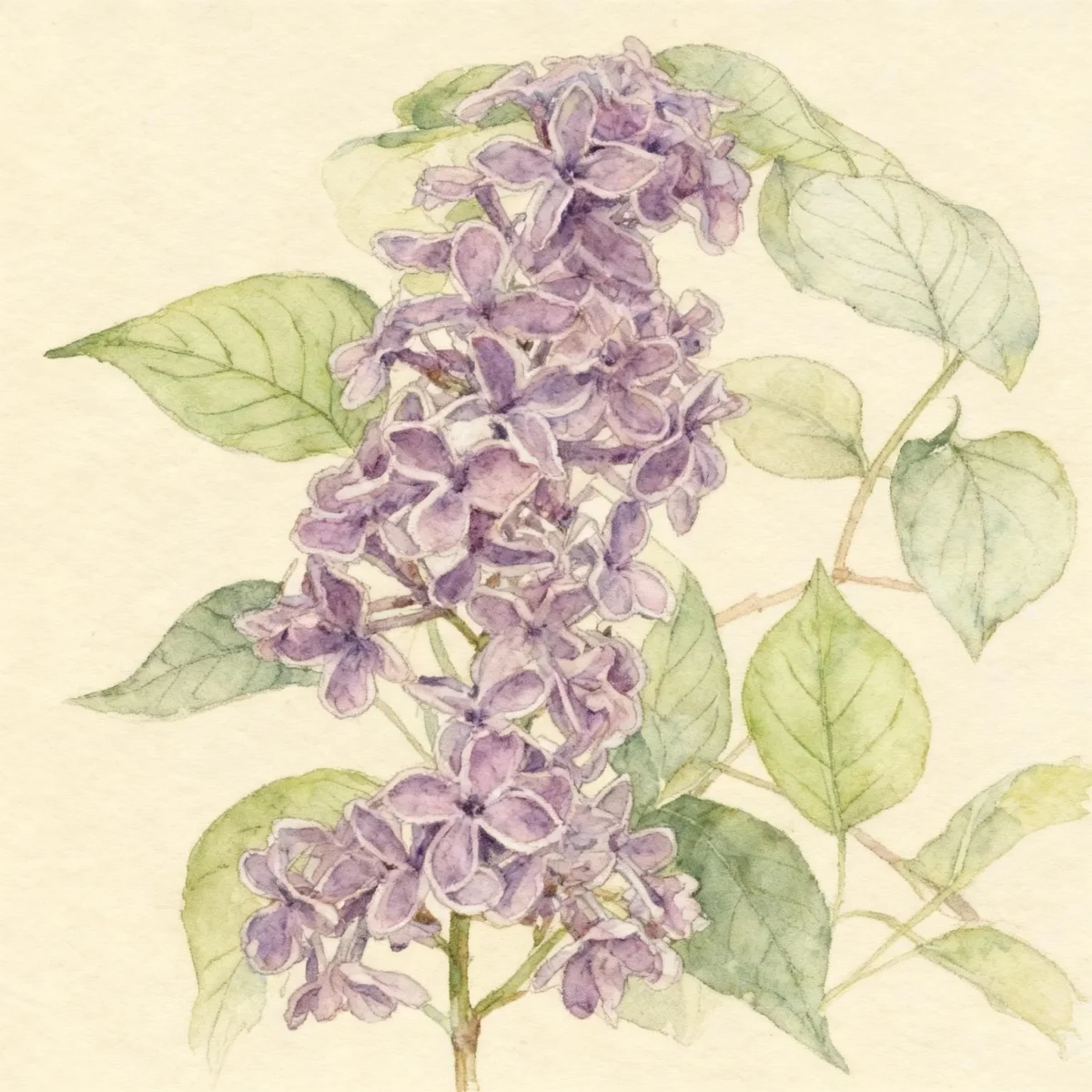
- Fragrant pyramidal panicles of single wine-purple florets, each edged with a crisp white margin
- Flower qualities
- Showy, Fragrant, Good Cut
- Fruit qualities
- Not recorded
- Tolerances
- Deer, Clay Soil, Alkaline Soil
- Garden uses
- Fragrant specimen, property line hedge, cut-flower border, cottage garden
- Native range
- Southeastern Europe (Balkans; cultivar selected in the Netherlands, 1938)
Field Guide Continues
Ready for care notes, companion picks, and planting tips?
The map is just the start. The full guide below covers growth habits, seasonal performance, and landscape uses.
Overview
Sensation common lilac (Syringa vulgaris ‘Sensation’) is one of the most famous and visually striking deciduous flowering shrubs in horticulture, holder of the Royal Horticultural Society’s Award of Garden Merit. Discovered in 1938 by Dutch nurseryman Dirk Eveleens Maarse as a sport of ‘Hugo de Vries’, it is celebrated worldwide for its unique picotee bicolor florets: each rich wine-red to purple-violet petal is crisply outlined with a pure white border. Growing 8 to 12 feet tall and 6 to 10 feet wide, it blankets its upright branching framework in May with huge, intensely fragrant conical trusses that perfume spring gardens and make unforgettable cut-flower arrangements.
Its broad, dark green heart-shaped leaves provide dense summer screening after the flowering window concludes.
How to Grow
- Hardiness & Winter Chill Requirement: USDA Zones 3 through 7. Lilacs possess an obligate winter chilling requirement and thrive only in regions with cold freezing winters. They perform poorly and fail to bloom in warm-winter climates south of Zone 7.
- Full Sun is Essential: Minimum 6 hours of direct, unobstructed sunlight daily. Shaded shrubs produce sparse, leggy canes and few flower trusses.
- Neutral to Alkaline Soil: Unlike acid-loving azaleas, common lilacs thrive in fertile, moisture-retentive, well-draining soils with a neutral to slightly alkaline pH (6.5 to 7.5). In naturally acidic soils, apply agricultural lime annually to maintain vigor.
- Pruning Discipline (Blooms on Old Wood): Flower buds are set in late summer on old wood. Prune immediately after blooms fade in late May. Cutting lilacs in autumn or winter strips away next spring’s flower buds. Remove spent flower heads down to the first lateral shoots, and periodically renew mature shrubs by cutting one-third of the oldest, thickest canes down to ground level every 3 years.
Landscape Uses
- Fragrant Specimen Shrub: Plant near patios, front porches, and garden gates where its sweet perfume can be savored.
- Informal Privacy Screen: Spaced 6 feet apart on center, multiple shrubs form a dense, flowering deciduous boundary hedge.
- Cut Flower Garden: Spectacular, long-stemmed bicolor trusses last up to a week in fresh water vases indoors.
Potential Problems
- Powdery Mildew in Late Summer: A white powdery coating can develop on foliage during humid, stagnant August weather; while unsightly, it is cosmetic and does not kill the shrub. Site in full sun with good air circulation.
- Pruning in Autumn or Winter: Strips off all flower buds for the coming season; always prune right after spring bloom.
- Lack of Winter Chill: Fails to set flower buds in warm southern zones (Zone 8 and warmer).
Frequently Asked Questions
What does “picotee” mean on a lilac?
“Picotee” describes petals that have a contrasting border color. On ‘Sensation’, each single deep purple floret is rimmed in a crisp, clean white edge.
When should I prune ‘Sensation’ lilac?
Prune immediately after the blooms fade in late May. Lilacs form next year’s flower buds during the summer, so fall or winter pruning will remove all spring blossoms.
Does common lilac tolerate clay soil?
Yes, provided drainage is adequate and water does not sit stagnantly around the roots. Lilacs prefer neutral to alkaline soils.
Companion Plants
Pair Sensation lilac with other spring-blooming shrubs and perennials that share its love of full sun and neutral soil:
- Flowering Shrubs: Plant near mock orange (Philadelphus), Koreanspice viburnum (Viburnum carlesii), or spirea.
- Perennial Underplantings: Combine with peonies (Paeonia), bearded irises, or creeping phlox.
- Spring Flowering Bulbs: Underplant with late-season tulips, alliums, and daffodils around its base.
Sources & Lineage
- Missouri Botanical Garden PlantFinder: Record taxon 253923 (Syringa vulgaris ‘Sensation’) — Eveleens Maarse 1938 Dutch heritage, dimensions, and cultivation.
- Kew Plants of the World Online (POWO): Syringa vulgaris L. (POWO: 289009-2) — species taxonomy, family (Oleaceae), and Balkan native range.
- Royal Horticultural Society (RHS): Syringa vulgaris ‘Sensation’ AGM Profile — Award of Garden Merit evaluation, picotee coloration, and pruning rules.
Recommended Companion Plants
Common lilac
Syringa vulgaris 'Little Boy Blue'
- USDA zones
- 3–7
- Light
- Full sun
- Water
- Medium

Common lilac
Syringa vulgaris 'Marie Frances'
- USDA zones
- 3–7
- Light
- Full sun
- Water
- Medium
Common lilac
Syringa vulgaris 'Wedgwood Blue'
- USDA zones
- 3–7
- Light
- Full sun
- Water
- Medium
Common lilac
Syringa vulgaris 'Monge'
- USDA zones
- 3–7
- Light
- Full sun
- Water
- Medium
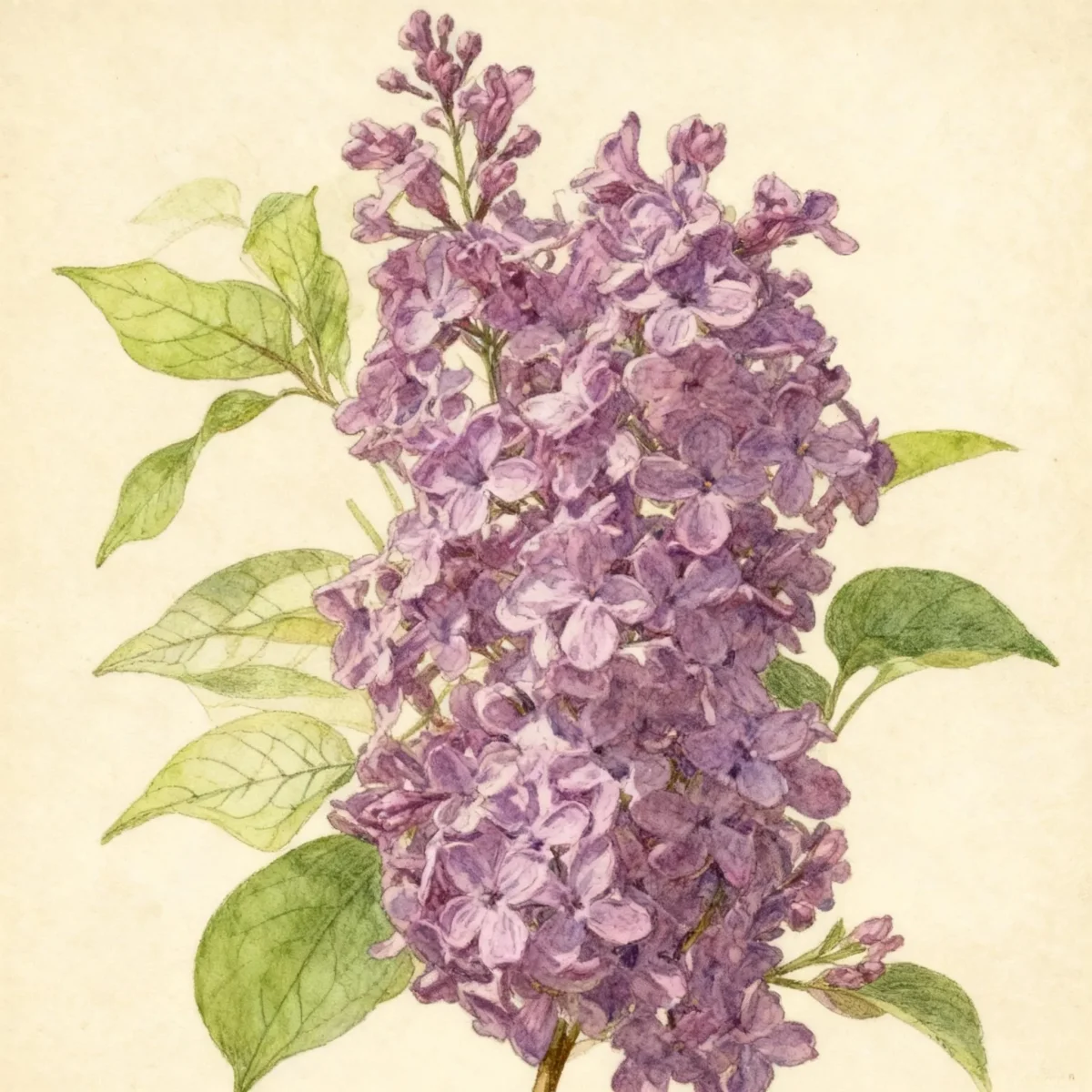
Common lilac
Syringa vulgaris 'Andenken an Ludwig Spath'
- USDA zones
- 3–7
- Light
- Full sun
- Water
- Medium
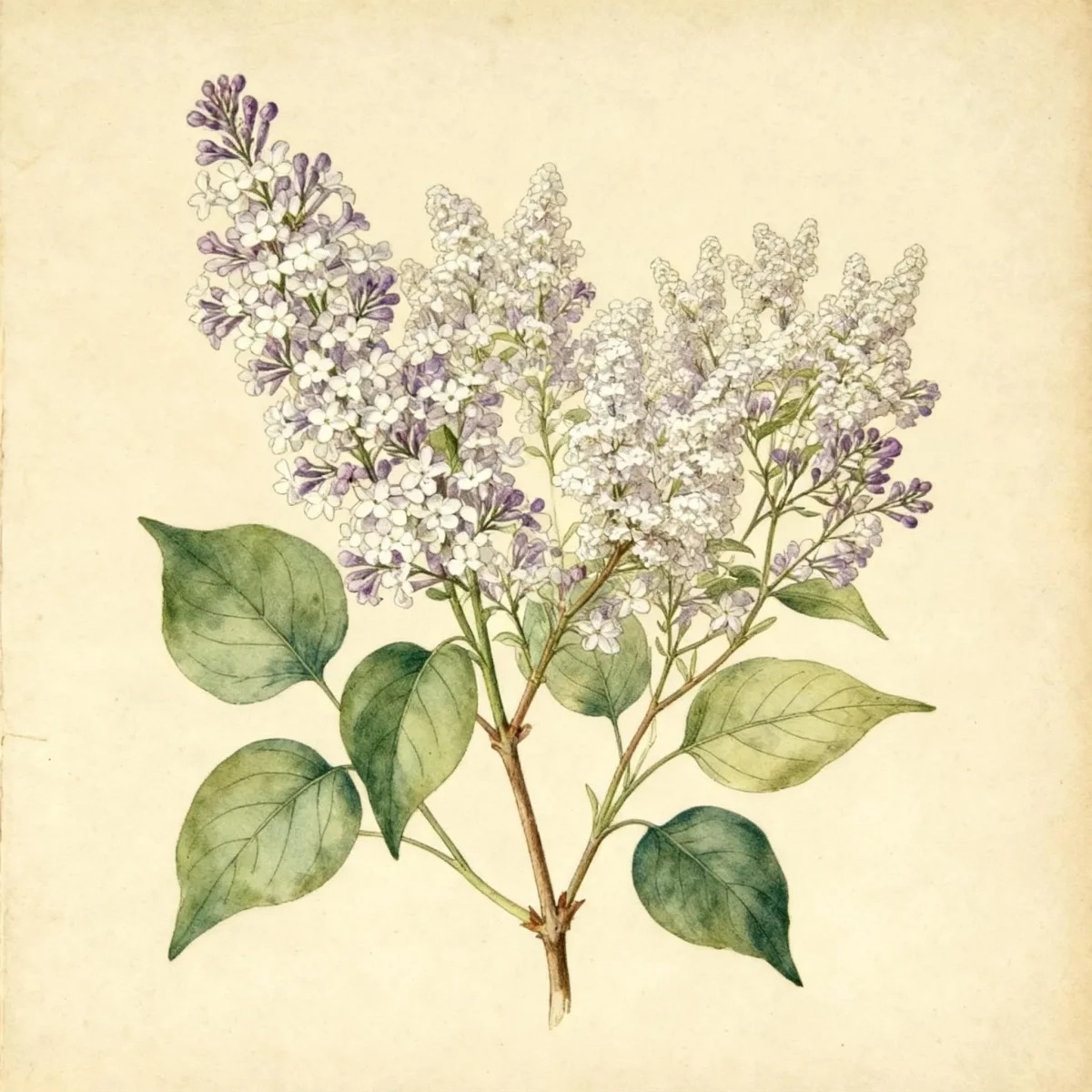
Common lilac
Syringa vulgaris
- USDA zones
- 3–7
- Light
- Full sun
- Water
- Medium
Keep Learning
Test what you know with a garden quiz
You have the plant facts and care notes. Continue with a related challenge, or browse the complete quiz library.

Can You Identify These Common Garden Plants? Test Your Plant Knowledge
Think you know your roses from your peonies? Test your plant identification skills with our comprehensive garden plant quiz featuring 10 challenging questions.
Start quiz
USDA Garden Zone Map Quiz
Use this USDA garden zone map quiz to check whether you can read hardiness zones and choose plants with more confidence.
Start quizBrowse the full quizzes section
Explore plant identification, zone strategy, and seasonal gardening challenges.
View all quizzes