Tanacetum (Tanacetum haradjanii)
Aromatic, mat-forming Tanacetum haradjanii offers silvery-gray foliage and yellow summer blooms in Zones 8-10.

Bloom Boldly, No Matter the Season - Sweatshirt
Cozy organic cotton sweatshirt featuring our exclusive Purple Coneflower design. Perfect for gardeners who bloom year-round.
Inspired by the beautiful Tanacetum
Limited first batch (50) — join the waitlist for early access
Waitlist closes Feb 15, 2026.
Complete Plant Information
Field Guide Continues
Ready for care notes, companion picks, and planting tips?
The map is just the start. The full guide below covers growth habits, seasonal performance, and landscape uses.
Overview
Tanacetum haradjanii, often known simply as Tanacetum, is a highly valuable herbaceous perennial prized primarily for its exceptional evergreen foliage. This mat-forming plant, native to Syria and Turkey, creates a stunning groundwork effect with its finely-divided, silver-gray leaves that remain attractive throughout the year in warmer climates. Gardeners seeking low-maintenance texture and bright color contrast often turn to this species.
While the foliage of Tanacetum haradjanii provides continuous visual interest, it also produces masses of small, rayless yellow flowers in mid-summer. It forms a compact, spreading mound, making it an excellent choice for suppressing weeds and adding silvery tones against greener plantings. Although categorized as an aromatic plant, its primary ornamental appeal lies in its unique leaf color and texture.
Cultivating Tanacetum is straightforward, especially when matching its natural preferences for dry, hot conditions once established. This robust plant tolerates various poor soil conditions, including rocky or gravelly mixes, ensuring its versatility across many landscape settings. Integrating Tanacetum haradjanii into gravel paths or dry borders brings resilient, low-growing silver color to the garden design.
Fast Facts
- Plant Family: Asteraceae
- Plant Type: Herbaceous perennial
- Native Range: Syria, Turkey
- Hardiness Zones: USDA Zones 8-10
- Size at Maturity:
- Height: 0.25-0.5 ft
- Spread: 1-2 ft
- Bloom Time: July to August
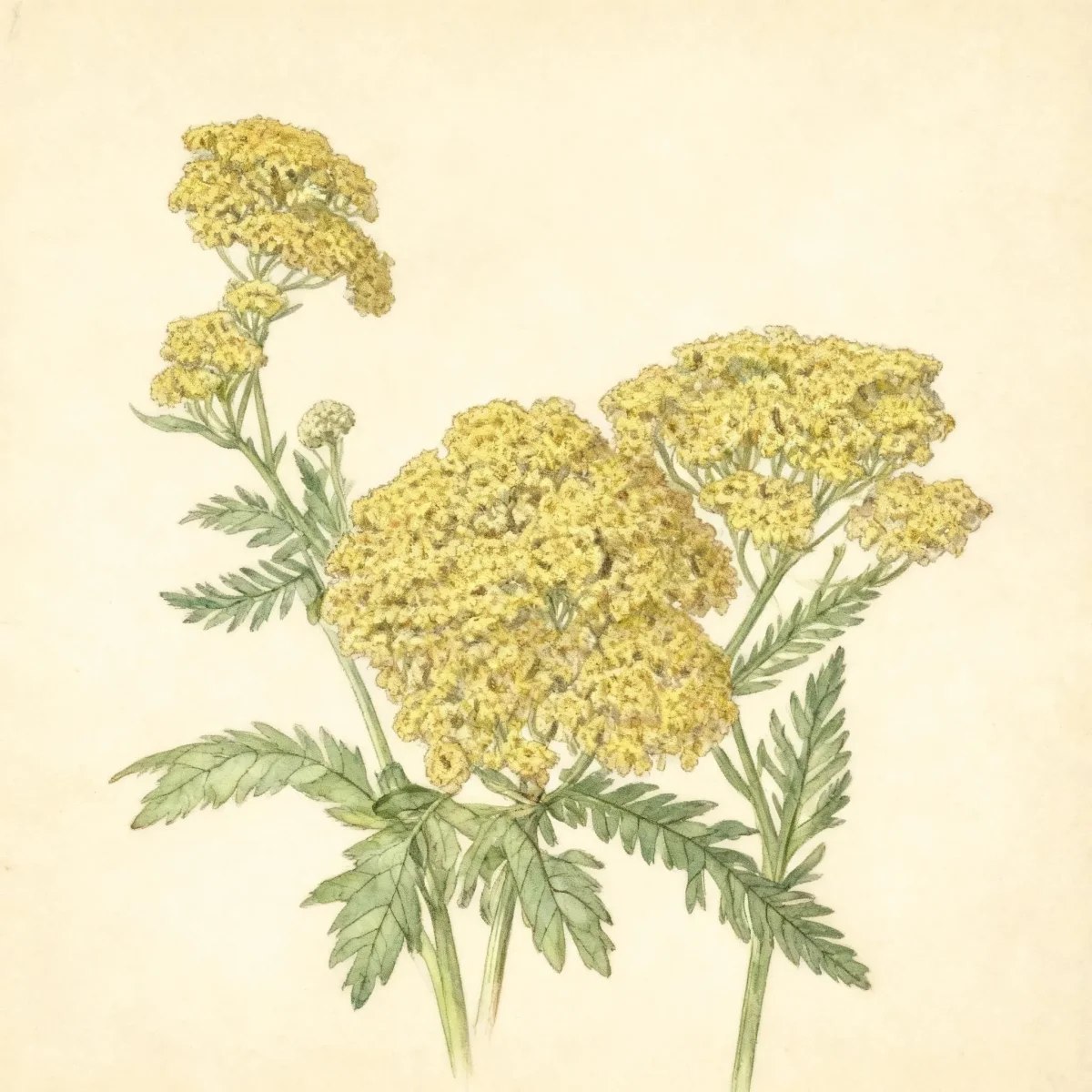
- Bloom Description: Yellow
- Sun Exposure: Full sun
- Water Needs: Dry to medium
- Maintenance Level: Medium
How to Grow
Plant Tanacetum haradjanii in the spring or fall, ensuring the location receives full sun for the best foliage color and compact growth. It thrives in average, well-drained soils, though it exhibits remarkable tolerance for rocky or gravelly structures. Consistent moisture is best received during establishment, but the plant quickly adapts to drier conditions, necessitating minimal supplemental watering once mature.
Maintenance for this Tanacetum variety is generally considered medium due to its tendency to spread. Stems may lightly root where they touch the ground, aiding in its ground cover performance. Some gardeners choose to shear the plant lightly after flowering concludes to maintain a tidy mound shape, although letting the flowers remain can offer a different textural display.
This resilient perennial particularly shines in dry garden scenarios because of its low water requirements once established. Gardeners often focus on its architectural foliage, sometimes shearing the sporadic summer blooms off entirely to keep the silver mound undisturbed. Remember that in warmer zones, the leaves of Tanacetum haradjanii will remain fully evergreen.
Landscape Uses
The spreading habit of Tanacetum makes it an outstanding ground cover, effectively blanketing open, sunny areas where its bright foliage contrasts beautifully with stone. Its low profile and dry tolerance make it perfectly suited for rock gardens, cascading over retaining walls or nestled between flagstones.
This perennial excels as a border front along pathways or taller plantings where it can soften hard edges. Use Tanacetum naturalize in drought-tolerant or Mediterranean-style plantings, allowing it to spread slowly through gravel mulch or among drought-tolerant succulents and ornamental grasses. The silver color acts as a visual binder, unifying disparate planting masses.
Consider planting Tanacetum haradjanii near plants with deep green or dark purple foliage for maximum chromatic impact. Its compact nature ensures it won’t overwhelm companions, providing a solid, low-growing anchor in sunny borders throughout the growing season.
Standout Features
Flower Qualities
- Showy
Noteworthy Characteristics
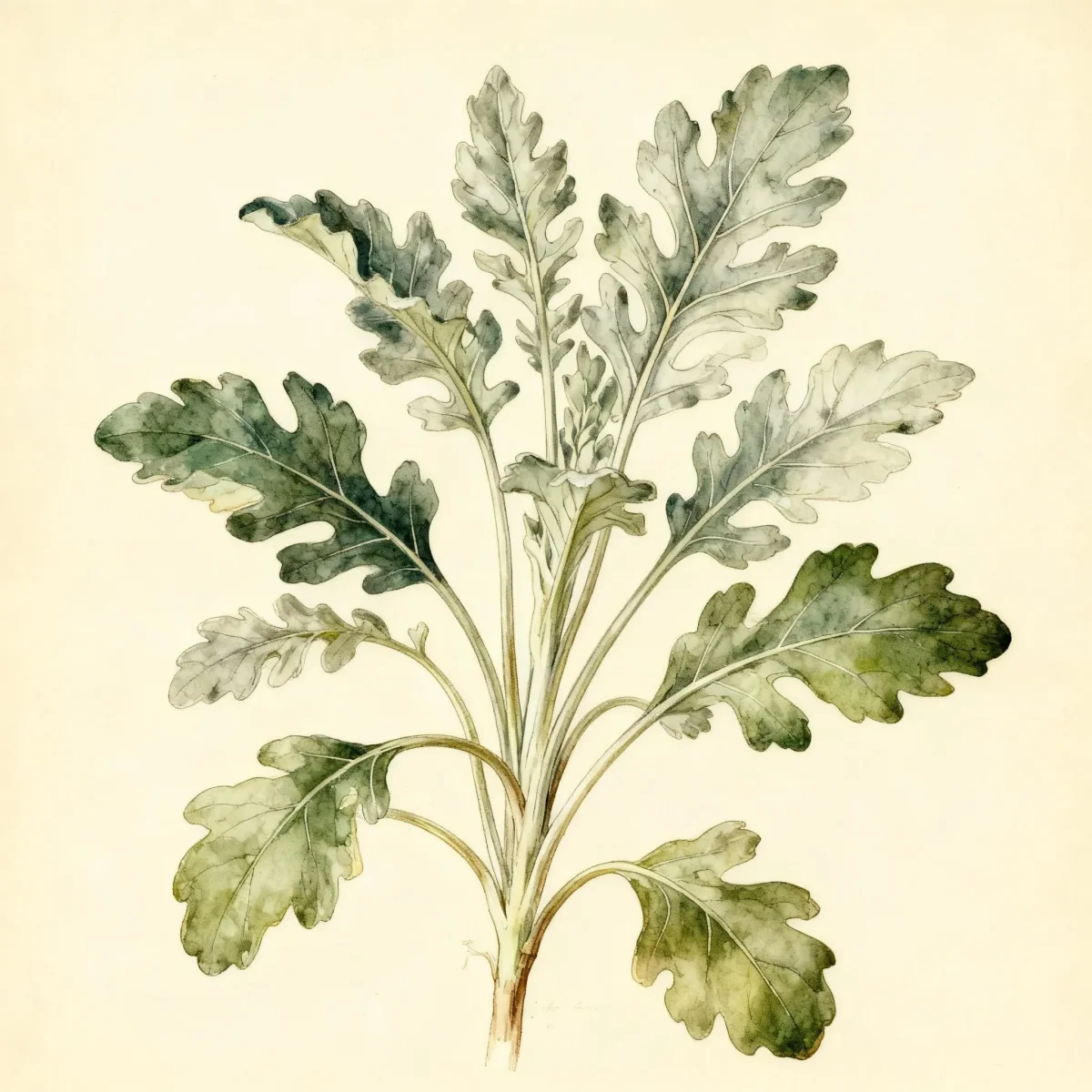
Tanacetum haradjanii, commonly called tansy, silver tansy or silverlace tansy, is an aromatic, mat-forming, woody-based perennial that grows to 4-6” tall but spreads over time to 2’ wide or more. Where winter hardy, this plant is primarily grown for its attractive, feathery, finely-divided, silver-gray, oblong-elliptic to ovate leaves (to 2” long) which form a compact spreading mound. Small rayless tubular yellow flowers bloom in summer on stems rising above the foliage mound.
Tolerances
- Dry Soil
Potential Problems
Overall, Tanacetum haradjanii enjoys a reputation for being relatively free of serious insect or disease problems, contributing to its low maintenance appeal. However, in hot, dry periods, especially if air circulation is poor, spider mites can occasionally become problematic.
Management of spider mites usually involves regular inspection of the undersides of the silvery leaves. If an infestation is detected, a strong jet of water from a hose can physically dislodge many pests. For persistent issues, horticultural oils or insecticidal soaps can be safely applied, targeting the mites directly.
Frequently Asked Questions
What hardiness zones is Tanacetum suitable for?
Tanacetum haradjanii is winter hardy across USDA Zones 8 through 10, allowing it to maintain its evergreen foliage status in those warmer regions.
How large does Tanacetum grow?
This perennial typically reaches a height between 0.25 and 0.5 feet tall, spreading outwards to cover an area between 1 and 2 feet wide over time.
What sun exposure does Tanacetum haradjanii need?
This plant requires full sun to develop its best coloration and most compact form, although it can tolerate very light shade without significant decline.
When does Tanacetum bloom?
You can expect the small, yellow flowers of Tanacetum haradjanii to appear during the peak summer months, specifically from July through August.
Conclusion
The striking, silvery foliage of Tanacetum haradjanii ensures it remains a focal point in even the driest garden settings. Its adaptability to poor, well-drained soils and its low stature make this Tanacetum an essential ingredient for textural contrast and low-growing ground cover solutions. Before planting, confirm your garden falls within USDA Zones 8-10 for the best success with this drought-tolerant perennial.
Companion Planting
When designing beds around Tanacetum haradjanii, select neighboring plants that thrive in full sun and dry to medium moisture conditions. Excellent companions include low-growing Sedums, hardy Lavender varieties, or Artemisia species, all of which share a similar drought tolerance and appreciation for high light levels.
Grouping the silver foliage of Tanacetum with dark-leaved plants, such as dark-leafed Ajuga or purple-flowered Thyme, creates high-contrast vignettes, perfect for Mediterranean or xeriscaping themes. Since Tanacetum haradjanii spreads slowly, ensure companions are not overly aggressive competitors, as the Tanacetum prefers to define its own space without being overrun.
Propagation Tips
Propagation of this hardy perennial is straightforward, primarily achieved through stem rooting or division. Because stems may root where they contact the ground, taking cuttings is simple in spring or early summer. Select non-flowering stems, trim them if necessary, and place cuttings directly into well-draining, gritty soil in a partially shaded area until roots develop.
Division is best performed in early spring, just as new growth begins to emerge. Carefully lift and divide the woody-based crowns into sections, ensuring each division has adequate roots and silvery foliage attached. Replant these sections immediately into prepared, sunny locations to establish the new Tanacetum plants quickly.