
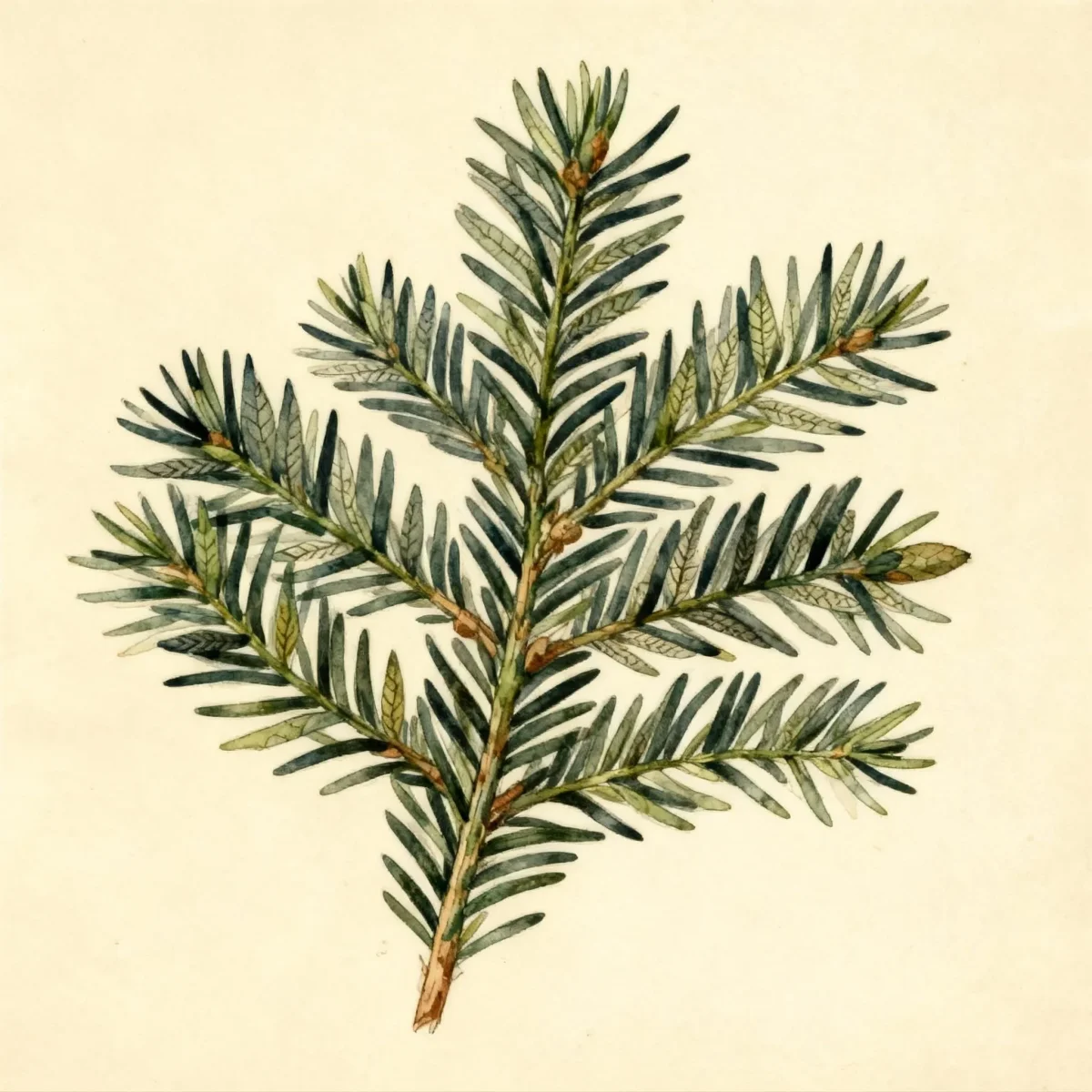
Yew (Taxus × media 'Gwen')
Taxus × media 'Gwen' Yew is a compact needled evergreen perfect for low-maintenance hedging in Zones 4-7.
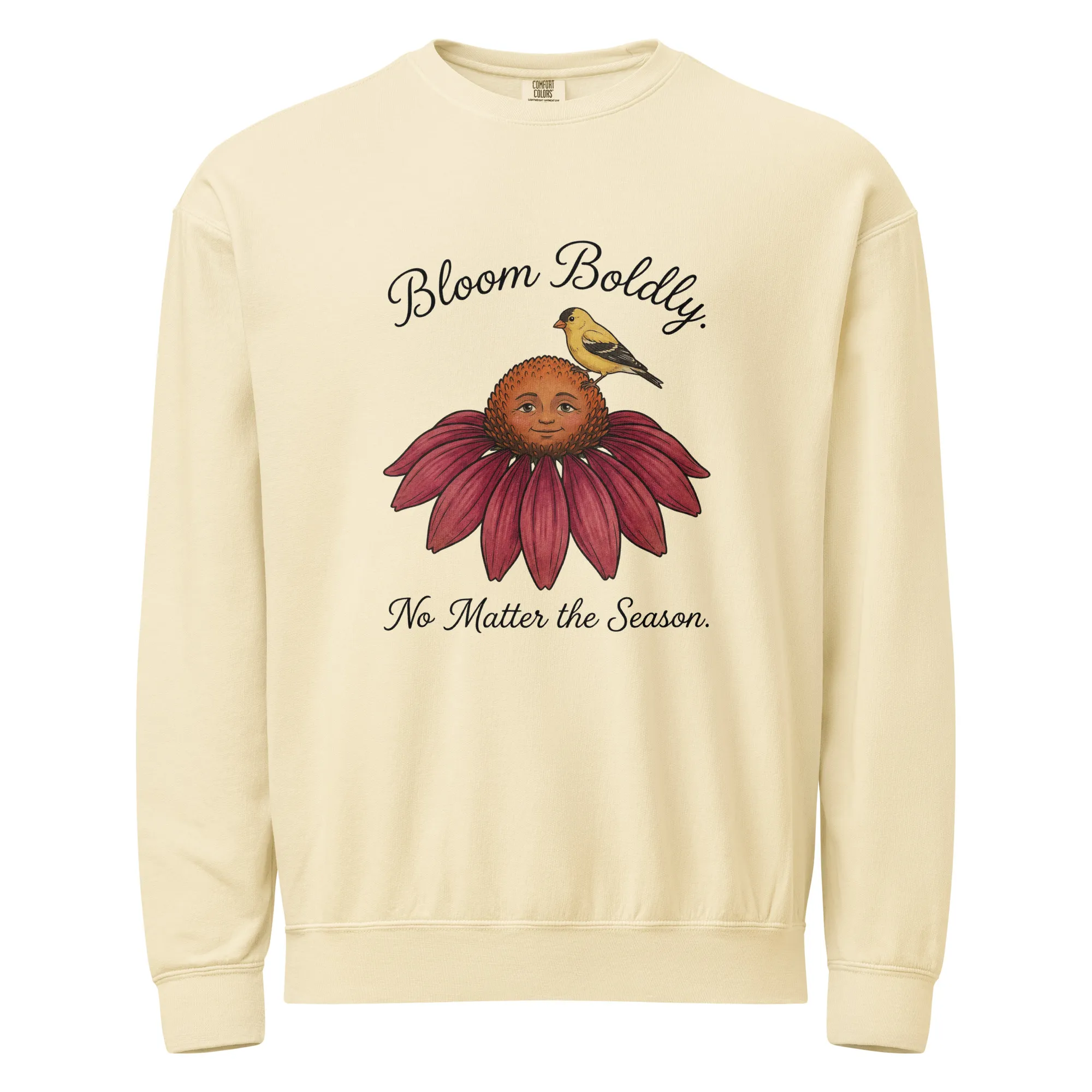
Bloom Boldly, No Matter the Season - Sweatshirt
Cozy organic cotton sweatshirt featuring our exclusive Purple Coneflower design. Perfect for gardeners who bloom year-round.
Inspired by the beautiful Yew
Limited first batch (50) — join the waitlist for early access
Waitlist closes Feb 15, 2026.
Complete Plant Information
Field Guide Continues
Ready for care notes, companion picks, and planting tips?
The map is just the start. The full guide below covers growth habits, seasonal performance, and landscape uses.
Overview
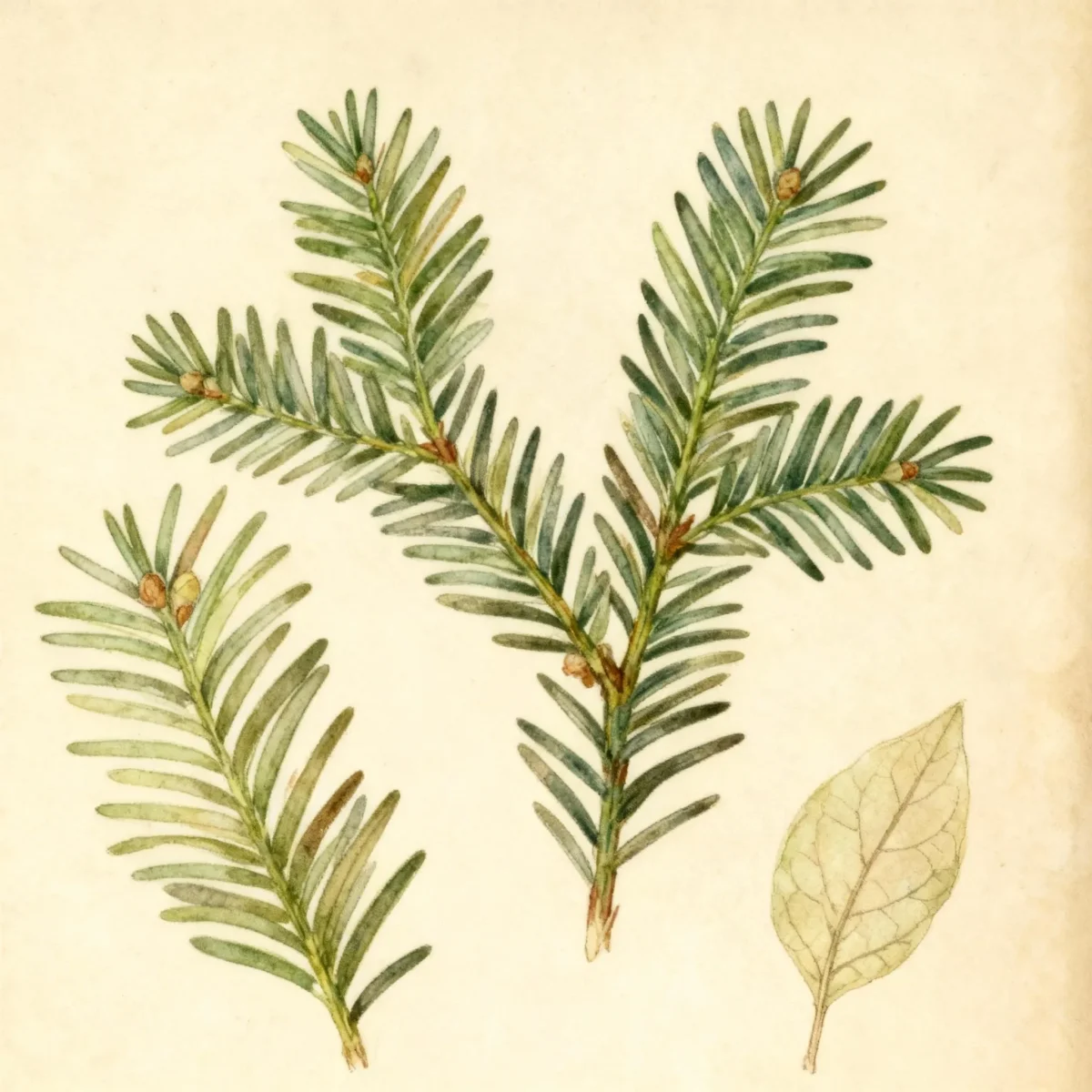
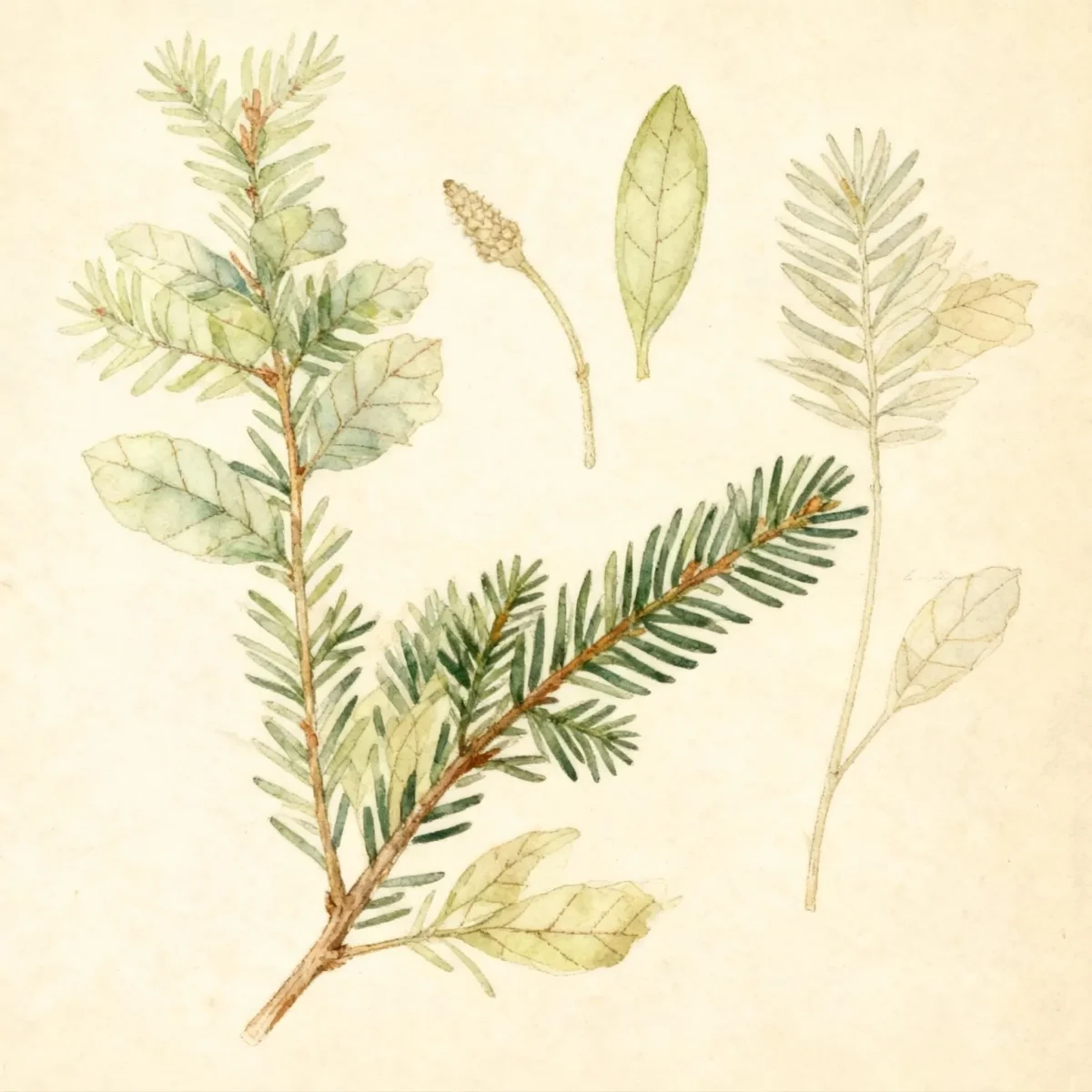
The Taxus × media ‘Gwen’ cultivar represents an excellent compromise between two parent species, offering the ornamental beauty of the English Yew with enhanced winter hardiness. This needled evergreen is highly valued by gardeners for its dense, glossy dark green foliage which remains attractive year-round, making it a reliable structural plant in any landscape design. Its compact and wide-spreading habit ensures it fits neatly into defined spaces without becoming overly aggressive.
As a hybrid Yew, Taxus × media ‘Gwen’ offers low maintenance combined with significant versatility. It is particularly noted for being an excellent evergreen choice specifically for utilizing shady conditions where many other conifers struggle. Gardeners appreciate its tolerance for urban environments and its responsiveness to pruning, making it ideal for shaping.
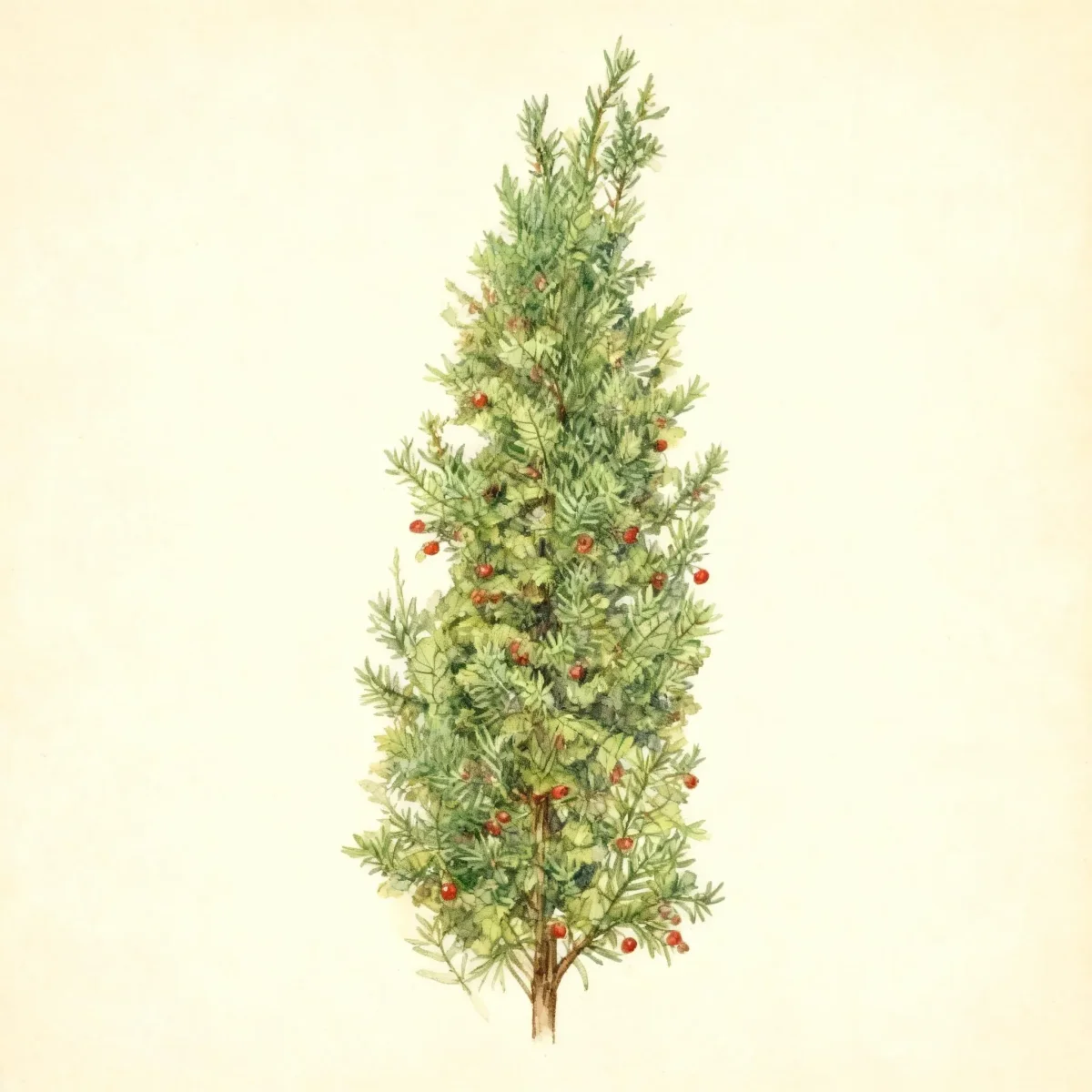
This specific cultivar typically matures into a low, spreading mound, rarely exceeding four feet in height while spreading closer to five feet wide. This characteristic makes the Taxus × media ‘Gwen’ an essential component for foundational plantings or creating uniform, durable hedges where consistent size control is necessary.
Fast Facts
- Plant Family: Taxaceae
- Plant Type: Needled evergreen
- Hardiness Zones: USDA Zones 4-7
- Size at Maturity:
- Height: 3-4 ft
- Spread: 4-5 ft
- Bloom Time: Non-flowering
- Bloom Description: Non-flowering
- Sun Exposure: Full sun to part shade
- Water Needs: Medium
- Maintenance Level: Low
How to Grow
Planting Taxus × media ‘Gwen’ is best achieved in early spring or fall, allowing the roots time to establish before extreme summer heat or winter cold arrives. This Yew thrives in average soils, provided they are well-drained. While it prefers moist, sandy loams, extreme wet conditions must be avoided as they quickly lead to root rot issues. Site your planting location where it receives full sun to partial shade; it is an excellent choice for deep shade.
Care for this Yew generally involves providing medium water, especially during dry spells while the plant is young. Once established, its drought tolerance increases, though consistent moisture without saturation is key. Fertilizing is rarely required if the soil is adequate. The most important cultural practice involves pruning; the Taxus × media ‘Gwen’ accepts shearing and shaping exceptionally well.
Pruning should preferably be done annually in early spring, just before the new growth begins to emerge. This timing allows the plant to recover quickly and display its fresh foliage. Always ensure your chosen site offers protection from harsh, cold winter winds to minimize the risk of aesthetic damage like winter burn on the needles.
Landscape Uses
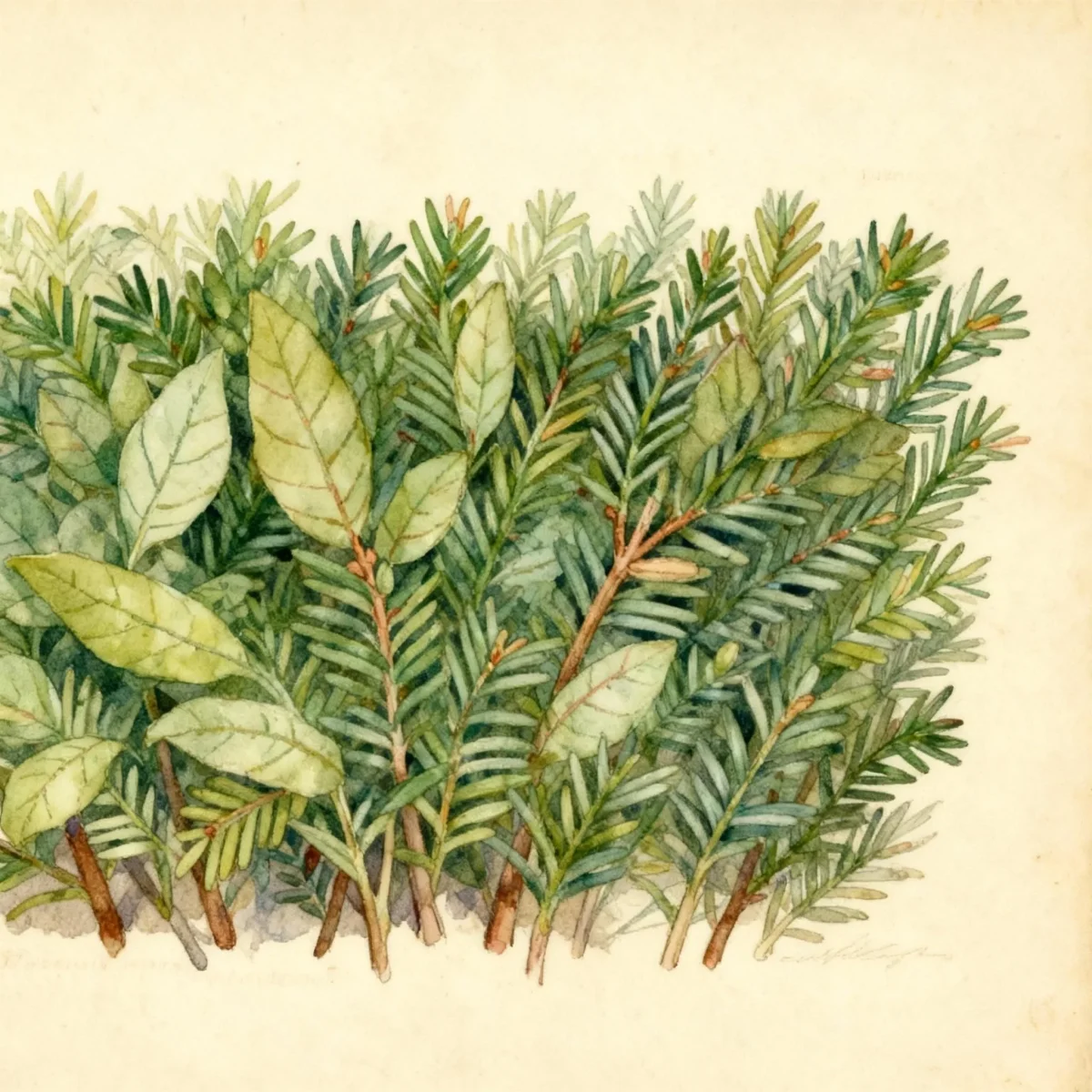
The primary role of the Taxus × media ‘Gwen’ in the landscape is functional and structural, fitting beautifully into formal or informal designs. Its dense growth pattern makes it an unrivaled choice for creating low hedges, neatly defining property lines or pathways where its compact nature is beneficial. Furthermore, it serves effectively as a low foundation planting, softening the transition between a building and the surrounding lawn or garden beds.
Use this reliable Yew in shrub borders where its year-round dark green color provides a crucial backdrop for seasonal flowering perennials or annuals. Because it tolerates heavy shade, it integrates perfectly into woodland edge plantings alongside hostas or ferns that share similar moisture and light preferences. Its reliable structure ensures visual interest even when surrounding herbaceous plants are dormant.
Standout Features
Noteworthy Characteristics
Taxus × media is a hybrid designation for a large number of shrubby, often wide-spreading crosses of English yew (Taxus baccata) and Japanese yew (Taxus cuspidata). These hybrids are noted for combining the ornamental excellence of English yew with the winter hardiness of Japanese yew. Although primarily resembling T. Cuspitata in appearance, the various hybrid cultivars can vary considerably in size and character. ‘Gwen’ is a compact spreading form that typically matures to 4’ tall and 5’ wide, featuring glossy dark green foliage that remains attractive throughout the year.
Tolerances
- Rabbit
- Drought
- Heavy Shade
Potential Problems
The Taxus × media ‘Gwen’ is generally robust, but gardeners should watch for several key issues related to site selection and pests. Susceptibility to winter burn is notable, especially if the plant is situated in an exposed location where it faces desiccating winter winds without adequate snow cover. To mitigate this, site selection near a windbreak is advised.
Fungal issues such as twig blight and needle blight can occasionally affect the foliage, usually due to excess moisture or very dense growth hindering air circulation. Proper pruning to open up the canopy can often assist in management. Equally critical is drainage; root rot is a significant risk if the soil remains waterlogged, reaffirming the need for well-drained soil.
Pest-wise, weevils, mealybugs, and scale insects may appear in certain regions. Regular, close inspection, particularly on the underside of the needles, allows for early intervention with appropriate horticultural oils or insecticides if populations become problematic for your Yew.
Frequently Asked Questions
What hardiness zones is Yew suitable for?
The Taxus × media ‘Gwen’ Yew is suitable for USDA Hardiness Zones 4 through 7.
How large does Taxus × media ‘Gwen’ grow?
It typically achieves a mature height between 3 to 4 feet tall and spreads to a width of 4 to 5 feet.
What sun exposure does Yew need?
This Yew prefers anywhere from full sun down to partial shade, making it quite adaptable to various light conditions.
When does Yew bloom?
Taxus × media ‘Gwen’ is non-flowering; it does not produce traditional garden blooms.
Conclusion
The Taxus × media ‘Gwen’ Yew delivers outstanding year-round structure, low maintenance, and excellent shade tolerance, making it a crucial evergreen for hedging and foundational use across Zones 4-7. By ensuring excellent soil drainage and paying attention to winter wind exposure, this reliable shrub will provide deep green texture for decades. Plan your installation during the cooler shoulder seasons to ensure the best establishment for your new Taxus × media ‘Gwen’ hedge.
Companion Planting with Yew
When selecting companions for your Taxus × media ‘Gwen’, prioritize plants that enjoy similar light and soil conditions, particularly medium moisture and well-drained soil. Plants that thrive in part shade, such as Hellebores (Helleborus spp.) or Impatiens for seasonal color, contrast beautifully with the dark, fine texture of the Yew. For structural companions that offer brighter foliage, consider Japanese Forest Grass (Hakonechloa macra), whose mounding habits complement the spreading nature of the Yew without competing heavily for root space.
Hostas offer fantastic textural variation throughout the summer and perform well under the dappled shade areas where this Yew shines. When planning a hedge, maintain adequate space between the Taxus × media ‘Gwen’ and its neighbors to ensure good air circulation, which is vital for preventing potential fungal issues mentioned previously.
Seasonal Care Calendar for Taxus × media ‘Gwen’
Caring for your Yew involves targeting specific tasks throughout the year to maintain its dense form. Late Winter/Early Spring is the ideal window for the most aggressive pruning of the Taxus × media ‘Gwen’. Shear or prune before the new growth candles look too prominent.
In Late Spring through Summer, focus on monitoring moisture levels, especially if you have recently planted. While established plants are drought-tolerant, deeply water during prolonged dry spells to support the medium water needs. Disregard fertilization unless soil tests indicate severe deficiency.
Autumn care centers around preparation for winter stress. Do not apply fresh fertilizer late in the season, as this encourages tender new growth susceptible to damage. In areas prone to harsh, dry winters, consider applying an anti-desiccant spray near the base of the plant before the ground freezes to help protect the evergreen needles from winter burn.