Yew (Taxus × media 'Taunton')
Taxus × media 'Taunton' is a low-maintenance, spreading Yew, perfect for shade and established hedges in USDA Zones 4-8.

Bloom Boldly, No Matter the Season - Sweatshirt
Cozy organic cotton sweatshirt featuring our exclusive Purple Coneflower design. Perfect for gardeners who bloom year-round.
Inspired by the beautiful Yew
Limited first batch (50) — join the waitlist for early access
Waitlist closes Feb 15, 2026.
Complete Plant Information
Field Guide Continues
Ready for care notes, companion picks, and planting tips?
The map is just the start. The full guide below covers growth habits, seasonal performance, and landscape uses.
Overview
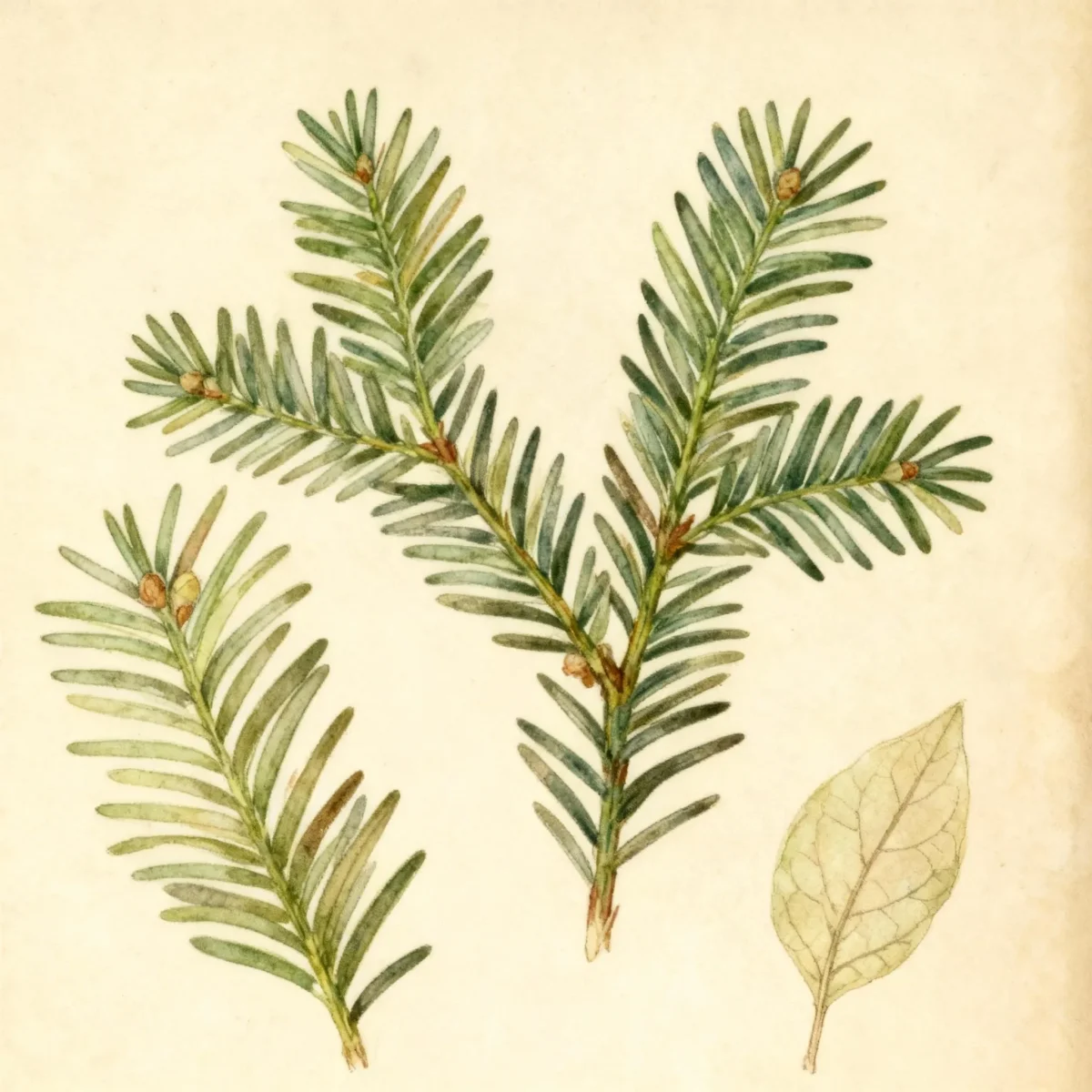
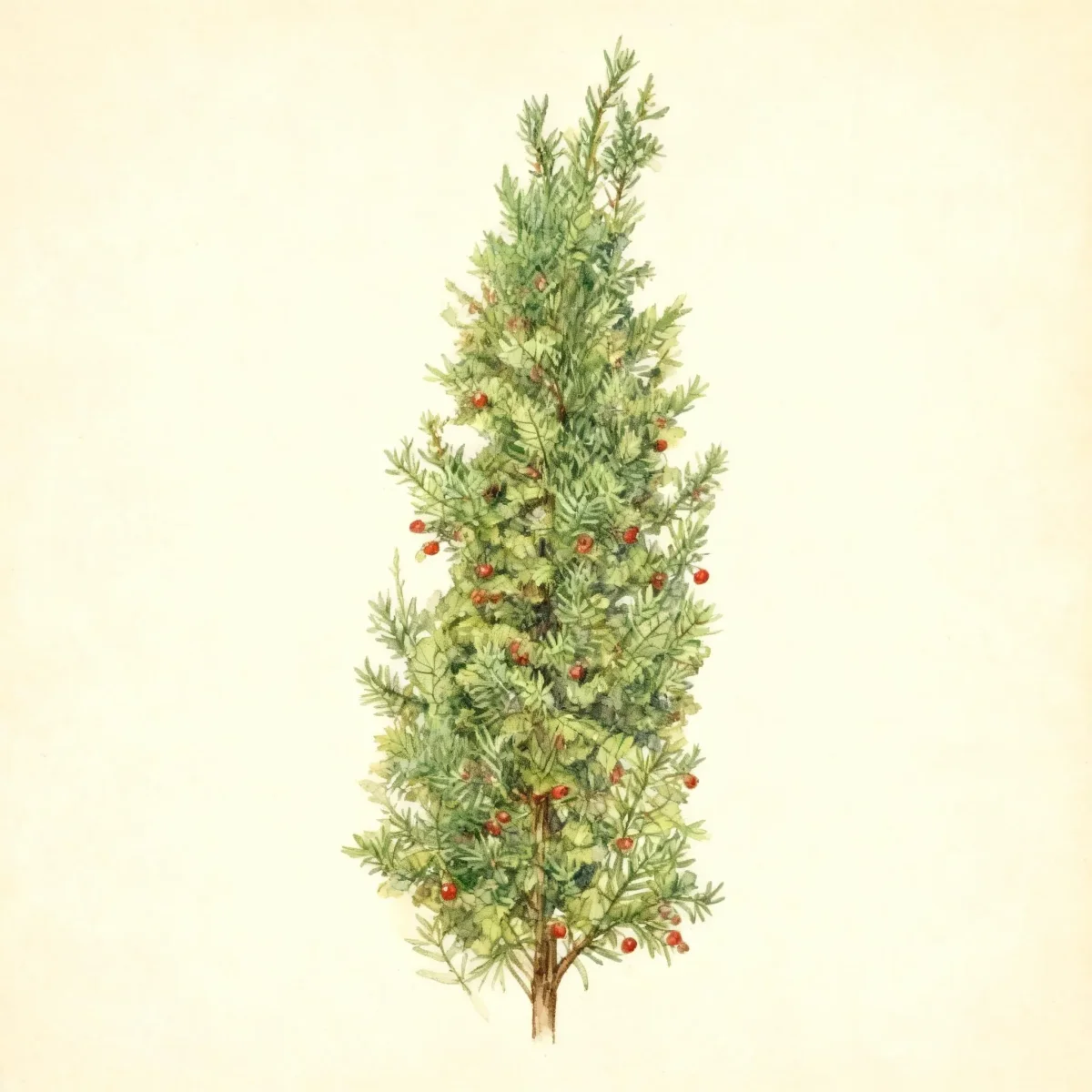
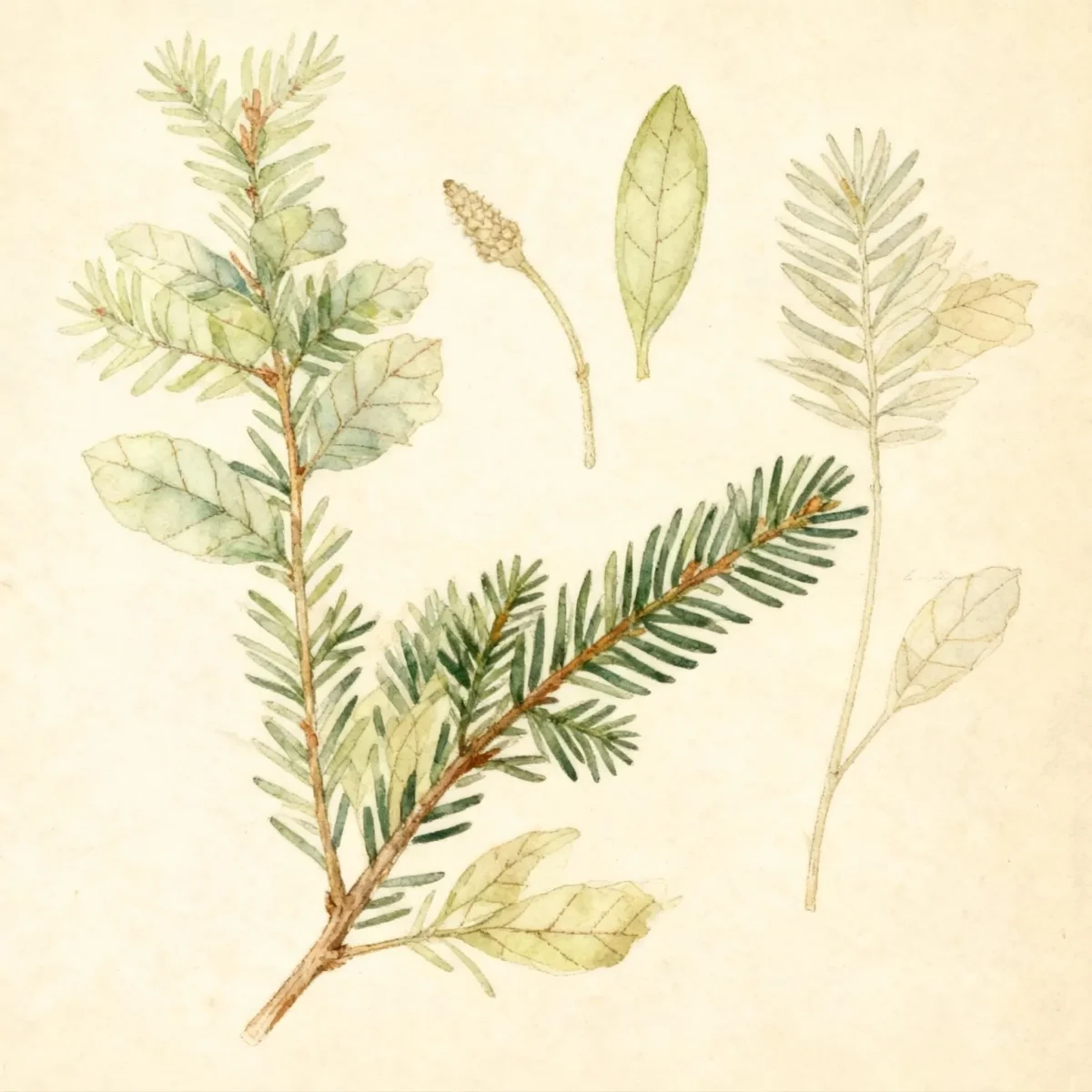
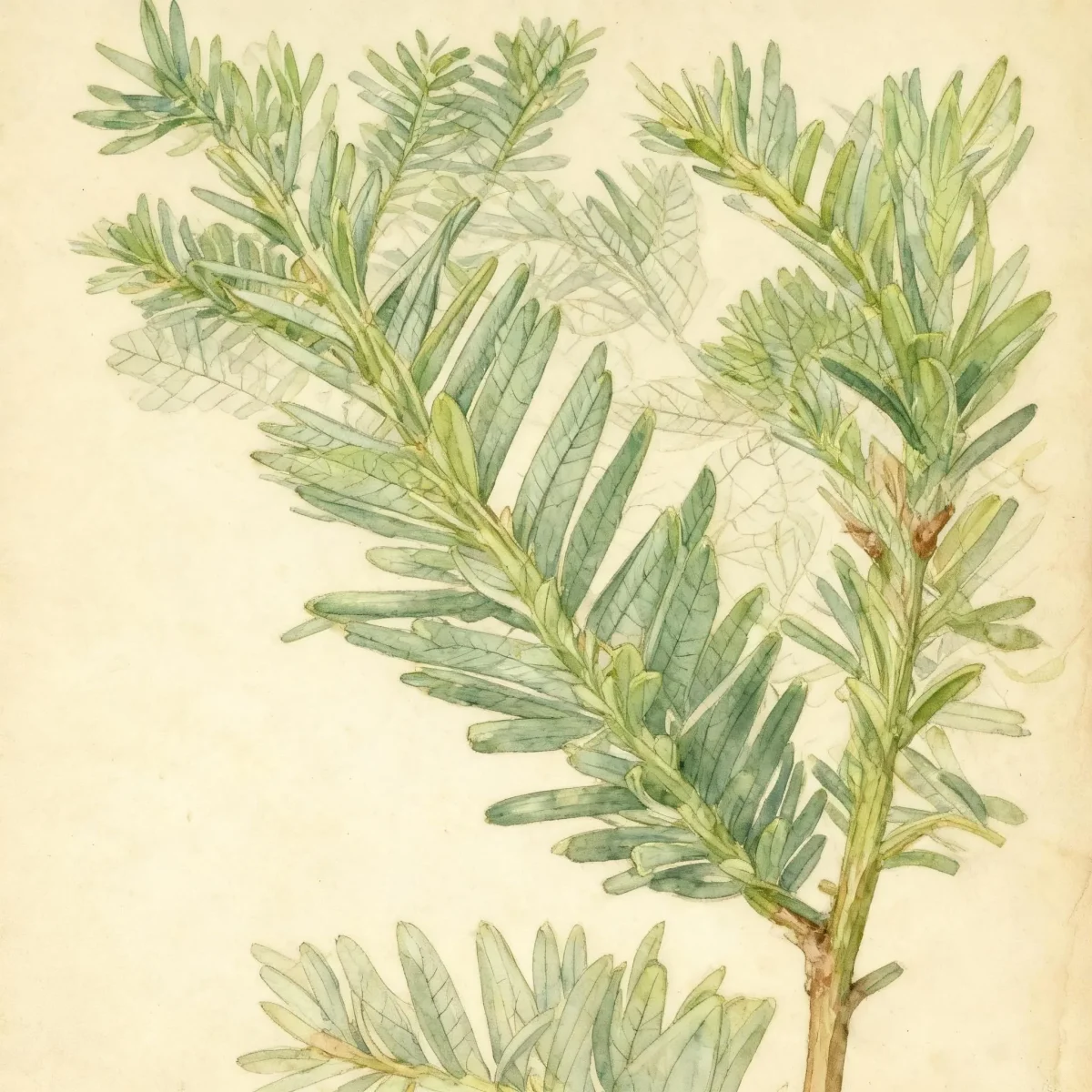
The Taxus × media ‘Taunton’, commonly known as the Yew, is a highly valued hybrid evergreen, blending the ornamental appeal of English Yew with the robust winter hardiness of the Japanese Yew. This specific cultivar forms a dense, dwarf, and gracefully spreading mound, making it exceptionally reliable for year-round structure in the garden setting. Gardeners appreciate this plant for its deep, year-round green foliage and its inherently low maintenance requirements once established.
A key benefit of choosing Taxus × media ‘Taunton’ is its remarkable adaptability, tolerating heavy shade where many other evergreens struggle. While it performs best in full sun to part shade, its tolerance allows for flexible placement bordering foundation plantings or along woodland edges. This spreading Yew retains an attractive shape with minimal intervention, providing consistent texture and color through every season.
Functionally, the Yew excels as a durable foundation piece or low border. Its dense branching makes it an excellent screen or hedge, and it handles pruning and shearing adeptly when formal shapes are desired. Providing striking visual contrast against lighter foliage, this cultivar offers dependable performance for low-stress landscaping.
Fast Facts
- Plant Family: Taxaceae
- Plant Type: Needled evergreen
- Hardiness Zones: USDA Zones 4-8
- Size at Maturity:
- Height: 3-4 ft
- Spread: 3-5 ft
- Bloom Time: Non-flowering
- Bloom Description: Non-flowering
- Sun Exposure: Full sun to part shade
- Water Needs: Medium
- Maintenance Level: Low
How to Grow
Planting Taxus × media ‘Taunton’ is ideally done in spring or fall when temperatures are mild. Ensure the location offers excellent soil drainage, as Yews have absolutely no tolerance for wet conditions, which can quickly lead to root rot. These plants establish well in average, medium-moisture soils, though they prefer moist, sandy loams. Good drainage is the single most crucial factor for long-term health.
Ongoing care for this Yew is straightforward: maintain medium moisture levels, especially during dry periods, but allow the soil to dry slightly between waterings. Fertilizing is generally unnecessary unless the soil is severely lacking. Pruning and shearing should be performed smartly in early spring, just before new seasonal growth emerges, to maintain desired size and habit.
This robust hybrid tolerates urban environments well, but best siting includes protection from harsh, cold winter winds which can lead to winter burn on the tips of the needles. Because it accepts heavy shearing, the Taxus × media ‘Taunton’ is highly amenable to formal shaping or keeping tight as a formal hedge.
Landscape Uses
The compact, spreading habit of the Taxus × media ‘Taunton’ makes it an outstanding choice for low foundation plantings where a sprawling, non-intrusive shape is needed. It is frequently specified as a choice for creating small, neat hedges that define garden rooms without overpowering low perennial borders. Its dark green needles provide necessary visual weight and contrast when paired with lighter green shrubs or flowering perennials.
Consider this Yew for creating layered effects in shrub borders; place it in the front or middle ground due to its manageable 3 to 5-foot spread. It functions excellently as a specimen planting where its dense texture can be appreciated against pathways or open lawn areas. Its shade tolerance also allows it to bridge the transition zone between sunny flowerbeds and deeper wooded areas.
Standout Features
Fruit Qualities
- Showy
Noteworthy Characteristics
Taxus × media is a hybrid designation for a large number of shrubby, often wide-spreading crosses of English yew (Taxus baccata) and Japanese yew (Taxus cuspidata). These hybrids are noted for combining the ornamental excellence of English yew with the winter hardiness of Japanese yew. ‘Taunton’ is specifically recognized as a dwarf, spreading cultivar, typically reaching 3-4’ tall but spreading wider, up to 5’ or more over time.
Tolerances
- Rabbit
- Drought
- Heavy Shade
Potential Problems
The primary threat to this Yew often involves environmental stress. Susceptible to winter burn, the foliage can appear scorched, especially in exposed sites that receive strong winter sun and wind; ensure placement is somewhat protected. While generally healthy, watch for occasional twig blight and needle blight issues, which might require removing affected branches.
Proper soil management is critical; root rot remains a significant danger if soils are heavy or perpetually saturated—avoid low spots where water pools. Pests like weevils, mealybugs, and scale can occasionally become problematic in certain regions, necessitating early identification and targeted horticultural oil or insecticidal soap treatment.
Frequently Asked Questions
What hardiness zones is Yew suitable for?
Taxus × media ‘Taunton’ is suitable for gardeners located in USDA Hardiness Zones 4 through 8.
How large does Yew grow?
This spreading cultivar typically matures to a height between 3 and 4 feet, with a spread ranging from 3 to 5 feet wide.
What sun exposure does Taxus × media ‘Taunton’ need?
This adaptable Yew thrives in conditions ranging from full sun to significant part shade, and it is noted for tolerating heavy shade well.
When does Yew bloom?
Taxus × media ‘Taunton’ is non-flowering; it does not produce ornamental blooms but may yield small, showy, berry-like cones (arils) on female plants.
Conclusion
The durable structure and dependable year-round color offered by Taxus × media ‘Taunton’ solidify its status as an essential landscape evergreen. Its low maintenance and tolerance for shade make this hybrid Yew a practical anchor plant for diverse garden designs. Before planting, confirm your local USDA zone compatibility and ensure that your chosen site provides the necessary well-drained soil conditions for optimal growth.
Companion Planting
When pairing plants with Taxus × media ‘Taunton’, focus on species that share similar light and moisture requirements, especially tolerance for shade. Hostas (Hosta spp.) are exceptional companions, offering contrasting leaf textures and bright colors against the dark, fine needles of the Yew. Consider spreading Ajuga (Ajuga reptans) or Vinca (Vinca minor) as low-growing, shade-tolerant groundcovers beneath the spreading canopy.
For mid-sized companions, spring bloomers like Japanese Forest Grass (Hakonechloa macra) provide fine texture and movement in light shade, contrasting beautifully with the dense structure of the Yew. As this perennial evergreen accepts pruning, allow nearby deciduous shrubs to offer seasonal interest that contrasts with the unchanging green of the Taxus × media ‘Taunton’ throughout the winter months.
Design Ideas for Spreading Evergreens
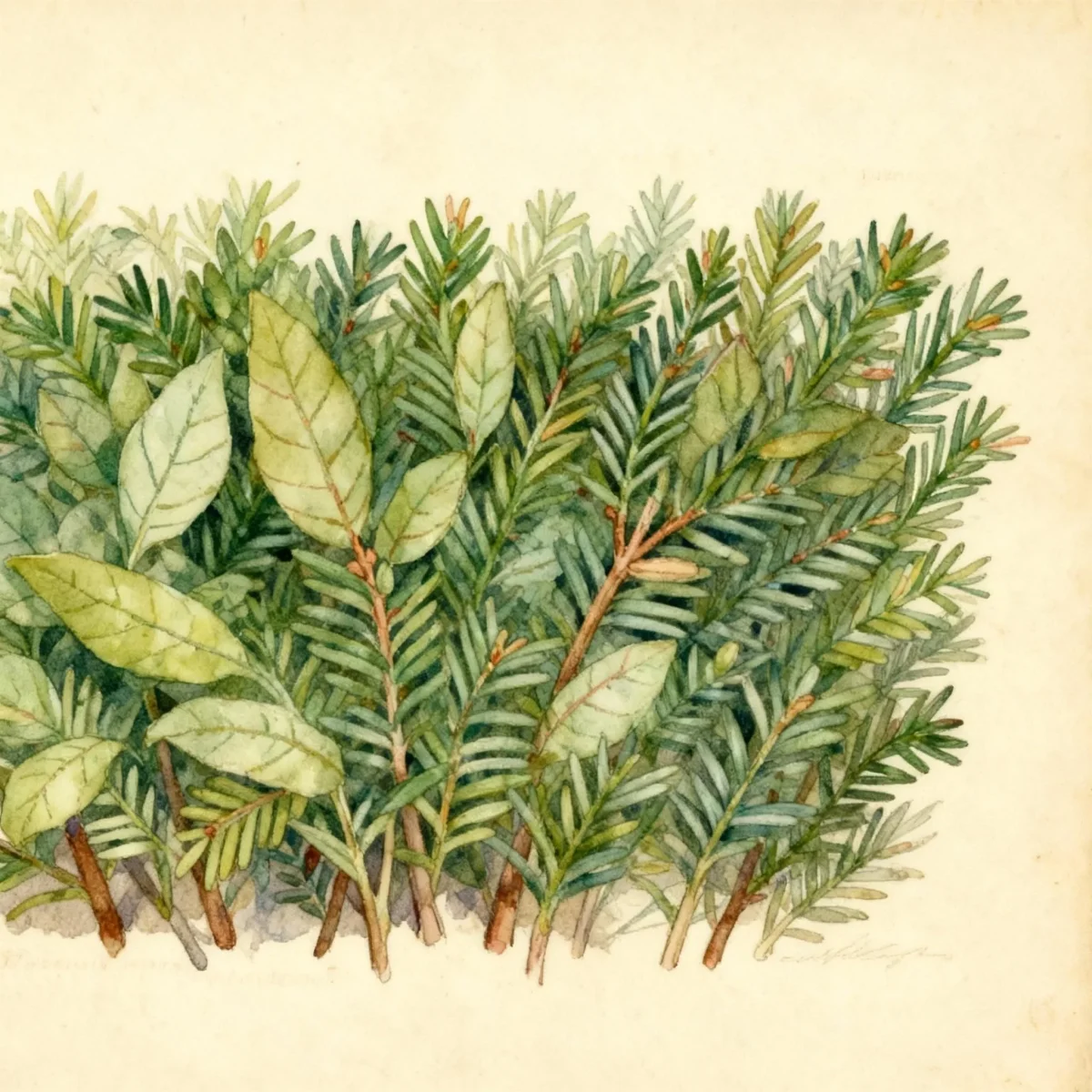
The low, spreading nature of this Yew cultivar is perfect for softening the sharp lines of hardscaping elements like retaining walls or property lines. Use it as an informal, low hedge nestled against a fence or walkway where a traditional, rigid hedge might feel too imposing. Because it spreads to 5 feet, it effectively covers large areas with minimal upkeep.
In foundation plantings, plant three or five Taxus × media ‘Taunton’ unevenly spaced in front of large windows or entryways. Their dwarf size prevents them from obscuring architectural details, while their year-round color frames the home structure. This specific Yew variety is prized because it offers excellent evergreen coverage in shady foundation spots that often remain barren.