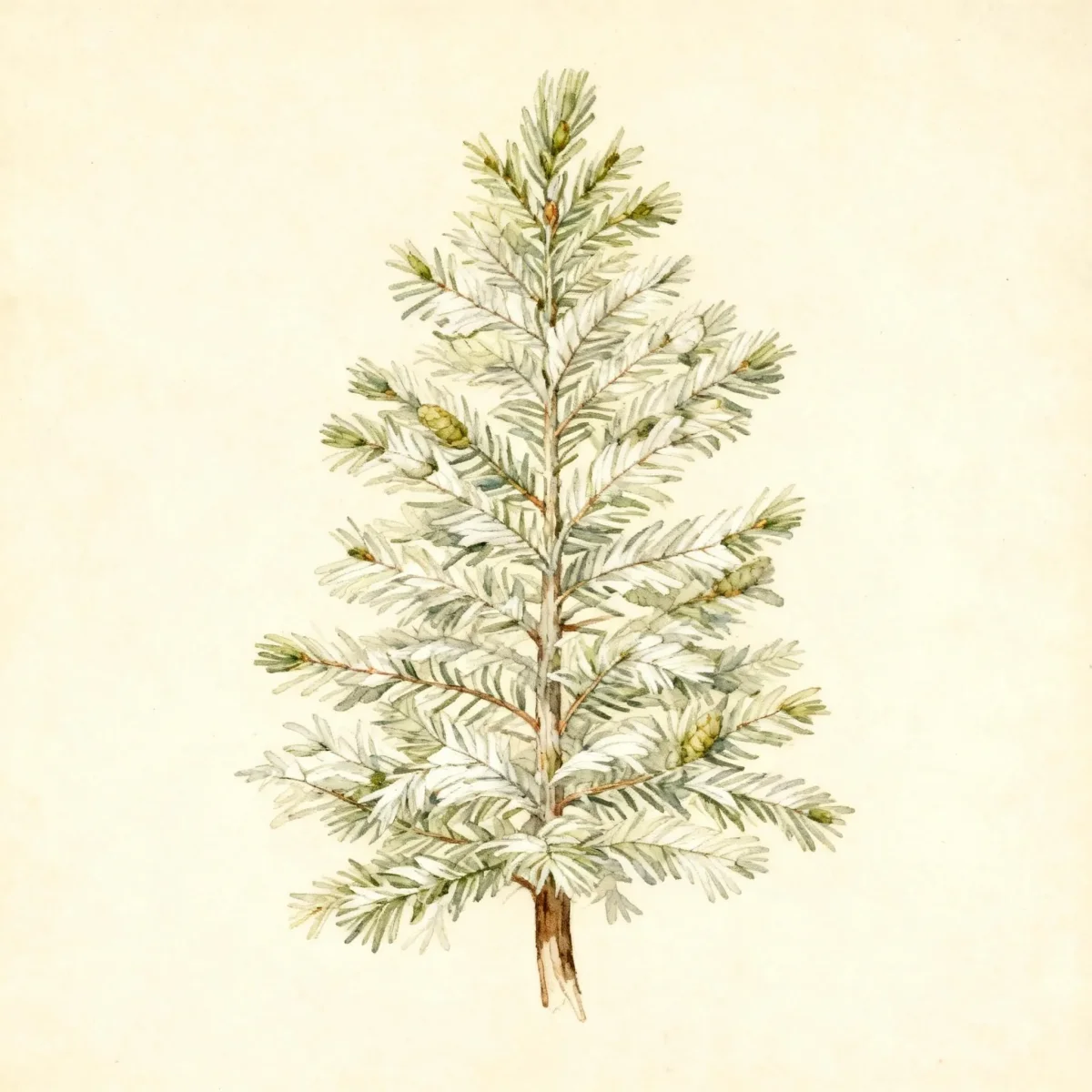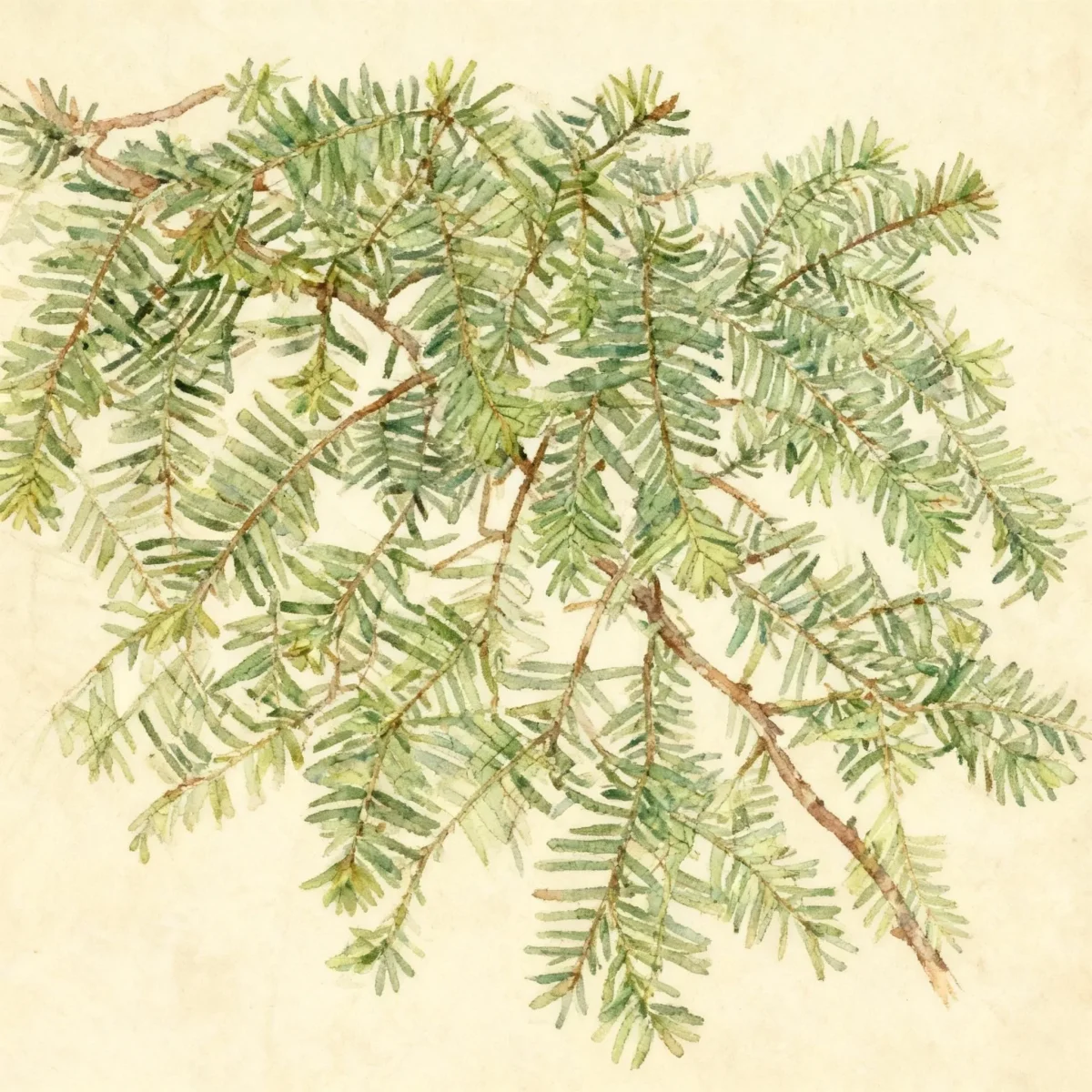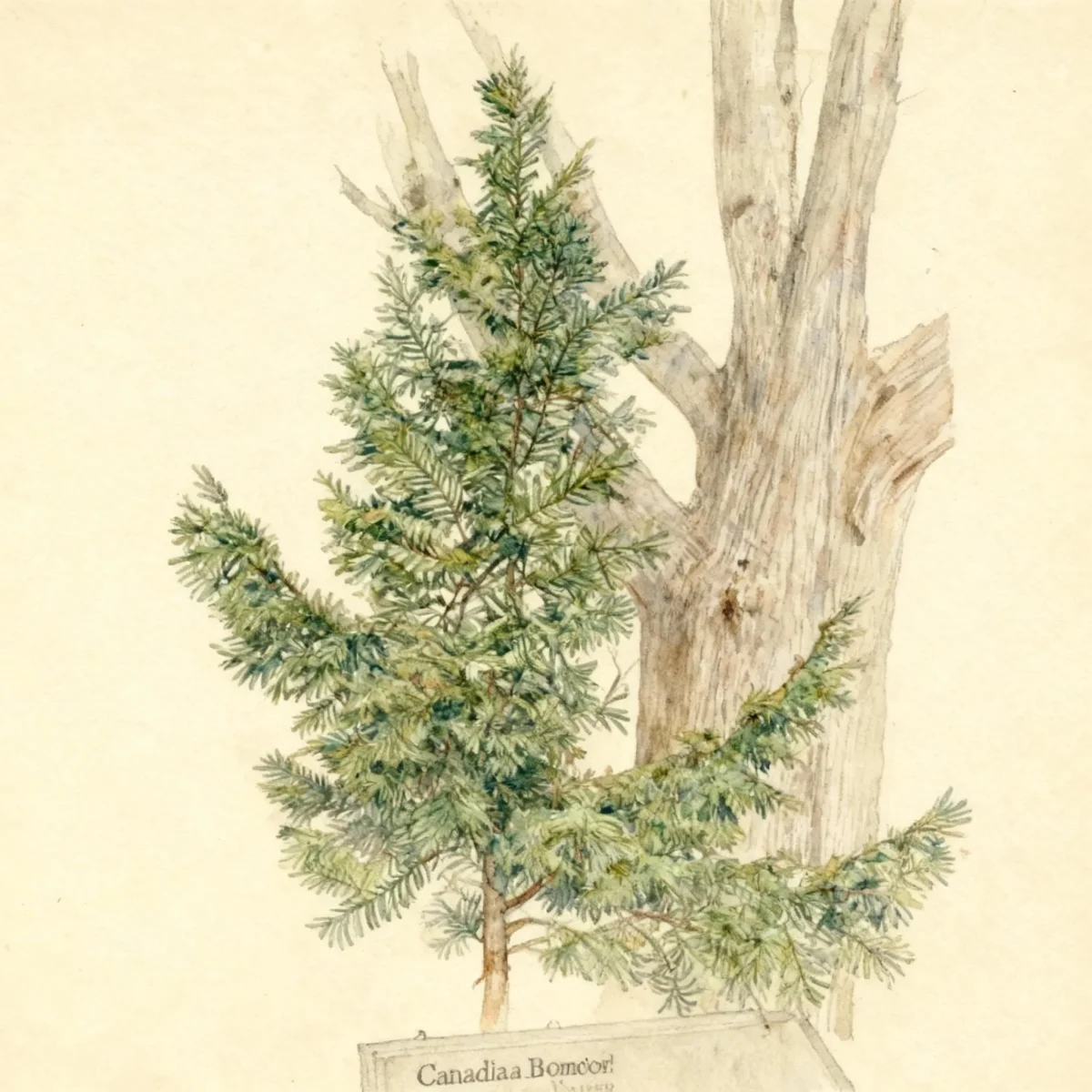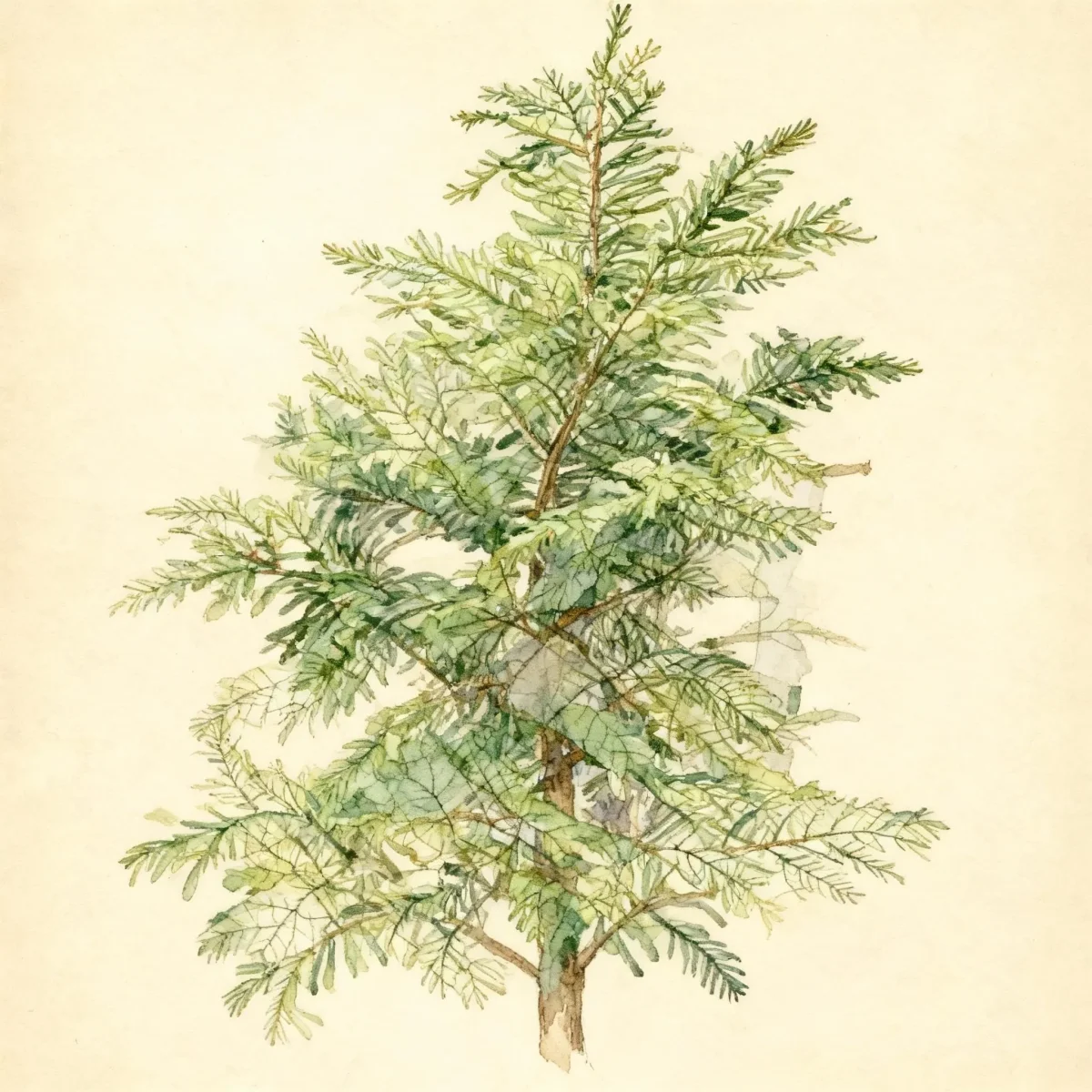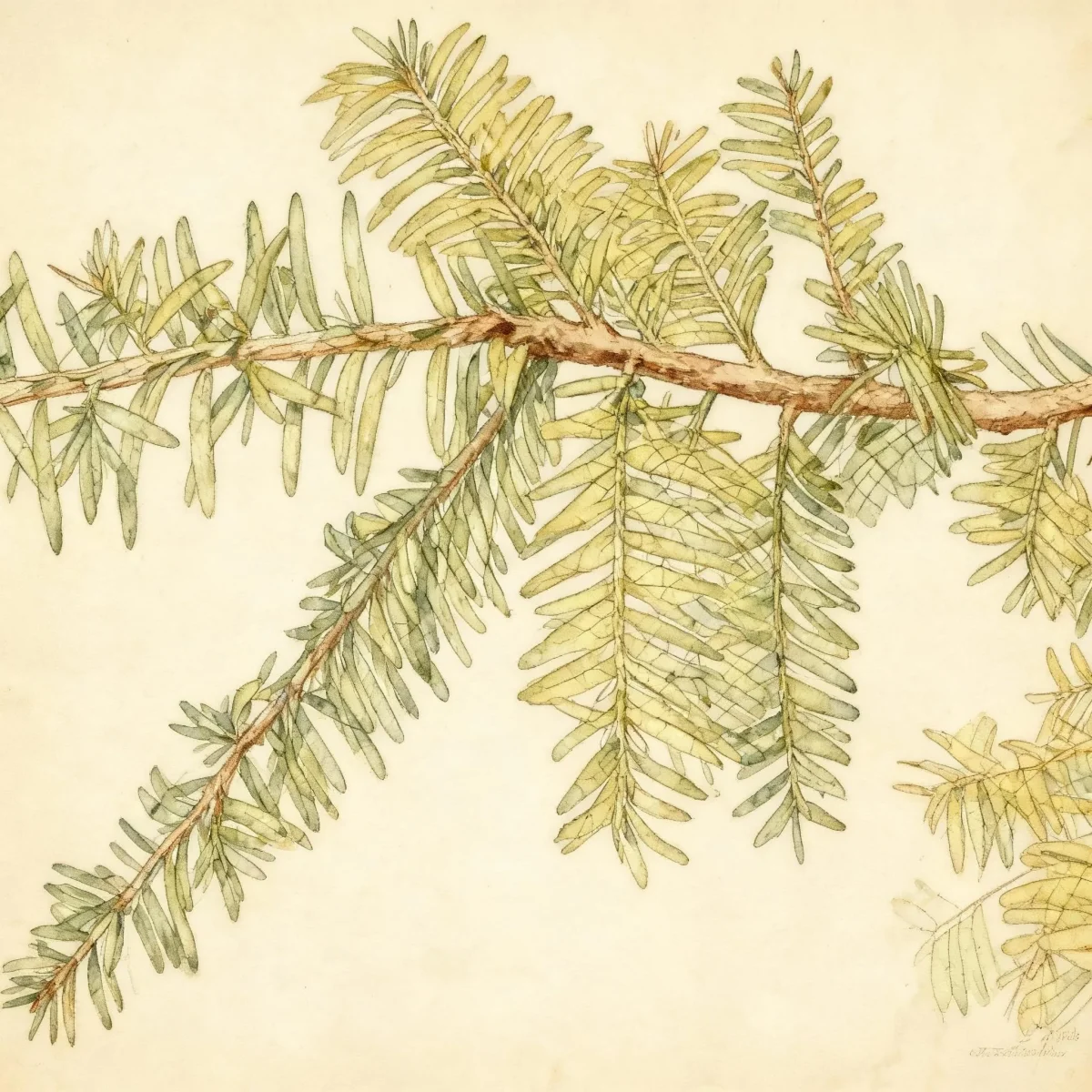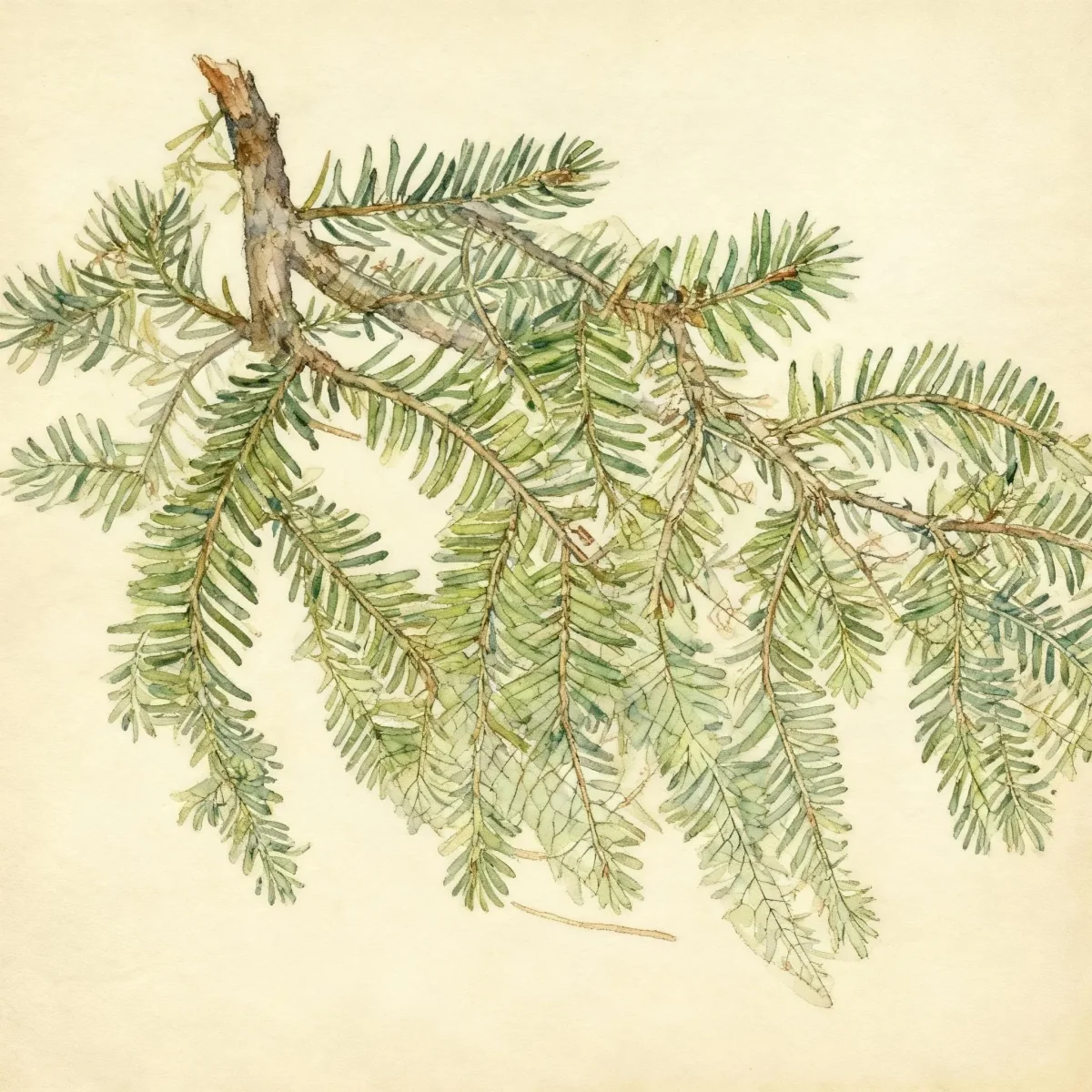

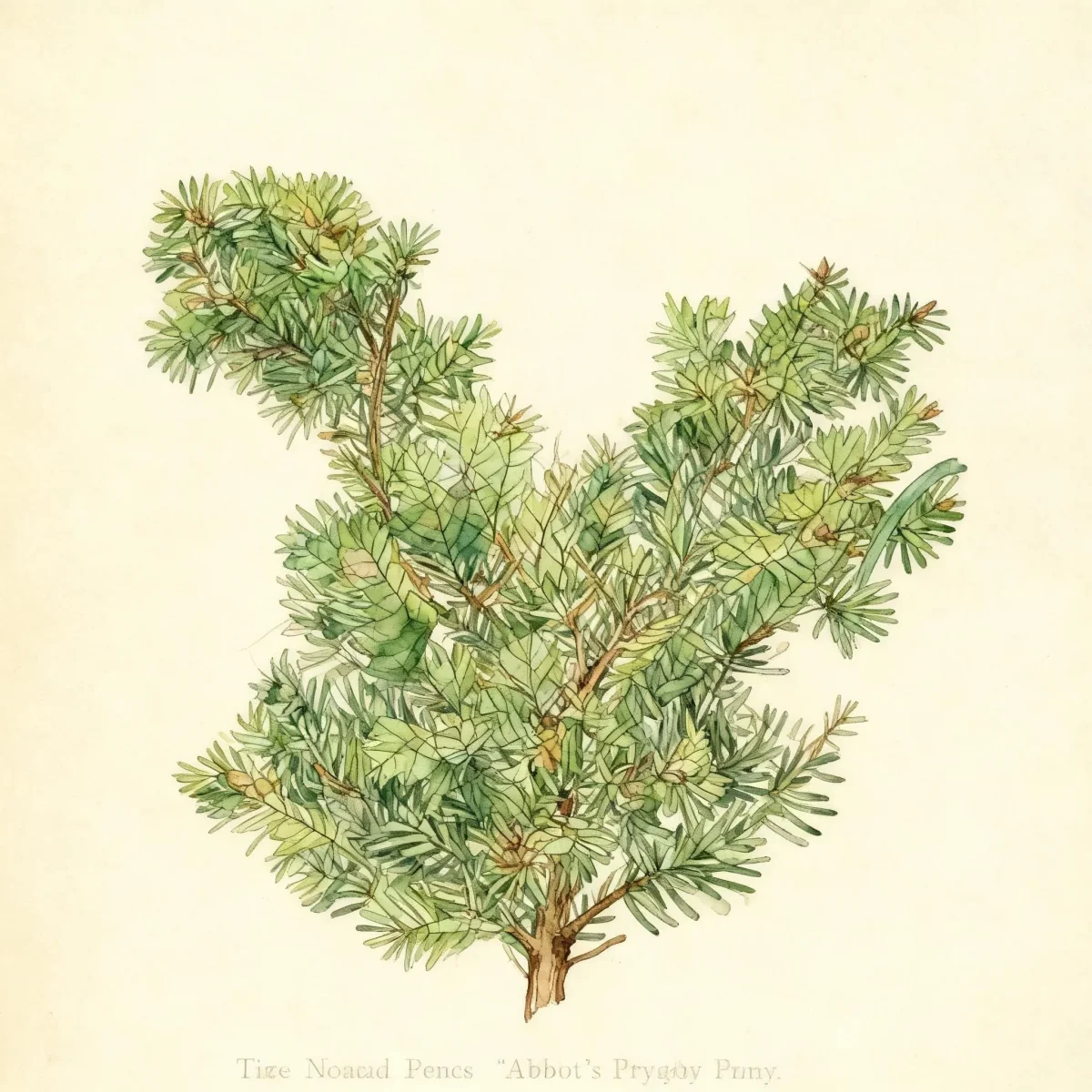
Canadian hemlock (Tsuga canadensis 'Abbott's Pygmy')
Tsuga canadensis 'Abbott's Pygmy' is a miniature, low-maintenance Canadian hemlock perfect for rock gardens in Zones 4-7.
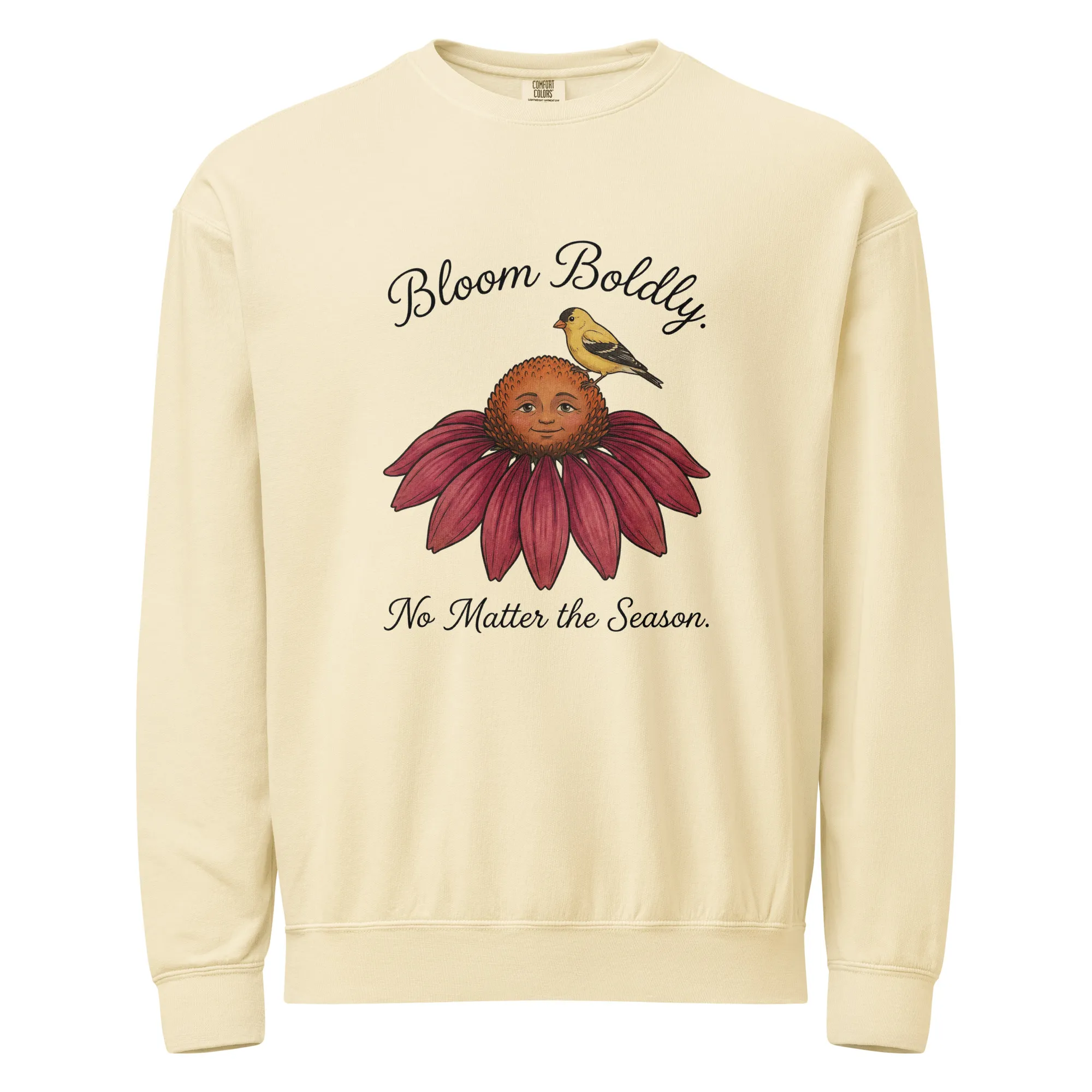
Bloom Boldly, No Matter the Season - Sweatshirt
Cozy organic cotton sweatshirt featuring our exclusive Purple Coneflower design. Perfect for gardeners who bloom year-round.
Inspired by the beautiful Canadian hemlock
Limited first batch (50) — join the waitlist for early access
Waitlist closes Feb 15, 2026.
Complete Plant Information
Field Guide Continues
Ready for care notes, companion picks, and planting tips?
The map is just the start. The full guide below covers growth habits, seasonal performance, and landscape uses.
Overview
Tsuga canadensis ‘Abbott’s Pygmy’ is an outstanding dwarf cultivar prized for its miniature, globe-shaped habit, making it a standout accent in small landscapes. This variety retains the graceful, lacy texture characteristic of the larger Canadian hemlock while occupying minimal space. It offers year-round deep green color, providing essential structure in formal or informal garden designs.
As a true needled evergreen, this cultivar requires consistent moisture but is incredibly low maintenance once established. Gardeners appreciate its adaptability to significant shade, allowing it to thrive where many conifers struggle. This specific form of Canadian hemlock is one of the smallest available, rarely exceeding 1.5 feet in height and spread.
This cultivar is an excellent choice for gardeners seeking the elegance of the eastern hemlock in a highly manageable size. Its dense, low profile is perfect for softening hardscape edges or acting as a solitary specimen in a container or trough garden. Plan placement carefully to exploit its shade tolerance and protect it from intense, drying winds.
Fast Facts
- Plant Family: Pinaceae
- Plant Type: Needled evergreen
- Hardiness Zones: USDA Zones 4-7
- Size at Maturity:
- Height: 1-1.5 ft
- Spread: 1-1.5 ft
- Bloom Time: Non-flowering
- Bloom Description: Non-flowering
- Sun Exposure: Part shade to full shade
- Water Needs: Medium
- Maintenance Level: Low
How to Grow
Planting Tsuga canadensis ‘Abbott’s Pygmy’ is best done in spring or early fall to allow root establishment before temperature extremes. Ensure the location provides average, well-drained soil; while it tolerates varied conditions, drainage is paramount to prevent root issues. Site this diminutive Canadian hemlock in partial to full shade, ideally away from harsh, drying winds.
Watering should be consistent, meeting its medium moisture requirements, especially during dry spells. This plant is intolerant of drought, so water regularly, particularly while the dwarf cultivar is young. Mulching thickly during winter is appreciated, helping moderate soil temperatures and moisture retention.
While the species tolerates full sun in very cool northern areas, avoid hot afternoon sun exposure, especially in southern zones (below USDA Zone 6), as high temperatures combined with sun can lead to foliage scorch. Pruning is rarely needed for shape maintenance due to its natural slow, compact growth, but address any dead or damaged foliage as necessary.
Landscape Uses
The compact size of Tsuga canadensis ‘Abbott’s Pygmy’ makes it an ideal textural anchor in specialized garden settings. Its slow, dense growth perfectly suits rock gardens where its fine foliage can cascade over stone elements. It is also an excellent, long-term specimen for trough gardens where space is highly restricted, offering evergreen structure year-round.
Due to its shade tolerance, consider pairing this dwarf conifer beneath the high canopy of larger, non-competing deciduous trees where it can serve as a low foundation planting replacement. In mixed borders, it provides a solid, dark green contrast against lighter foliage bloomers that prefer similar shady, moist conditions, such as hostas or ferns. When planted in containers, ensure the pot is large enough to buffer root temperatures, remembering that this Canadian hemlock enjoys winter mulch.
Standout Features
Noteworthy Characteristics
Tsuga canadensis, commonly called Canadian hemlock or eastern hemlock, is noted for having the smallest needles and cones in the genus, lending it a delicate, lacy texture. This specific cultivar, ‘Abbott’s Pygmy’, is a miniature globe-shaped form that grows extremely slowly, potentially reaching only 18 inches tall at maturity, making it perhaps the smallest Canadian hemlock commercially available. Its flat sprays of tiny, pointed green needles create a graceful, dense silhouette that defines its appeal.
Tolerances
- Deer
- Heavy Shade
- Black Walnut
Potential Problems
A healthy Tsuga canadensis ‘Abbott’s Pygmy’ in the correct environment faces few issues, but vigilance regarding specific threats is important for this type of Canadian hemlock. Potential diseases include fungal issues like needle blight, canker, rusts, and root rots, often exacerbated by poor drainage or excessive humidity. Insect pests such as bagworms, borers, sawflies, and spider mites can also cause damage.
The most significant, potentially fatal threat across North America is the Hemlock Woolly Adelgid (HWA), a tiny sap-sucking insect. While HWA pressure may vary by location, owners must regularly inspect the undersides of branches for fine, cottony ovisacs, especially in the fall and spring. If HWA is suspected, immediate treatment utilizing systemic pesticides containing imidacloprid or dinotefuran is necessary, as management of this pest is difficult once infestation is severe.
Frequently Asked Questions
What hardiness zones is Tsuga canadensis ‘Abbott’s Pygmy’ suitable for?
This dwarf Canadian hemlock is suitable for USDA Hardiness Zones 4 through 7.
How large does Canadian hemlock (Tsuga canadensis ‘Abbott’s Pygmy’) grow?
This specific cultivar maintains a very small profile, typically reaching only 1 to 1.5 feet in both height and spread at maturity.
What sun exposure does Tsuga canadensis ‘Abbott’s Pygmy’ need?
It thrives best in part shade to full shade conditions, though it can handle more sun in cooler northern climates provided it receives consistent moisture.
When does Tsuga canadensis ‘Abbott’s Pygmy’ bloom?
This plant is classified as non-flowering, as is typical for conifers in the Pinaceae family.
Conclusion
Tsuga canadensis ‘Abbott’s Pygmy’ is a valuable addition to the garden, offering exceptional texture and reliable evergreen structure in a compact package suitable for intimate plantings. Gardeners utilizing this tiny Canadian hemlock benefit from its low maintenance and high shade tolerance. Before purchasing, always verify that your location falls within USDA Zones 4-7 and plan for consistent, medium moisture needs.
Companion Planting
Selecting appropriate neighbors is key to maintaining the health of shade-loving conifers like the Canadian hemlock. Companion plants should share similar requirements for moist, well-drained soil and protection from intense midday sun. Consider low-growing ferns, such as Japanese Painted Ferns, whose delicate fronds complement the lacy needles of your Tsuga canadensis ‘Abbott’s Pygmy’.
For ground covers, plants that spread horizontally without competing intensely for shallow moisture work well around the base of this dwarf evergreen. Creeping Jenny or certain low-growing sedums can provide color contrast immediately adjacent to the deep green foliage of the conifer. Avoid extremely aggressive spreaders that might eventually overwhelm the slow-growing 18-inch height of this cultivar.
Seasonal Care Calendar
Spring care should focus on assessing any winter damage and ensuring adequate, slow moisture replenishment as the growing season starts. This is a good time to apply a fresh layer of mulch around the base, avoiding direct contact with the trunk flare to maintain cool, moist roots. Minimal fertilization is required for this slow grower, but a light application of a balanced, slow-release fertilizer in early spring can support its growth.
During the summer months, the primary focus shifts to water management, especially during unexpected heat waves. Since Tsuga canadensis ‘Abbott’s Pygmy’ dislikes drought, water deeply whenever the top inch or two of soil feels dry. In hot regions, ensure the plant receives afternoon shade protection to mitigate potential sun scald damage to the fine needles.
Fall preparation involves consistent autumn watering to ensure the plant enters winter fully hydrated, which is crucial for evergreen survival against winter desiccation. Once the ground freezes, the plant is dormant, but protecting it from excessive road salt spray or prolonged exposure to drying winter winds in exposed spots is recommended.