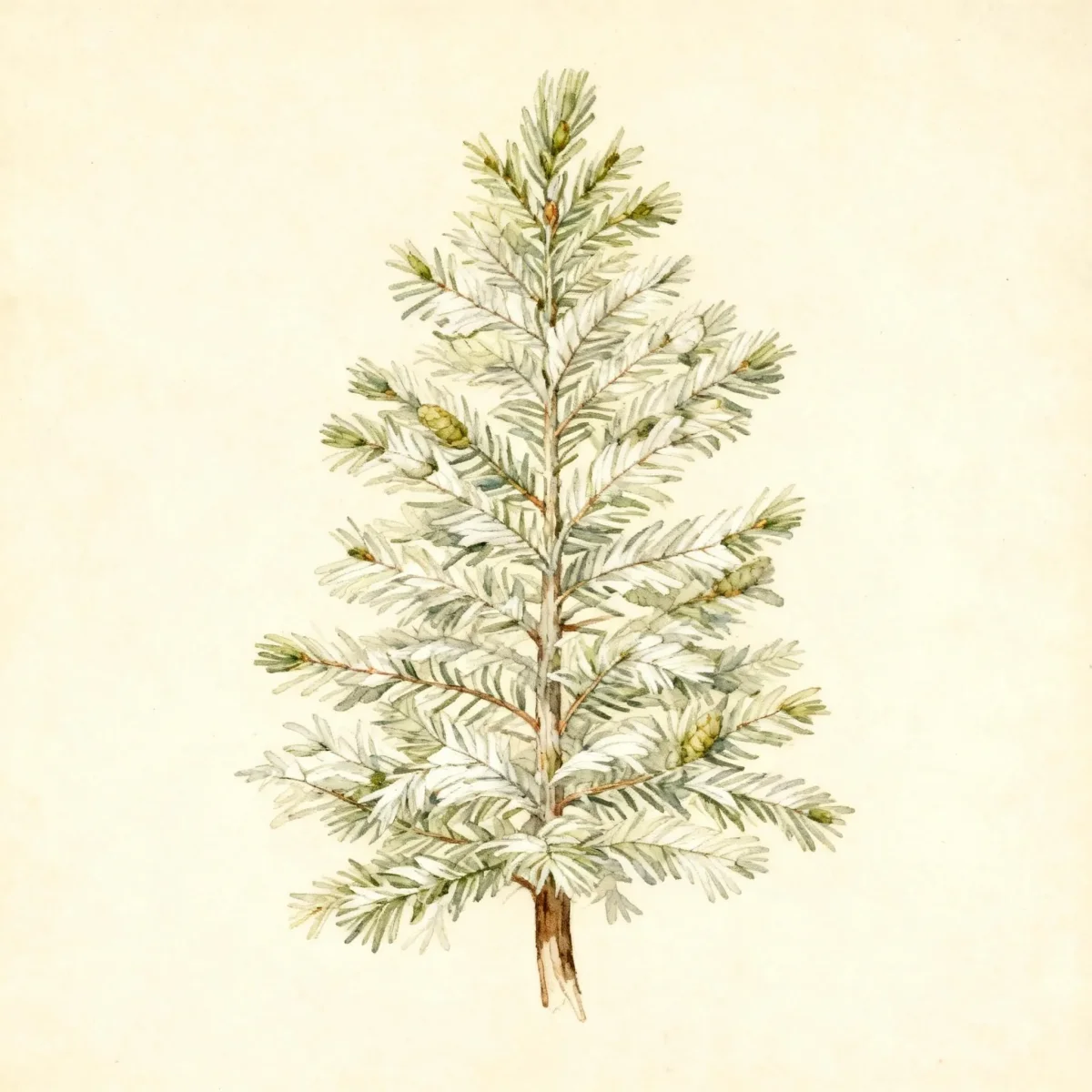
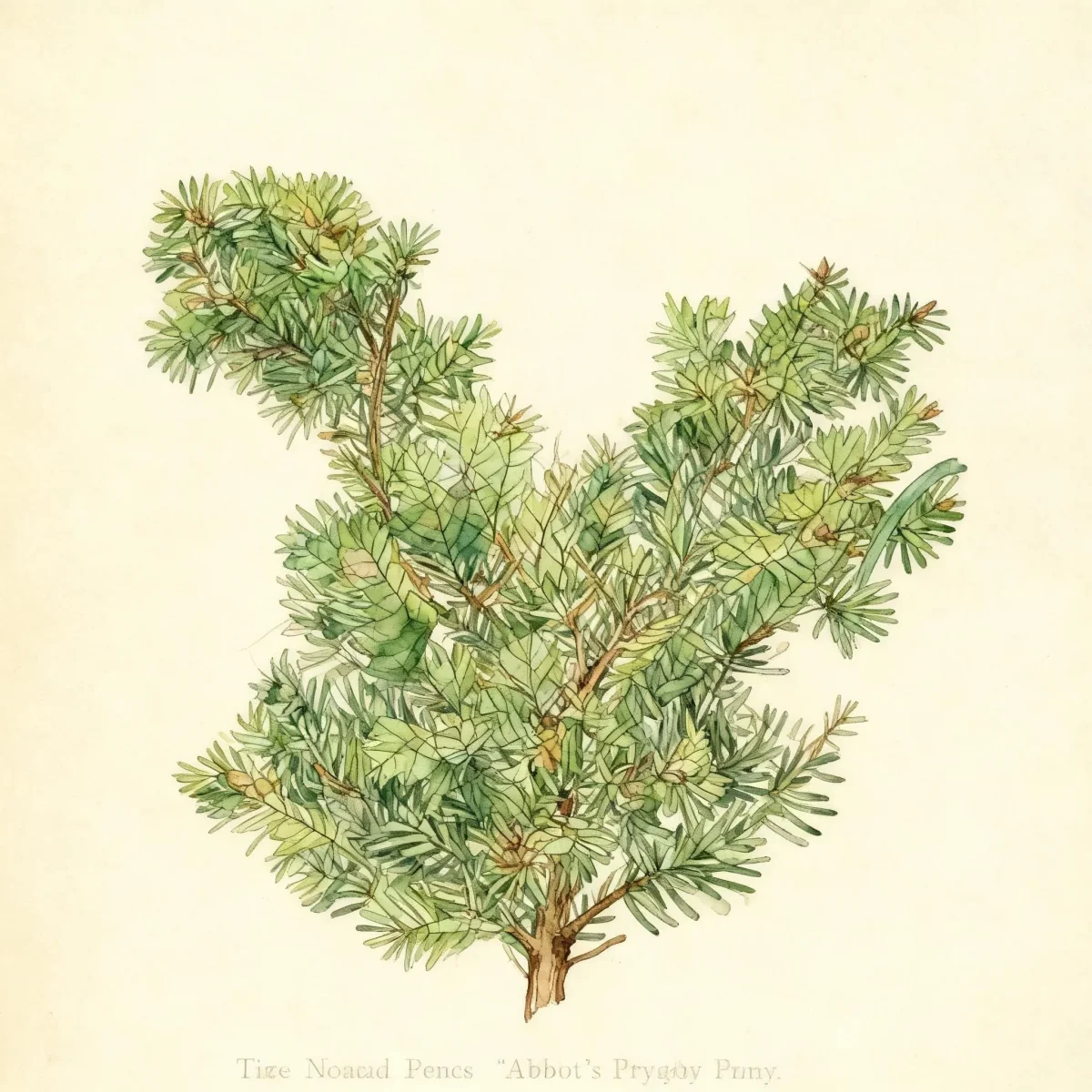
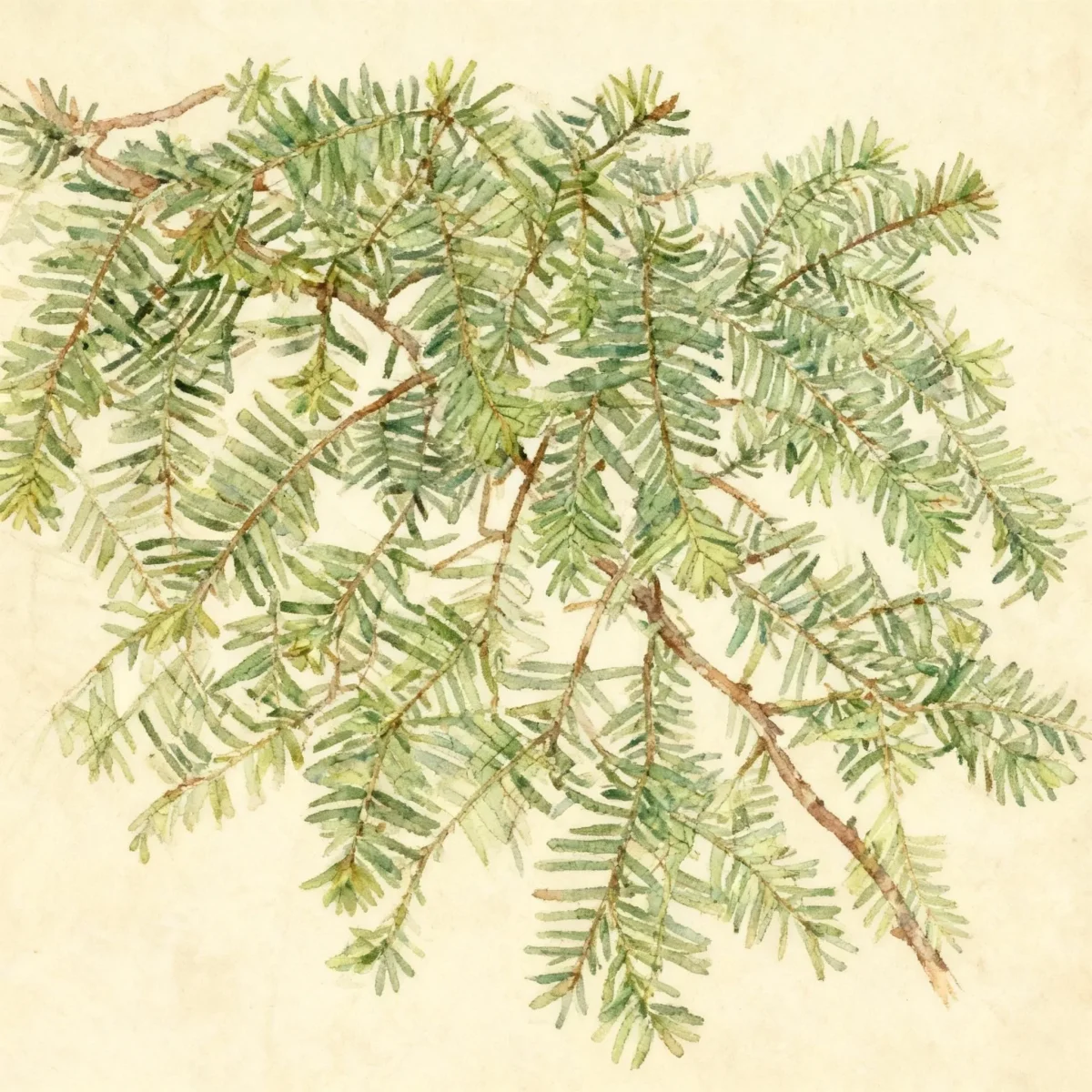
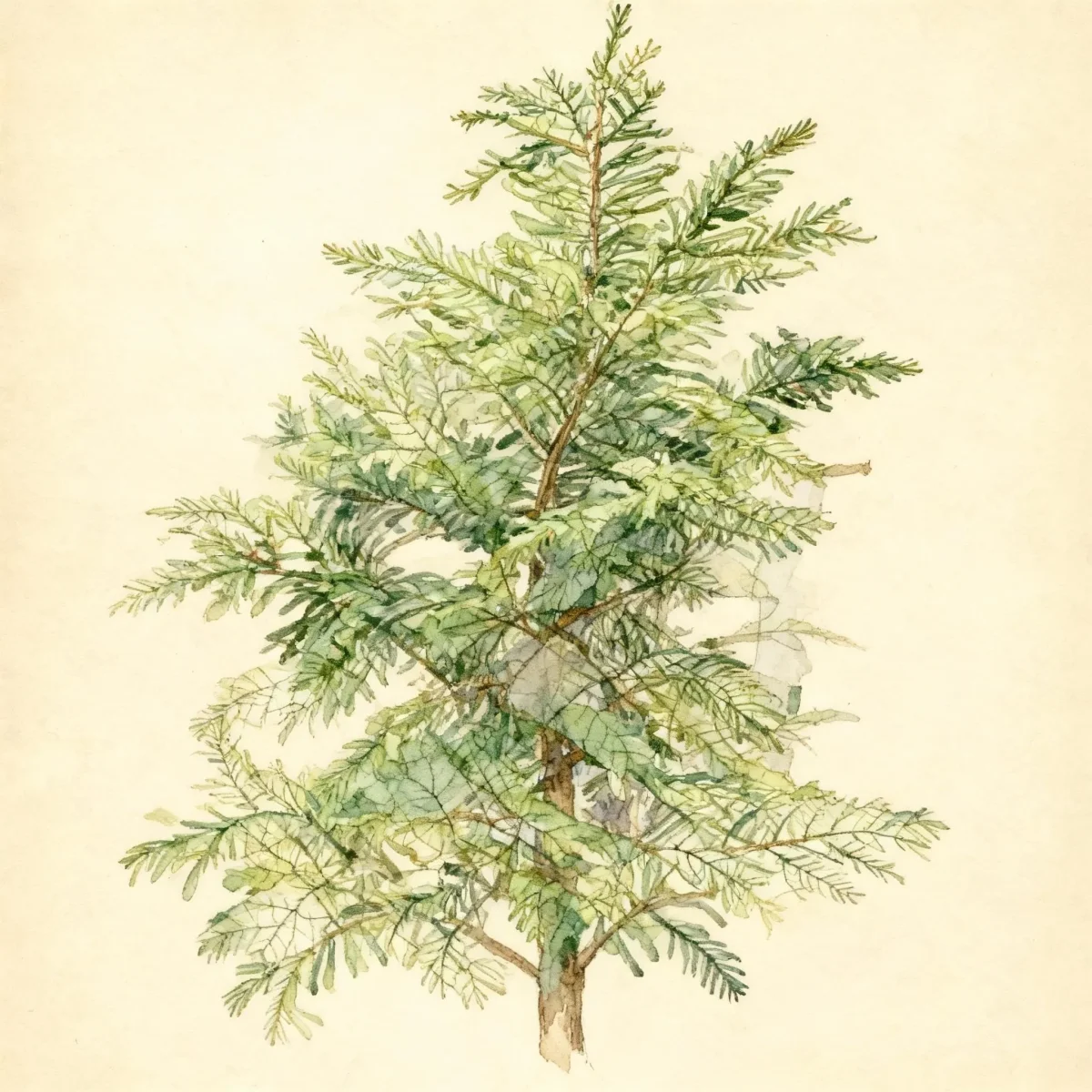
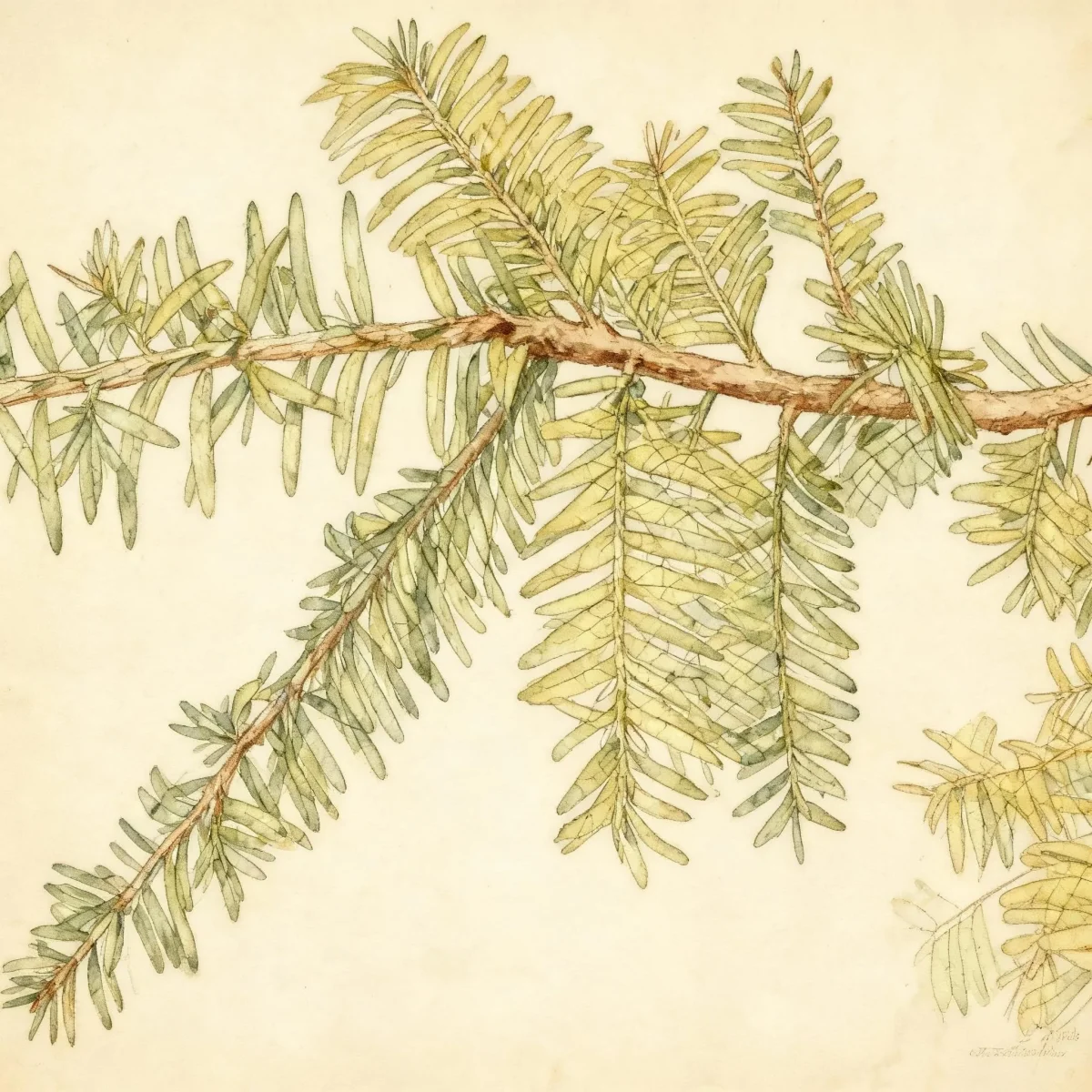
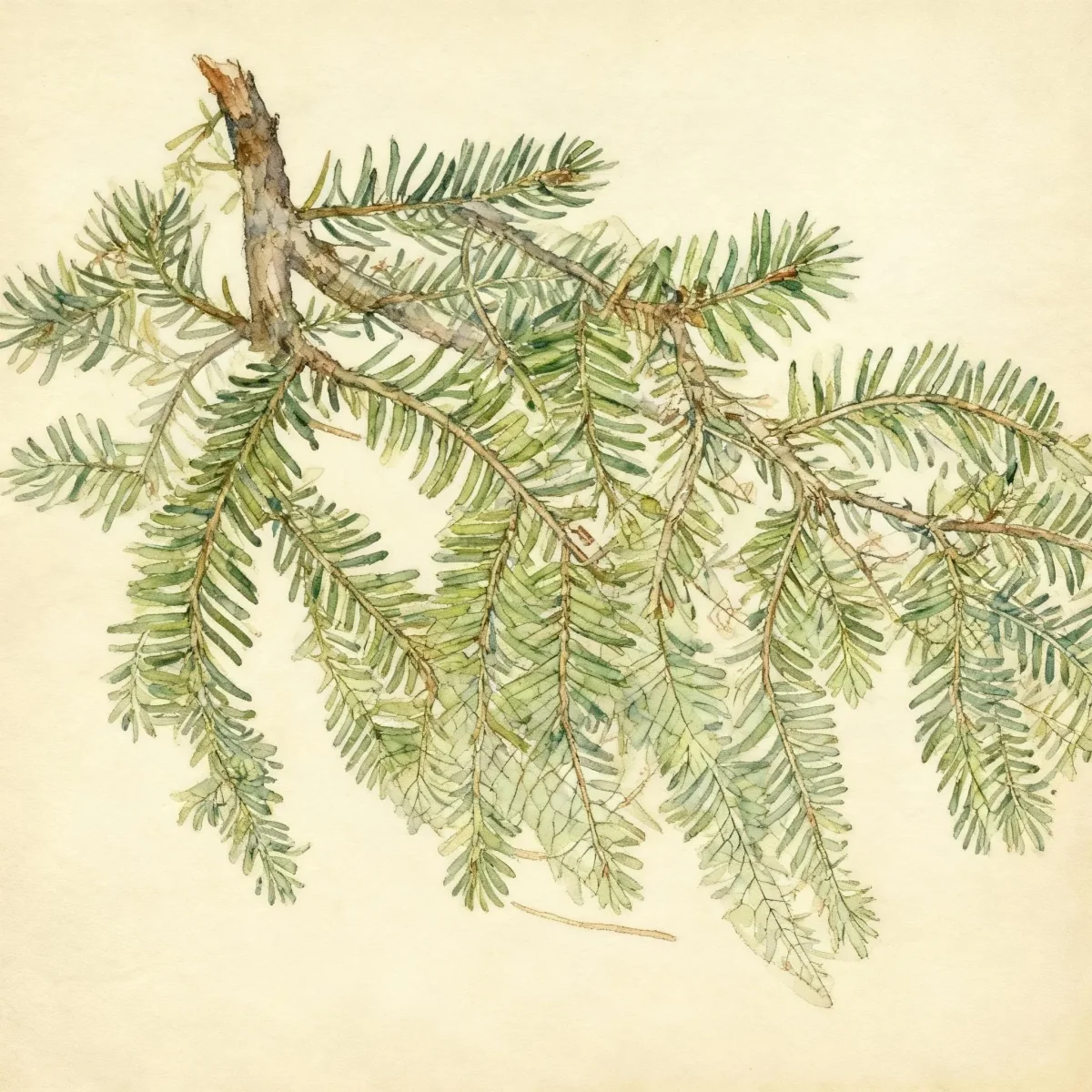
Canadian hemlock (Tsuga canadensis 'Geneva')
Tsuga canadensis 'Geneva' is a compact, slow-growing Canadian hemlock valued for its dense, lacy evergreen appearance in shade gardens.
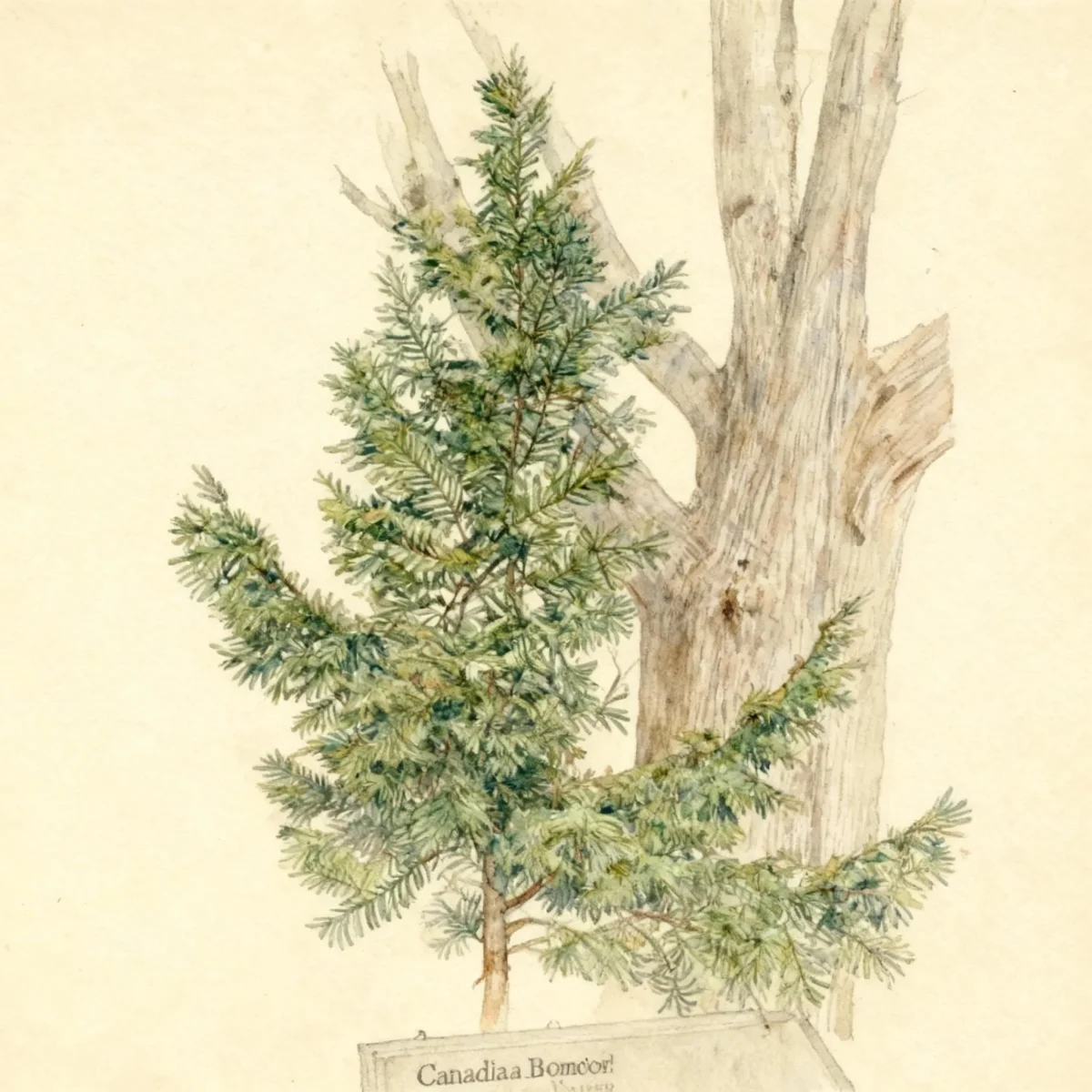

Bloom Boldly, No Matter the Season - Sweatshirt
Cozy organic cotton sweatshirt featuring our exclusive Purple Coneflower design. Perfect for gardeners who bloom year-round.
Inspired by the beautiful Canadian hemlock
Limited first batch (50) — join the waitlist for early access
Waitlist closes Feb 15, 2026.
Complete Plant Information
Field Guide Continues
Ready for care notes, companion picks, and planting tips?
The map is just the start. The full guide below covers growth habits, seasonal performance, and landscape uses.
Overview
The Tsuga canadensis ‘Geneva’, commonly known as Canadian hemlock, offers gardeners a prized, slow-growing evergreen perfect for providing year-round structure in shaded landscapes. This cultivar is distinct from the towering wild type, maturing into a compact, rounded form ideal for smaller properties or foundation plantings. Its appeal lies in the fine texture provided by its short, dark green needles, creating a graceful, lacy display.
As a needled evergreen, the Canadian hemlock provides essential winter interest where deciduous plants leave bare structures. It thrives best when provided protection from harsh, drying winds and intense summer heat, particularly in warmer zones. This low-maintenance specimen establishes well in average soils, making Tsuga canadensis ‘Geneva’ a reliable choice for achieving elegant, deep-shade plantings.
Fast Facts
- Plant Family: Pinaceae
- Plant Type: Needled evergreen
- Hardiness Zones: USDA Zones 4-7
- Size at Maturity:
- Height: 8-15 ft
- Spread: 8-15 ft
- Bloom Time: Non-flowering
- Bloom Description: Non-flowering
- Sun Exposure: Part shade to full shade
- Water Needs: Medium
- Maintenance Level: Low
How to Grow
Planting Tsuga canadensis ‘Geneva’ is best accomplished in spring or fall when temperatures are mild. Select a location that receives part shade to full shade; while it can tolerate full sun in cooler northern regions, hot afternoon sun should be actively avoided, especially south of Zone 6, to prevent leaf scorch. This plant requires easily grown in average, medium moisture, well-drained soils. Ensure the planting site offers protection from strong drying winds to maximize foliage health.
Watering needs are medium. While established Canadian hemlock tolerates some dryness, this species is intolerant of drought. Ensure regular watering during prolonged dry spells, paying close attention to young specimens while they establish their root systems. Applying a thick layer of winter mulch is recommended to help moderate soil temperatures and retain moisture.
Maintenance for Tsuga canadensis ‘Geneva’ is generally low. Pruning is rarely necessary due to its natural slow growth and rounded form, though corrective pruning for shape can be done lightly. Avoid letting the plant experience prolonged drought, as this can be fatal. If sited correctly, few cultural issues should arise beyond monitoring for potential pest issues common to hemlocks.
Landscape Uses
The compact nature of Tsuga canadensis ‘Geneva’ makes it an excellent dwarf evergreen for injecting structure into shady areas of the landscape. It excels as a specimen plant where its weeping yet dense habit can be appreciated up close, contrasting nicely with broadleaf shade perennials. Because of its slow growth, it maintains its size well and requires less frequent shearing than other foundation evergreens.
Consider using this cultivar in woodland garden settings or as a low border element where its deep green foliage provides a consistent backdrop. It pairs beautifully with hostas, ferns, and heucheras that share its preference for filtered light and moist soil. For gardeners seeking year-round texture in deep shade, the Tsuga canadensis ‘Geneva’ offers a tough, graceful evergreen solution.
Standout Features
Noteworthy Characteristics
The wild form of Tsuga canadensis, commonly called Canadian hemlock or eastern hemlock, is a dense, pyramidal conifer native to moist Appalachian slopes and stream valleys, growing much taller in the wild. This species is noted for having the smallest needles and cones in the genus, featuring short dark green needles with two white bands underneath arranged in flat, lacy sprays. The cultivar Tsuga canadensis ‘Geneva’ is specifically recognized as a compact, slow-growing small tree, typically reaching only 15 feet in height over many decades, often exhibiting a shrubby, rounded form despite having a terminal leader.
Tolerances
- Deer
- Heavy Shade
- Black Walnut
Potential Problems
A healthy Tsuga canadensis ‘Geneva’ in the correct environment experiences few problems, but vigilance is necessary for specific regional threats. Potential disease issues include needle blight, canker, rusts, and various rots, often associated with poor air circulation or overly wet conditions. Common insect pests include bagworms, borers, leaf miner, saw fly, and spider mites.
The most significant threat throughout the native range of Canadian hemlock is the Hemlock Woolly Adelgid (HWA). This tiny, sap-sucking insect causes needles to yellow and drop, eventually leading to tree death if untreated. Management requires consistent monitoring; treatments often involve systemic pesticides containing imidacloprid or dinotefuran applied when the adelgid is active.
Foliage of the Tsuga canadensis ‘Geneva’ may scorch in excessively hot weather, and prolonged drought will stress the plant severely, potentially proving fatal. Protecting this slow-growing evergreen from intense sun and ensuring deep watering during dry spells are critical preventative cultural practices.
Frequently Asked Questions
What hardiness zones is Canadian hemlock suitable for?
The Tsuga canadensis ‘Geneva’ is reliably hardy in USDA Zones 4 through 7.
How large does Tsuga canadensis ‘Geneva’ grow?
This cultivar is relatively compact, typically reaching a height between 8 and 15 feet, with a similar spread of 8 to 15 feet.
What sun exposure does Canadian hemlock need?
This Canadian hemlock variety performs best when situated in deep or part shade, although it may tolerate more sun in the cooler northern reaches of its hardiness range.
When does Tsuga canadensis ‘Geneva’ bloom?
This plant is classified as non-flowering, meaning it does not produce conspicuous blooms for ornamental effect.
Conclusion
The compact size and delicate texture make Tsuga canadensis ‘Geneva’ an unsurpassed choice for adding reliable, low-maintenance evergreen screening or specimen interest to shaded garden areas. Its tolerance for heavy shade and deer pressure increases its versatility within the landscape. Before planting, confirm your site falls within USDA Zones 4-7 and plan for protected placement to ensure the longevity of your Canadian hemlock.
Companion Planting
Selecting suitable neighbors helps optimize the microclimate for Tsuga canadensis ‘Geneva’. Since it requires medium moisture and protection from intense heat, pair it with other shade-loving, moisture-tolerant woodland plants such as Japanese painted ferns (Athyrium niponicum) or various hardy geranium species. These companions will appreciate similar conditions, enhancing the layered effect of the shade garden without competing aggressively for resources.
Avoid pairing this hemlock with shallow-rooted, aggressive spreaders, as competition in the topsoil layer can stress the Canadian hemlock. Opt instead for groundcovers that spread slowly or plants with deeper root systems that do not dry out the soil surface too rapidly during summer. Success relies on maintaining consistent, well-drained moisture.
Design Ideas
The naturally rounded habit of the Tsuga canadensis ‘Geneva’ shines when used near entryways or along pathways where its texture can be admired. Use it as a foundational evergreen below windows, or mass several together in a deeply shaded border to create a rich, uniform swath of dark green texture. Its ability to thrive in heavy shade means it can fill spots where few other conifers can successfully establish themselves.
Because it is slow-growing and maintains a manageable height (under 15 feet), this cultivar is excellent for specimen planting near decks or patios, providing an intimate, year-round green screen without quickly overwhelming the space. The soft needles offer a strong textural contrast to coarser evergreens like junipers or boxwood that might be used in sunnier areas of the same property.