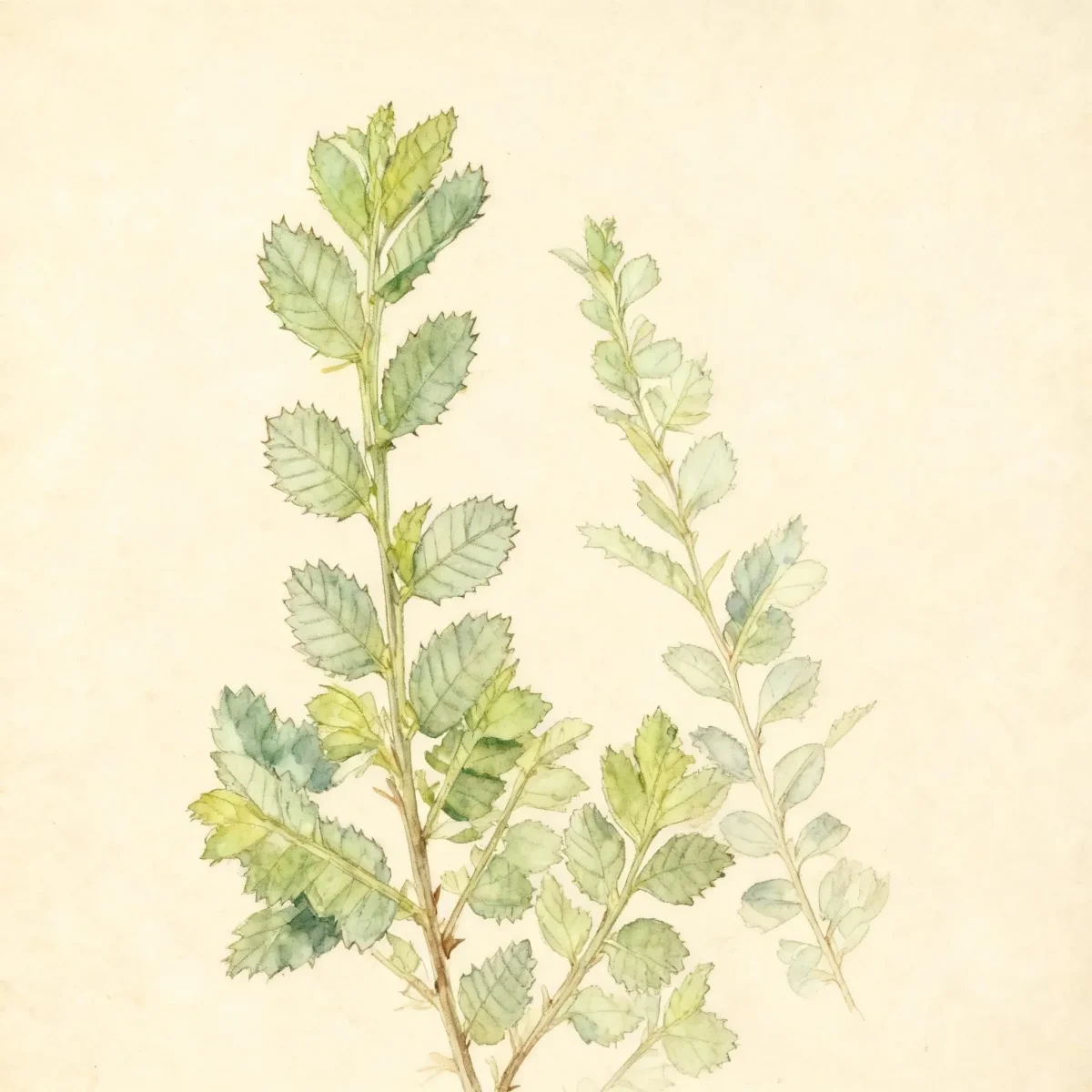
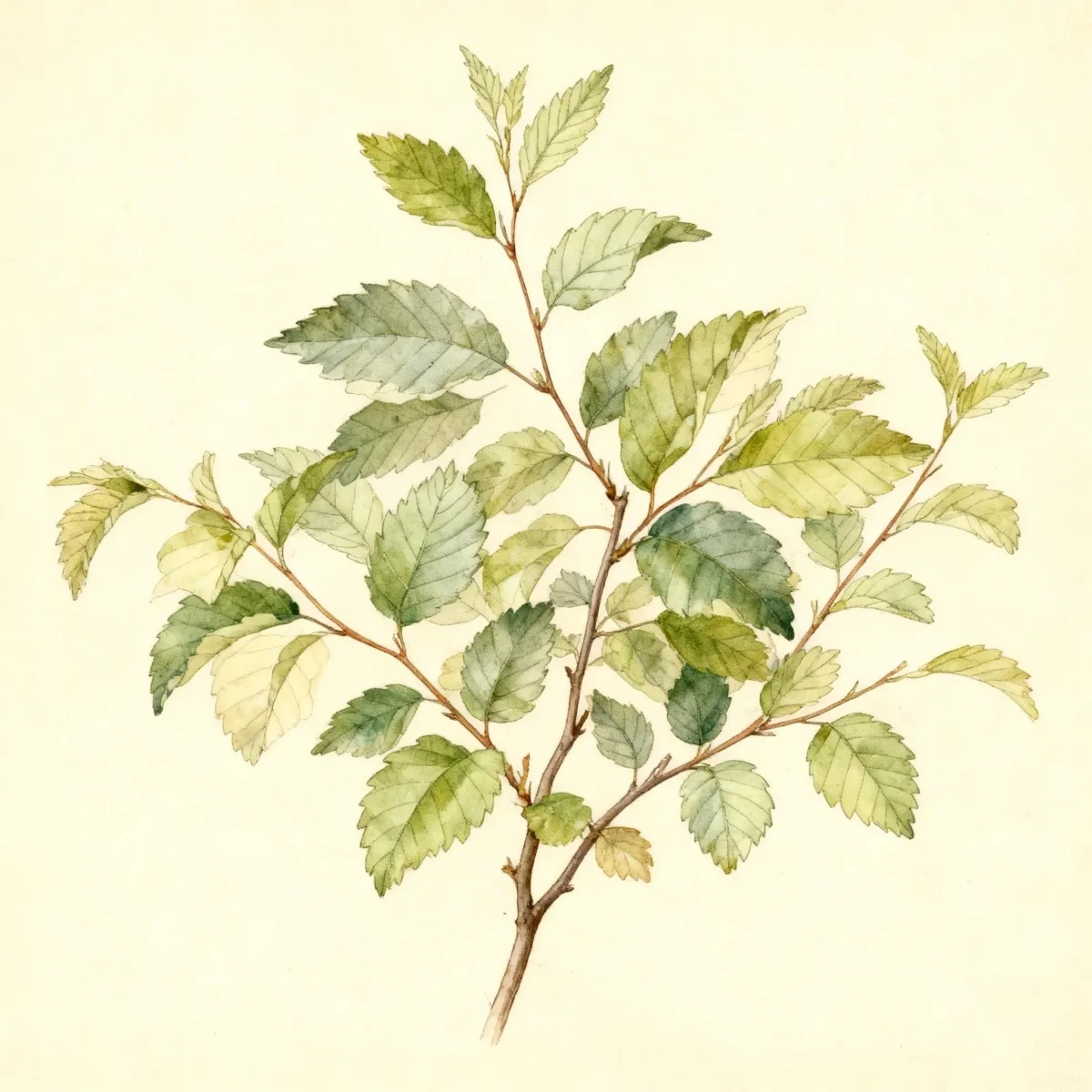
Scotch elm (Ulmus glabra 'Camperdownii')
The weeping Scotch elm, Ulmus glabra 'Camperdownii', is a captivating, grafted tree ideal for specimen planting in hardiness zones 4-6.


Bloom Boldly, No Matter the Season - Sweatshirt
Cozy organic cotton sweatshirt featuring our exclusive Purple Coneflower design. Perfect for gardeners who bloom year-round.
Inspired by the beautiful Scotch elm
Limited first batch (50) — join the waitlist for early access
Waitlist closes Feb 15, 2026.
Complete Plant Information
Field Guide Continues
Ready for care notes, companion picks, and planting tips?
The map is just the start. The full guide below covers growth habits, seasonal performance, and landscape uses.
Overview
The Ulmus glabra ‘Camperdownii’, commonly known as Scotch elm, is prized by landscape designers for its dramatically weeping habit, forming a dense, rounded dome of branches that cascade toward the ground. This cultivar provides significant year-round structural interest, making it a spectacular specimen tree in smaller garden settings where the larger parent species, Wych elm, would be overwhelming. While the parent tree has suffered from disease pressure, this grafted cultivar retains its unique form and offers reliable performance when properly sited.
As a top-grafted variety, the Ulmus glabra ‘Camperdownii’ maintains its distinct compact and weeping shape, distinguishing it sharply from the massive broad-crowned native Scotch elm. It thrives when given full sun and adequate moisture, adapting well to various soil types, including those that can occasionally be saturated or quite dry once established. Gardeners seeking a striking focal point that contrasts with upright plantings will find this weeping variety invaluable.
The scale of the Scotch elm—reaching only 15 to 25 feet tall with a similar spread—allows it to fit into residential landscapes where its wide, umbrella-like canopy provides excellent dappled shade. Although the flowers are insignificant, the structural form of the tree is the primary draw for this unique cultivar.
Fast Facts
- Plant Family: Ulmaceae
- Plant Type: Tree
- Hardiness Zones: USDA Zones 4-6
- Size at Maturity:
- Height: 15-25 ft
- Spread: 20-30 ft
- Bloom Time: March to April
- Bloom Description: Green
- Sun Exposure: Full sun
- Water Needs: Medium
- Maintenance Level: Medium
How to Grow
The Ulmus glabra ‘Camperdownii’ requires full sun for the best dense canopy development, though it tolerates light shade. Planting should ideally occur in spring or fall when the tree is dormant, ensuring the graft union remains well above the soil line. This cultivar prefers rich, moist loams but exhibits surprising adaptability, handling both wet sites beneficial for a rain garden application and drier periods once established. Proper soil preparation incorporating organic matter improves drainage, which is crucial for long-term health.
Watering needs are medium; maintain consistent moisture, especially during the first few years as the root system develops. Fertilization is usually unnecessary if the soil is fertile, aligning with its preference for average soils, although a slow-release fertilizer applied in early spring can support vigorous weeping growth. Pruning on the Scotch elm is primarily structural, focused on removing any vigorous upright shoots that sprout below the graft point, as these will revert to the standard Wych elm habit.
As a grafted specimen, Ulmus glabra ‘Camperdownii’ will not grow true from seed, reinforcing the need to monitor for basal suckers. Being generally tolerant of urban environments means it handles moderate air pollution well, a significant advantage in tighter landscapes. Minimal winter preparation is usually required, provided the tree has adequate moisture going into dormancy.
Landscape Uses
The unique architecture of the Scotch elm makes it a stellar choice as a standalone specimen, demanding attention with its dense, weeping canopy. Due to its ability to manage moisture fluctuation, it is explicitly suggested for use in Rain Garden designs, thriving near water features or in areas where ephemeral pooling occurs. This weeping habit also works beautifully when placed where the branches can drape over a retaining wall or cascade around a small paved area.
While the species is susceptible to Dutch elm disease, the isolated nature and unique grafting of Ulmus glabra ‘Camperdownii’ allow it to function effectively as a garden feature where a bold, weeping silhouette is desired. Contrast this dark green canopy against fine-textured, upright evergreens or lower-growing, mounded shrubs that appreciate similar moisture levels. Its dense shade coverage in maturity can suppress weed growth beneath its spread, requiring minimal upkeep in the planting bed.
Standout Features
Flower Qualities
- Insignificant
Noteworthy Characteristics
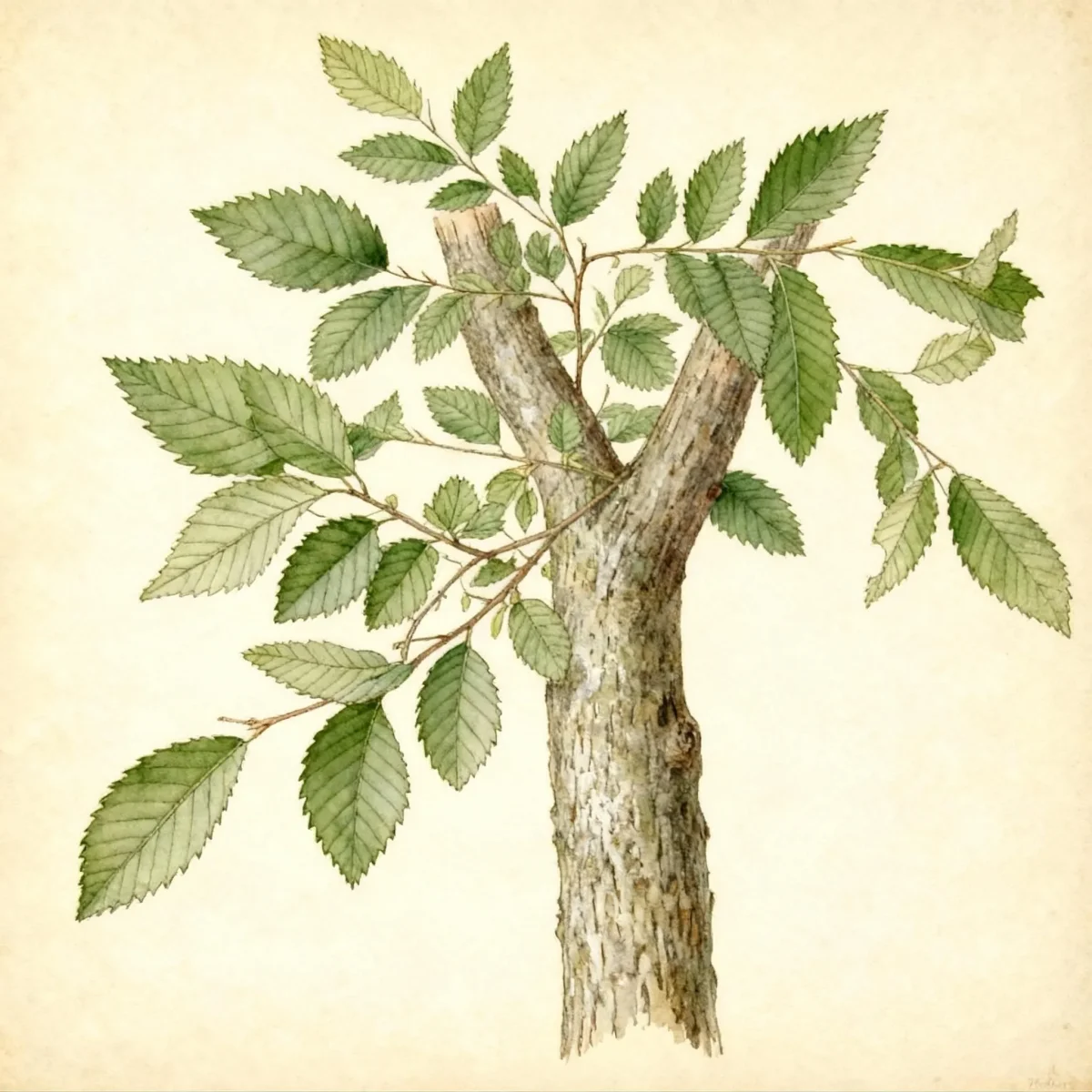
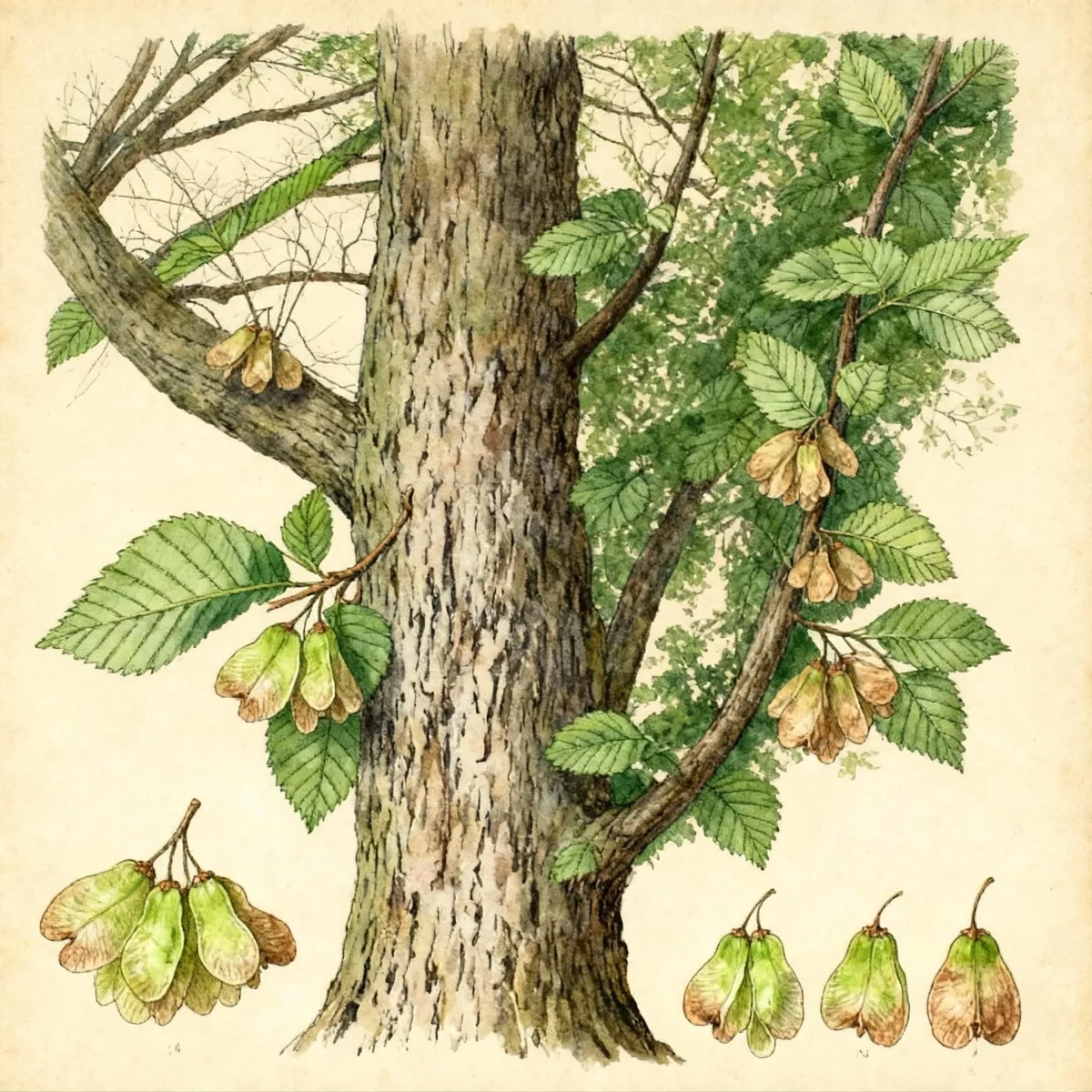
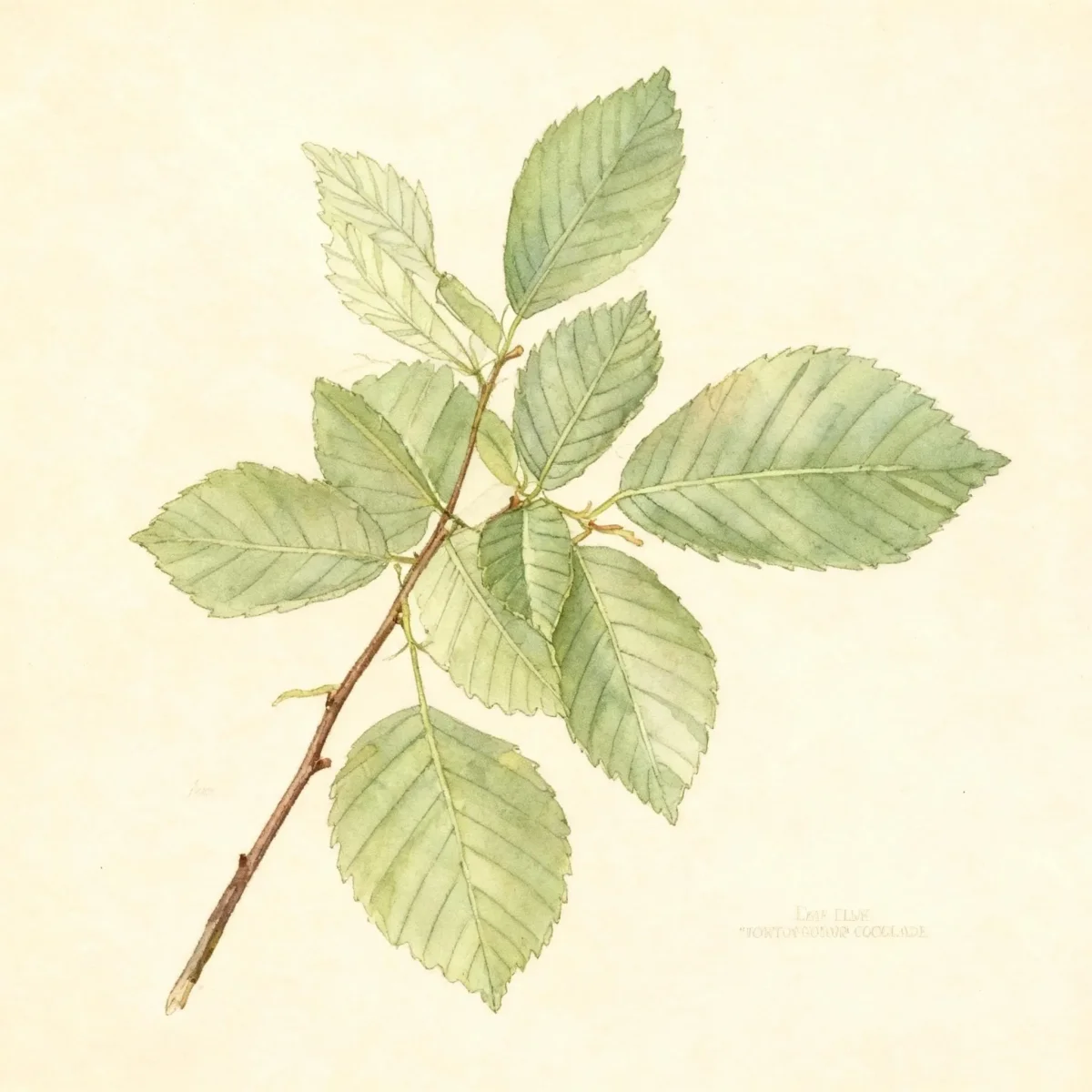
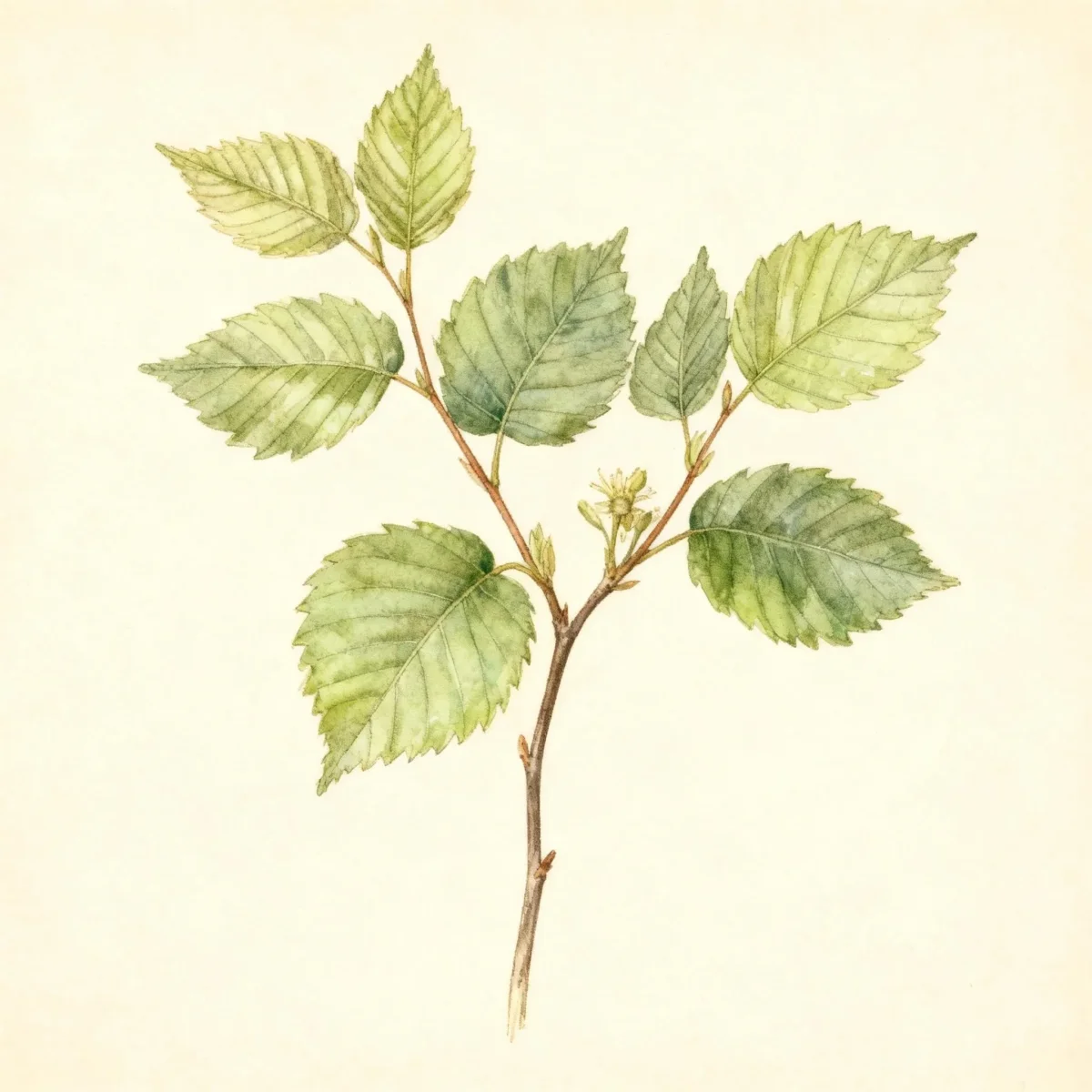
Ulmus glabra, commonly called Scotch elm or Wych elm, is a large, wide-spreading, deciduous tree that typically grows to 70-100’ with a broad-rounded crown. It is native from Great Britain to Siberia. It was once widely planted in the U.S. As a shade tree for large lawns and parks, but is no longer used because of susceptibility to Dutch elm disease. Insignificant small reddish-green flowers appear in spring before the foliage emerges. Flowers give way to single-seeded wafer-like samaras (each tiny seed is surrounded by a flattened circular papery wing). Seeds mature in April-May as the leaves reach full size. Broad oblong-obovate to elliptic, rough-textured, dark green leaves (to 3-6” long) have acuminate tips, doubly toothed margins and asymetrical bases. Leaves typically turn an undistinguished dull yellow in fall. A magnificent specimen tree dating back to 1861 is located at the Missouri Botanical Garden next to Henry Shaw’s house.Genus name comes from the Latin name.Specific epithet means smooth, in probable reference to the fact that the bark of this tree is smoother than that of English elm (Ulmus campestris).The name wych comes from Anglo Saxon meaning “with plant branching”.‘Camperdownii’, often called Camperdown elm, is a small, top-grafted, weeping landscape tree. It typically grows to 15-25’ tall, forming a round dome of contorted branches that weep to the ground. It was discovered at Camperdown House near Dundee, Scotland around 1850. Synonymous with and sometimes listed as Ulmus x vegeta ‘Camperdownii’.
Tolerances
- Drought
- Air Pollution
Potential Problems
The primary concern for any elm, including the Scotch elm, is Dutch elm disease (DED). This fatal fungal infection is vectored by bark beetles, targeting the tree’s water-conducting tissues, quickly leading to wilting, defoliation, and death. While DED resistance varies among elms, gardeners must remain vigilant and ensure planting material is certified clean.
Other issues include Phloem necrosis, a phytoplasma disease affecting food transport, and Wetwood, a bacterial infection causing dieback. Regularly inspect your Ulmus glabra ‘Camperdownii’ for peeling bark, wilting leaves, or oozing, and promptly remove any infected branches to prevent spread. Insect pests like borers, leaf miners, and scale may also appear but are typically manageable with targeted treatments if an infestation becomes severe.
Frequently Asked Questions
What hardiness zones is Scotch elm suitable for?
The Scotch elm (Ulmus glabra ‘Camperdownii’) is generally suitable for USDA Hardiness Zones 4 through 6.
How large does Ulmus glabra ‘Camperdownii’ grow?
This weeping cultivar typically reaches a height between 15 and 25 feet, with a spread ranging from 20 to 30 feet at maturity.
What sun exposure does Scotch elm need?
This tree performs best when grown in full sun, although it possesses some tolerance for light shade, which may slightly reduce canopy density.
When does Ulmus glabra ‘Camperdownii’ bloom?
The inconspicuous flowers of this tree appear relatively early, blooming from March to April, and they are green in color.
Conclusion
The Ulmus glabra ‘Camperdownii’ offers exceptional architectural value to the landscape due to its highly distinctive, weeping habit, contrasting beautifully with more upright plantings. While vigilance against potential elm diseases is necessary, its tolerance for varied moisture and pollution makes the Scotch elm a rewarding choice as a specimen tree. Before planting, confirm your location falls within USDA Zones 4-6 and ensure you site it where its cascading form can be fully appreciated.
Companion Planting
Successful companion planting for the Scotch elm should focus on species that share the medium water needs and full sun requirements, while also benefiting from the dappled light provided as the canopy matures. Consider planting low-growing, spreading groundcovers beneath the weeping canopy, such as Ajuga or creeping Thyme, provided they are robust enough to handle the leaf litter. For vertical contrast, use narrow, upright evergreens like Skyrocket Juniper or columnar Arborvitae along the periphery of its viewing area to emphasize the Ulmus glabra ‘Camperdownii’ dome shape.
Avoid utilizing companion species that require consistently rich, wet soil directly under the canopy edge, as the elm will efficiently utilize available ground moisture. Plants that tolerate some drought once established, such as certain ornamental grasses or hardy Sedums, can serve as resilient border partners that complement the tree’s structural focus without competing heavily for nutrients.
Seasonal Care Calendar
Spring care for your Ulmus glabra ‘Camperdownii’ focuses on monitoring the graft area for any reversionary growth originating below the union; promptly remove these upright shoots to maintain the desirable grafted form. Fertilize lightly in early spring only if growth seems sluggish, preferably with a slow-release formula. Summer maintenance centers strictly on deep, consistent watering, especially if your garden is dry, ensuring the tree establishes a resilient root system.
As autumn arrives, leaves on the Scotch elm typically turn a dull yellow before dropping; ensure clean-up is done to reduce hiding places for overwintering pests near the base. Winter is the time for structural pruning, though significant cuts are usually unnecessary for established, well-shaped specimens. Concentrate on removing dead or crossing branches during the dormant season to promote an open structure, which aids air circulation and disease prevention heading into the next growing season.