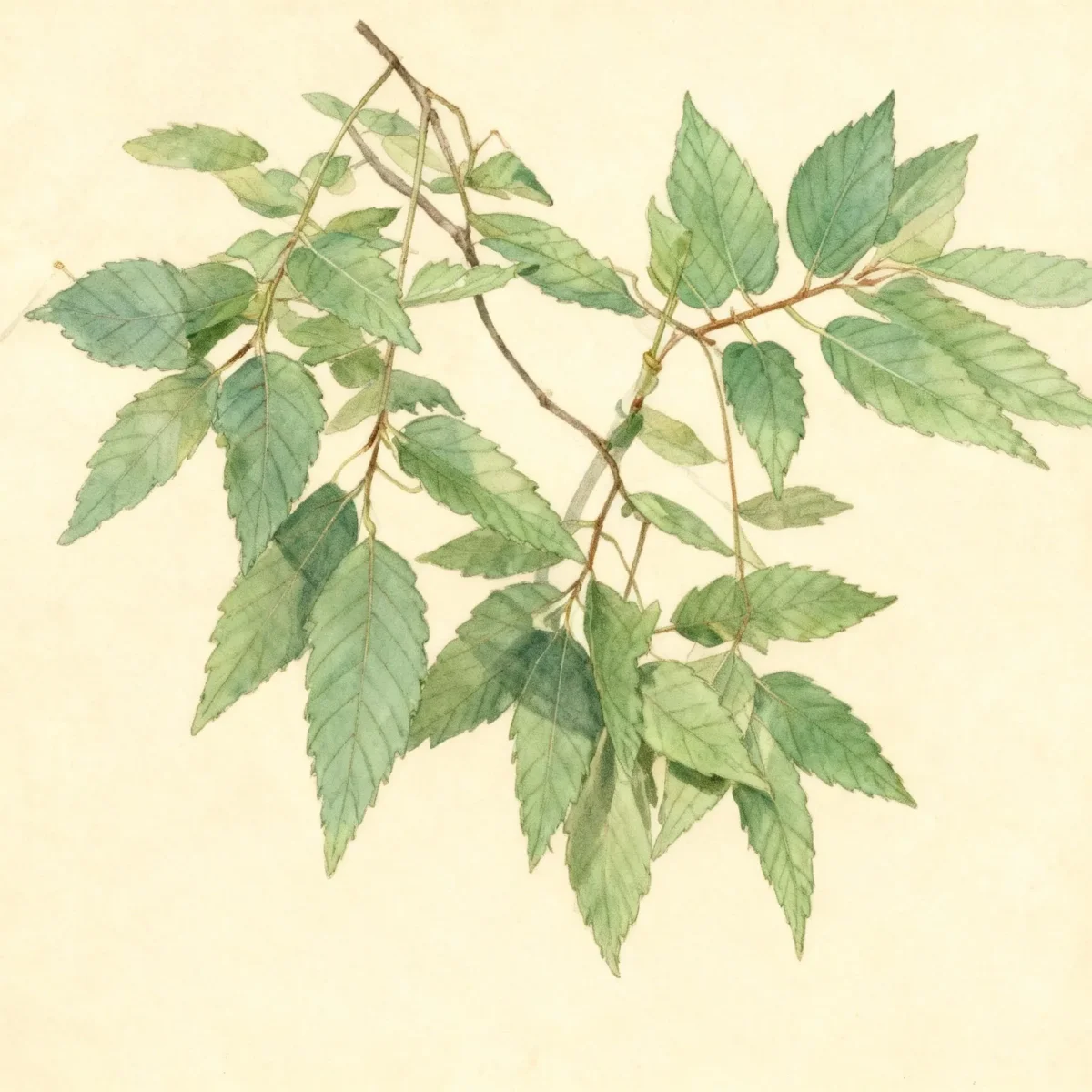
Chinese elm (Ulmus parvifolia 'Hokkaido')
Ulmus parvifolia 'Hokkaido', a dwarf Chinese elm cultivar, is prized for its extremely small stature, suitable for rock gardens and bonsai culture.

Bloom Boldly, No Matter the Season - Sweatshirt
Cozy organic cotton sweatshirt featuring our exclusive Purple Coneflower design. Perfect for gardeners who bloom year-round.
Inspired by the beautiful Chinese elm
Limited first batch (50) — join the waitlist for early access
Waitlist closes Feb 15, 2026.
Complete Plant Information
Field Guide Continues
Ready for care notes, companion picks, and planting tips?
The map is just the start. The full guide below covers growth habits, seasonal performance, and landscape uses.
Overview
Ulmus parvifolia ‘Hokkaido’ is a highly specialized dwarf cultivar appreciated by dedicated horticulturalists for its ability to remain diminutive. Unlike the standard, much larger Chinese elm, this variety focuses on miniature stature, making it an exceptional specimen for detailed landscape work where space is severely limited. This cultivar exhibits the good disease resistance characteristic of the species, making it a fundamentally sound choice, albeit for specialized applications.
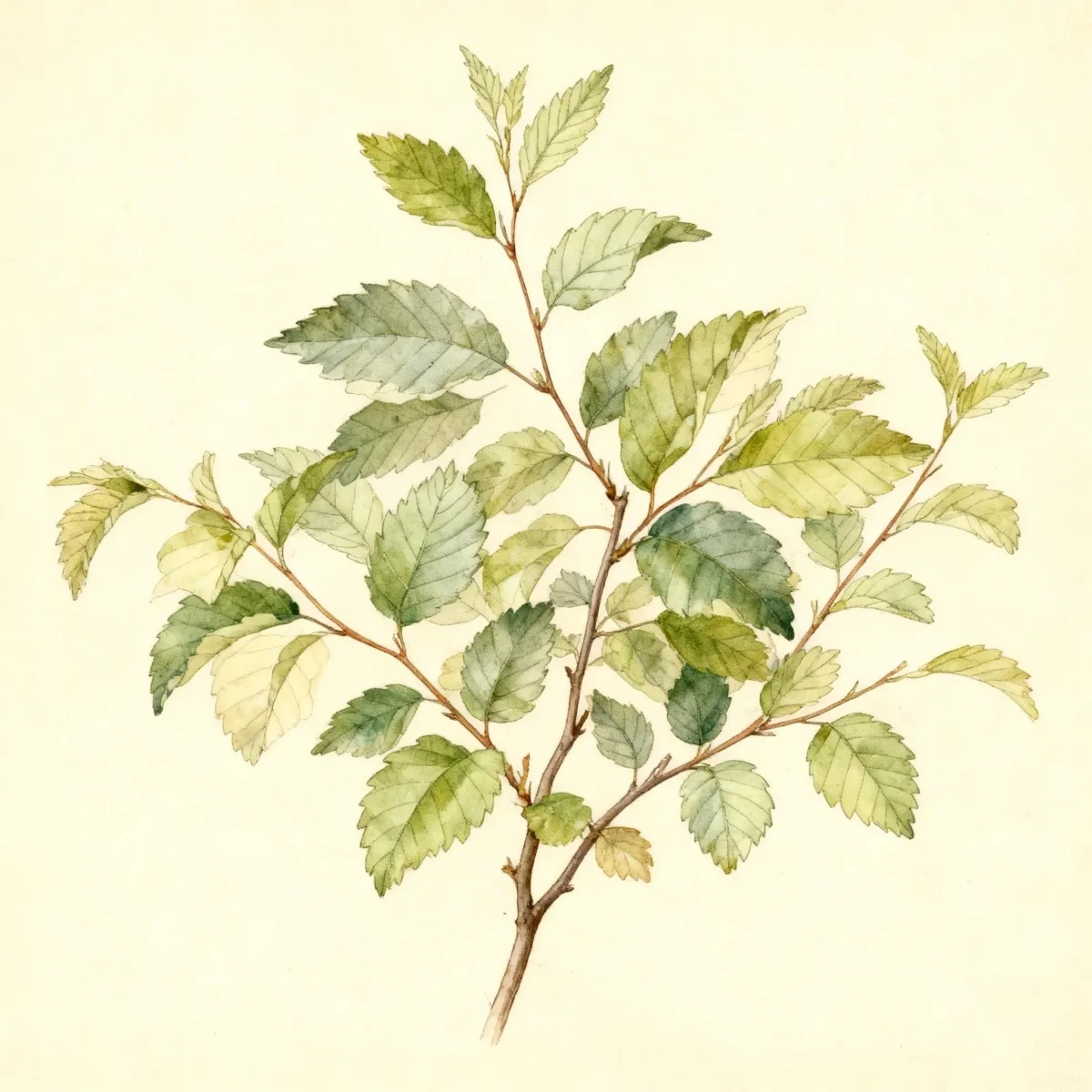
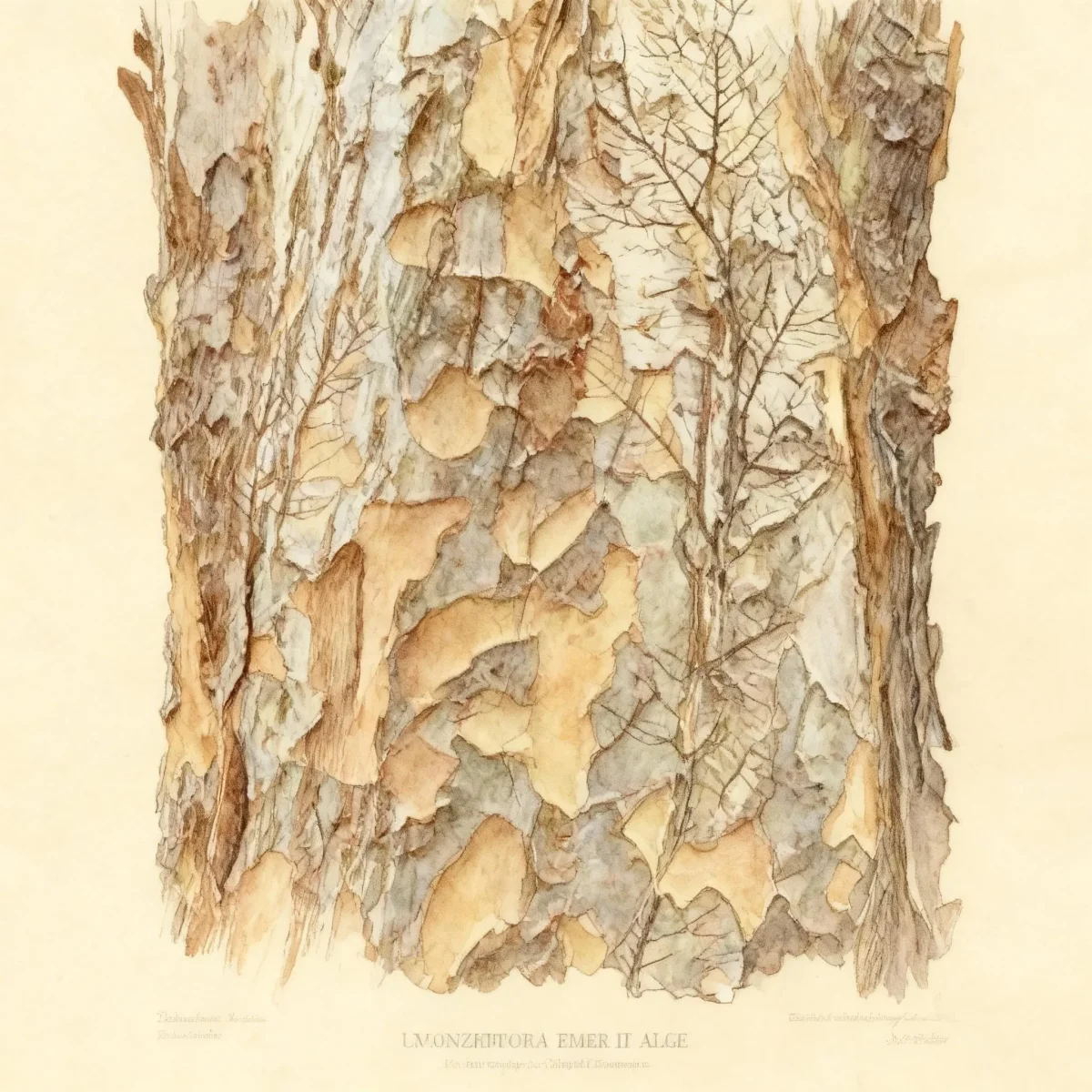
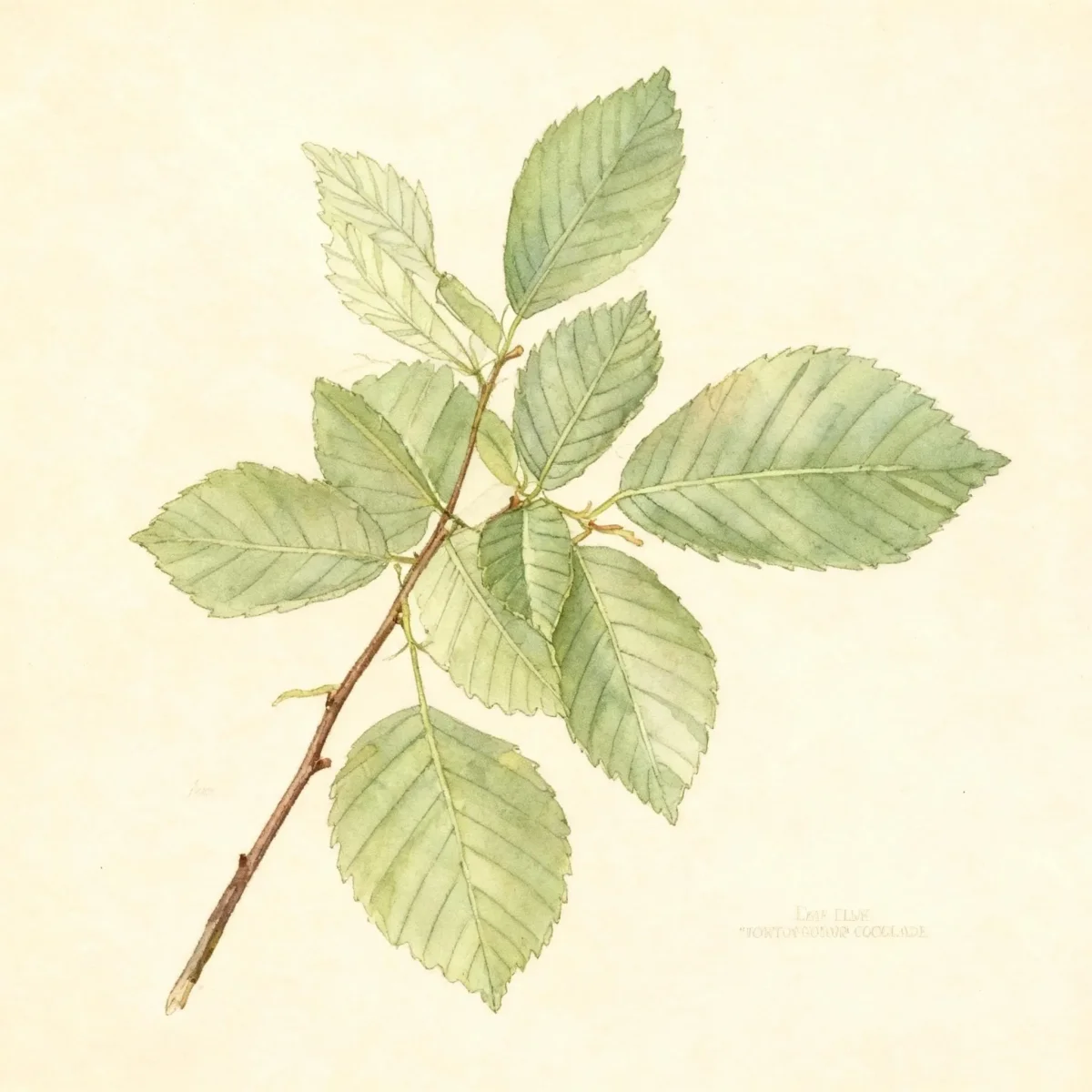
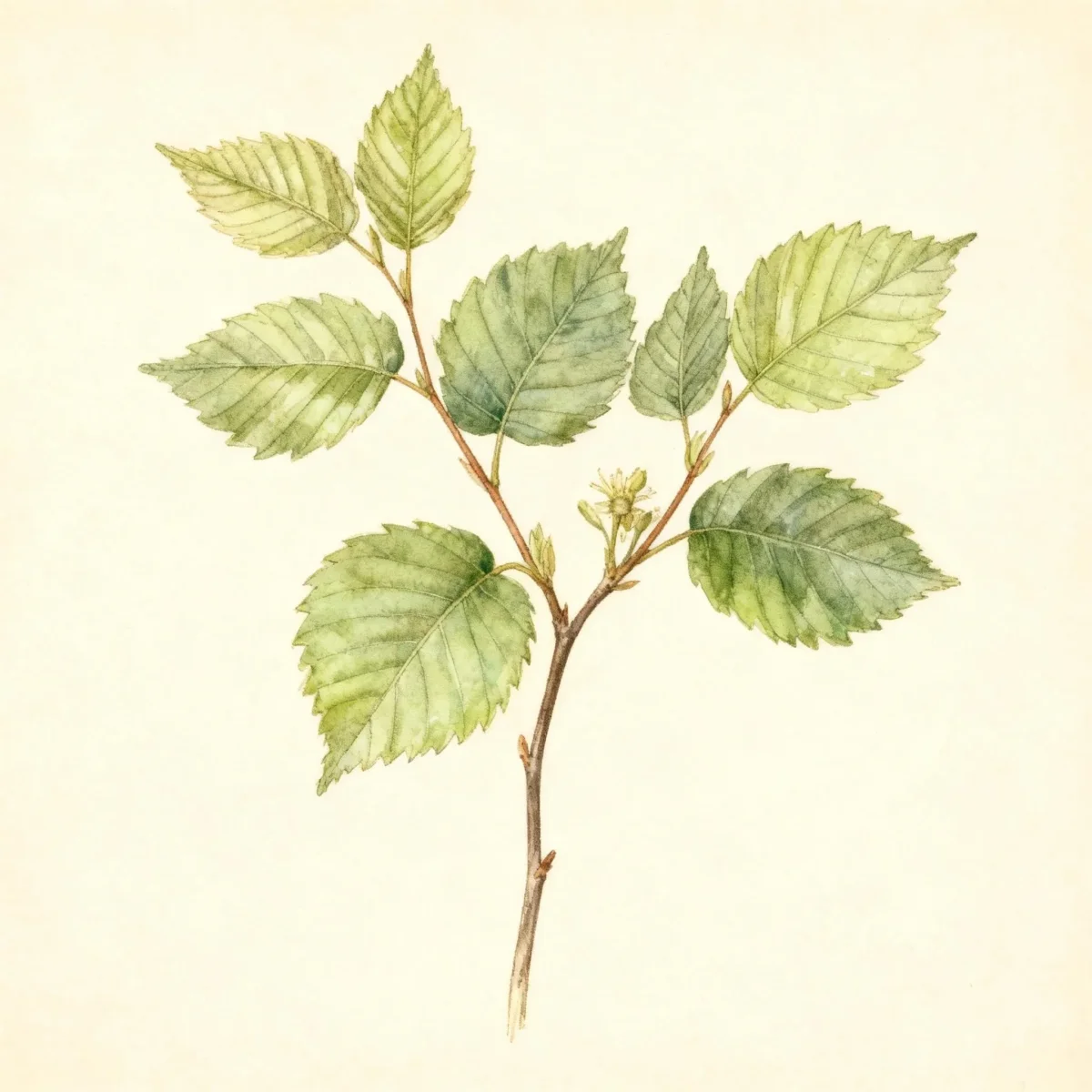
The tiny proportions of Ulmus parvifolia ‘Hokkaido’ mean it develops slowly, often reaching only 1 to 3 feet tall over decades. Gardeners value this plant for its delicate foliage and the potential for interesting, corky bark development as it matures, echoing the attractive mottling seen on larger lacebark elms. It thrives in conditions that mimic its adaptable nature, provided it receives consistent care suitable for its small root system.
While the larger Chinese elm provides shade, the ‘Hokkaido’ form offers architectural interest scaled down for rock gardens and refined bonsai displays. Its relative ease of care and urban tolerance make it rewarding for those willing to commit to its specific, minimal size requirements.
Fast Facts
- Plant Family: Ulmaceae
- Plant Type: Tree
- Hardiness Zones: USDA Zones 4-9
- Size at Maturity:
- Height: 1-3 ft
- Spread: 1-3 ft
- Bloom Time: August
- Bloom Description: Reddish
- Sun Exposure: Full sun
- Water Needs: Medium
- Maintenance Level: Low
How to Grow
Planting Ulmus parvifolia ‘Hokkaido’ should occur when the ground is workable, preferably in spring or early fall, ensuring the root ball is placed in well-drained soil. Although this Chinese elm variety is sought for rock gardens and bonsai, its basic soil needs remain adaptable; it prefers average, medium moisture conditions. It can tolerate light shade, but maximizing its growth potential (even its slow growth) requires full sun exposure.
Consistent watering is crucial, especially for potted specimens or when establishing this small tree in a rock garden setting, as low water availability can quickly stress its size. While larger elms tolerate diverse conditions, this dwarf form benefits significantly from rich, moist loams. Fertilization should be light and aimed at supporting root health rather than forcing rapid top growth, which can compromise its diminutive form.
Maintenance for Ulmus parvifolia ‘Hokkaido’ centers on specialized pruning techniques necessary for bonsai or meticulous shaping for rock garden aesthetics. Pruning should focus on maintaining scale and encouraging the characteristic corky bark development. It generally exhibits good inherent hardiness, but avoid subjecting this cultivar to excessive snow or heavy ice loads, which can cause branch breakage, a minor weakness noted in the species.
Landscape Uses
The primary appeal of Ulmus parvifolia ‘Hokkaido’ lies outside traditional landscape roles due to its extremely small stature. It is highly recommended for bonsai culture, where horticulturalists train the tiny leaves and inherent bark qualities into miniature tree forms. This level of control allows for the creation of long-lived, detailed living sculptures.
For garden settings, this cultivar excels in rock gardens or alpine features where its slow growth complements the surrounding stone elements. Use it near viewing areas or paths where its fine texture and developing, mottled bark can be appreciated up close. Because it is a dwarf form, avoid planting it near aggressive growers that will quickly overwhelm its slow habit.
Standout Features
Flower Qualities
- Insignificant
Noteworthy Characteristics
Ulmus parvifolia, commonly called Chinese elm or lacebark elm, is noted for its excellent foliage, multi-colored bark, rapid growth, and good resistance to Dutch elm disease. The cultivar ‘Hokkaido’, sometimes called princess elm, is specifically prized for rock gardens and bonsai, potentially reaching only 1 to 3 feet in height over several decades. Tiny leaves define this cultivar, and the bark becomes pleasantly corky with age, adding quiet visual interest to miniature landscapes.
Tolerances
- Drought
- Clay Soil
- Air Pollution
Potential Problems
The Chinese elm, including the hardy Ulmus parvifolia ‘Hokkaido’ cultivar, benefits from an excellent natural defense against major tree diseases like Dutch elm disease. It also shows strong resistance to common pests such as the Japanese beetle and the elm leaf beetle. However, gardeners should remain watchful for potential fungal issues such as wilts, cankers, and various leaf spots, particularly if air circulation is poor in a dense bonsai setting. A structural weakness for the larger species often applies here too: branches can be brittle and may break under the stress of heavy snow or ice accumulation; protection in severe winter weather is advisable. Do not confuse this robust species with the Siberian elm (Ulmus pumila).
Frequently Asked Questions
What hardiness zones is Chinese elm suitable for?
Ulmus parvifolia ‘Hokkaido’ is reliably hardy and suitable for planting in USDA Hardiness Zones 4 through 9.
How large does Ulmus parvifolia ‘Hokkaido’ grow?
This dwarf cultivar is very slow-growing, typically reaching a maximum height between 1 and 3 feet and a spread of 1 to 3 feet over many years.
What sun exposure does Chinese elm need?
This plant prefers full sun for optimal performance, although it can tolerate conditions of light shade.
When does Ulmus parvifolia ‘Hokkaido’ bloom?
Bloom time occurs in August, producing small, reddish flowers.
Conclusion
The Ulmus parvifolia ‘Hokkaido’ offers exceptional value for collectors and those engaged in detailed horticulture, providing the desirable textural elements of the Chinese elm in a manageable, miniature scale. Its low maintenance needs and environmental resilience make caring for this dwarf specimen straightforward. Before planting, confirm your garden lies within USDA Zones 4–9 and prepare a specialized spot in a rock garden or collection dedicated to bonsai.
Companion Planting
When placing Ulmus parvifolia ‘Hokkaido’ in a rock garden, pairing it with other slow-growing, drought-tolerant alpine plants can create a harmonious scene. Consider using low-growing Sedums or creeping Thymes, which enjoy similar well-drained sun exposure and will not compete aggressively for resources. For bonsai interpretations, the choice of companion material is usually limited to mosses or lichen placed intentionally in the pot to mimic natural ground cover.
Seasonal Care Calendar
Spring is the ideal season for any minimal corrective pruning needed for your dwarf Chinese elm, focusing on shaping goals before active growth accelerates. Throughout the summer, diligent monitoring of soil moisture is essential; medium water needs must be met reliably, especially if the plant is containerized or situated between stones that heat up quickly. Fall presents opportunities to observe subtle leaf color changes, which, while often undistinguished yellow, can occasionally offer interesting reddish-purple highlights before dormancy. Winter preparation involves ensuring the root zone is protected from hard freezes if planted in the colder end of its range (Zone 4) or insulating containers well.