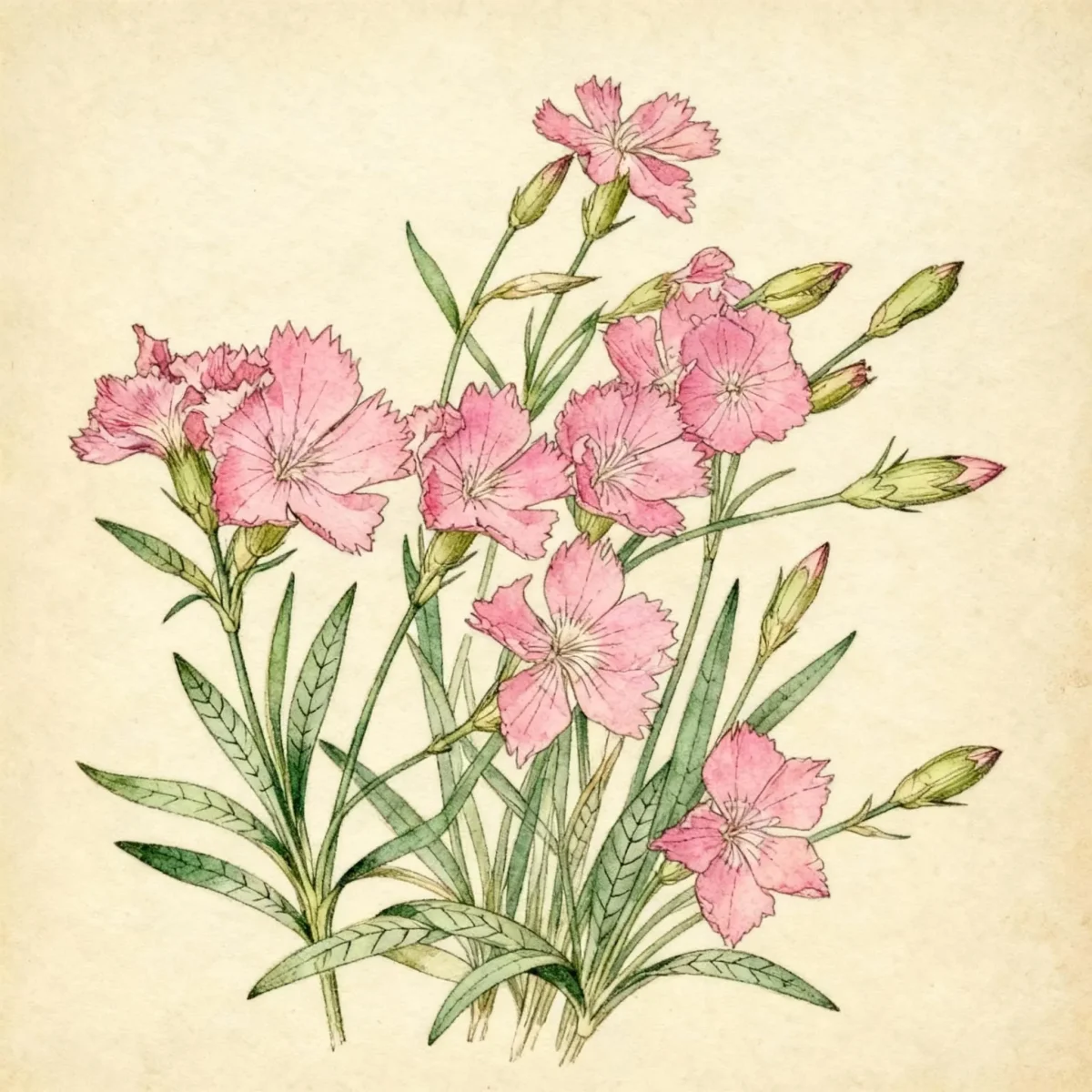
Pink (Dianthus 'Painted Beauty')
Dianthus 'Painted Beauty' (Pink) offers showy, fragrant salmon flowers, low maintenance, and deer resistance in Zones 4-8.

Bloom Boldly, No Matter the Season - Sweatshirt
Cozy organic cotton sweatshirt featuring our exclusive Purple Coneflower design. Perfect for gardeners who bloom year-round.
Inspired by the beautiful Pink
Limited first batch (50) — join the waitlist for early access
Waitlist closes Feb 15, 2026.
Complete Plant Information
Field Guide Continues
Ready for care notes, companion picks, and planting tips?
The map is just the start. The full guide below covers growth habits, seasonal performance, and landscape uses.
Overview
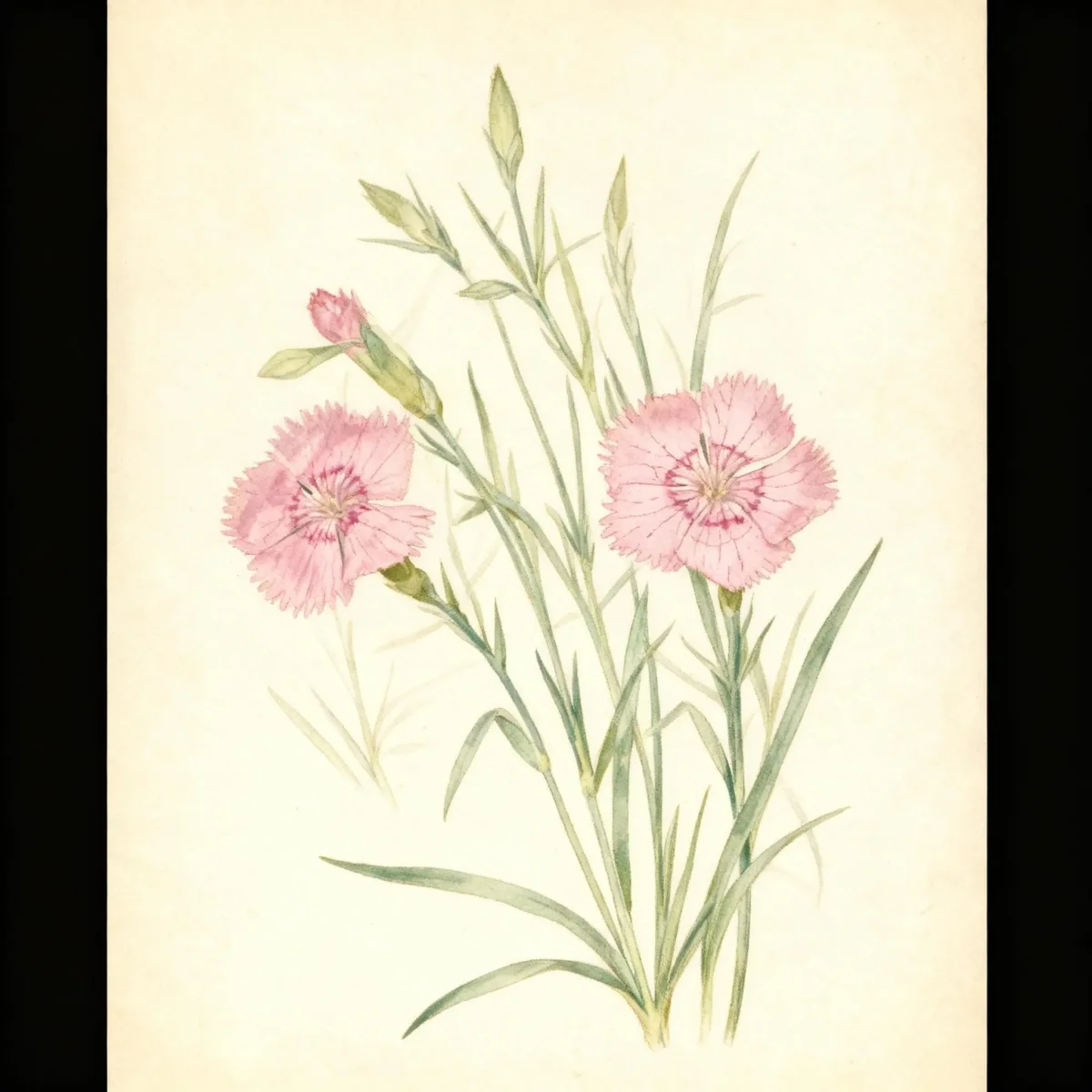
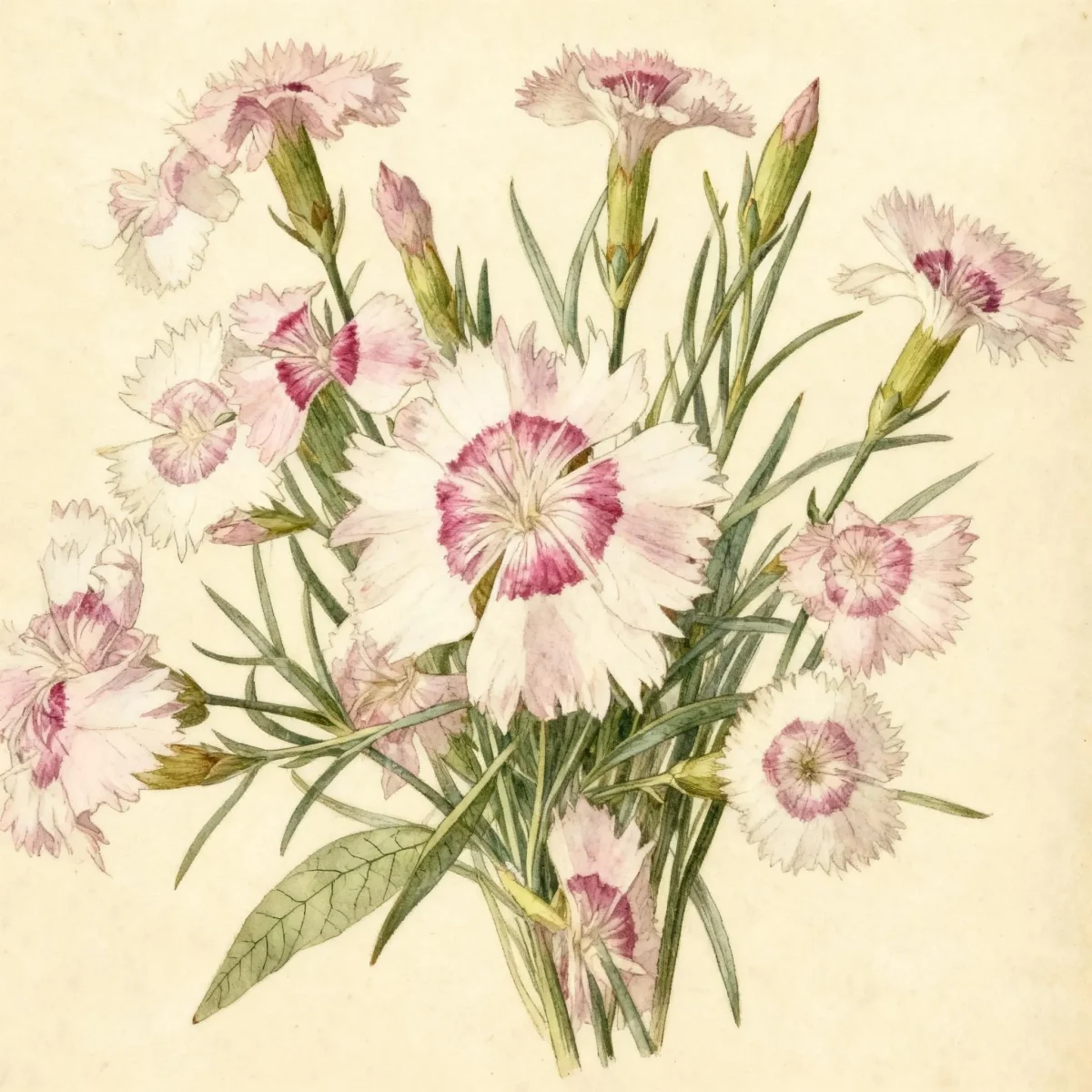
Dianthus ‘Painted Beauty’, commonly known as Pink or Garden Pink, is a superb choice for adding consistent color and delightful fragrance to the intermediate zones of the garden. This mat-forming hybrid features fringed flowers that are truly showy, displaying salmon pink petals accented with deep maroon flecking. As a low-maintenance herbaceous perennial, Dianthus ‘Painted Beauty’ provides reliable performance, thriving primarily through the early summer months.
Gardeners value this type of Pink for its compact habit and its ability to tolerate cooler summer conditions better than many other flowering annuals or perennials. Its narrow, bluish-green foliage remains attractive even outside the bloom period, offering excellent textural contrast in mixed beds. The classic sweet scent associated with Dianthus makes Dianthus ‘Painted Beauty’ a must-have near pathways or seating areas.
These perennials settle easily into average garden conditions, provided they receive sufficient sunlight and well-drained soil. They are reliably hardy across a significant temperature range, making Dianthus ‘Painted Beauty’ a versatile addition to rock gardens or borders where deer may be a concern.
Fast Facts
- Plant Family: Caryophyllaceae
- Plant Type: Herbaceous perennial
- Hardiness Zones: USDA Zones 4-8
- Size at Maturity:
- Height: 0.5-0.75 ft
- Spread: 0.5-1.5 ft
- Bloom Time: June
- Bloom Description: Salmon pink with maroon flecking & center disks
- Sun Exposure: Full sun
- Water Needs: Medium
- Maintenance Level: Low
How to Grow
The best time to establish Dianthus ‘Painted Beauty’ is typically in spring or early fall, allowing the root system time to settle before extreme summer heat or winter cold arrives. Location selection is critical; this Pink demands full sun exposure for the best flowering performance, though it appreciates cooler summer ambient temperatures. Plants perform optimally in organically rich, gritty loams, leaning towards neutral to slightly alkaline pH. Excellent drainage is paramount for preventing root rot, so amend heavy soils by incorporating leaf mold or other organic material to improve grit and aeration while still allowing for some moisture retention needed during hot spells.
Watering should be kept consistent, aiming for medium moisture levels—avoiding sogginess is key. While they require adequate moisture, especially in hot weather, plants are moderately drought-tolerant once established, provided the soil has good structure. Fertilization is rarely necessary if the initial soil preparation was thorough and included ample organic matter. Focus maintenance efforts on deadheading spent flowers promptly to maximize bloom duration.
For late-season tidiness and to encourage a second, smaller flush of flowers in late summer or early fall, consider shearing back the plants after the main bloom surge subsides. This practice maintains a compact, neat appearance. In colder sections of their range (Zone 4), ensure good winter insulation, though generally, Dianthus ‘Painted Beauty’ is reliably hardy.
Landscape Uses
Dianthus ‘Painted Beauty’ excels near the front edge of mixed perennial borders due to its low stature and neat, tufted growth habit. Their compact size makes them perfect for creating defined lines or edgings along walkways, where their fragrant blooms can be easily appreciated. They also thrive in rock gardens, nestled between stones where the gritty, well-drained soil mimics their preference perfectly.
Beyond traditional borders, this Pink variety functions exceptionally well as a dense, attractive ground cover during the summer and fall months, softening hard edges between hardscaping and lawn areas. Plant them alongside other sun-loving, low-mounding perennials like creeping thyme or low sedums that share similar drainage needs and moderate water requirements. Their deer resistance adds significant value, ensuring the foliage and flowers remain intact when browsing animals pass through.
Standout Features
Flower Qualities
- Showy
- Fragrant
Noteworthy Characteristics
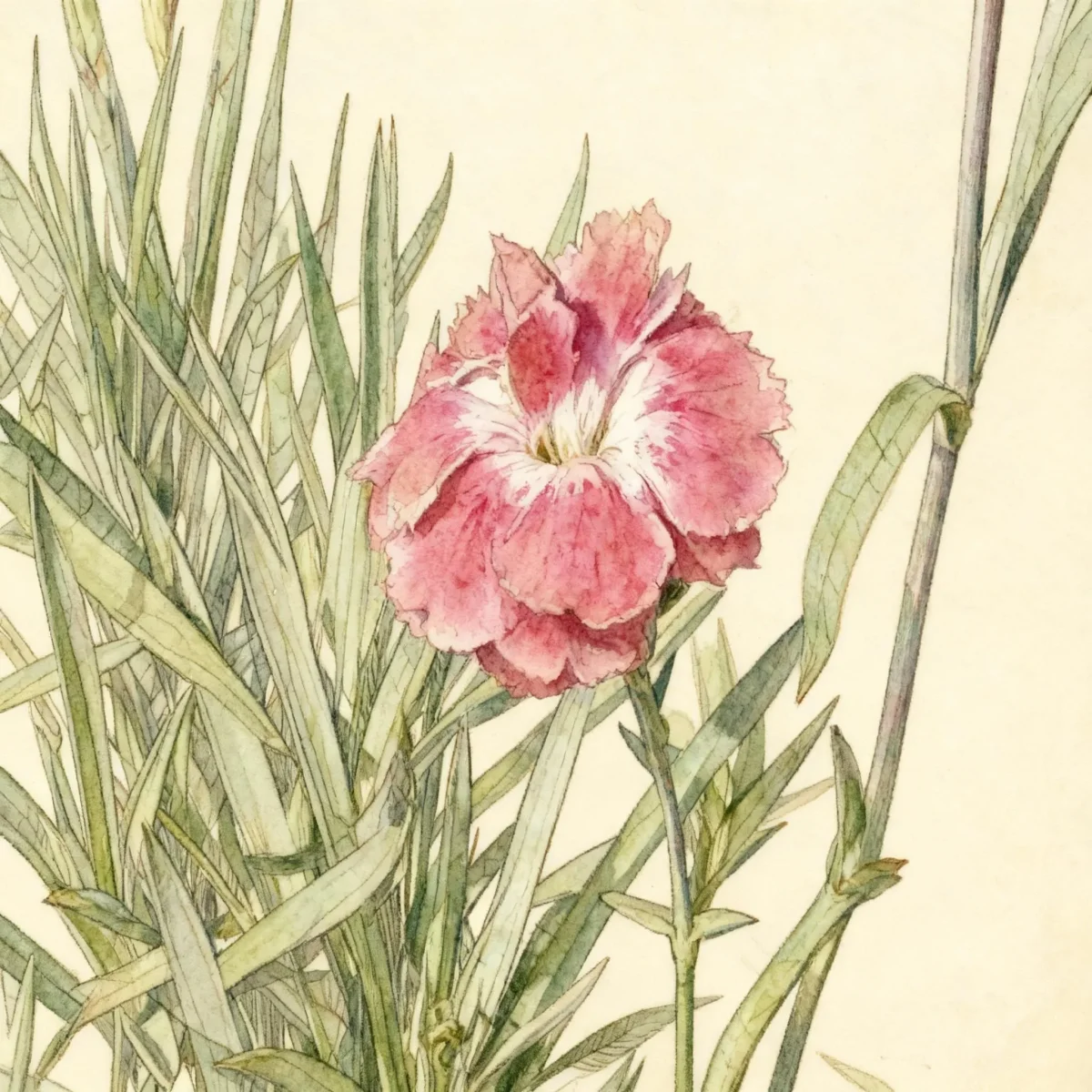
Perennial dianthus, commonly called carnations or pinks, are loosely-tufted, herbaceous perennials that features fragrant, often double flowers on stiff stems clad with narrow, linear, gray-green leaves. ‘Painted Beauty’ is specifically a mat-forming hybrid garden pink that showcases fringed, salmon pink flowers with maroon flecking and center disks, which bloom reliably in June atop stems rising 6-8 inches above the foliage mound. The foliage remains pleasingly attractive throughout the growing season, provided consistent soil moisture is maintained after flowering.
Tolerances
- Deer
Potential Problems
Carnations, including this form of Pink, are susceptible to several fungal, bacterial, and viral pathogens such as botrytis, rust, and powdery mildew, particularly if air circulation is poor or humidity remains high. Aphids, leafminers, and scale can sometimes pose an infestation threat, though these issues are generally less severe when the plant is grown outdoors in a garden bed compared to greenhouse cultivation. To mitigate disease risk, ensure strict adherence to their need for full sun and excellent drainage, and avoid overhead watering late in the day. Good horticultural hygiene, like prompt cleanup of fallen debris, helps combat overwintering fungal spores.
Frequently Asked Questions
What hardiness zones is Pink suitable for?
Dianthus ‘Painted Beauty’ is suitable for USDA Hardiness Zones 4 through 8, providing good perennial reliability across these ranges.
How large does Dianthus ‘Painted Beauty’ grow?
This variety typically achieves a height between 0.5 and 0.75 feet, with a spread ranging from 0.5 to 1.5 feet.
What sun exposure does Pink need?
This plant requires full sun exposure to develop its best flowering display.
When does Pink bloom?
Dianthus ‘Painted Beauty’ primarily blooms in June, producing fragrant salmon pink flowers marked with maroon flecking.
Conclusion
Dianthus ‘Painted Beauty’ offers gardeners a blend of low maintenance care, deer resistance, and beautifully scented blooms, solidifying its place as a cottage garden favorite. Whether nestled in a rock garden or serving as a neat border edging, this Pink provides significant aesthetic benefit. Before planting, verify that your site offers the required full sun and gritty, well-drained soil typical for this excellent perennial.
Companion Planting Ideas
When selecting neighbors for Dianthus ‘Painted Beauty’, prioritize plants that appreciate full sun and well-drained, perhaps even gritty, soil conditions. Companion plants that offer textural contrast without competing heavily for root space work best. Consider pairing this Pink with creeping forms of Thyme (Thymus spp.) or creeping Sedums which thrive in similar lean, sunny environments. Lamb’s Ears (Stachys byzantina) complements the narrow, gray-green foliage nicely, though ensure water competition is managed during dry spells.
Seasonal Care Calendar
For optimal health and bloom production from your Dianthus ‘Painted Beauty’, a simple calendar approach works well. In early spring, trim back any winter-damaged foliage and apply a light layer of compost if the soil needs enriching, focusing mainly on improving drainage structure. During the active growing season (late spring through mid-summer), deadhead the spent flowers diligently; this encourages the plant to put energy into producing more of those fragrant blossoms through June and potentially into early fall. After the primary flush, shear the plant back moderately to maintain a tidy shape, which helps prepare the clump for winter dormancy.