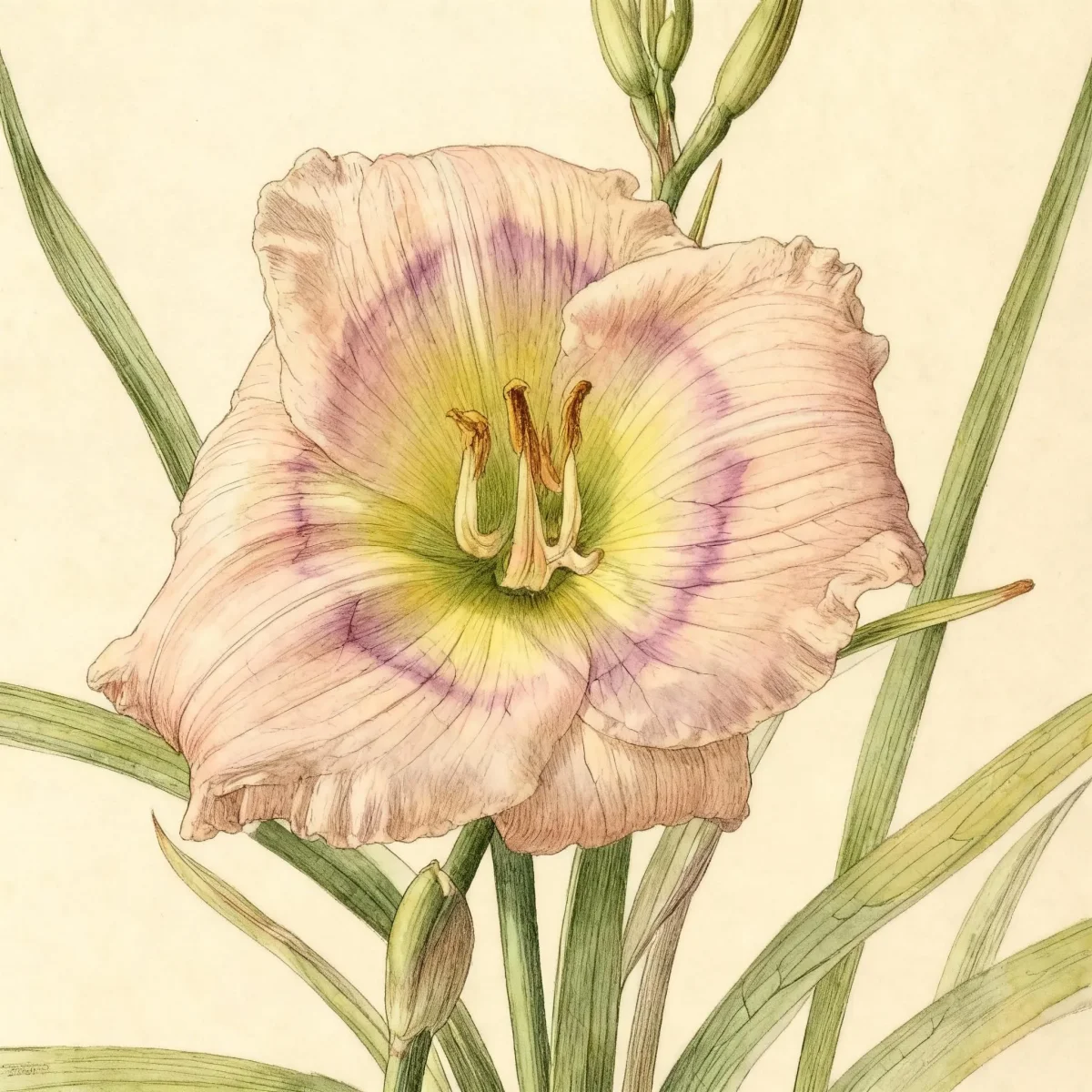
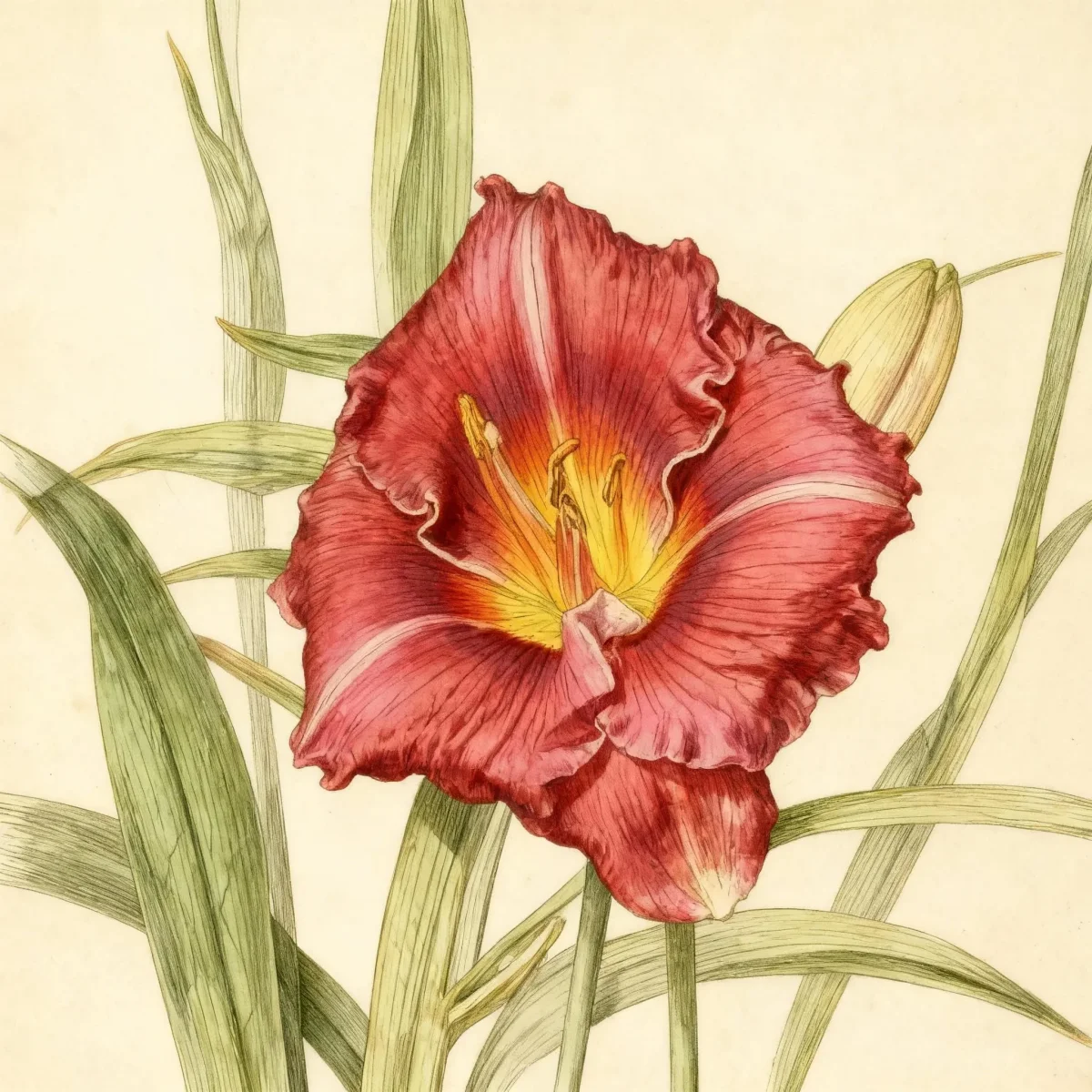
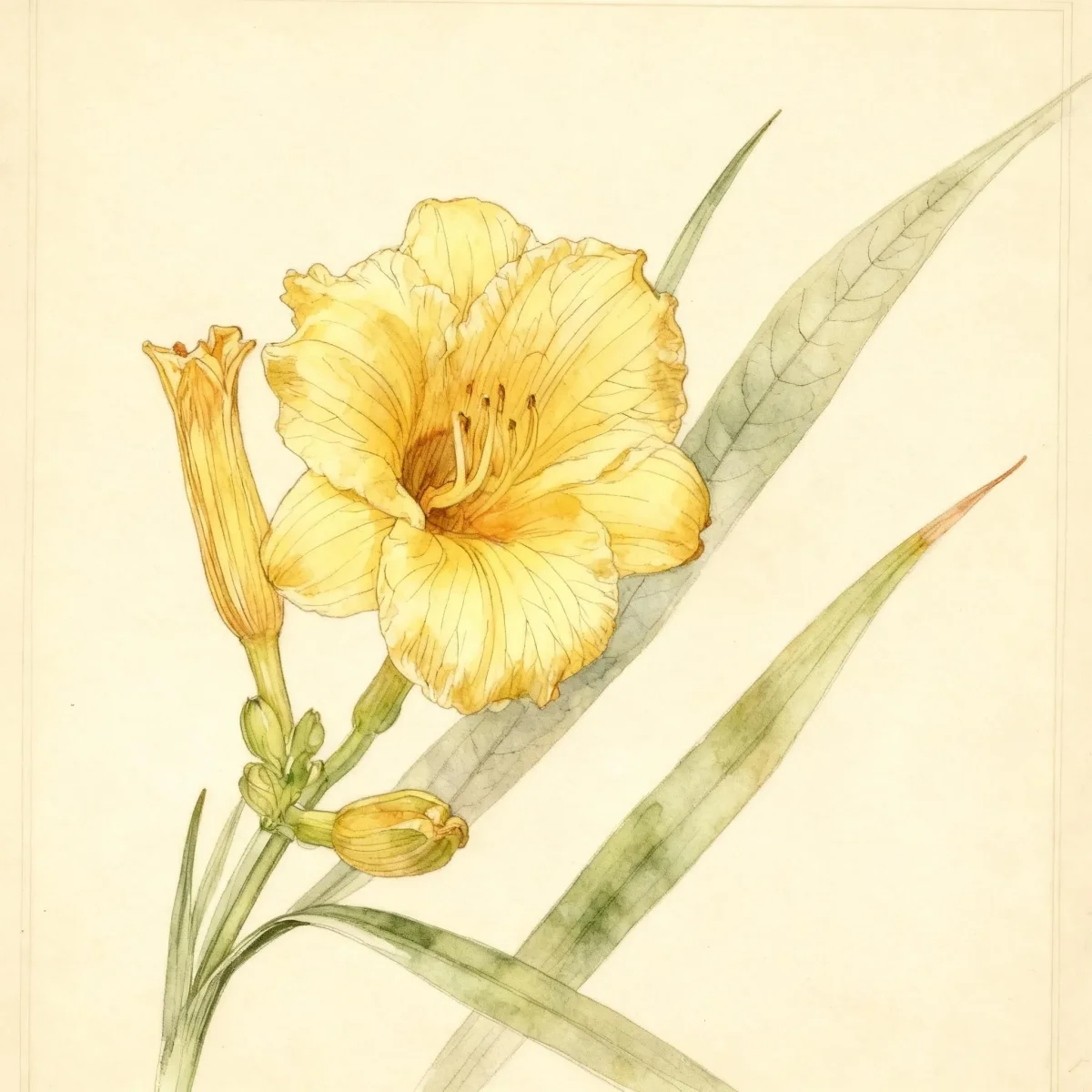
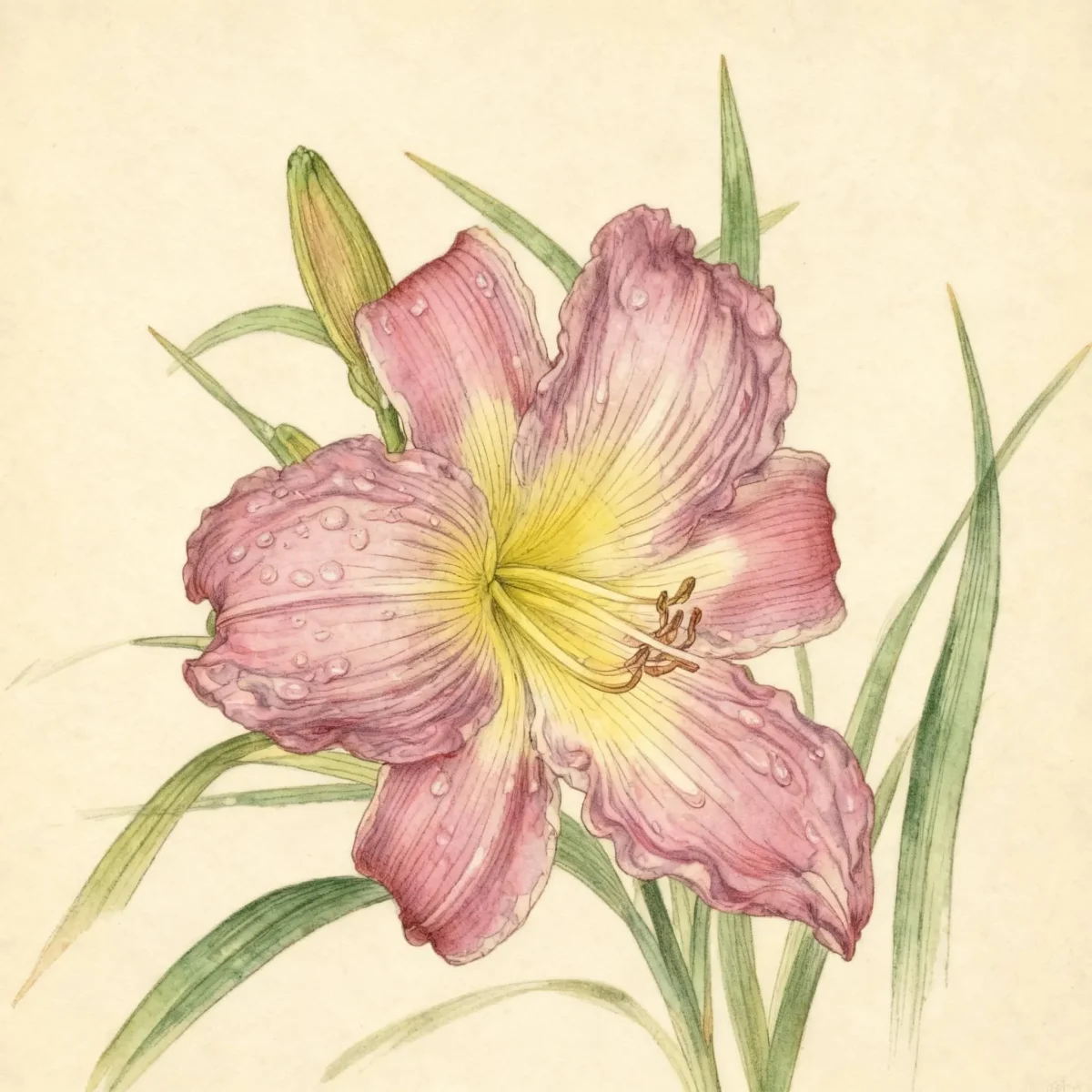
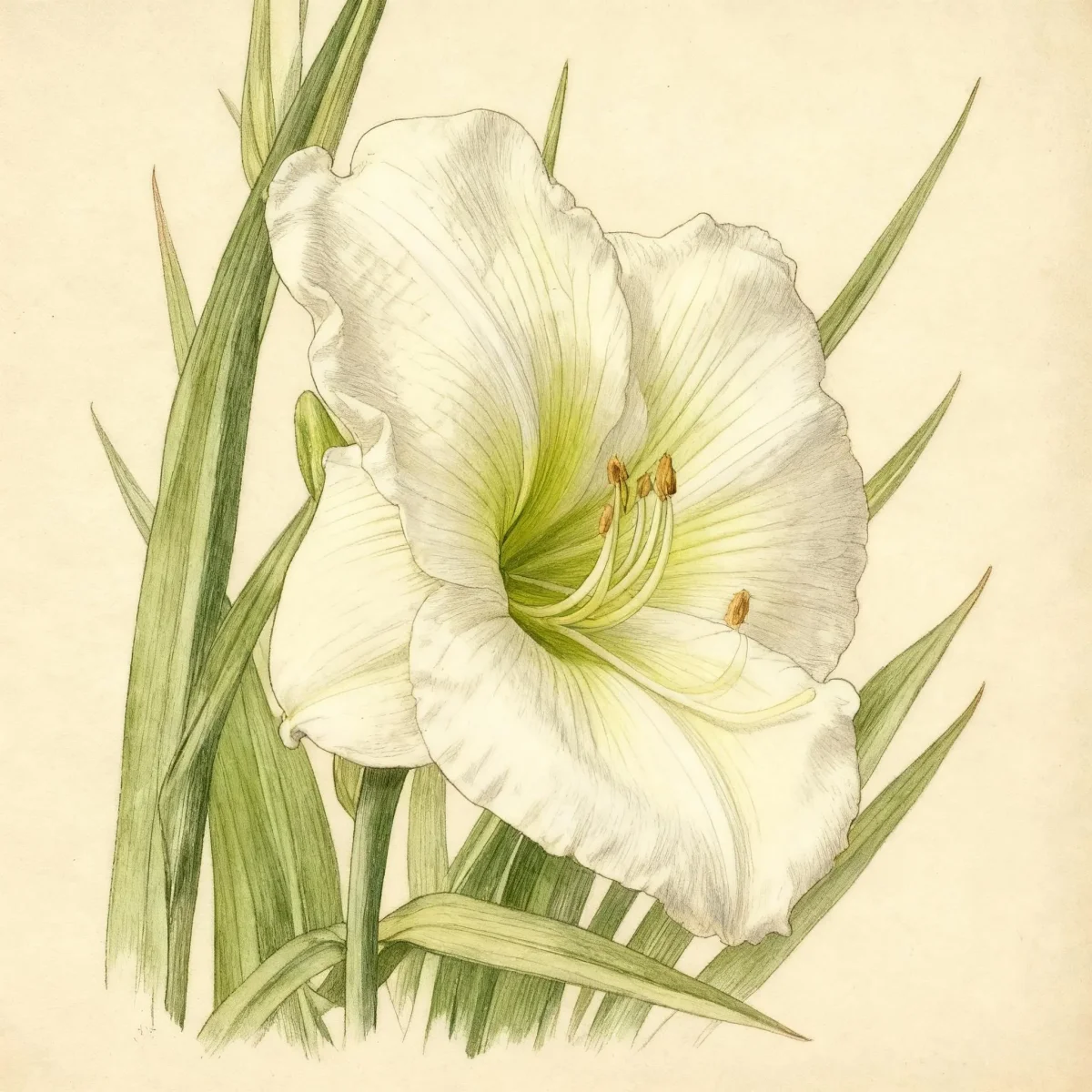
Daylily (Hemerocallis 'Moontraveller')
Lemon yellow Daylily, Hemerocallis 'Moontraveller', offers low maintenance beauty from June to frost in zones 4-9.
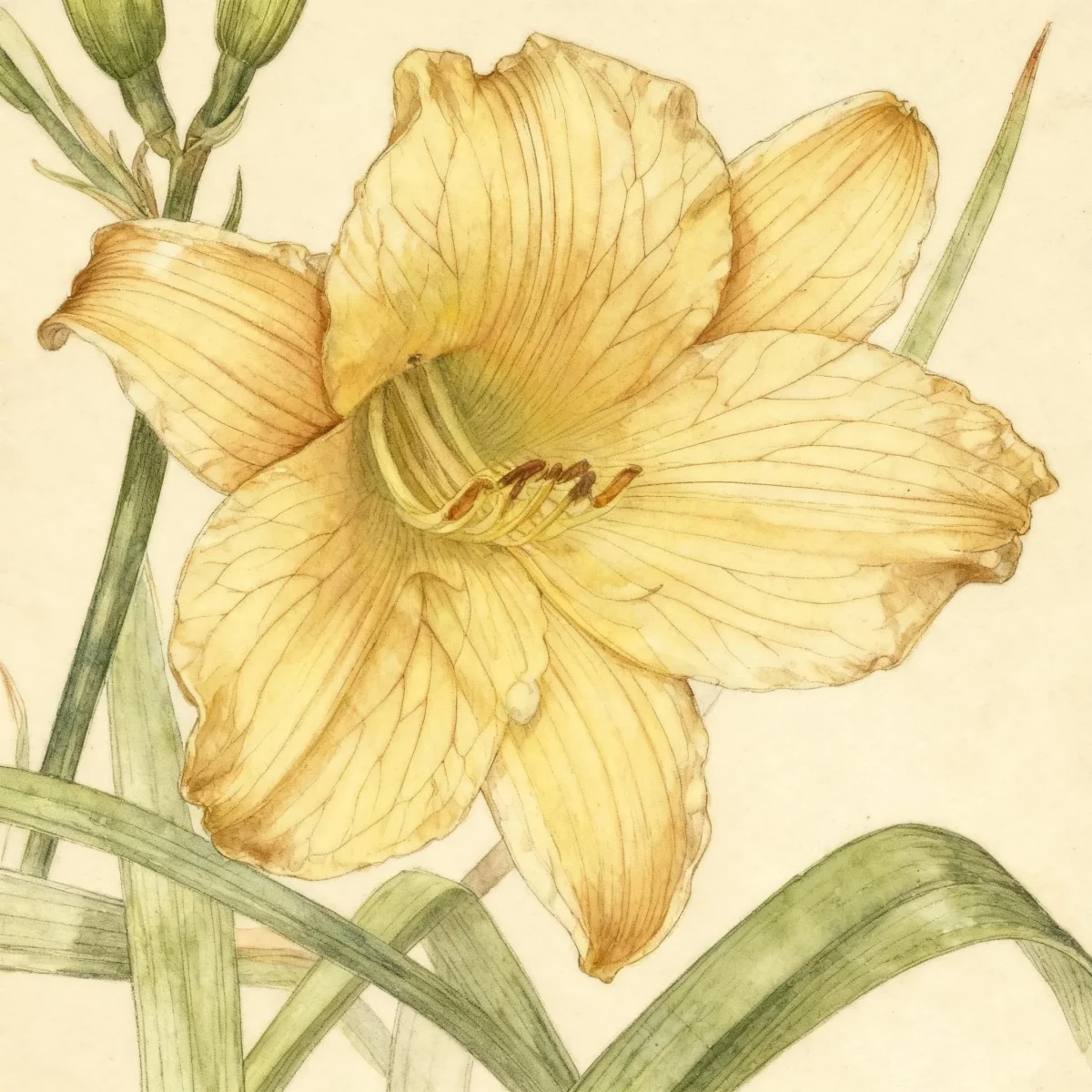

Bloom Boldly, No Matter the Season - Sweatshirt
Cozy organic cotton sweatshirt featuring our exclusive Purple Coneflower design. Perfect for gardeners who bloom year-round.
Inspired by the beautiful Daylily
Limited first batch (50) — join the waitlist for early access
Waitlist closes Feb 15, 2026.
Complete Plant Information
Field Guide Continues
Ready for care notes, companion picks, and planting tips?
The map is just the start. The full guide below covers growth habits, seasonal performance, and landscape uses.
Overview
Hemerocallis ‘Moontraveller’ is a highly valued, prolific Daylily cultivar celebrated for its reliable summer and fall performance. As a diploid variety, it consistently produces striking 4-inch diameter lemon-yellow flowers atop slender scapes reaching about two feet tall. This Daylily cultivar is a repeat bloomer, maximizing its garden presence from early summer right through to the first frost.
This herbaceous perennial adapts well to various conditions, thriving in average, well-drained soils under full sun or partial shade. Its relatively low maintenance requirement makes Hemerocallis ‘Moontraveller’ an excellent choice for both novice gardeners and experienced landscapers looking for dependable color. The linear, arching foliage provides a neat, grassy backdrop when blooms are absent.
Gardeners appreciate this Daylily not only for its extended bloom season but also for its hardiness across Zones 4 through 9. The vibrant lemon blooms provide excellent contrast in mixed borders, ensuring that the aesthetic appeal of the patch remains high throughout the primary growing season.
Fast Facts
- Plant Family: Asphodelaceae
- Plant Type: Herbaceous perennial
- Hardiness Zones: USDA Zones 4-9
- Size at Maturity:
- Height: 1.5-2 ft
- Spread: 1.5-2 ft
- Bloom Time: June to frost
- Bloom Description: Lemon yellow
- Sun Exposure: Full sun to part shade
- Water Needs: Medium
- Maintenance Level: Low
How to Grow
Start by planting your Daylily division in an average or deep loam soil that offers good drainage. While Hemerocallis ‘Moontraveller’ handles most soils, it truly performs best when enriched. Plant during the spring or fall, ensuring the crown of the plant is situated just at or slightly below the soil surface.
Water needs for this established perennial are medium; ensure deep watering during dry, hot spells to maintain attractive foliage, as drought can cause the leaves to appear limp. Maintenance is generally low, though routine deadheading of spent blooms encourages better repeat flowering performance for this long-blooming Daylily. Simply remove the individual flower for neatness, and clean up the entire flowering scape once blooming ceases for the year.
For optimal performance, plan to divide your clump of Hemerocallis ‘Moontraveller’ every three to four years, ideally in early spring in colder climates. Note that this hybrid Daylily will not reliably grow true to type if propagated by seed; division is the standard method for preserving cultivar traits. Being a winter-dormant type, it appreciates the cold period it receives in northern zones (4-8).
Landscape Uses
The robust and consistent behavior of Hemerocallis ‘Moontraveller’ makes it incredibly versatile in landscape designs. Because of its moderate 1.5 to 2-foot height, it functions perfectly in the middle ground of mixed perennial borders, creating a vibrant band of lemon yellow color that lasts for months. Daylilies are also excellent for mass plantings where you need a large area covered with reliable, low-maintenance texture and bloom.
Consider using this Daylily for edging pathways or driveways where its neat, clumping habit prevents spreading too aggressively. The arching, grassy foliage remains attractive even when the plant isn’t actively flowering. Dwarf cultivars, though this one is medium-sized, are often utilized effectively in rock gardens, but the consistent color massing offered by Hemerocallis ‘Moontraveller’ lends itself well to contemporary garden structures.
Standout Features
Flower Qualities
- Showy
Noteworthy Characteristics
Hemerocallis is a genus of about 15 species of herbaceous perennials commonly known as daylilies. Hybridizers have expended considerable effort over the years creating new daylilies featuring flowers with new colors, color combinations, shapes and patterns. Each flower typically remains open for one (but sometime two) days, hence the common name of daylily. ‘Moontraveller’ is a diploid cultivar which features 4” diameter, lemon flowers on naked stems (scapes) typically rising to 24” tall above a clump of arching, linear, blade-like leaves.
Tolerances
- Rabbit
- Erosion
- Air Pollution
Potential Problems
Daylilies are renowned for being extremely adaptable and are generally very easy to grow, suffering few serious setbacks. Occasionally, common piercing-sucking pests like mites, aphids, or thrips may appear, usually manageable with simple horticultural oils or insecticidal soap. Daylily rust can become a concern depending on your region’s humidity and local fungal pressure, often signaled by yellow or brown flecks on the foliage. On a positive note, rabbits tend to avoid consuming this plant matter entirely.
Frequently Asked Questions
What hardiness zones is Daylily suitable for?
This specific Daylily cultivar, Hemerocallis ‘Moontraveller’, is suitable for USDA Hardiness Zones 4 through 9.
How large does Hemerocallis ‘Moontraveller’ grow?
This Daylily typically reaches a mature height between 1.5 and 2 feet tall, with a corresponding spread of 1.5 to 2 feet wide.
When does Daylily bloom?
Hemerocallis ‘Moontraveller’ provides continuous color performance starting in June and often continues blooming until the first heavy frost. Individual flowers display a pleasant lemon yellow hue.
What sun exposure does Daylily need?
This plant performs optimally when situated in an area receiving full sun to light, part shade conditions.
Conclusion
Hemerocallis ‘Moontraveller’ is a fantastic, dependable garden anchor, providing weeks of continuous lemon yellow blooms with minimal fuss. Its adaptability, low maintenance nature, and impressive bloom duration secure its place as a staple Daylily hybrid. Before planting, verify that your local conditions align with USDA Zones 4-9 and ensure adequate drainage for long-term success.
Companion Planting
When planning borders designed to showcase the vibrant yellow of Hemerocallis ‘Moontraveller’, select companions that offer contrasting foliage texture or bloom time. Consider pairing them with plants that prefer similar medium moisture levels, such as Salvias or Catmint (Nepeta). Placing shorter, mounding perennials like Lamb’s Ears (Stachys byzantina) in front can help hide the basal foliage as the season progresses, providing a neat visual transition.
For a cottage garden look, interplant the Daylily with traditional spring bloomers like peonies or bearded irises; once those primary spring shows fade, the Daylily takes over the mid-summer display. Since Daylilies are heavy feeders, avoid planting highly aggressive groundcovers directly beneath them that might compete unnecessarily for nutrients and water.
Propagation Tips
The primary and most effective method for propagating Hemerocallis ‘Moontraveller’ is through division. Because this is a registered hybrid, growing new plants from seed is discouraged as they will not produce plants identical to the parent in color or form. Division should occur in the spring, which is ideal in colder climates, or in the fall, providing the plant adequate time to establish before winter dormancy sets in.
To divide, dig up the entire clump using a spading fork, being careful not to damage the tuberous roots excessively. Use a sharp, sterilized spade or knife to cleanly separate the clump into smaller sections, ensuring each new division has several fans of foliage and a healthy root system attached. Replant these divisions immediately at the same depth they were previously growing.