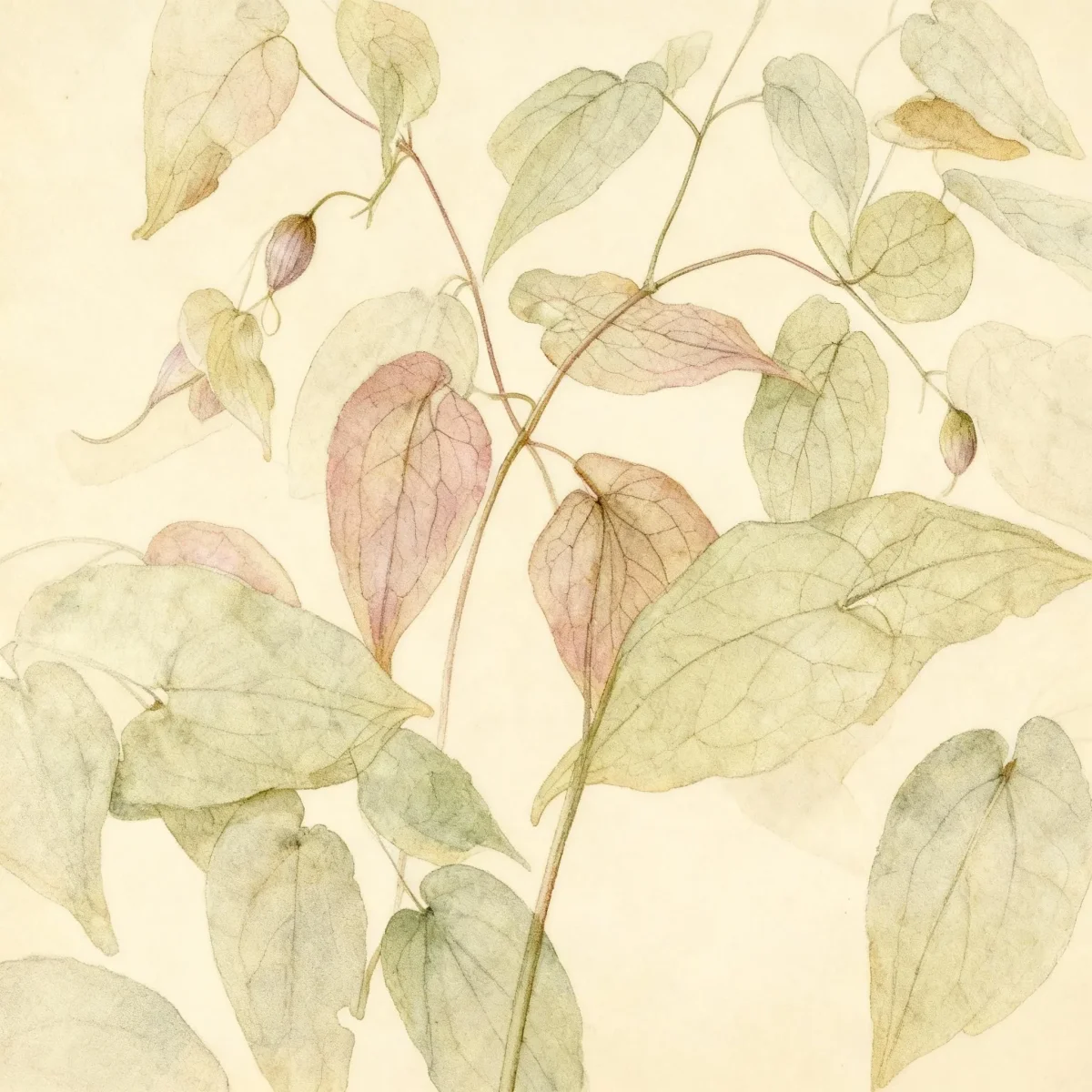
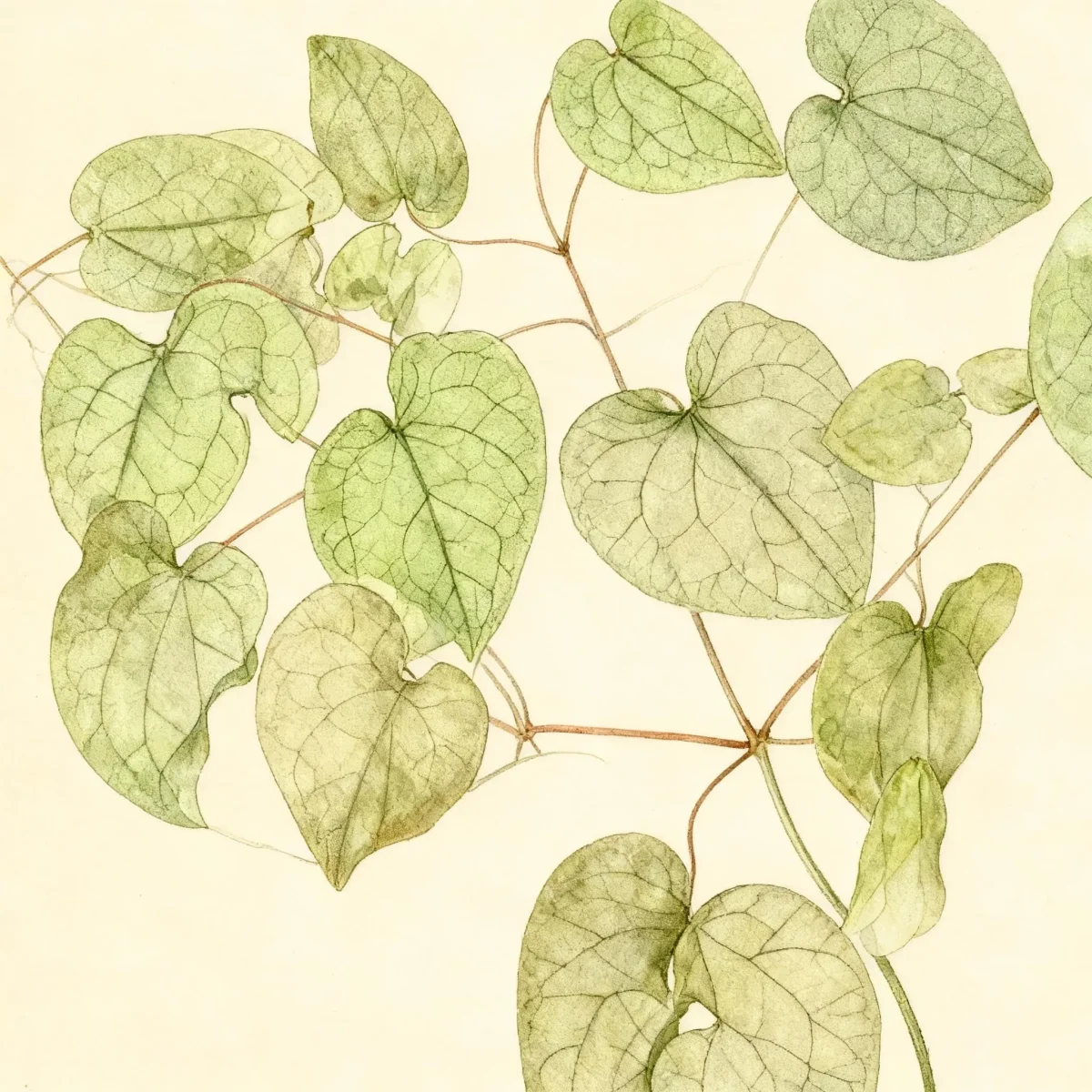
Bishop's hat (Epimedium 'Tama-no-genpei')
Epimedium 'Tama-no-genpei', or Bishop's hat, is a low-maintenance perennial offering bicolored spring flowers and excellent dry shade tolerance.
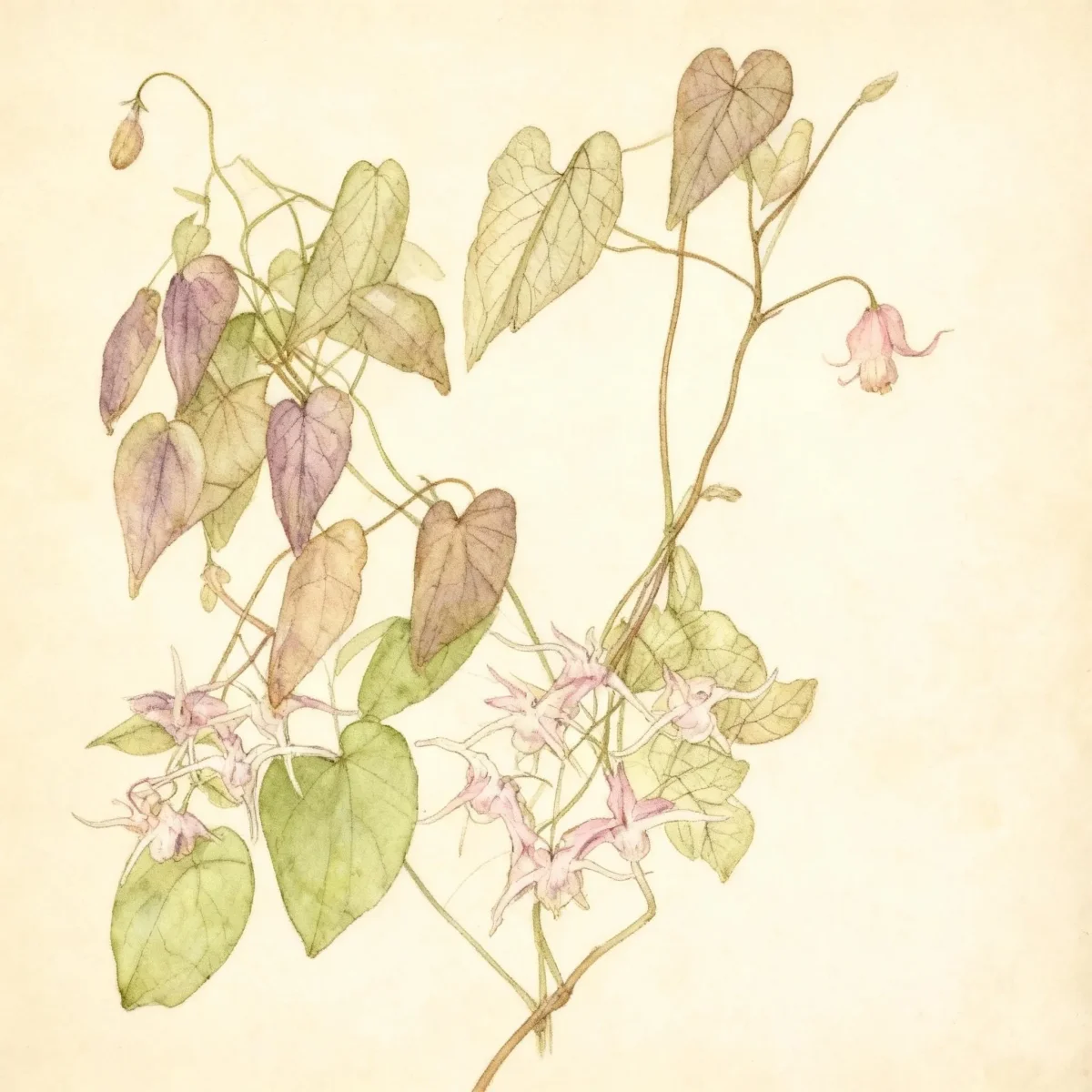

Bloom Boldly, No Matter the Season - Sweatshirt
Cozy organic cotton sweatshirt featuring our exclusive Purple Coneflower design. Perfect for gardeners who bloom year-round.
Inspired by the beautiful Bishop's hat
Limited first batch (50) — join the waitlist for early access
Waitlist closes Feb 15, 2026.
Complete Plant Information
Field Guide Continues
Ready for care notes, companion picks, and planting tips?
The map is just the start. The full guide below covers growth habits, seasonal performance, and landscape uses.
Overview
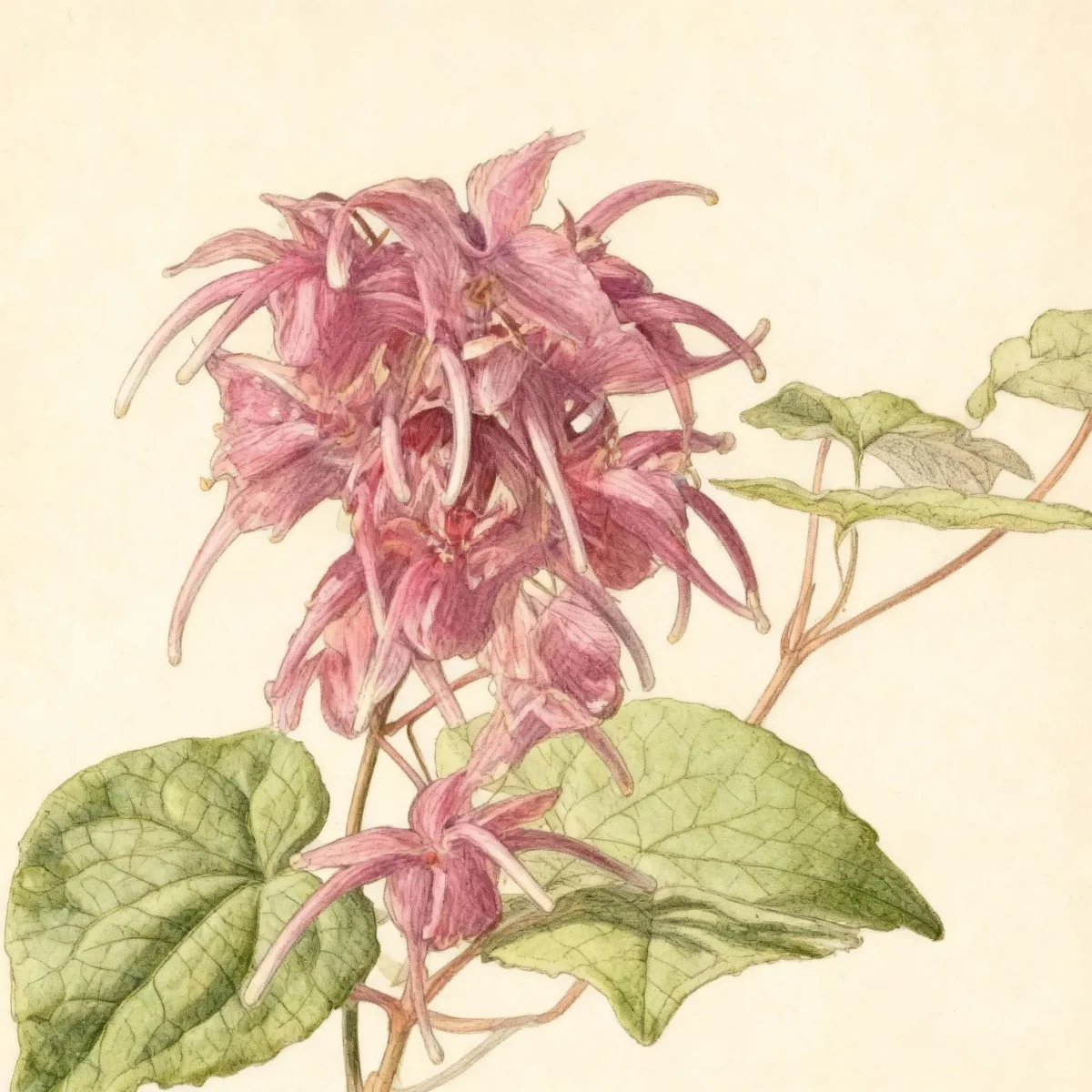
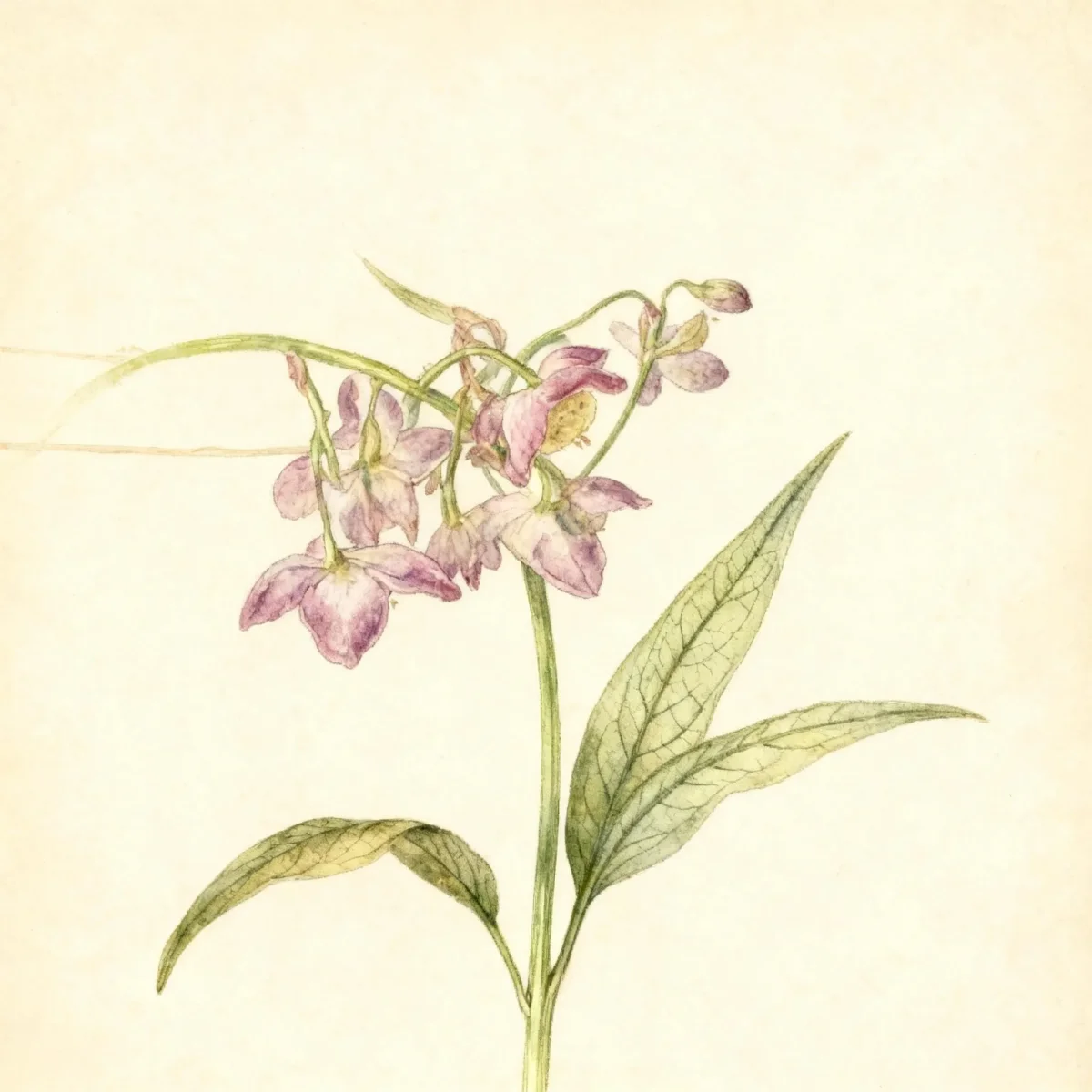
Epimedium ‘Tama-no-genpei’, commonly known as Bishop’s hat, is a highly valued, rhizomatous perennial celebrated for its resilience in challenging shady conditions. This variety is particularly prized for its unique, long-spurred flowers which display a striking reddish-purple and white bicolored pattern early in the spring. As an exceptional groundcover, Epimedium ‘Tama-no-genpei’ forms dense, attractive foliage mounds that suppress weeds naturally.
This plant offers low maintenance requirements once established, thriving where many other perennials struggle, especially under deciduous trees or in dry shade. Its tough nature, combined with its delicate spring blooms, makes the Bishop’s hat an indispensable component for woodland gardens and deeply shaded borders. Gardeners rely on Epimedium ‘Tama-no-genpei’ for reliable texture and seasonal color beneath high canopies.
Fast Facts
- Plant Family: Berberidaceae
- Plant Type: Herbaceous perennial
- Hardiness Zones: USDA Zones 4-8
- Size at Maturity:
- Height: 1-1.5 ft
- Spread: 1-2 ft
- Bloom Time: April
- Bloom Description: Reddish-purple and white (bicolored)
- Sun Exposure: Part shade to full shade
- Water Needs: Dry to medium
- Maintenance Level: Low
How to Grow
Plant Epimedium ‘Tama-no-genpei’ during the cooler seasons—spring or fall—to allow it time to establish its robust rhizomes before summer heat. It thrives best in average, acidic, well-drained soils. While it prefers loose, organically rich loams with consistent moisture during establishment, this cultivar demonstrates remarkable tolerance once mature.
Watering needs are minimal after the first season, as the rhizomes are adept at retaining moisture, allowing this Bishop’s hat to handle drought and dry shade. Avoid planting where it receives intense afternoon sun, as the medium green foliage is prone to burning under harsh light. Alkaline soils must be avoided, which is a key cultural consideration for success.
Maintenance for Epimedium ‘Tama-no-genpei’ is minimal. There is no necessary pruning other than removing any foliage that looks unsightly in late winter before the new spring growth emerges. Fertilizing is generally unnecessary, especially if the plant is established in a location rich with natural leaf drop from overhead trees.
Landscape Uses
Epimedium ‘Tama-no-genpei’ excels as a functional and beautiful groundcover, rapidly forming dense colonies perfect for naturalized areas or woodland settings. Its ability to tolerate dry shade makes it ideal for planting beneath mature trees where competition for water is fierce. Use clumps of Bishop’s hat as an effective edger for winding paths or walkways, providing year-round structure.
Consider mass planting Epimedium ‘Tama-no-genpei’ in sweeping drifts to maximize its visual impact during the spring bloom period. It pairs well with spring ephemeral bulbs that finish their cycle before the shade deepens. For textural contrast, plant it near fine-textured ferns or plants that appreciate similar cool, moist, but well-drained conditions.
Standout Features
Flower Qualities
- Showy
Noteworthy Characteristics
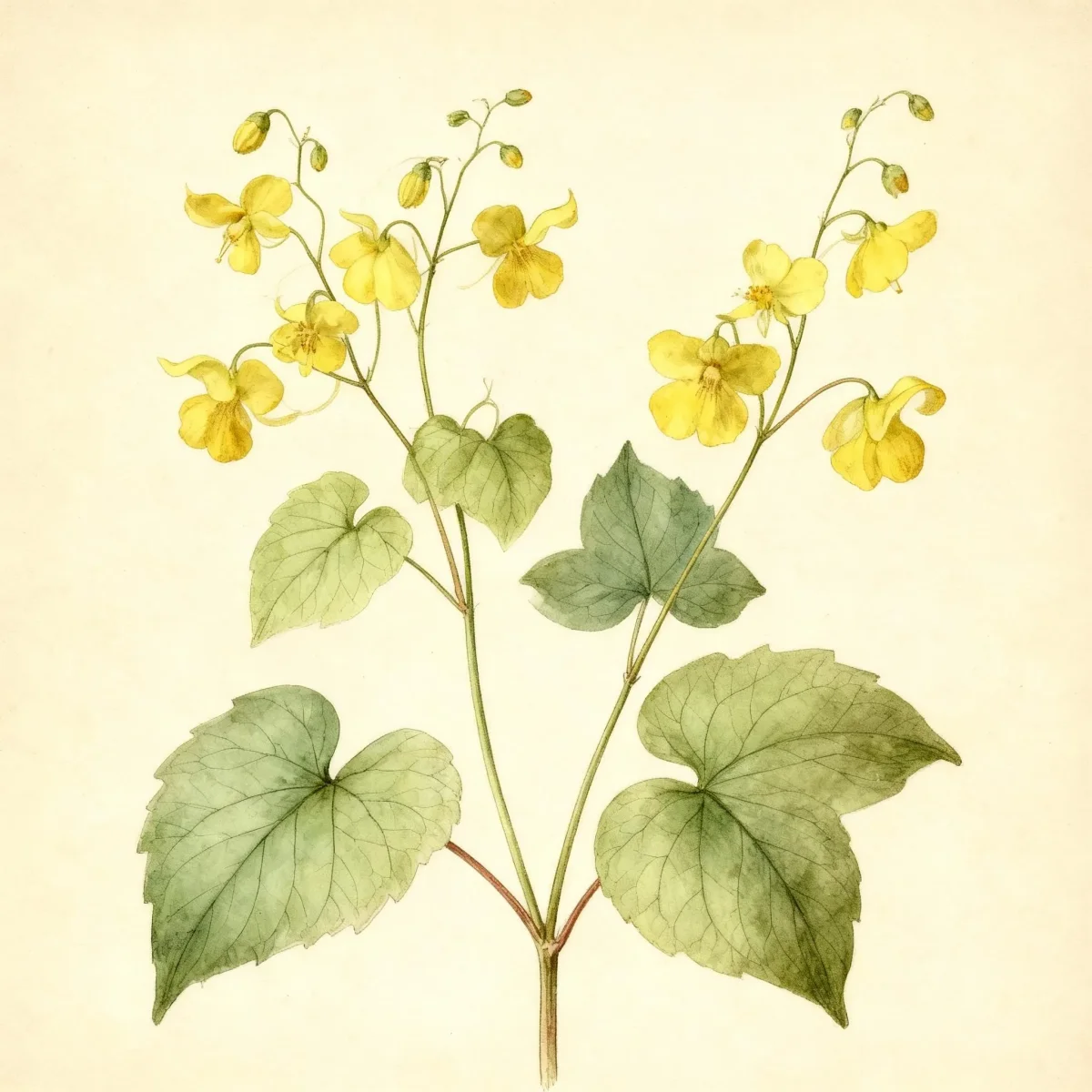
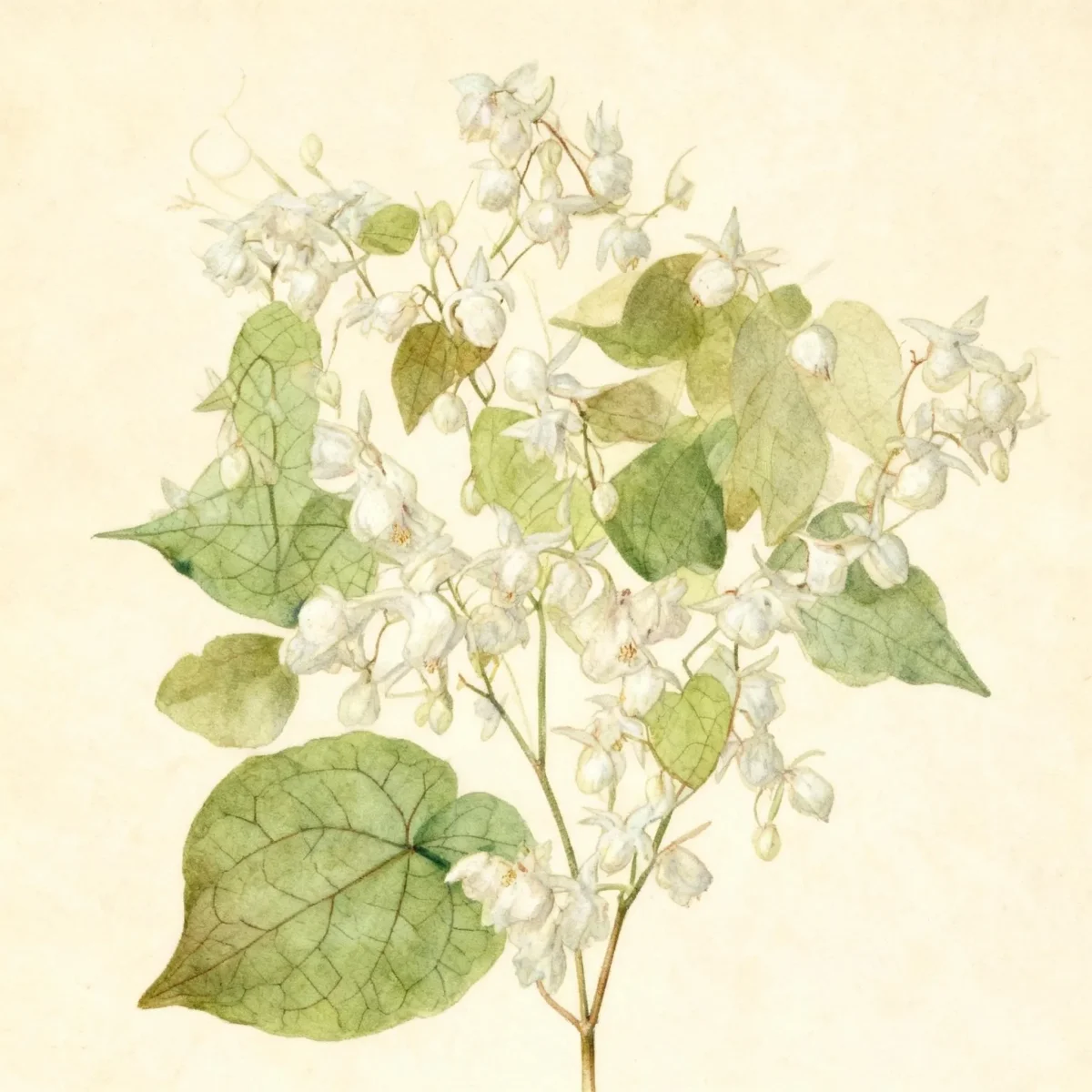
Epimedium is a genus of 20-30 species of evergreen and deciduous, rhizomatous perennials from the Mediterranean to East Asia. Many make excellent groundcovers for shady areas. Epimediums have a number of common names, including barrenwort, bishop’s hat, bishop’s mitre and fairy wings. ‘Tama No Genpei’ typically grows 12-16” tall, featuring long-spurred, bicolored (reddish-purple and white) flowers that appear in spring above the foliage. The textured, medium green compound leaves form dense mounds, with new spring growth often showing purplish tints before maturing.
Tolerances
- Rabbit
- Deer
- Drought
- Heavy Shade
- Erosion
- Dry Soil
- Shallow-Rocky Soil
Potential Problems
This plant generally remains free of serious insect or disease issues under proper conditions. The primary recorded disease concern is Mosaic Virus, which can be transmitted by aphids, though this is uncommon in well-maintained gardens. If aphids are present, control them promptly to prevent viral spread. Proper site selection—avoiding poor drainage and alkaline soil—is the best preventative measure against most cultural stresses.
Frequently Asked Questions
What hardiness zones is Epimedium ‘Tama-no-genpei’ suitable for?
Epimedium ‘Tama-no-genpei’ is suitably hardy across USDA Zones 4 through 8.
How large does Bishop’s hat grow?
This cultivar typically reaches a mature height between 1 and 1.5 feet tall, spreading to a width of 1 to 2 feet.
What sun exposure does Epimedium ‘Tama-no-genpei’ need?
It prefers part shade, flourishing best in locations receiving dappled sunlight or only morning sun exposure, and it tolerates full shade well.
When does Bishop’s hat bloom?
The bloom time is typically in April, showcasing its lovely reddish-purple and white bicolored flowers.
Conclusion
Epimedium ‘Tama-no-genpei’ delivers exceptional performance in difficult, shaded environments, combining durable foliage with a delightful early spring floral display. This low-maintenance Bishop’s hat is a stellar choice for tackling dry shade problems. Before planting, confirm your site falls within USDA Zones 4-8 and ensure the soil is well-drained for optimal longevity.
Companion Planting with Bishop’s Hat
Given its preference for part shade to full shade and its excellent dry shade tolerance once established, Epimedium ‘Tama-no-genpei’ pairs beautifully with other woodland structure plants. Consider pairing it with Hosta varieties that tolerate deeper shade, or using Lungwort (Pulmonaria) whose spotted foliage contrasts nicely with the finer leaves of the Epimedium. Ferns, such as Japanese Painted Ferns, offer feathery texture that complements the mounding habit of the Bishop’s hat throughout the summer months.
Propagation Tips
Since Epimedium ‘Tama-no-genpei’ forms colonies slowly via rhizomes, division is the most effective and reliable method for propagation. The best time to divide the clumps is in the early spring just as new growth is initiating, or in the fall after summer dormancy has passed. Gently sever sections of the root mass, ensuring each division retains several healthy shoots and adequate root structure. Replant these divisions immediately into amended soil at the same depth they previously occupied to minimize transplant shock.