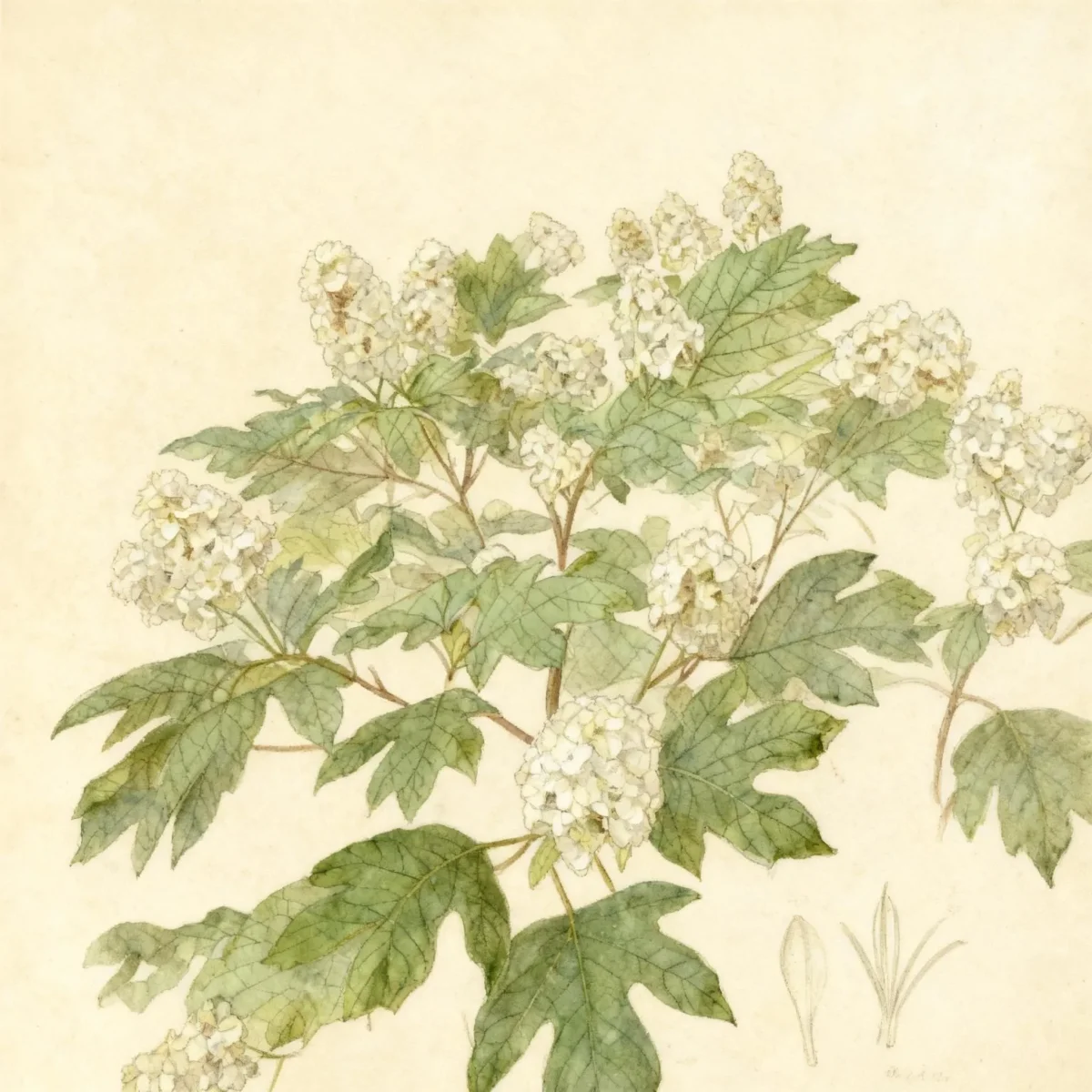
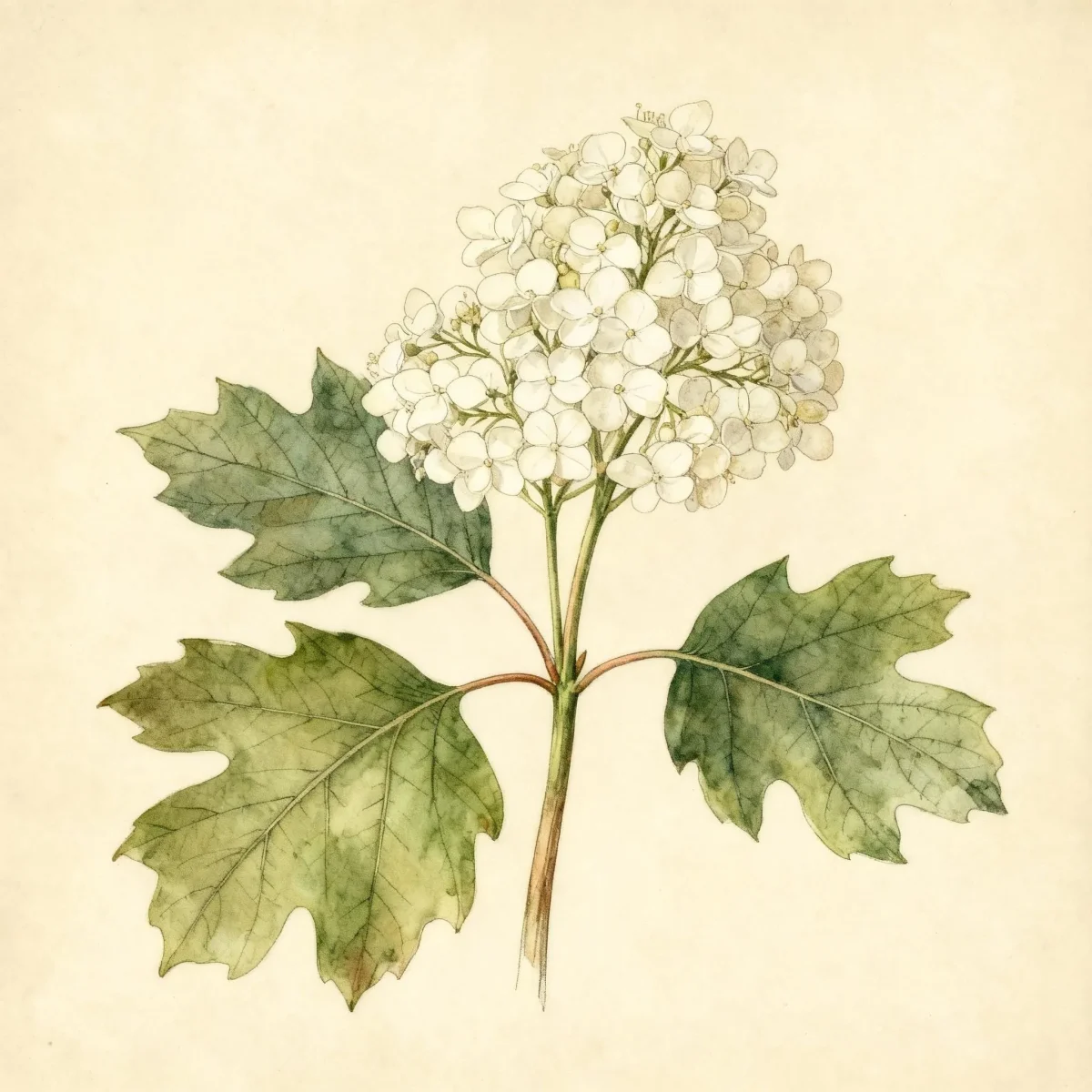
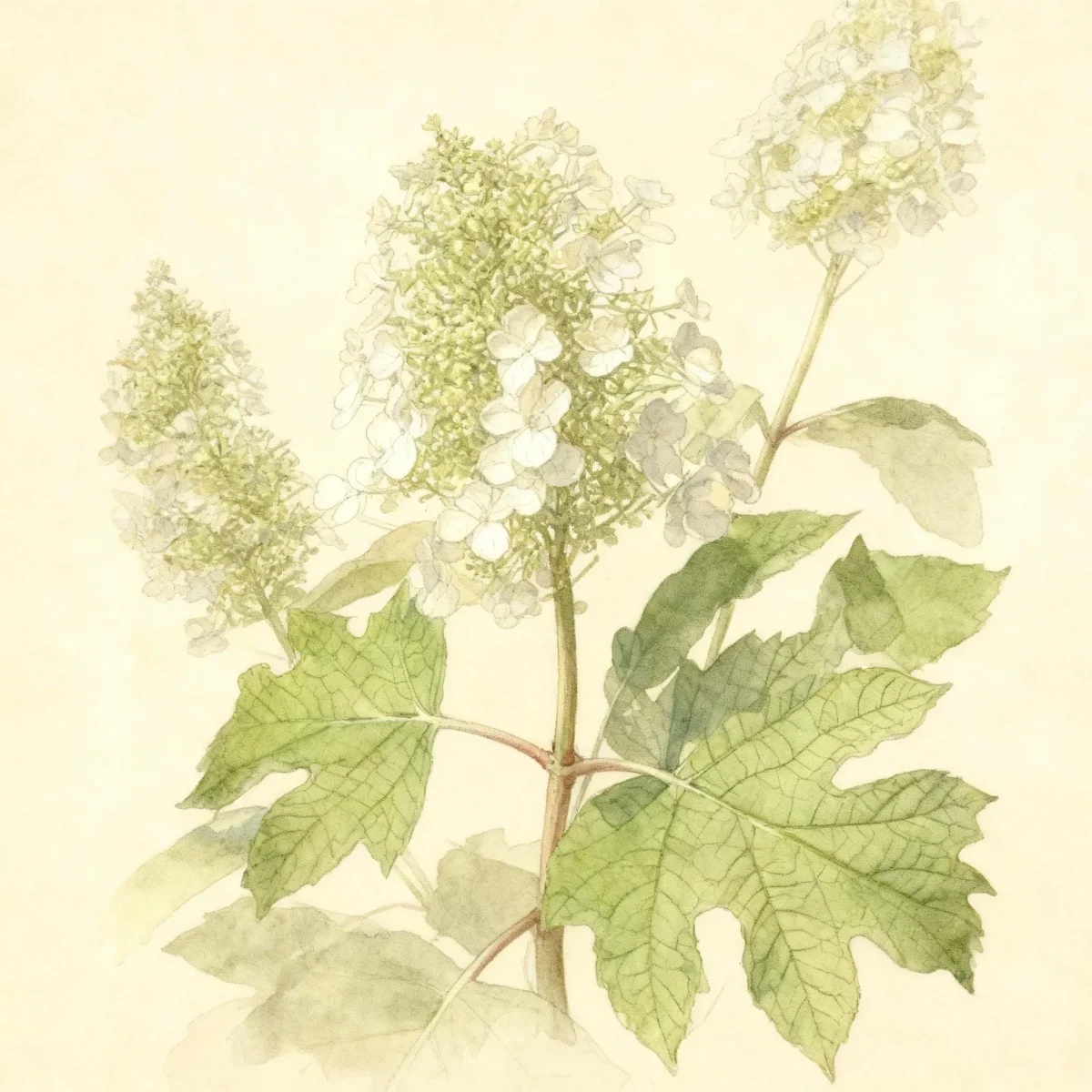
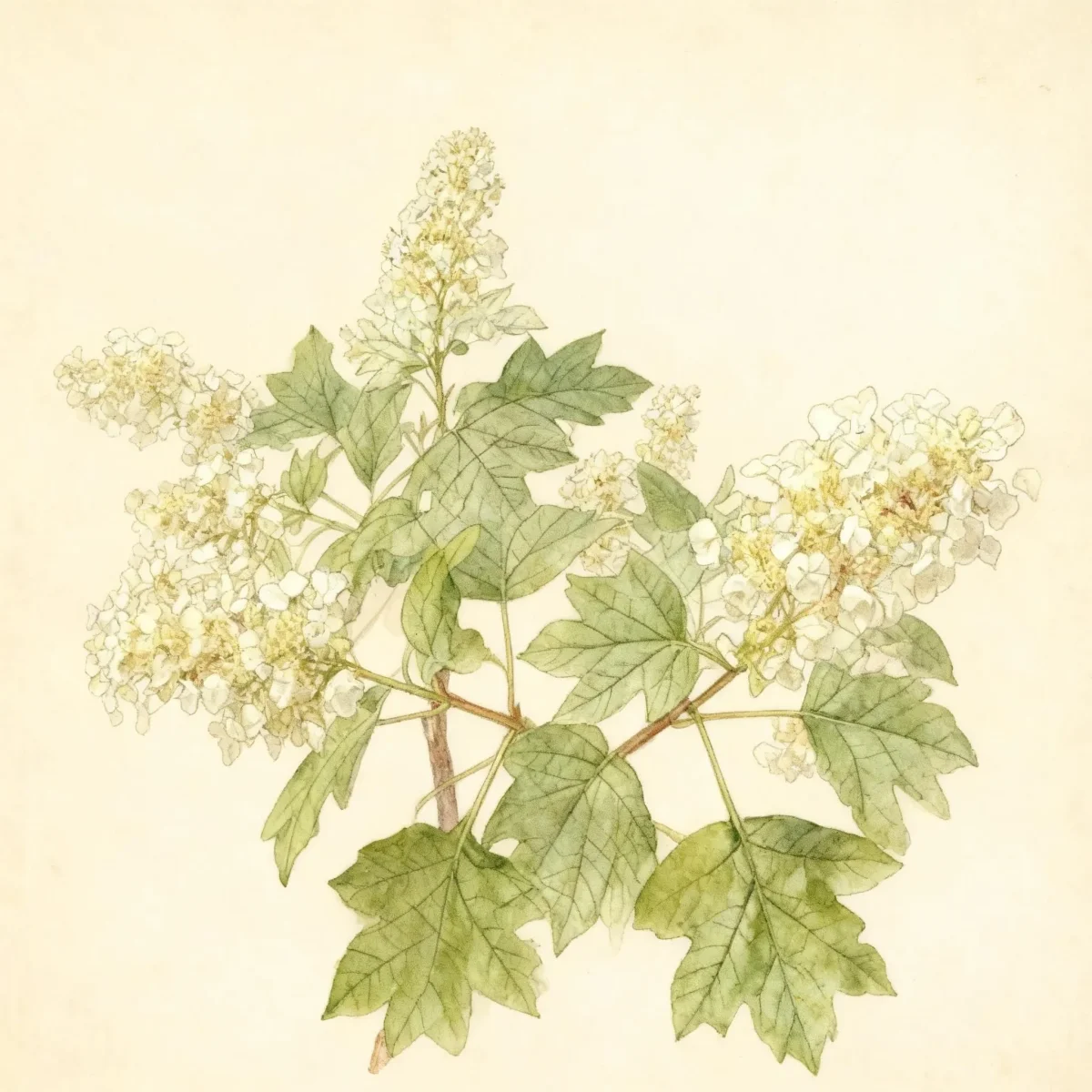
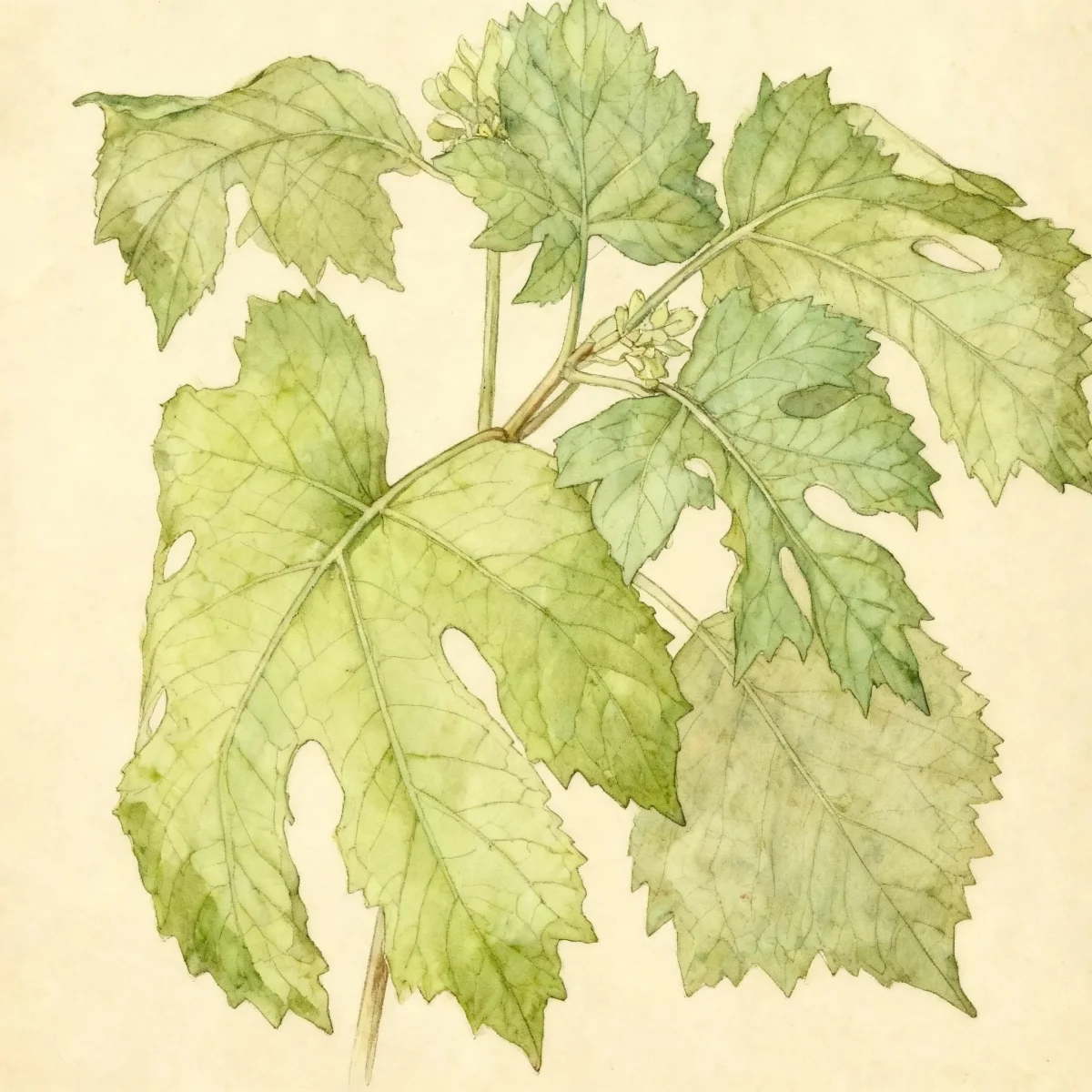
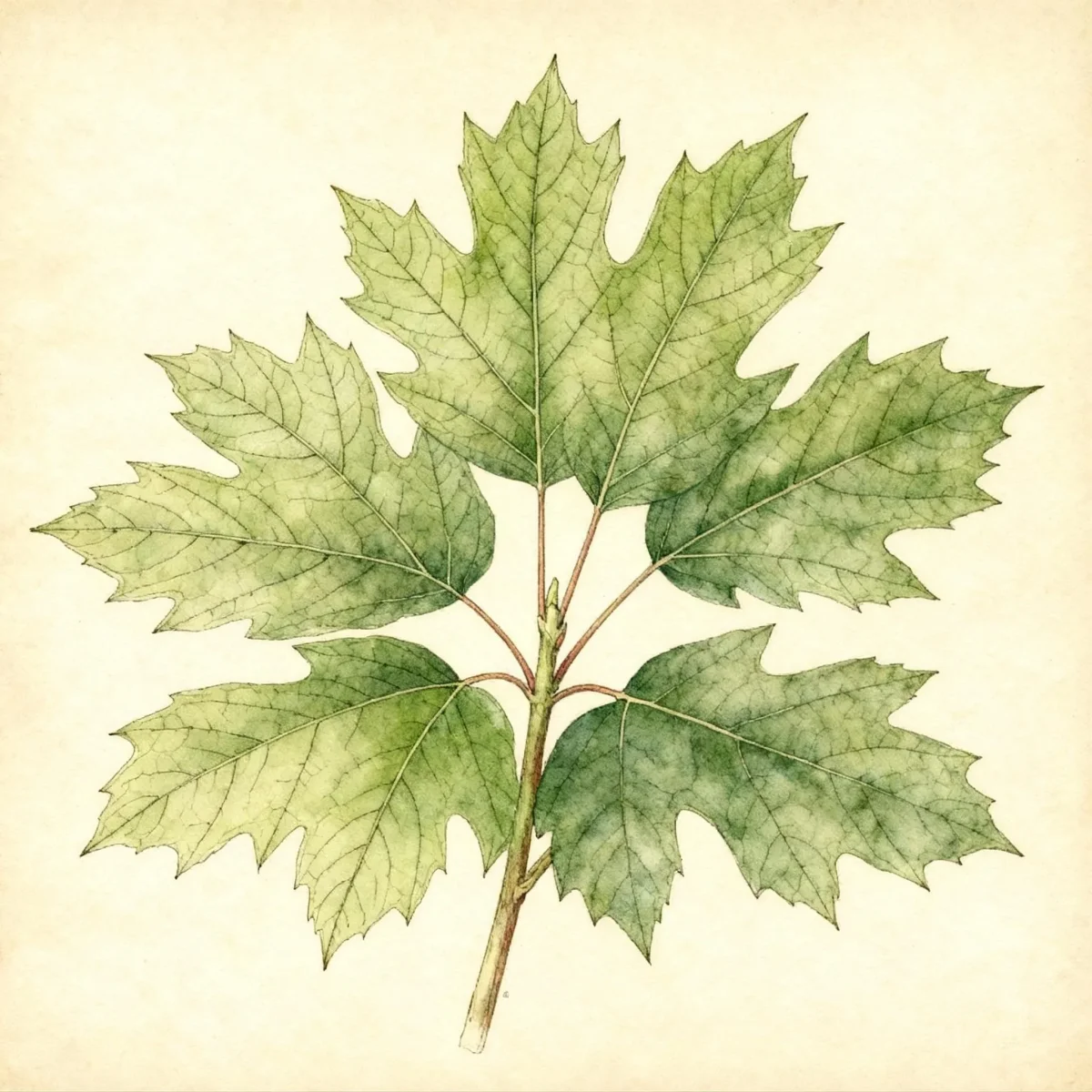
Oakleaf hydrangea (Hydrangea quercifolia 'Alice')
Hydrangea quercifolia 'Alice' is a standout Oakleaf hydrangea valued for large white/pink blooms, remarkable fall color, and exfoliating bark.
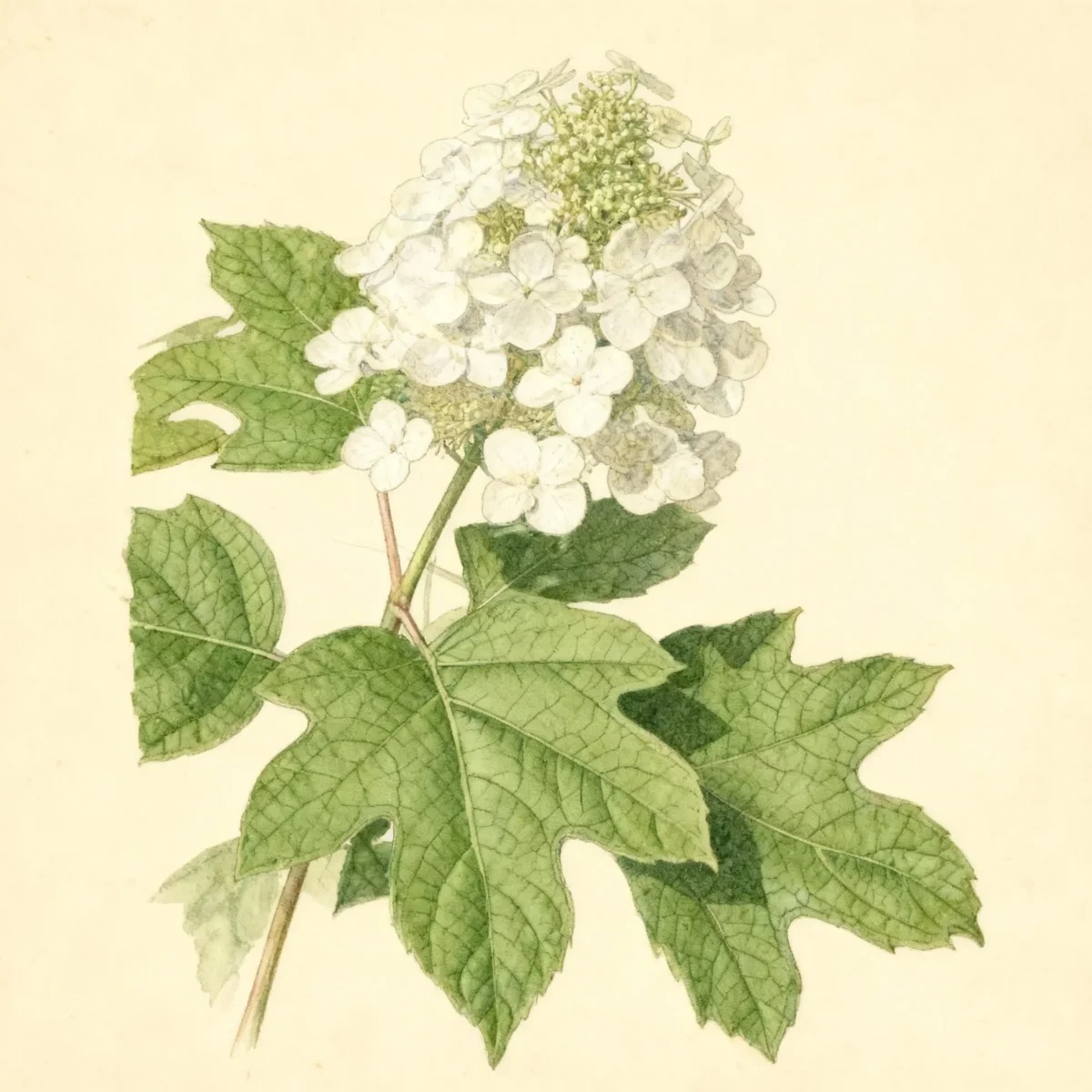

Bloom Boldly, No Matter the Season - Sweatshirt
Cozy organic cotton sweatshirt featuring our exclusive Purple Coneflower design. Perfect for gardeners who bloom year-round.
Inspired by the beautiful Oakleaf hydrangea
Limited first batch (50) — join the waitlist for early access
Waitlist closes Feb 15, 2026.
Complete Plant Information
Field Guide Continues
Ready for care notes, companion picks, and planting tips?
The map is just the start. The full guide below covers growth habits, seasonal performance, and landscape uses.
Overview
The Hydrangea quercifolia ‘Alice’, commonly known as Oakleaf hydrangea, is a remarkable specimen shrub celebrated for its year-round visual interest. It offers impressive attributes, including large, arching flower panicles that start white and age to attractive pink tones, and deeply lobed foliage that transforms into rich bronze, maroon, and purple in the autumn. This sturdy deciduous shrub provides structure and texture, further enhanced by mature stems that exfoliate to reveal attractive inner bark during the winter months. Hydrangea quercifolia ‘Alice’ is classified as a low-maintenance plant, making it an excellent choice for gardeners seeking high impact with minimal effort. As a multi-stemmed shrub, it serves beautifully as an accent or informal hedge, bringing native elegance to the landscape.
Fast Facts
- Plant Family: Hydrangeaceae
- Plant Type: Deciduous shrub
- Hardiness Zones: USDA Zones 5-9
- Size at Maturity:
- Height: 5-8 ft
- Spread: 5-8 ft
- Bloom Time: June to July
- Bloom Description: White fading to pink
- Sun Exposure: Full sun to part shade
- Water Needs: Medium
- Maintenance Level: Low
How to Grow
Planting Hydrangea quercifolia ‘Alice’ is best done in spring or fall, allowing it time to establish before facing temperature extremes. Ensure the location provides organically rich, medium-moisture, well-drained soil. While it tolerates full sun, supplemental water during hot periods benefits it greatly, especially when young.
Ongoing care for the Oakleaf hydrangea centers on consistent moisture management; it thrives in moist soils and benefits significantly from a summer mulch application to conserve water. Pruning is minimal; blooms form on old wood, so if shaping is necessary, perform the light pruning work immediately following the flowering period in mid-summer.
Gardeners in Zone 5 must pay special attention to winter preparation. Provide sheltered locations and apply winter protection, such as burlap wrapping or heavy mulch, particularly until the plant is fully mature. Harsh winter dips below -10°F can damage existing wood, potentially eliminating blooms for that season.
Landscape Uses
The versatility of Hydrangea quercifolia ‘Alice’ makes it highly valued in landscape design. Its substantial size and four-season interest mean it excels when used as a specimen plant near patios or entryways where its exfoliating bark and fall color can be appreciated up close. Grouping or massing these shrubs creates a dramatic, informal border or provides excellent screening.
This Oakleaf hydrangea works well integrated into open woodland settings or mixed borders alongside other shrubs that enjoy similar rich, moist soil conditions. Designing with structure in mind, the exfoliating stems of mature specimens offer crucial texture and color interest during the dormant season, preventing the winter landscape from becoming monotonous.
Flower Qualities
- Showy
Noteworthy Characteristics
The upright, broad-rounded Hydrangea quercifolia ‘Alice’ typically reaches 5 to 8 feet tall and wide, showcasing large, arching flower panicles, sometimes reaching 14 inches long, presenting white flowers that mature to pink and eventually brown. Its distinguishing feature is the deeply lobed, oak-like leaves that display superior autumn coloration, shifting through shades of bronze, maroon, and purple. Mature plants are valued for their rich brown, exfoliating bark, which provides significant visual appeal in the winter landscape.
Tolerances
- No serious insect or disease problems.
Potential Problems
While the Oakleaf hydrangea cultivar ‘Alice’ is known for generally robust health, gardeners should monitor for a few cosmetic issues. There is some noted susceptibility to foliar diseases such as leaf blight and powdery mildew, especially in areas with high humidity and poor air circulation. Occasionally, soft-bodied pests like aphids or spider mites may colonize new growth, though these rarely cause significant damage to the established shrub. Good air flow and proper cultural watering practices mitigate most potential problems.
Frequently Asked Questions
What hardiness zones is Hydrangea quercifolia ‘Alice’ suitable for?
The Hydrangea quercifolia ‘Alice’ is reliably hardy in USDA Zones 5 through 9.
How large does Oakleaf hydrangea grow?
At maturity, this cultivar typically achieves a height between 5 and 8 feet, with a similar spread of 5 to 8 feet wide.
When does Oakleaf hydrangea bloom?
This variety opens its large, pyramidal flower clusters in June and continues blooming into July; the flowers start white and gradually fade to shades of pink.
What sun exposure does Hydrangea quercifolia ‘Alice’ need?
For best flowering and foliage color, Hydrangea quercifolia ‘Alice’ prefers a location receiving full sun to part shade exposure.
Conclusion
The Hydrangea quercifolia ‘Alice’ offers unparalleled multi-season appeal, combining robust structure with spectacular blooms and superior fall foliage. Its low maintenance requirements ensure that the beauty of this Oakleaf hydrangea is easily accessible to most gardeners. Ensure you check your local USDA zone compatibility and plan for adequate moisture retention when placing your new Hydrangea quercifolia ‘Alice’ for optimal success.
Companion Planting
When designing borders around your Oakleaf hydrangea, pair it with plants that appreciate similar well-drained, organically rich soil and perhaps dappled light. Intermediate shade lovers such as Helleborus (Lenten Rose) provide excellent early spring color before the Hydrangea quercifolia ‘Alice’ begins its summer bloom period. Consider using shade-tolerant groundcovers like Hostas or Waldsteinia for a lush underplanting that helps retain soil moisture around the roots.
Design Ideas for Year-Round Interest
To maximize the unique appeal of Hydrangea quercifolia ‘Alice’, position it where its winter bark can be viewed from a window or pathway. Its substantial size makes it perfect for anchoring the corners of foundation plantings. For a layered woodland effect, place it behind shorter, summer-blooming perennials, allowing the substantial foliage and later sculptural form of the Oakleaf hydrangea to dominate the view during the cooler months.