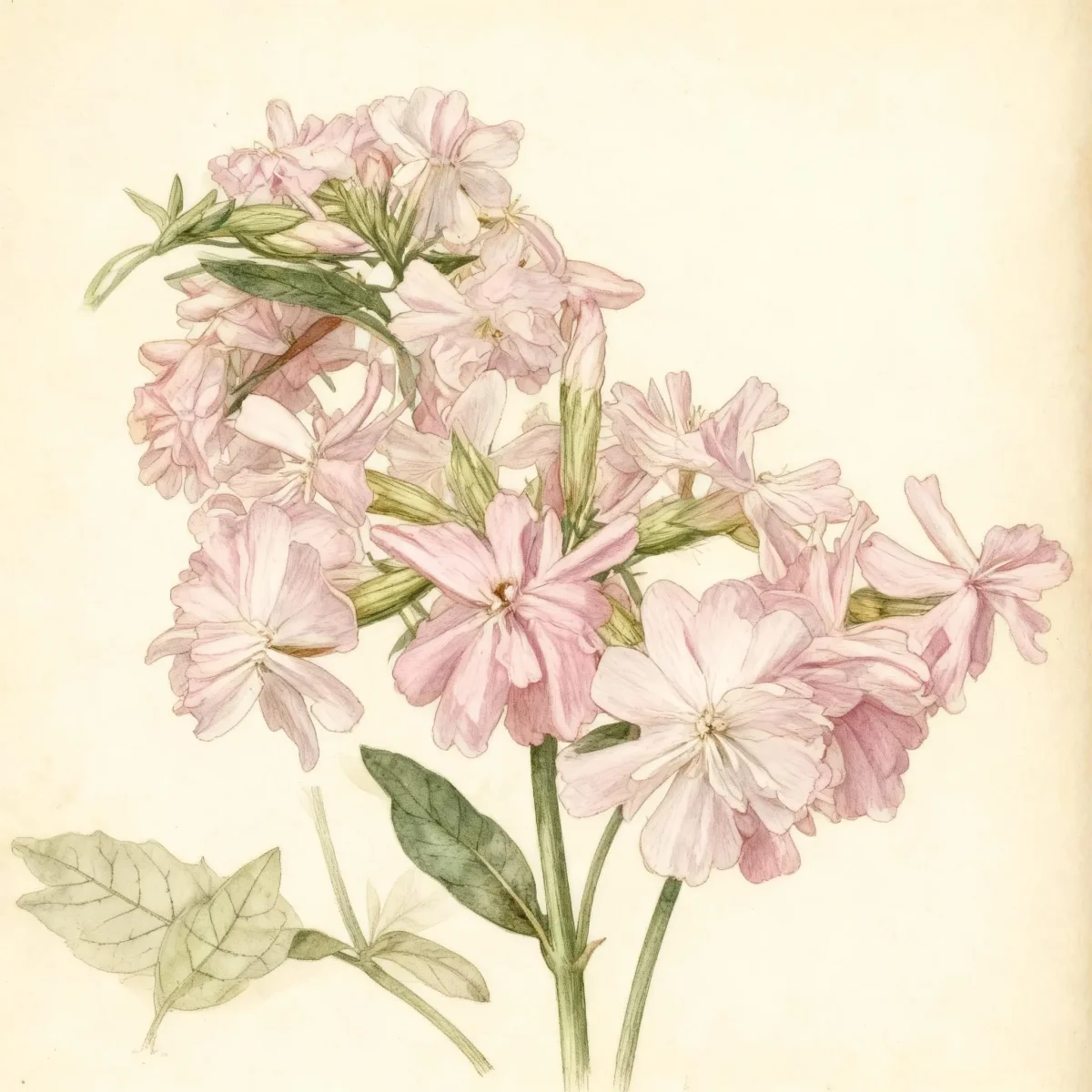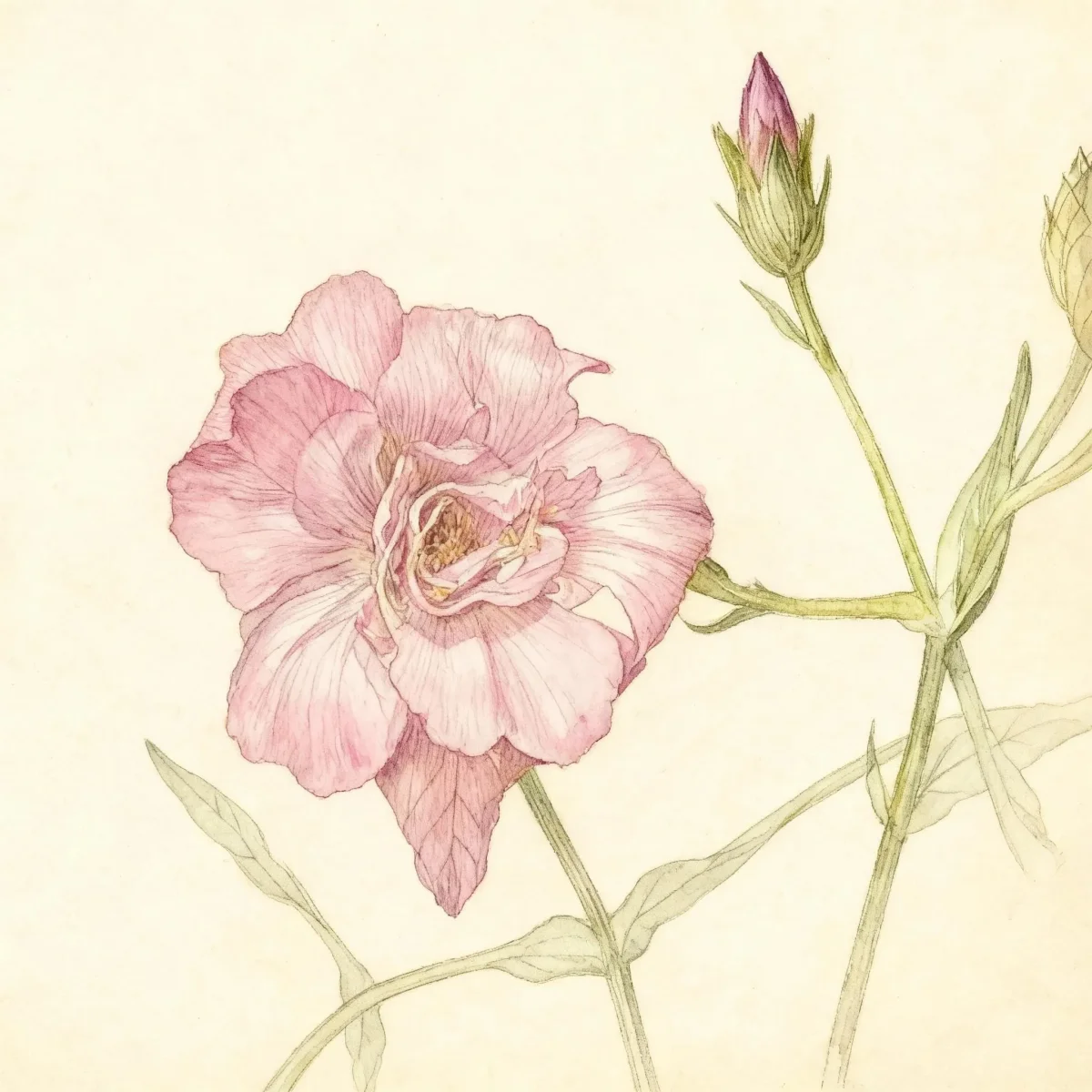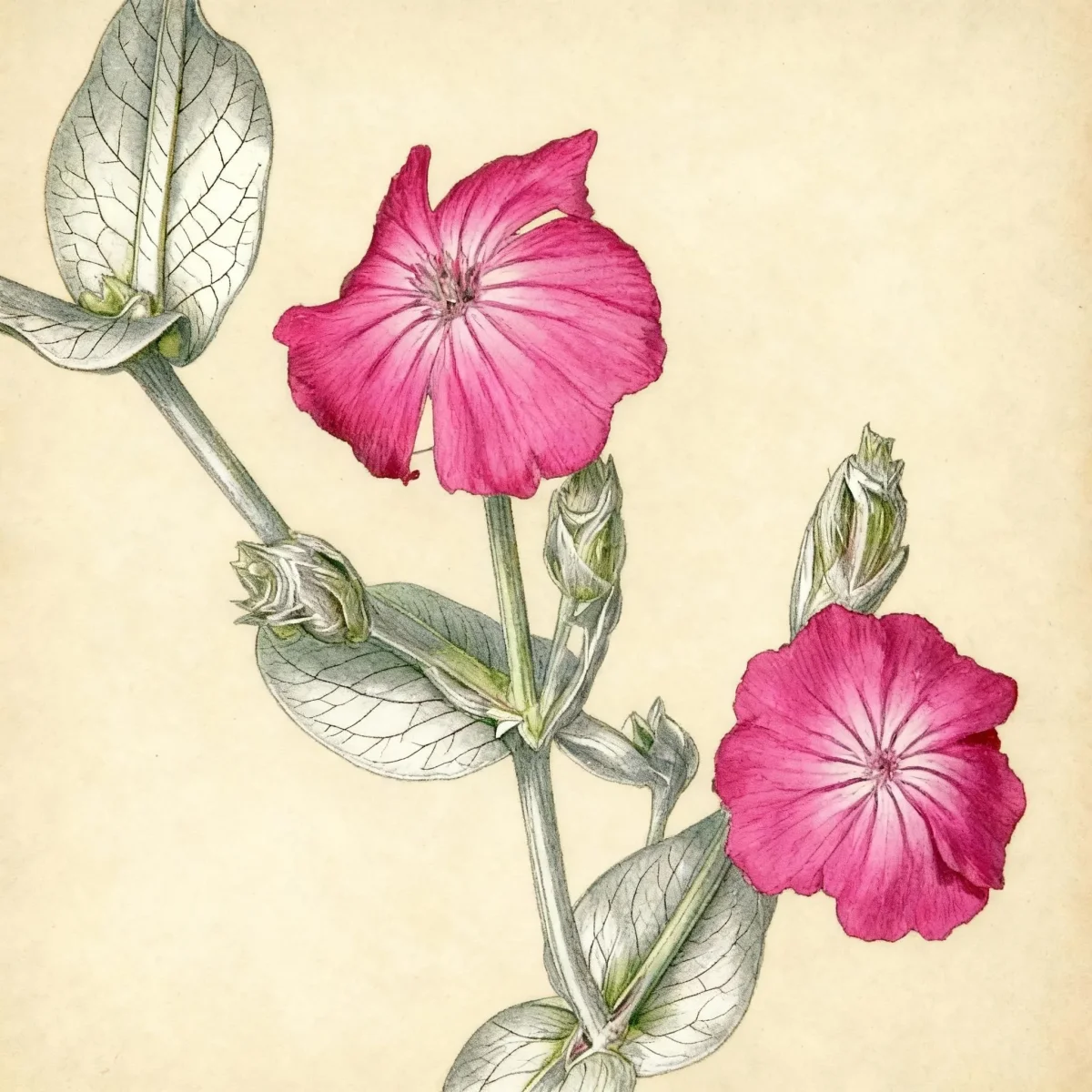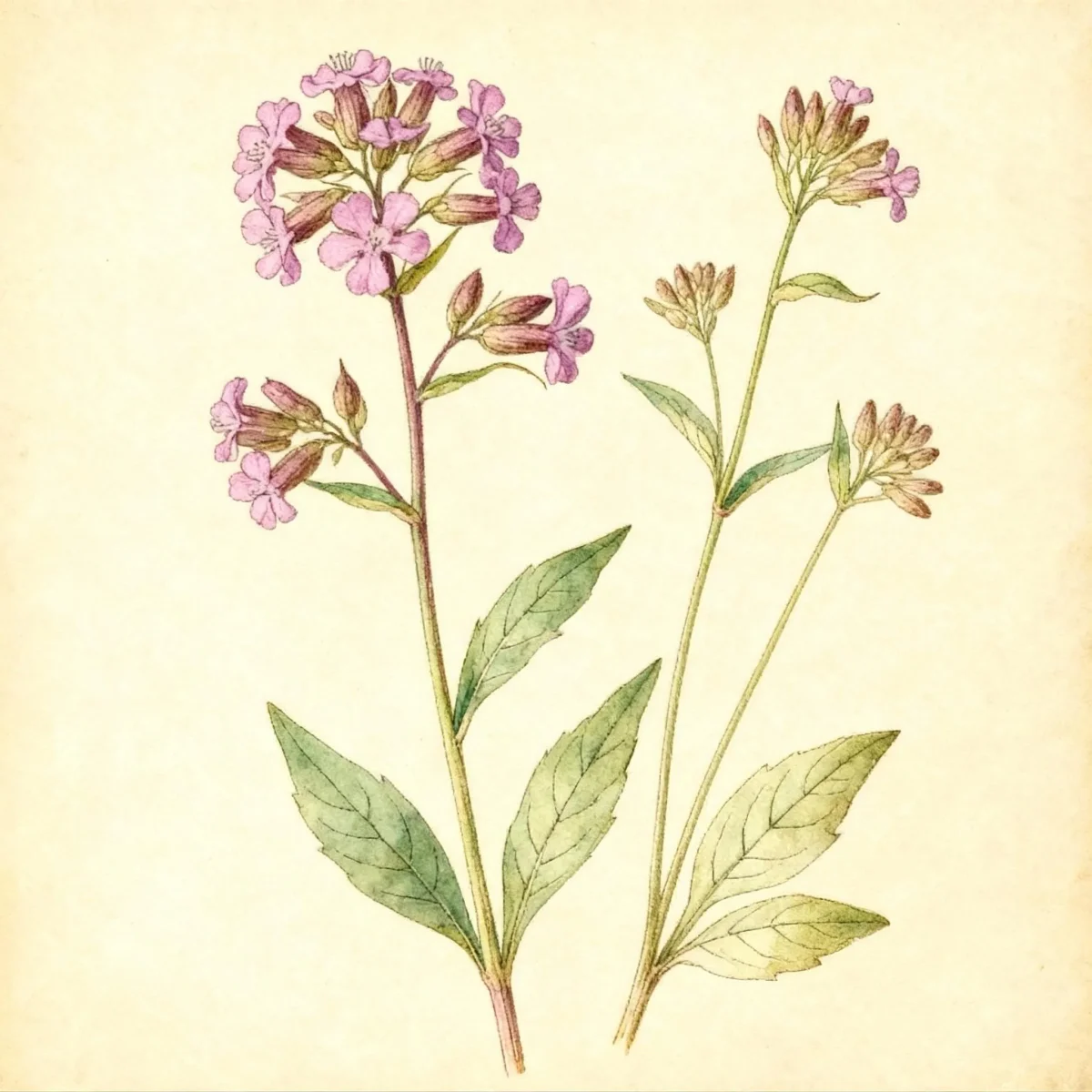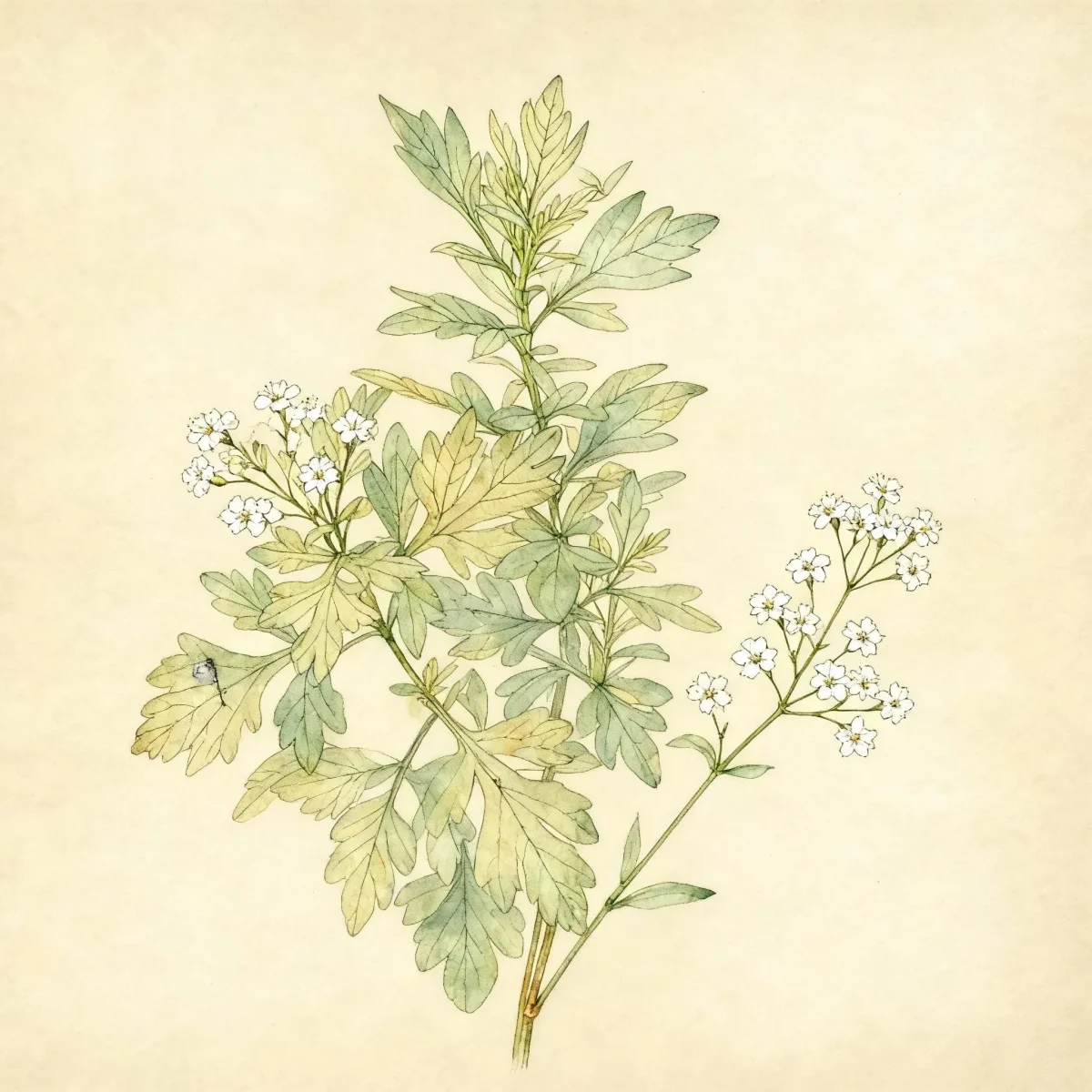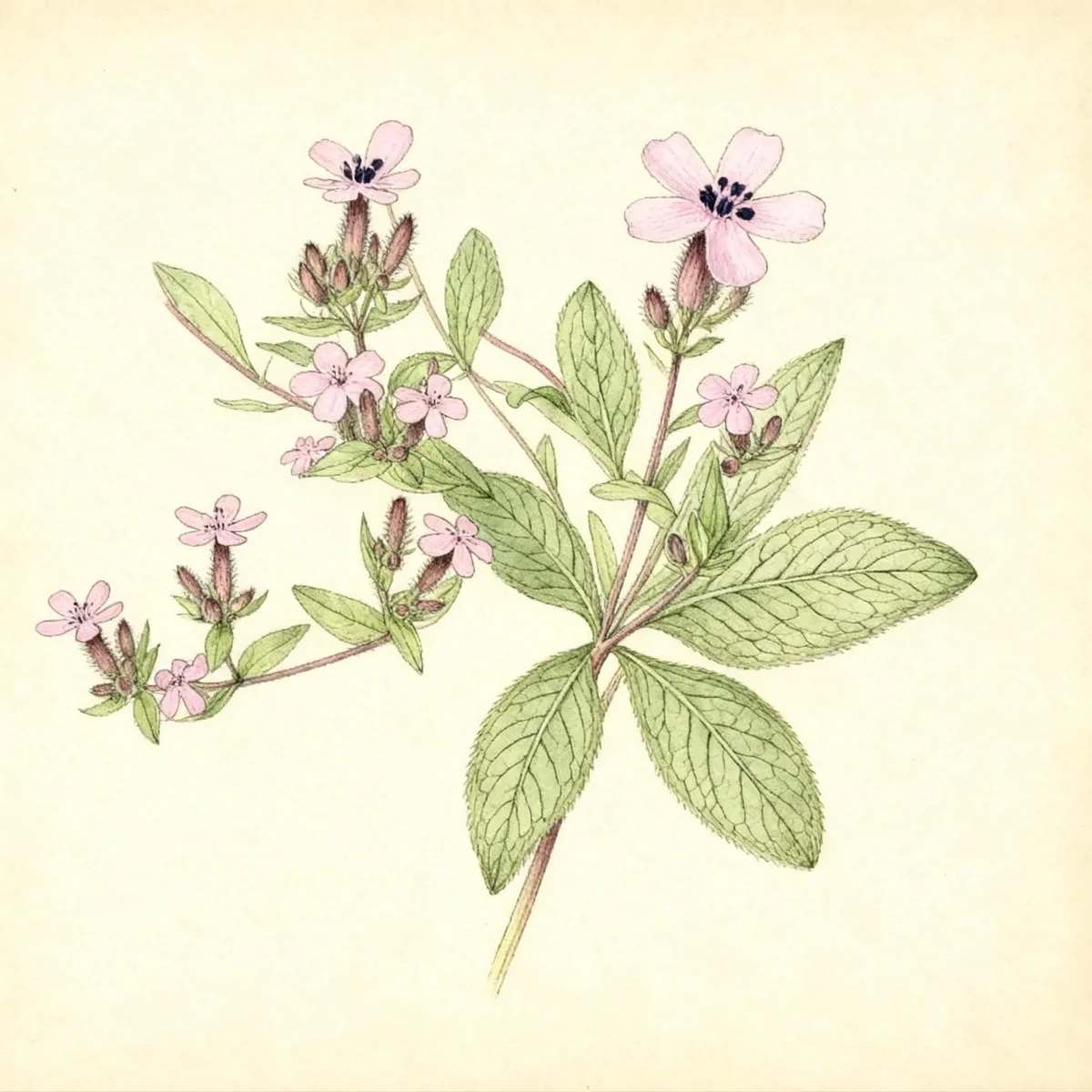

Campion (Silene uniflora 'Robin Whitebreast')
Silene uniflora 'Robin Whitebreast', the Campion, offers low-maintenance rock garden appeal with charming white, double flowers.
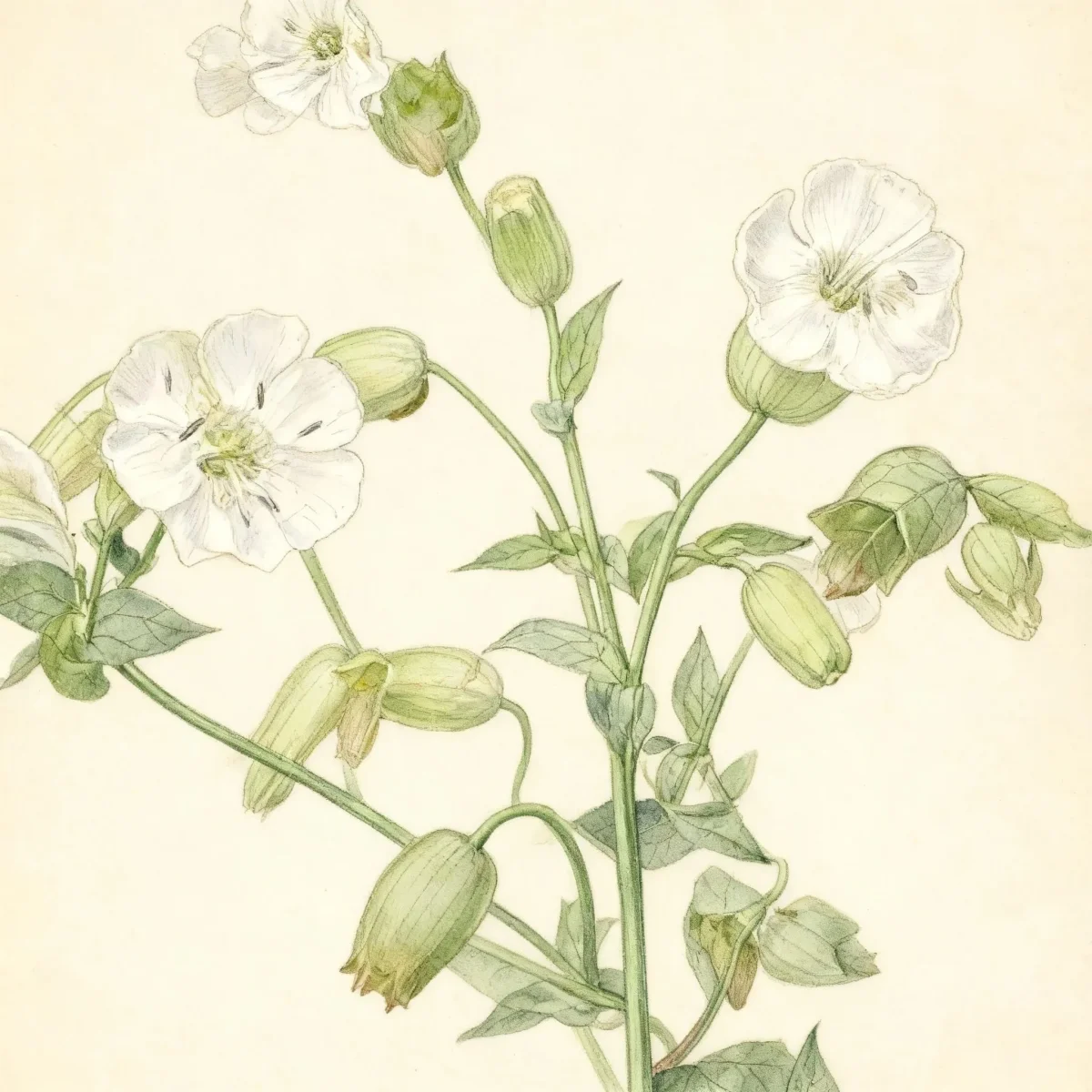

Bloom Boldly, No Matter the Season - Sweatshirt
Cozy organic cotton sweatshirt featuring our exclusive Purple Coneflower design. Perfect for gardeners who bloom year-round.
Inspired by the beautiful Campion
Limited first batch (50) — join the waitlist for early access
Waitlist closes Feb 15, 2026.
Complete Plant Information
Field Guide Continues
Ready for care notes, companion picks, and planting tips?
The map is just the start. The full guide below covers growth habits, seasonal performance, and landscape uses.
Overview
Silene uniflora ‘Robin Whitebreast’, commonly known as Campion, is a delightful herbaceous perennial valued for its neat, mat-forming habit and abundant late spring blooms. This cultivar features low cushions of smooth, light green foliage, perfect for softening hardscaping edges. Gardeners appreciate the long blooming period of Silene uniflora ‘Robin Whitebreast’, which typically lasts six to eight weeks starting in May or June.
This attractive plant thrives in full sun and prefers cooler climates, requiring excellent drainage to prevent cultural issues. Though it boasts visually appealing flowers, its primary benefits lie in its low maintenance demands and suitability for restricted spaces. Growing this Campion variety successfully means meeting its basic needs for drainage and sun exposure.
The flowers themselves are particularly noteworthy, appearing as white, double blossoms with distinctive split calyxes that resemble miniature carnations. Plant Silene uniflora ‘Robin Whitebreast’ where its spreading nature can be appreciated, ideally in environments reminiscent of its preferred native, dry, rocky habitats.
Fast Facts
- Plant Family: Caryophyllaceae
- Plant Type: Herbaceous perennial
- Hardiness Zones: USDA Zones 3-8
- Size at Maturity:
- Height: 0.25-0.75 ft
- Spread: 0.5-0.75 ft
- Bloom Time: May to June
- Bloom Description: White
- Sun Exposure: Full sun
- Water Needs: Dry to medium
- Maintenance Level: Low
How to Grow
For optimal establishment, plant Silene uniflora ‘Robin Whitebreast’ in the spring after the danger of hard frost has passed, or in early fall in warmer regions. The cultural key for this Campion is drainage; ensure the planting site offers well-drained soil free of heavy clay accumulation. Although easily grown, it must have aeration around the roots, fulfilling its need for dry to medium conditions.
Once established, this perennial requires minimal attention. Water lightly and infrequently, allowing the soil to dry out between irrigation sessions, especially during summer heat. Fertilizing is generally unnecessary; rich garden soil often leads to leggy growth rather than robust flowering.
Pruning is simple: trim back any spent flower stalks late in the season if deadheading is desired, though this is not mandatory for health. As a low-growing perennial suited to cooler climates, ensure it does not suffer from excessive heat combined with high moisture retention, which mimics poor cultural practices for Silene uniflora ‘Robin Whitebreast’.
Landscape Uses
Silene uniflora ‘Robin Whitebreast’ excels in specialized roles where its compact, spreading habit can anchor structures or spill gracefully. It is an exceptional choice for rock gardens, fitting perfectly between paver stones or nestled among alpine plants. Use the weight of the mounding foliage to cover rock walls, softening the masonry edges.
The low stature of this Campion makes it ideal for the front edge of mixed perennial borders where taller plants might otherwise obscure shorter features. Furthermore, consider planting Silene uniflora ‘Robin Whitebreast’ along border fronts, allowing the mats of foliage to provide year-round texture.
Because it appreciates excellent drainage, this variety is also wonderful for running over the sides of containers, providing a natural, cascading effect that contrasts nicely with upright pottery. Pair it with sun-loving, drought-tolerant associates like Sedums, Thymes, or creeping Phlox for a harmonious low-water display.
Standout Features
Flower Qualities
- Showy
Noteworthy Characteristics
A spreading, mat-forming perennial which typically grows only 4-8” high. Features low cushions of smooth, lance-shaped, light green leaves. Flower stems containing 1-4 white, double flowers with split calyxes (resembling small carnations) rise above the foliage in late spring for a 6-8 week period of bloom. Silene is in the same family as Lychnis and Dianthus.
Tolerances
- Drought
- Dry Soil
- Shallow-Rocky Soil
Potential Problems
This specific variety of Campion is highly regarded partly because it seems to avoid serious insect or disease problems under proper growing conditions. Gardeners should remain vigilant regarding soil moisture; the primary threat to Silene uniflora ‘Robin Whitebreast’ is root rot or crown rot caused by overly wet or poorly drained soils, especially during winter dormancy. Ensure the location provides the excellent drainage emphasized in its culture requirements to prevent fungal issues.
Frequently Asked Questions
What hardiness zones is Campion suitable for?
Silene uniflora ‘Robin Whitebreast’ is highly adaptable and suitable for USDA Zones 3 through 8.
How large does Silene uniflora ‘Robin Whitebreast’ grow?
This perennial typically forms mats reaching only 0.25 to 0.75 feet in height, with a spread between 0.5 and 0.75 feet wide.
When does Campion bloom?
The bloom time for this evergreen perennial is generally from May into June, producing distinctive white flowers.
What sun exposure does Silene uniflora ‘Robin Whitebreast’ need?
This plant requires full sun exposure to flower best and maintain its compact shape.
Conclusion
The superb suitability of Silene uniflora ‘Robin Whitebreast’ for dry, sunny exposures and its low maintenance profile make it an indispensable alpine or rock garden feature. Offering lovely white, double flowers atop neat foliage, this stunning Campion offers reliable seasonal beauty. Check your USDA zone compatibility now and plan to incorporate this excellent perennial into your next stone setting or border front.
Companion Planting
When selecting companions for Silene uniflora ‘Robin Whitebreast’, focus on other sun-loving, drought-tolerant plants that share its love for sharply drained soil. Low-growing sedums (Stonecrop) are excellent matches, providing contrasting texture and color across the season. Consider pairing it with creeping varieties of Phlox subulata or low mounds of Dianthus cultivars, as they share cultural needs and thrive in the same lean environments.
Avoid planting this Campion near moisture-loving perennials like Hostas or Astilbes, as prolonged contact with high humidity or rich, damp soil will compromise the root health of the Silene. The goal is to create a tapestry of tough, sun-worshipping textures near rock features where water drains away quickly.
Propagation Tips
While Silene uniflora ‘Robin Whitebreast’ can be grown easily from seed, propagating mature clumps is faster and ensures you maintain the desirable double-flowered characteristic of this specific cultivar. The easiest method is simple division of the mat-forming clumps. Perform division in early spring just as new growth begins to emerge, or in the early fall.
Gently lift sections of the established clump, ensuring each piece retains some healthy root structure and foliage base. Replant the separated divisions immediately into their prepared, well-drained locations. Keep the newly divided plants consistently moist for a few weeks until the root systems are re-established, although they will quickly revert to their preferred dry tolerance.